The Lithuanian National Museum presents the 2024 season of new exhibitions and subscription news for friends
2024 01 30
In 2023, the Lithuanian National Museum welcomed nearly 430 thousand visitors, indicating a growing interest in exhibitions and the activities of museum departments. In fact, 98% of surveyed visitors recommended visiting the LNM to their friends and acquaintances. The year 2024 promises to be just as eventful, so what can visitors expect? The Lithuanian National Museum announces the 2024 season, featuring selected special stories, the opening of a new branch in Vilnius, planned international exhibitions in France and Japan, and the launch of a special offer for loyal visitors – the Friend Card.
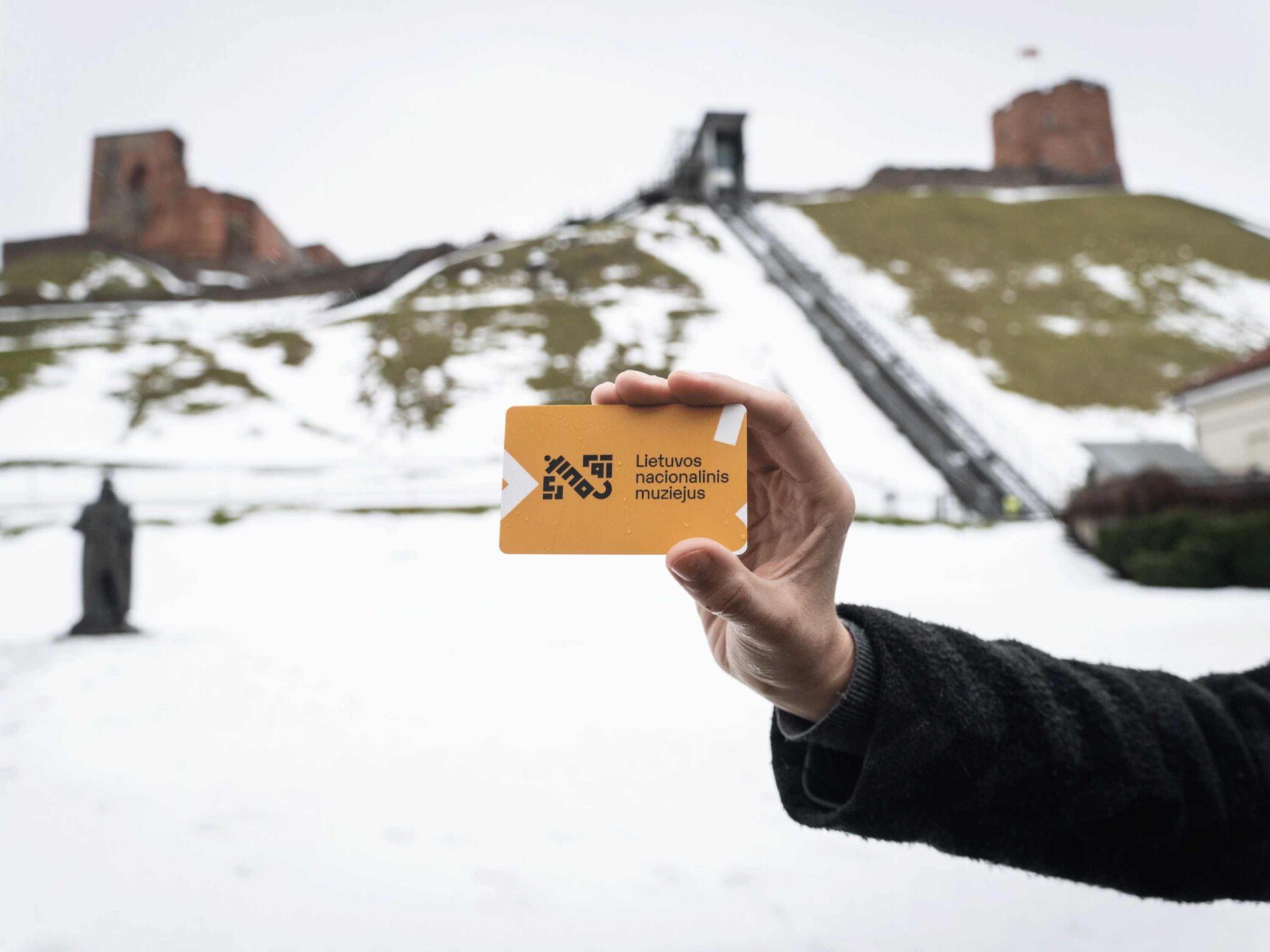
Friend Card – for the most loyal
“This year, countless stories are eager to meet visitors. We select the best and invite you to discover the museum as a friend – where you will explore history in an interesting and meaningful way, discover new experiences, and delve into the depths of past and present culture and history,” says LNM Director General Dr. Rūta Kačkutė. As part of the presentation of the new exhibition season, the museum offers a unique opportunity for its most loyal visitors to purchase the “Friend Card” until February 29th and enjoy free admission to all Lithuanian National Museum branches and exhibitions throughout the year. The annual subscription can be purchased in the museum’s online store, and the card will be delivered free of charge to the specified address.
New museum in Vilnius
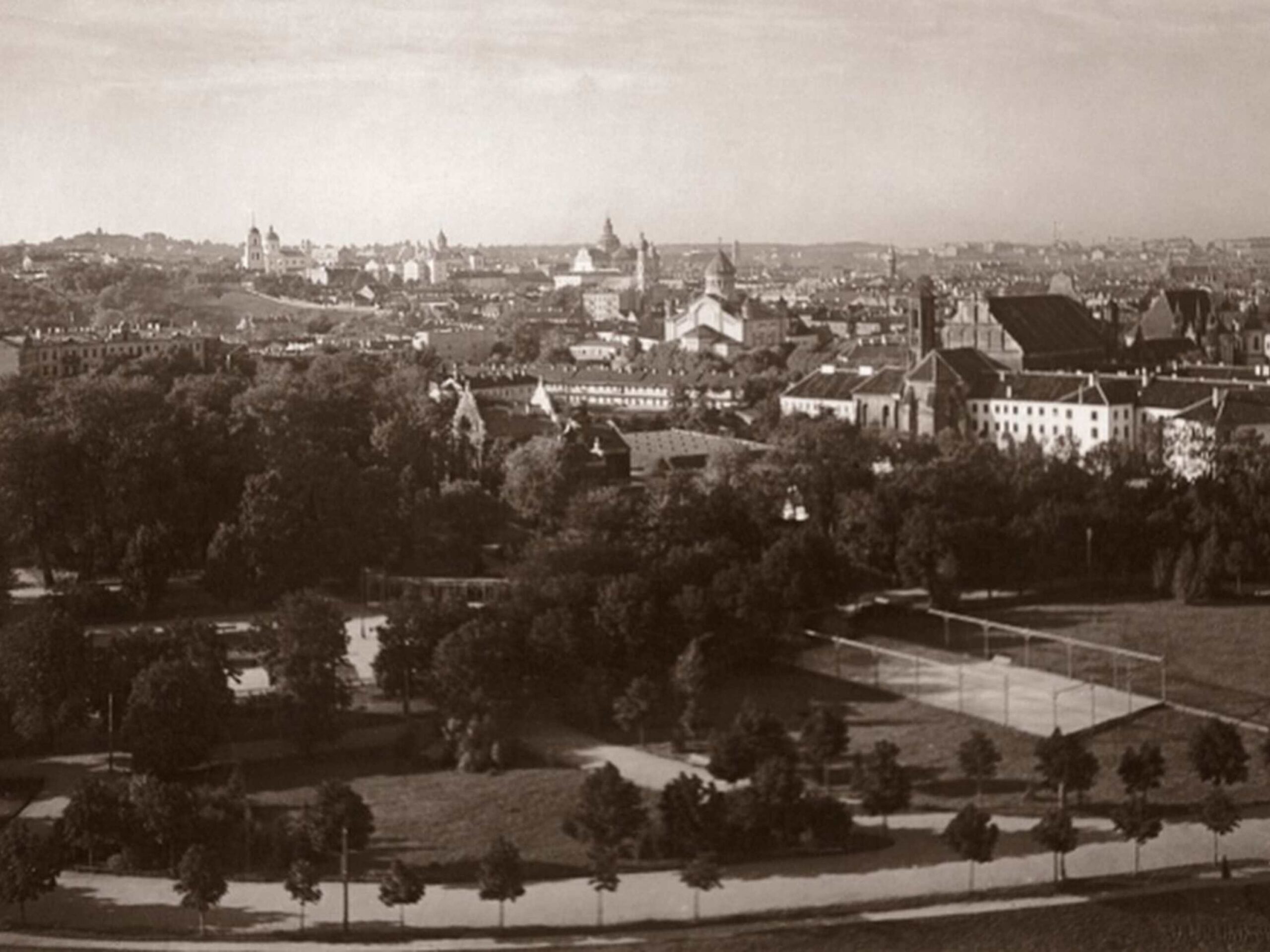
In early 2024, the LNM plans to begin the renovation of the New Arsenal. Near this branch, at the foot of Gediminas Hill, a new exhibition presenting Lithuanian history will open in the spring at the the Castellan’s House. “It’s a concise guide to Lithuanian history and identity. Why are we who we are? The exhibition will showcase the most important phenomena and events in our history that have shaped the development of society and formed the identity of modern Lithuania,” shares the vision of Pilininko House by LNM Director General Dr. Rūta Kačkutė. The exhibition will be designed to appeal to both the younger generation and city guests. It is hoped that visitors to the heart of Vilnius Old Town will discover a new great place to spend their leisure time and participate in various events.
Support for Ukraine is still very important
In September, the most important exhibition of the Lithuanian National Museum for 2024, “Kievan Rus”, will open at the House of Histories. The exhibition will narrate the establishment and history of Kievan Rus based on authentic archaeological finds from Ukraine, the Baltic States, Germany, and Sweden. This extraordinary opportunity aims to shed light on historical manipulations and answer the question of who are the heirs and successors of the Kievan Rus state. “We must remember that the current war is directed against the historical memory of Ukraine. We aim for the people of Lithuania not to remain indifferent witnesses to Russia’s cultural vandalism and destruction of history,” says LNM Director General Dr. R. Kačkutė, emphasizing the importance of preserving the past for the future based on our own state’s history.
Anniversaries and occasions of this year
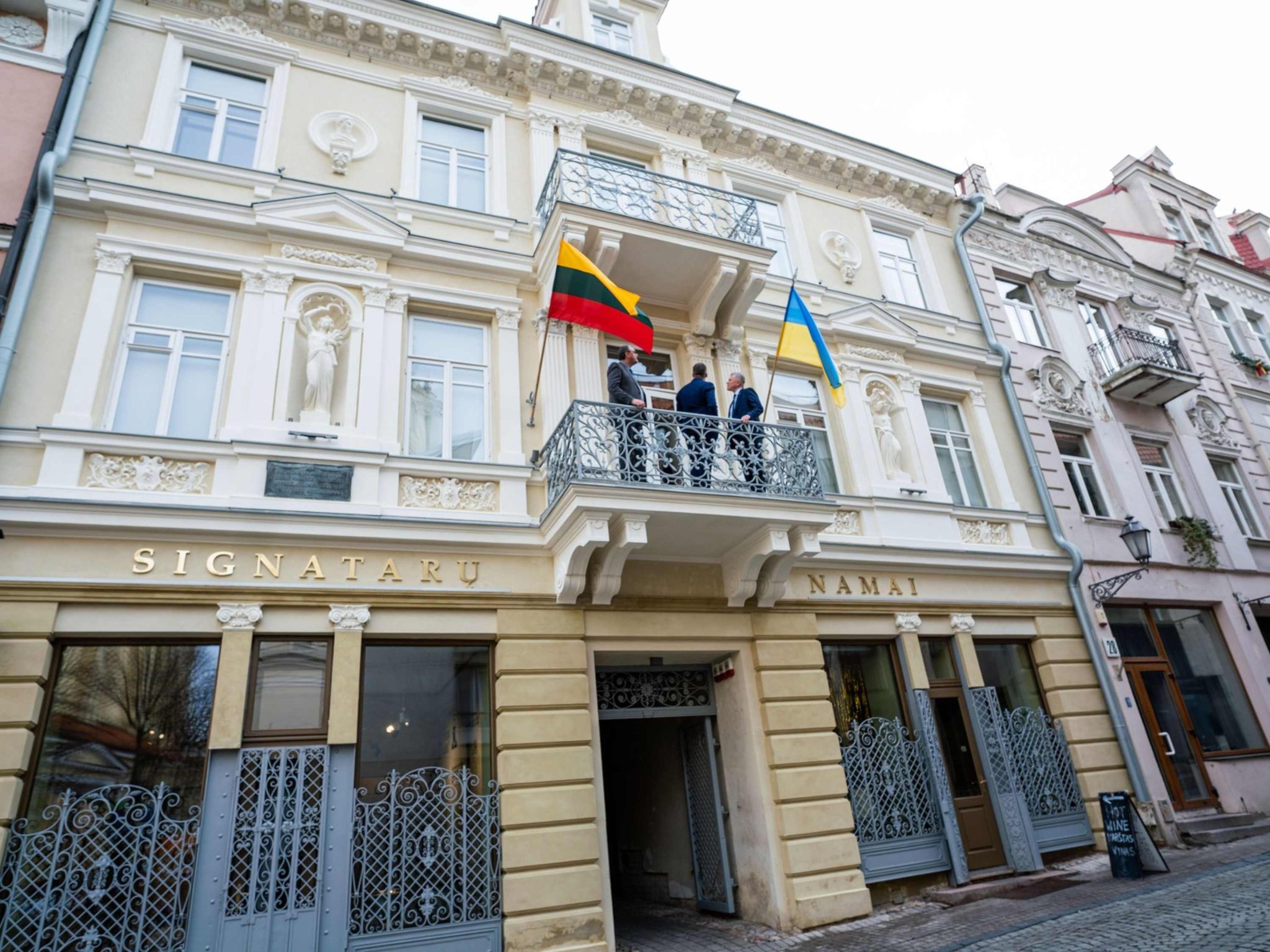
In 2024, Lithuania commemorates the year of the Lozoraitis diplomats and the jubilee of the Song Festival. In May, the Lithuanian National Museum will present an exhibition dedicated to the Lozoraitis family at the Signatory House. This dynasty has been involved in shaping modern Lithuania and restoring its independence for generations. The family’s values are relevant to Lithuania today in the geopolitical context. Personal family items, an animated genealogical tree, and documentary interviews will invite reflection on the path to freedom and once again ponder what it means to be free.
In June, a poster exhibition of the Song Festival is planned near the Former Prison, at the entrance to the House of Histories. The tradition of national song and dance festivals is a century-old cultural and social phenomenon involving the entire Lithuanian nation, recognized on the UNESCO Representative List of the Intangible Cultural Heritage of Humanity. The history of the centennial Song Festival will be told through posters, which are unique as both works of art reflecting the artistic trends of the time and historical documents witnessing the life of that period.
Global perspectives
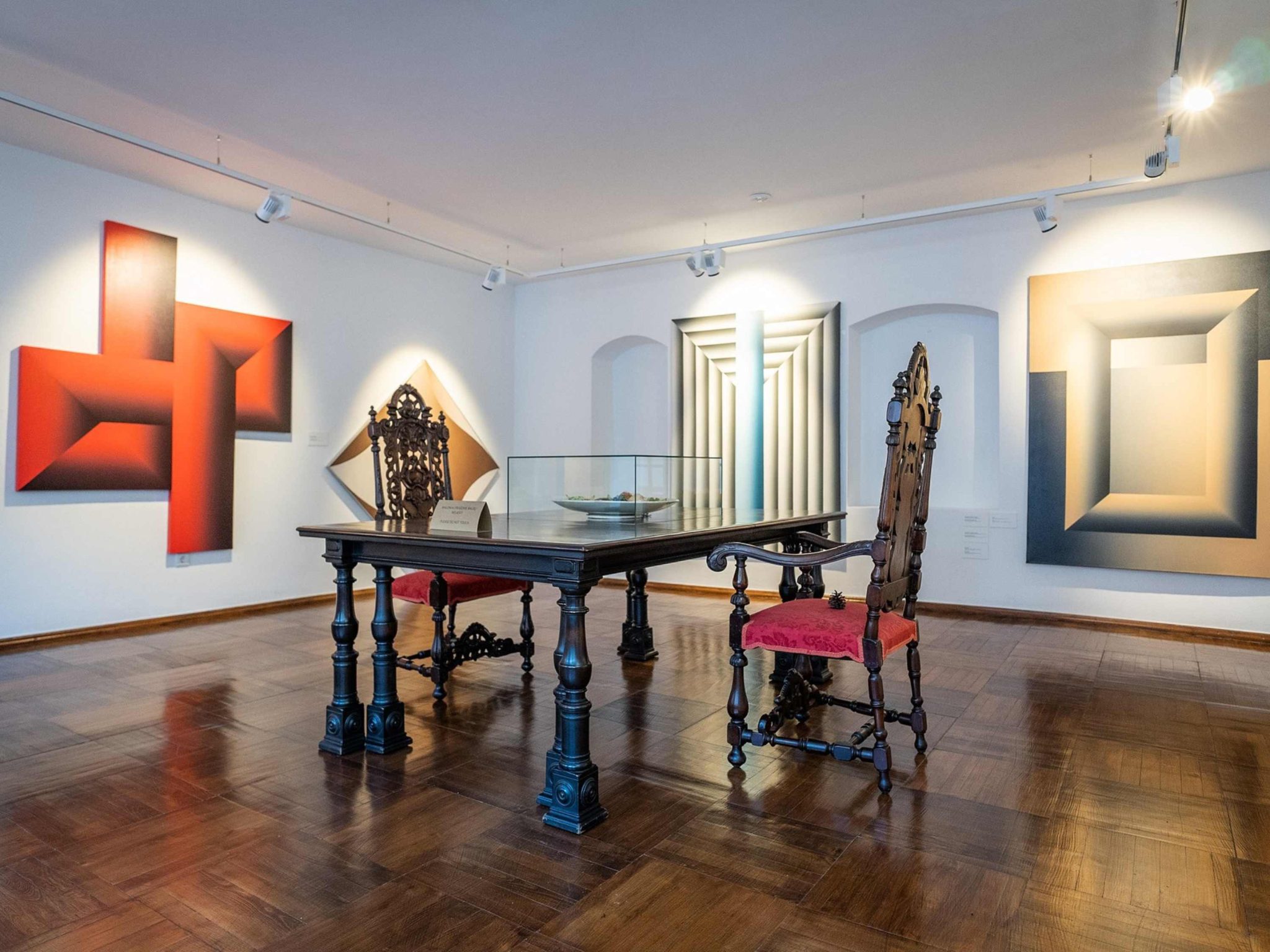
For the Lithuanian season in France in 2024, the Lithuanian National Museum plans two international exhibitions. For the first time in France, at the Fondation Vasarely, the leading center of optical art in Provence, the works of the renowned Lithuanian diaspora artist Kazys Varnelis will be presented. K. Varnelis’s paintings and sculptures will be exhibited alongside works by other prominent representatives of op art and minimalism from the Pompidou Center and other foreign collections. In July, the opening of the exhibition will introduce visitors to some of K. Varnelis’s early geometric abstractions and iconic optical compositions from his Chicago period.
In the same Fondation Vasarely center in November, an ethnographic textile exhibition titled “Ethnographic Op Art” will open, complemented by K. Varnelis’s paintings and a contemporary music composition by composer Matas Samulionis. The ambisonic sound installation is based on the rhythms of weaving looms and optical ornaments. The project reveals the roots of K. Varnelis’s work and the global phenomenon of optical illusion.
In November, at the Memorial Museum of Warriors, Siberian Prisoners, and Post-War Repatriates in Tokyo, the Lithuanian National Museum will present an exhibition on the Gulag. The exhibition aims to acquaint Japanese society with the brutal political repression carried out by the Soviet authorities against the inhabitants of occupied Lithuania, revealing the harsh working and living conditions of deportees, their efforts to survive without losing their human dignity and national identity, and their hope of returning to their homeland.
Unique author narratives and perspectives
This year, the Lithuanian National Museum will present various prominent voices of Lithuanian artists, offering visitors unique perspectives and stories told by authors.
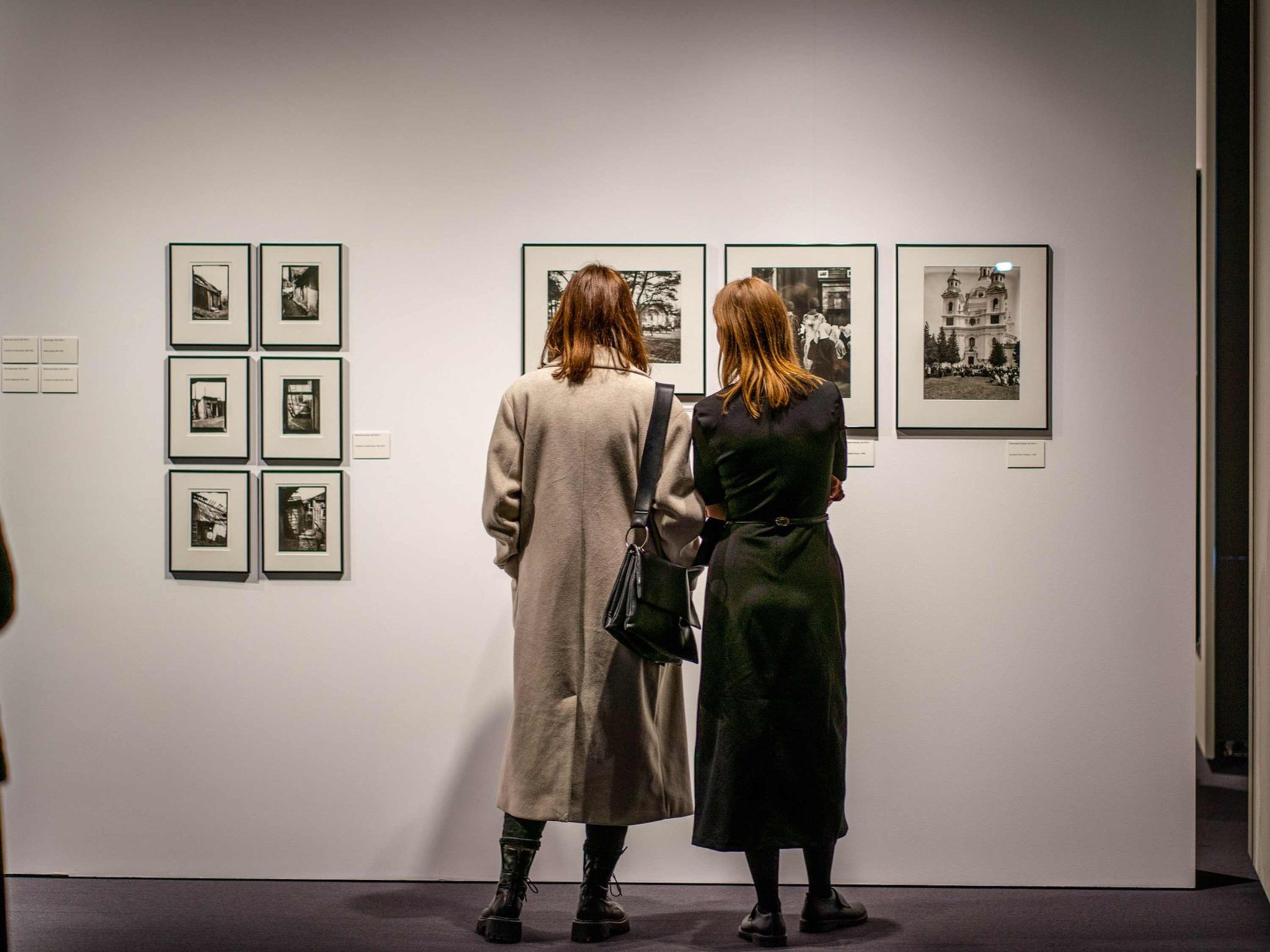
In November, for the first time at the House of Histories, an open exhibition of Antanas Sutkus’s photographs entitled “Sweet Life of the Nomenklatura” will be held. It will feature a collection of photographs never before exhibited from the life of the Soviet nomenklatura. Some of the photographs from the Soviet era probably would not have passed official censorship.
On January 31st, a exhibition titled “And I Am Just a Human” by Monika Radžiūnaitė will open at the Kazys Varnelis House-Museum. In June, the bastion of the defensive wall of Vilnius will host an exclusive exhibition by archaeologist and jeweler Evaldas Babenskas about the rings worn in 13th-14th century Lithuania. In October, visitors to the bastion of the defensive wall of Vilnius will be invited to the exhibition “QALQAN. Tatar Writings”. Contemporary Crimean Tatar ceramicist, ethnographer, and ornamentalist Rustem Skibinas will present one of the elements of martial arts – a warrior’s shield, which serves the state’s defense in a broad sense. In October, the Albino Elskus exhibition “Heavenly Light” will open at the Kazys Varnelis House-Museum. Albino Elskus, a Lithuanian in exile, is a famous stained glass artist, traveler, and educator. For the first time, the splendid projects of the artist featuring Lithuanian motifs preserved in American churches, public institutions, and other interiors will be exhibited in one space.
Narratives about Lithuania: a kaleidoscope of stories
The branches of the Lithuanian National Museum in the regions will offer interesting and diverse exhibitions to visitors. In the garden of Jonas Basanavičius’ birthplace, a long-term exhibition of symbolic beehives will combine historical narratives about beekeeping. Meetings with beekeepers, presentations of honey and other bee products, and tastings, as well as a new educational program for students, will draw attention to the declining bee population, which is crucial for the ecosystem. The exhibition “From the Hive” will be open to visitors from May.
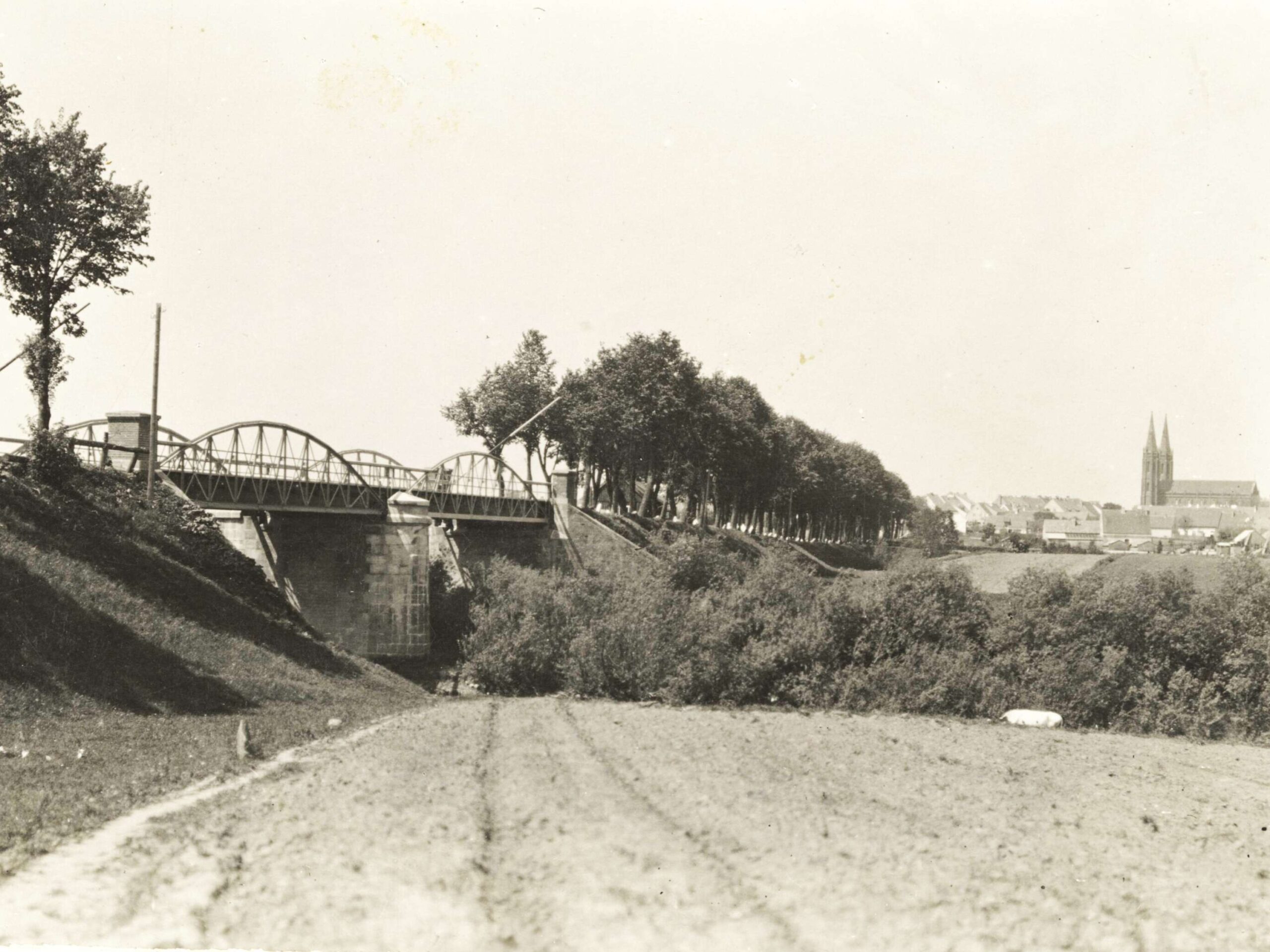
The museum in Kudirkos Naumiestis aims to remind the city’s community and visitors of the forgotten interwar history and its contribution to the city’s identity in the context of the present decline of regional areas. After Kaunas modernist architecture was declared a UNESCO heritage site, visitors will be invited to look beyond the borders of Kaunas and explore the spread of this architectural style elsewhere. This will be the subject of an exhibition opening in July dedicated to the anniversary of the monument to Vincas Grybas commemorating Vincas Kudirka.
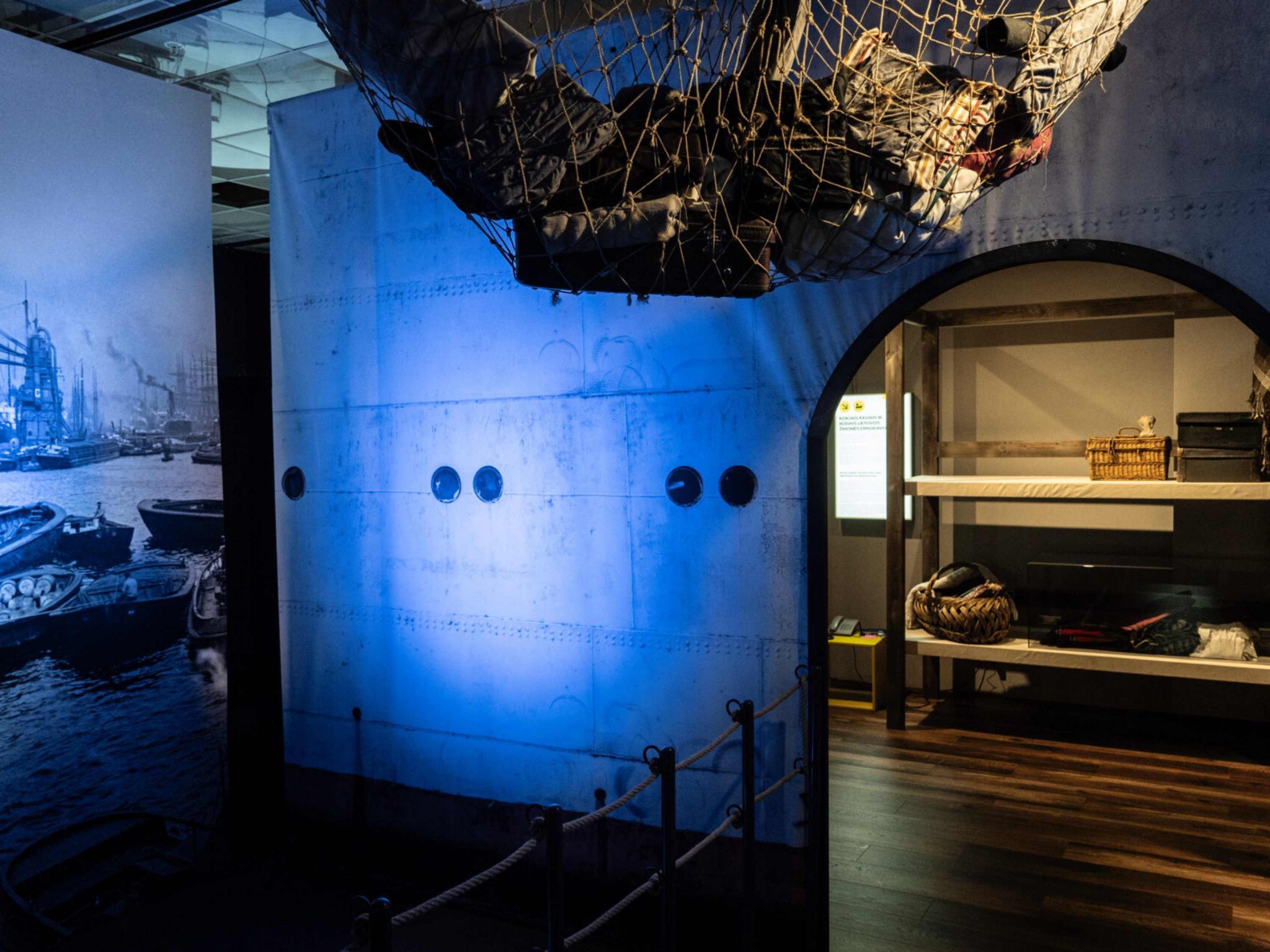
In December, the Jonas Šliūpas Museum will invite visitors to the exhibition “The Journey of Herring to Our Coast in the 19th Century”. The history of this fish, which influenced world geopolitics and economics, spans thousands of years. In the 19th century, when herring disappeared from the Baltic Sea, Norway became its main importer. During that time, the port of Klaipėda established special trade relations with this country. The exhibition will introduce how herring traveled to us in those times.
The museum – not just exhibitions
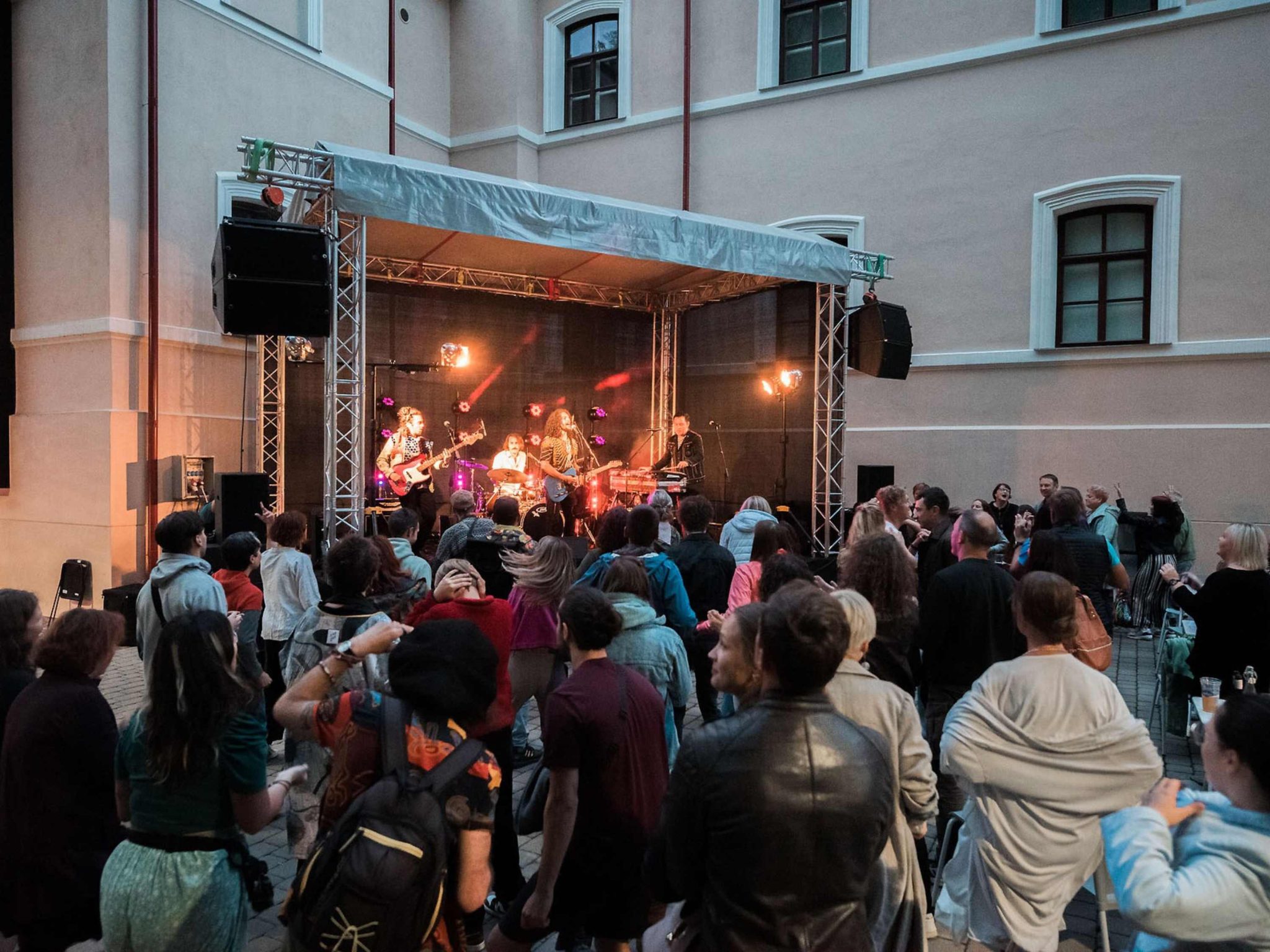
As usual, throughout the year, the branches of the Lithuanian National Museum will host events and activities that complement the exhibition experience. The museum opens up to various communities and invites new experiences and acquaintances. This is just a part of the abundant activities awaiting museum visitors this year. “The museum contributes to comprehensive personal growth and emotional well-being. We aim to be a vibrant space – creating dialogue between different segments of society,” said museum director Dr. R. Kačkutė.
You can find the full program of the LNM’s 2024 new exhibition season here (link).
The Friend Card can be purchased here (link).
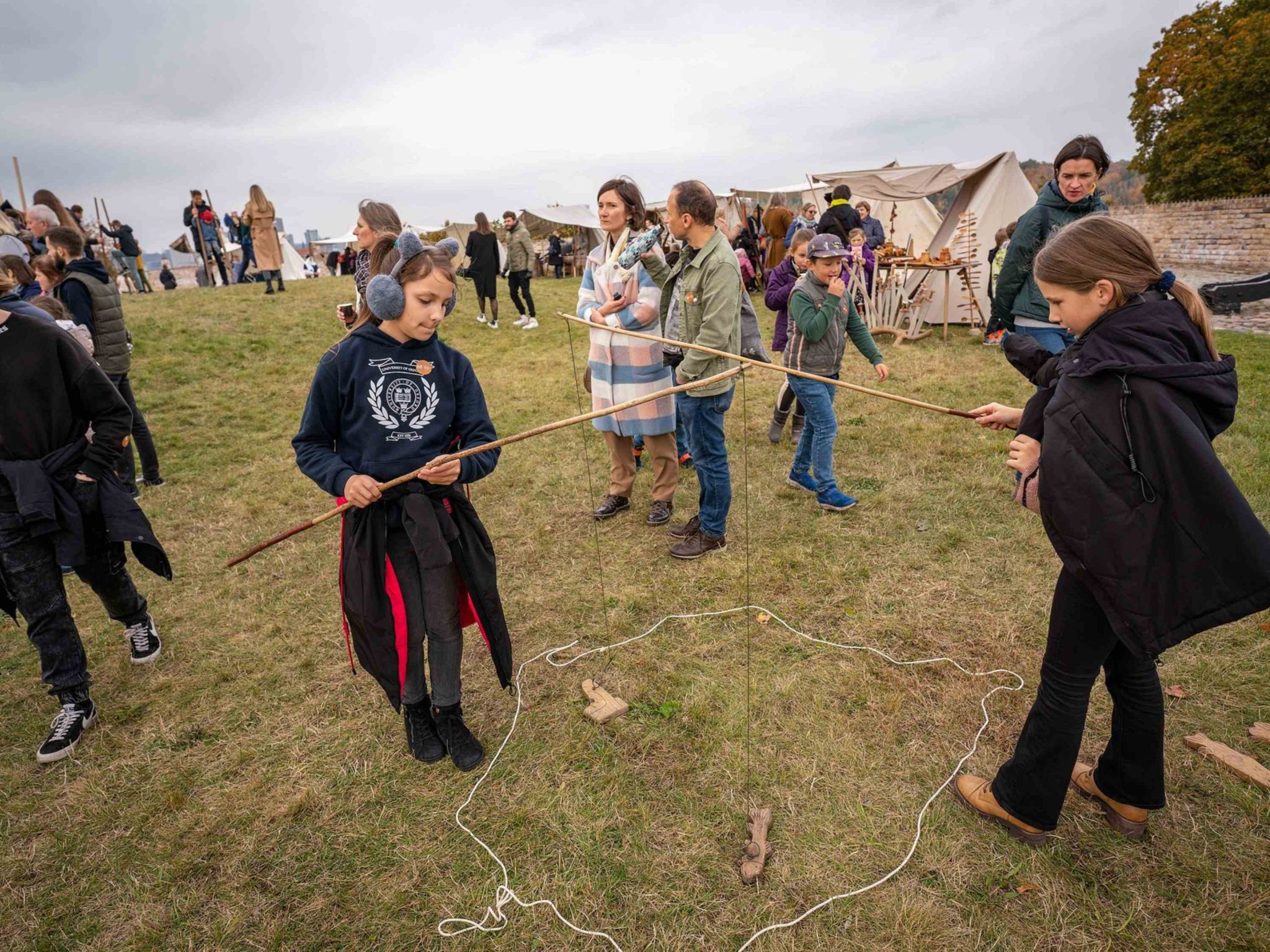

The Lithuanian National Museum is one of the first museums in Lithuania. Today, it houses more than one and a half million exhibits, with about 300 employees working here and about 430,000 visitors annually. The LNM unites twelve branches: Gediminas Tower, Old and New Arsenals, Castellan’s House, Vilnius Defensive Wall Bastion, House of Histories, Former Prison, Signatory House, Kazys Varnelis House-Museum, Jonas Basanavičius’ Birthplace, Vincas Kudirka Museum, Jonas Šliūpas Museum.
Photos by Augustinas Bėkšta, Silvestras Samsonas, LNM