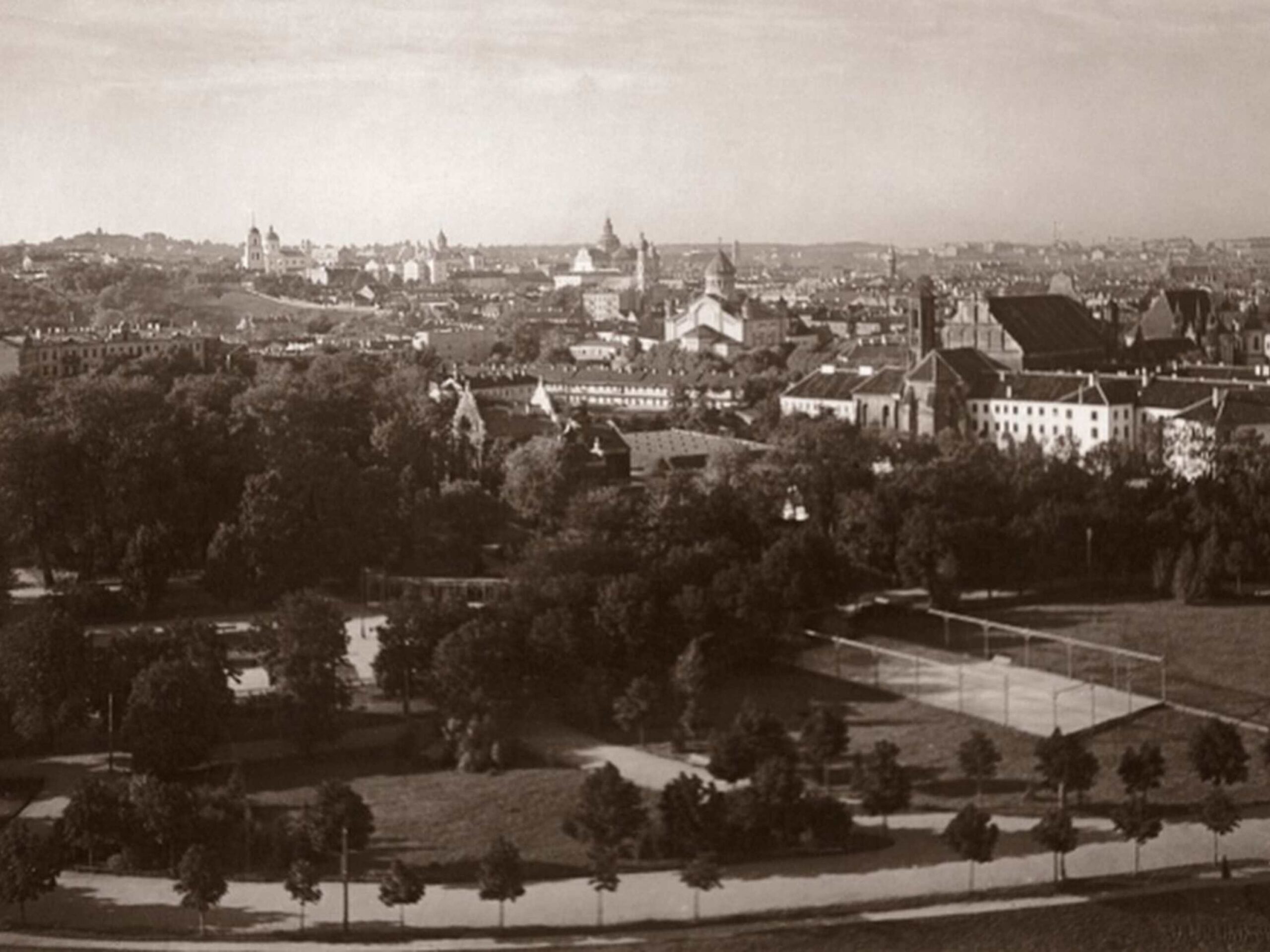
The Lithuanian National Museum Presents Archaeological Curiosities and the Latest Discoveries to The Public
2024 02 12
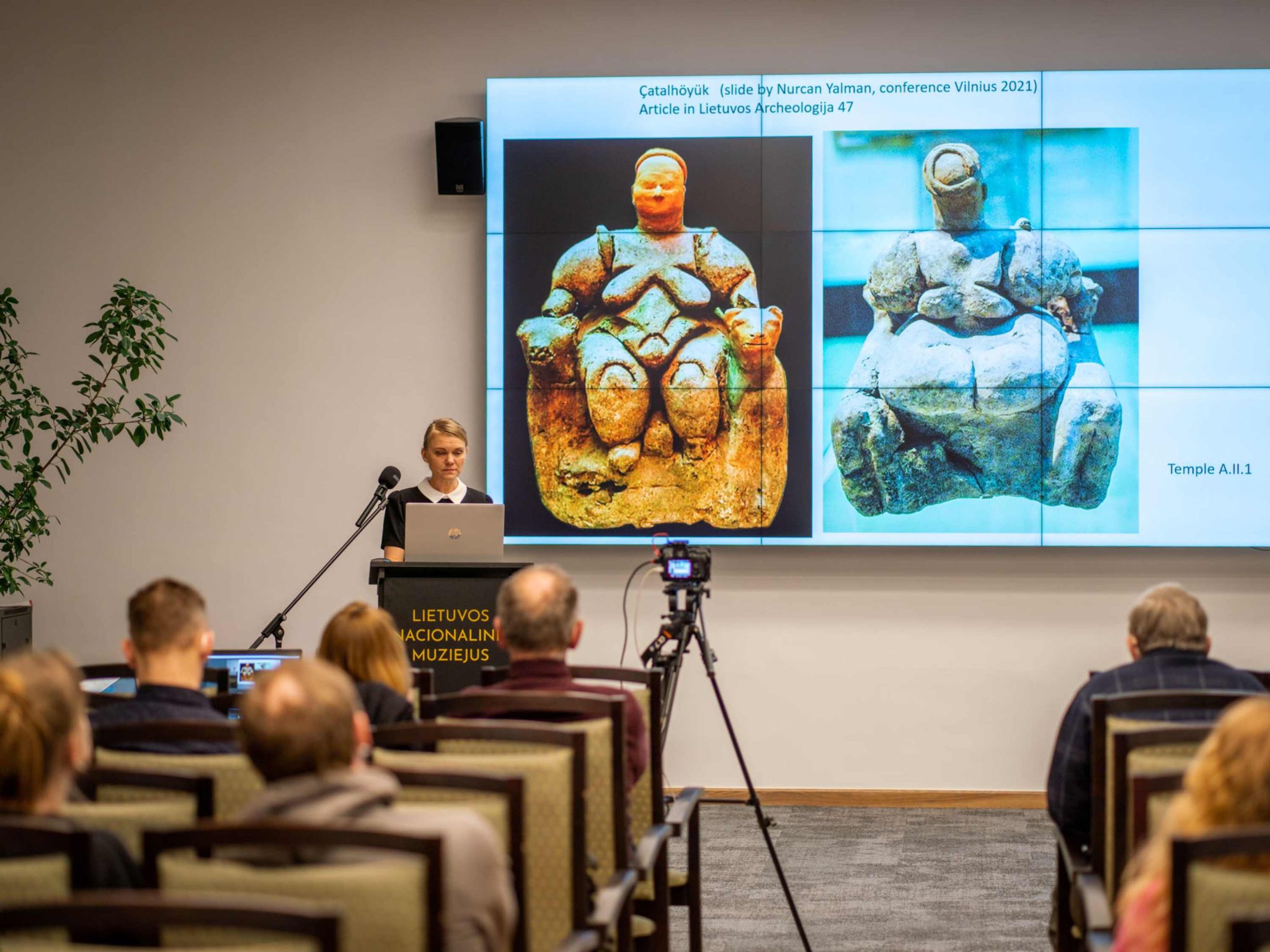
On February 15 the XXI Lithuanian National Museum and the Archaeological Society of Lithuania mark the evenings of archeology – readings by Marija Gimbutienė event. 7 meetings, 11 presentations, almost 20 speakers and a map of archaeological discoveries stretching from Ukmergė to the Egyptian necropolises – unexpected research results and the latest archaeological data will be shared by professionals and connoisseurs in this field until May.
For twenty years, the National Museum of Lithuania has been organizing archeology evenings for the public, dedicated to the most famous Lithuanian archaeologist, researcher of the Old European civilization and creator of the field of archaeomythology, prof. Marija Gimbutienė (1921–1994). in 2024 the meetings will cover many topics of archaeological science: the latest projects, research and discoveries, material culture studies, clothing reconstruction, burials, and the insights of Lithuanian archaeologists in researching famous foreign archaeological monuments.
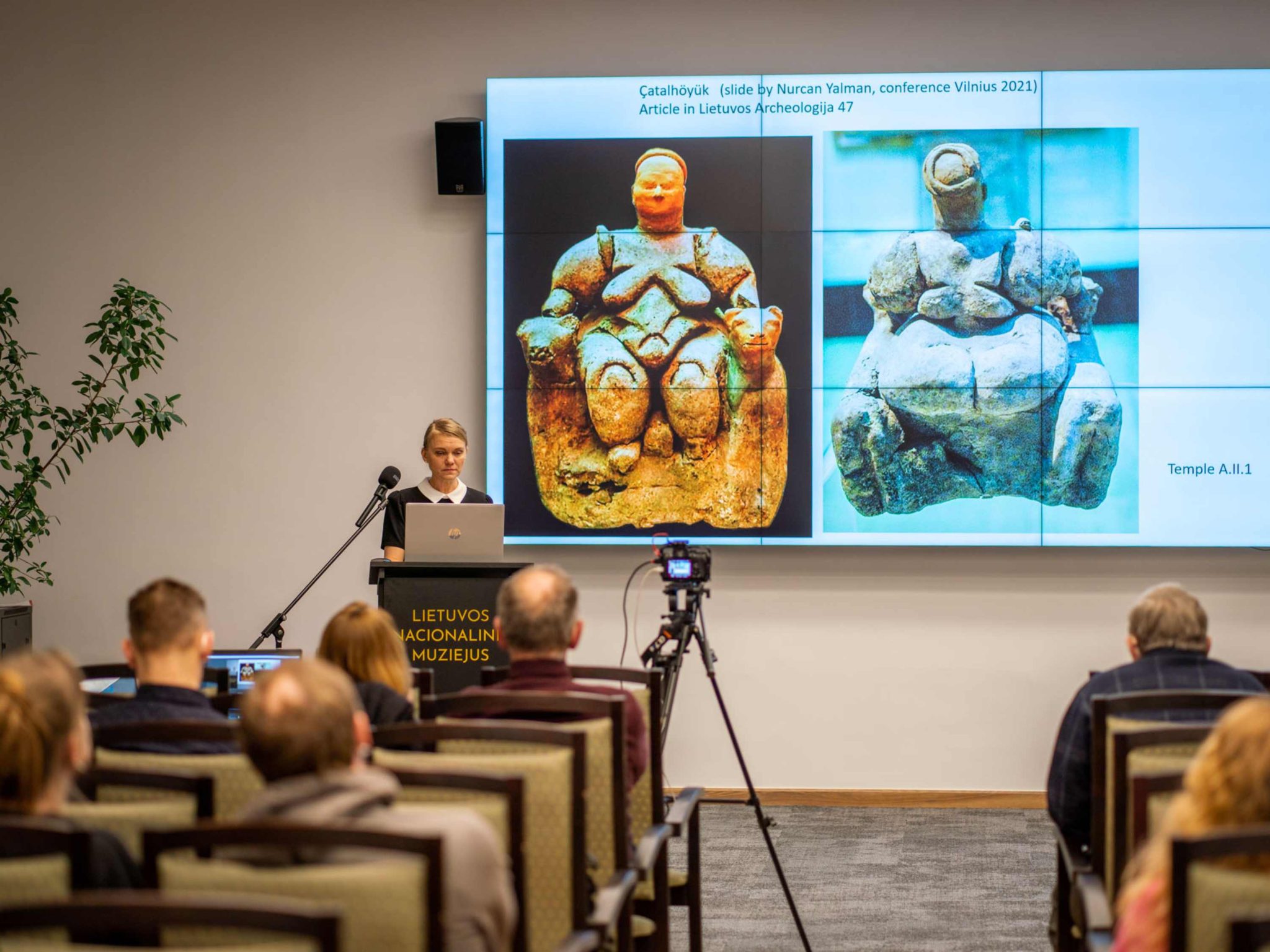
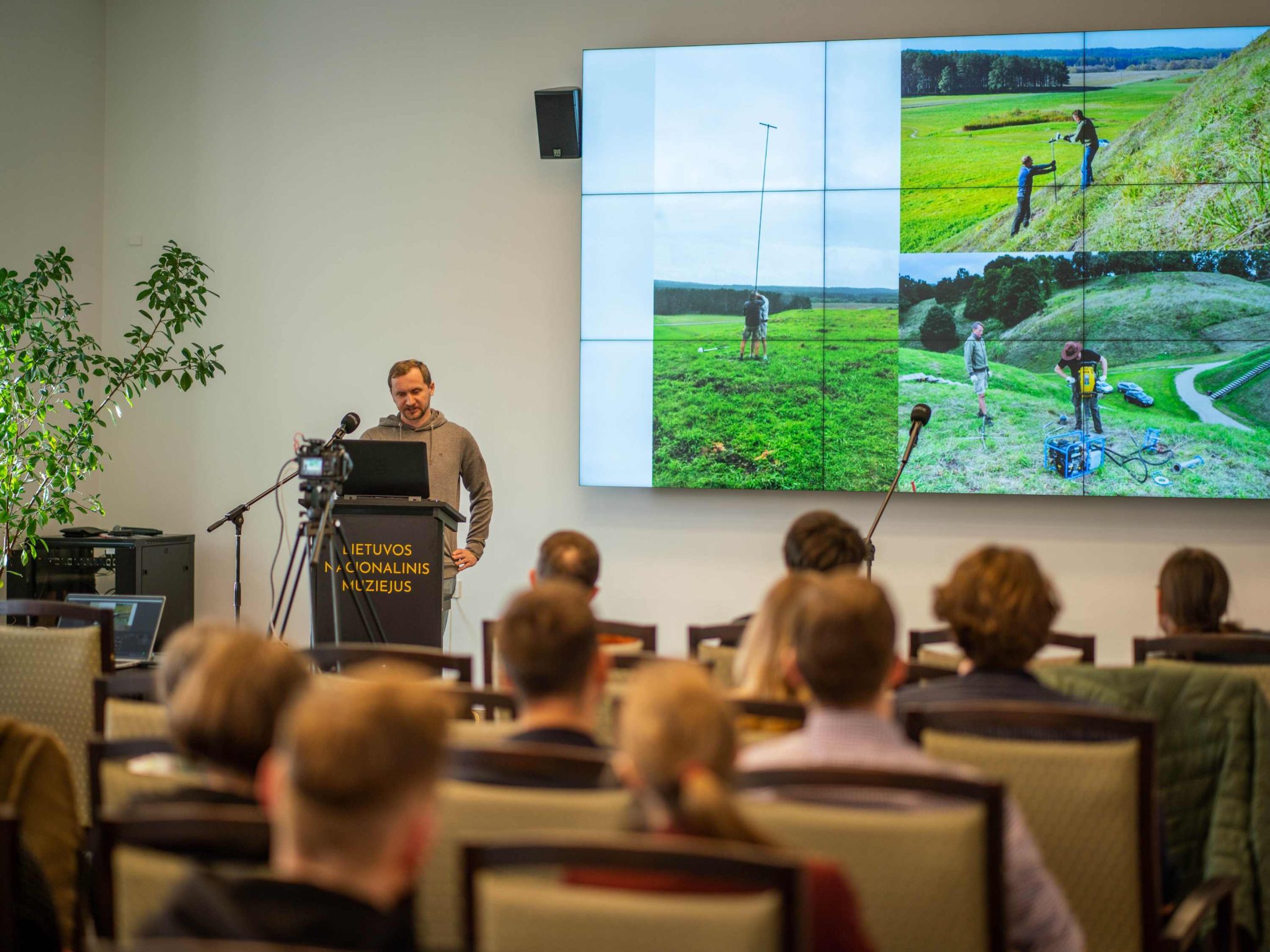
Archeology evenings will be held in the Old Arsenal Hall of the National Museum of Lithuania (Arsenalo St. 3, Vilnius). Starting at 6 p.m. Those unable to attend are invited to watch the live broadcasts of the meetings on the YouTube account of the Lithuanian National Museum.
From The Archeology of Vilnius to International Expeditions
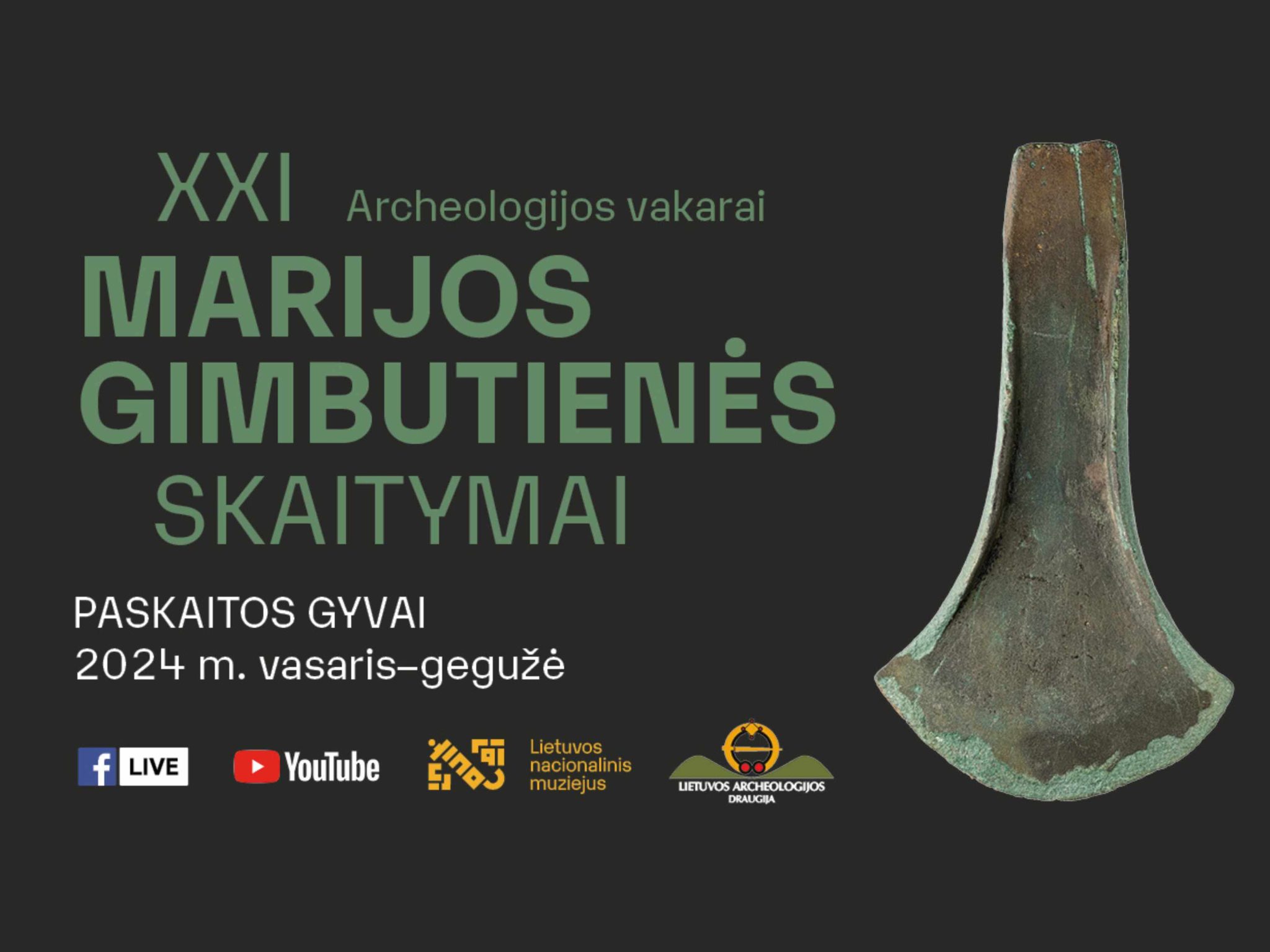
Already on February 15 Marija Gimbutienė’s readings will begin with a story set in 2013 June, a unique horn ax was accidentally found in the Šventoji river in Ukmergė. The tradition of horn work, which stretches from the Baltic countries to Poland, Belarus, and Russia, reveals that this unique find is part of a ceremonial religious practice.
The second evening of readings will be dedicated to the Lieporis district located in the southern edge of the city of Šiauliai. During three years of archaeological research, 96 graves were examined and 472 finds were collected in the Lieporis cemetery, which allows us to find out not only about the burial characteristics of this area, but also reveals the features of the community’s lifestyle, its social relations, internal organization, and worldview. On the same evening, the attendees will be able to hear about a rare find from Šereitlaukis. Can combs found in this cemetery tell us more about the customs of women of the time?
On March 14 we will bring focus to the wax sacramental of the Lamb of God, which will take you to the 17th century. Judging by the records, this unique artifact was consecrated in 1612 Easter – in the seventh year of the pontificate of Pope Paul V. The religious theme will also be developed by the report dedicated to the medallion found in the territory of St. Stephen’s cemetery in Vilnius. The find, decorated with a luxurious tassel, is probably the only one of its kind in Lithuania.
On the fourth evening, you will be invited to explore the traditions of millet cultivation. In agriculture, millet played an important role until the 15th century, and in the following centuries its use declined significantly. It will be possible to find out why this happened on March 28.
Mankind began working with iron almost 5,000 years ago, but it took a long time to learn how to extract iron from the ore itself. On April 11th it will be possible to hear more about the project “Turning ores of mud into gold” initiated by the Kazlų Rūda Tourism and Business Information Center, which aims to remind us of the activities and crafts related to iron metallurgy and its influence in the shape of the regional identity of the area.
The penultimate, sixth, evening will take the attendees to the distant place of Saqqara, the necropolis of the ancient Egyptian city of Memphis. Few people know that our compatriots also participated in this complex international expedition. The Lithuanian archaeologists who participated in the mission will share the most important discoveries and personal impressions. In the second part of the meeting, we will return to Lithuania – the stories of rare bronze objects will be told. It is estimated that from the period of 2016 to 2023 a total of 10 rare bronze age items were found in our country by searching with metal detectors or simply by chance.
On May 9th the wardrobe of Vilnius will be discussed at the last meeting. Is it possible to restore the peculiarities of clothing of the people of Vilnius and what are the biggest challenges in this type of restoration? The cycle of readings will be completed by a review of the archaeological research of the Vilnius mound and the graves discovered in the territory of the settlement in 1989 and 2021 and its findings will be discussed along with the data of the conducted research and their connection with past historical events.
For more information: www.lnm.lt/en/, [email protected].
The Lithuanian National Museum YouTube page: click here.