Ten Museums for One Day: From Rebels on Gediminas Hill to the Book Dragon
2026 07 23
On the last Sunday of July, the 26th, ten branches of the National Museum of Lithuania (NML) in Vilnius, Palanga, Kudirkos Naumiestis, and Ožkabaliai will welcome visitors free of charge. At the House of Histories, temporary exhibitions can be visited with a 50% discount, while the permanent exhibition of the Ethnography Repository will be open free of charge.
This Sunday is one of the last opportunities to see two exhibitions at the NML House of Histories, both on view only until the 2nd of August: the international exhibition “Riding the Wave of the Paris Exhibitions: Ethnography, Cultural Diplomacy and Identity” and “A Soul Between Worlds: The Ainu People of Northern Japan and the Ethnographer Bronisław Piłsudski.”
The museum’s branches span a remarkable range of themes: from inspiration drawn from the Stone Age for a more sustainable way of living to pressing contemporary issues, including the experiences of Ukrainian children and paintings by the Danish artist Eske Touborg, revealing childhood surrounded by war.
-
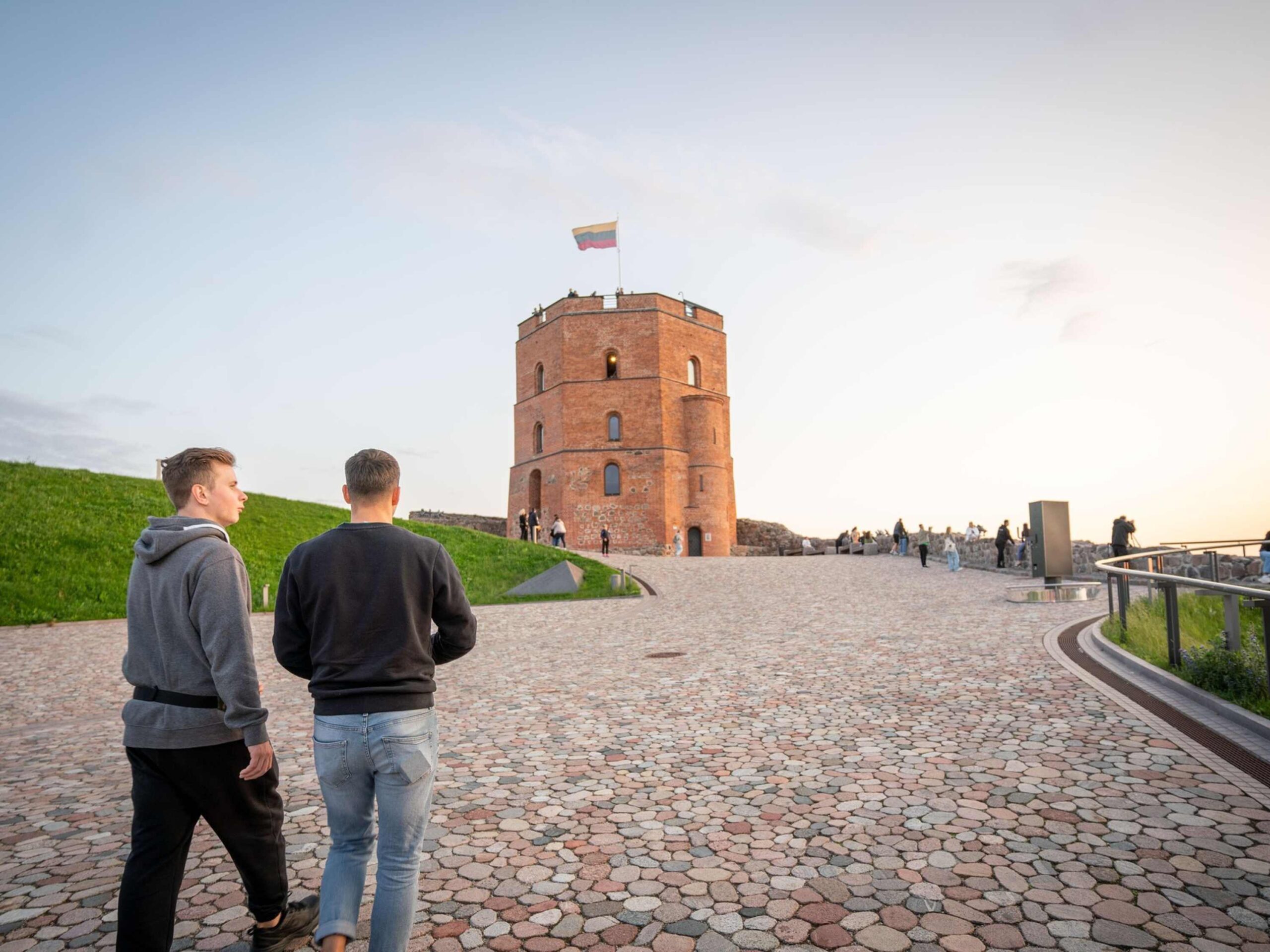
- NML Gediminas Castle Tower. Photo by Silvestras Samsonas, NML
Last Chance to See International Exhibitions
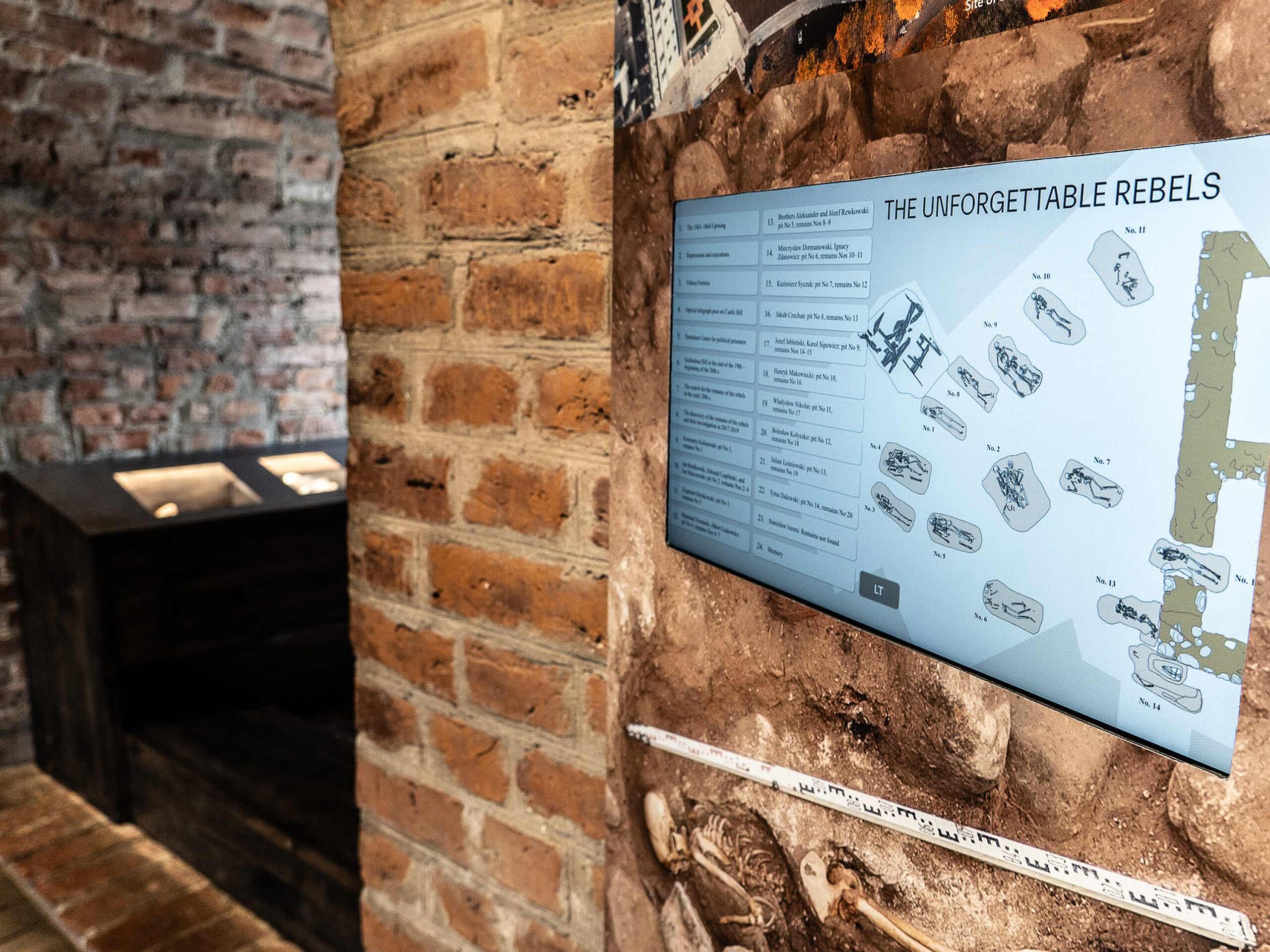
The exhibition “The Unforgettable Rebels” at Gediminas Castle Tower tells the story of the remains of participants in the 1863-1864 Uprising, discovered on Gediminas Hill between 2017 and 2019, including the uprising’s leaders Zygmunt Sierakowski and Konstanty Kalinowski. Visitors can see the lime cast and facial reconstruction of the insurgent Edward Czapliński, religious medals and crosses buried alongside the remains, and use an interactive terminal in Lithuanian and English to follow the life stories, deaths, and personal belongings of individual participants. Through the tower windows, visitors can also view the memorial unveiled in 2023, marking the locations where the remains were discovered.
At the Old Arsenal, the archaeological exhibition “Reusable” invites visitors to consider sustainability not as a modern aspiration but as an integral part of prehistoric daily life. The exhibition presents carefully repaired jewellery and tools, objects given entirely new functions, and artefacts reworked after they had ceased to be useful in everyday life – for example, when adapted for burial rituals.
The House of Histories, where temporary exhibitions are offered at a 50% discount on the last Sunday of every month, currently presents three exhibitions. “Riding the Wave of the Paris Exhibitions: Ethnography, Cultural Diplomacy and Identity” explores the Paris Expositions of 1900, 1935, and 1937, where Lithuanian folk art functioned as a form of political expression: first as a symbol of the nation’s vitality under Imperial Russian rule, and later as an expression of an independent state and Baltic unity. Exhibits, documents, and photographs from museums in France, Lithuania, Latvia, and Estonia have been brought together for the first time in decades, complemented by contemporary works by Andrius Erminas, Laura Garbštienė, Morta Jonynaitė, Žilvinas Landzbergas, Lina Lapelytė, and Laura Stasiulytė (until the 2nd of August).
-
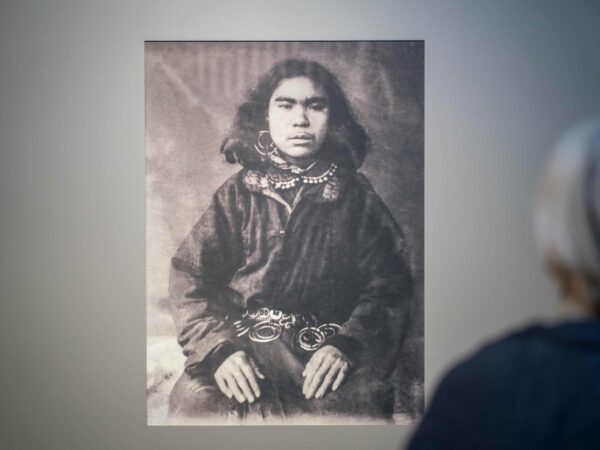
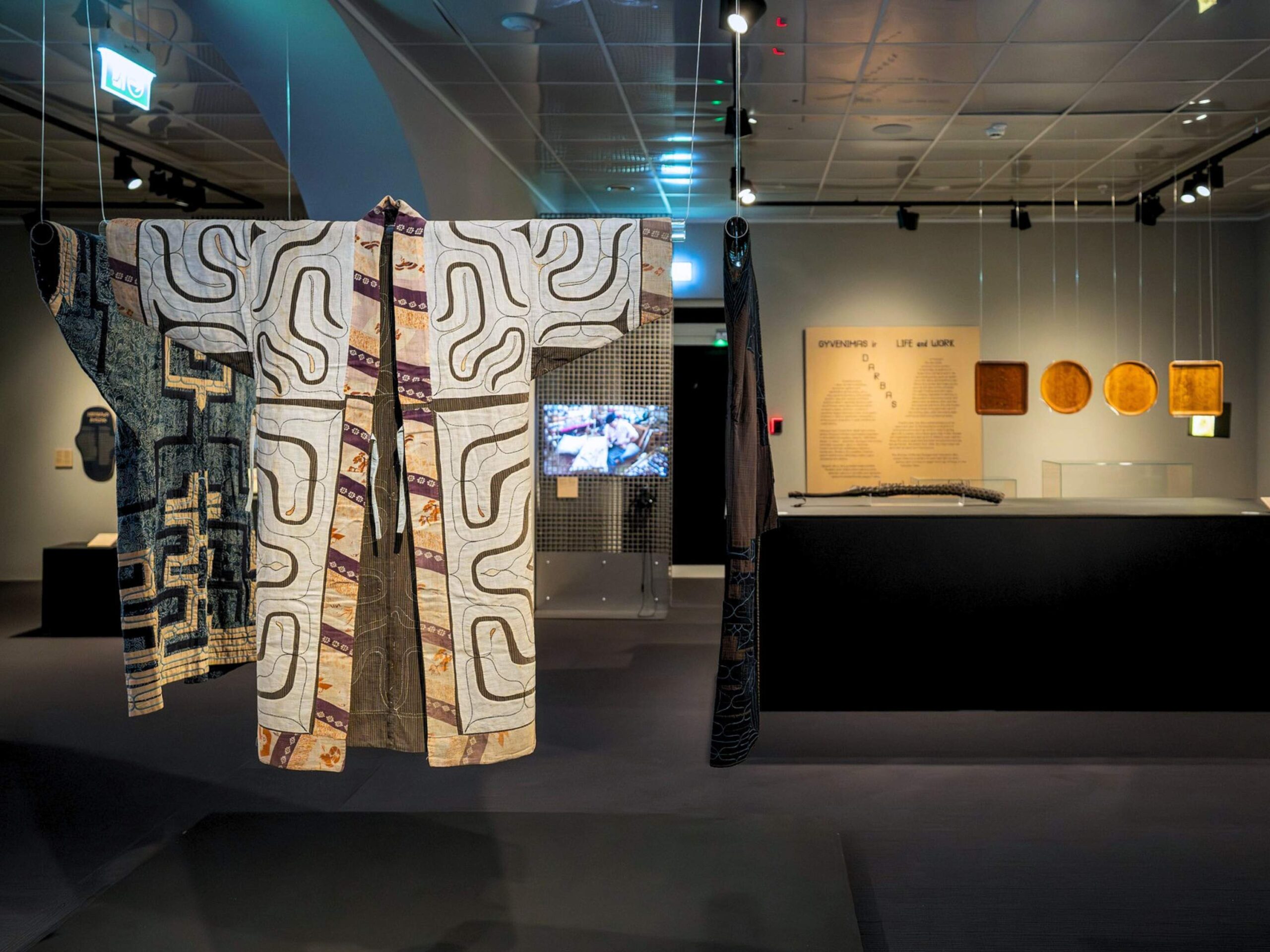
- The international exhibition “A Soul Between Worlds” at the NML House of Histories. Photo by Silvestras Samsonas, NML
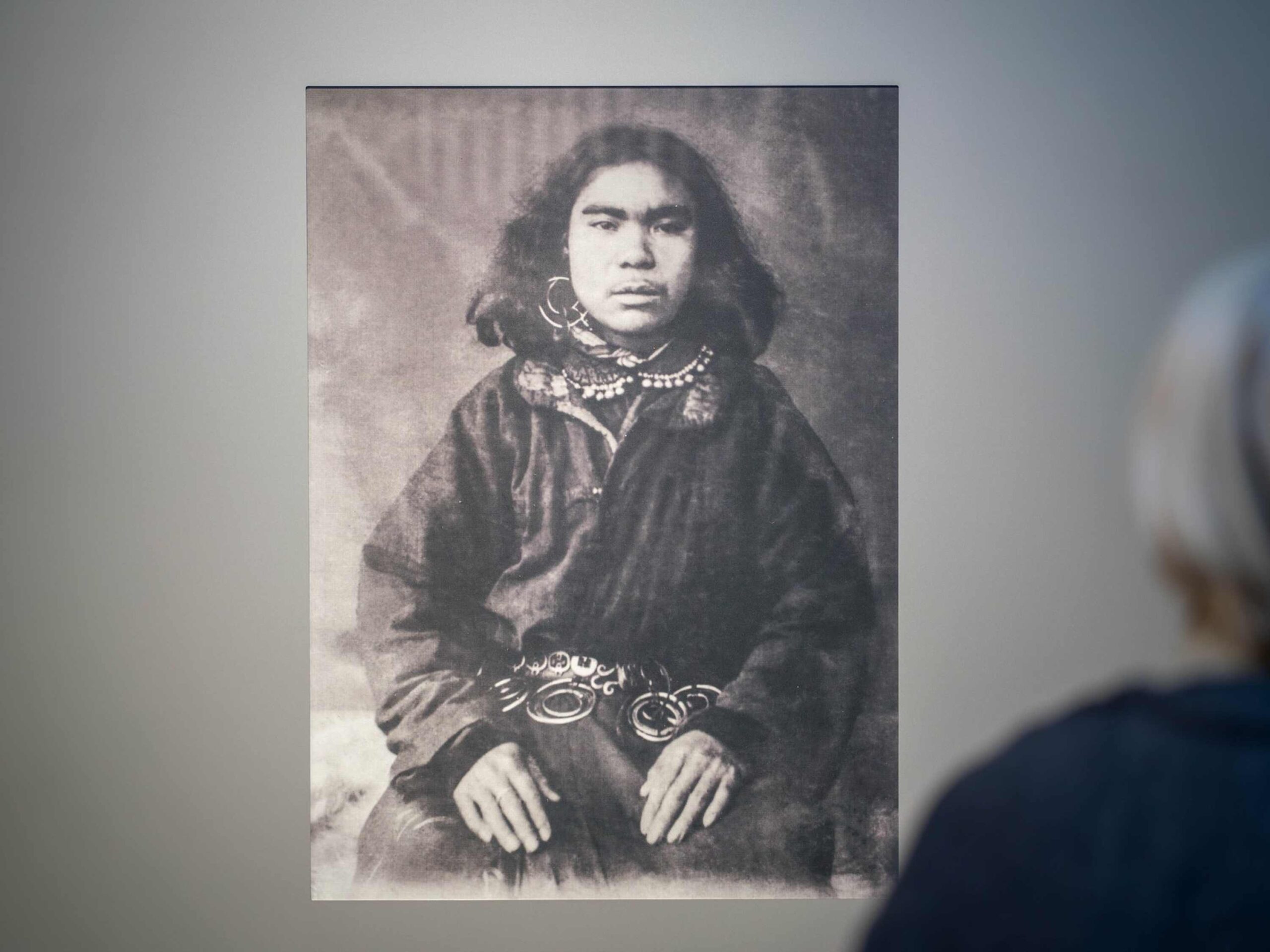
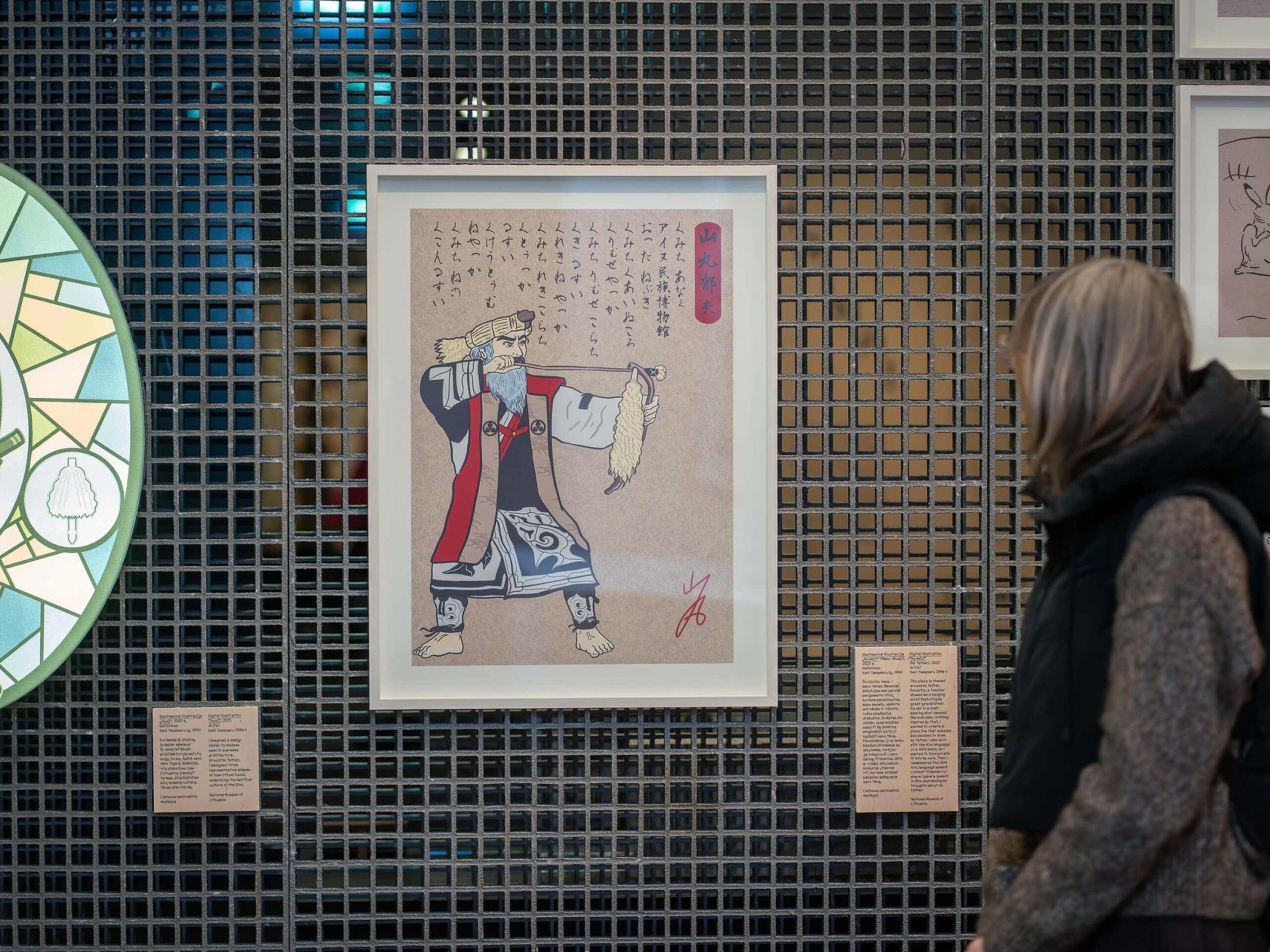
Also on display is “A Soul Between Worlds: The Ainu People of Northern Japan and the Ethnographer Bronisław Piłsudski,” marking the 160th anniversary of the birth of Bronisław Piłsudski (1866–1918), born at the Zalavas Manor. During his fifteen years of exile on Sakhalin, Piłsudski became the foremost ethnographer and anthropologist of the Ainu people, and his name remains well known among Ainu communities from Hokkaido, Sakhalin, and the Kuril Islands. The exhibition also examines what it means to be Ainu today, when the language and traditions have barely survived and cultural revival has become part of a broader movement for indigenous rights (until the 2nd of August).
The smaller exhibition “Looking at One Another: A Photographic Dialogue Between Stanisław Filibert Fleury and Sigitas Parulskis” brings together early twentieth-century views of Vilnius preserved on glass negatives with photographs of the same locations taken a century later by Sigitas Parulskis using a large-format camera. Accompanying the photographs are texts by the writer – not commentaries, but a quiet continuation of this encounter (until the 30th of August). Admission to this exhibition is free.
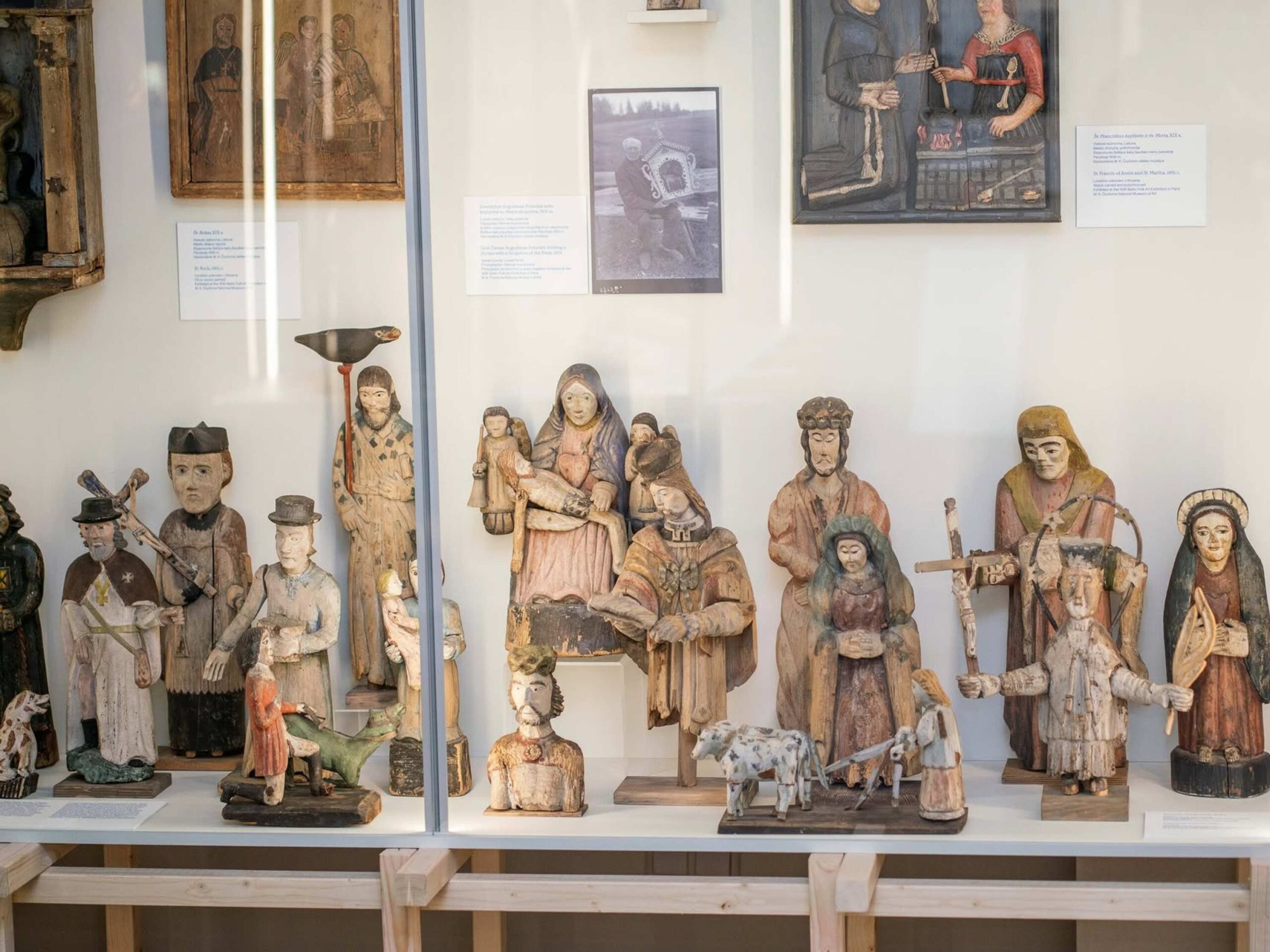
On the 26th of July, visitors can also explore the Ethnography Repository at the House of Histories free of charge. Across eight galleries, thousands of ethnographic artefacts are preserved—many of them unfamiliar today. What aspects of Lithuanian identity are encoded within these objects? Which layers of ethnic culture have been preserved, commemorated, or gradually forgotten? And what new discoveries might the past still hold?
-
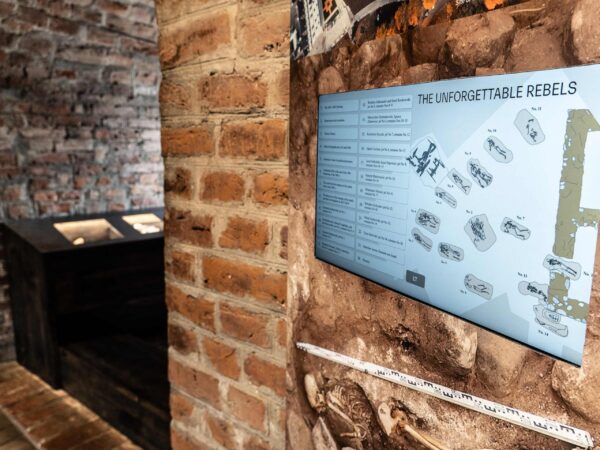
- The exhibition “The Unforgettable Rebels” at Gediminas Castle Tower. Photo by Augustinas Bėkšta, NML
At the Castellan’s House, located at the foot of Gediminas Hill, the permanent exhibition “Understanding Lithuania” presents the country’s history and culture through six themes: Creativity, Beliefs, Struggles, Historical Turning Points, Global Connections, and Faces. The cellars tell the story of the castellan’s profession, stone masonry, and Vilnius two centuries ago. The sixteenth-century building itself is one of the oldest and best-preserved structures within the historic Vilnius Castle complex. History has preserved the names of thirty-nine castellans, the last of whom was killed by soldiers of the Russian Empire.
At the House of Signatories (Gallery), an exhibition prepared by master’s students from the Faculty of History at Vilnius University, “The Unknown Jonas Basanavičius: The Lithuanian Indiana Jones,” explores the little-known archaeological and anthropological work of Dr Jonas Basanavičius through archaeological sites he investigated, his theories on the origins of Lithuania, personal belongings, and a collection of skulls gathered from ancient burial grounds (until the 27th of September).
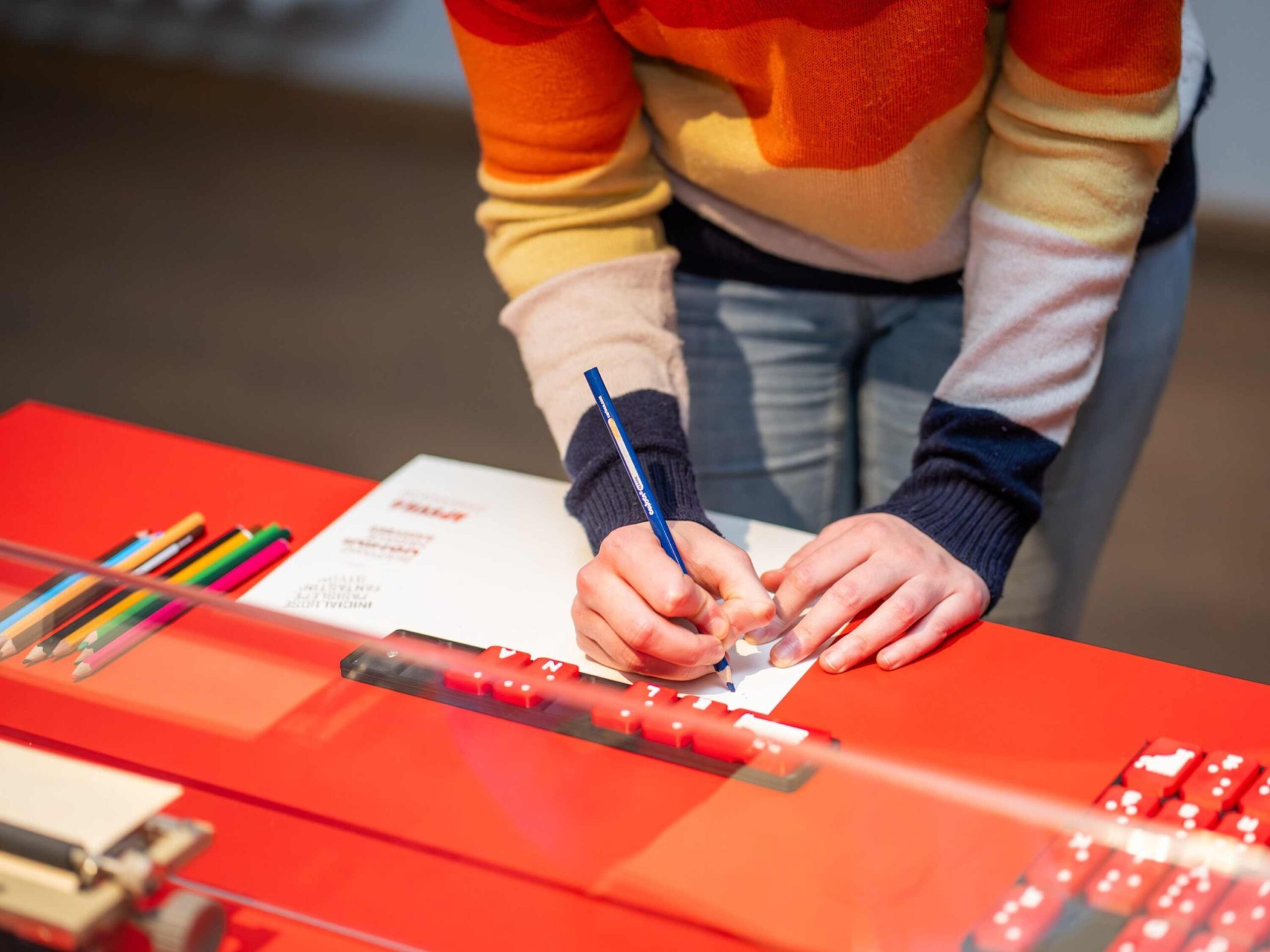
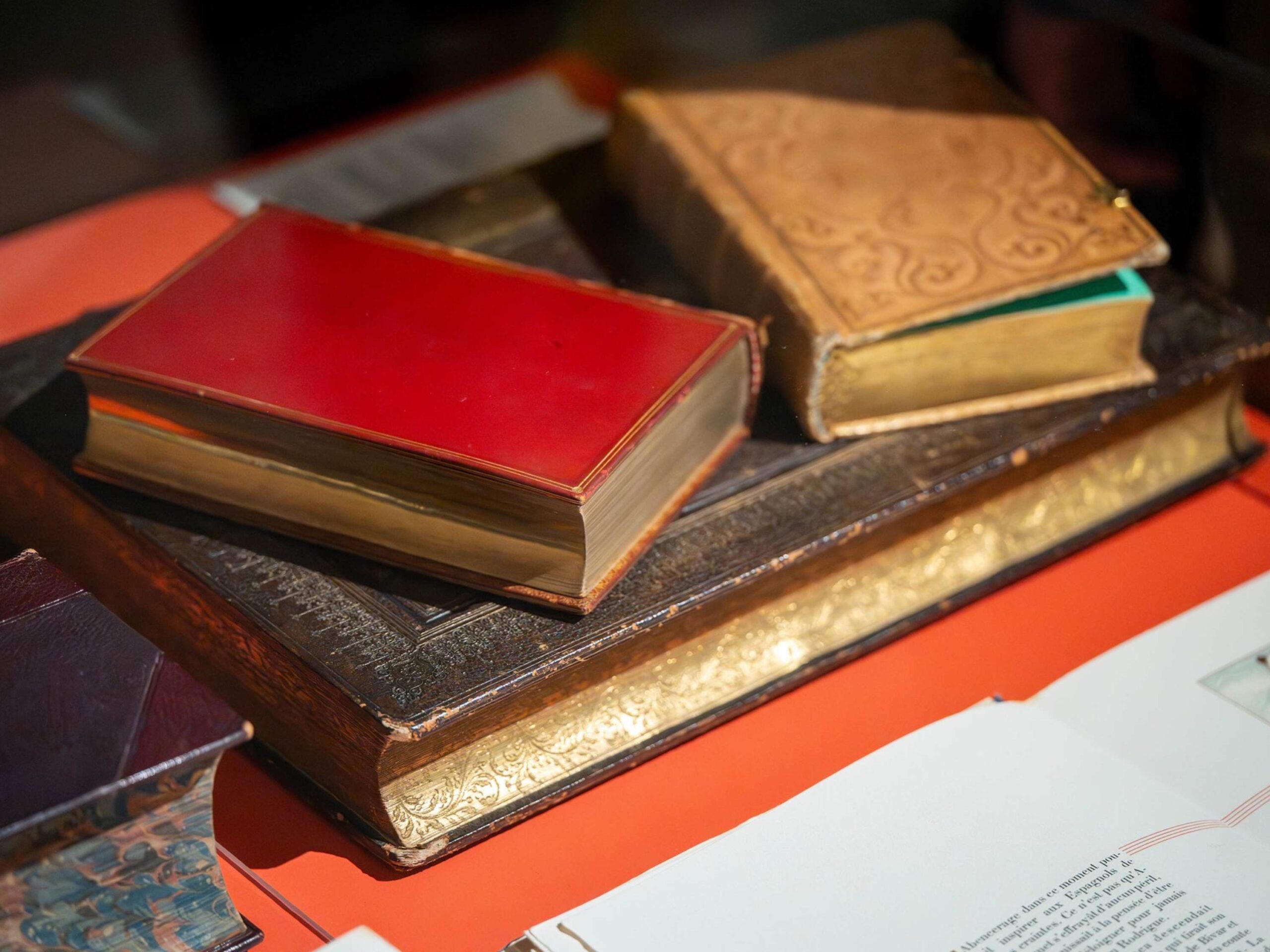
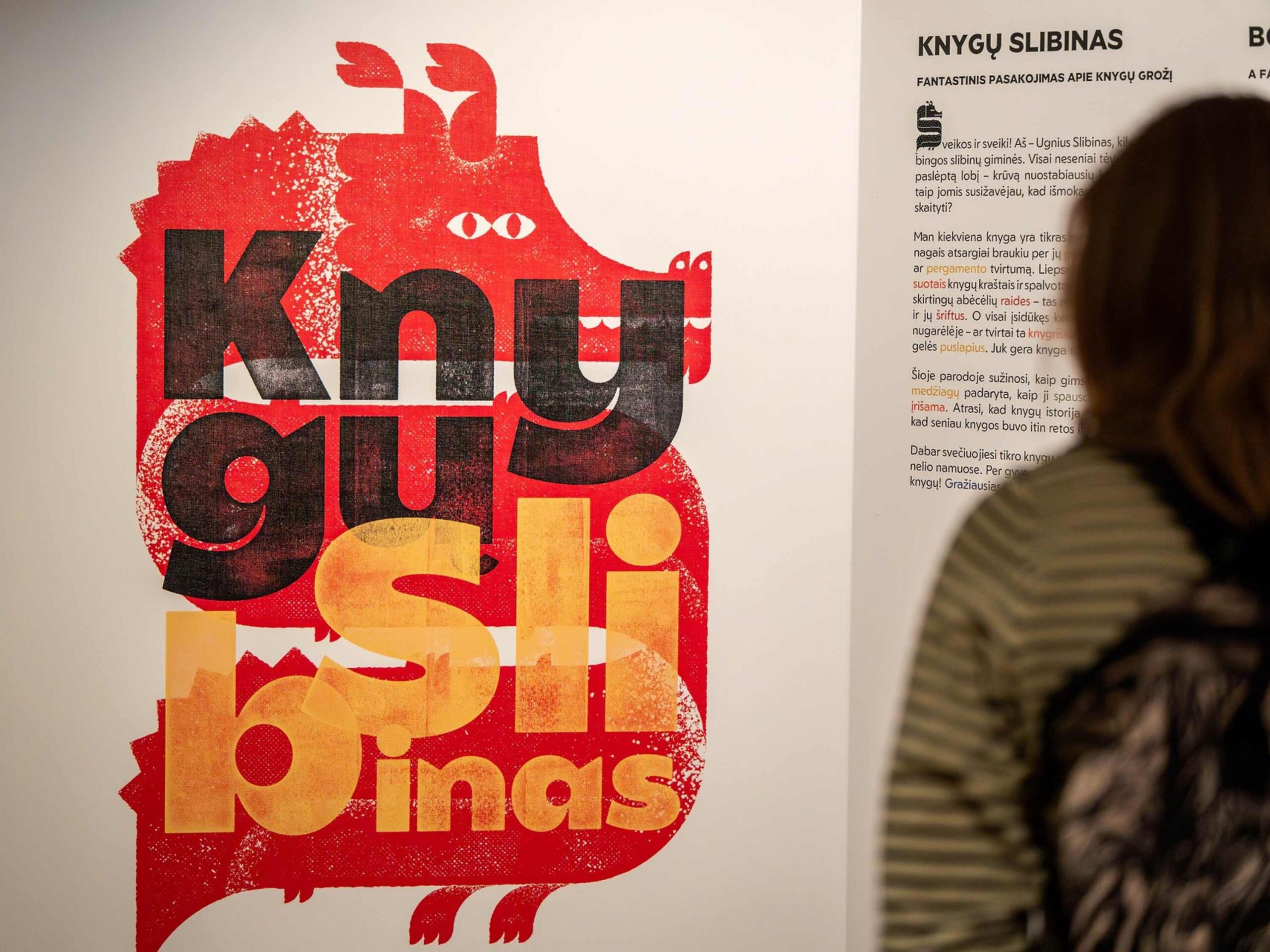
The Kazys Varnelis House-Museum presents three exhibitions dedicated to books. “Book Dragon: A Fantastic Story About the Beauty of Books” tells young visitors how a book is created – from its materials and printing to illustration and binding. The narrator is Ugnius, a dragon who has learned to read, although his family was once famous for the business of burning books. Alongside it are “The Art of the Book: The Most Beautiful Books of Lithuania and Czechia” and “The Most Beautiful Latvian Books of 2025.” The bibliophile Kazys Varnelis assembled a personal library of more than 9,500 books during his lifetime. On the same Sunday, guided tours entitled “The Rhythm of Rhythms: The Optical World of Kazys Varnelis” will take place at 11:00, 12:00, and 14:00. Lasting 45 minutes, the tours explore the artist’s world of optical illusions, theatrical mise-en-scène, and unexpected spatial transformations.
-
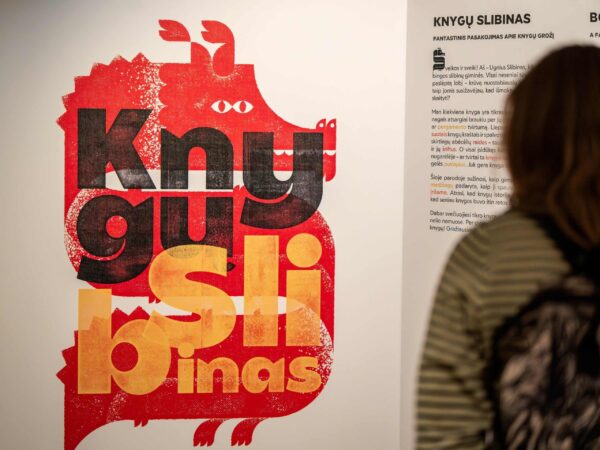
- The exhibition “Book Dragon: A Fantastic Story about the Beauty of Books.” Photo by Silvestras Samsonas, NML
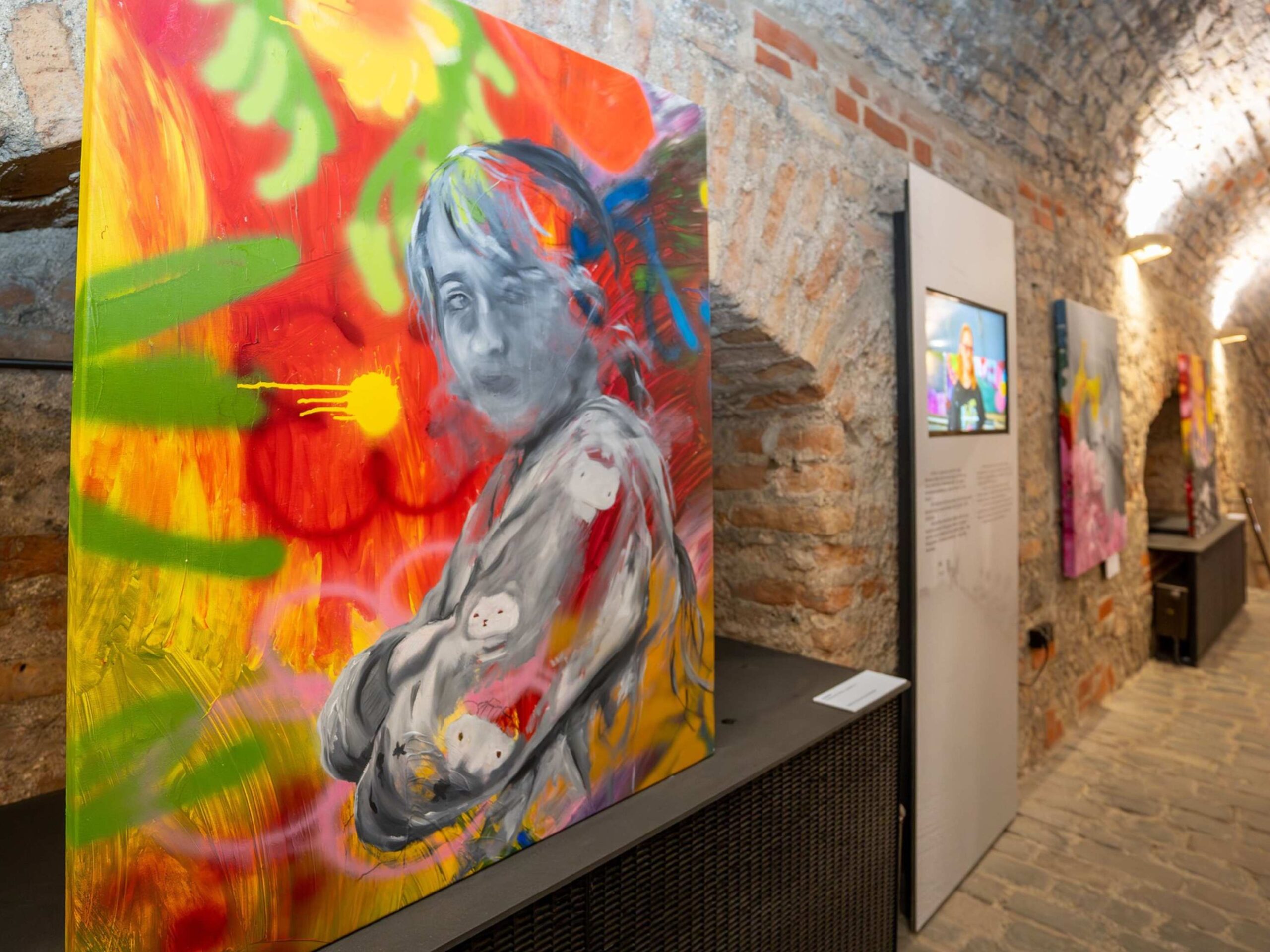
At the Bastion of the Vilnius Defence Wall, visitors can see the exhibition “That Flower Looks Like a Drone” – ten paintings that emerged from workshops led in Kyiv by the Danish artist Eske Touborg with Ukrainian children liberated from territories occupied by Russia. Across a twenty-metre canvas, the children’s vividly coloured backgrounds are overlaid with blurred self-portraits and images of war, addressing the systematic destruction of the identities of abducted children through new names, imposed languages, and enforced loyalties. Alongside the paintings is a sculpture by the artist representing children’s fear. The exhibition title comes from one child’s description of a flower they had painted. All proceeds from the sale of the artworks will be donated to the organisation Save Ukraine (until the 6th of September).
The Bastion’s underground galleries also house the permanent exhibition “From Flint to Gunpowder: Weapons Through the Ages,” tracing ten thousand years of changing weaponry and exploring how and why the target of a weapon has evolved over time.
Mykolas Sauka’s Wayside Shrine and the Lost Town of Shirvindt
Three NML branches outside Vilnius will also open their doors free of charge.
At the Jonas Šliūpas Museum in Palanga, the exhibition “Marija Švažienė: Tapestries and Paintings” introduces one of Lithuania’s most distinguished textile artists (b. 1930), who from the earliest stages of her career challenged traditional approaches to tapestry by giving it a sculptural, spatial dimension. The exhibition features motifs of the sea and holidays in Palanga, alongside a creative dialogue with the paintings of her husband, Jonas Švažas. It is accompanied by a rhapsody by the Swiss composer of Italian descent Gaetano Giuffrè, inspired by “Spatial Tapestry”. Unknown to the artist herself for many years, the composition can now be heard alongside the restored work that inspired it (until the 2nd of October). The museum also presents the travelling exhibition “A Soul Between Worlds,” featuring authentic Ainu artefacts and manga, while the museum grounds display Miglė Anušauskaitė’s comic exhibition “Who’s Afraid of Šliūpas?”, an ironic portrait of the controversial and often misunderstood figure of Jonas Šliūpas.
-
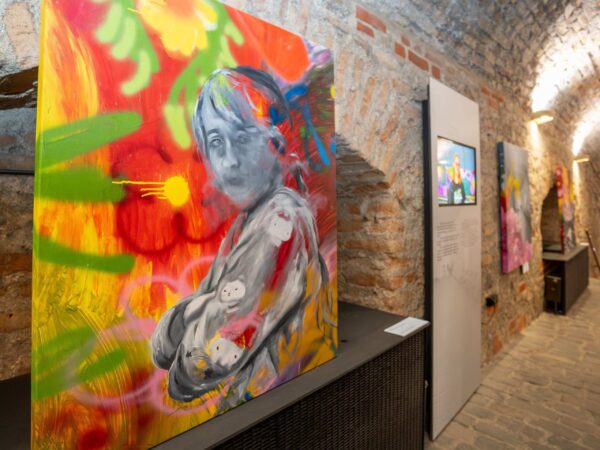
- The exhibition “That Flower Looks Like a Drone” at the Bastion of the NML Vilnius Defensive Wall. Photo by Silvestras Samsonas, NML
At the Vincas Kudirka Museum in Kudirkos Naumiestis, visitors can see the exhibition “The Code of Resolve: 19490216,” dedicated to the eight signatories of the Declaration of the Lithuanian Freedom Fighters’ Movement and to the significance of deciding, reaching agreement, and bearing witness in the cramped bunker at Minaičiai on the 16th of February 1949 (until the 2nd of September). The outdoor exhibition “Red Brick Dust: The History of Kudirkos Naumiestis and Shirvindt” and the exhibition “I Want to Go Home, to Shirvindt: In Search of a Destroyed Town” tell the story of two twin towns that coexisted as neighbours for more than three centuries before being divided by the Second World War and the totalitarian regimes of the twentieth century. The exhibitions are based on the collection of objects from former East Prussia assembled over decades by Irena and Antanas Spranaitis. At 13:00, the museum also invites visitors to join a guided tour of the town, taking in the late Baroque Church of the Discovery of the Cross, the everyday life of Vincas Kudirka, unexpected examples of interwar modernist architecture, and the bridge across the Širvinta River that today leads nowhere. (€7; concession €5.)
At the Jonas Basanavičius Birthplace Museum in Ožkabaliai, the exhibition “A Fighter on the move,” marking the 175th anniversary of Jonas Basanavičius’s birth, presents the physician as a traveller for whom journeys were a form of work rather than leisure. The museum also features the audiovisual installation “Es humanus,” combining textiles, kinetic projections, and music. Just a few weeks ago, it unveiled Mykolas Sauka’s three-metre-high sculptural composition “Wayside Shrine,” depicting the figure of a child holding a mask. The outdoor exhibition “From the Beehive” traces the history of bees and beekeeping – from the flourishing tradition of forest beekeeping in the sixteenth and seventeenth centuries, when beeswax was one of the Grand Duchy of Lithuania’s most valuable export commodities, to today’s concerns over the decline of bee populations.
The Cinema Pavilion screens the 19-minute documentary “The Ožkabaliai Oak Grove” (directed by Rimantas Oičenka and Audrius Antanavičius), recounting the story of the Lithuanian National Revival Oak Grove, first planted in 1989 and now home to nearly 7,000 oak trees. Museum visitors can also explore the mature oak grove, planted more than three decades ago and now fully grown.
On the 26th of July, admission to exhibitions at all ten participating branches of the National Museum of Lithuania is free of charge. At the House of Histories, admission to temporary exhibitions is offered at a 50% discount.
-
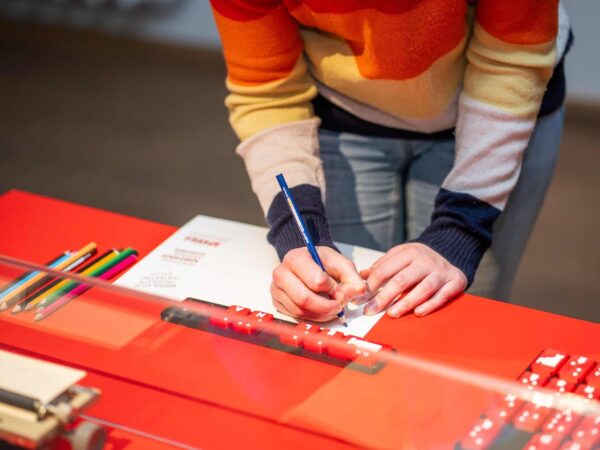
- The exhibition “Book Dragon: A Fantastic Story about the Beauty of Books”. Photo by Silvestras Samsonas, NML