New Arsenal Showcases the Last Week Reflecting on Occupations
2024 02 27
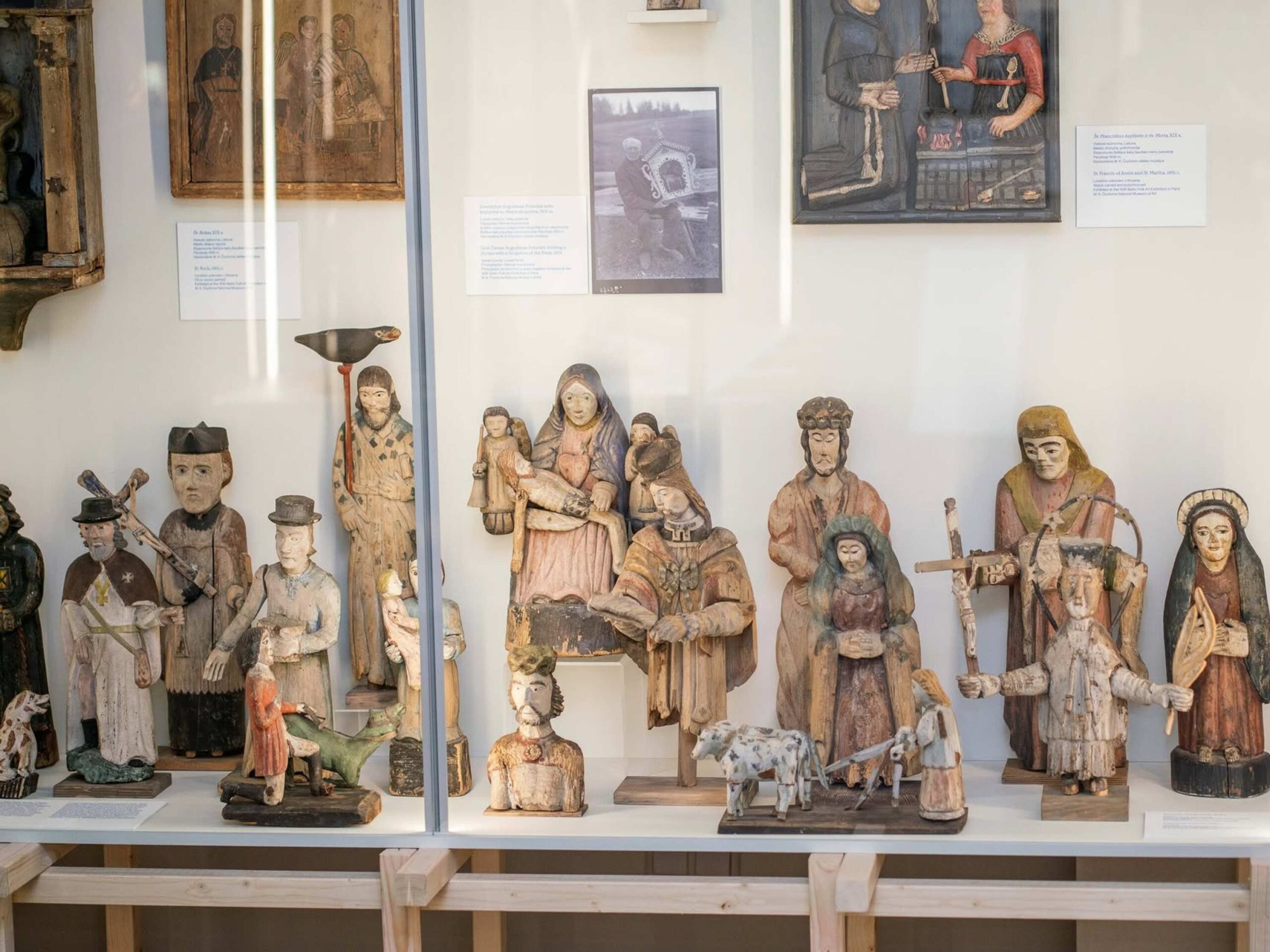
Last summer’s end, the Lithuanian National Museum presented two exhibitions inviting visitors to reflect on the complex and traumatic experience of occupations and to re-evaluate how it impacted our country’s history and artistic development. These exhibitions, calling for an analysis of painful but highly relevant topics in today’s geopolitical situation, will run until March 3rd. This is the last chance to visit the New Arsenal before it closes for renovation. The renewed museum will welcome visitors again in 2028.
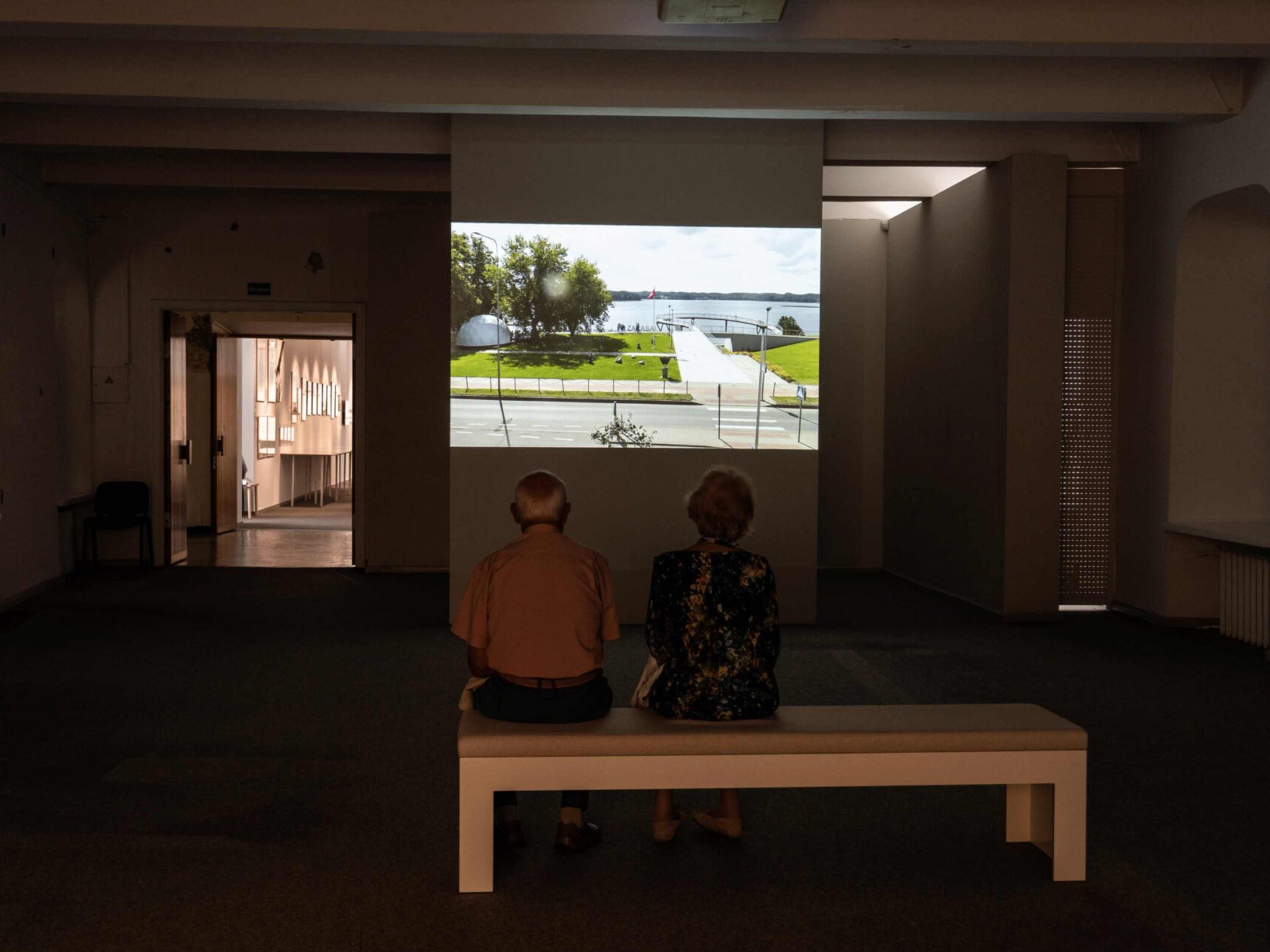
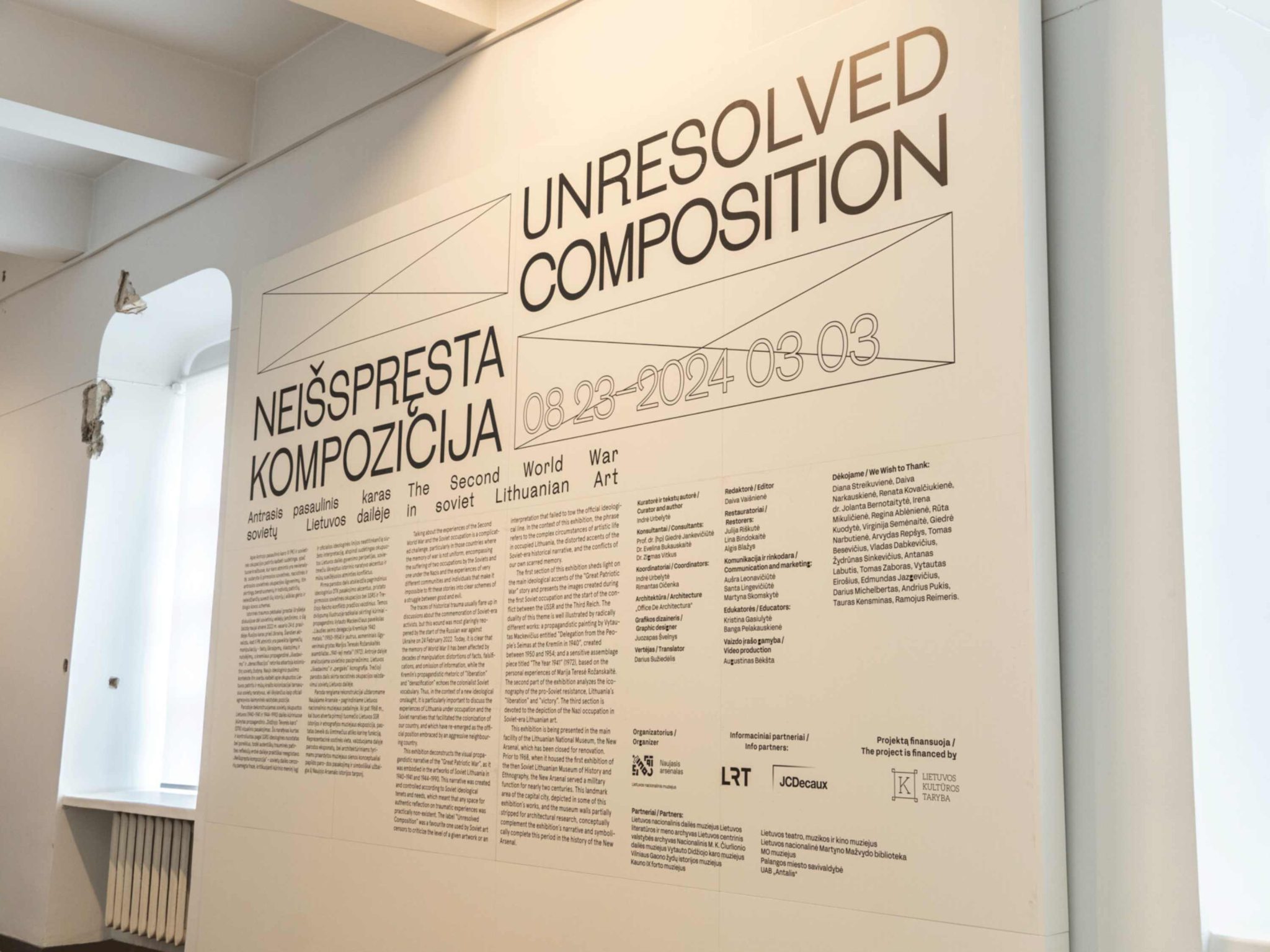
For two years now, Ukraine has heroically resisted Russian aggression. Ukrainians have inspired many with their resilience, and this war has highlighted narratives of cultural destruction and historical distortion faced by this nation close to us today. Symbolically, the New Arsenal is currently hosting two exhibitions: the major “Unresolved Composition. The Second World War in Soviet Lithuanian Art” and the minor “Echoes and Whispers of Time. Soviet Censorship in Rimantas Dichavičius’ Work.”
“In the context of Russian aggression against Ukraine, the occupiers’ attempts to manipulate history, silence, and destroy culture compel us to revisit our complex history,” says Dr. Rūta Kačkutė, the Director-General of the Lithuanian National Museum, emphasizing the relevance of these exhibitions.
“Discussing the experience of occupied Lithuania is complex, but analyzing and remembering this period is crucial. Although today we create and live in a free country, our reality was recently permeated with censorship and distortions of historical narratives. Therefore, the exhibitions running in their last week offer an excellent opportunity for reflection and contemplation on past ruptures,” states one of the exhibition curators, Indrė Urbelytė.
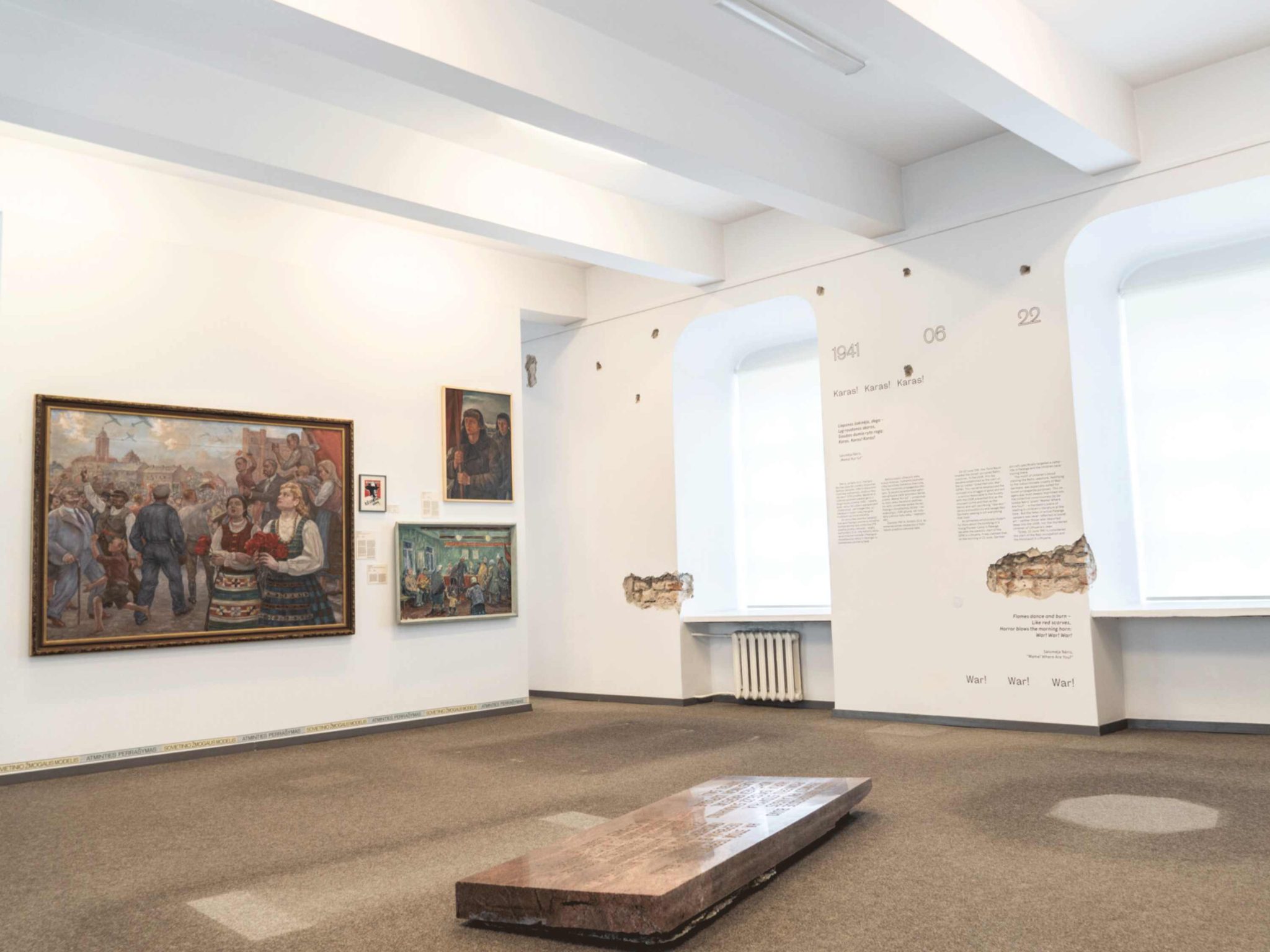
The exhibition “Unresolved Composition. The Second World War in Soviet Lithuanian Art” deconstructs the most prominent works of Soviet Lithuanian art, embodying the propagandistic narrative of the “Great Patriotic War” and ending up on the sidelines of history. These are not objects for admiration but historical artifacts testifying to the period of occupation.
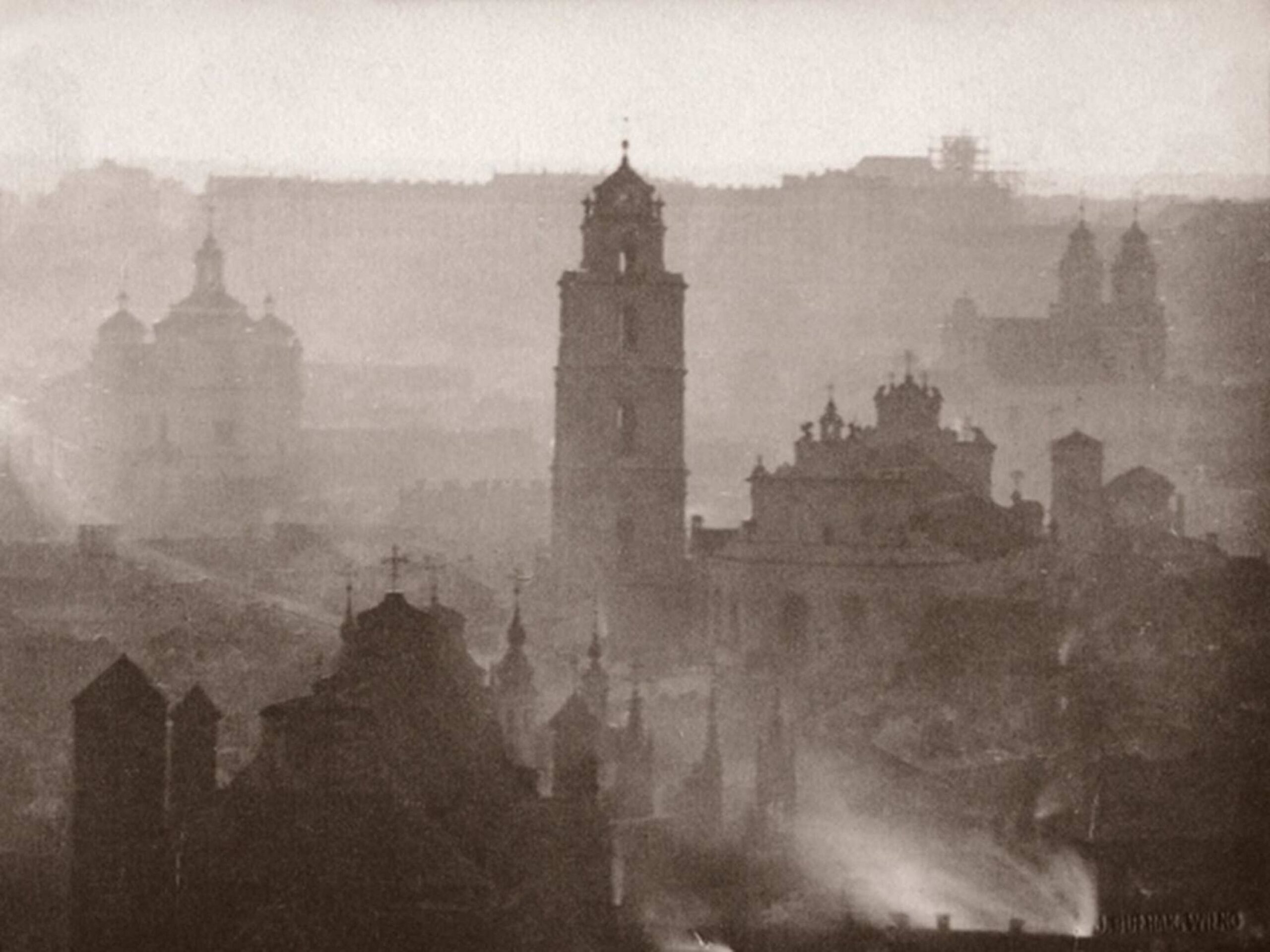
“Echoes and Whispers of Time. Soviet Censorship in Rimantas Dichavičius’ Work” is a continuation of the major exhibition, illustrating the crossroads and challenges of artistic creation during the Soviet era. Rimantas Dichavičius is one of Lithuania’s most prominent photographers, a former deportee whose works sparked significant public interest not only in Lithuania but also throughout the then-Soviet Union. During the 7th to 9th decades of the 20th century, Dichavičius’ art was both banned and criticized by Soviet censorship. Those works that managed to pass through the filters of scrutiny were often partially distorted by the author’s self-censorship. The exhibition presents a wide spectrum of the photographer’s oeuvre – from prohibited photographs and corrected works to images that complied with Soviet censorship rules.
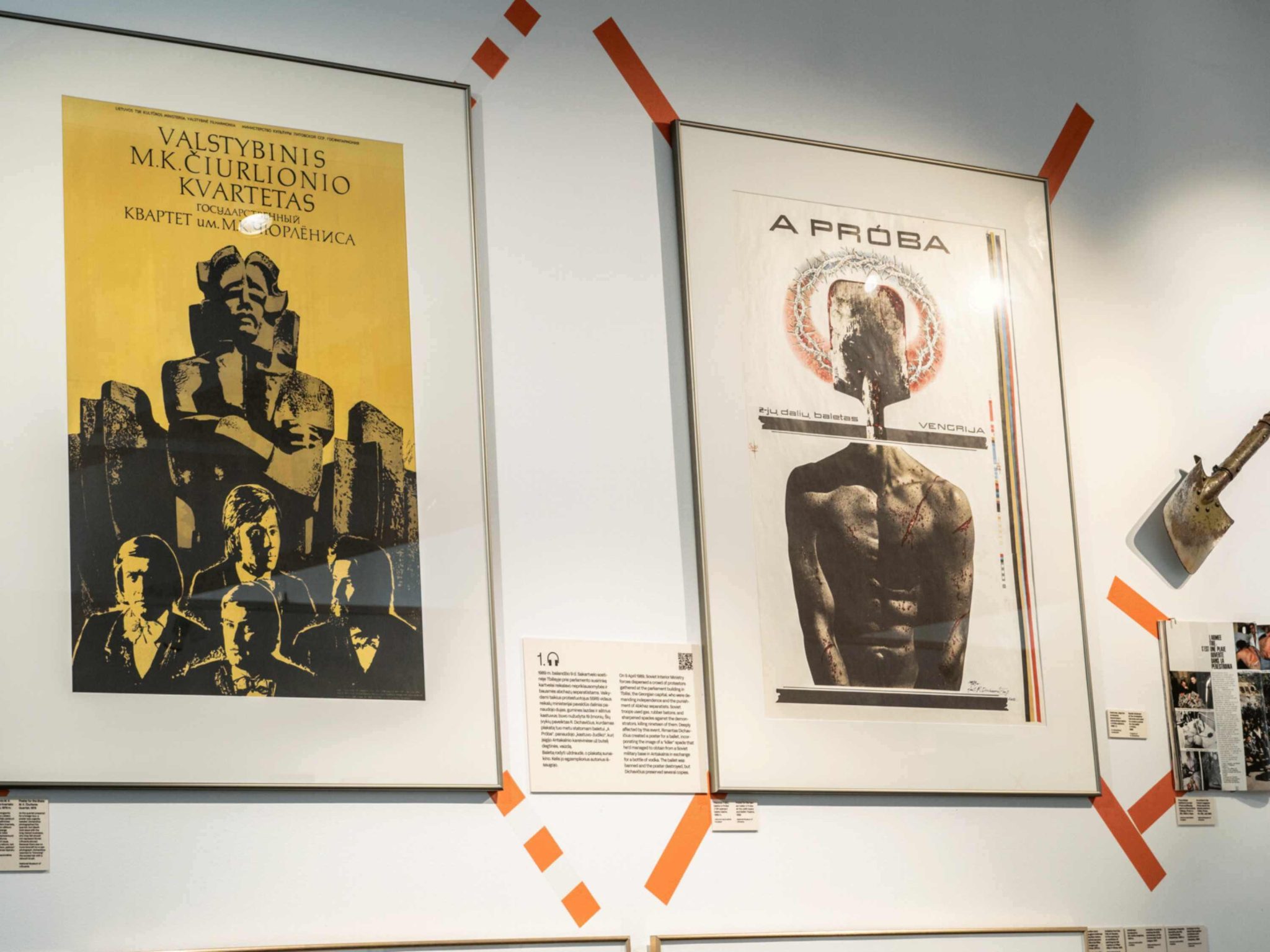
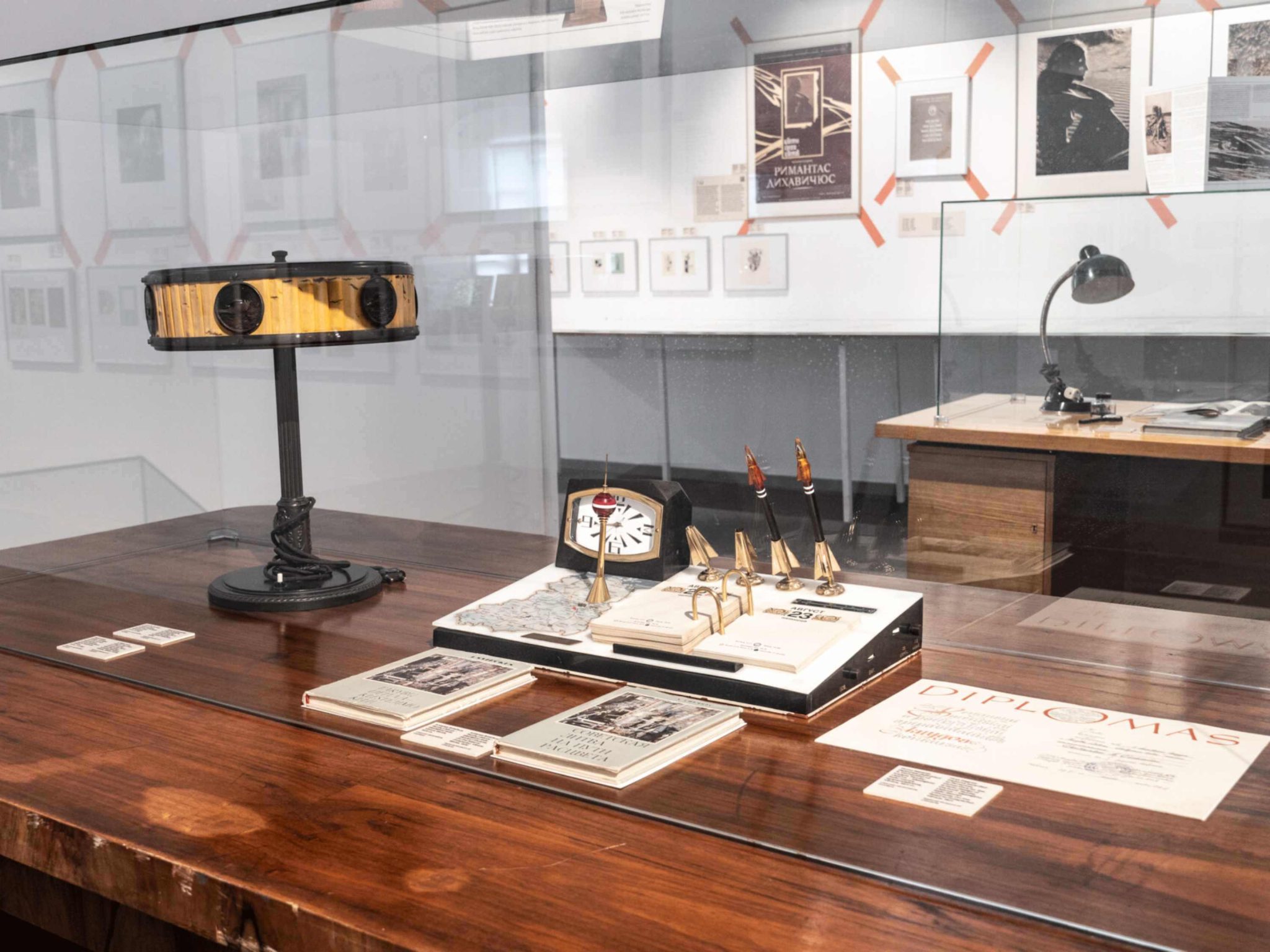
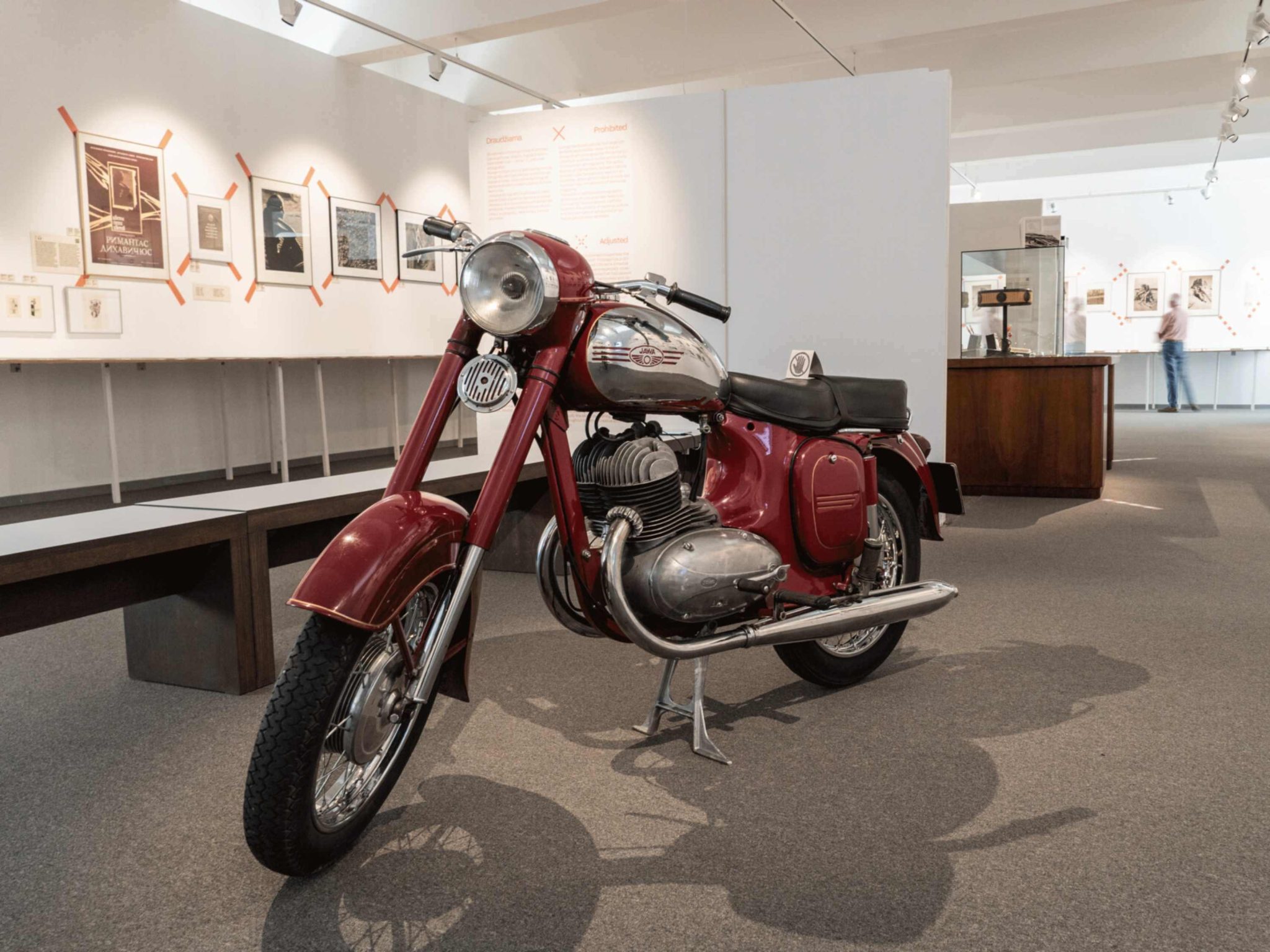
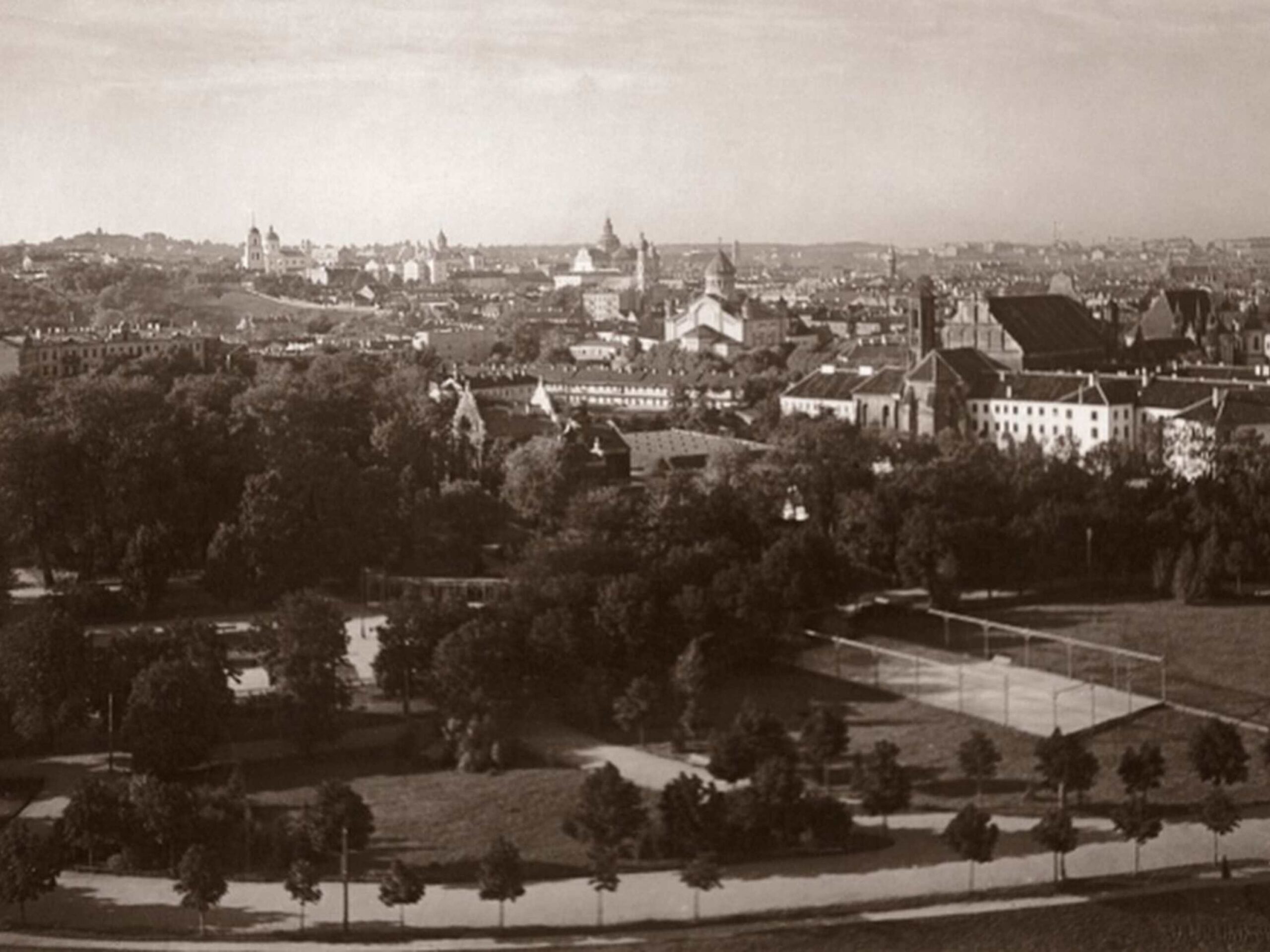
The New Arsenal, chosen for these exhibitions, has been a witness to the intricate twists of history and conceptually complements the narrative of the exhibitions. When Lithuania became part of the Russian Empire and the Russian military established itself in the Lower Castle, the New Arsenal was transferred to the military district’s artillery depots. Initially, cannons were stored here, then the premises were adapted for barracks, and in 1863, during the uprising, a political prison was established. The military authorities retained the building even after World War II. The Lithuanian National Museum with its depots in the New Arsenal was established in the 1970s, and it opened its doors to visitors in 1968.
On March 3, the building will close its doors for reconstruction and will reopen to visitors revitalized in 2028.
The Lithuanian National Museum is one of the first museums in Lithuania. Today, it houses more than one and a half million exhibits and employs about 300 people. The LNM consists of twelve branches: Gediminas Tower, the Old and New Arsenals, the Palace of the Rulers, the Defensive Bastion of Vilnius Defensive Wall, the Houses of History, the Former Detention House, the House of Signatories, Kazys Varnelis House-Museum, the Birthplace of Jonas Basanavičius, the Museum of Vincas Kudirka, and the Museum of Jonas Šliūpas.