An evening of archaeology – how and why the kinds of grain grown in Lithuania changed
2024 03 28
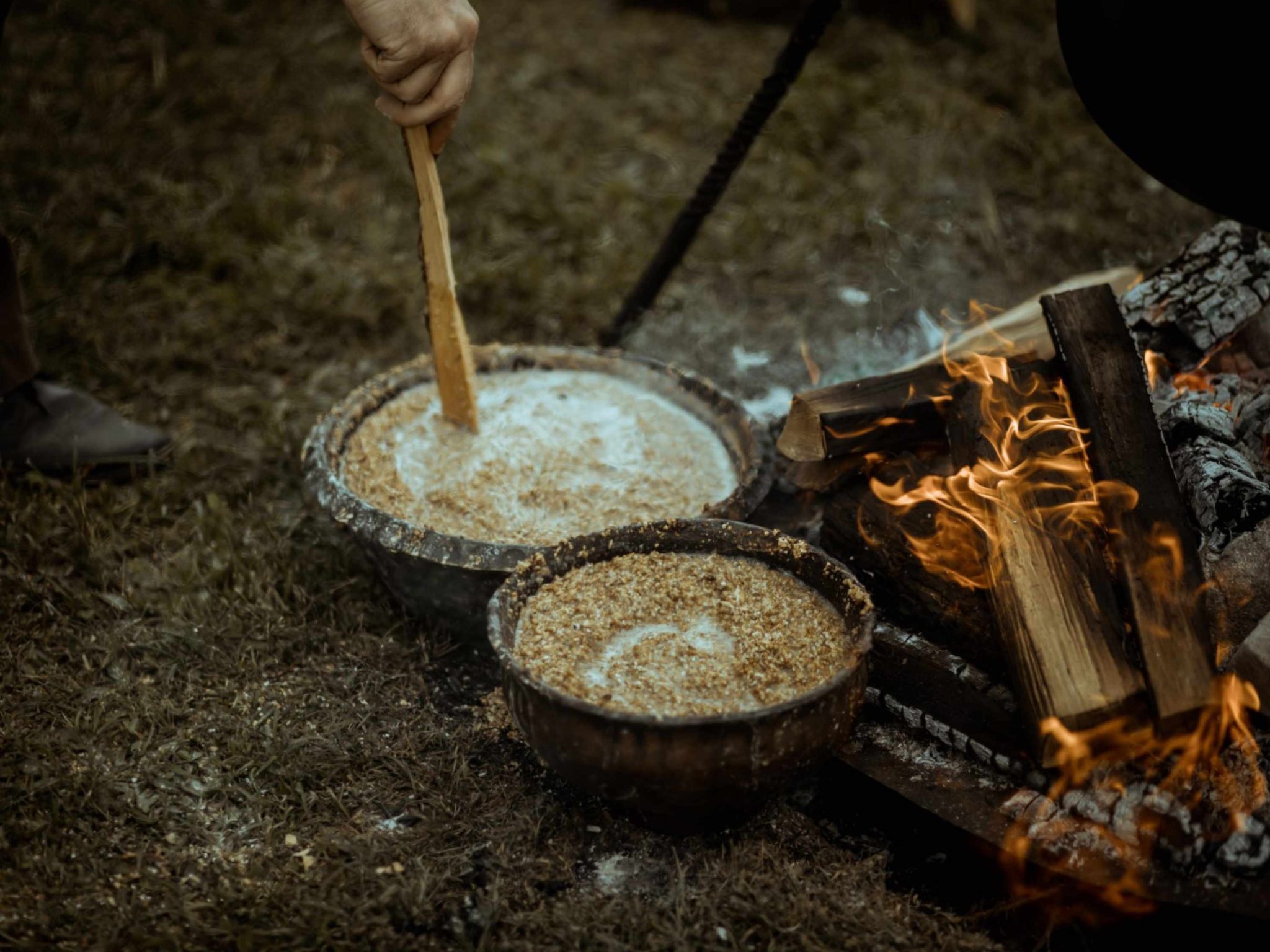
Everyone that is interested in the newest archaeological findings and curiosities is welcome to attend an evening of archaeology on March 28th 6PM, organised by The National Museum of Lithuania and the Lithuanian Archaeological Society and based on Marija Gimbutienė’s XXI reading series. The event will take place in the Old Arsenal’s event hall (Arsenalo g. 3, Vilnius) but a live feed of the event will also be available on The National Museum of Lithuania’s YouTube account. This time the focus will be on millet, which according to researchers, was one of the main grain crops in the territory of present-day Lithuania.
In the past, the Eastern Baltic region was the world’s northernmost points where the successful cultivation of millet (Panicum miliaceum) was still possible; however, this crop is nearly forgotten today. The oldest millets in the Eastern Baltic region were identified from macrobotanical remains that date back to around 1000 BCE. From 800 BCE to 500 BCE, millets were one of the main grain food products in the territory of modern-day Lithuania. They played an important role in ancient agriculture and even in the 15th century but their use declined significantly in the later centuries.
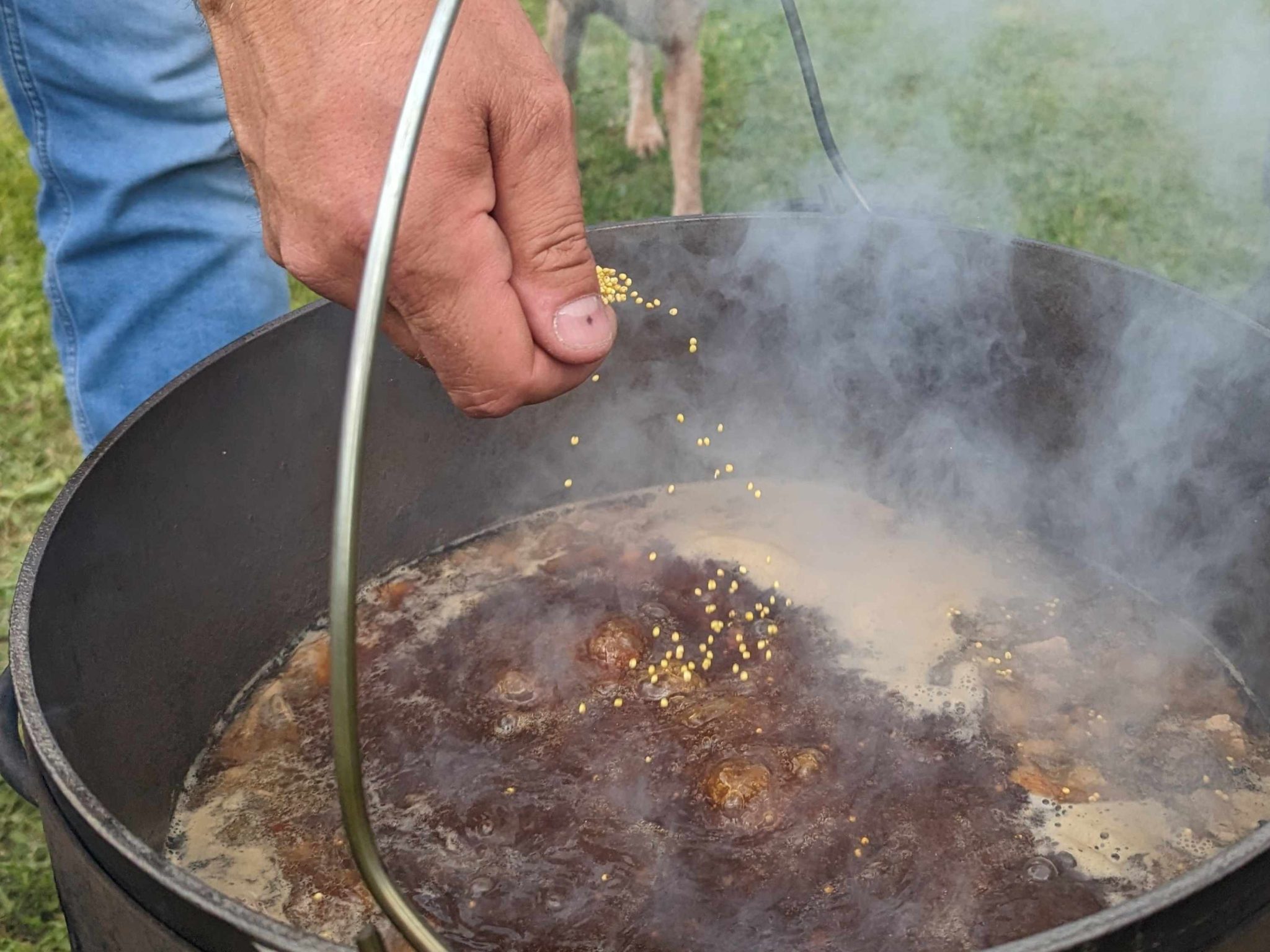

During the course of the evening, prof. dr. Rimvydas Laužikas (Vilnius University) and prof. dr. Giedrė Motuzaitė (Vilnius University, Lithuanian Institute of History) will give their presentation titled “Millet in Lithuania: from popular crop to obscurity”. They will analyse archaeobotanical data and written sources about the cultivation and consumption of millets as a source of food within the territory of modern-day Lithuania from their inception up until the 19th century. Based on the currently available data, the presenters will share their insights on why the cultivation and consumption of millet declined during the period between the 15th and 19th centuries. One of their hypotheses factors, such as climate change (the Little Ice Age) as well as the Volok reform that was implemented in the 16th century and reoriented agriculture to become more commercial and export-focused.
The XXI program of the MARIJAS GIMBUTIENĖ READINGS of the Archaeological Evenings: click here.