Honoring the Heroes of the 1863–1864 Uprising: History, Discoveries, and Commemorative Events
2025 01 17
President of the Republic of Lithuania Gitanas Nausėda, in cooperation with the Ministry of National Defence, the Lithuanian Armed Forces, and the National Museum of Lithuania, is launching a new tradition. On January 19 at 2:00 PM, the public is invited to a commemorative event, “Uplifted for Freedom: The 1863–1864 Uprising and Us,” to honor the sacrifice and memory of the uprising’s participants. The event will take place at the foot of Gediminas Hill, near the National Museum of Lithuania’s Castellan’s House (Arsenalo St. 1, Vilnius).
The program will feature performances by Veronika Povilionienė, the folklore group Ugniavijas, the Lithuanian Armed Forces Orchestra, and historical reenactment clubs from Lithuania and Poland. Visitors are also encouraged to explore the exhibition “Unforgotten Rebels” at the Gediminas Castle Tower and visit the hilltop memorial that marks the secret burial site of the rebels executed by the Russian imperial authorities.
Breaking Free from Imperial Oppression
The 1863–1864 uprising spanned the territories of the former Polish–Lithuanian Commonwealth and was a major insurrection aimed at resisting the oppressive rule of the Russian Empire. It was the most determined movement for national and social liberation in the 19th century across the empire’s occupied lands. Despite being vastly outnumbered and outgunned, around 15,000 insurgents of various social classes—including nobles, peasants, townspeople, and clergy—took up arms.
By January 1, 1865, around 22,000 people had been sentenced to death, sent to penal labor, deported to mines, or exiled to remote areas of Russia. They were also placed under military or police supervision. After the uprising, a brutal campaign of Russification ensued, with continuing repression and mass executions. In Vilnius’ Lukiškės Square, 21 rebels were publicly executed—either hanged or shot—as a stark warning to those yearning for freedom.
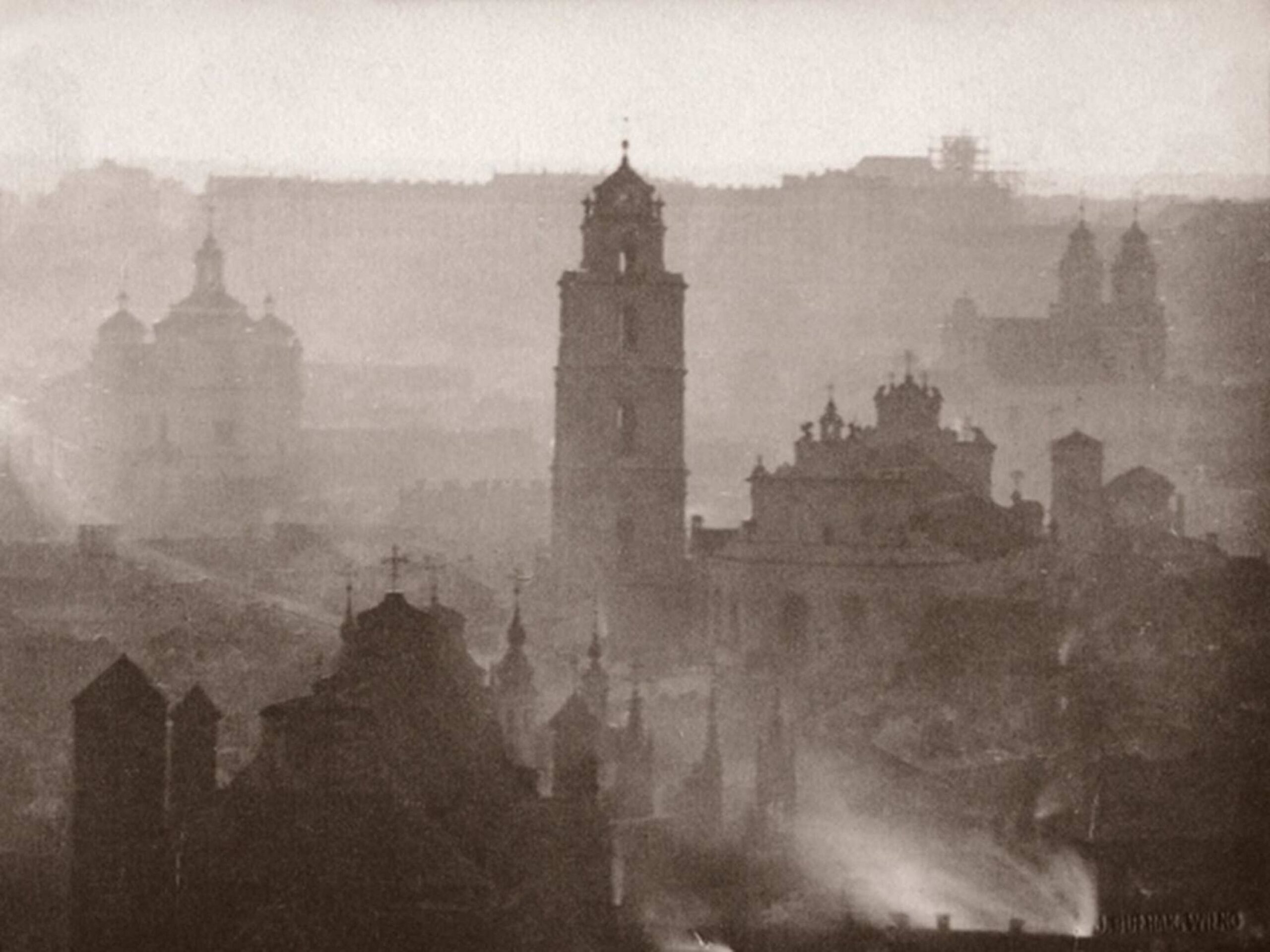
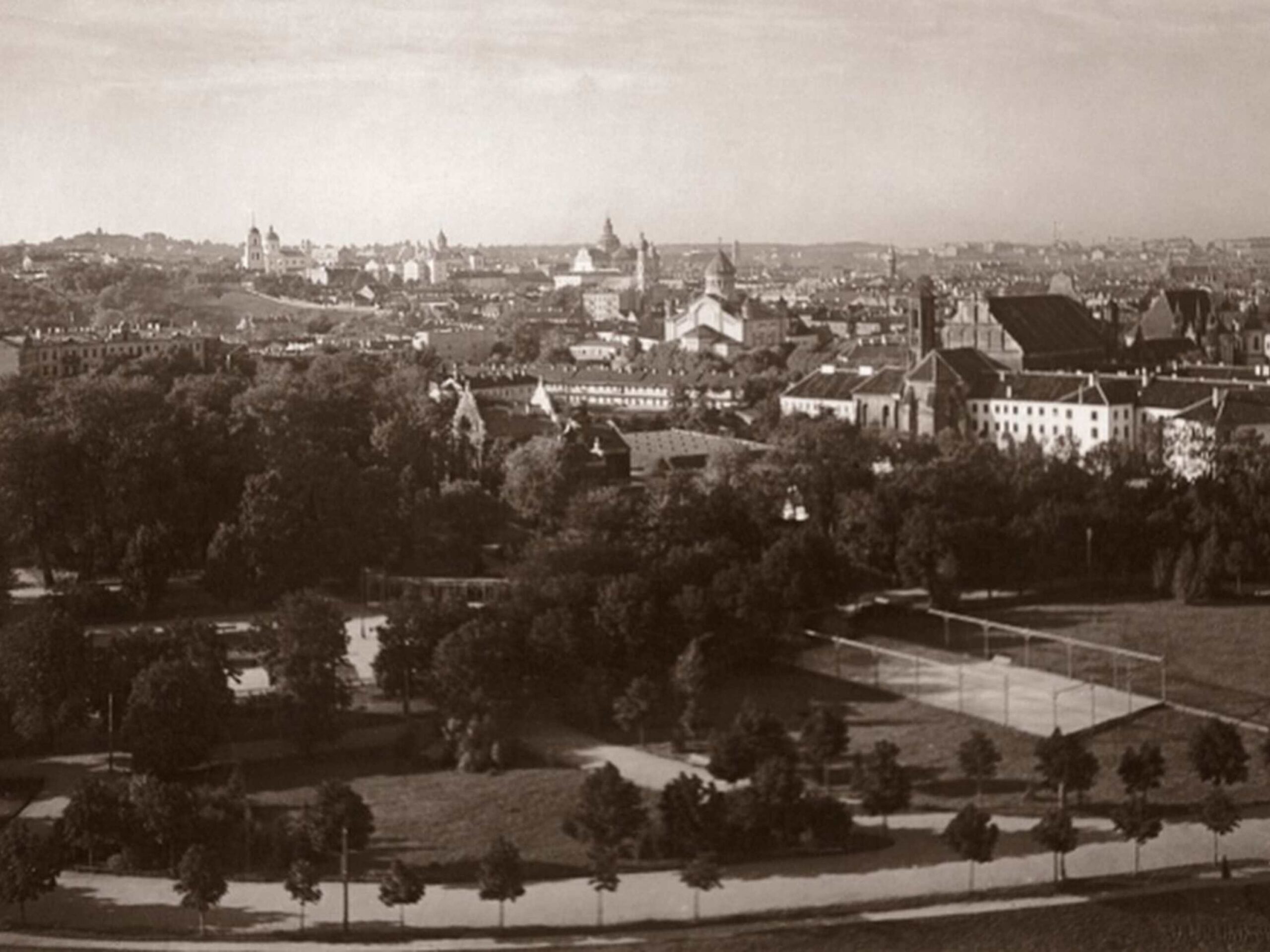
After these public executions, the Russian authorities secretly buried the rebels’ remains on Gediminas Hill, then a military stronghold of the Russian Empire inaccessible to the public. At the time, the families and comrades of the executed had no knowledge of their fate or burial site, and thus could not properly mourn or honor them.
Public Executions and Hidden Victims: The Story of the Rebels Found on Gediminas Hill
Between 2017 and 2019, during conservation works on Gediminas Hill, archaeologists from the National Museum of Lithuania conducted excavations on the hilltop and uncovered the remains of 20 men. Until then, no archaeological evidence had confirmed any burials on the hill. The museum’s team worked alongside researchers from Vilnius University’s Faculty of Medicine (Department of Anatomy, Histology, and Anthropology), the State Forensic Medicine Service, the Lithuanian Institute of History, and the private research company Kultūros vertybių paieška to examine and identify the remains.
The investigation confirmed that the remains belonged to rebels executed by hanging or firing squad in Lukiškės Square during the 1863–1864 uprising. Among them were uprising leaders Zigmantas Sierakauskas and Konstantinas Kalinauskas. Kalinauskas was found to be the first individual unearthed during the excavation. The rebels were buried in a degrading manner—without coffins, covered in lime, some face-down with their hands bound. Archaeologists hoped to find the remains of priest Stanislovas Išora, who was executed on the orders of Mikhail Muravyov, but his burial site remains undiscovered.
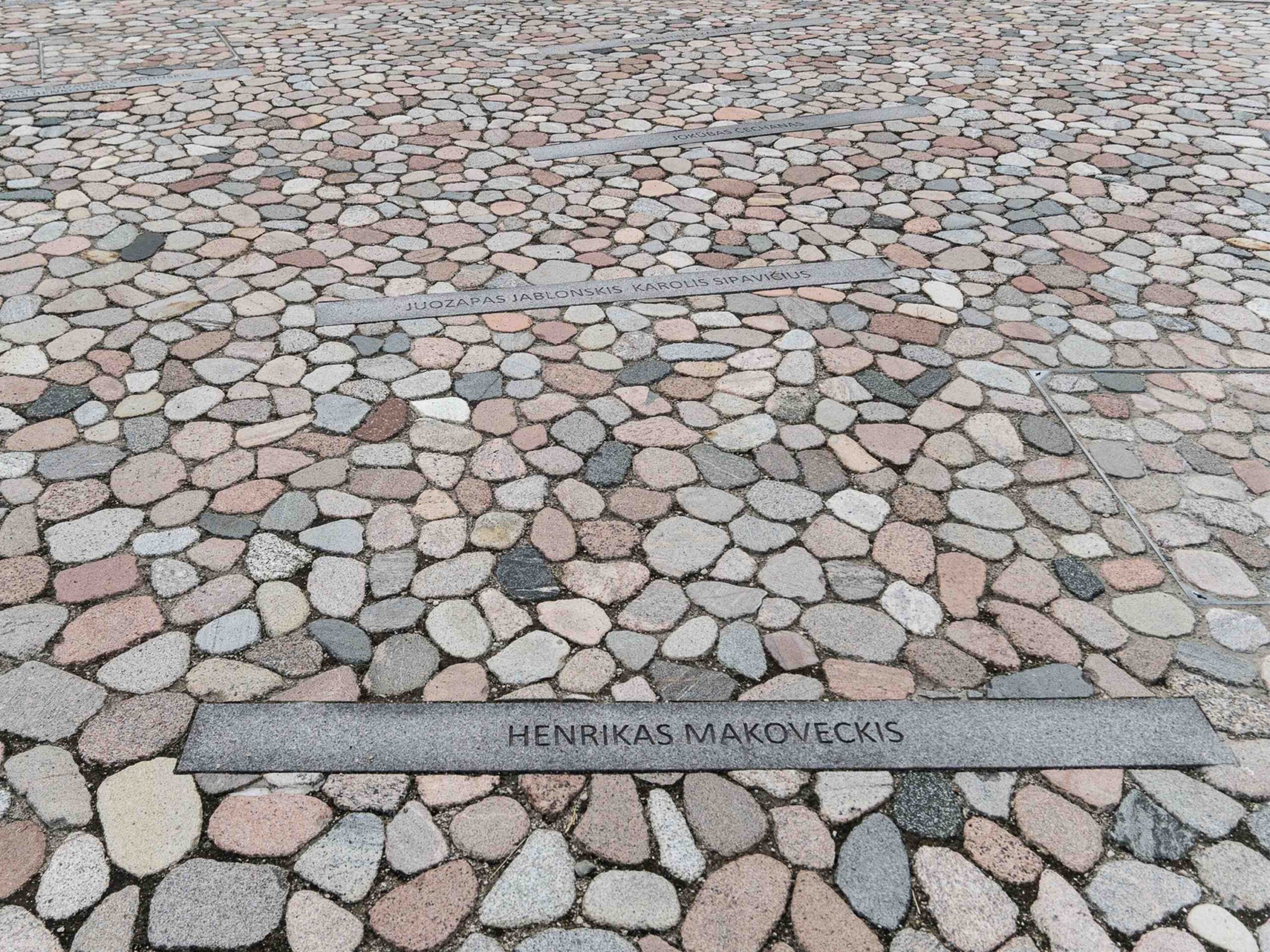
The discovery of the rebels’ remains finally allowed for a respectful commemoration. On November 22, 2019, a state funeral was held, and the remains were ceremoniously reburied in the historic Rasos Cemetery in Vilnius. In 2023, a memorial, designed by architect Gintaras Čaikauskas (UAB Architektūros linija) and commissioned by the National Museum of Lithuania, was unveiled at the site where each rebel’s remains were found.
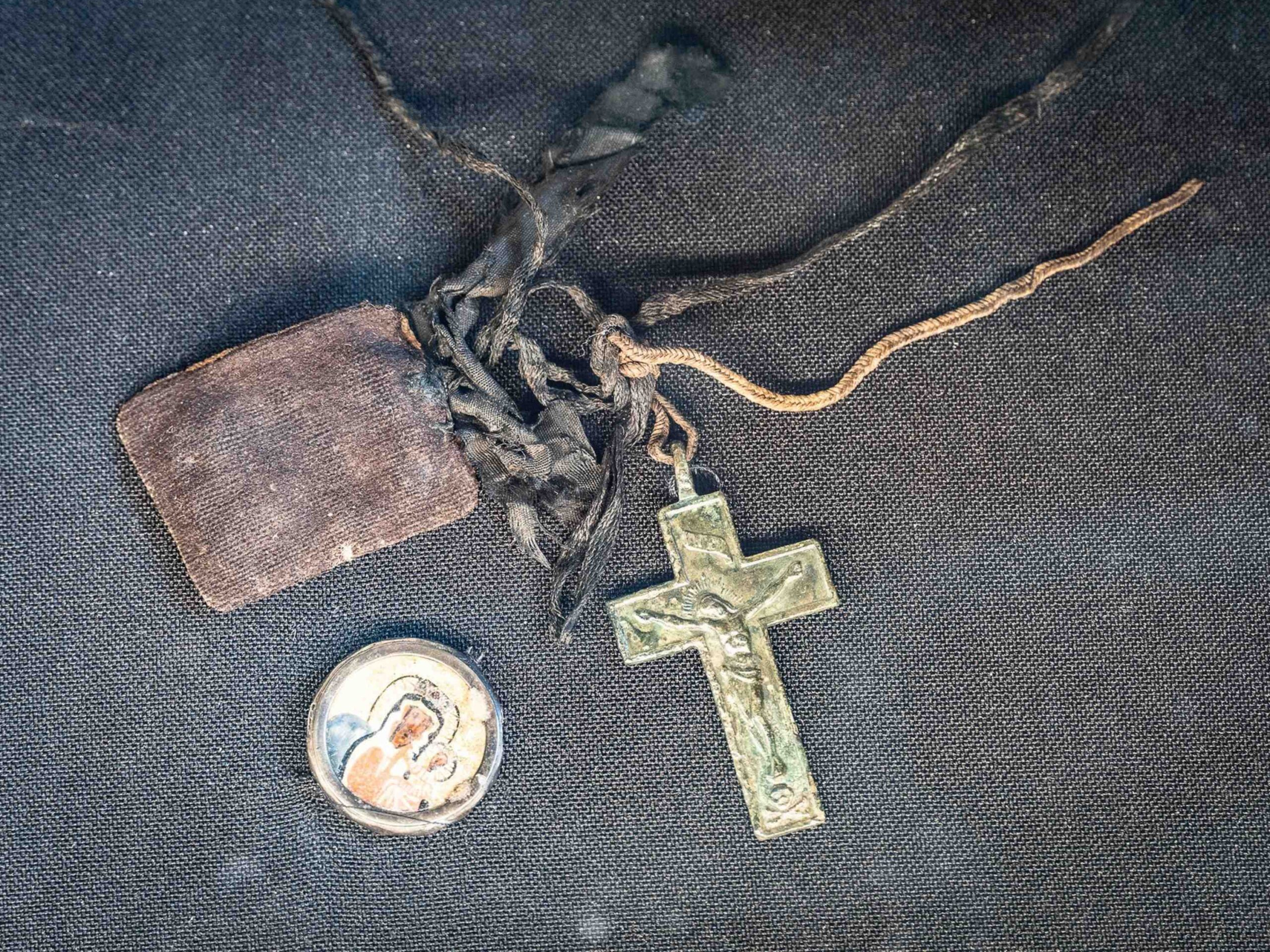
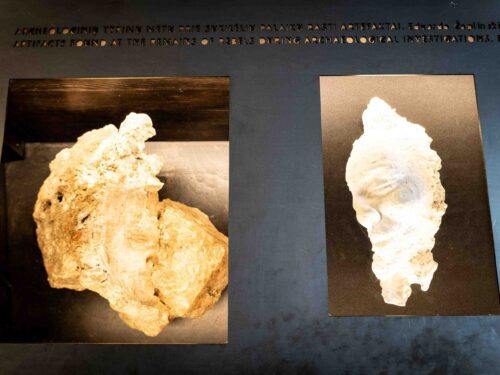
Since 2024, the story of the lives, deaths, and burials of these rebels has been presented in the exhibition “Unforgotten Rebels” at the Gediminas Castle Tower. Visitors can see a facial imprint and reconstruction of rebel Eduardas Čaplinskis, as well as religious medallions and crosses buried with the fighters.
A New Tradition of Remembrance
January 22 marks the beginning of the 1863–1864 uprising against Russian rule and was added to the list of official commemorative days by the Lithuanian Parliament in 2023. To preserve the memory of the uprising, raise public awareness of its significance, and encourage civic engagement, President Gitanas Nausėda, together with the Ministry of National Defence, the Lithuanian Armed Forces, and the National Museum of Lithuania, is establishing a new tradition.
Each year on January 22, commemorative events will be held at the foot of Gediminas Hill—where the remains of 20 uprising leaders and participants were discovered in 2017 and reburied in 2019. This year’s event, “Uplifted for Freedom: The 1863–1864 Uprising and Us,” will take place on January 19 at 2:00 PM next to the National Museum’s Pilininkas’ House (Arsenalo St. 1, Vilnius). It invites the public to honor the uprising’s heroes and draw inspiration from their struggle for freedom. The ceremony will feature the Lithuanian Armed Forces Honor Guard, youth riflemen, scouts, historical reenactment groups from Lithuania and Poland, and performances by Veronika Povilionienė, Ugniavijas, and the Lithuanian Armed Forces Orchestra.
From 3:00 to 6:00 PM, museum educators will lead thematic tours of the “Unforgotten Rebels” exhibition at the Gediminas Castle Tower. Visitors will learn about the significance of the hill during the uprising, how the bodies ended up there, and how they were rediscovered. Authentic artifacts and rare visual materials will be on display. A regular museum admission ticket is required to join the tours.
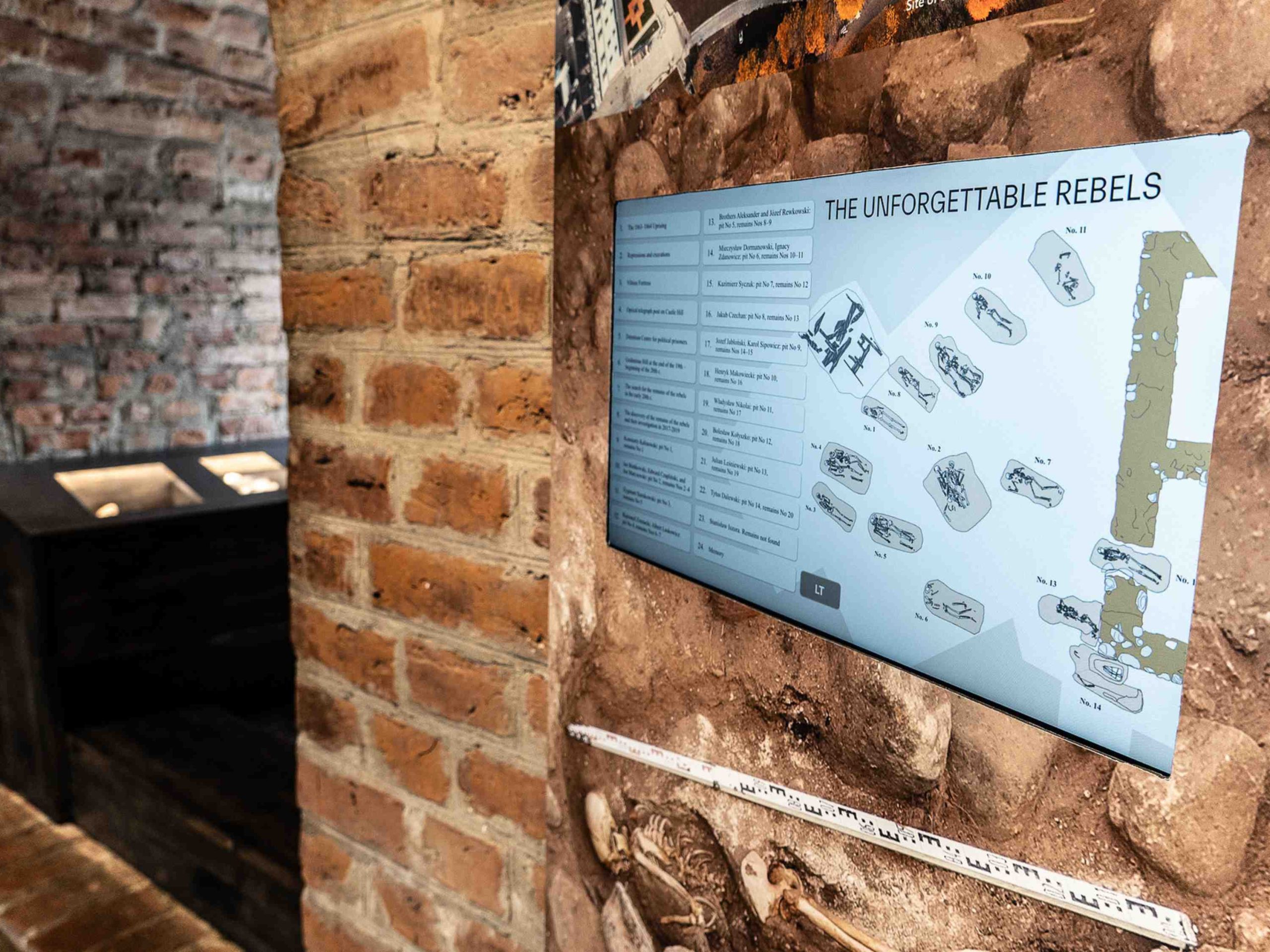
Photo credit: Augustinas Bėkšta