In 2023, the number of visitors to the National Museum of Lithuania has increased significantly – the interest of Lithuanians themselves is growing
2024 01 16
2023 was a year of great achievements for the National Museum of Lithuania. The number of visitors surpassed the pre-pandemic and pre-war levels, with the Museum welcoming almost 430 000 visitors last year, or 62% more than in 2022. Last year, exceptional exhibitions and events were dedicated to the anniversary of Vilnius City. During the year, 25 exhibitions were held in all Museum departments, 23 travelled to visitors throughout Lithuania and 16 exhibitions were presented abroad.
The Museum’s mission
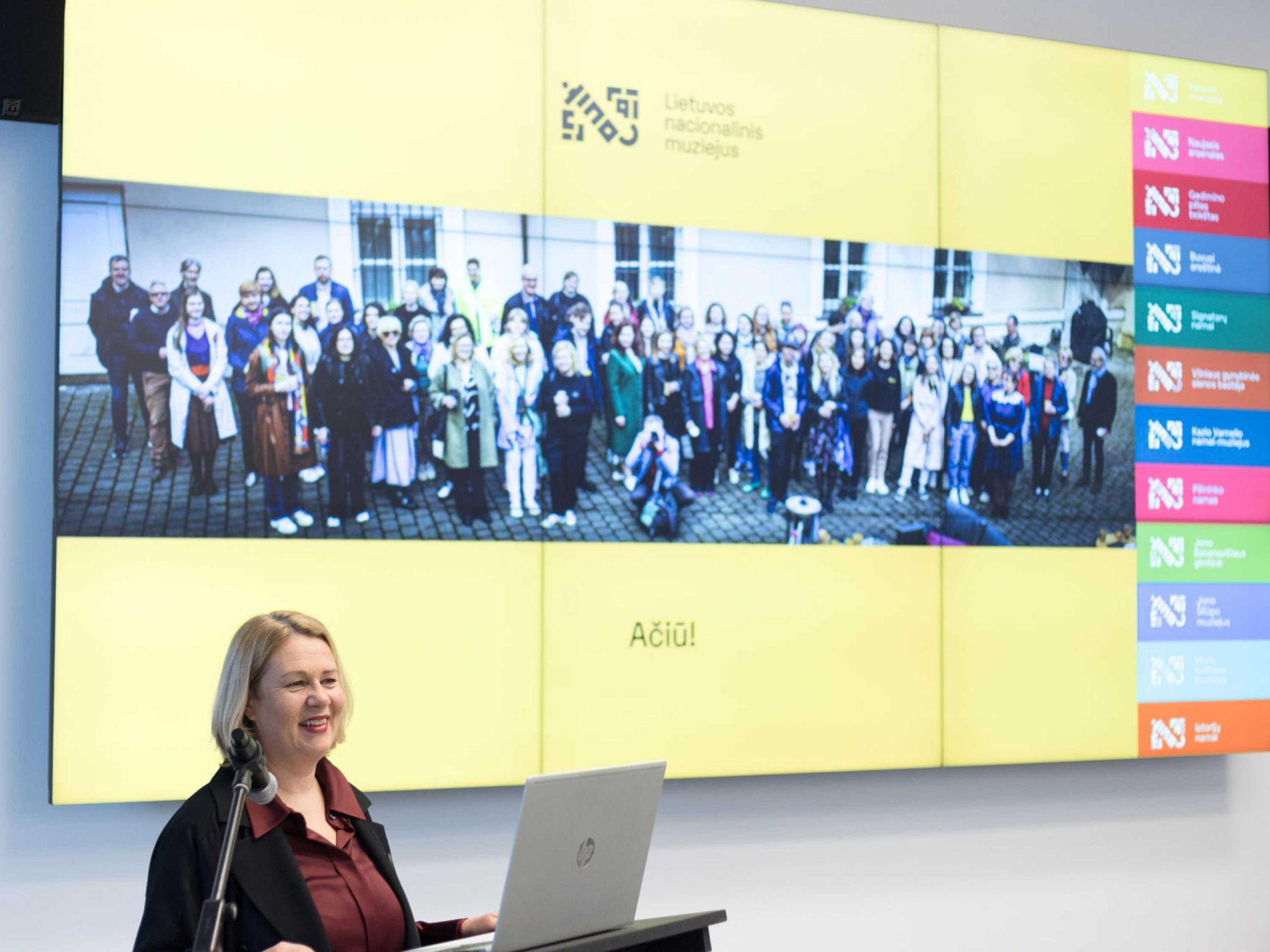
“The mission of a modern museum is to constantly strive to open up and improve, to never stop looking for ways to best implement this mission today, to keep up with changing life and to consistently pursue the goals set out in the Museum’s strategy,” says Dr. Rūta Kačkutė, Director General of the National Museum of Lithuania.
The museum’s director emphasises that the 62% increase in the number of visitors last year shows that although foreign tourist flows have not yet returned to Lithuania due to the geopolitical situation and the impact of the pandemic and the war on tourism is still being felt, the great achievement of last year’s LNM is that we have engaged the public of our own country and that they are discovering the museum.
“Contemporary challenges show that in the information war, historical memory is the first to be attacked, which is why it is particularly important to present Lithuanian history in a relevant way, to tell it in a global context and to strengthen a critically thinking society that knows its roots. This is what we have been actively doing last year and will continue to do”, – says the Director General of the LNM.
Highlights and exhibitions to mark the 700th anniversary of Vilnius
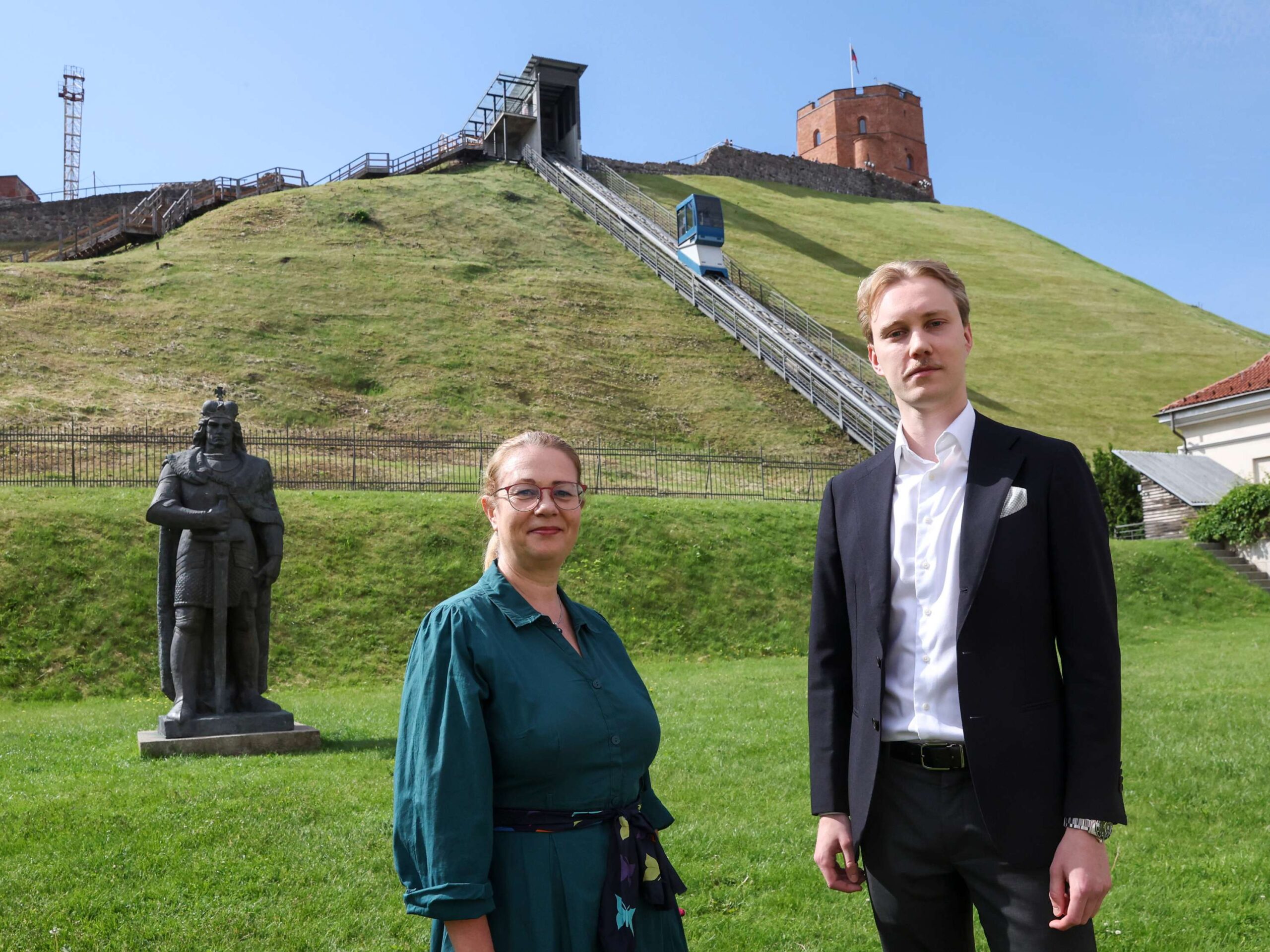
It is no coincidence that the most prominent exhibitions of the National Museum of Lithuania in 2023 were devoted to the most important anniversary of last year – the 700th anniversary of Vilnius. The Museum started the relay of anniversary events back in December 2022 with the exhibition “I am a Vilniusite”. The second exhibition, “Letters from Gediminas: then and now”, opened on 25 January. The exhibition, held on January 25, 2015 at the Gediminas Castle Tower, attracted exceptional attention from the public and the local and international media. In the context of the mayoral and municipal elections that took place at the time, the exhibition presented in a relevant way the timeless vision of Prince Gediminas for Vilnius, which has been around for 700 years.
In the spring, one of the main projects of the anniversary programme – the pavilion “Vilnius 200 Years Ago” – was unveiled at the King Mindaugas Monument. The five-year historical research was a gift to Vilnius residents and visitors and became a summer attraction, with more than 110 000 visitors to the pavilion, tours, education and events.
The project has a lasting value – the detail and precision of the Vilnius plan from two centuries ago allowed the drawings to be converted into a 3D model, and the model of the city of Vilnius 200 years ago, created for the pavilion, will be available for viewing in the spring of 2024 at the new LNM branch in the basement of the Castellan’s House . Visitors will be able to explore the city model through audio stories, a specially created musical composition and projections that will visualise the stories they hear in the model. The book “Vilnius Discovered”, published by the Museum, will also be presented, written by the research directors, Associate Professor Dr Birutė Rūta Vitkauskienė and Karolina Glinska.
Opening up to different communities
In 2023, more families with children discovered the Museum, and 98% of visitors surveyed would recommend a visit to the LNM to their friends and acquaintances. More than 1,900 educational activities were held in all Museum departments during the year, including more than 120 programmes for schools and families. As many as 35,000 schoolchildren took part in educational activities, or 25% more than in 2022. Over 200 events targeted different audiences, with almost 29,000 people attending events.
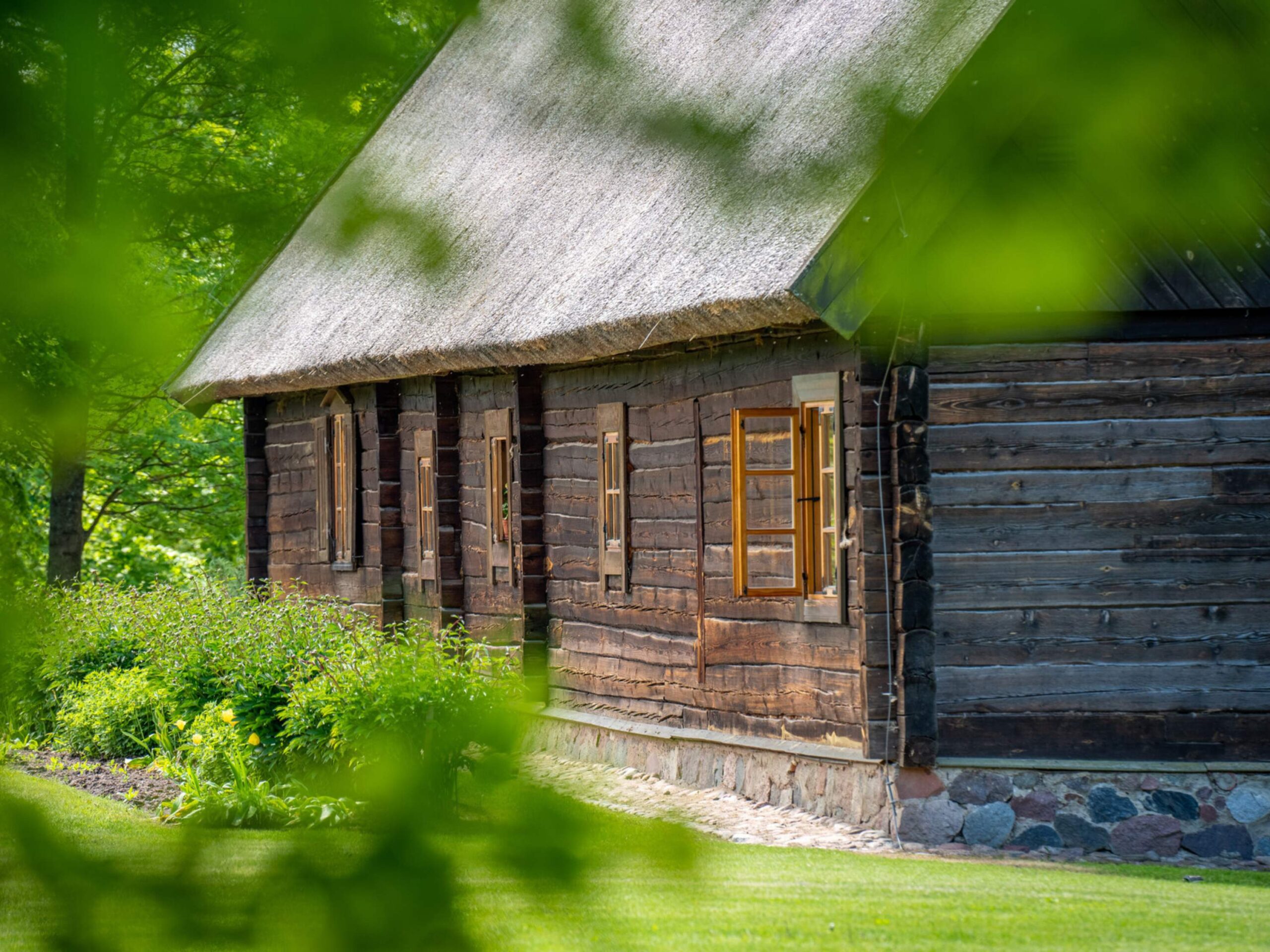
Alongside the exhibitions, long-term renovation projects have been implemented to improve the visitor experience and to appropriately preserve historical treasures: the façade of the House of Signatories has been renovated, and the renovation of the Jonas Šliūpas Museum in Palanga has become an exemplary project for the preservation and renovation of the wooden architectural heritage. Completed in 2023, the the Castellan’s House will open its doors in the spring of 2024, presenting an immersive exhibition of Lithuanian history, inviting visitors to explore the key ideas that have shaped Lithuania’s identity.
Excluded communities are also increasingly involved. Work with them started before the quarantine and is now intensively working with four communities: the blind and visually impaired, the hearing impaired, children with autism spectrum disorders, and people with Alzheimer’s disease. Last year, the Museum joined the project “Social Prescription 65+” initiated by the Ministries of Health and Culture.
Presenting the activities to be initiated, the Director General of the LNM noted that the Museum wants to encourage different communities to discover new common interests and seek new experiences. “The Museum contributes to the strengthening of emotional health in Lithuania, we strive to provide various activities and trainings in our departments, not only visiting exhibitions, and we contribute to the growth of personality and emotional well-being in various ways,” said the CEO of the museum.
Nurturing leadership that helps nurture talent
Growing leadership is one of the LNM’s key strategic goals. The most prominent example of this is the centralised museum competency development programme Marta, which the National Museum of Lithuania is implementing between 2023 and 2025 for employees of national and state museums. Participants learn from the best museums abroad and then the museum staff themselves pass on their knowledge to their colleagues, not only learning from best practice but also strengthening the networking of the museum community.
This project nurtures and develops talent not only within the museum, but also makes a difference nationwide. The Director General of the LNM stressed that the programme goes beyond the development of practical skills, and that conceptual and value issues are an important part of the programme. “In the context of global challenges, it is very important to properly realise and use the opportunity that museums have to strengthen society in the areas of sustainability, tolerance and social responsibility, but additional knowledge and skills are needed to convey this information in a proper and impactful way,” said Dr Kačkutė.
The competence development programme involves specialists from Lithuanian national and state museums (17 institutions in total) and the Contemporary Art Centre, and is likely to expand to regional museums in the future.
Growing number of international exhibitions
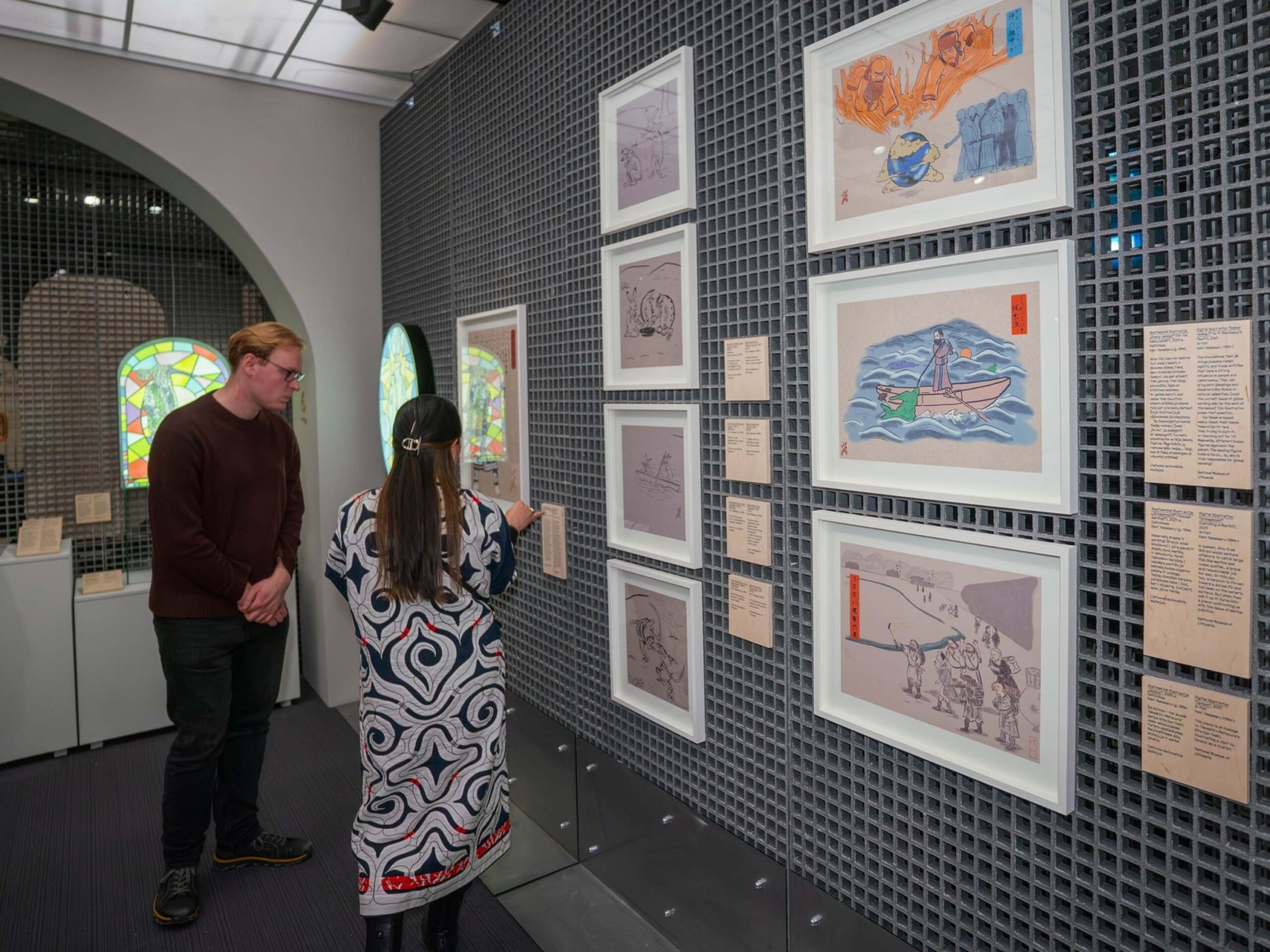
In 2023, the number of international exhibitions organised at the National Museum of Lithuania has consistently increased. This is an opportunity for visitors to see high quality exhibitions of exceptional value, prepared by international and local teams of experts.
Last year, the Museum opened the exhibition “Lithuania the Size of the World: the Story of Our Migration”, under the patronage of President Valdas Adamkus. In 2023, the LNM also organised presentations of this exhibition in an unconventional space – the passenger arrival halls of the Lithuanian Airport in Vilnius and Kaunas. This exhibition at the LNM House of History argues that migration is a natural historical process, with both negative and positive sides, but without a doubt it allows Lithuanians to change the world and the world to change Lithuania. The exhibition brought together a large number of international partners from the USA, Brazil and Canada.
Nineteen partners from Lithuania, the USA, Luxembourg, France and Germany were involved in the development of the exhibition “To Believe or Not to Believe: Conspiracy Theories”. “Today, we are exposed to a wealth of information through all possible channels, and we have to constantly ask ourselves the question: to believe or not to believe? This is why it is so important to be able to check what is true and what is not – to understand the origins, to constantly check one’s vigilance and to develop critical thinking. Modern warfare is not only physical but also virtual. Propaganda is inseparable from conspiracy theories, so the exhibition is about what is happening today through history. We can see that the past has not disappeared, it is as alive as ever,” said Dr Kačkutė about the importance of the exhibition.
Support for Ukraine remains relevant
In this difficult period, the National Museum of Lithuania, together with the organisation “Strong Together” and LRT, invited everyone to unite and take part in the campaign “Ukrainian Culture Has Nothing to Defend Itself With”. The partners of the campaign are the Lithuanian Museums Association, which unites 100 museums in the country, and the Lithuanian National Commission for UNESCO. The funds raised will be used to preserve cultural heritage destroyed by the Russians and to purchase restoration materials and equipment. These tools will be delivered to the National History Museum of Ukraine, from where they will travel to other museums in the country. “I would like to stress that we cannot stop, we cannot get tired, we have to constantly remember that this war is directed against the historical memory of Ukraine, so the historical and cultural front is no less important,” said Dr. R. Kačkutė, Director General of the National Museum of Lithuania.
Last year, for their support to the struggling Ukraine, the staff of the Lithuanian National Museum were awarded the Great Mark “Ukrainian Volunteers with Soulfulness”.
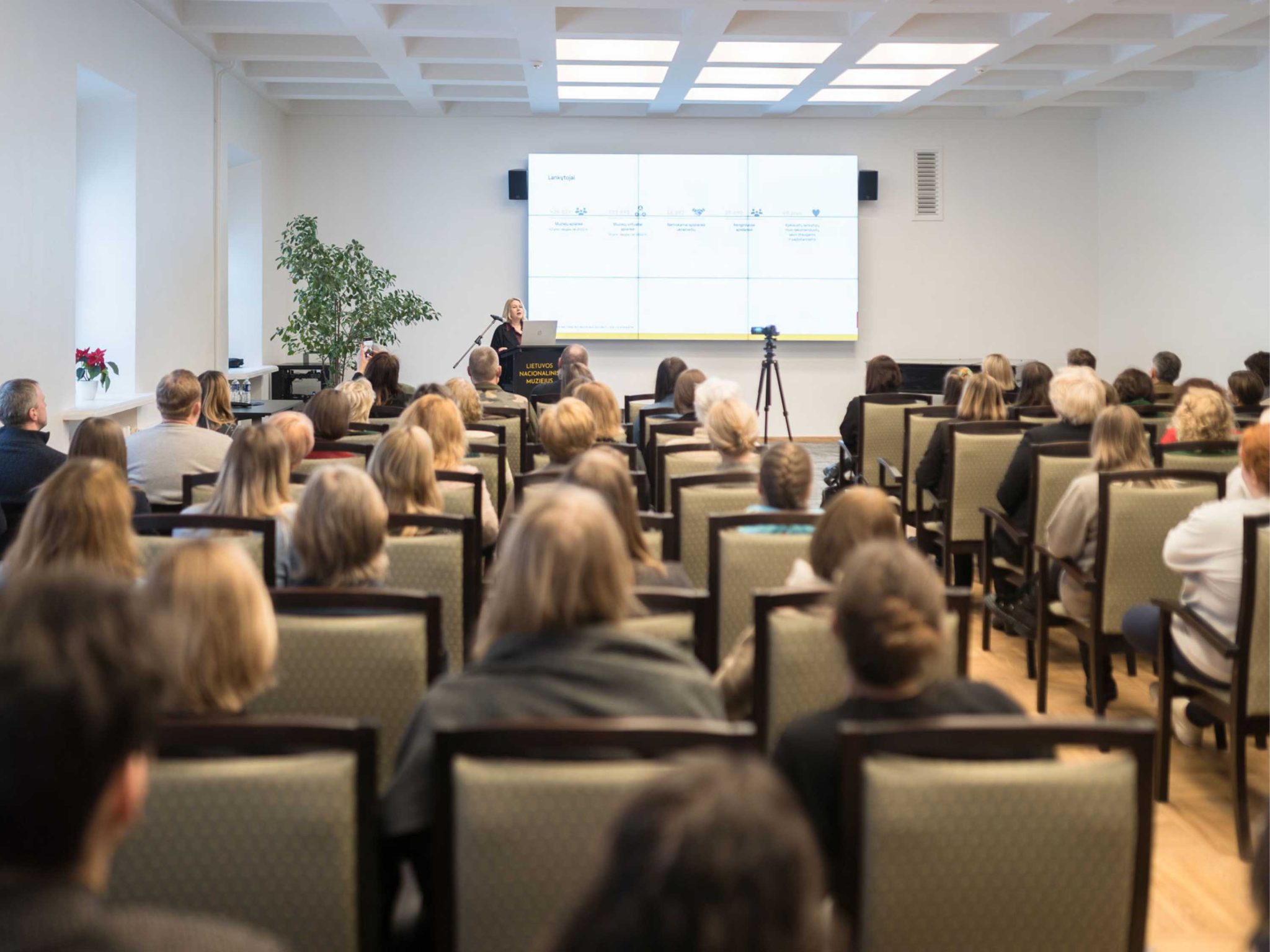
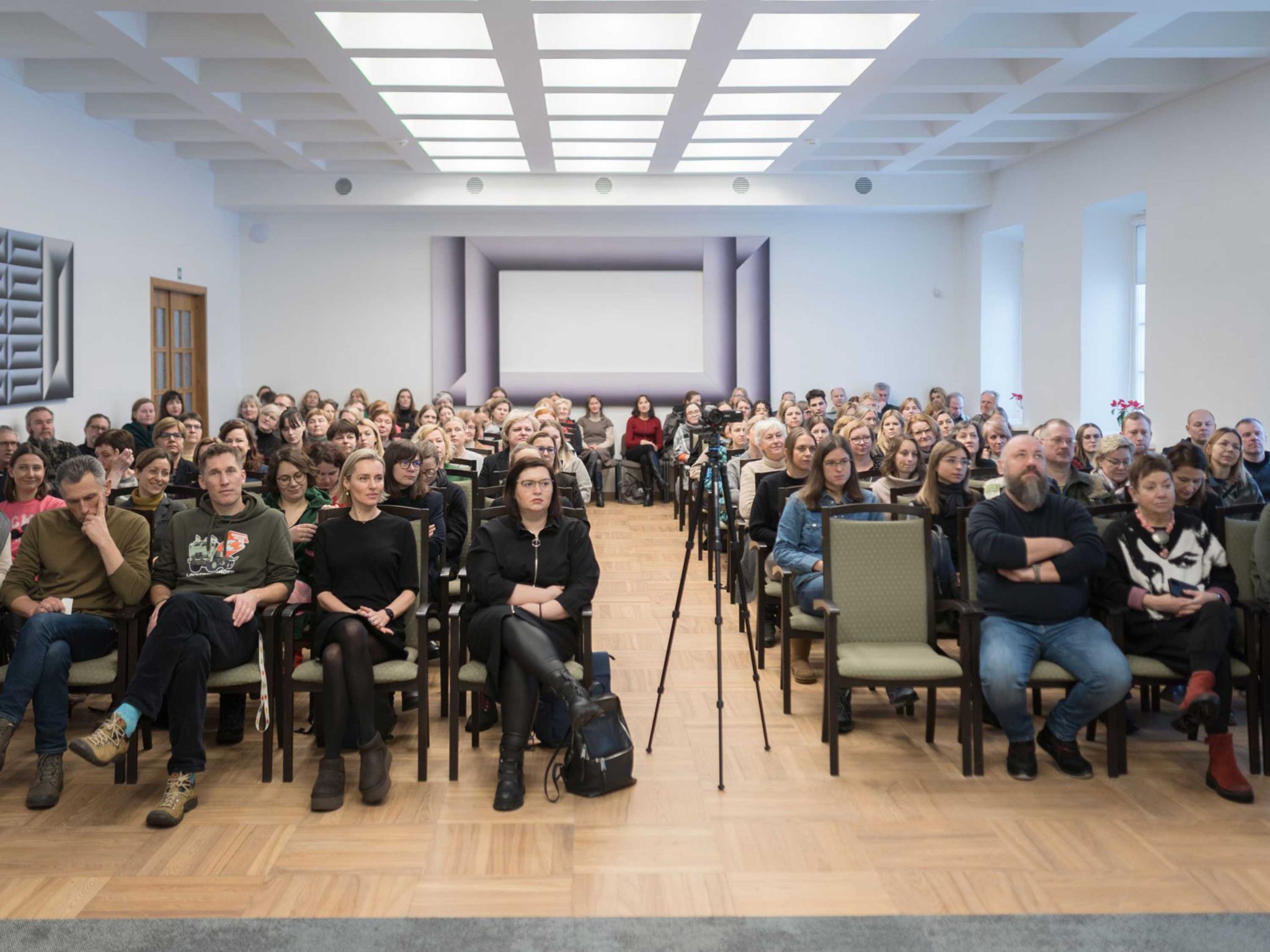
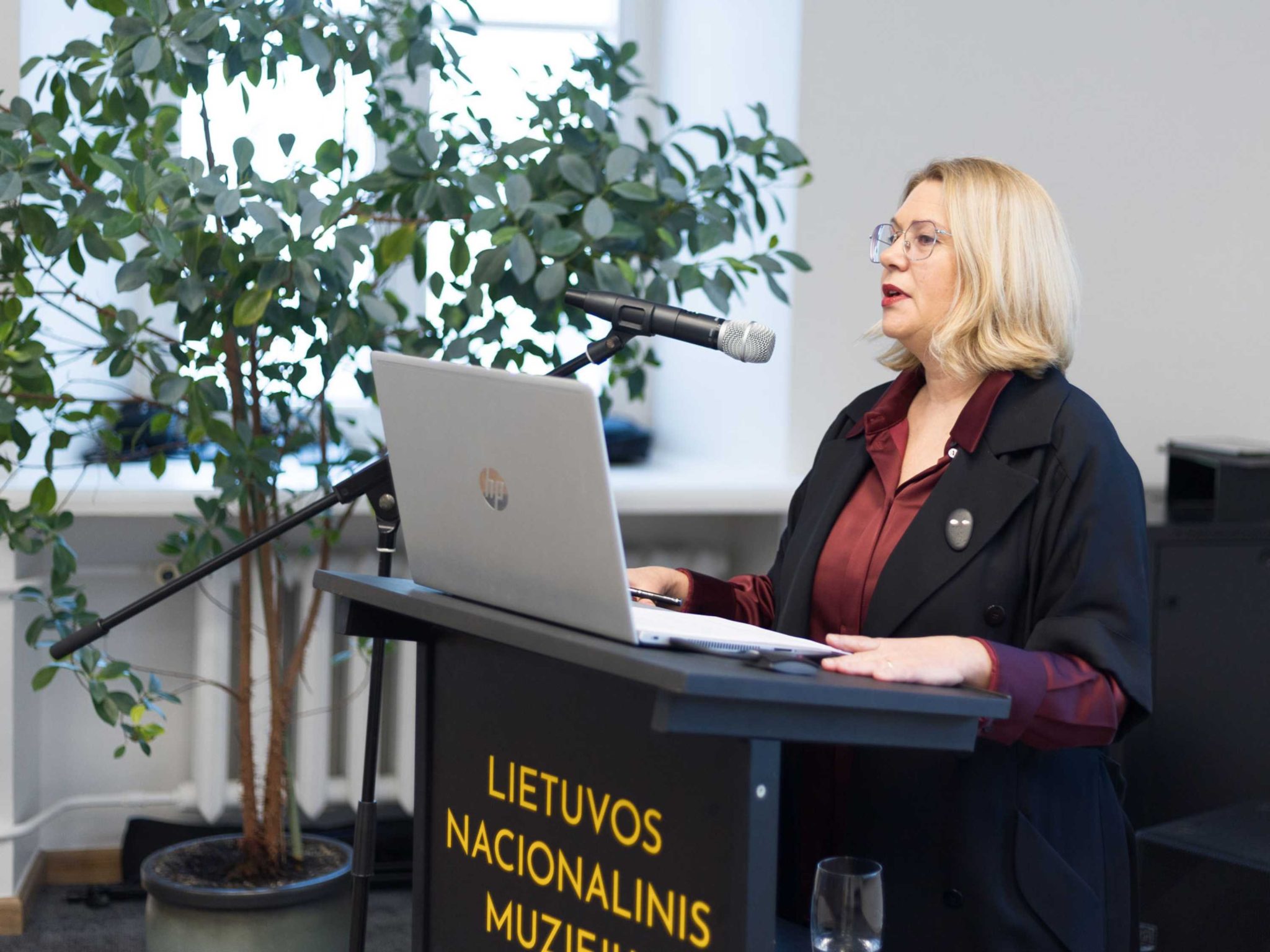
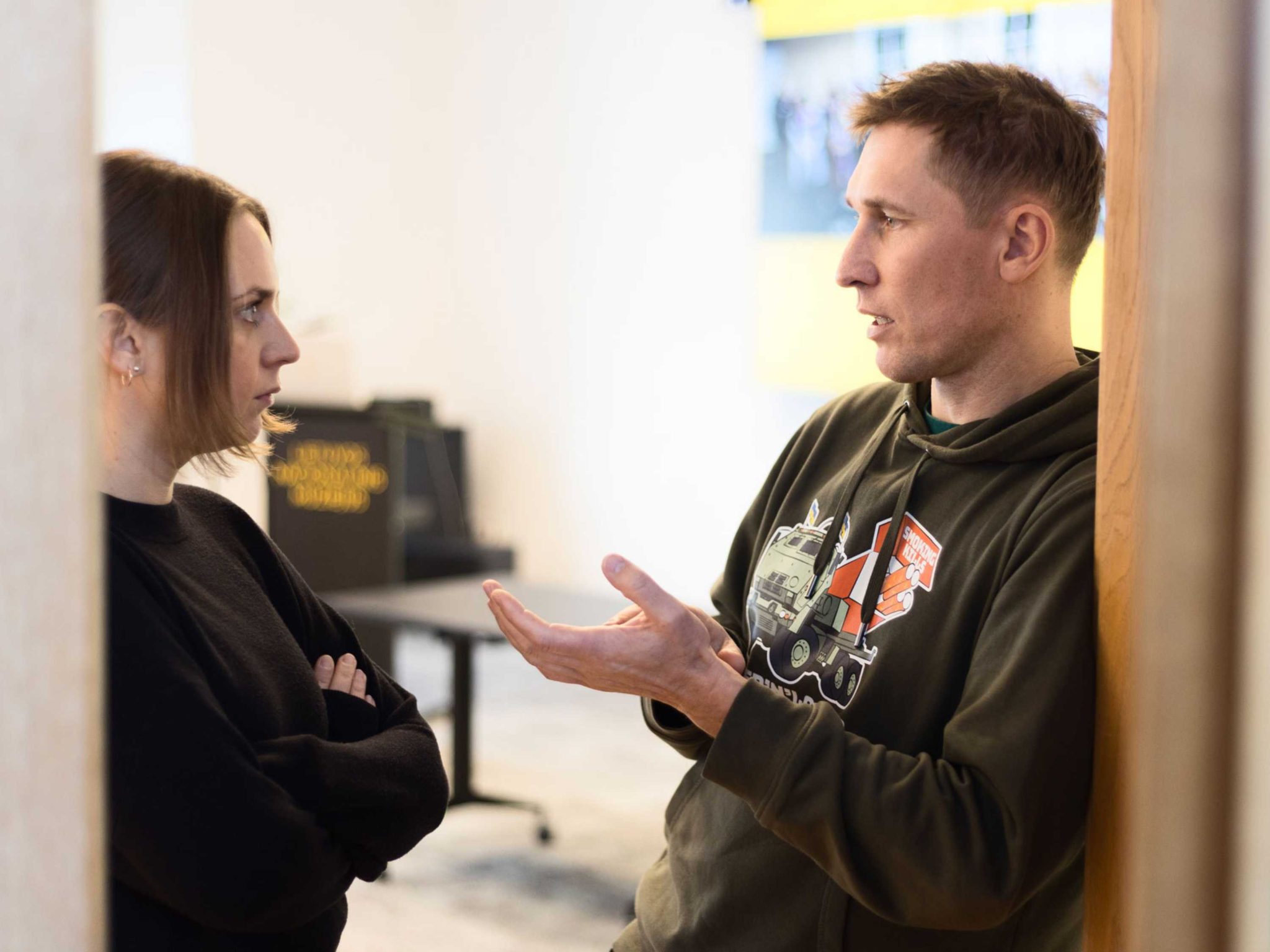
Photos by: Gediminas Trečiokas
The National Museum of Lithuania is one of the first museums in Lithuania. Today, it stores more than one and a half million exhibits, and about 300 employees work here. LNM is united by twelve departments. These are Gediminas Castle Tower, Old and New Arsenals, the Castellan’s House, Bastion of the Vilnius Defense Wall, House of Stories, Former Prison, House of Signatories, Kazios Varnelis House-Museum, Birthplace of Jonas Basanavičius, Vincas Kudirkas Museum, Jonas Šliūpas Museum.