For Jonas Basanavičius’ 175th Anniversary, Sculptor Mykolas Sauka Unveils “Koplytstulpis” (“Shrine Pole”)
2026 06 10
On June 24, during Joninės (Midsummer Day celebrations), a new sculpture by sculptor Mykolas Sauka, “Koplytstulpis” (“Shrine Pole”), will be unveiled at the Jonas Basanavičius Birthplace, a branch of the National Museum of Lithuania. Dedicated to Basanavičius, the work forms part of the symbolic program marking the 175th birthday of the man often regarded as the patriarch of the Lithuanian nation. The anniversary events invite visitors to reconsider his ideas, their contemporary relevance, and their relationship to modern life.
The new sculptural installation reinterprets the Lithuanian tradition of the koplytstulpis – a roadside shrine pole – through the language of contemporary sculpture. Rising three meters high and carved from wood, the work depicts a child holding a mask, encouraging reflection on human identity and self-knowledge.
According to Rūta Kačkutė, the museum’s director general, the anniversary program deliberately brings together historical heritage and contemporary art.
“As we commemorate the 175th anniversary of Jonas Basanavičius’ birth, we want not only to remember his life and achievements but also to demonstrate that the ideas he championed remain relevant today. That is why contemporary art occupies an important place in the anniversary program – it offers new ways of looking at our cultural heritage, traditions, and identity,” Kačkutė says.
-
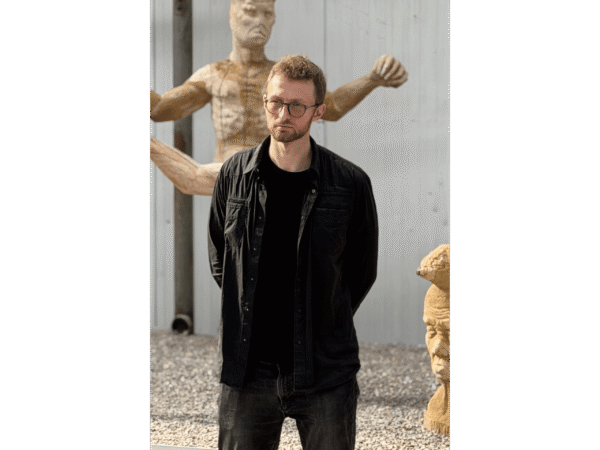
- Mykolas Sauka. Photo: I. Gaudelaitytė
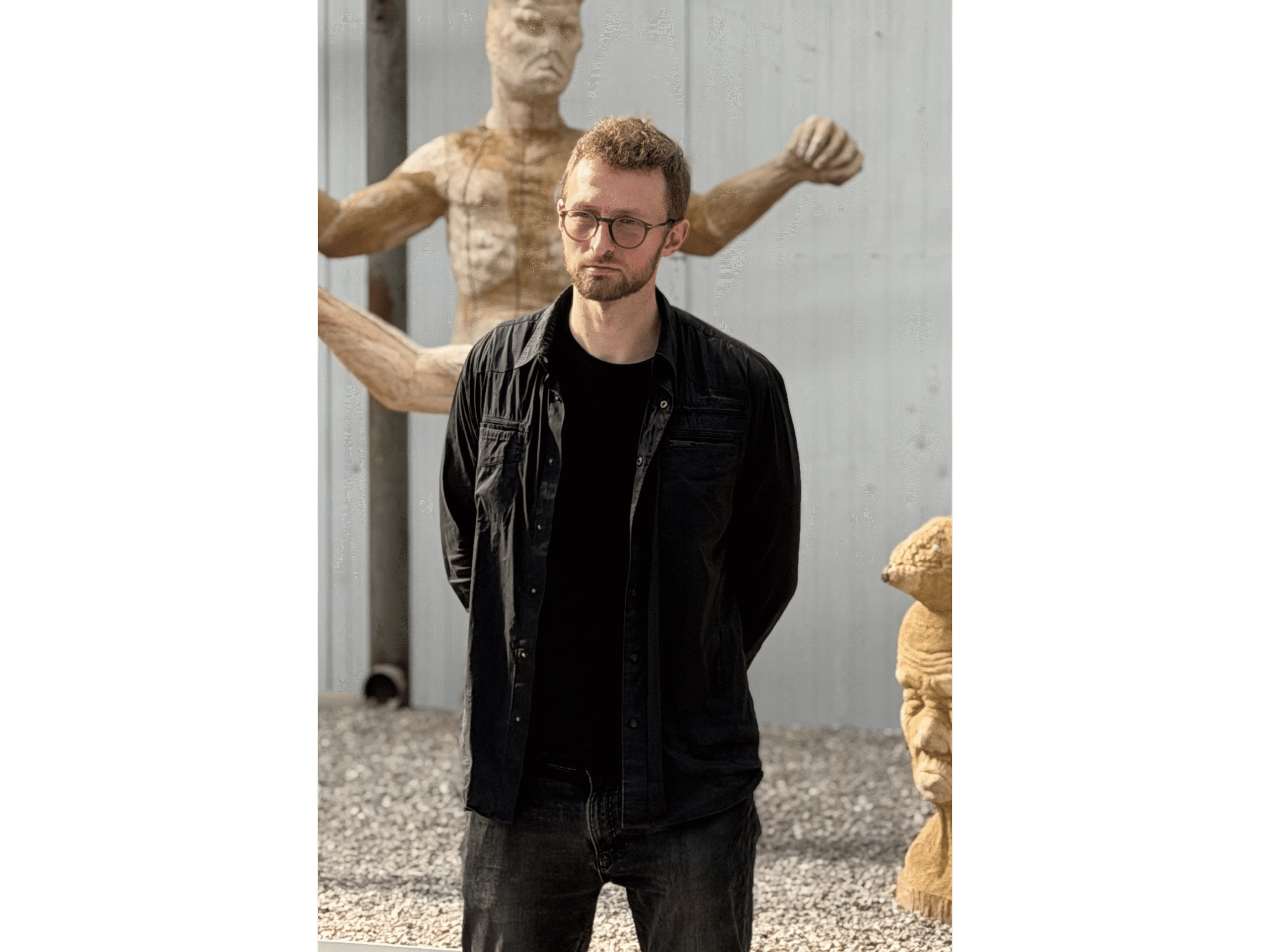
According to Rūta Vasiliauskienė, director of the Jonas Basanavičius Birthplace, the sculpture meaningfully complements the anniversary program and extends the questions Basanavičius himself raised about the relationship between people and their roots.
“Jonas Basanavičius was a multifaceted figure. Science, folklore, and medicine were all important to him, and he devoted considerable attention to the human spiritual world. In Mykolas Sauka’s work, these themes are interpreted through a contemporary lens while remaining rooted in Lithuanian traditions,” Vasiliauskienė says.
She adds that “Koplytstulpis” will stand not merely as a static work of art but as a prompt for reflection on national identity, historical memory, and the significance of cultural heritage in contemporary life.
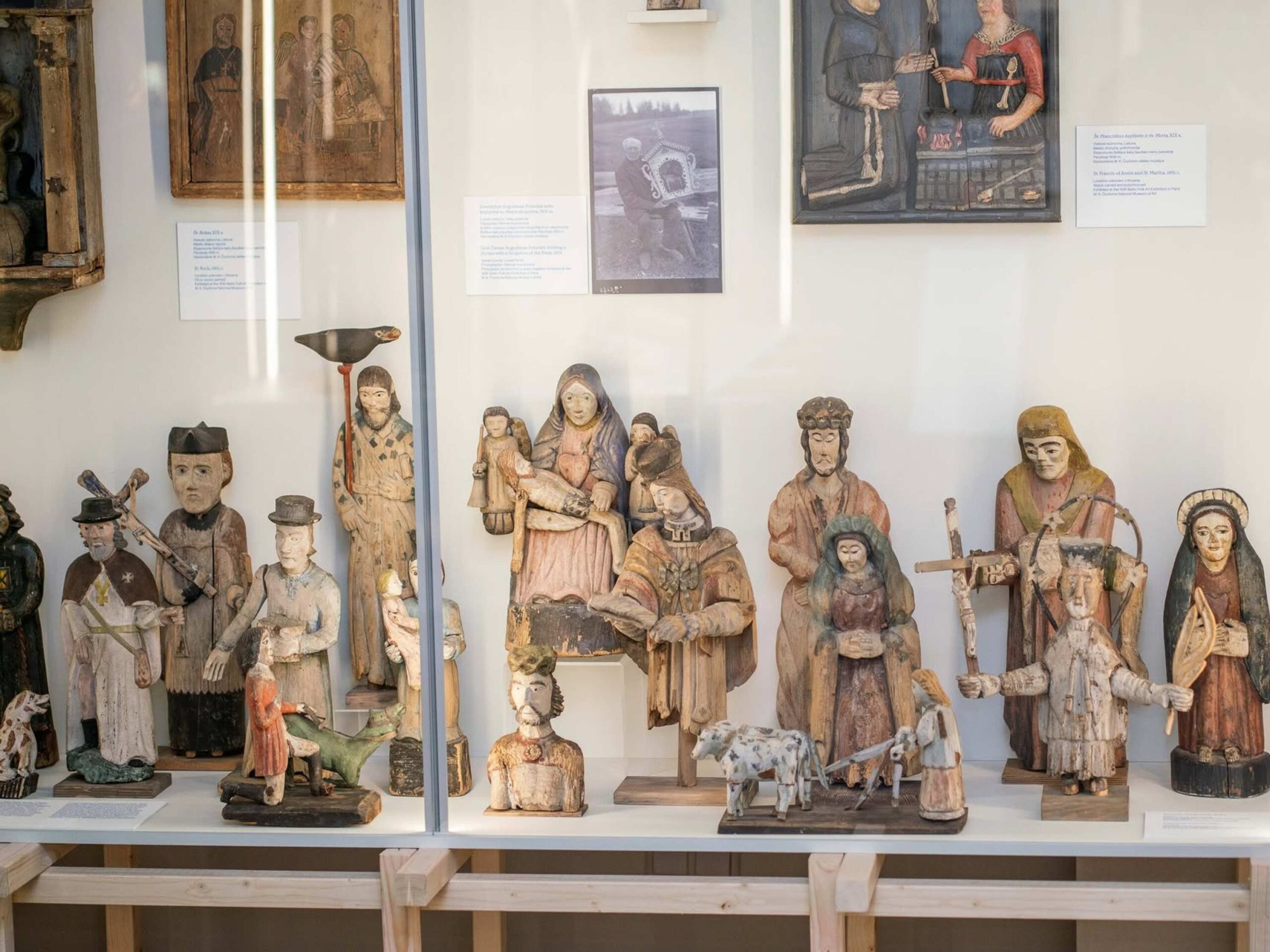
“Basanavičius devoted much of his work to studying ancient Lithuanian culture and worldview. He was interested not only in customs, folklore, and mythology but also in folk-art monuments such as crosses, shrines, roofed pillars, and shrine poles. In his 1912 study Lithuanian Crosses in the Light of Archaeology, he connected these works to ancient Lithuanian culture and identified traces of pre-Christian Lithuanian art in their ornamentation.
It is therefore symbolic that “Koplytstulpis” will be unveiled during Joninės, which is also Jonas’ name day. The celebration still preserves signs of archaic culture, as well as connections to nature, light, and community – values that were close to Basanavičius himself. I believe this work will stand at his birthplace not only as a work of art but also as an invitation to reflect on the importance of national consciousness, historical memory, and cultural heritage today,” Vasiliauskienė says.
-
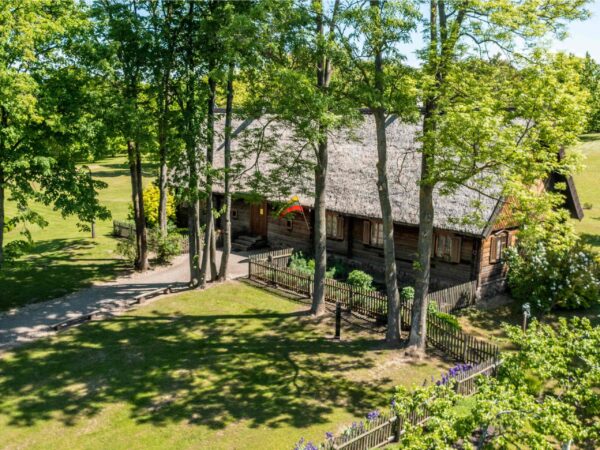
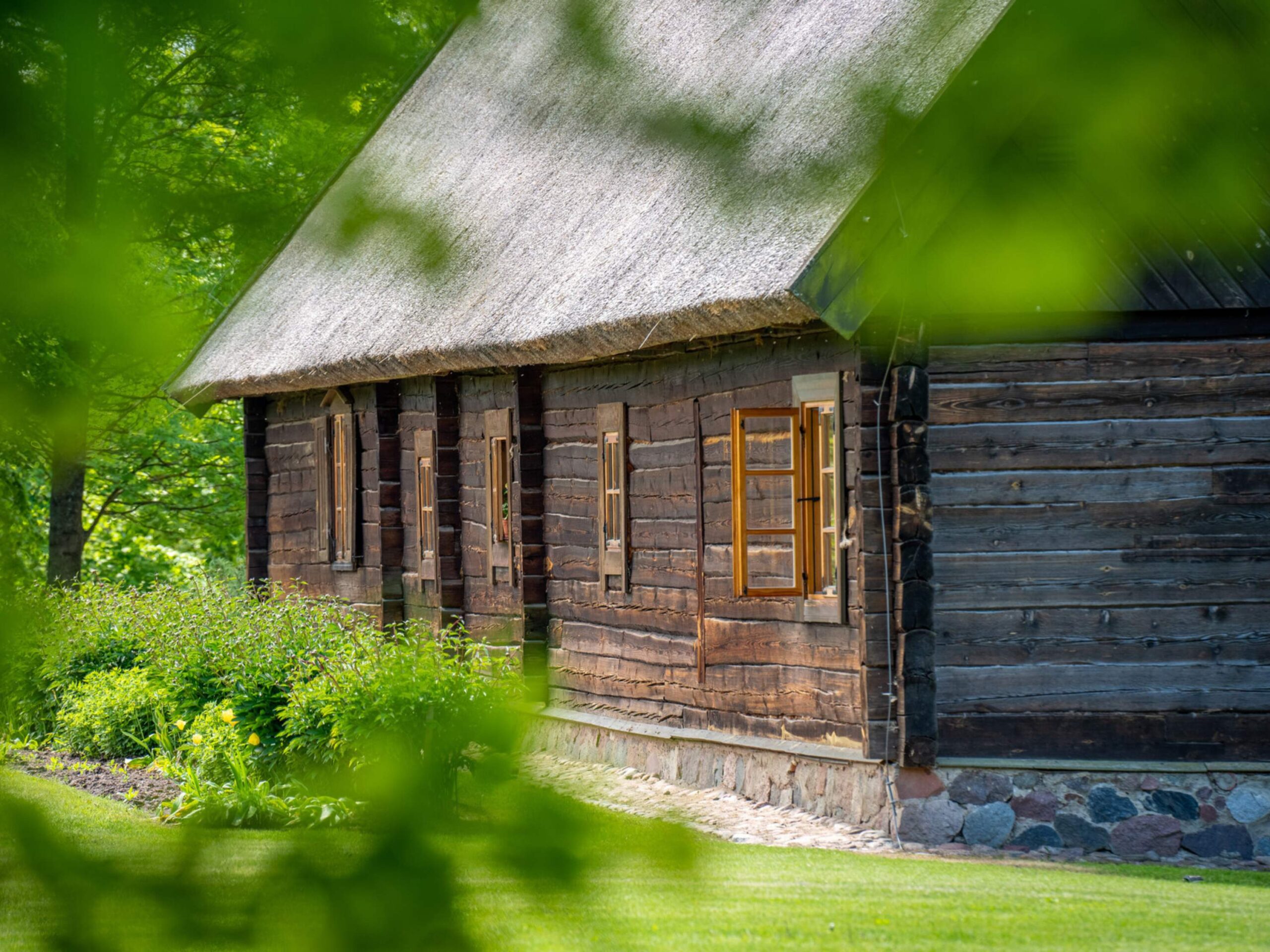
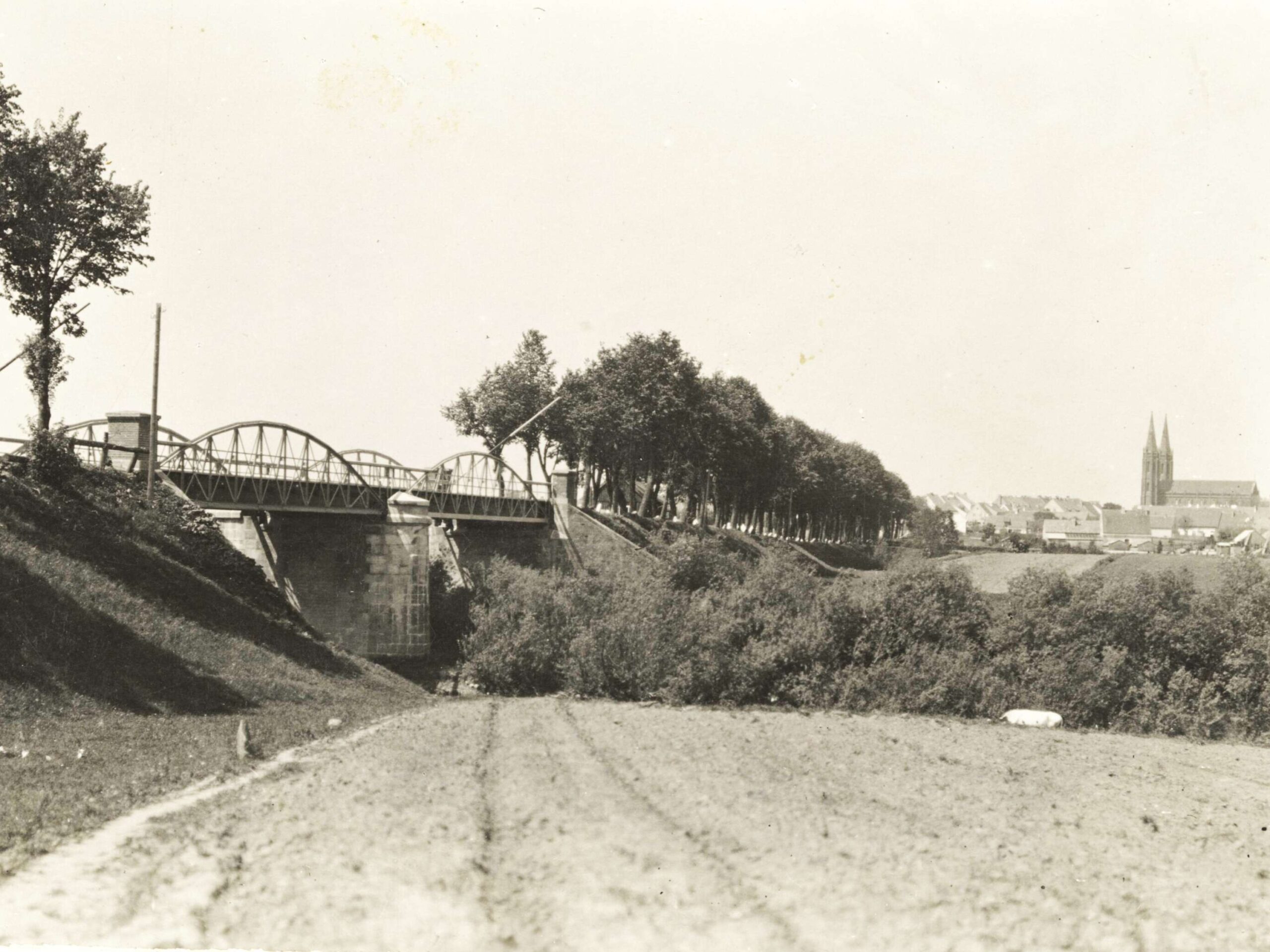
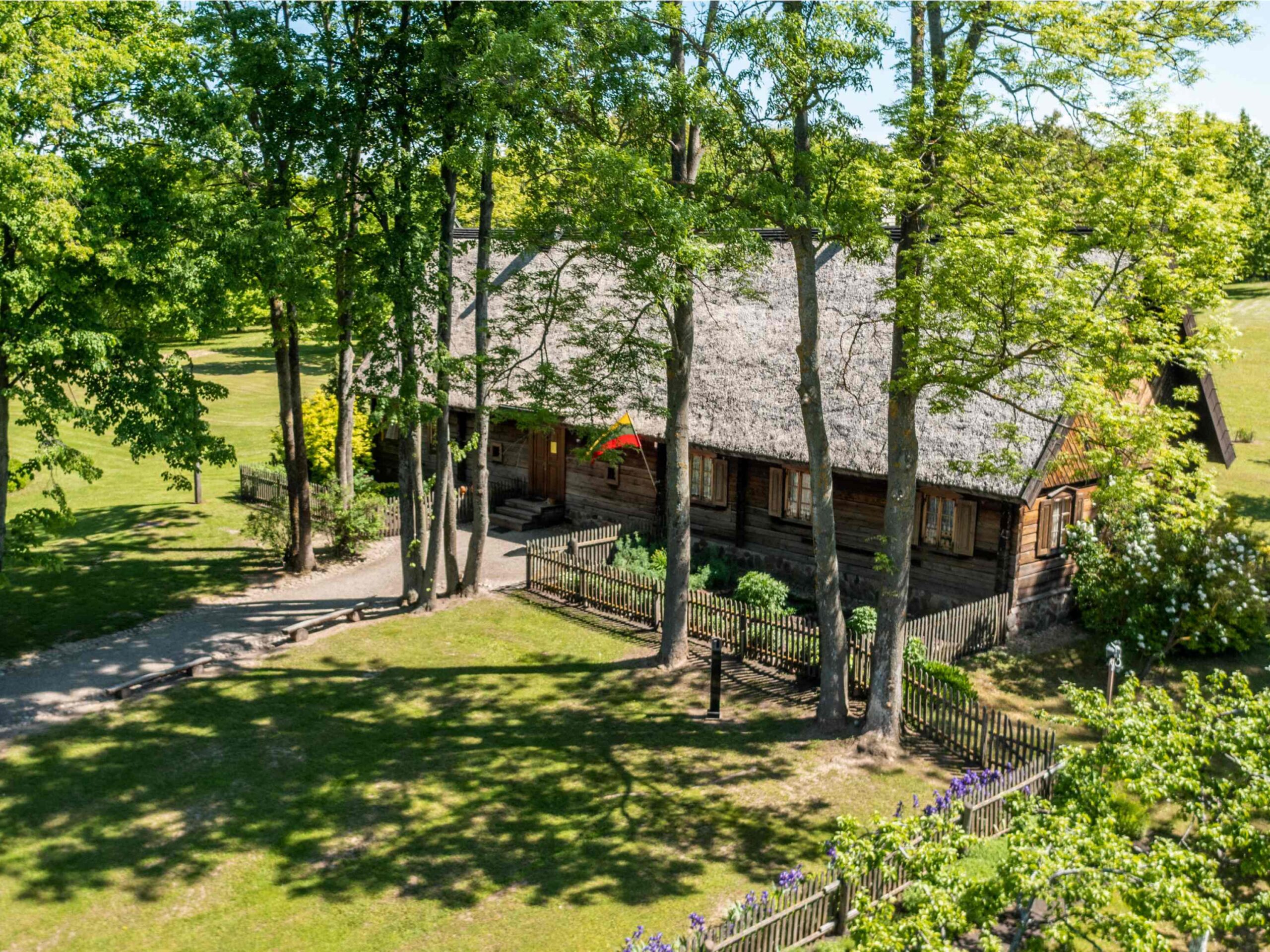
- The Birthplace of Jonas Basanavičius. Photo: S. Samsonas, NML
For Sauka, the sculpture’s placement at Basanavičius’ birthplace naturally invites visitors to ask how it relates to the physician’s personality, ideas, or life story.
“The connection I had in mind while creating the sculpture is a connection to tradition, expressed through the form of the shrine pole. The figure placed within this traditional object of vernacular architecture does not represent any particular saint, nor a character from myth or folklore. Folklore, fairy tales, and myths emerge from oral tradition and collective creativity. That is precisely what I am inviting visitors to participate in. The sculpture housed within the shrine pole is, like many sculptures, simply an abstract form – a nameless character waiting for a story to be created for it. If a story is created, it will be fortunate, and it will live on,” the sculptor says.
The unveiling ceremony for “Koplytstulpis” will take place on June 24 at 14:00 at the Jonas Basanavičius Birthplace in Ožkabaliai (Gimtinės St. 17, Ožkabaliai I Village, Vilkaviškis District). Visitors will also be able to attend “Aušros pašauktasis” (“Called by the Dawn”), a literary and musical program presented by actor Andrius Bialobžeskis and composer Jurgis Juozapaitis. The event will conclude with a discussion moderated by journalist Rytis Zemkauskas, featuring the participating artists.