Ten branches of the National Museum of Lithuania across the country will open for schoolchildren for one special day
2026 05 28
On Monday, June 1, when the branches of the National Museum of Lithuania (NML) would normally be closed, they will this year open by special exception for groups of schoolchildren. As twelfth-grade students sit for the compulsory national Lithuanian language and literature examination, many schools across Lithuania will organize remote learning or alternative educational activities for younger classes. The museum is inviting school communities to spend the day engaged in educational programs designed to bring history and culture to life.
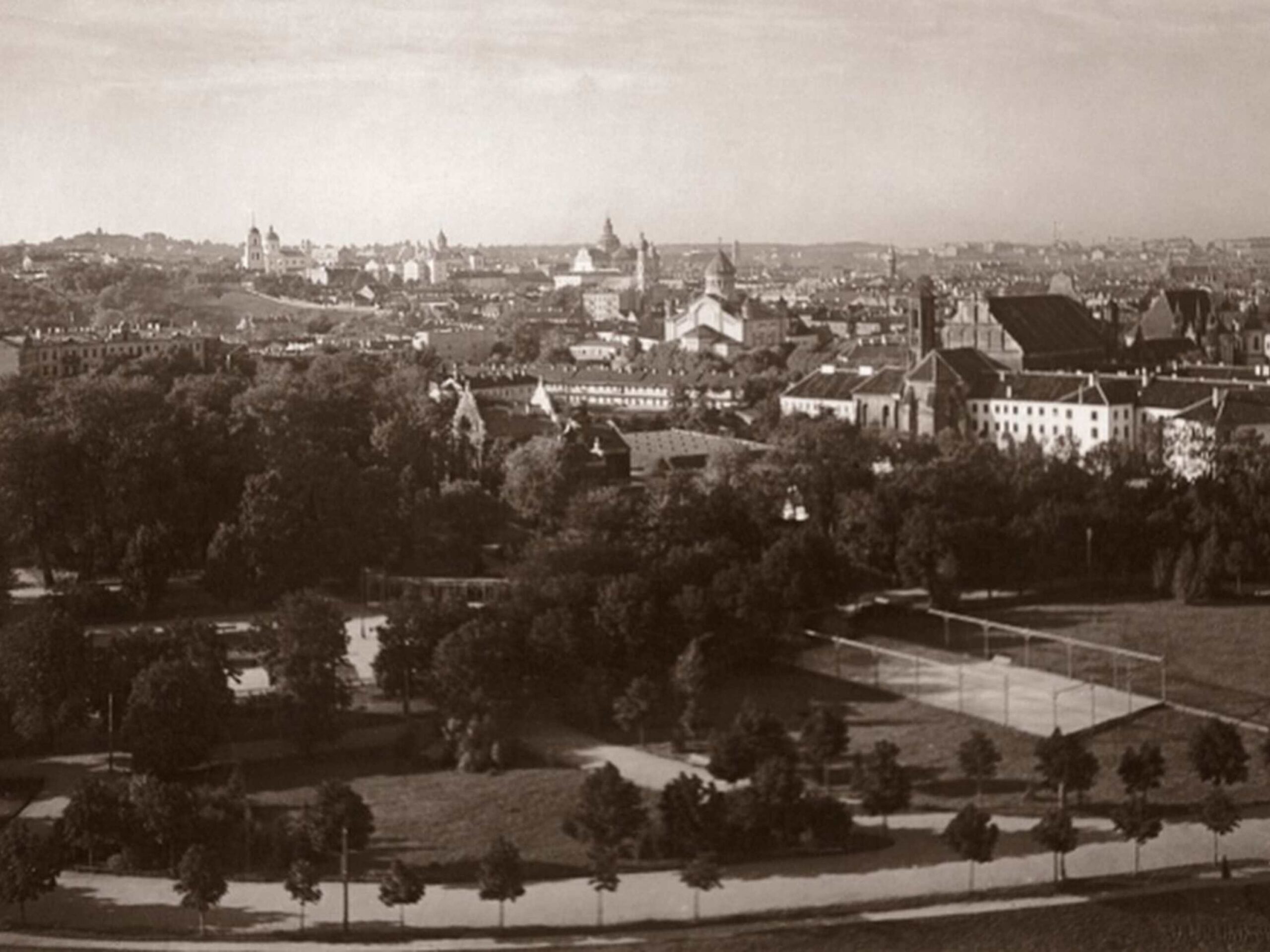
Ten branches of the National Museum of Lithuania are participating in the initiative. In Vilnius, students will be welcomed at the Castellan’s House, the Old Arsenal, the House of Histories, Gediminas Castle Tower, the House of Signatories, the Bastion of the Vilnius Defence Wall and the Kazys Varnelis House-Museum. Elsewhere in the country, participating institutions include the Birthplace of Jonas Basanavičius in the Vilkaviškis district, the Vincas Kudirka Museum in Kudirkos Naumiestis and the Jonas Šliūpas Museum in Palanga.
The museum is inviting groups of students from grades one through eleven to register for educational activities tailored to different age groups. Teachers may choose from the full range of educational programs listed on the museum’s website here. Some activities are also available through Lithuania’s “Culture Passport” platform, with links included alongside the program descriptions.
“At the moment, 17 educational activities have already been booked across NML branches, so we expect that more than 400 students from schools throughout Lithuania will visit the museum on the first day of summer,” says Edita Sėdaitytė-Tamošaitienė, head of the museum’s Visitor Services and Education Department. “We invite school communities everywhere to join us in exploring history, participating in creative activities and discovering culture through lived experience. We believe these encounters help students see the museum as an open space for learning and inspiration.”
-
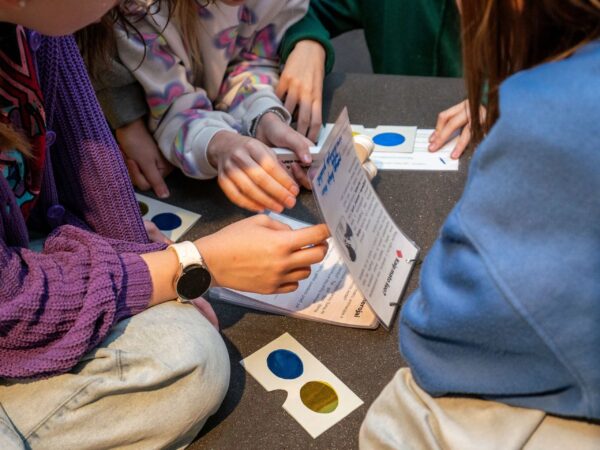
- Education NML. Photo: Silvestras Samsonas

What will students discover in NML educational programs?
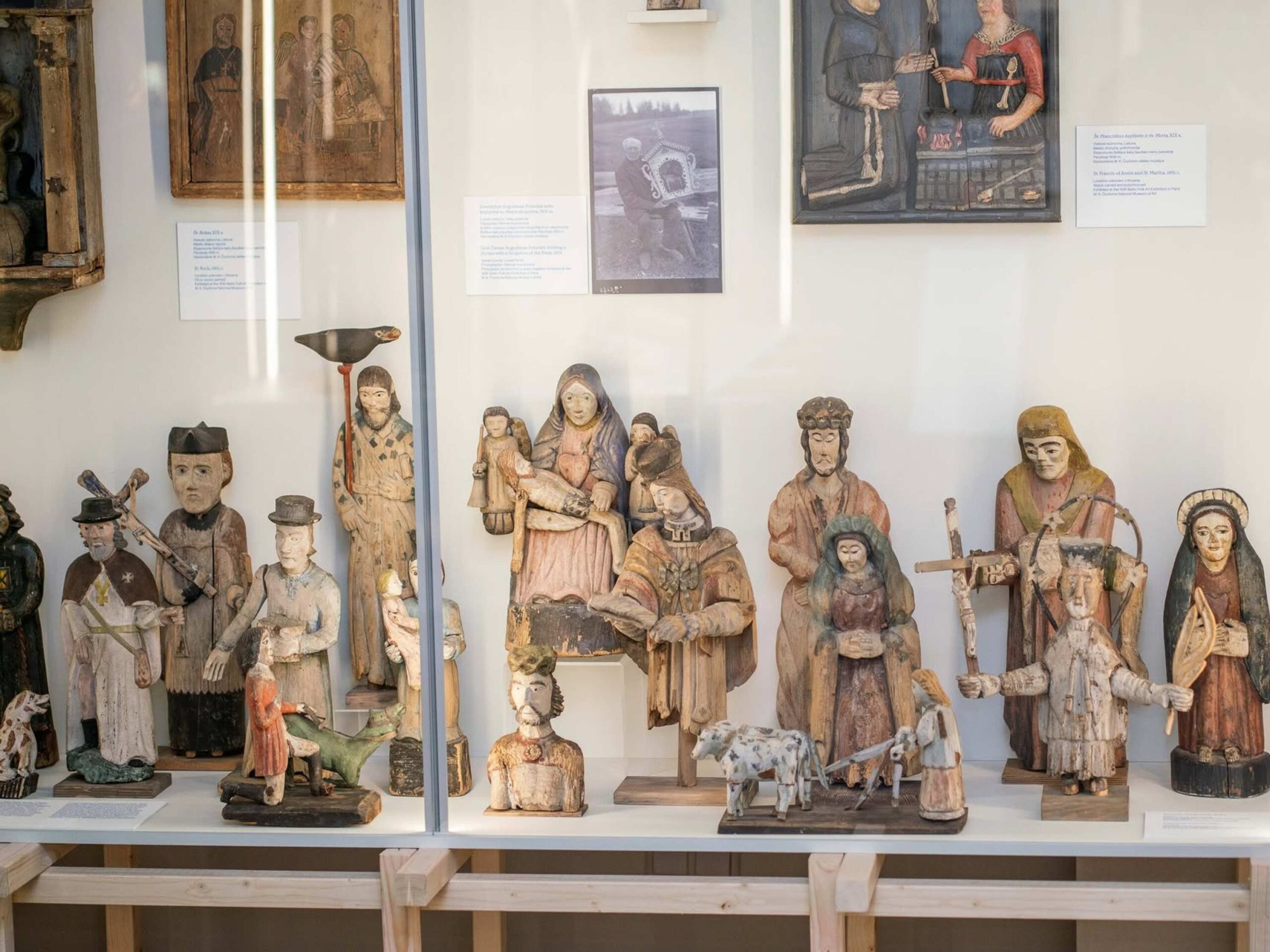
In 2025, the recommendation score for NML educational activities reached 81 on the Net Promoter Score scale, reflecting exceptionally high participant satisfaction and a strong willingness to recommend the programs to others. The museum’s educational activities cover a broad range of themes: stories from the Grand Duchy of Lithuania, archaeology, contemporary cultural narratives, citizenship, art and the history of everyday life. Programs take place within exhibitions, galleries and authentic historical spaces, many emphasizing active student participation and practical assignments.
“Students will be able to choose from an exceptionally diverse range of educational activities. They can learn about the stories of prominent Lithuanian women and their role in building the state, experience the daily life of a castle keeper and ancient crafts, explore the key events of Lithuanian history through playful methods and investigate Baltic clothing and jewelry traditions. We also offer educational sessions on the history of Gediminas Castle, the era of the February 16 signatories, Lithuania’s military heritage, the development of books and print culture, the travels of Jonas Basanavičius, the meaning behind Vincas Kudirka’s national anthem ‘Tautiška giesmė,’ as well as many other engaging and interactive subjects,” says Aurimas Kanapkis, head of educational projects at the National Museum of Lithuania.
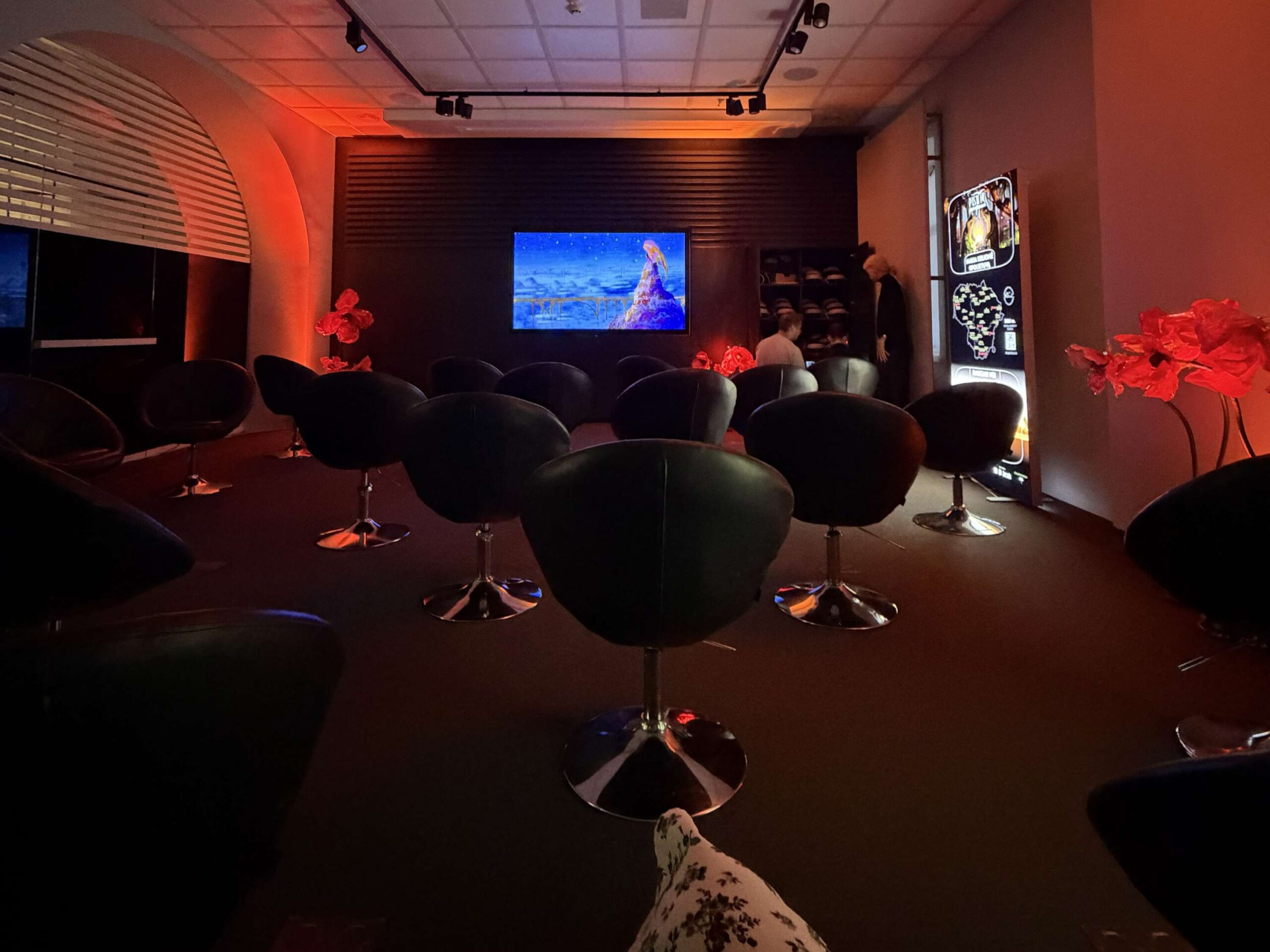
Kanapkis adds that some activities are built around teamwork, creative assignments, role-playing elements and exploration throughout museum spaces. Students are invited not only to listen, but to participate actively: creating, discussing, solving challenges and working directly with historical sources, maps and museum artifacts.
-
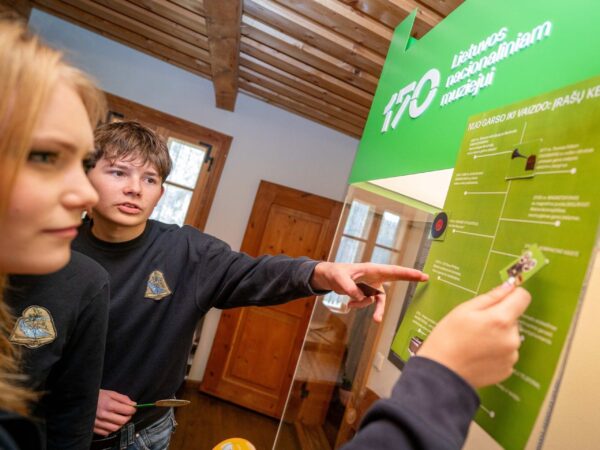
- Education NML. Photo: Silvestras Samsonas

“The educational activities are adapted for a wide range of age groups, from primary school students to older gymnasium pupils,” Kanapkis says. “During these sessions, we develop competencies in cultural awareness, citizenship, communication and creativity. When designing educational programs, we follow approved national curricula and seek to address topics that are relevant to teachers. In this way, we complement the knowledge students gain in the classroom and provide broader perspectives on historical and cultural phenomena.”
According to Kanapkis, the museum also places significant emphasis on practical competency-building, encouraging students to apply acquired knowledge while reflecting on contemporary social challenges and current affairs.
“We strive to ensure that our educational programs are contemporary, relevant and closely connected to the experiences of young people,” he says. “Moreover, we involve students themselves in the process of creating these educational activities. Together, we test programs, taking into account the observations and suggestions of both students and teachers. We believe this helps foster a sense of community, encourages dialogue and allows us to create meaningful change together.”
Teachers coordinate the content and timing of activities directly with their chosen museum branches. Registration for educational activities at NML branches will remain open through May 31. More information and registration: click here.
-
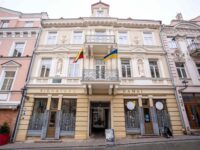
- NML House of Signatories. Photo: Silvestras Samsonas

-
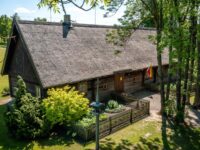
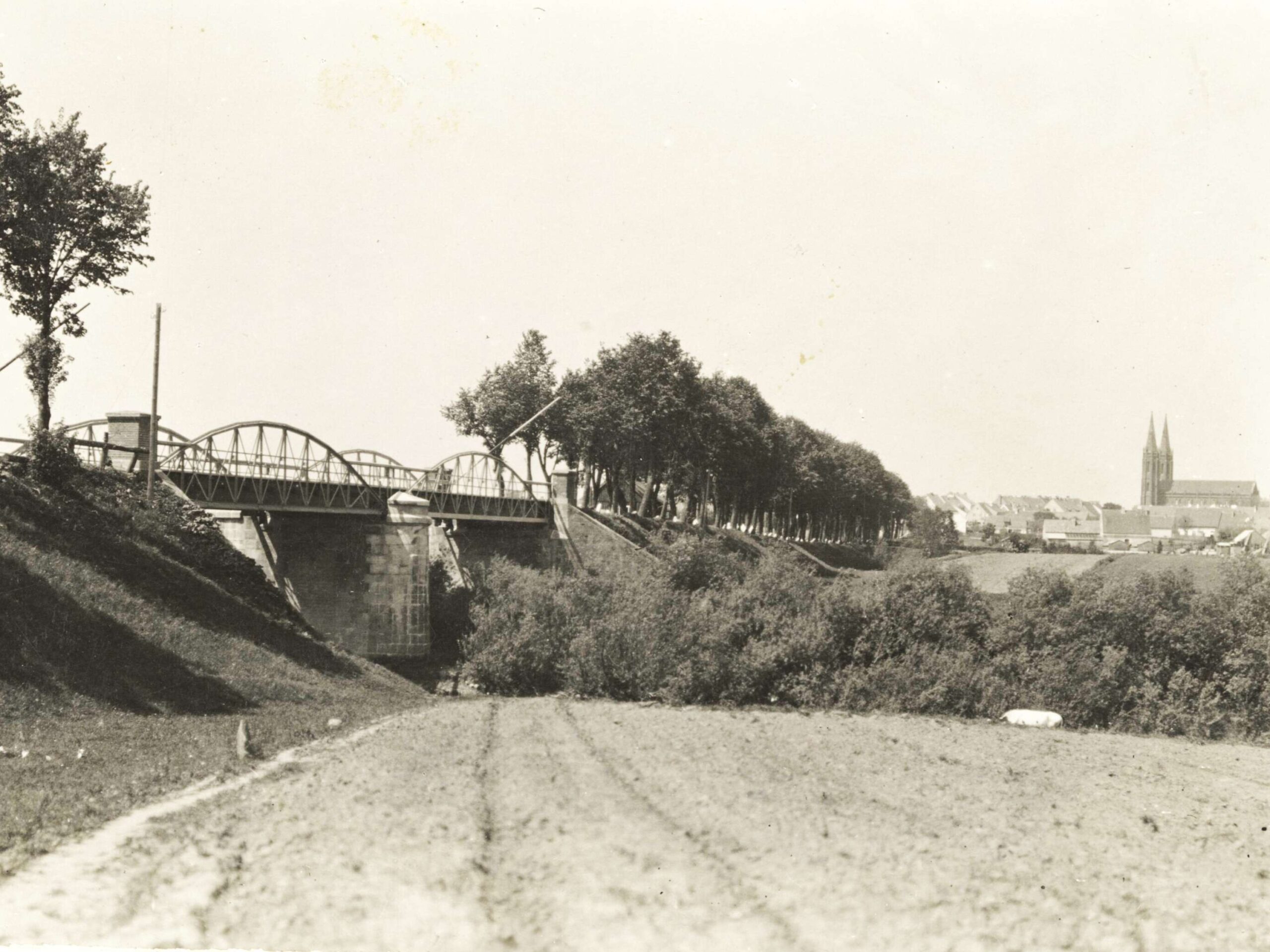
- NML Jonas Basanavičius Birthplace. Photo: Silvestras Samsonas

-
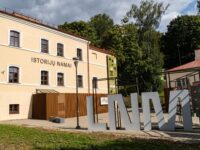
- NML House of Histories. Photo: Augustinas Bėkšta

-
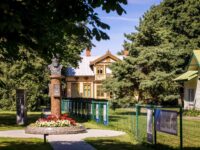
- NML Jonas Šliūpas Museum. Photo: Aldas Kazlauskas

-
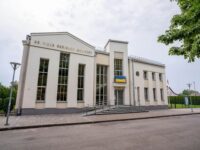
- NML Vincas Kudirka Museum. Photo: Silvestras Samsonas

-
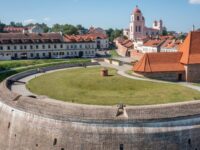
- NML Bastion of the Vilnius Defence Wall. Photo: Silvestras Samsonas

-
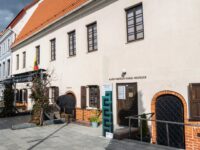
- NML Kazys Varnelis House-Museum. Photo: Silvestras Samsonas

-
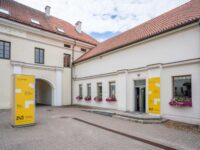
- NML Old Arsenal. Photo: Silvestras Samsonas

-
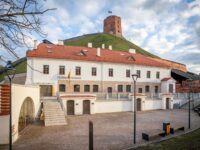
- NML Castellan’s House. Photo: Silvestras Samsonas