Poetry and Music Performance Series “Through Open Windows” Returns to the House of Signatories
2026 05 28
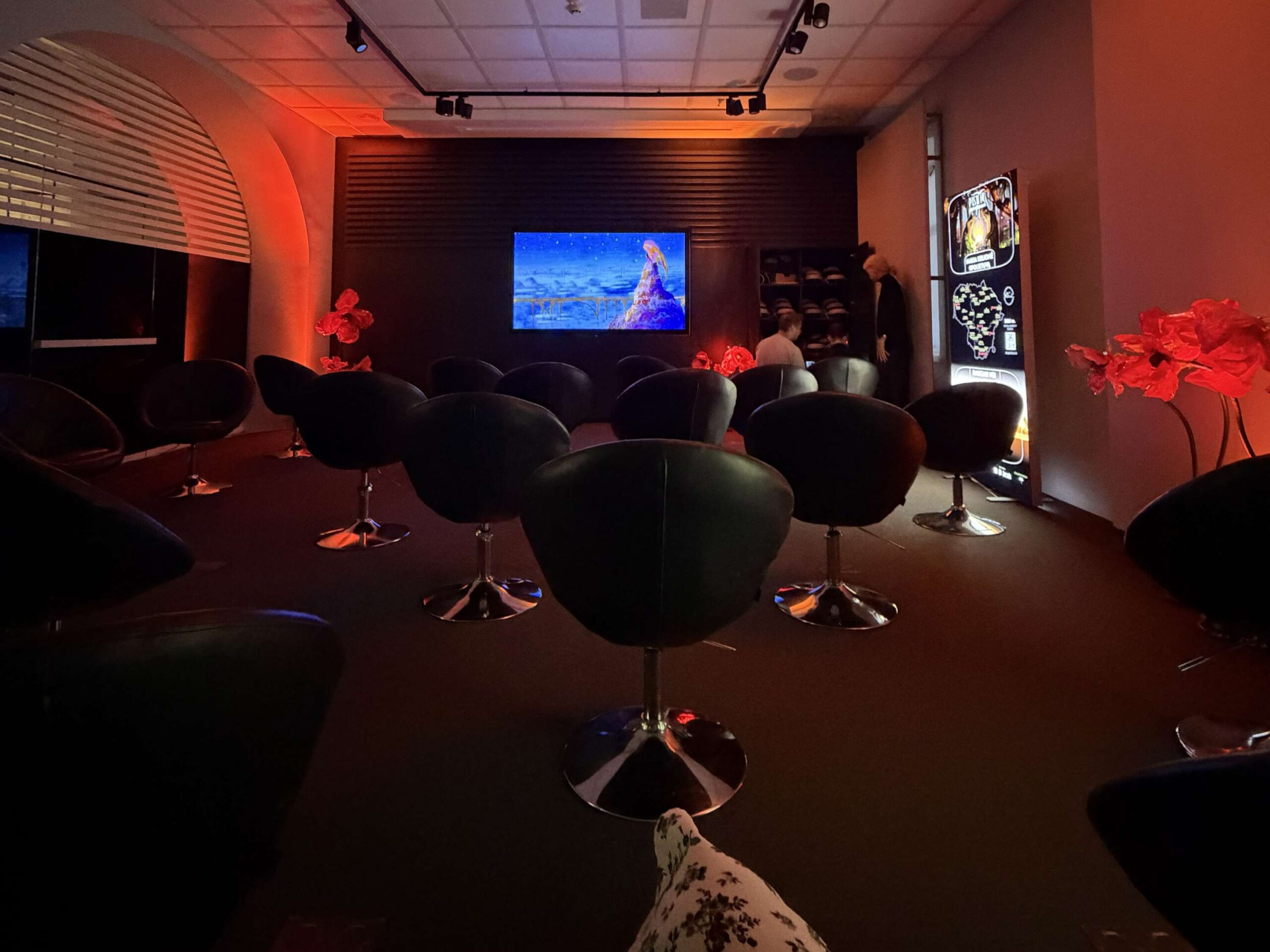
For the fourth consecutive year, the international festival “Poetic Druskininkai Autumn” and the House of Signatories, a branch of the National Museum of Lithuania, are inviting audiences to the free performance series “Through Open Windows.” On four summer evenings – June 4, 11 and 18, as well as July 2 – poetry and music will once again drift from the windows of the historic building into the streets of Vilnius. Live readings by contemporary Lithuanian poets from different generations will be accompanied by compositions performed by professional musicians and improvisations by sound artists, creating a dialogue between voice, sound and the rhythms of the city itself.
According to Dr. Dalia Strimaitytė, director of the House of Signatories, contemporary poetry allows audiences not only to hear poets and musicians, but also to hear the House of Signatories itself. In her words, the readings connect different generations, blending creativity with the pulse of urban life and inviting passersby to pause for a moment.
This year’s program was curated by poet Linas Daugėla. As he describes it, the readings offer “a fresh and summery experience of poetry and music,” heard not only by those who intentionally gather for the events – whose numbers continue to grow – but also by pedestrians making their way along Pilies Street. “They may hear even a single poem sounding alongside musical chords,” he says, “or even one line that fills their evening with poetry.”
On Thursday, June 4, at 18:00, poets Aivaras Veiknys, Verdenė Monika Valkiūnaitė and Paulius Norvila will read their work, accompanied by bassist Pijus Oras.
Aivaras Veiknys (b. 1983) is a poet and journalist, the author of the poetry collections “R Aktai” (“R Acts”) (2007), “Paukštuko liudijimai” (“Birdie’s Testimonies”) (2014), “Laumių vaikas” (“Child of the Fairies”) (2017) and “Mamuto medžioklė” (“Mammoth Hunt”) (2021). He has participated in numerous literary festivals, including visits with the Poetry Spring delegation to Lithuanian communities in Switzerland in 2015, as well as appearances at the international “Versopolis” project and festivals in Ledbury, United Kingdom, and Gdańsk, Poland. In 2014, he received the Young Yotvingian Prize for Birdie’s Testimonies. Veiknys is also among the founders and organizers of the festival Literary Vilnius Crossings festival.
Verdenė Monika Valkiūnaitė (b. 1994), originally from Kretinga, is a poet and visual artist of the younger generation. She studied scenography at the Vilnius Academy of Arts. Her work has appeared in publications including “Literatūra ir menas” (“Literature and Art”) and “Metai” (“The Year”). In 2022, her visual art was featured in the “Literatūrinės slinktys” (“Literary Crossings”) anthology, and in 2023 her poetry appeared in the same collection. She describes herself this way: “Every year, from the middle of January onward, I begin waiting for spring. More because of the darkness and less because of winter itself. I look for activities that interest me—I recently started learning rock climbing. I try to live; sometimes it works, sometimes it’s very hard. I love sleeping and dreaming. I also really like essential oils, incense, elf people and hobbit people, and people who leave space for me.”
-
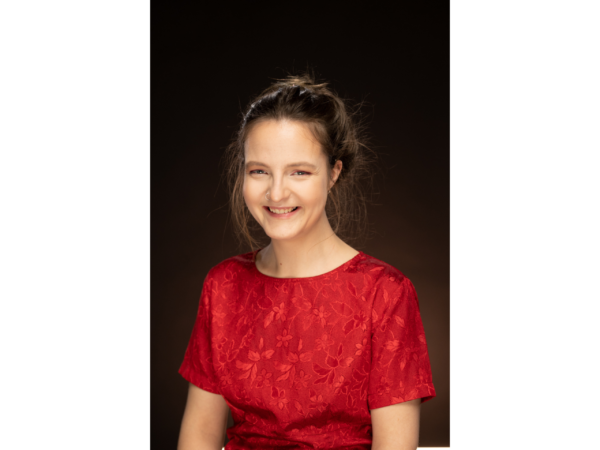
- Verdenė Monika Valkiunaitė. Photo: Tomas Kelertas
Paulius Norvila (b. 1985) is a poet and translator who completed a master’s degree in economics at Vilnius University. His work has appeared in a range of cultural publications, including “Metai” (“The Year”), “Literatūra ir menas” (“Literature and Art”), “Nemunas” and “Šiaurės Atėnai” (“Athens of the North”), as well as literary almanacs such as Poetry Spring, Poetic Druskininkai Autumn and Literary Vilnius Crossings. He is the author of the poetry collections “Septyni metų laikai” (“Seven Seasons”) (2006), “Kortų traukimas tėra tik dalis ritualo” (“Drawing Cards Is Only Part of the Ritual”) (2012), “Buitinė” (“Domestic”) (2014) and “Nebe” (“No Longer”) (2022). In 2025, he received the Poetry Spring prize for the best children’s poetry book, “Išprotėję eilėraščiai” (“Crazy Poems”).
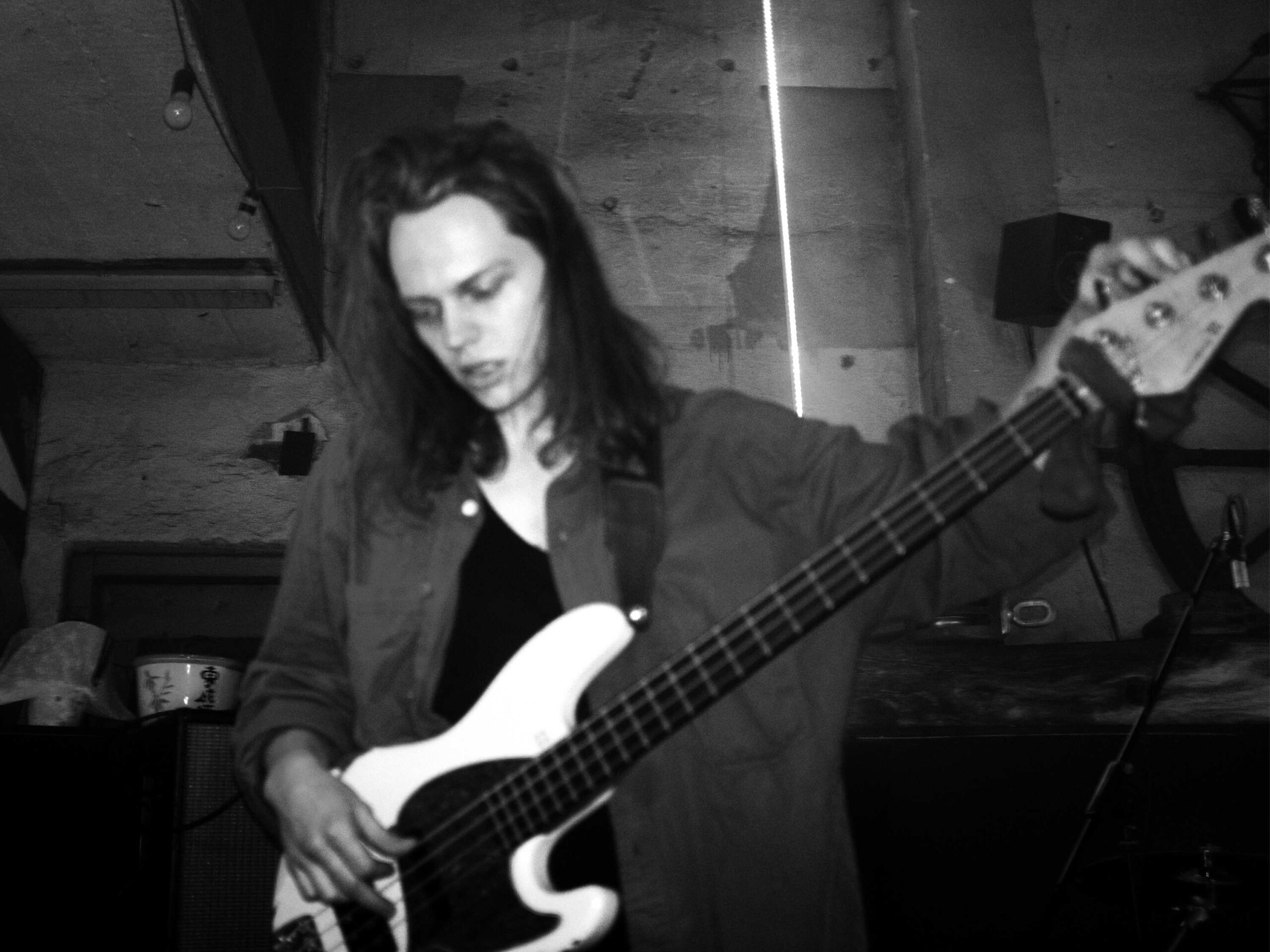
Pijus Oras is a bassist and electric guitarist who has performed at numerous festivals and concerts, frequently accompanying poetry readings at book launches and literary events.
-
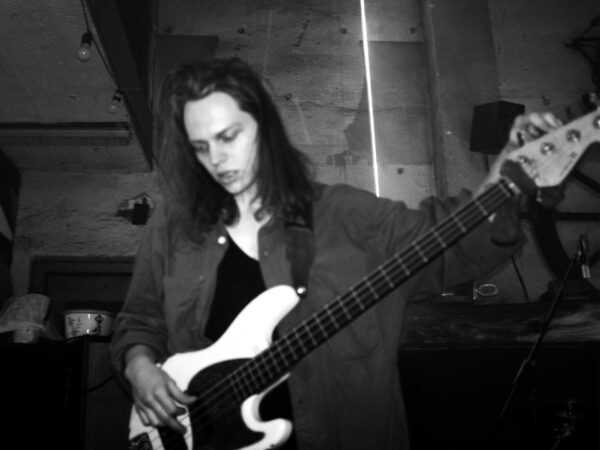
- Pijus Oras. Photo: Personal archive
On June 11 at 18:00, poets Gytis Norvilas, Uršulė Toleikytė and Mantas Balakauskas will read their poetry, accompanied by violist Jokūbas Velžys.
Gytis Norvilas (b. 1976) is a poet and translator who studied the theory of history and cultural history at Vilnius University. From 2011 to 2014, he served as executive secretary of the cultural publication “Literatūra ir menas” (“Literature and Art”), later becoming its editor in chief from 2014 to 2022. He is the author of the poetry collections “Akmen-skeltės” (“Stone Splinters”) (2002), “Skėrių pusryčiai: eilėraščiai” (“Breakfast of Grasshoppers: Poems”) (2006), “Išlydžių zonos” (“Discharge Zones”) (2012), “Grimzdimas” (“Subsiding”) (2017) and “Akla Valtis” (“Blind Boat”) (2021). His poetry has been translated into English, Bulgarian, Latvian, Polish, German, Ukrainian, Croatian, Belarusian, Macedonian, Georgian, Armenian, Spanish and other languages. In 2017, he received the Yotvingian Prize for “Grimzdimas” (“Subsiding”).
Uršulė Toleikytė (b. 1992), born in Švėkšna, trained in clinical psychology at Vilnius University and is currently pursuing doctoral studies in sociology. Her poetry has appeared in the anthology “Literatūrinės slinktys” (“Literary Crossings”) (2021), as well as in “Metai” (“The Year”), “Literatūra ir menas” (“Literature and Art”) and the Poetry Spring almanac. About her debut poetry collection “Šuo vaiduoklis” (“Ghost Dog”) (2024), poet Sara Poisson writes: “To follow Uršulė Toleikytė’s “Ghost Dog” is to experience the confrontation between speech and silence, to receive a striking kiss directly on the lips. It is an encounter with a nonhuman or superhuman poetic being, lived through insecurity, pain and the cosmic conflict of coexistence. Whoever follows this ghost dog will encounter the shadow side of reality, experiencing not only its darkness but also its beauty—the beauty of illusion, transience and thoughts that outlive death. Perhaps they will also meet their alter ego here, searching for ‘something lighter than our bodies.’”
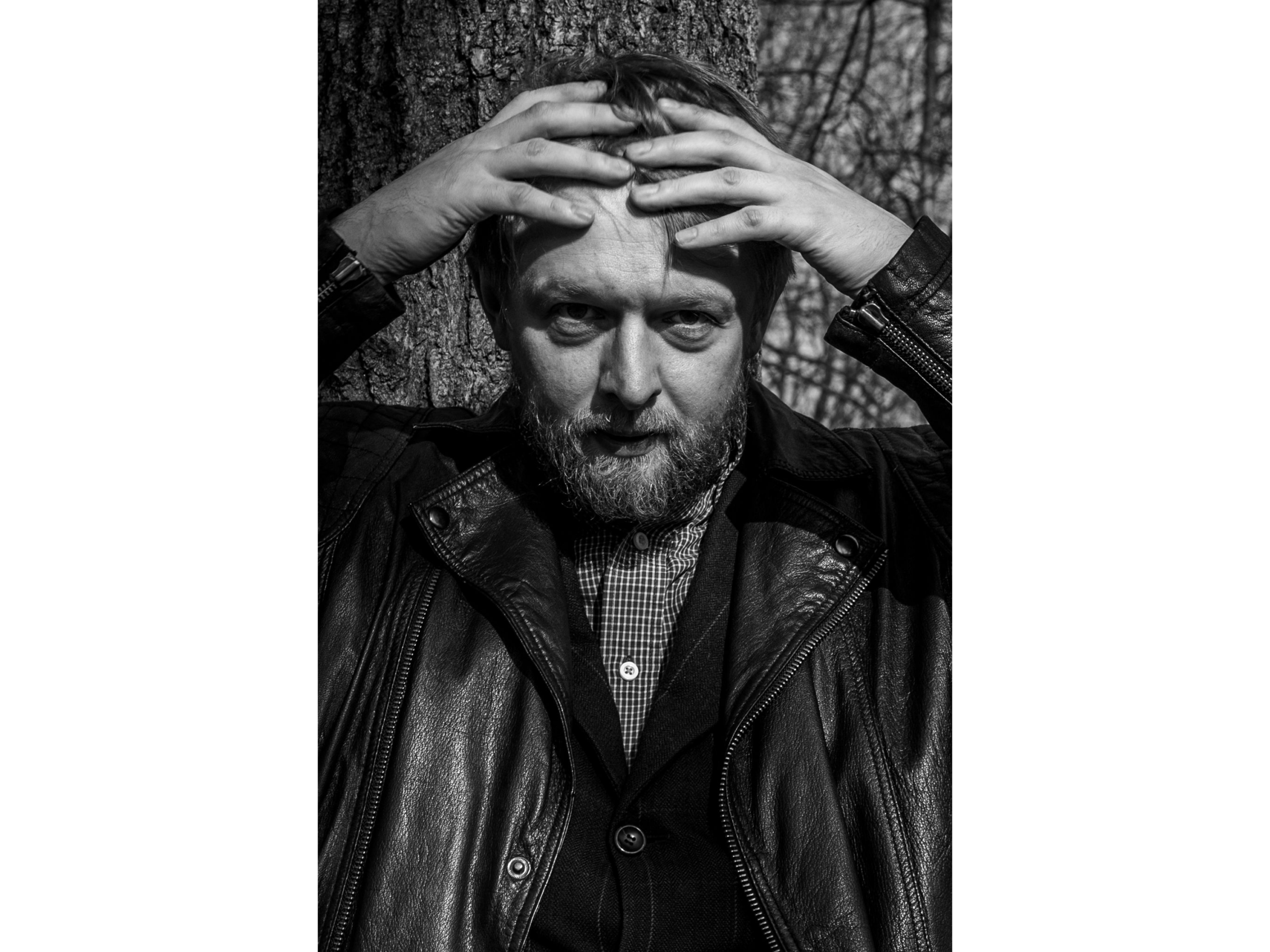
Mantas Balakauskas (b. 1989) is a poet, essayist and literary critic who studied history at the Lithuanian University of Educational Sciences. He publishes essays, commentary and book reviews in cultural journals and on the portal lrt.lt. His poetry has been translated into English, Italian, Slovenian, Greek and other languages. His debut collection “Roma” (“Rome”) (2016) received the Zigmas Gaidamavičius-Gėlė Prize and was shortlisted among the year’s five best poetry books. His second collection, “Apmaudas” (“Resentment”) (2020), was named Poetry Book of the Year. His newest collection, “Ferrum” (2026), was recently published.
-
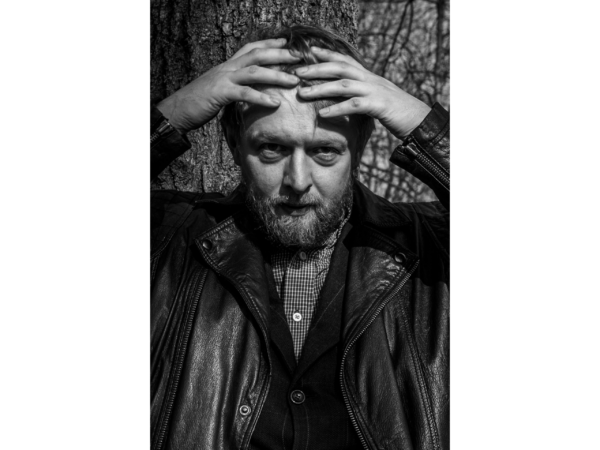
- Mantas Balakauskas. Photo: Sofija Filipowicz
Jokūbas Velžys (b. 2006) graduated from the Juozas Gruodis Conservatory in Kaunas and is currently studying viola at the Lithuanian Academy of Music and Theatre, while also participating in various performances and competitions.
On June 18 at 18:00, poetry readings by Alina Borzenkaitė, Marija Mažulė and Aistis Žekevičius will be accompanied by music created by Tadas Greičiūnas.
Alina Borzenkaitė (b. 1996) is a poet and heritage conservation specialist who earned degrees in history and heritage studies at Vilnius University and is currently pursuing doctoral research on the history of mills in the Grand Duchy of Lithuania. She won the “Literatūrinės slinktys” (“Literary Crossings”) competition in 2021, became a laureate of the Poetry Spring young readers’ program in 2022 and received the Antanas A. Jonynas Prize at Poetic Druskininkai Autumn in 2023. Borzenkaitė’s poetry uniquely combines opposites—city and countryside, light and darkness, old and new—while maintaining a sharp sense of humor. In the annotation for her debut collection “Undinės žvejoja” (“Mermaids Go Fishing”) (2025), poet Giedrė Kazlauskaitė writes: “Alina Borzenkaitė’s poetry arrived like a breath of fresh air after a tsunami of confessional poetry. It signaled youthful thinking and a refusal of moral judgment. Especially captivating was the ‘new old’ rhyming. The metaphoric structures in the book reveal a complex imagination and an attempt to travel back through time. Narrative merges with the aesthetics of absurdity.”
-
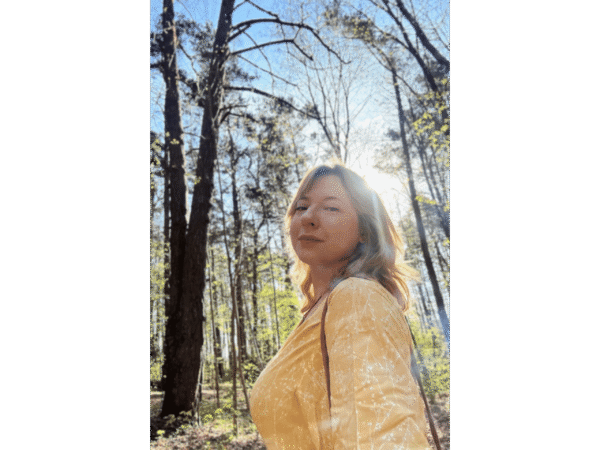
- Alina Borzenkaitė. Photo: Personal archive
Marija Mažulė (b. 1985) is a poet and prose writer who studied Slavic philology at Vilnius University and is currently pursuing a master’s degree in literary anthropology and culture. She now works as manager of activities and projects for “Vilnius, UNESCO City of Literature.” About her poetry collection “Fosilijos yra nėriniai” (“Fossils Are Lace”) (2023), poet Donatas Petrošius writes: “It may seem that two Marija’s meet in this book. The first has a plan to record her family history as precisely as possible. The second seeks to ground her origins in poetry itself. One may wonder which is stronger, only to realize in the end that nothing here competes with anything else, and that the author is singular and whole. Still, I hope readers will lose themselves at least once, become unsettled. And afterward – grow clear again.”
Aistis Žekevičius (b. 1990) is a poet, translator and philosopher. He studied cultural history and anthropology at Vilnius University, social and political criticism at Vytautas Magnus University and completed a doctorate in philosophy at the Lithuanian Culture Research Institute (LKTI) in 2024 with a dissertation titled “Biopolitics and Race: Interaction, Critique, Overcoming”. He is the author of the poetry collections “Maratonas” (“Marathon”) (2019) and “Atlaidžiai šypsosi bedugnė” (“The Abyss Smiles Forgivingly”) (2023). Of the latter, the poet writes: “Many know that if you stare into the abyss long enough, sooner or later it begins to stare back at you. But few continue looking until tangible, all too recognizable contours begin to emerge in the shapeless void. Until, in the oblivion-filled depths of the abyss, a forgiving monochrome smile begins to shimmer. Grim, yet compassionate. Macabre, yet understanding. Silent, yet somehow calling for a lighter or another source of light.”
-
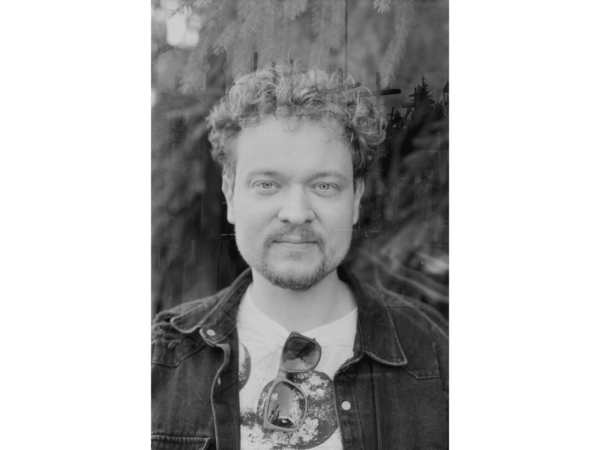
- Aistis Žekevičius. Photo: Austėja Marija Jaščaninaitė
Tadas Greičiūnas (b. 1984) is a sound artist who has created music for readings by Aušra Kaziliūnaitė, Uršulė Toleikytė, Alina Borzenkaitė, Linas Daugėla and other poets. “I like looking at social norms differently,” he says of his music. “Why should you only play the guitar? What prevents someone from playing a calculator or train tracks? Or why should a person play at all, if the train can do it? I like playing together with the rain. It speaks to me, and I answer back. For that I use guitar effects. How should it be defined? Maybe audiovisual art? I understand sound as something multidimensional: to me, it is simultaneously image and communication.”
On July 2 at 18:00, poetry readings by Kristina Tamulevičiūtė, Birutė Grašytė-Black and Gvidas Latakas will be accompanied by music created by the ensemble Ledum hortus.
Birutė Grašytė-Black (b. 1992), originally from the village of Grašiai, studied Lithuanian philology at the Lithuanian University of Educational Sciences and later literary anthropology and culture at Vilnius University. She has published in cultural journals since 2010. In 2022, she won the First Book Competition and debuted with the poetry collection “Sumokėjau alyvmedžio lapais” (“I Paid With Olive Leaves”). “The symbols in my poems come from the world of childhood,” she says, “a world full of light and darkness, of things I cannot explain. That world is dimmed and quieted, but it constantly returns in dreams, echoes, whispers and mingles with the present. To this day I am trying to understand what exactly I once paid for with olive leaves.”
-
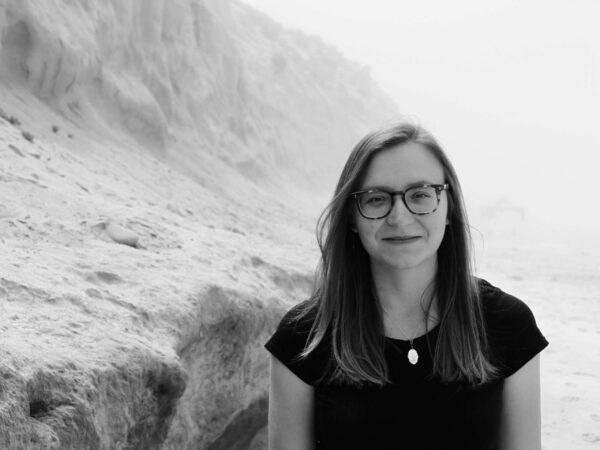
- Birutė Grašytė-Black. Photo: Malachi Black
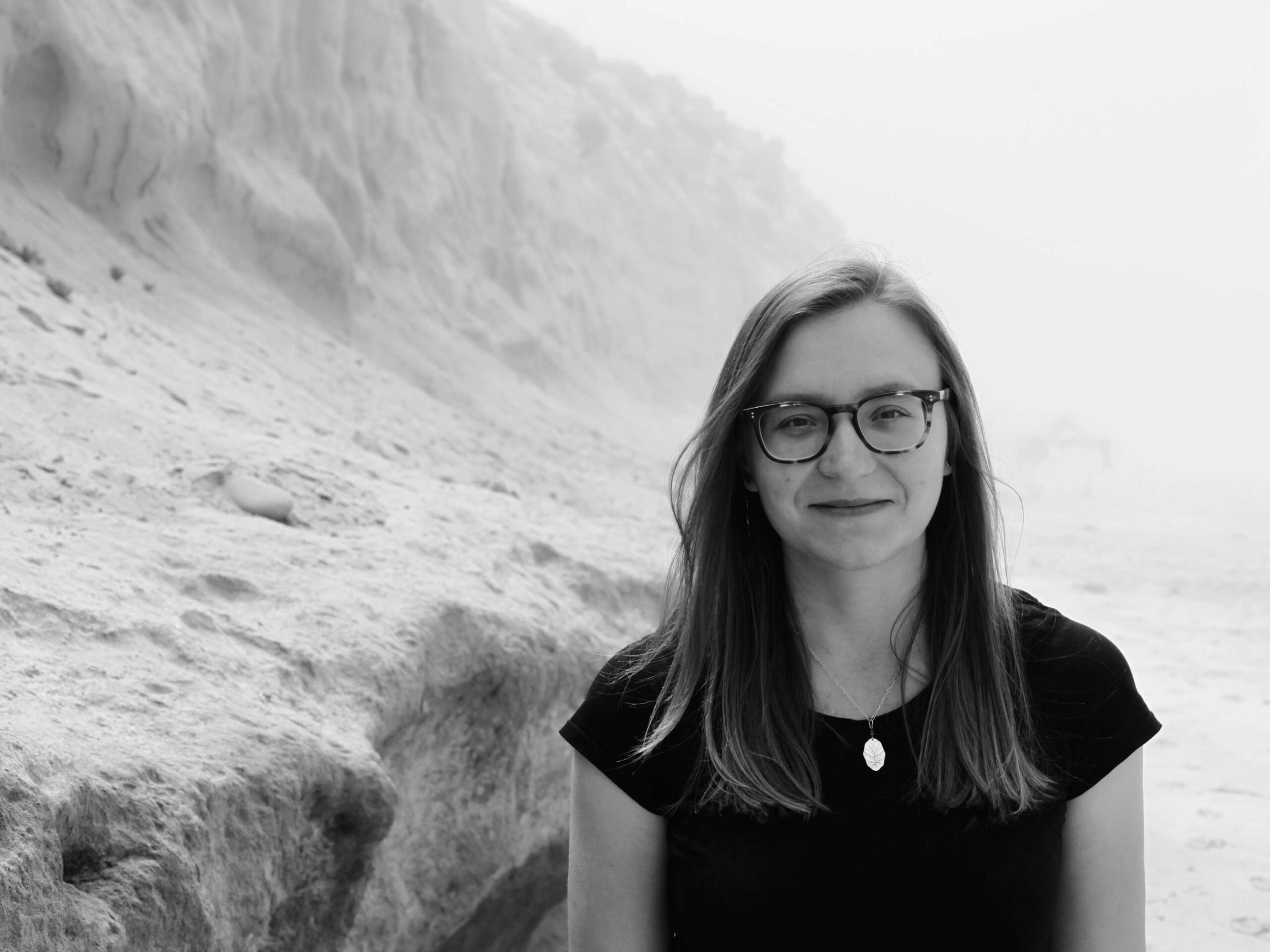
Kristina Tamulevičiūtė (b. 1989) is a poet, prose writer and translator who studied Lithuanian philology and Slovene language at Vilnius University before pursuing graduate studies in human rights at the universities of Sarajevo and Bologna. She is now one of Lithuania’s foremost translators from Croatian, Slovene and Bosnian, introducing contemporary Balkan literature to Lithuanian readers. Her debut poetry collection “Gyvybė” (“Life”) (2023) was nominated in the poetry category of Lithuania’s Book of the Year awards, and her second collection, “Namai” (“Home”) (2025), was recently published.
Gvidas Latakas (b. 1972) is a poet and painter born in Telšiai and now based in Kaunas. He studied jewelry-making at the Telšiai Higher School of Applied Arts and later completed bachelor’s and master’s degrees in painting at the Kaunas Faculty of the Vilnius Academy of Arts. Since 1997, he has participated actively in art exhibitions. He is the author of the poetry collections “Kol išsiris varniukai” (“Until the Ravens Hatch”) (2008), “Nekalendoriniai šventieji” (“Uncalendared Saints”) (2012), “Lokenos” (2015), “Salos” (“Islands”) (2022) and “Gavendos” (2025). He received the Yotvingian Prize for “Salos” (“Islands”). Literary scholar Gintarė Bernotienė writes of “Gavendos”: “Speech wandering into the present from another era, distinctly localized language and rich expressions audibly unite this remarkably cohesive collection – with its passion for tales and teachings, with what the poet himself calls a knockout vein of humor and paradox. Its existence justifies the rewriting of other texts as stylistic exercises: the recorded incidents lie together seamlessly. The imagination of this story-hungry author recomposes plots as though in living paintings, adorning his characters – whether embodied or spectral, nightmares, angels or devils – with a colorful array of superstitions, manners, customs, languages and gestures.”
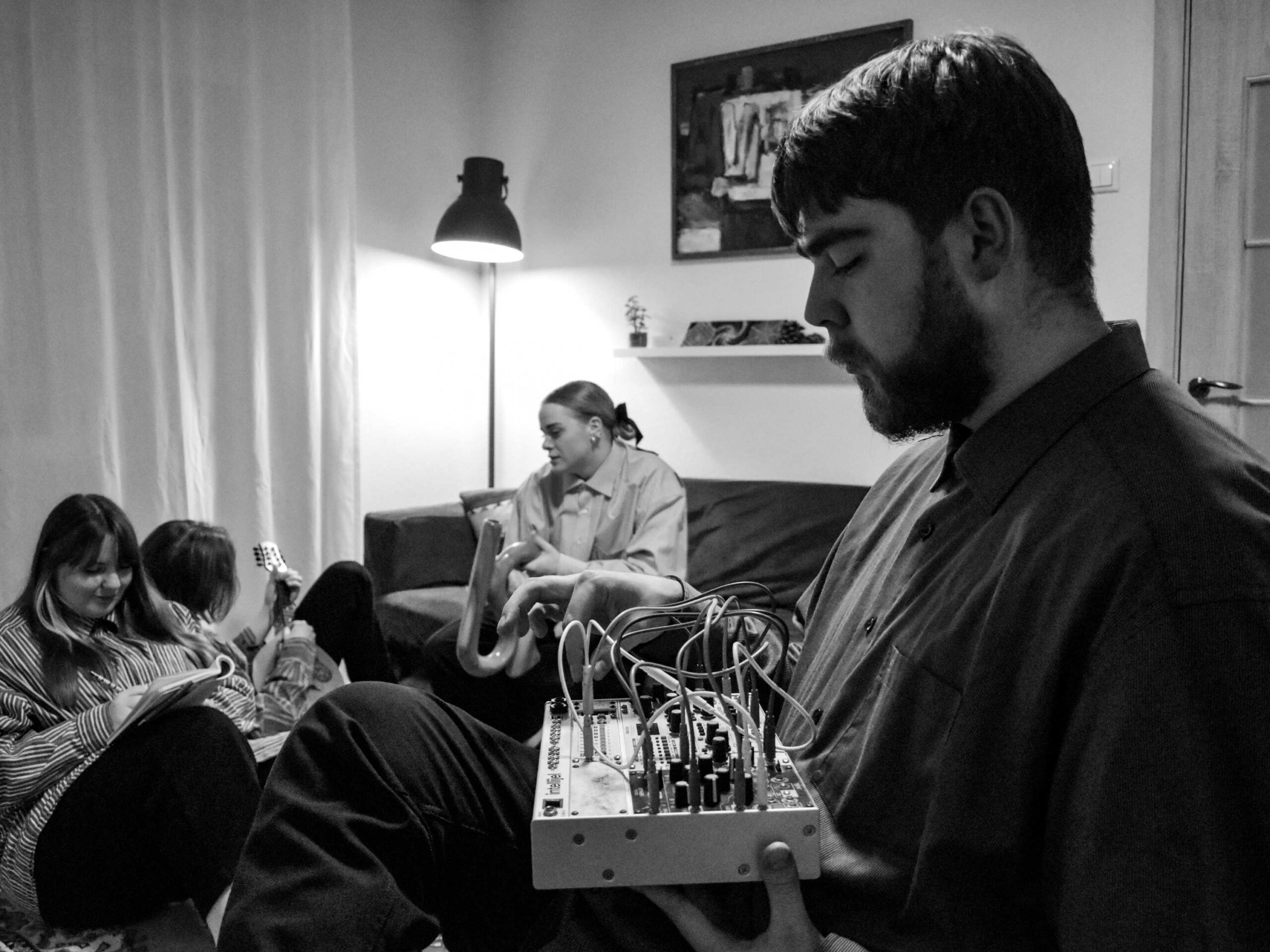
Ledum hortus (“Garden of Marsh Tea”) is a multi-instrumentalist ensemble inspired by the intoxicating scent of wild rosemary in swamp forests. The group creates atmospheric, spatial music balancing electronics, academic sound composition and free improvisation. At the event, music will be performed by ensemble members Petras Stankevičius, Saulė Štuopinytė and Salvijus Lansbergas.
The events are partially funded by the Lithuanian Council for Culture.
-
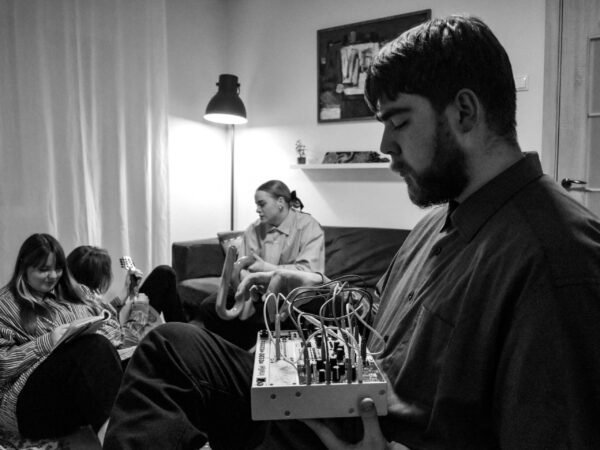
- Ledum Hortus. Photo: Personal archive