As Thousands of Children on the Autism Spectrum Grow up in the Country, the National Museum of Lithuania Opens a Safe Creative Space
2026 03 04
According to data published by the Institute of Hygiene*, children account for as much as 90 percent of all autism cases detected in Lithuania. The largest number of people with autism spectrum disorders live in Vilnius – in the capital, many families still find it difficult to find cultural activities that are open to children without prejudice. Taking this need into account, the National Museum of Lithuania is constantly expanding the offer of inclusive and adapted activities for different audiences. One such initiative is the ceramics education cycle “All According to Plan”.
From March 17, this cycle of activities continues, aimed at children with autism spectrum disorder and their accompanying persons. The project is implemented by the Vilnius Potters’ Workshop and the National Museum of Lithuania.
Trust is “Built” Only in a Safe and Understanding Environment
Justina Petkevičienė, who is raising a son with autism spectrum disorders, openly talks about the challenges faced by families raising neurodivergent children. According to her, public attitudes have been changing over the past few years, but in the past, when looking for clubs or other activities, it was not uncommon to experience rejection – after learning about a child’s diagnosis, some parents did not want their children to participate together, although there were no real problems.
According to the mother, fears often arise from ignorance – her experience shows that there are very few aggressive children with autism spectrum disorder, and their sensitivity is more often directed at themselves, not at those around them.
-
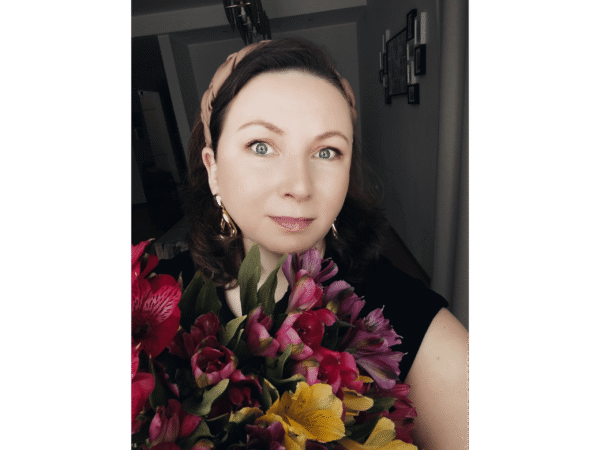
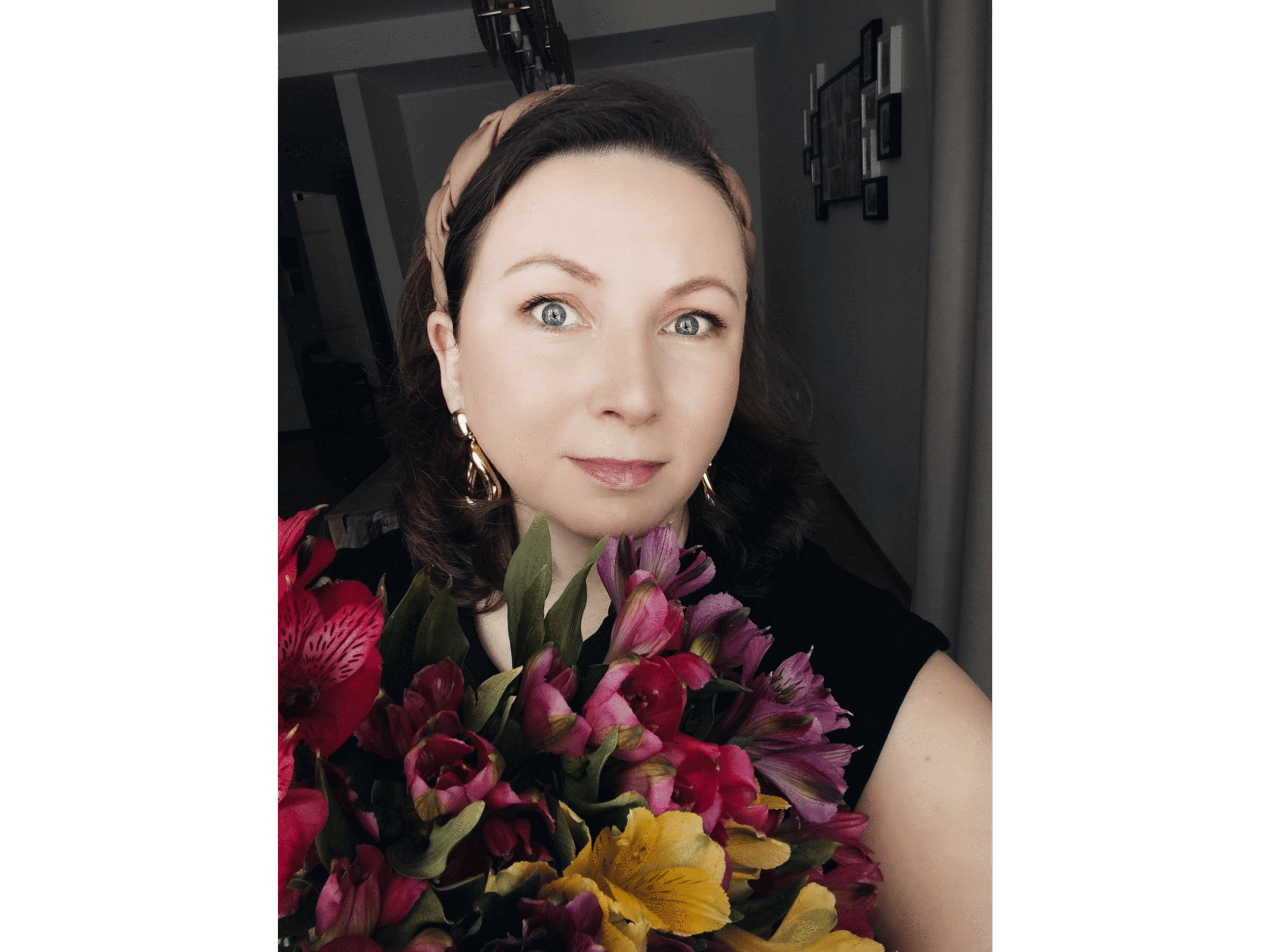
- Justina Petkevičienė. Photo: personal archive
“The news about the pottery classes for children with autism spectrum disorder taking place at the National Museum of Lithuania has become a real refreshment for the soul. The children are already asking when we will go to the museum again – there is a lot that is adapted for them here. Children with autism spectrum disorder usually do not receive so much attention and praise, but here they receive a lot, and this is a very big incentive for them,” she says.
According to the mother, the museum’s activities help children gradually overcome their high sensitivity and fears. For example, during the first meeting, Justina’s son was afraid of the texture of clay, but after patiently getting used to the new experience, today he works with clay with great enthusiasm.
“Positive changes are also visible outside the museum – the child continues to create, attends art school, and we are happy to have discovered a community where not only children but also parents receive support. Conversations with other families become a kind of therapy and a source of strength. In addition, participating in activities together with children strengthens the bond between them and brings children and parents even closer together,” says J. Petkevičienė.
Creativity Becomes a Bridge to Community
Agnė Putelytė, coordinator of community projects at the National Museum of Lithuania, emphasizes that the museum consistently strives to open up to all communities and has been implementing inclusive initiatives for several years, including pottery classes for children with autism spectrum disorders.
According to her, these activities not only create an experience of creative joy, but also strengthen a sense of belonging – for both children and their parents. However, direct communication with families also reveals a more complex reality: children with challenges are not always and everywhere welcome.
-
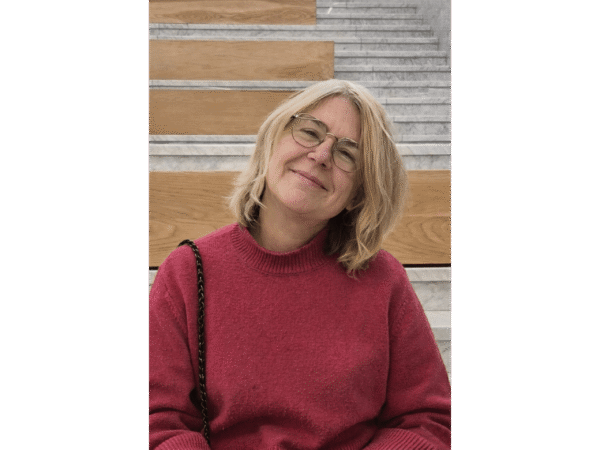
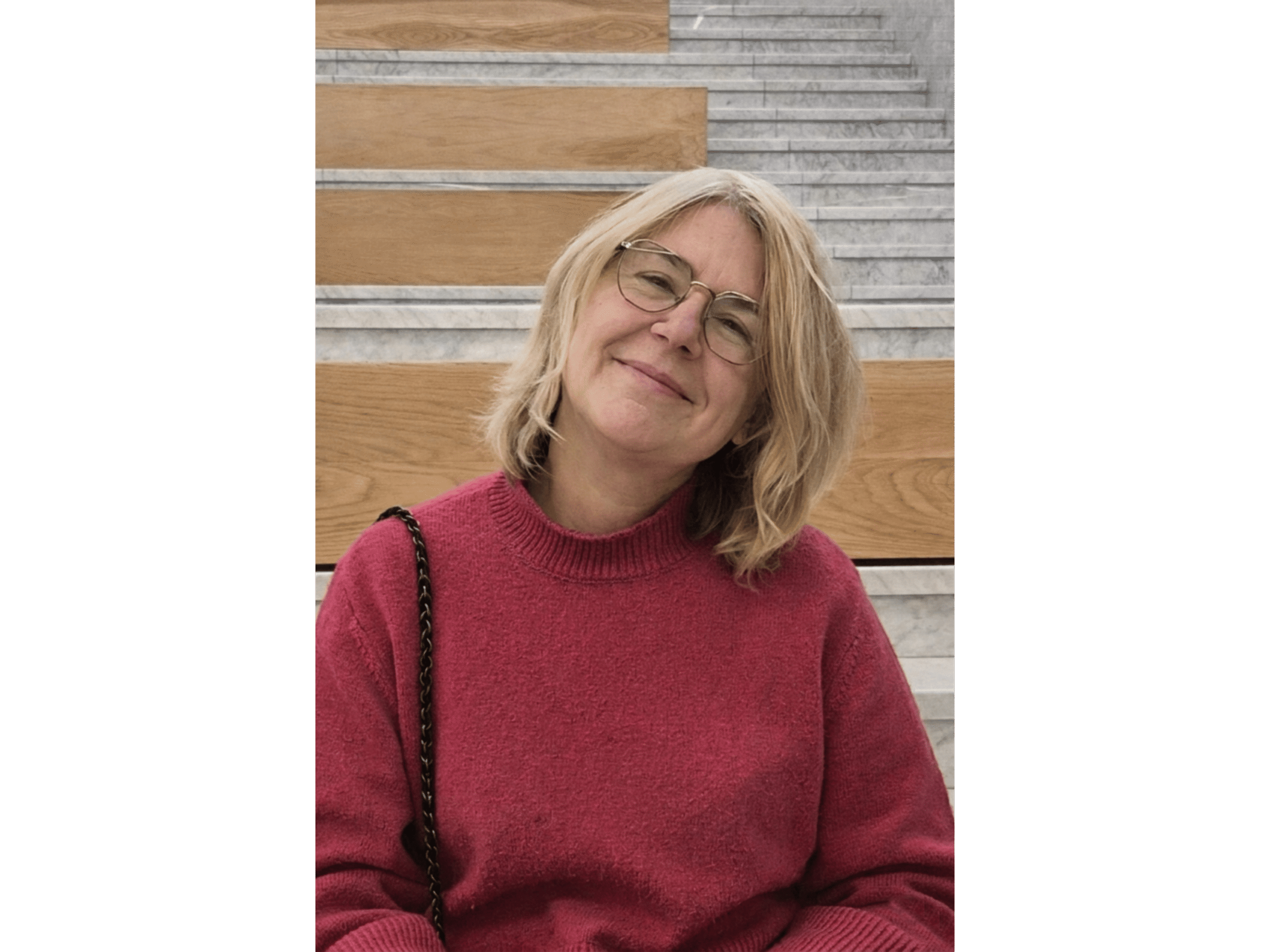
- Agnė Putelytė. Photo: personal archive
“I can be happy that the museum is consistently and responsibly opening up to all visitors. The most important thing here is continuity, which allows the community to gradually come together. This is not a one-time initiative or occasional attention – we are seeking a focused and long-term commitment to creating a safe, open space. It is obvious how much these activities provide – not only creative joy, but also a very important sense of community, confirmation that you are part of the community, that your child is unconditionally accepted in this space.
However, communication with parents allows us to see the situation without embellishment – children with challenges are not yet welcome everywhere and not always. They say that the maturity of a society is shown by its empathy. We have already grown up quite a bit, a lot is being done for accessibility, but we would like to see even greater maturity,” notes A. Putelytė.
This year, free “All According to Plan” classes will be held at the museum’s “House of Histories” branch (T. Kosciuškos g. 3, Vilnius) on Tuesdays from March 17 to May 12. According to A. Putelytė, during the nine meetings, participants will not only get acquainted with the museum’s spaces, but also consistently delve into the process of sculpting ceramics, trying out their creativity in a safe, structured and adapted environment.
A City Built by Children’s Hands
The project classes are led by Elena Aleksejeva, a ceramist from the Vilnius Pottery Workshop, together with educator and author of educational books Rūta Norkūne. E. Aleksejeva states that clay is a universal creative material suitable for all children: working with this material develops fine motor skills, which is directly related to brain activity and children’s development.
“From a young age, by sculpting and working with their fingers, children strengthen their motor skills, which are important for their cognitive development. For children with autism spectrum disorder, clay becomes not only a means of education, but also a means of self-expression. Some children have difficulty speaking or do not speak at all, and they more often express their moods and emotions through behavior. In such cases, clay helps them communicate through creativity and acts as a calming agent. It is no coincidence that clay therapy is widely used in the world,” notes the ceramist.
According to her, for the third year in a row, in collaboration with the Lithuanian National Museum, it is clear that children are not afraid of this material, although at first they do not always understand what the final result will be.
“Therefore, it is very important to clearly explain the task, show the process and work together. The autism spectrum is very diverse – some children are calmer, others are more active, but clay helps to focus and unite them. It is especially interesting to watch how they work collectively: they observe each other, learn, and the parents nearby become part of the creative process,” says E. Alekseeva.
-
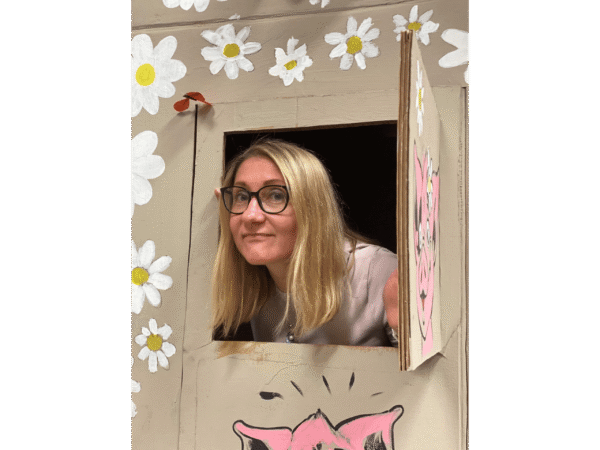
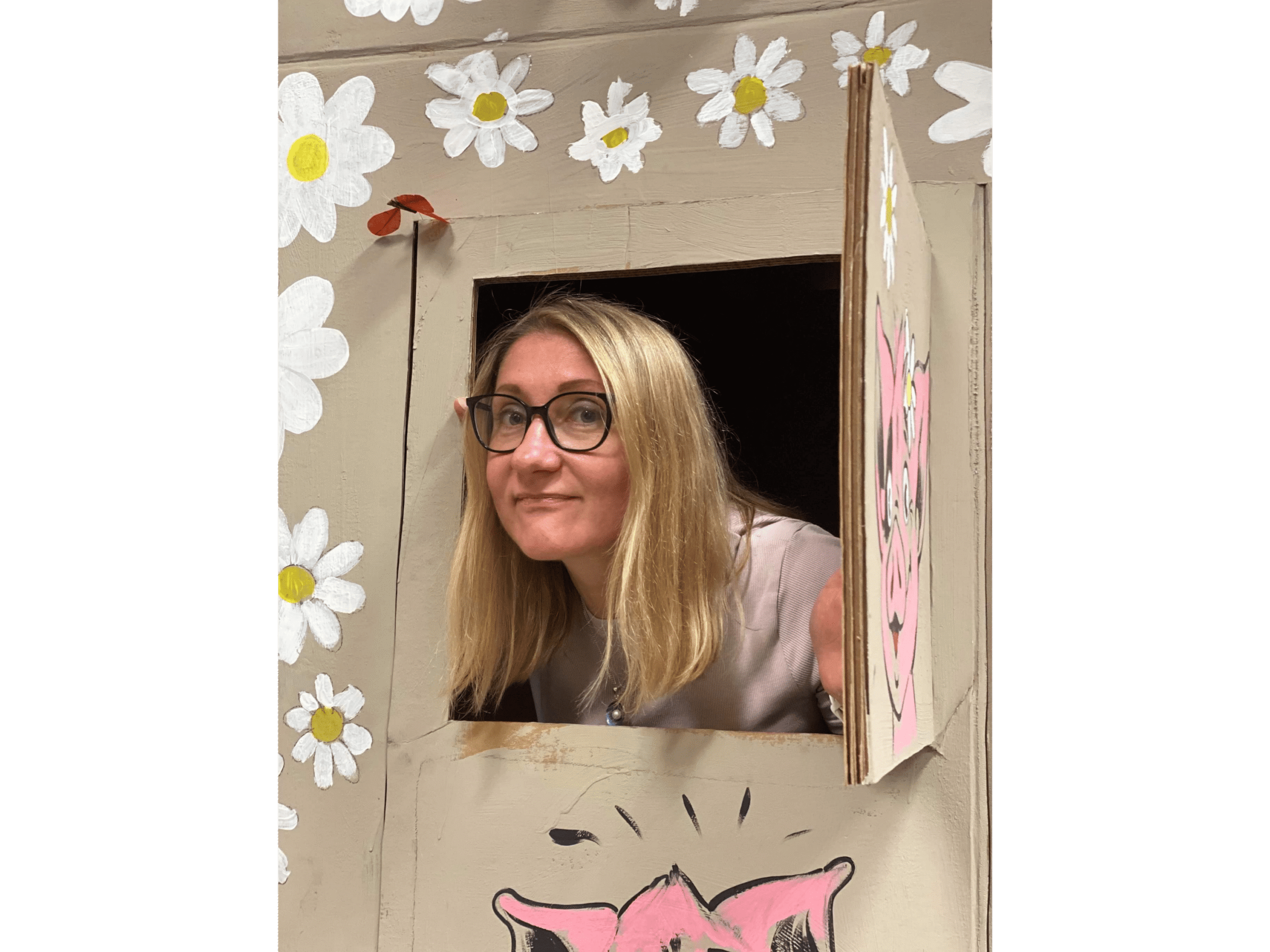
- Elena Alekseeva. Photo: personal archive
The ceramist adds that clay is a complex, multi-layered material, so it is important for children to understand what they are creating and why: although they work together, they see the final result only after firing, when the works return to their hands.
“The moment of recognizing their own work really brings a lot of joy to children. However, the project is not easy: children with autism spectrum disorder still face exclusion in our society – not every children’s activity or group is ready to accept them. This requires individual attention, sensitivity and patience. Sometimes children come upset or angry, sometimes they don’t want to touch the clay. In such cases, we advise not to touch it, we suggest decorating it with special paints or simply being in a calming space. Moods can change quickly, so it is important to be able to react flexibly during the creative process,” says E. Aleksejeva.
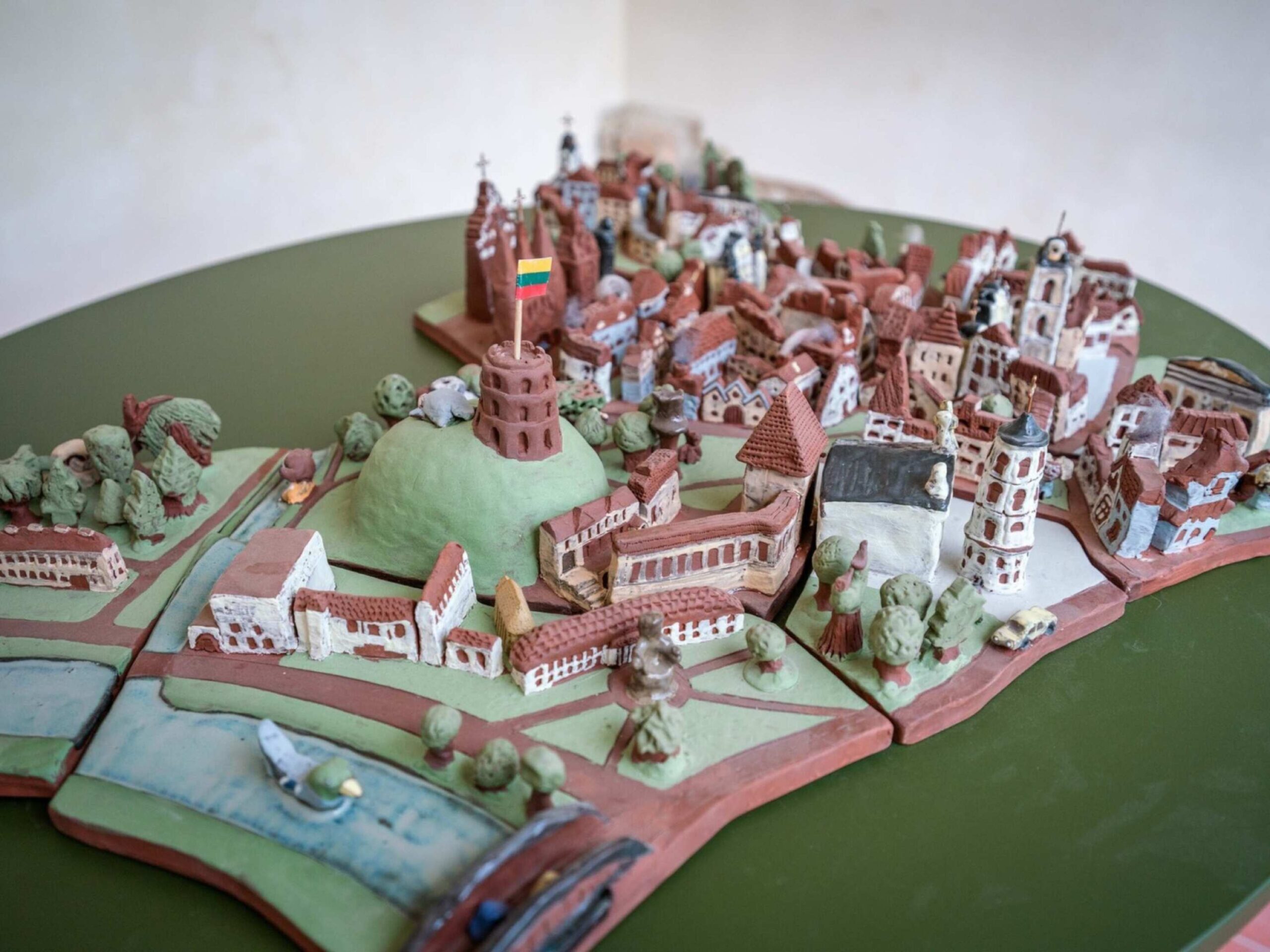
The ceramist notes that the main goal of the project is to create a collective work: last year, the creation of a three-dimensional model of Vilnius began, which includes the departments of the Lithuanian National Museum.
“Children were invited to the opening of the presentation of the model, they could see how their works merged into a single whole – it became a real celebration. This year, the model is planned to be supplemented with new objects, including the Kazys Varnelis House-Museum and the Vilnius Defensive Wall Bastion. In addition, it is important that parents also participate in the project: children usually create together with one of them, and we notice that for adults this creative time becomes a kind of rest. It is an opportunity to stop, be together and share a common creative experience,” says E. Aleksejeva.
You can register for the “All According to Plan” project by clicking on the link: click here.
The organizers invite those who are hesitant or have questions to meet in advance and get acquainted with the space – information is provided by phone +370 682 30056 or by e-mail [email protected].
*2024 Specialists from the Health Information Center of the Institute of Hygiene (HI) have prepared the issue of “Public Health Inequalities” – “Overview of the Incidence of Multiple Developmental Disorders in Children (2017–2023)”. Based on this report, the data was published last year by the Lithuanian Autism Association “Lietaus Vaikai”.