An exceptional piece of jewellery telling the story of a Curonian woman at the Jonas Šliūpas Museum exhibition
2024 03 07
On the 6th of March, the second exhibition of a series of one-piece exhibitions “Subtle Blue: What Did the Glass Eyes See?” opens at the Palanga Mayor Jonas Šliūpas Museum, a branch of the Lithuanian National Museum. This time it is dedicated to the cultural heritage of the Curonian people and talks about the Curonian woman’s worldview, aesthetic taste and position in the community. The exhibition will be accompanied by a programme of accompanying events to expand the narrative.
The brass and silver jewellery of the Balts, decorated with elaborate ornaments, coloured glass eyes and various pendants, tells us not only about the richness and uniqueness of their material culture, but also about their spiritual culture. It is not surprising that both professional archaeologists and hobbyists have focused their attention on the jewellery of the men and women of the Baltic tribes. Some jewellery was favoured by both men and women, while circular pendants, pins and massive cross-headed pins were worn only by women.
The Curonians were lavishly decorated in the 8th and 9th centuries, the period of their prosperity. Cross-headed pins were the most characteristic jewellery of the Curonian tribe from the 5th century until the Middle Ages. They were one of the favourite ornaments of the Baltic tribes for centuries, not only for outerwear but also for headdresses. In the Middle Iron Age, with the development of the Curonian jewellery tradition, the Curonians began to fasten their outerwear with a single, massive and very ornate pin.
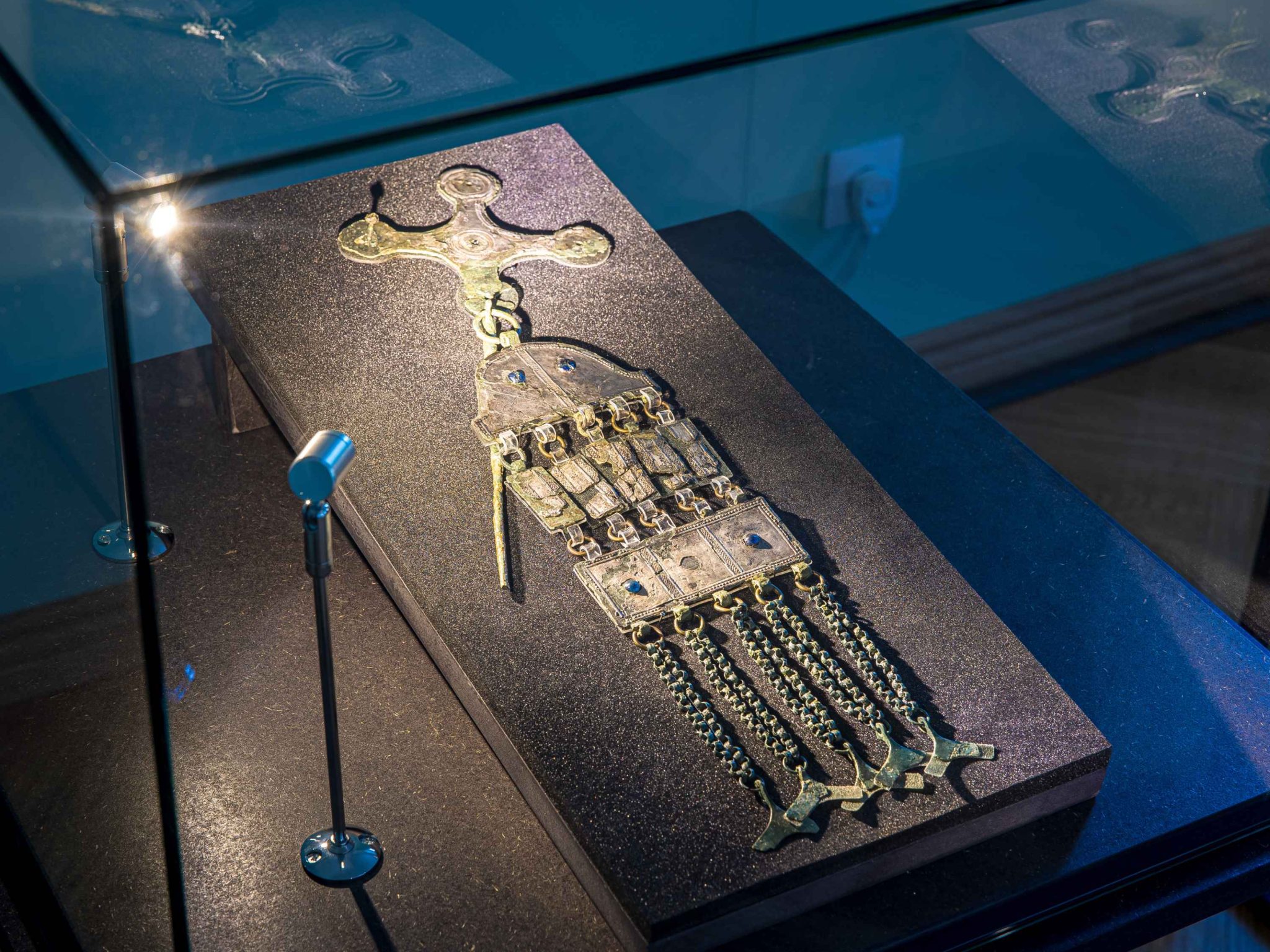
The one-piece exhibition “Subtle Blue: What Did the Glass Eyes See?” presents a unique massive cross-headed pin with a band of attached compound pendants, found in a woman’s grave in the Palanga burial-ground. The pin and pendants are brass, covered with thin ornamental silver plates, the head decorated with cones and the pendant plates inlaid with blue glass eyes. Decorative details in blue glass (necklaces, jewellery eyes) were both a luxury and a desirable fashion item at the time.
The deceased was luxuriously dressed for her posthumous journey, adorned with jewellery, amulets and other objects reflecting the Curonian burial customs of the time. The luxurious and unique coffins not only testify to how exceptional the deceased was in her family, but also to the position of most other Curonian women in the community.
This knowledge prevents early medieval Baltic women from being lost in the twists and turns of history. With their way of life and their distinctive worldview, the Curonian men and women have been a significant part of the history of the region they inhabited and have left a rich material cultural heritage that can still be admired today.
After 60 years, the archaeologists’ discovery of the artefact in the Palanga burial-ground has once again shone its blue light in its native land. Visitors to the exhibition will find a copy of the object, looking at the original with the same blue eyes, and a hand-woven Curonian shawl that can be wrapped around it. And when you tie the shawl with a pin and feel its weight, it will be easy to imagine yourself in the 9th century, or to think about the social position of women in the so-called “blue period”.
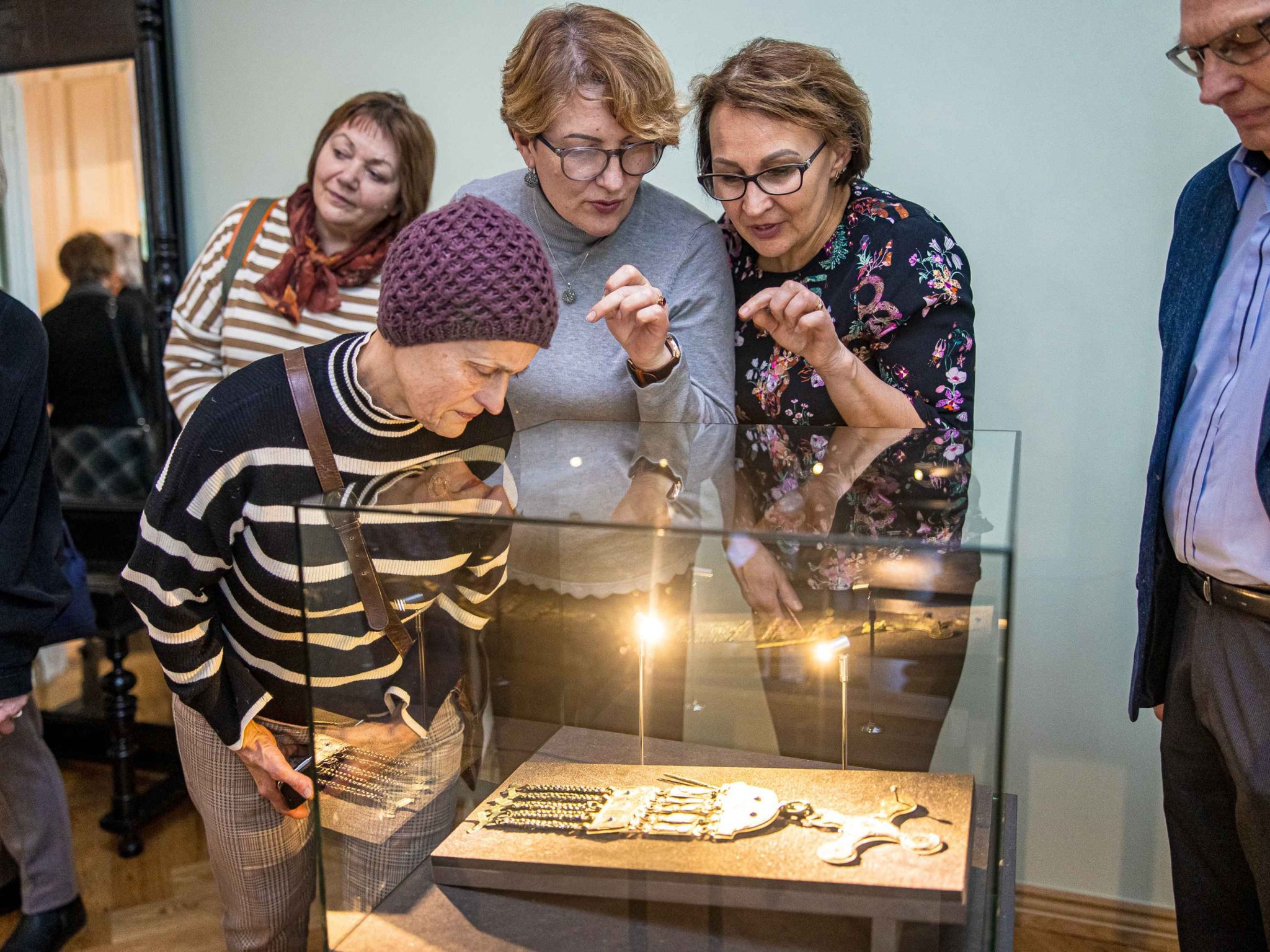
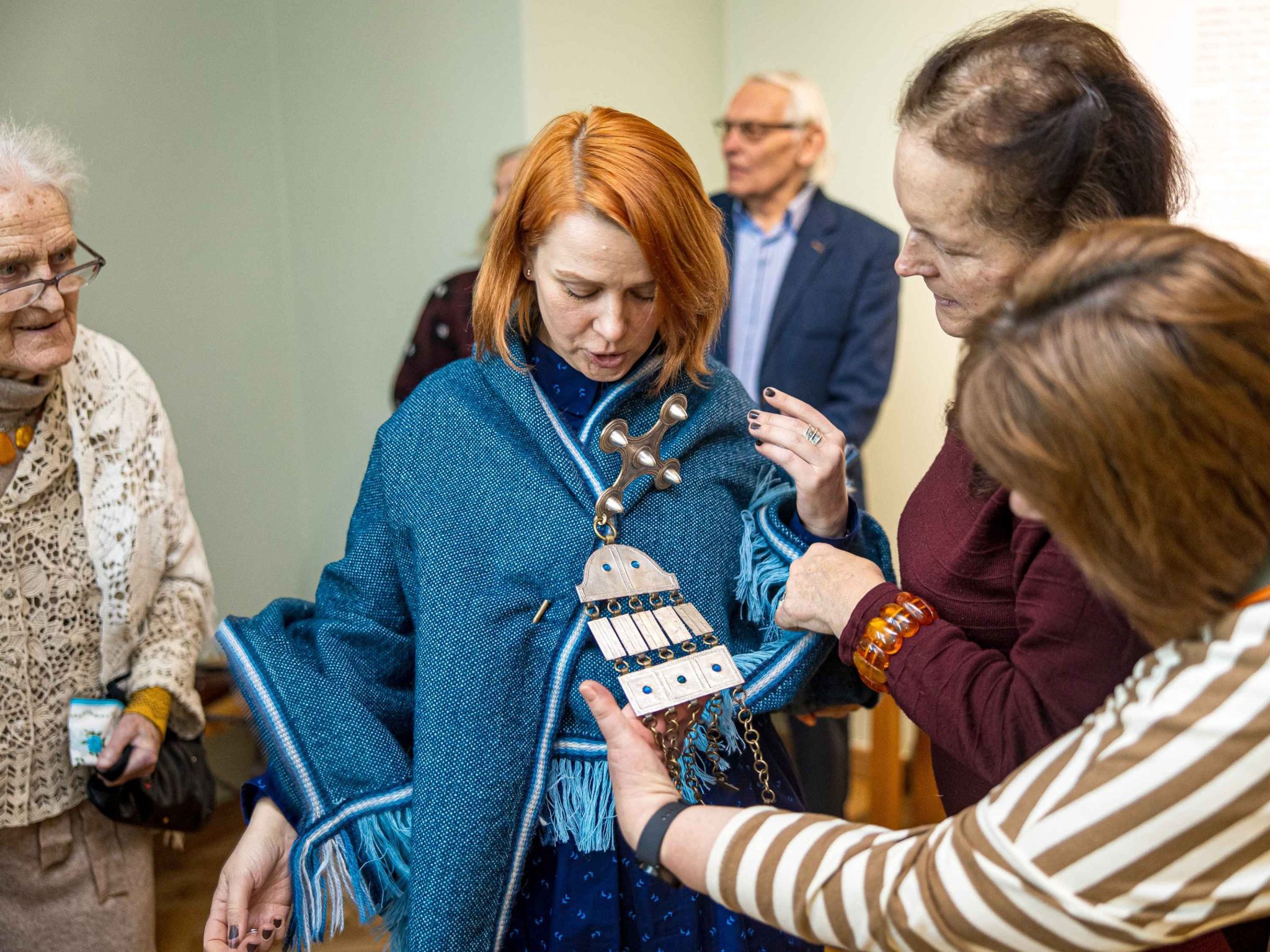
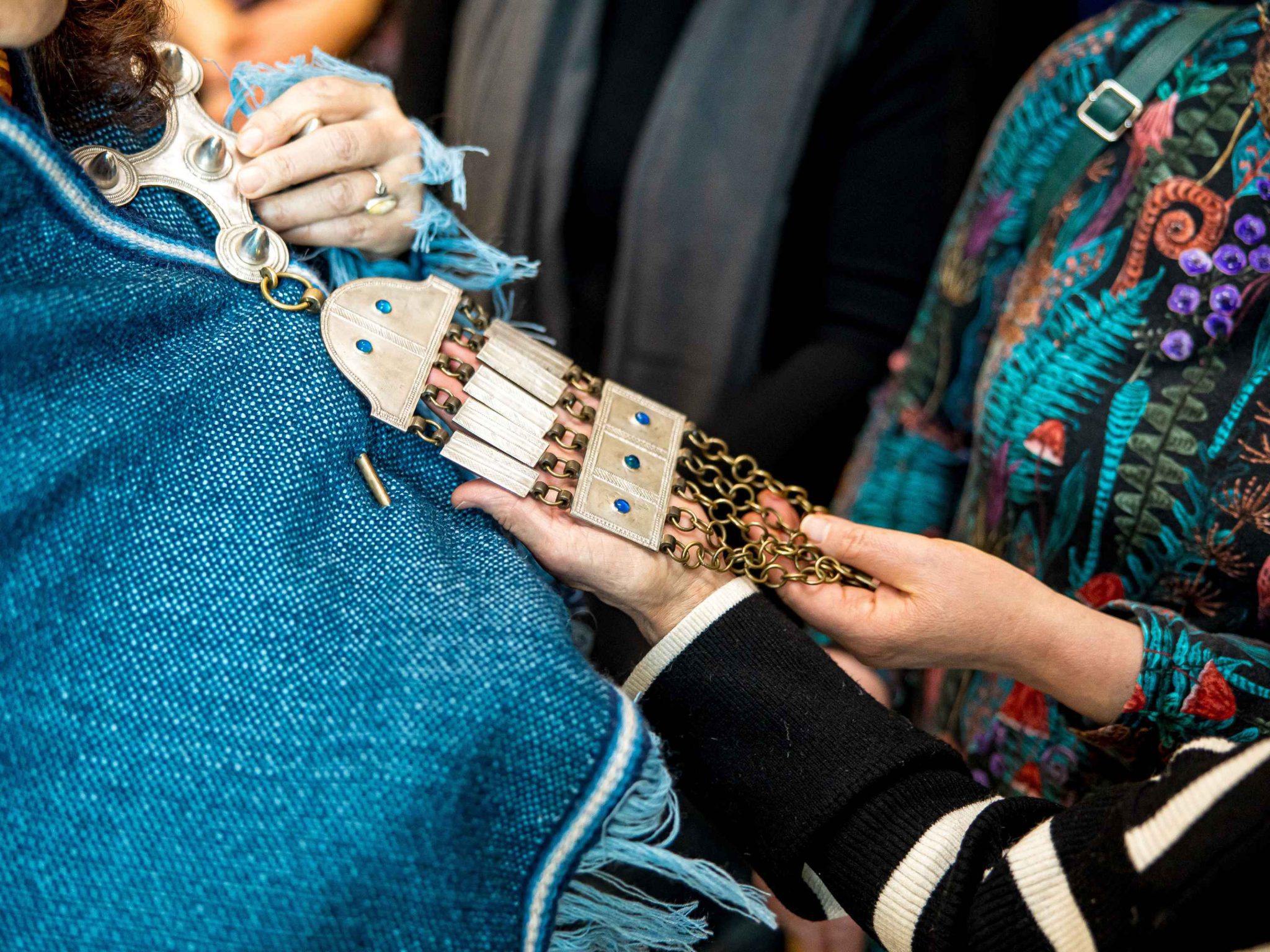
Photo by: Aldas Kazlauskas
Palanga residents and guests are welcome to the exhibition “Subtle Blue: What Did the Glass Eyes See?” and the accompanying events of the exhibition. At the event “What is jewellery or 25 reasons to wear jewellery”, jewellery artist Neringa Poškutė-Jukumienė will share stories about jewellery as an expression of identity and the essence of jewellery. Mysticism lovers will enjoy a night hike with local historian Denisas Nikitenka, whose stories will encompass both the archaeological and mythological worlds. The final highlight of the exhibition will be on the 4th of May. The Curonian tribe camp in the courtyard of the Jonas Šliūpas Museum, where the Curonian history club “Pilsots” will present a reconstruction of the tribe’s everyday life, culture and crafts, reconstructed with live theatrical stories. For information about the accompanying events, please visit the website of the National Museum of Lithuania at lnm.lt./en/
Exhibition “Subtle Blue: What Did the Glass Eyes See?” opened on the 6th of March and will be open until the 5th of May 2024 at the Palanga Mayor Jonas Šliūpas Museum (Vytauto g. 23A, Palanga).
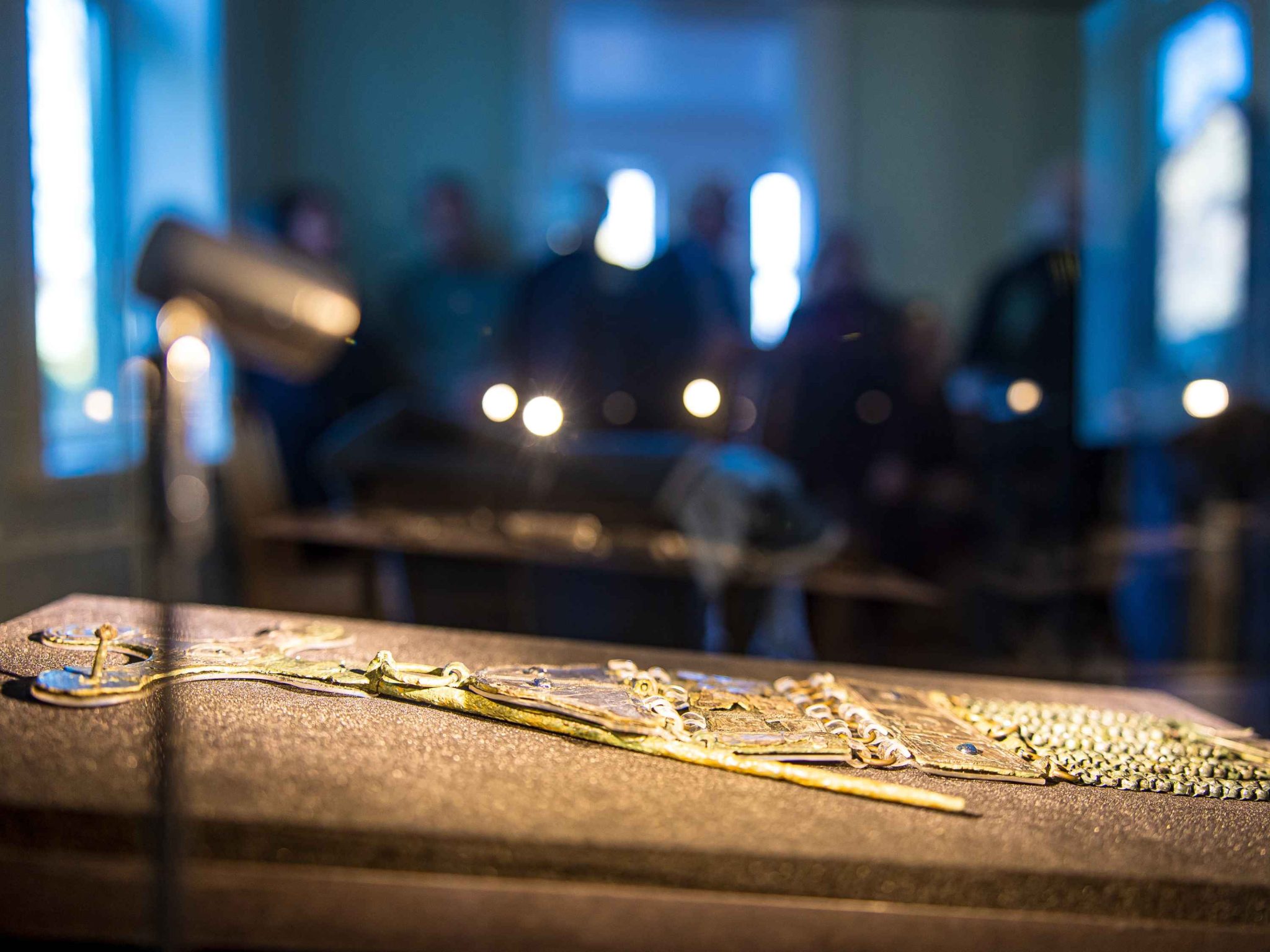
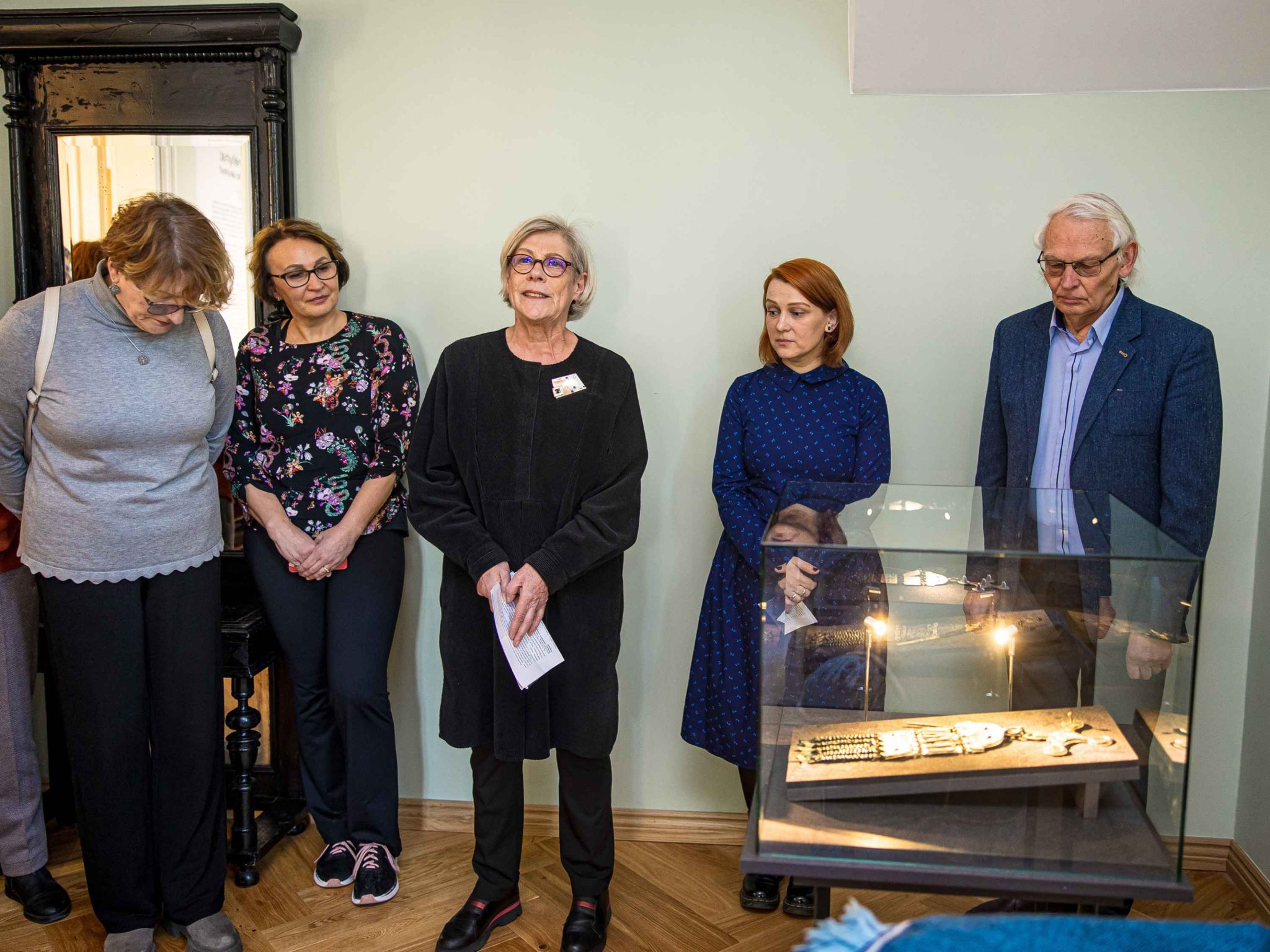
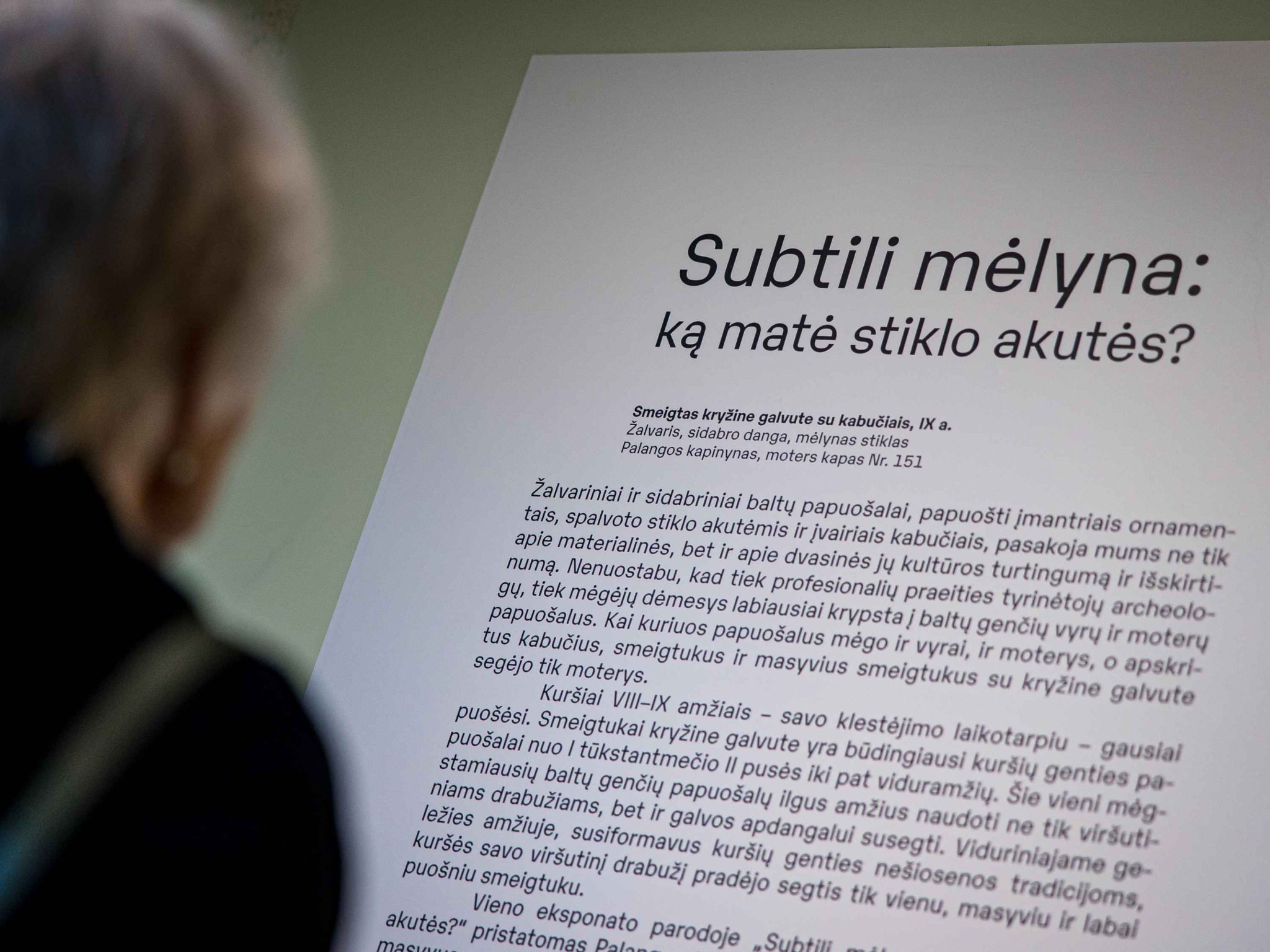
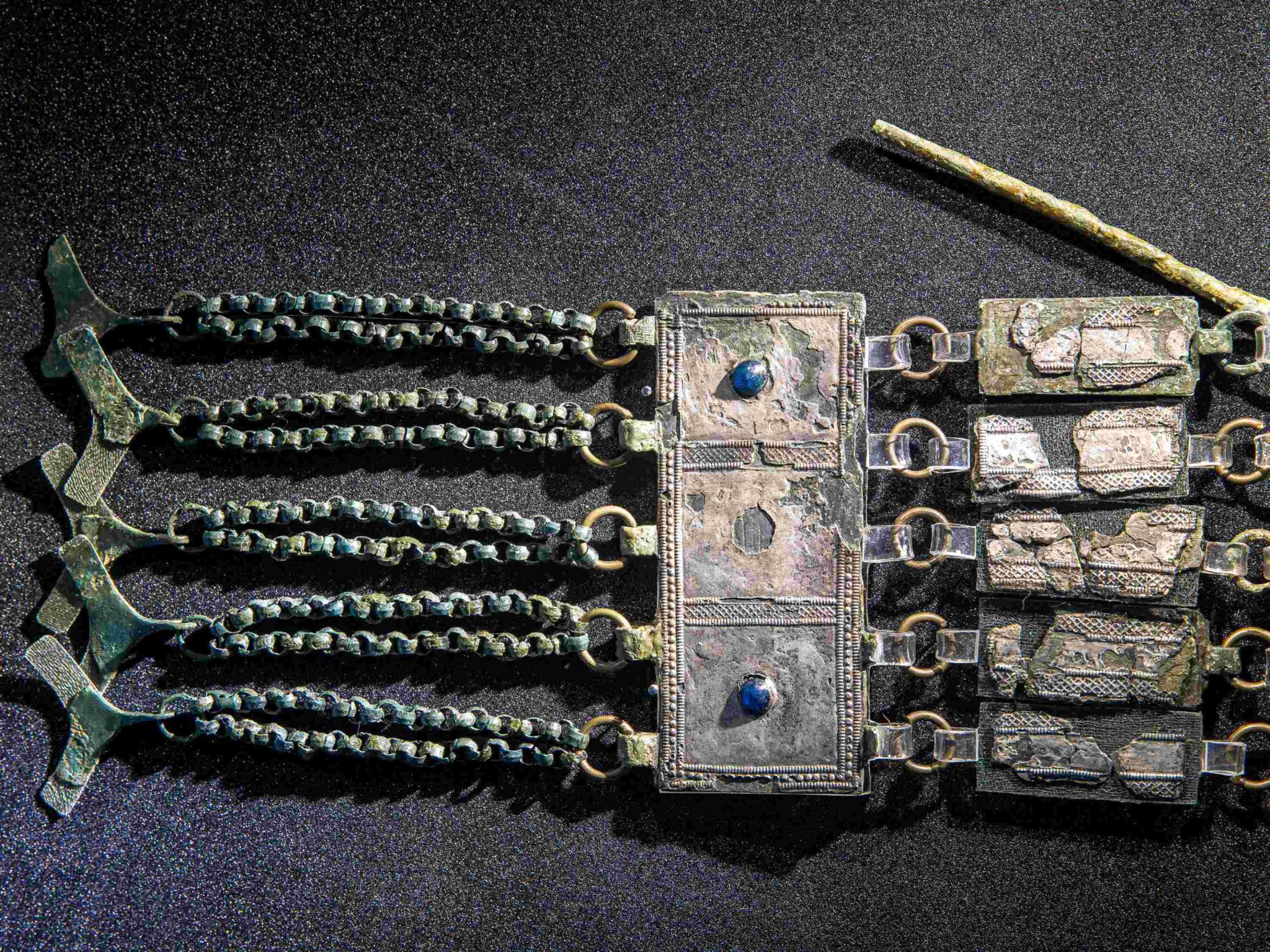
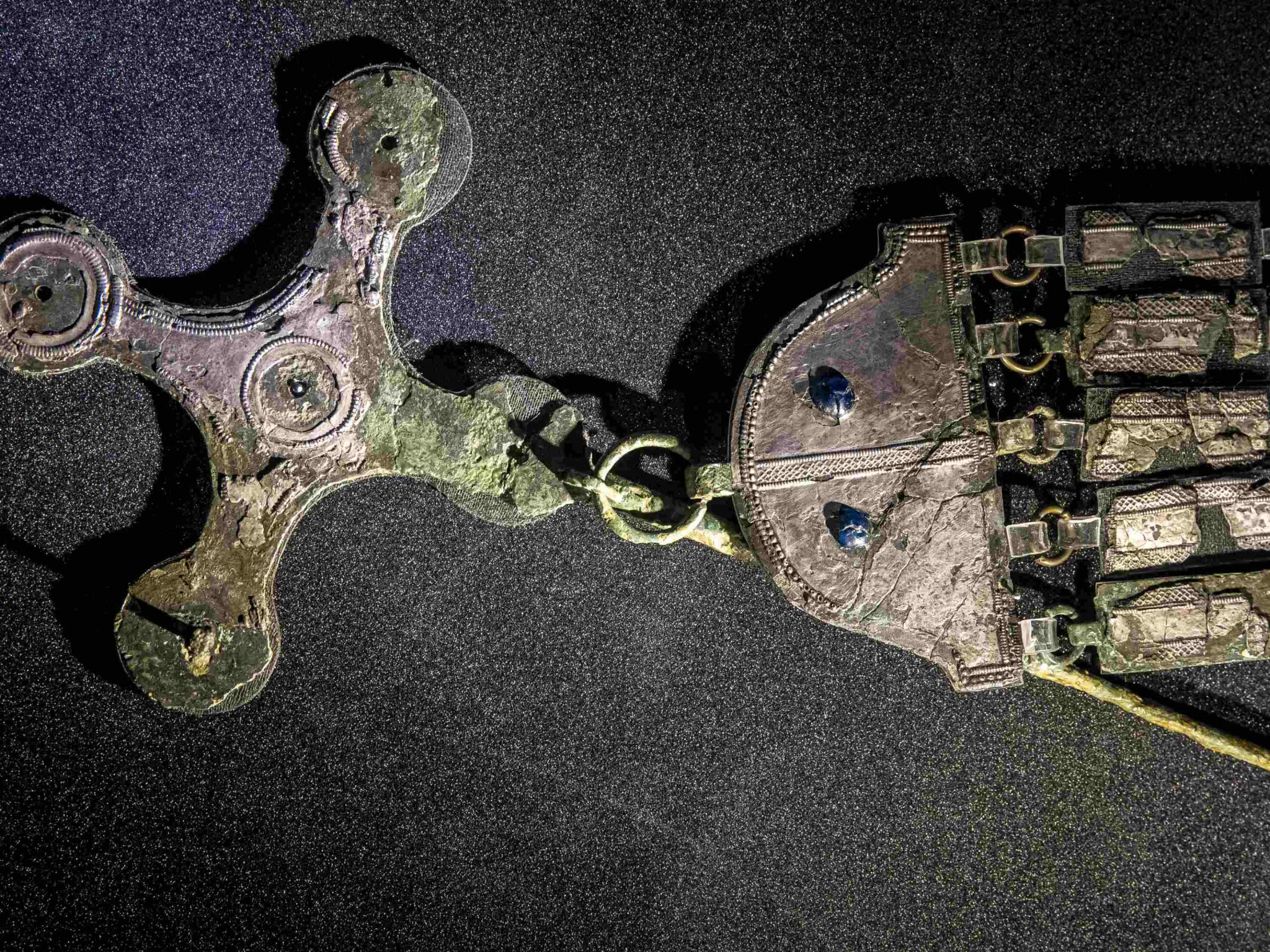
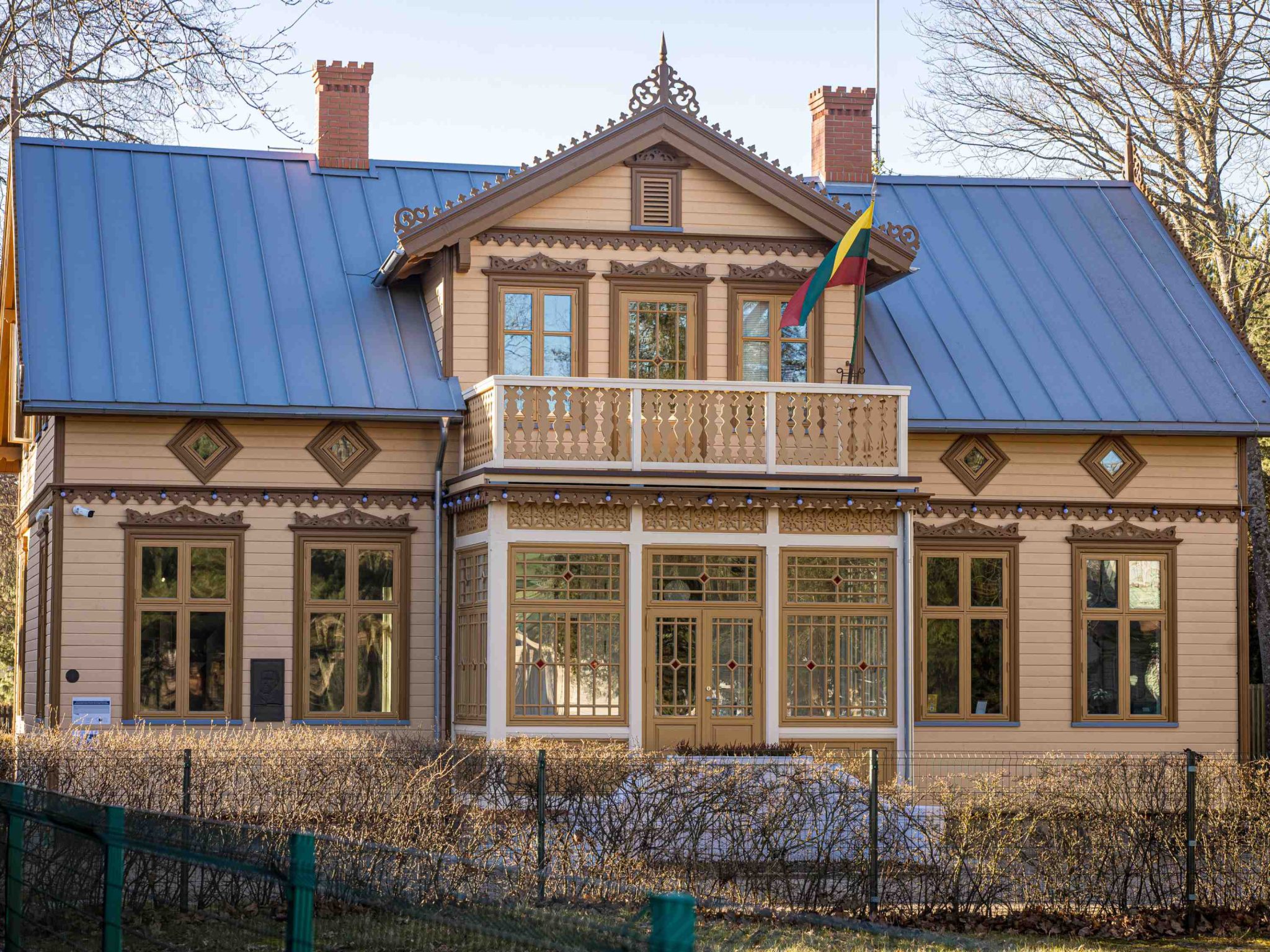
Photo by: Aldas Kazlauskas