A gift from G. Mikėnaitė-Kriučienė adds more than 300 new exhibits to the museum’s collection
2024 04 11
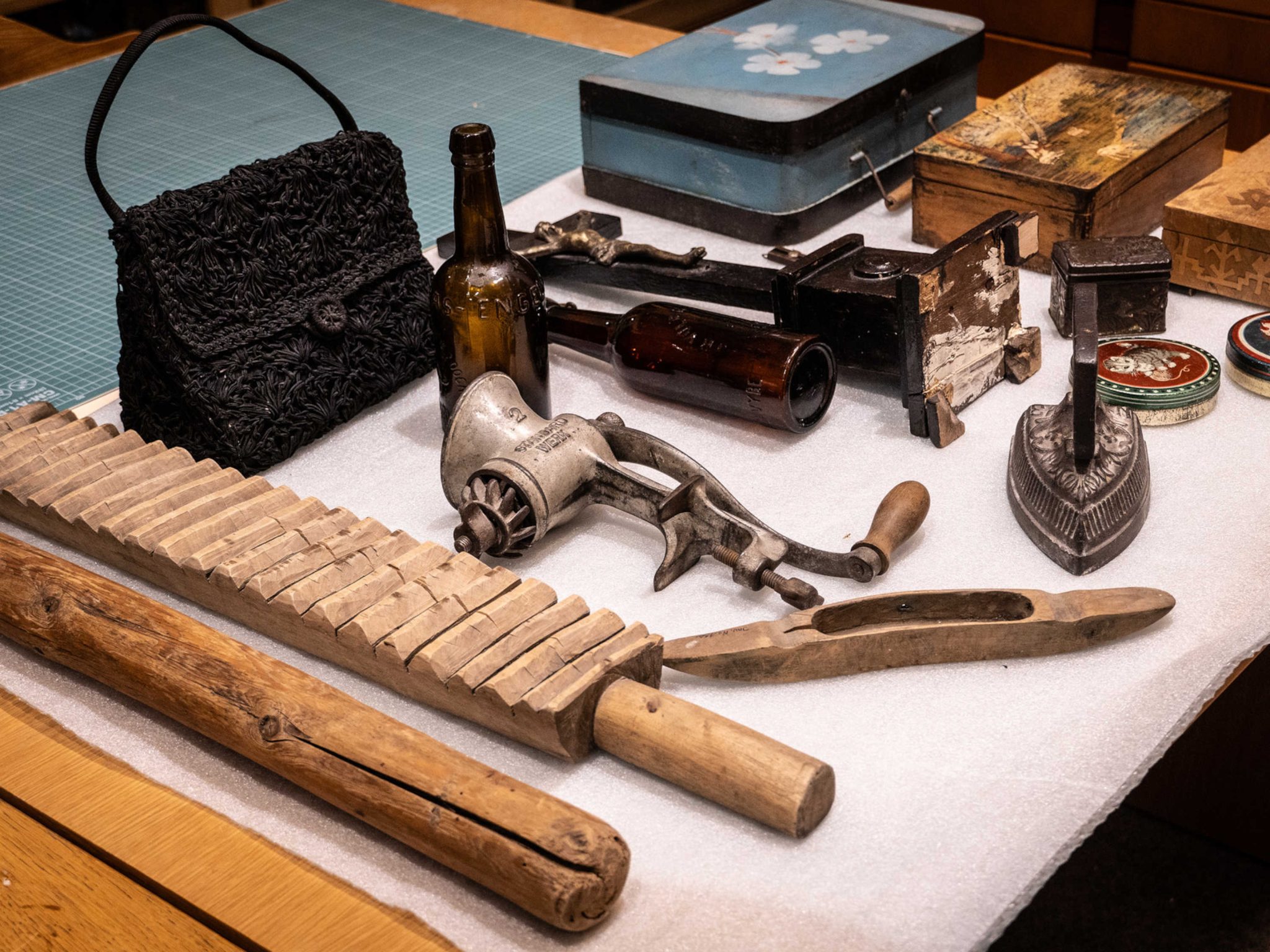
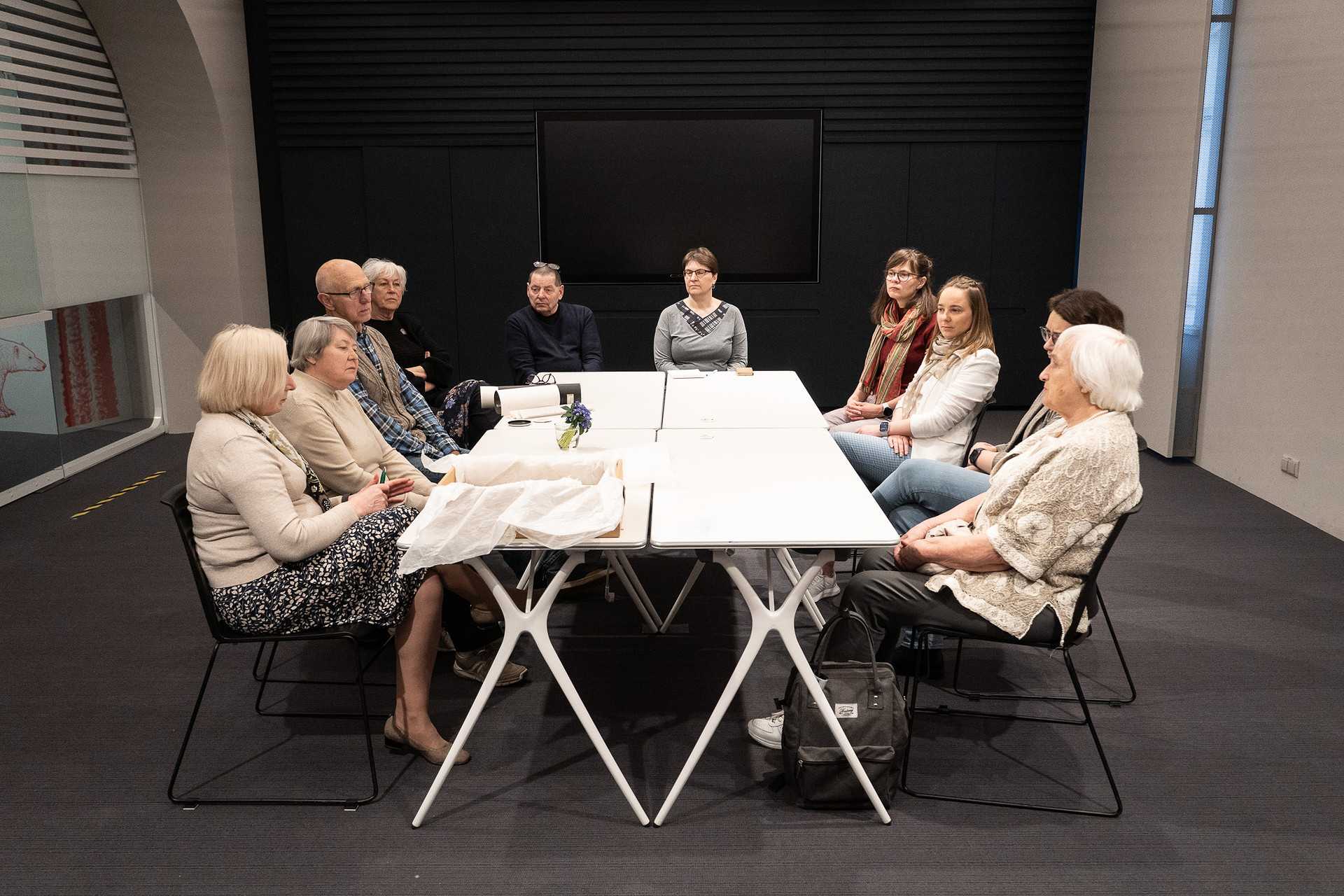
The collection of the National Museum of Lithuania has been expanded by the addition of museum exhibits from the former Petrašiūnai Secondary School in Kaunas. Genovaitė Mikėnaitė-Kriučiūnienė collected them for many years and donated them to the museum. Among the 300 exhibits, there are items used in the third and fourth decades of the 20th century in Lithuania as well as ones used in exile, the Soviet era, photographs and local historical material collected by Genovaitė Mikėnaitė.
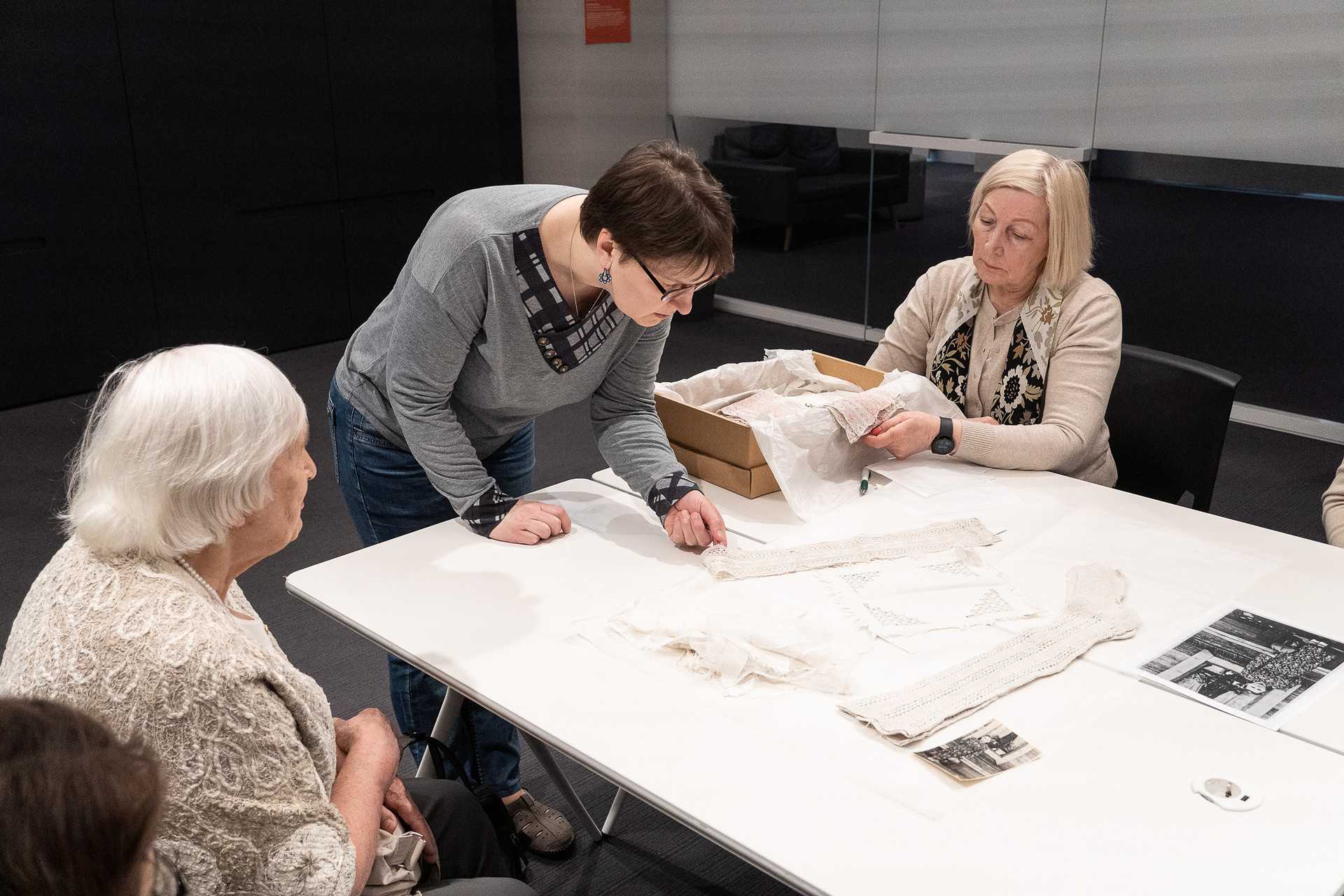
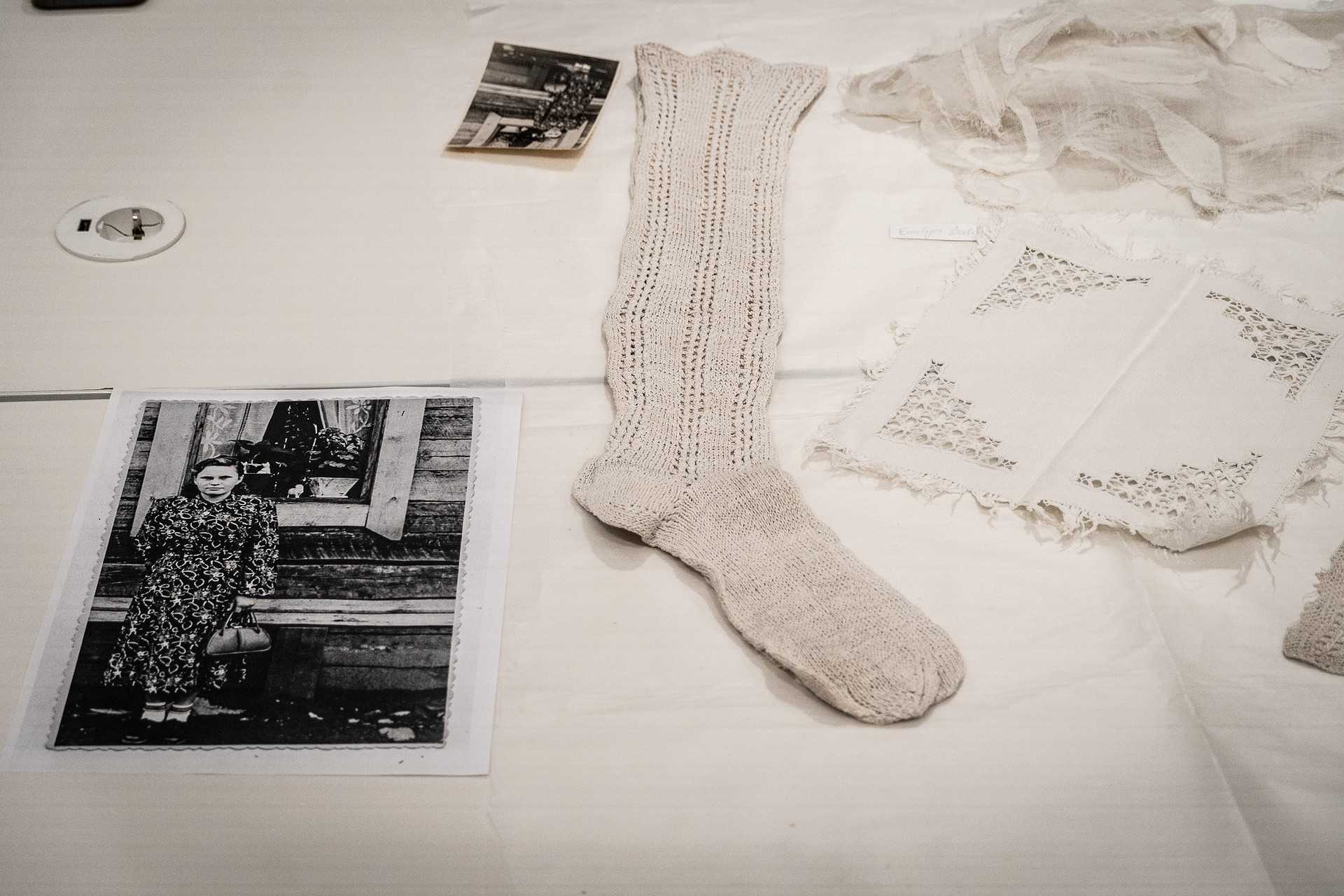
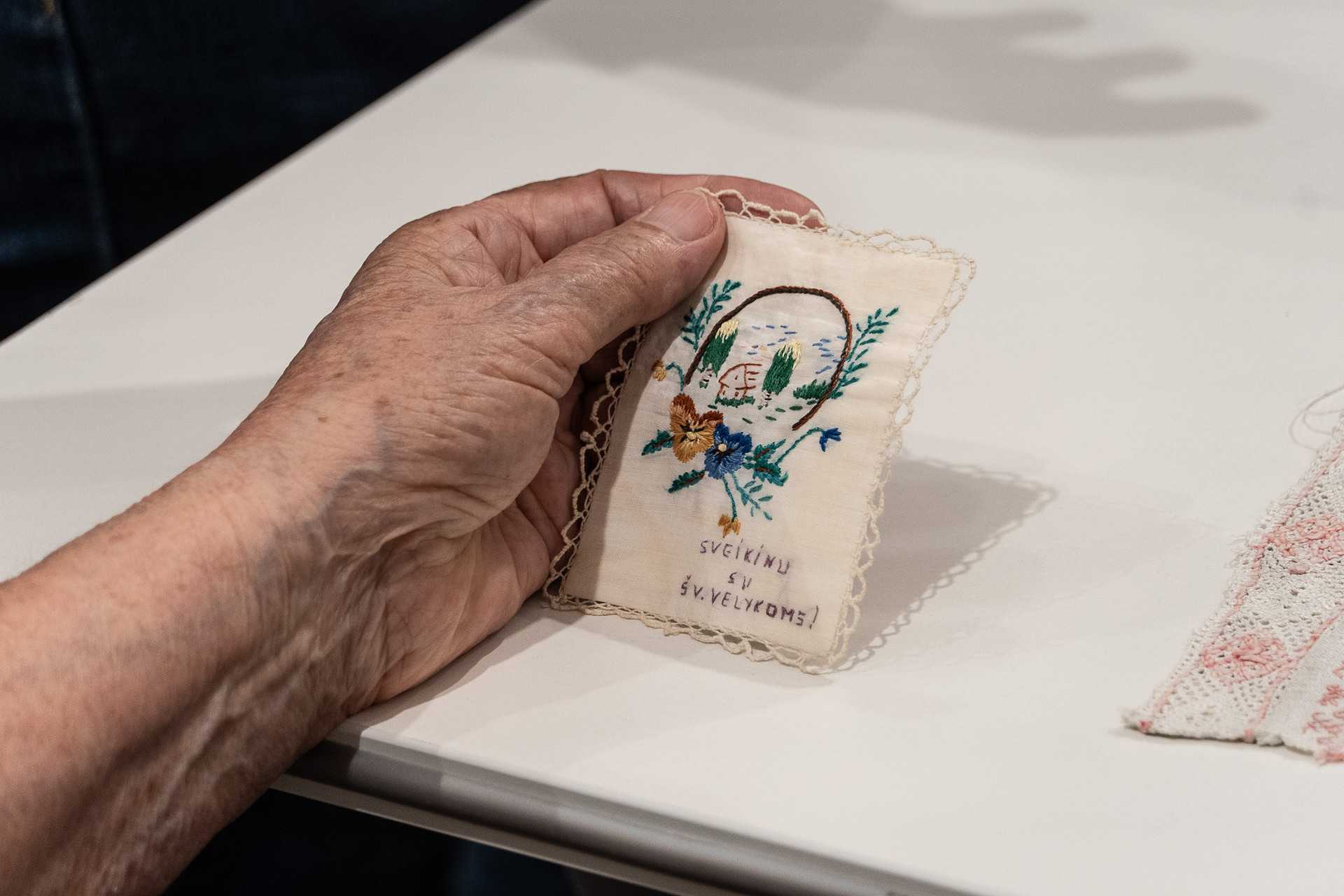
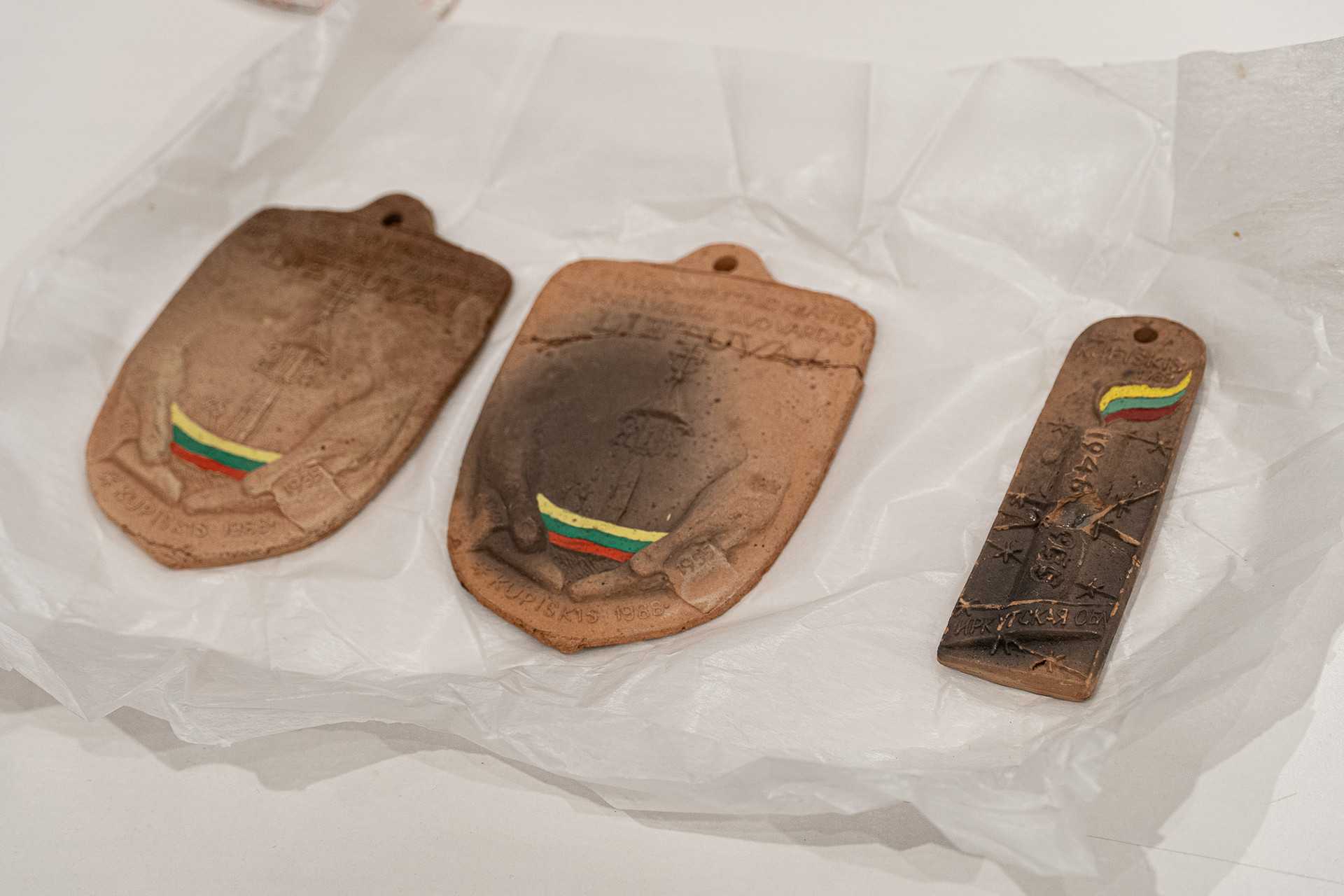
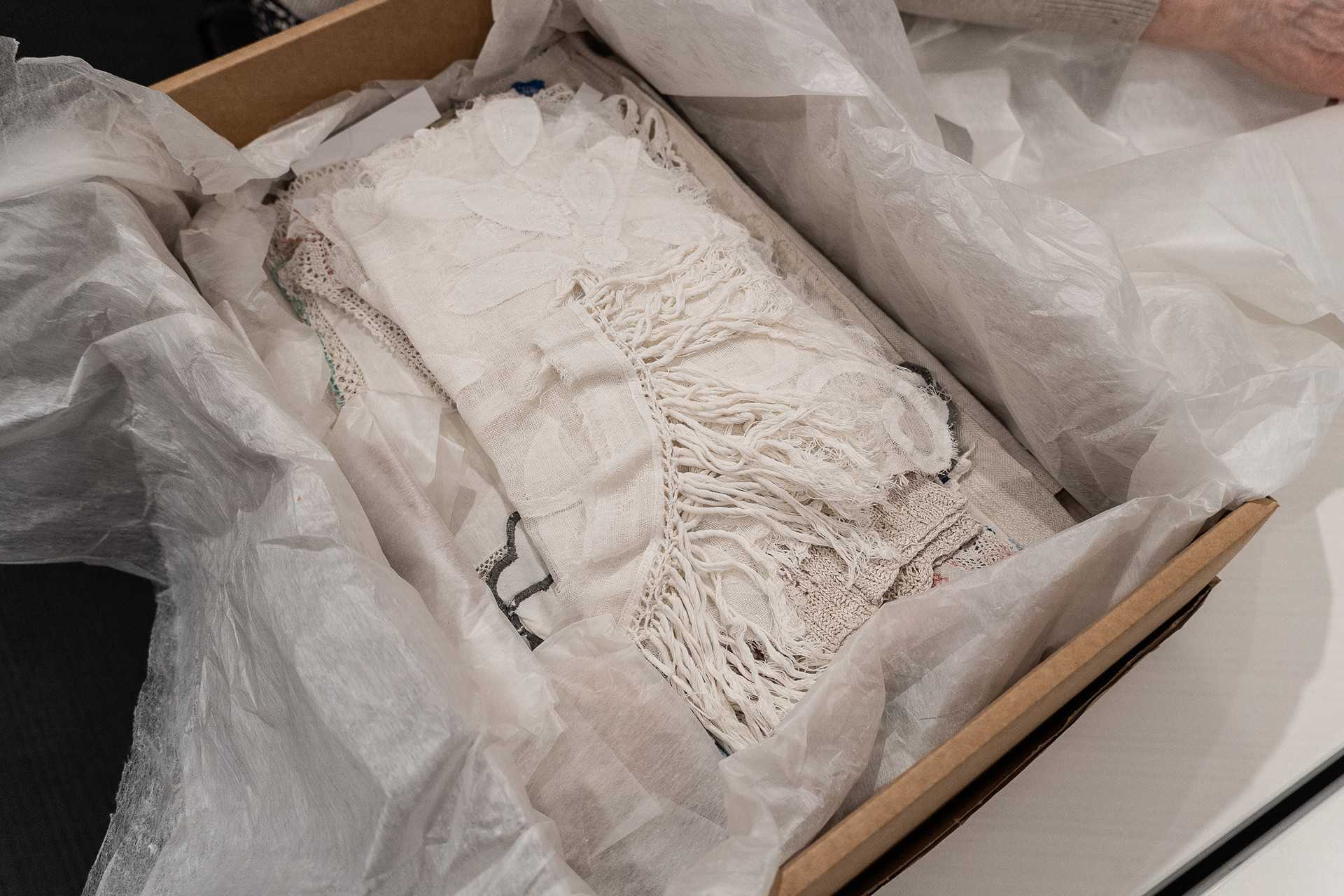

A large part of the exile exhibits are handcrafts embroidered by the Lithuanian exiles of the Srednaya Settlement and Irkutsk region: napkins, lampshades, a comb case embroidered by Genovaitė Mikėnaitė, cushion covers and Easter greetings.
“The curtains made by Genovaitė’s sister, Eugenija, are especially interesting as they are made of gauze and covered with scraps of white fabric. Only part of them have survived but we can see what they looked like before in a preserved photo”, says Virginija Rudienė, a historian at the National Museum of Lithuania.
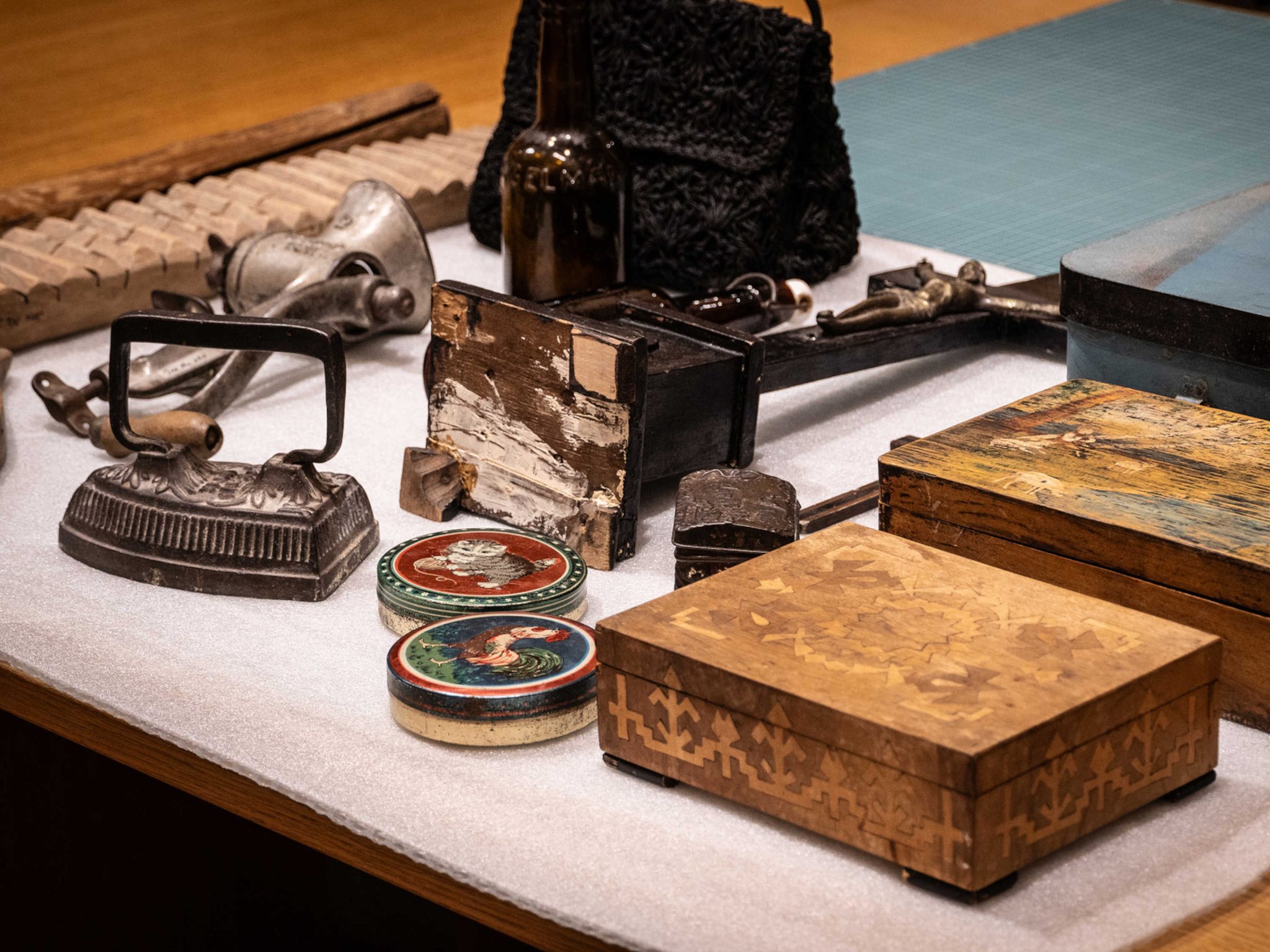
Genovaitė also preserved household items used in exile: a pram made by her father for ironing laundry, a half-coat bought by her mother in Irkutsk, prayer books and crosses brought by her fellow compatriots from Lithuania and around 200 photos showcasing life in exile.
“We are very happy with the donated letters written by Genovaitė, her sister, Eugenija, and her brother, Linas, to their aunt in Lithuania. The letters are short but informative, mainly about their work and life. Letters written by children are few and far between in the museum’s exile collection, so they will be an important addition”, says V. Rudienė.
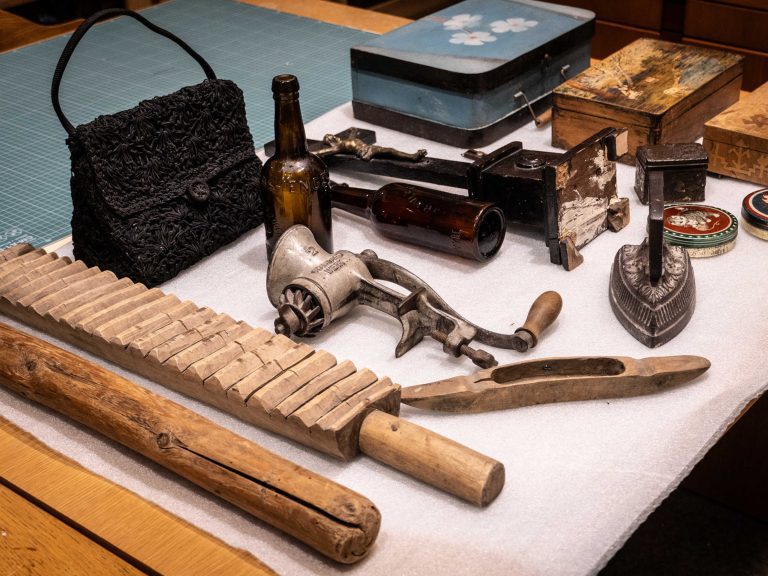
Among the donated items there are some household items used in Lithuania before the exile, in the third and fourth decades of the 20th century, as well as the Soviet era: a “Standard Werk” meat grinder, a clothing iron, “Volf Engelman” beer bottles, a plate made in Germany in 1941 and others.
Genovaitė was an active local historian, she was the head of the Petrašiūnai Progymnasium‘s local history club and collected material about Kaunas: the crushed stone factory, the construction of the hydroelectric power plant, the thermal power plant, the road and bridge maintenance trust and the wood processing combine. She also compiled albums about the Petrašiūnai Secondary School, Petrašiūnai itself and its inhabitants along with the Pažaislis architectural ensemble.
“I worked for 20 years at the Computing Centre of the current Kaunas University of Technology, 19 years at Petrašiūnai Secondary School as an IT teacher, and I also volunteered at the Petrašiūnai Community Centre. I was actively collecting materials about the old Petrašiūnai, and I also had a local history group. Having collected a lot of material, I restored the Petrašiūnai school museum, which was once established by the teacher Ambrazevičienė, and which was closed after her retirement. The restored museum was open from 2007 to 2015”, says Genovaitė.
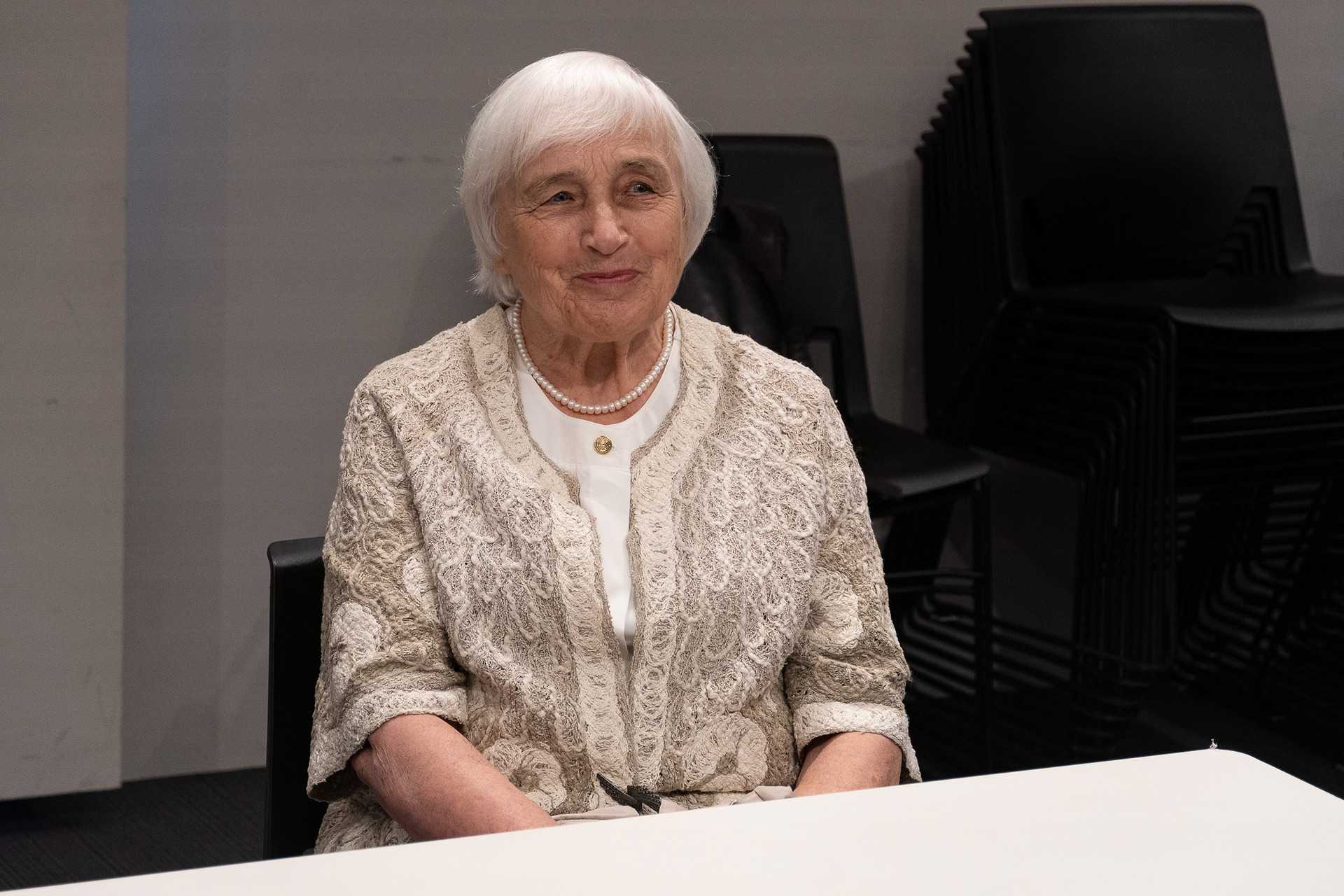
About Genovaitė Mikėnaitė
Genovaitė Mikėnaitė was born in 1942 in Jaučiapievis village in Kupiškis district. On the 22nd of May (1948), together with her parents Vince Mikėnas (1878-1964) and Marija Mikėnienė (1900-1997), her sister Eugenija (b. 1935) and her brother Linas (b. 1936), she was exiled to the Irkutsk region of Siberia. The family was first taken to the 52nd quarter in the taiga, about 70 kilometres from Irkutsk. The Lithuanians were accommodated in three barracks built by the Japanese prisoners, and later, when the weather got colder, they were moved to the village of Srednyaya in the Irkutsk region and accommodated in similar barracks, also built by the Japanese. In both Block 52 and Srednyaya, the exiles worked in the forest: some of them cut down the forest, others pruned branches, and transported logs.
In Srednyaya, Genovaitė started going to school, while her older sister and older brother worked. They were the main breadwinners: her mother was in poor health and her father was 70 years old. The family returned to Lithuania from exile in 1959. At first they stayed with relatives, then they bought a house from the collective farm that they had been living in. Genovaitė studied physics at Vilnius University and after her studies she worked for three years in a school in Šilutė district, and returned to Vilnius in 1967. She completed the computer courses organised by the Sigma calculating machine factory and started working on the newly developed Lithuanian calculating machine “Rūta-110”. Here she met her future husband Rimantas Kručius.
In 1985 Genovaitė visited places of exile, cleaned up the cemeteries, and during the Revival she was one of the organisers of an expedition to Srednyaya to bring back the remains of exiles.