When Books Gather Dust in Summer: How to Inspire a Curiosity for Reading?
2026 07 20
Summer is an ideal time for holiday reading. Yet, surrounded as we are by screens, books are often left to gather dust on the shelves. According to experts, children adopt reading habits by observing those closest to them, which is why holiday bags should contain not only children’s books, but books for adults as well.
Indrė Urbelytė, art historian at the Lithuanian National Museum’s Kazys Varnelis House-Museum, and Odeta Maziliauskienė, Chief Librarian at the Adomas Mickevičius Public Library of Vilnius County, discuss how to cultivate a meaningful relationship with books – for ourselves and for children alike.
A Relationship with Books Begins Through Conversation, Good Example, and Self-Reflection
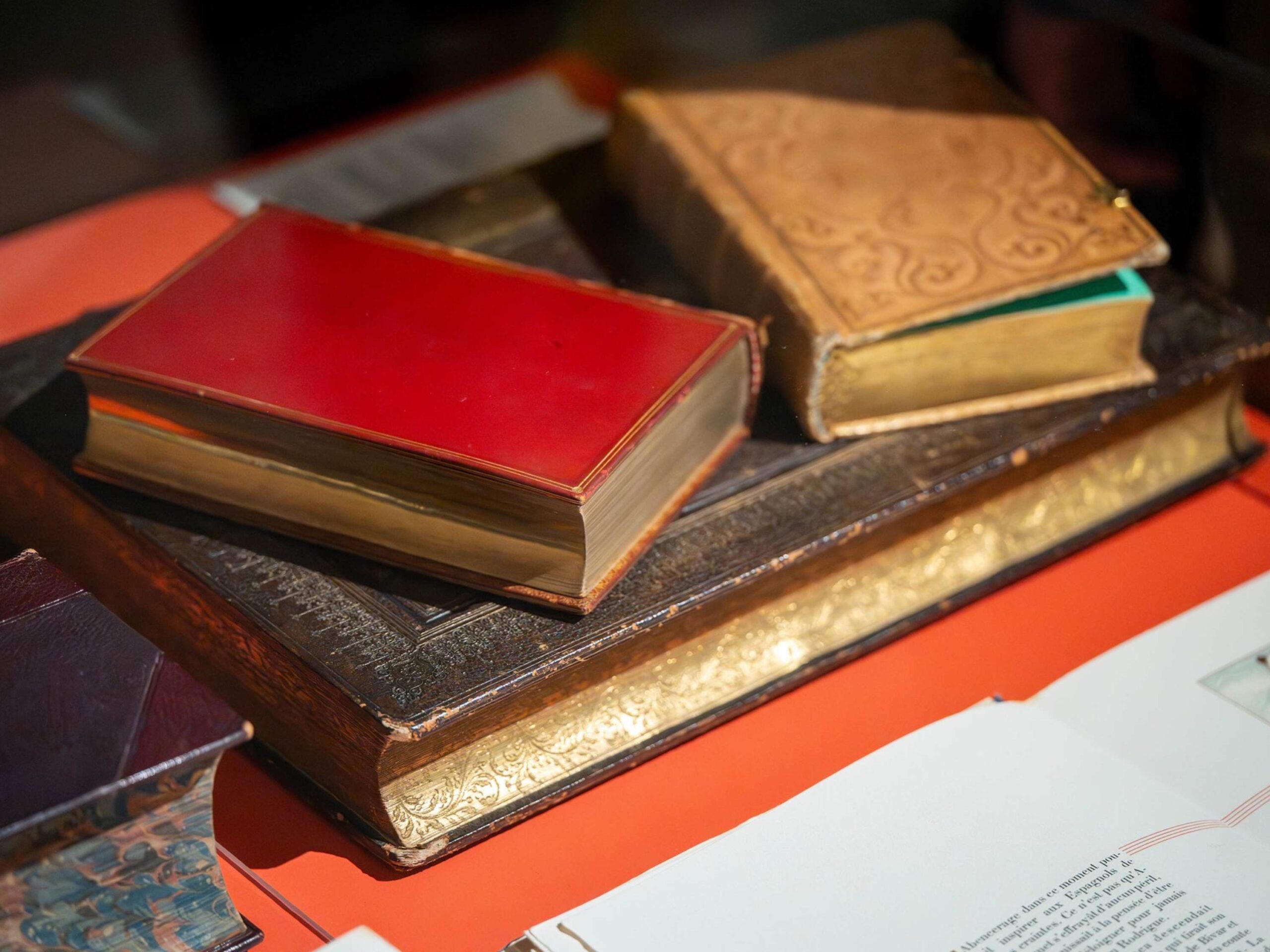
Earlier this spring, the exhibition “The Book Dragon: A Fantastic Tale of the Beauty of Books”, opened at the Kazys Varnelis House-Museum, has been welcoming visitors of all ages. According to the exhibition’s originator and curator, art historian Indrė Urbelytė, the exhibition, dedicated to the art of the book and publishing, offers an opportunity to rediscover – or even forge anew – our relationship with books.
“When we speak about children’s relationship with books, it is important not only to tell them about reading, but also to teach by example. A child will not reach for a book if they do not see people reading around them. Children are quick to recognise insincerity and a lack of authenticity. Our exhibition therefore creates a space that encourages dialogue between current and future readers.
“Together with the exhibition, we published an accompanying book under the same title. I hope it will help foster a love of reading and an appreciation for the art of the book. Yet a book is only a means. I believe what matters most is the reader’s relationship with themselves, with the world around them, and with the many different stories that nurture empathy and the capacity for self-reflection,” says the art historian and author of the exhibition publication.
Urbelytė explains that she wrote the story of Ugnius the Dragon and Jurga in order to extend the narrative that begins in the museum and to create a book readers would wish to return to time and again.
“It has always been important to me that a book should be not only engaging to read but also a pleasure to hold. I wrote the story in a way that interested me personally – I spent several weeks living alongside Ugnius and Jurga, searching for the right words to capture the images forming in my mind. I was fortunate to rely on an outstanding team: publication designer Justina Brukštutė-Šimkė and illustrator Reda Tomingas rose brilliantly to the challenge. Most importantly, Reda was not intimidated by the task of depicting dragons with hair and braided plaits,” the art historian says with a smile.
Interactive Discoveries Bring Visitors Closer to Books
Urbelytė notes that regardless of visitors’ age, the exhibition’s interactive stations invariably capture their attention. Here, visitors can experiment with different typefaces, choose marginal decorations for the pages of their future book, print their own dragon illustration, or even try reading a phrase in Braille.
“Among the objects displayed in the exhibition cases, the clear favourite with children, parents, and grandparents alike has been the fairy-tale illustrations created by Aspazija Surgailienė, whose vividness immediately catches the eye. It is gratifying to know that at least part of the exhibition experience – and the knowledge gained – will stay with visitors long after they leave. Many families depart the museum with Reda Tomingas’s illustrated book about Ugnius the Dragon and Jurga, which tells the story behind the book itself,” says the art historian.
She adds that the museum’s educators, through their conversations with children, hear all manner of memorable impressions from young visitors. Among the most heartfelt wishes is the hope of meeting the exhibition’s dragon in real life.
“Children enjoy comparing the historic books displayed beneath glass with contemporary publications, marvelling at their decoration and design. They are often delighted by newly discovered words such as bookplate or parchment. Since the exhibition is interactive, one question comes up again and again: ‘Can I print the dragon?’ The dragon created by exhibition architect Justinas Dadonas has become one of the exhibition’s most popular features, helping visitors understand how early printing worked. I believe all of this contributes to children’s growing relationship with books,” says Urbelytė.
-
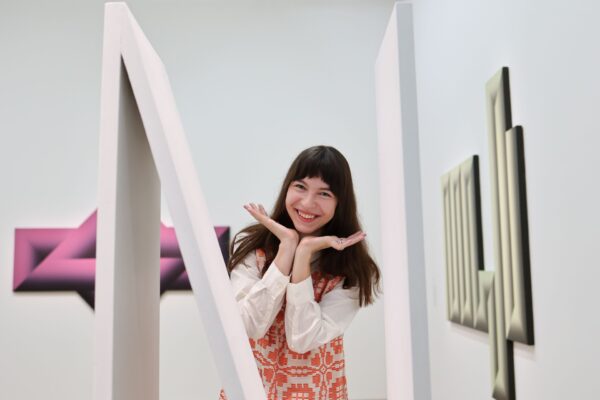
- Indrė Urbelytė. photo: Eglė Marija Želvyte
Reading Is Not Necessarily a Forgotten Pastime Among Young People
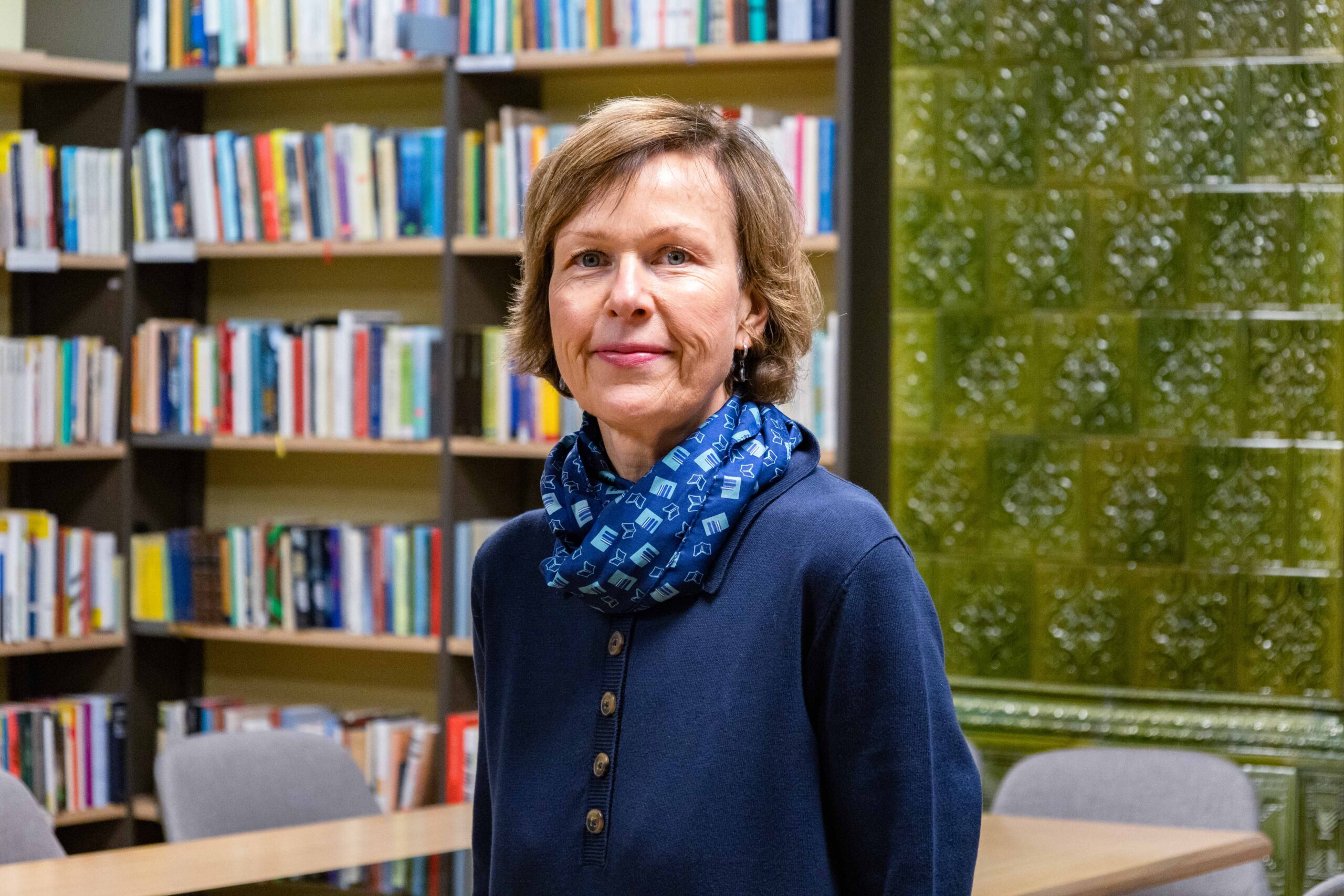
Odeta Maziliauskienė, Chief Librarian at the Adomas Mickevičius Public Library of Vilnius County – one of the exhibition’s partner institutions – emphasises that although teachers, librarians, and parents have increasingly voiced concerns in recent years that children and teenagers are reading less, the reality is not nearly as bleak as it may appear.
“I would argue that this is, to a large extent, the perception of adults rather than a conclusion supported by facts. Having worked in a children’s library for many years, I can say, from my own experience, that reading is gradually becoming an integral part of children’s leisure time. During the summer, they are more likely to choose adventurous, entertaining books, while recommendations from friends or social media often encourage them to take on longer and more substantial works,” says Maziliauskienė.
According to the librarian, the most popular holiday reading typically includes fantasy, adventure stories, humorous fiction, and graphic novels. Readers are drawn to unexpected plot twists and to the opportunity to recognise themselves in the challenges faced by the books’ protagonists.
“I also believe that the example set by adults is just as important. When children see members of their own family reading and taking an interest in books, reading can naturally become part of their leisure time as well. It is always a pleasure to see entire families come to the library together to choose books for their holidays,” the librarian says.
-
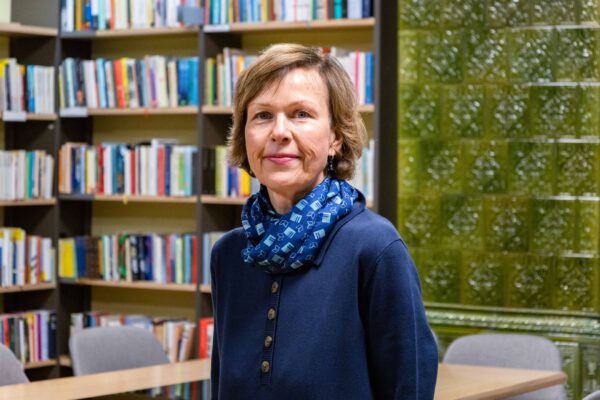
- Odeta Maziliauskienė. Photo: Mindaugas Masaitis