Winter Solstice: Practices of Purification and the Bond with Ancestors
2025 12 17
The winter solstice has been a special celebration for Lithuanians, as for many other European peoples, since ancient times. In the customs marking the anticipation of this natural turning point – Christmas Eve (Kūčios), Christmas Day, and the period between the holidays – pagan and Christian traditions intertwine. The National Museum of Lithuania (LNM) invites visitors to explore the origins of this festival and to reflect on how we mark this transition today.
A fundamental turning point of the year
From the night of the winter solstice onward, nights cease to lengthen and days begin to grow longer. Since time immemorial, this moment has been regarded as a fundamental turning point of the year. It was believed to be a magical time – whatever happened then would influence the entire coming year. For this reason, people sought to behave with particular care, avoiding conflict, debt, and noisy work, and engaging in practices of purification.
Audronė Daraškevičienė, an educator at the LNM House of Histories, explains: “Even today, many people make an effort to clean their homes and settle unfinished matters before Christmas. Some still observe the tradition of fasting. All of this is important as a form of physical and spiritual purification, helping people prepare for the major festival of the year and for a new, brighter phase. The culmination of the festive anticipation is Christmas Eve, when every detail matters – people’s thoughts and behaviour, being together, the food and the ingredients from which it is prepared. Since ancient times, it has been essential that the Kūčios table include dishes made from grains, honey, poppy seeds, and nuts, symbolising the continuity of life and embodying hope for the coming year’s harvest.”
-
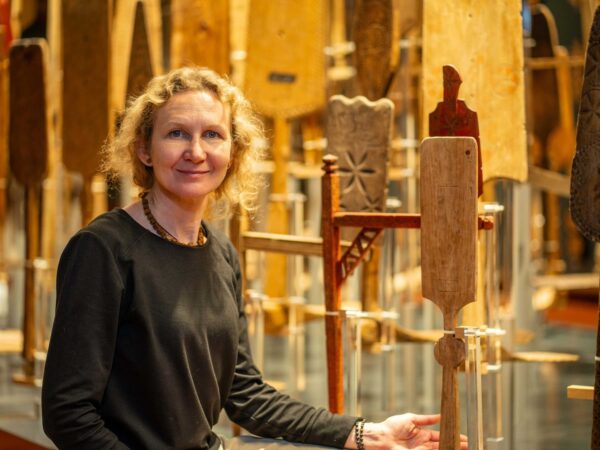
- Audronė Daraškevičienė, educator at the LNM House of Histories. Photo by Silvestras Samsonas, LNM

As Christianity spread across the region, older traditions did not disappear. Instead, they became interwoven with new religious narratives. The celebration of the return of light was aligned with the feast of the birth of the infant Jesus. Through this interweaving, Lithuanian Christmas acquired its distinctive character – Christian symbols coexist alongside motifs derived from pagan culture. Christmas, as a moment of transition, fulfils the same function it did centuries ago: it encourages people to pause, to assess the present, and to begin anew in symbolic terms.
An unbroken bond
During Kūčios and Christmas in Lithuania, family togetherness is of great importance, as is the closeness between the living and their deceased relatives. A belief still widely held today maintains that on the longest night of the year, the worlds of the living and the dead draw closer. An old tradition survives of inviting the souls of the deceased to the festive table by setting a place for them and leaving the food untouched overnight.
-
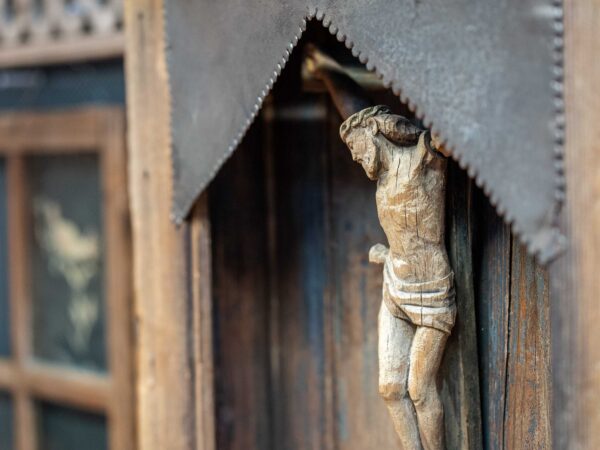
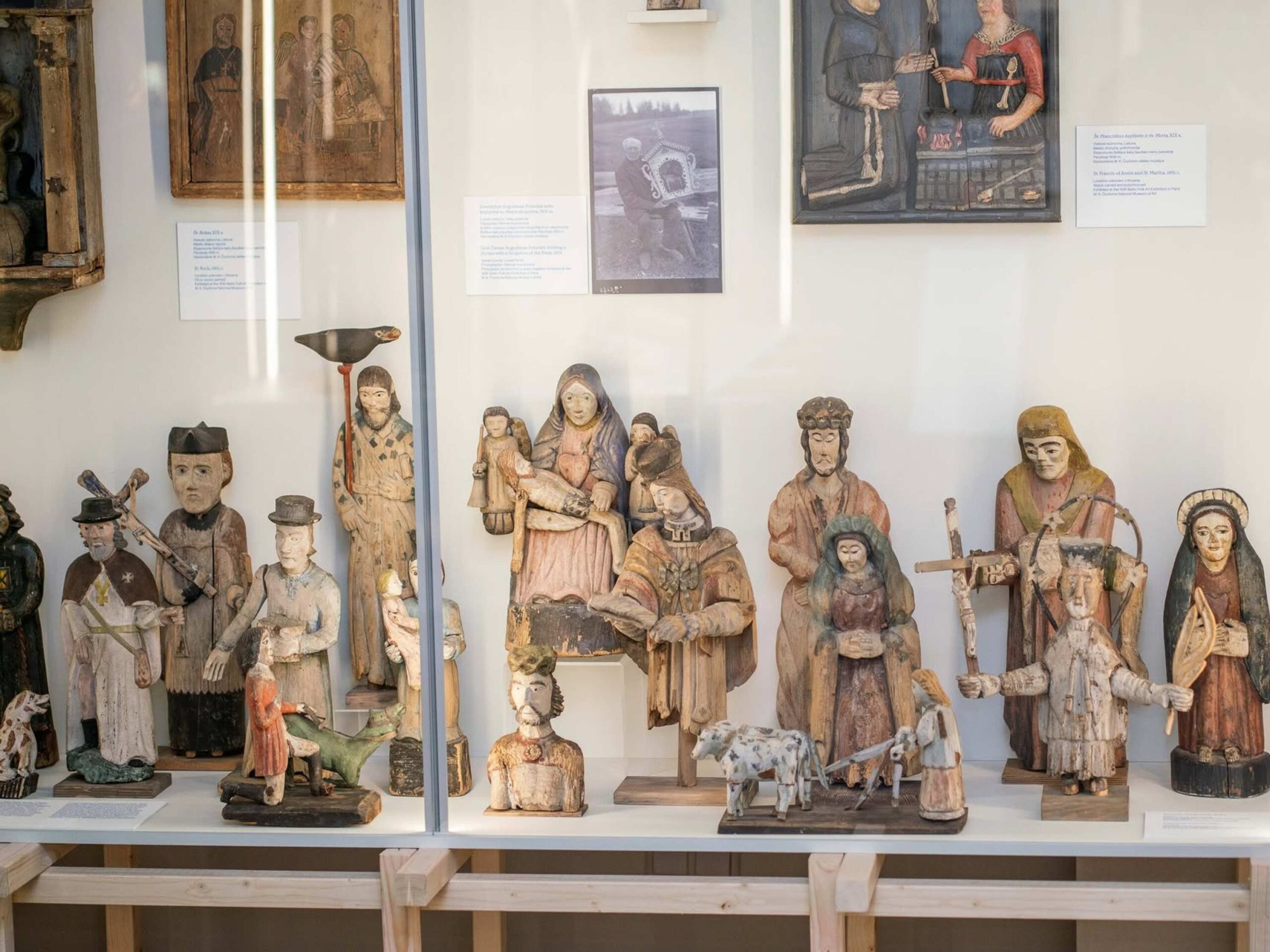
- Ethnographic collections of the National Museum of Lithuania at the House of Histories. Photo by Silvestras Samsonas, LNM

“Inviting the souls of ancestors to the festive table expressed the living’s respect for their forebears and an unbroken bond with them. Moreover, by welcoming the souls to the feast, people sought to gain their goodwill. Ancestors were believed to be guardians of the home, the family, the harvest, and livestock, with family health, prosperity, and success depending on them,” says Daraškevičienė.
These customs reveal a belief that the souls of the dead are not entirely separated from the world of the living, but have instead moved into another phase of their cycle of existence. They also reflect an ancient understanding that everything moves in a circle or a spiral – human life and the year itself have neither a beginning nor an end, only points of transition at which it is necessary to pause before stepping into a new stage.
More about a wide range of traditional Lithuanian customs can be discovered on guided tours of the National Museum of Lithuania’s ethnographic collections at the House of Histories (T. Kosciuška St. 3, Vilnius). During the festive season, themed tours focusing on gift-giving traditions are also offered. More information is available at lnm.lt.
-
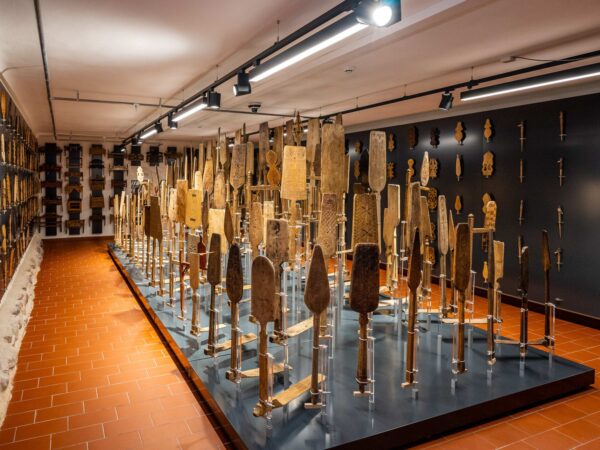
- Ethnographic collections of the National Museum of Lithuania at the House of Histories. Photo by Silvestras Samsonas, LNM