Why Did the Ainu People of Northern Japan Raise a Bear as a Child – and What Did They Do Afterwards?
2026 03 24
Imagine that the bear you meet in the forest is not just an animal. It is a guest from the world of the gods. This attitude may seem unusual, but this is how the Ainu, the ancient inhabitants of Japan, perceived the bear.
Deities Everywhere
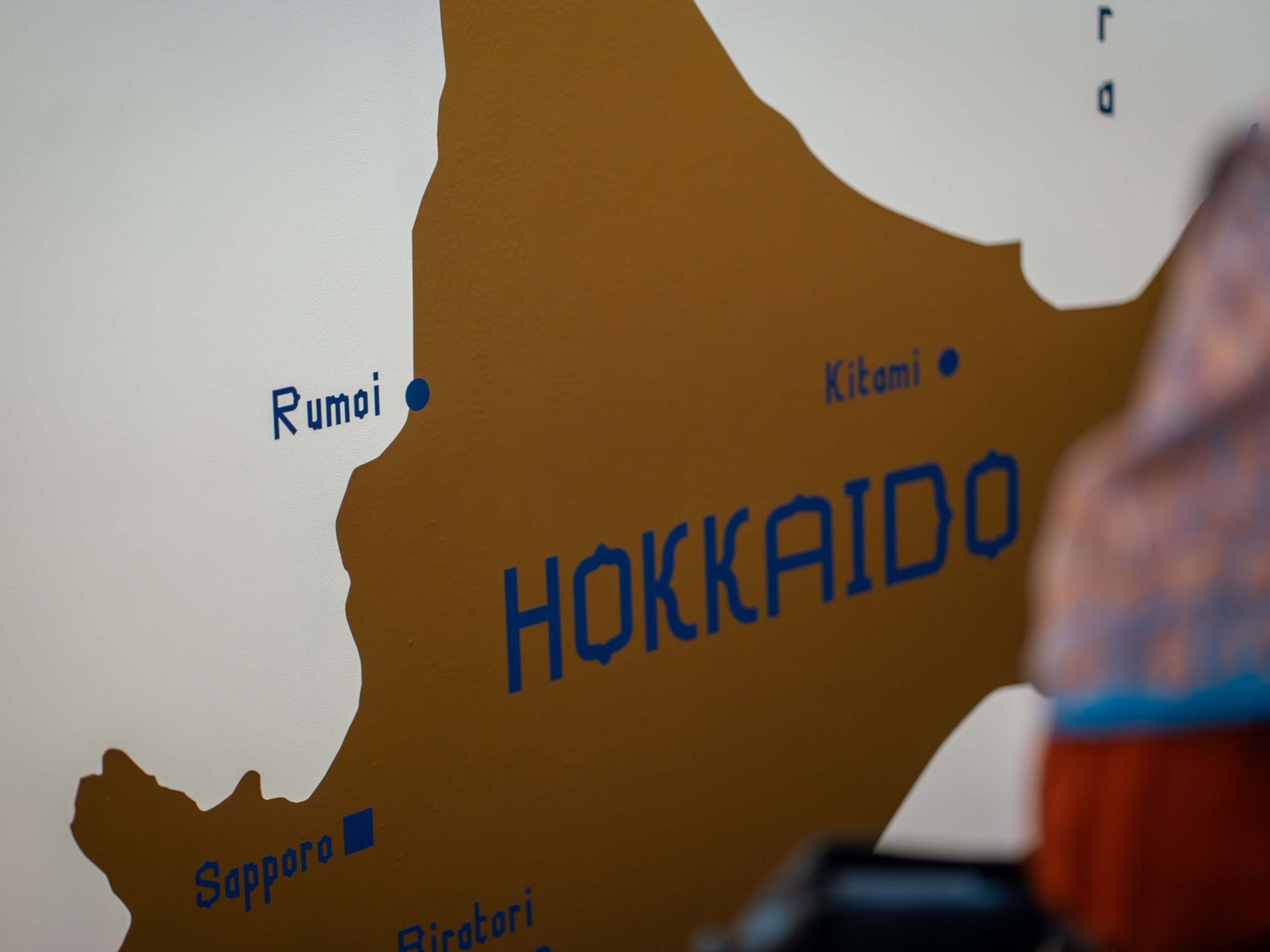
The Ainu are an indigenous people originating from Hokkaido, Sakhalin, and the Kuril Islands. The traditional Ainu way of life and faith is characterized by a close connection with nature.
In the Ainu belief, the world is full of divine spirits called kamuy. Kamuy can live everywhere: in animals, plants, mountains, even everyday objects. The world is not divided into “living” and “dead” – everything is connected.
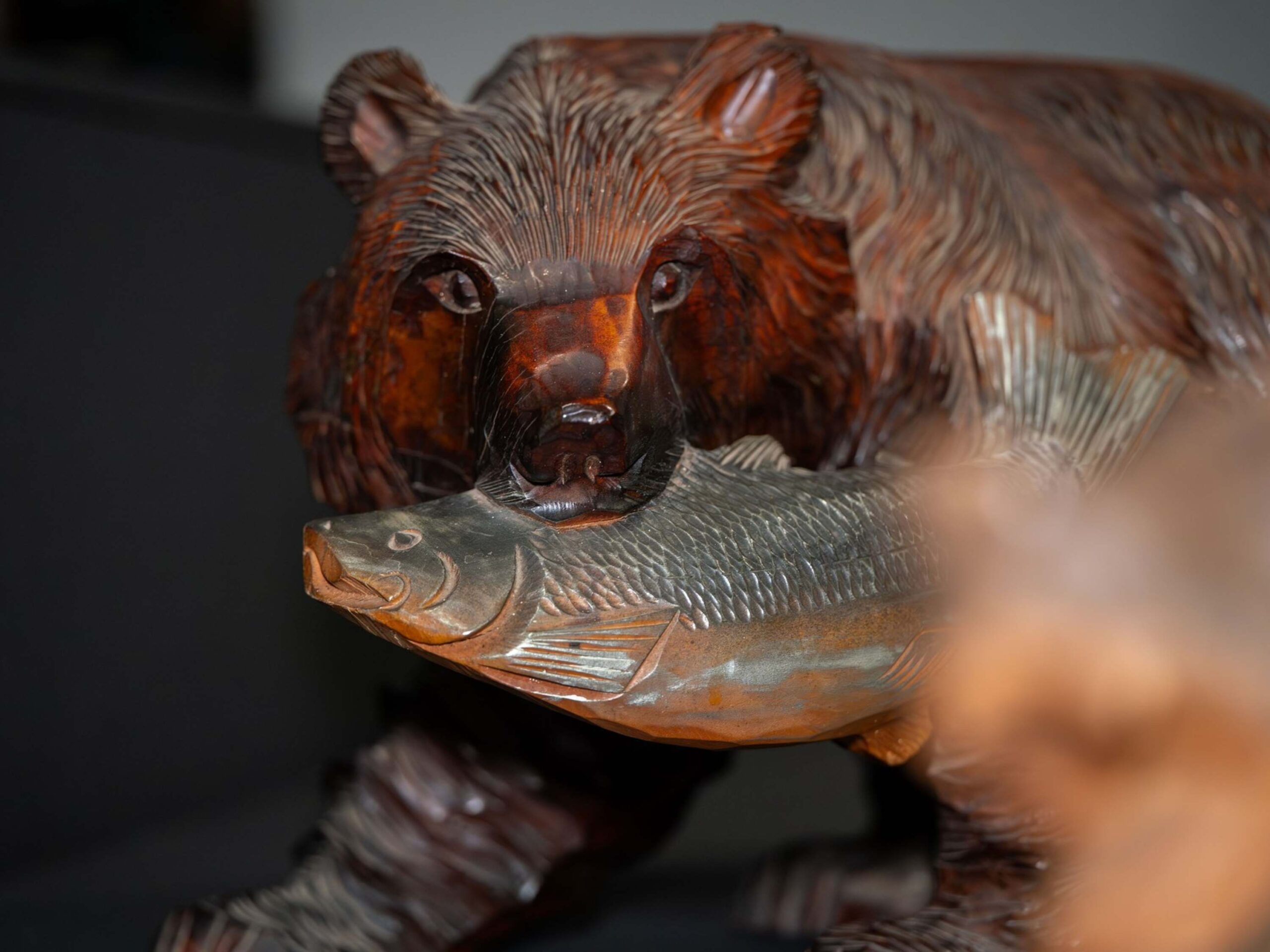
The bear occupies a special place in this world. It is considered one of the most important Ainu kamuy – a deity who temporarily settles on earth, taking on the body of a bear.
Not a Victory Over Nature, But a Gift From the Gods
For the Ainu, hunting is more than just a way to get food. It is a relationship with the gods. According to the ancient Ainu belief, during the hunt, the gods incarnate in animals and “come” to people themselves to give them food.
There is no place in the Ainu worldview for indiscriminate use of resources. Every action has consequences, and the relationship with the environment is based on reciprocity. Man is not considered the master of nature – he is a part of it. If you take, you must also give.
People receive from the kamuy what they need, but they must return it with respect. When hunting animals for food, tools or other needs, their spirits must be respectfully returned to the world of the gods during special farewell ceremonies.
Hunting an animal did not mean a victory over nature, but a meeting with a divine spirit. This gift had to be treated with respect. If a person had acted disrespectfully, it was believed that someone might become angry and not give animals in the future.
Iyomante: Farewell to the Bear Spirit
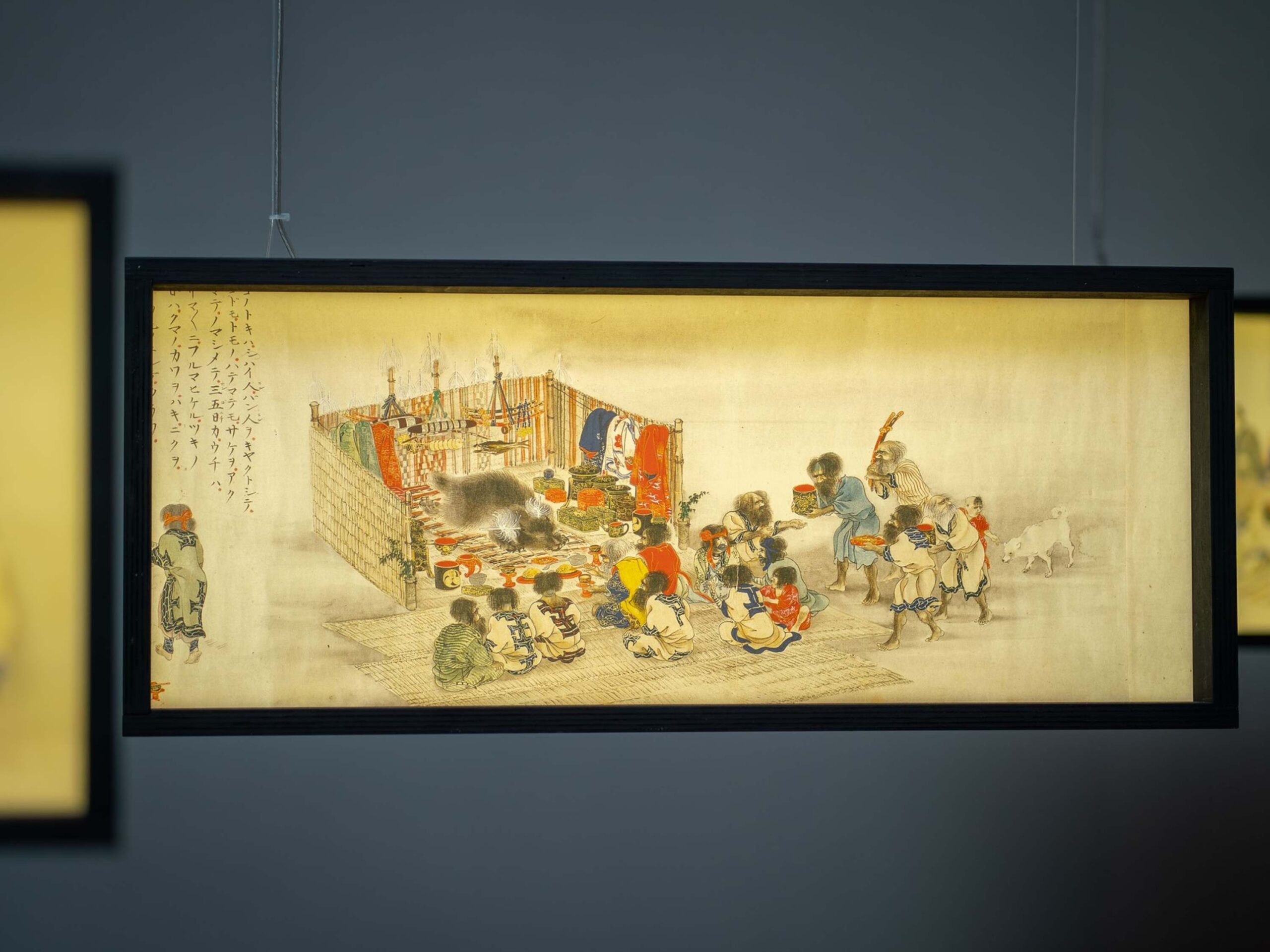
A striking example of the Ainu relationship with the deities is the Iyomante ceremony, during which the bear spirit is released. This ceremony was described in detail and photographed by the ethnographer Bronisław Pilsudski at the beginning of the 20th century.
Hunters would kill a female bear and bring her cub to the village. Then they would raise it as an honored guest for several years. The cub would be well-fed and lovingly cared for like a human child.
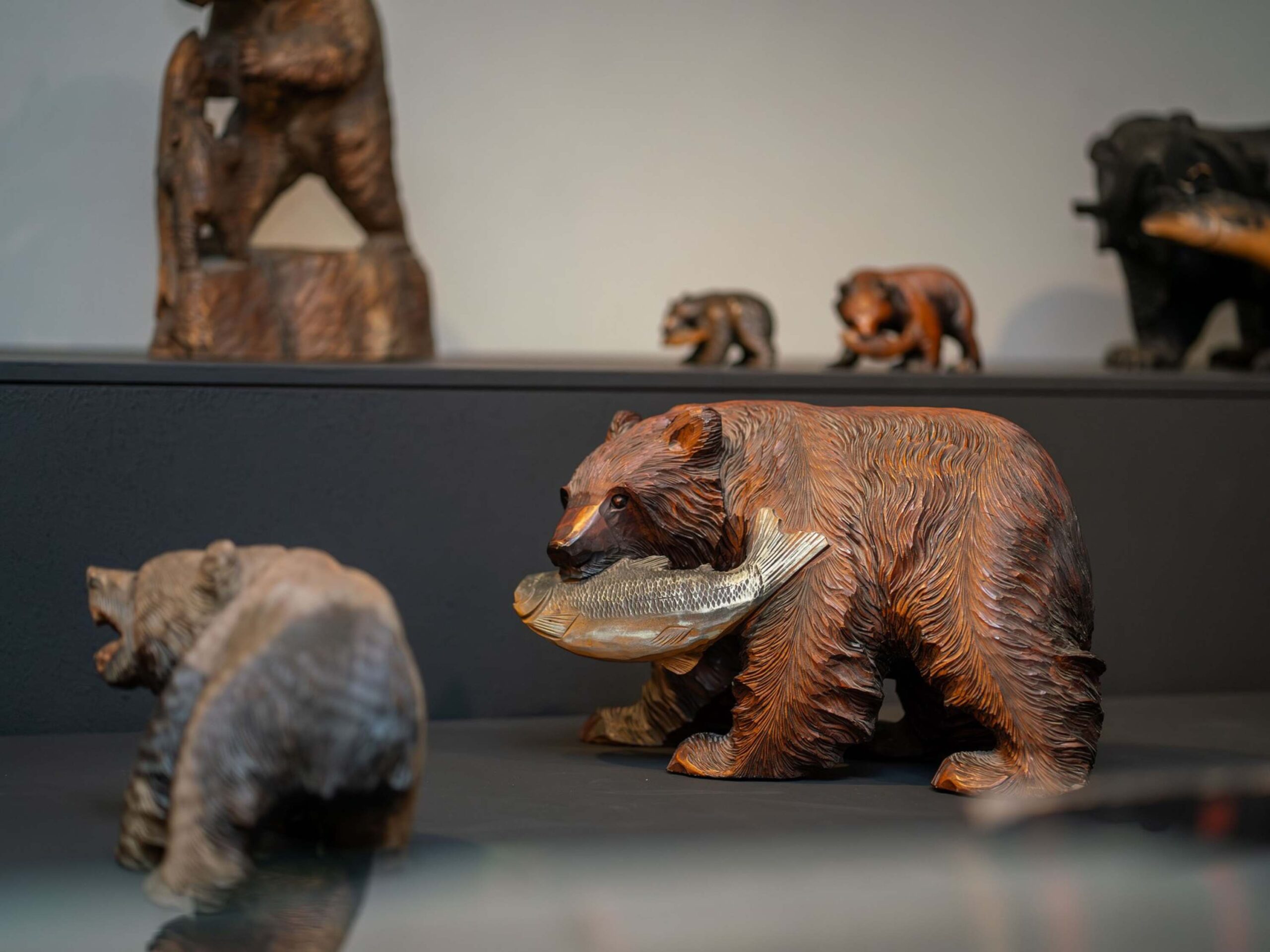
Then came the most important moment, the farewell. During the solemn Iyomante ceremony, the bear would be killed surrounded by the community. It is believed that this frees its kamuy and returns to the spirit world, called kamuy mosir in the Ainu language. The Ainu believed that the bear spirit would be grateful to the people for their care and would repay them by granting them grace.
After the farewell, there were communal feasts, songs, and dances. The bear’s meat was shared among everyone, and its head was kept in a sacred place. This symbolized the Ainu’s gratitude to the spirits and the connection between people and the spirit world.
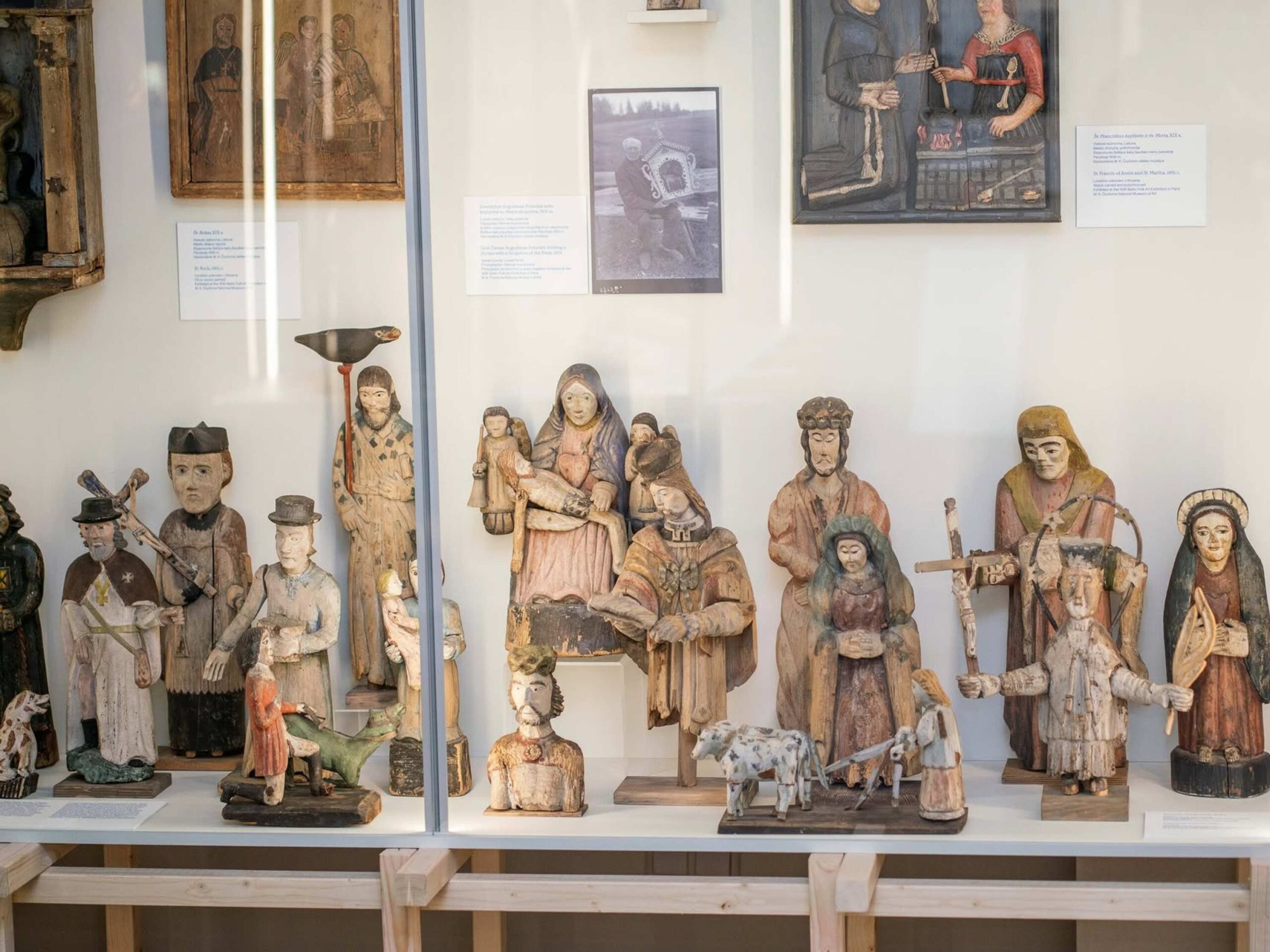
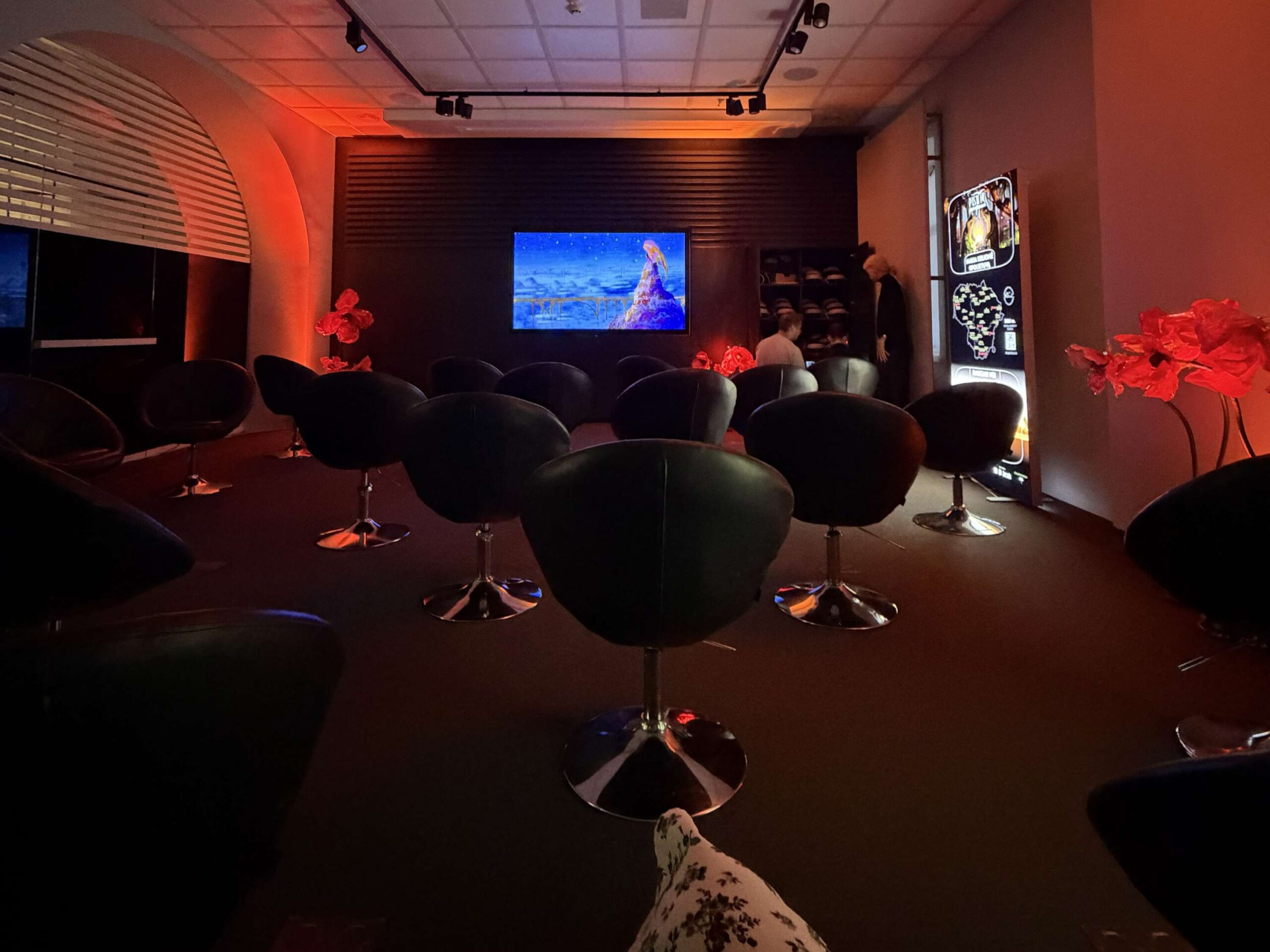
You can learn more about Ainu culture at the large international exhibition of the Lithuanian National Museum “A Soul Between Worlds. The Ainu Nation in the North of Japan and the Ethnographer Bronisław Pilsudski”, which is held at the NML House of Histories (T. Kosciuškos g. 3, Vilnius) until August 2, 2026.
The exhibition is organized by the National Museum of Lithuania and the Józef Pilsudski Museum in Sulejówek. Financial sponsors: Biratori City Municipality in Japan, Japan Foundation, Ministry of Culture of the Republic of Lithuania, Polish Institute in Vilnius, Embassy of the Republic of Poland in Vilnius. More information at lnm.lt.
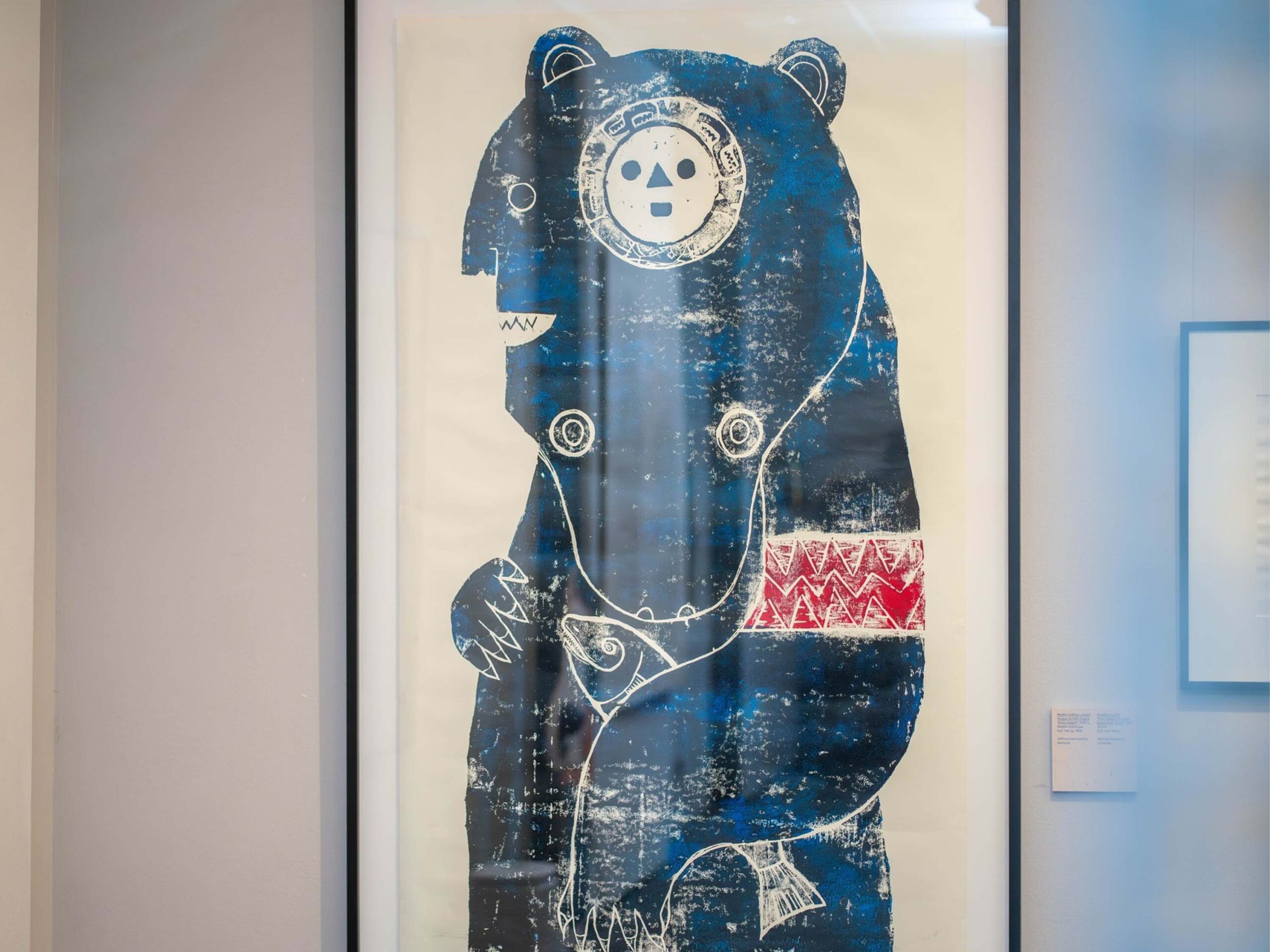
Photo: Silvestras Samsonas, NML