Time for Yourself at the Museum: Why is the Gediminas Castle Tower Sometimes Needed for Psychological Strengthening?
2026 02 20
Constantly combining professional challenges, caring for others and personal expectations, we increasingly lack time for ourselves to restore our inner balance. Psychologist Paulius Rakštikas talks about the importance of mindful practice for today’s people – the ability to stop, listen to our needs more consciously and strengthen our emotional resilience.
According to him, the program “Laikas sau” (“Time for Yourself”) implemented at the National Museum of Lithuania helps us to more easily step back from our daily routine, deepens our experience and creates conditions for meaningful self-reflection. 14 participants are invited to join the upcoming project, registration is open until March 5.
When the Inner Compass Demagnetizes
Internal strengthening and growth may sound quite abstract, but, according to P. Rakštikas, behind these words lie specific personal motives: changing habits, more flexible thinking and the courage to make positive changes in life.
As a psychologist with many years of experience in teaching self-development practices, this year P. Rakštikas is gathering groups for a two-month “Time for Yourself” program, which will take place in branches of the National Museum of Lithuania. According to him, it is precisely the open communication in the group and the unusual environment of the museum that become the conditions for thoughtful change: here growth is understood not as a sudden transformation, but as the courage to pause, to tame discomfort and to consciously explore oneself.
-
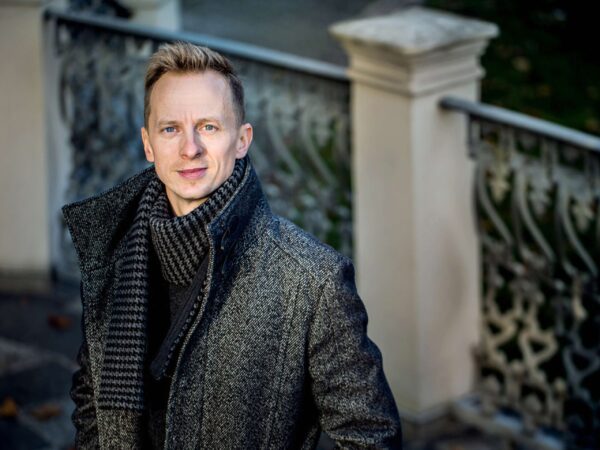
- Paulius Rakštikas. Photo: personal archive

“Of course, a person does not become completely different in two months, but usually such a period is enough to step back from their usual actions and explore their behavioral and thinking patterns. Psychological strengthening programs primarily provoke being with themselves differently than in everyday life. Participants experience new situations, reflect on them, experiment with their behavior and try out changes in everyday life,” says the psychologist.
P. Rakštikas adds that in this way, changes are gradually integrated into life: a person can more clearly recognize what they feel and think, give in less to automatic reaction patterns, and better understand their needs.
“When we go through more difficult periods, the internal “compass” of needs often becomes unbalanced, it seems that it is not clear what is needed, or that everything is needed at once. The psychological strengthening program creates conditions for stepping back, realizing and restoring this clarity. Reflection is an essential condition for growth – we experience and then consciously reflect on our experiences. In everyday life, we often act automatically, so conscious change requires stopping, rethinking, and only then returning to acting differently,” says P. Rakštikas.
Becoming Part of a Larger Story
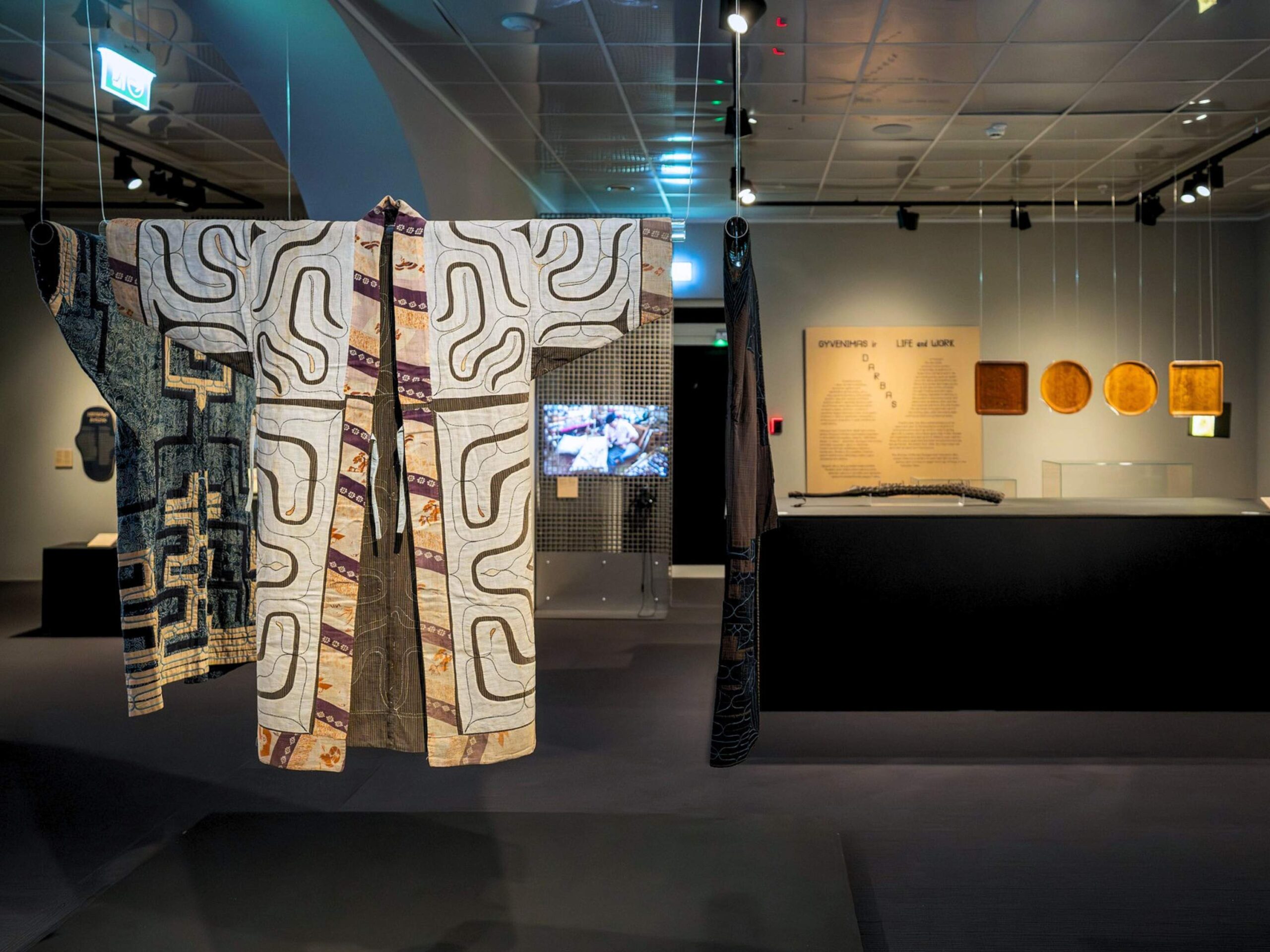
According to the psychologist, it is precisely the spaces of museums that can naturally broaden one’s personal perspective – although this may seem like an unexpected environment for psychological strengthening, the life that a person comes with can nevertheless become part of a larger story.
“Being in a museum provides the opportunity to retreat and see more broadly. When we move from our internal focus on problems to another space, among more people or into another experience, our worries take on another dimension. It is the museum environment that helps us stop and move into reflection,” says P. Rakštikas.
According to him, in an unusual environment, more meaningful provocations arise, more depth and breadth for thinking. In this case, the museum is not just a backdrop for the experience or simply a room filled with exhibits – the museum and its environment become part of the experience itself, even a kind of interlocutor, says the psychologist.
-
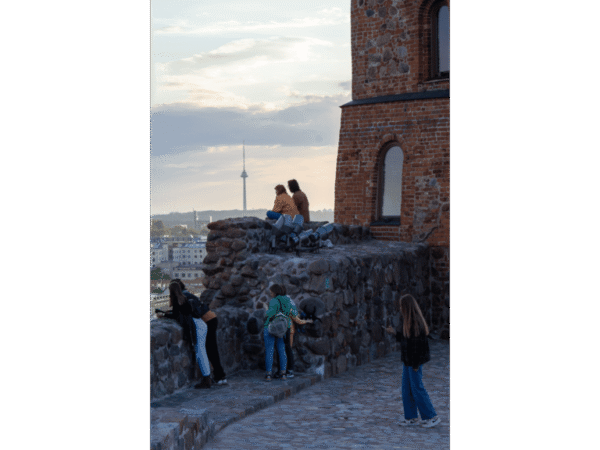
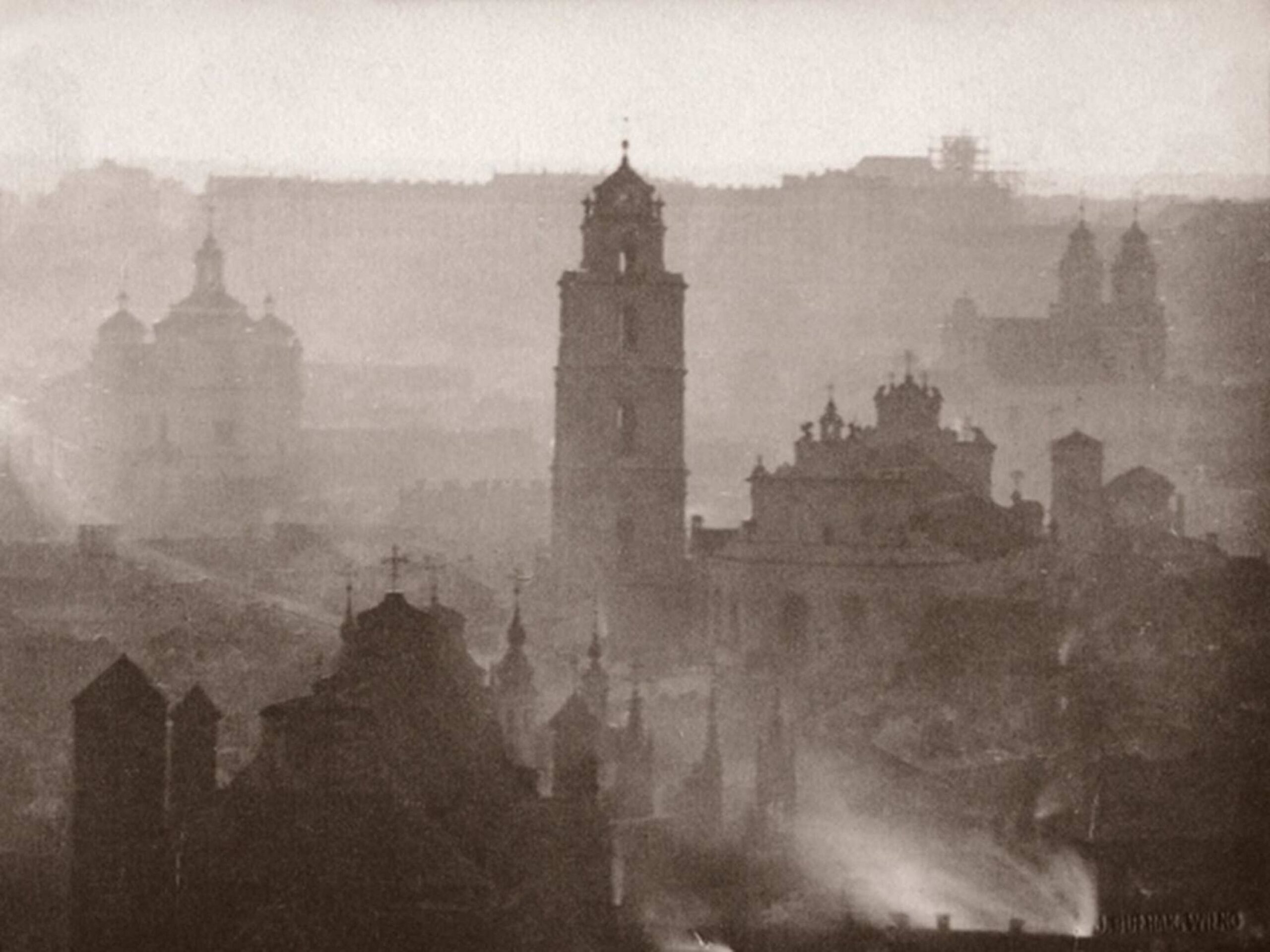
- Gediminas Castle Tower. Photo: Augustinas Bėkšta, NML

“The museum environment, where a group of people gather to strengthen themselves psychologically, is not the same as a closed psychologist’s office. Psychological growth requires openness – and sometimes the courage to appear vulnerable, to be visible. This can be uncomfortable, but it is precisely such a sincere meeting with oneself that is a necessary condition for growth – it is rarely comfortable. When learning or striving for change, sooner or later we encounter additional effort, which can be felt as an inconvenience,” says P. Rakštikas.
The teacher of mindfulness emphasizes that avoiding inconvenience reduces resilience to it, and when faced with inevitable life challenges, one may lack the internal resources to cope with it or overcome the inconvenience.
“The program creates a safe environment where you can explore your fears, tensions, talk about discomfort and learn to be with it. Discomfort here becomes an inevitable part of growth. We grow stronger not when it is easy, but when it is not easy,” emphasizes P. Rakštikas.
Help Not Only for Yourself, but Also for Others
As the psychologist says, emotional empowerment groups usually bring together people with similar interests – all who want to push away from a certain point and move forward on the topics relevant to them.
“Although individual challenges may differ, people are united by common experiences, so a safe, supportive environment is created in the group. The source of learning becomes not only the program leaders, but also the experiences and insights of the participants themselves. Having “brought” their own situation, people can see it not only from their own perspective, but also hear how others see it. This provides a broader vision, encouragement and support, which is often lacking in everyday life,” notes P. Rakštikas.
The psychologist reminds that from March 5, the “Time for Yourself” program will start, which will take place for two months in the departments of the National Museum of Lithuania: the Castellan’s House, the Old Arsenal, the House of Histories, the Gediminas Castle Tower, the House of Signatories, the Bastion of the Vilnius Defence Wall and the Kazys Varnelis House-Museum.
More information and registration: click here.
-
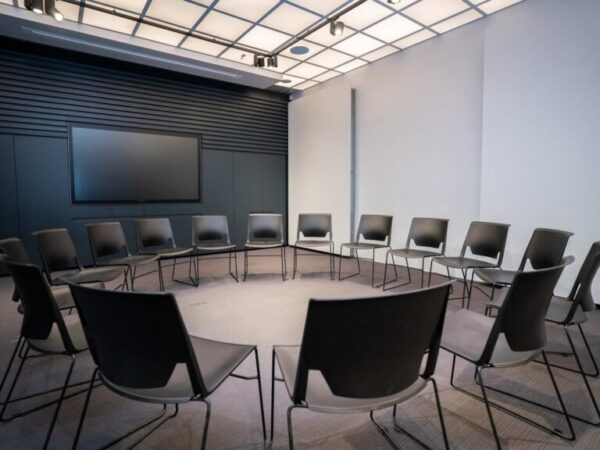
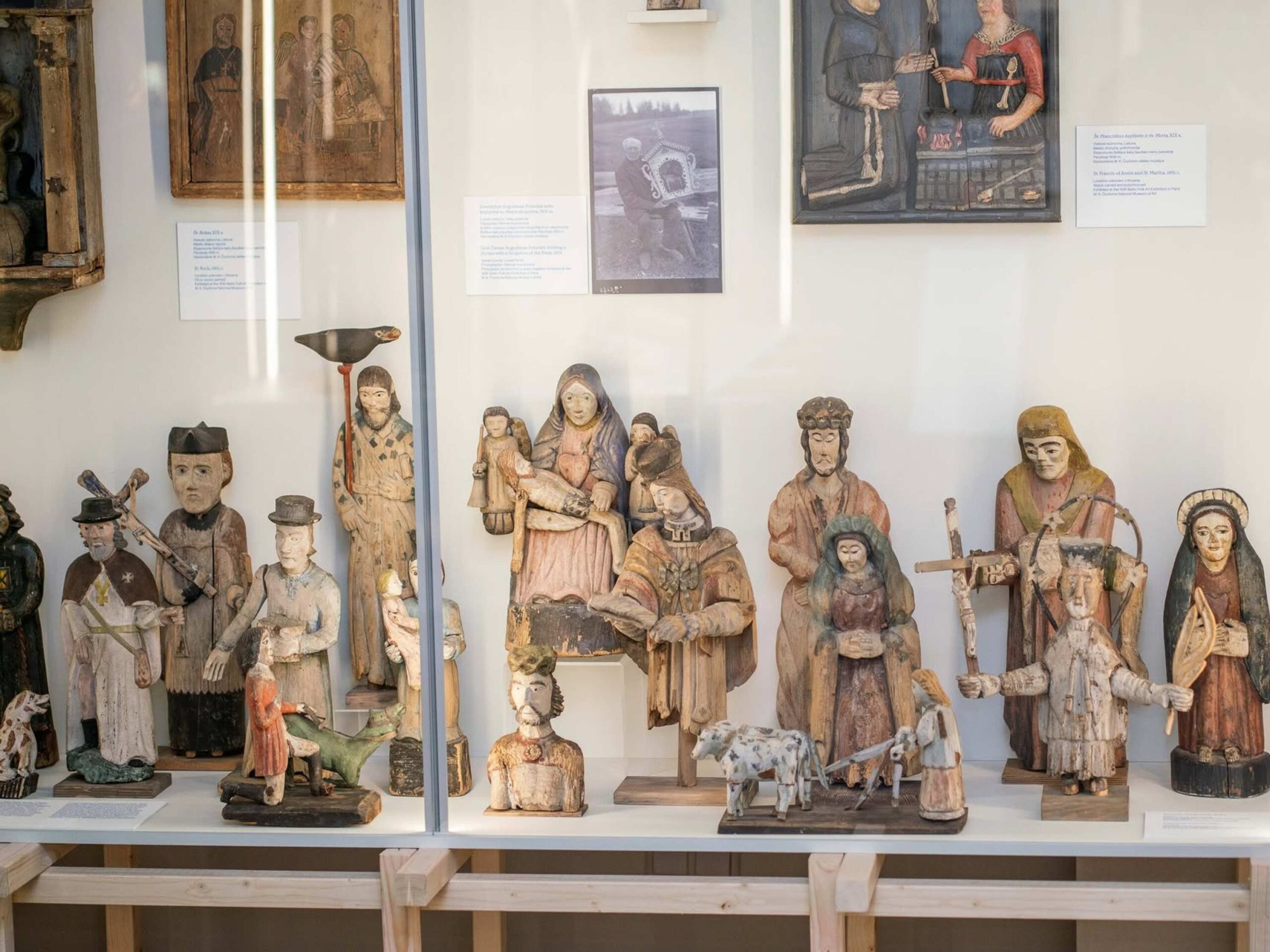
- Time for yourself. Educational hall of the NML House of History. Photo: Silvestras Samsonas, NML