The New Arsenal: Reconstruction Work Begins Following Preliminary Contract Signing
2025 07 11
The National Museum of Lithuania has taken a major step toward the renewal of one of its most important divisions – the New Arsenal. Last week, a preliminary public procurement contract was signed with the company “Infes”, paving the way for the reconstruction of this significant cultural site.
The preliminary agreement defines the key terms for the main contracts – work deadlines, prices, and general provisions – which may not be changed. Several main construction contracts are planned, depending on the work schedule and available funding. The first is expected to be signed later this month, after which preparatory work will commence.
Project Duration: 42 Months, Nearly €13 Million in Value
The reconstruction is expected to take 42 months, with a total project value of €12,988,449.23 (including VAT). The work will be carried out in stages, allowing for more efficient planning of both funding and project implementation.
Initial phases – demolition, excavation, utility infrastructure preparation, and other groundwork – will not be visible to the public. The most noticeable changes, such as the renovation of facades and the roof, are planned for later stages.
-
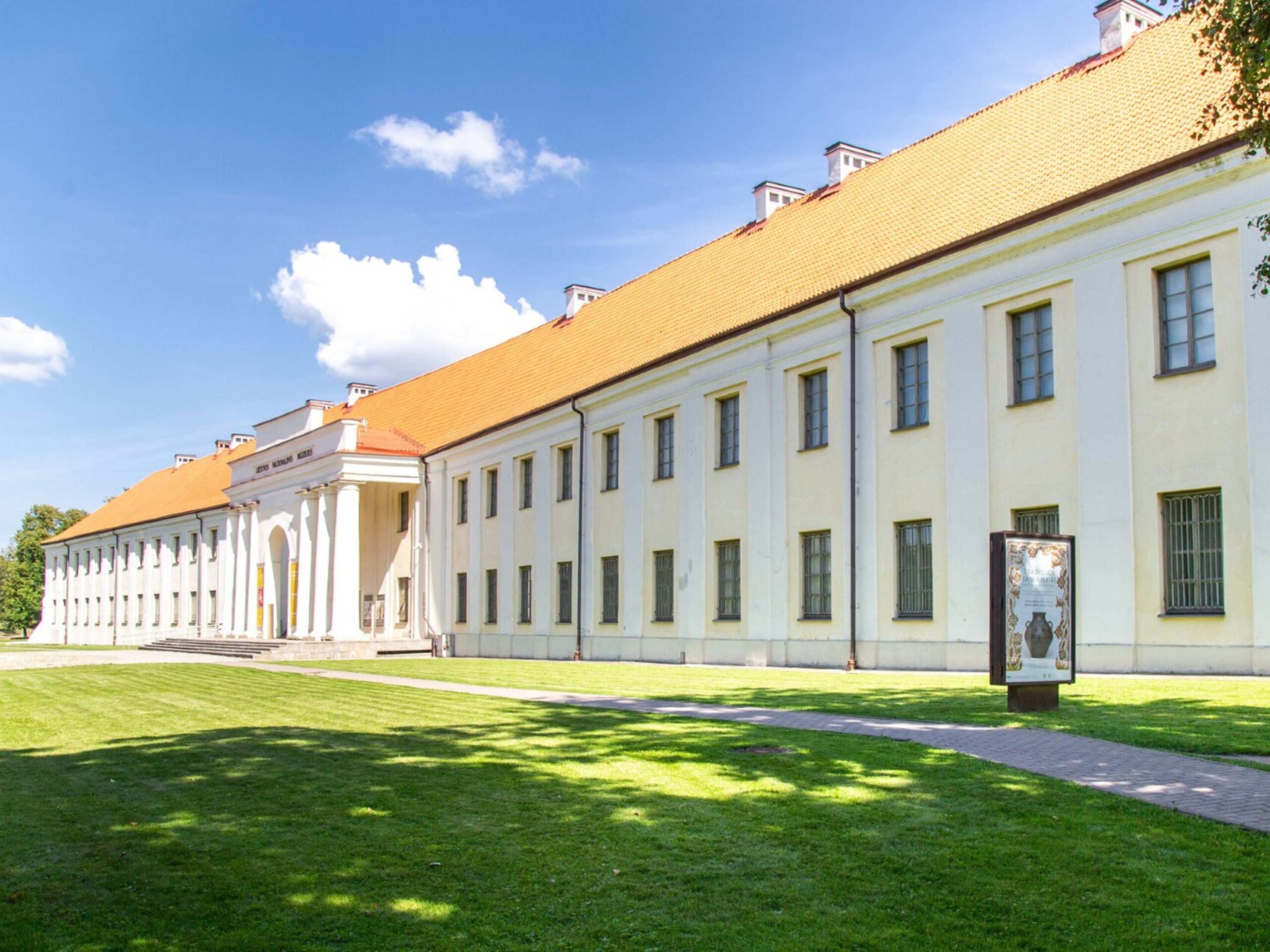
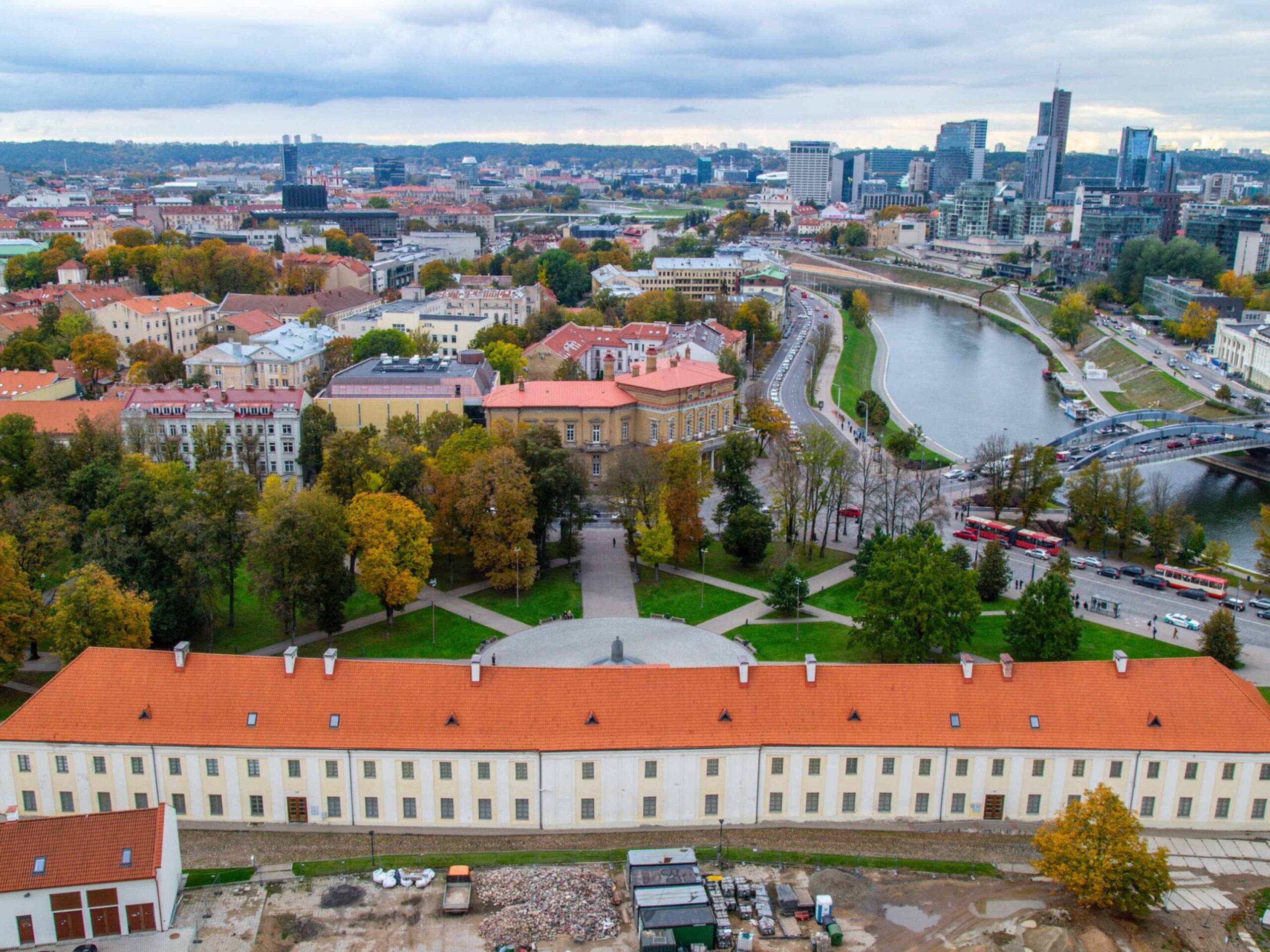
- The New Arsenal. Photo by L. Penek
Once completed, the renewed museum will include flexible exhibition halls, multipurpose spaces for educational programs and conferences, and administrative facilities. For visitor comfort, a café with an outdoor terrace is planned for the ground floor.
A Future Exhibition to Tell the Story of Lithuania
Located next to the monument of King Mindaugas, the New Arsenal was for many years one of the most visited divisions of the National Museum of Lithuania, yet it has not seen renovation in decades.
The reconstruction design was developed by “Processoffice”, an architecture studio with extensive experience working with museums. The upcoming exhibition is being designed by the museum itself. As General Director Dr. Rūta Kačkutė notes, “The New Arsenal is the symbolic face of the museum and a marker of our relationship with history. This renewal is not only about reconstructing a building, but also about rethinking our approach. We are transforming not just its appearance, but also the way we tell stories and engage with visitors. This project allows us to meet contemporary expectations and to create a space where history can not only be seen, but also felt.”