The National Museum of Lithuania to Open Exhibition in Nagoya Next Year
2025 07 14
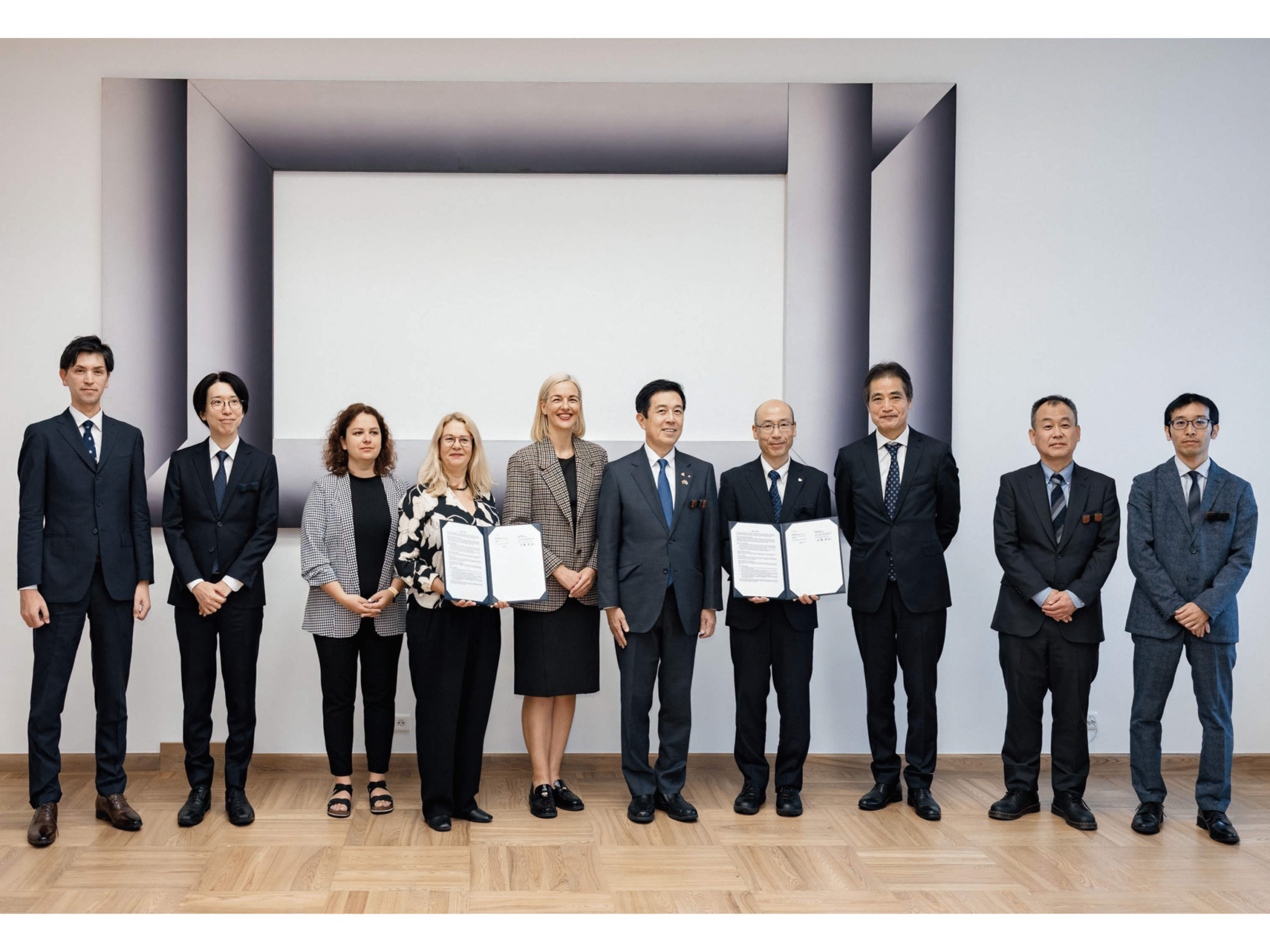
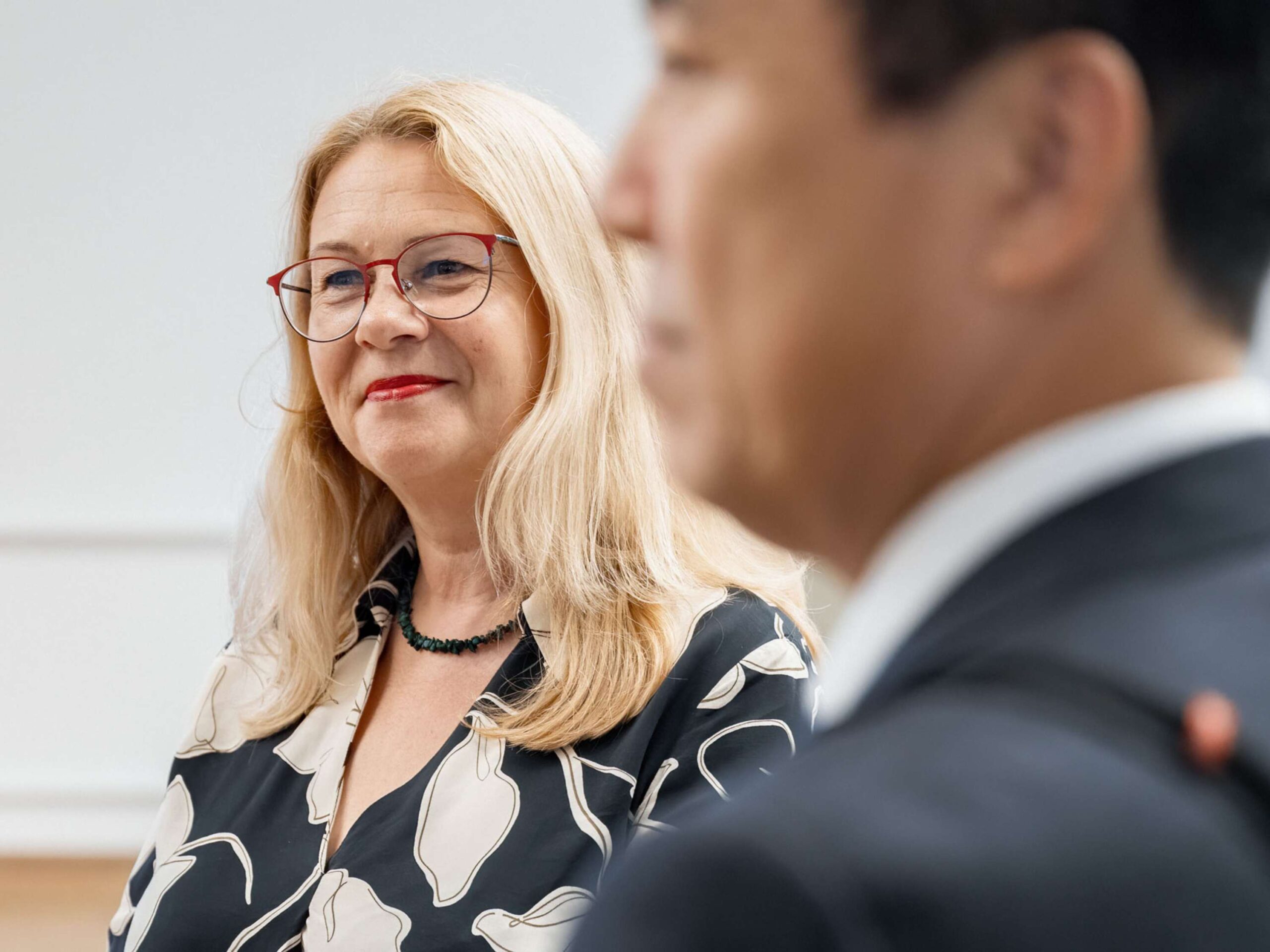
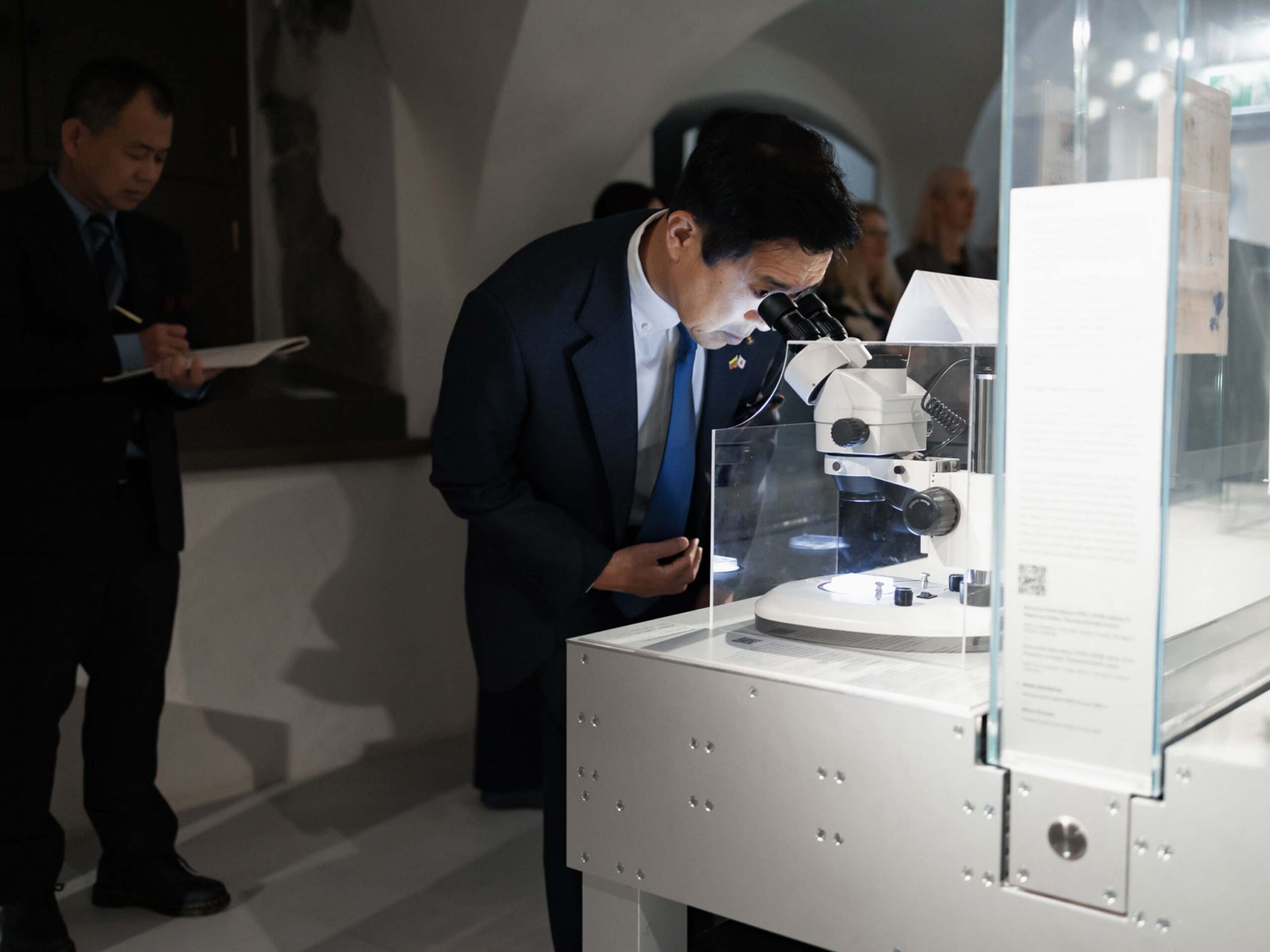
The Nagoya City Museum and the National Museum of Lithuania (LNM) have signed a memorandum of understanding to hold a major exhibition on Lithuanian culture and history in Japan. The exhibition will open to the public on September 5, 2026. On this occasion, the Mayor of Nagoya City, Ichiro Hirosawa, visited the National Museum of Lithuania, where he also toured its newest branch – the Castellan’s House.
The memorandum of understanding officially confirms the plan to organize an exhibition titled Lithuania – Songs Echo in the Baltic Forests at the Nagoya City Museum in 2026. This will be the first large-scale exhibition in Japan dedicated to Lithuania, presented through two of its most powerful cultural symbols – the forest and the song.
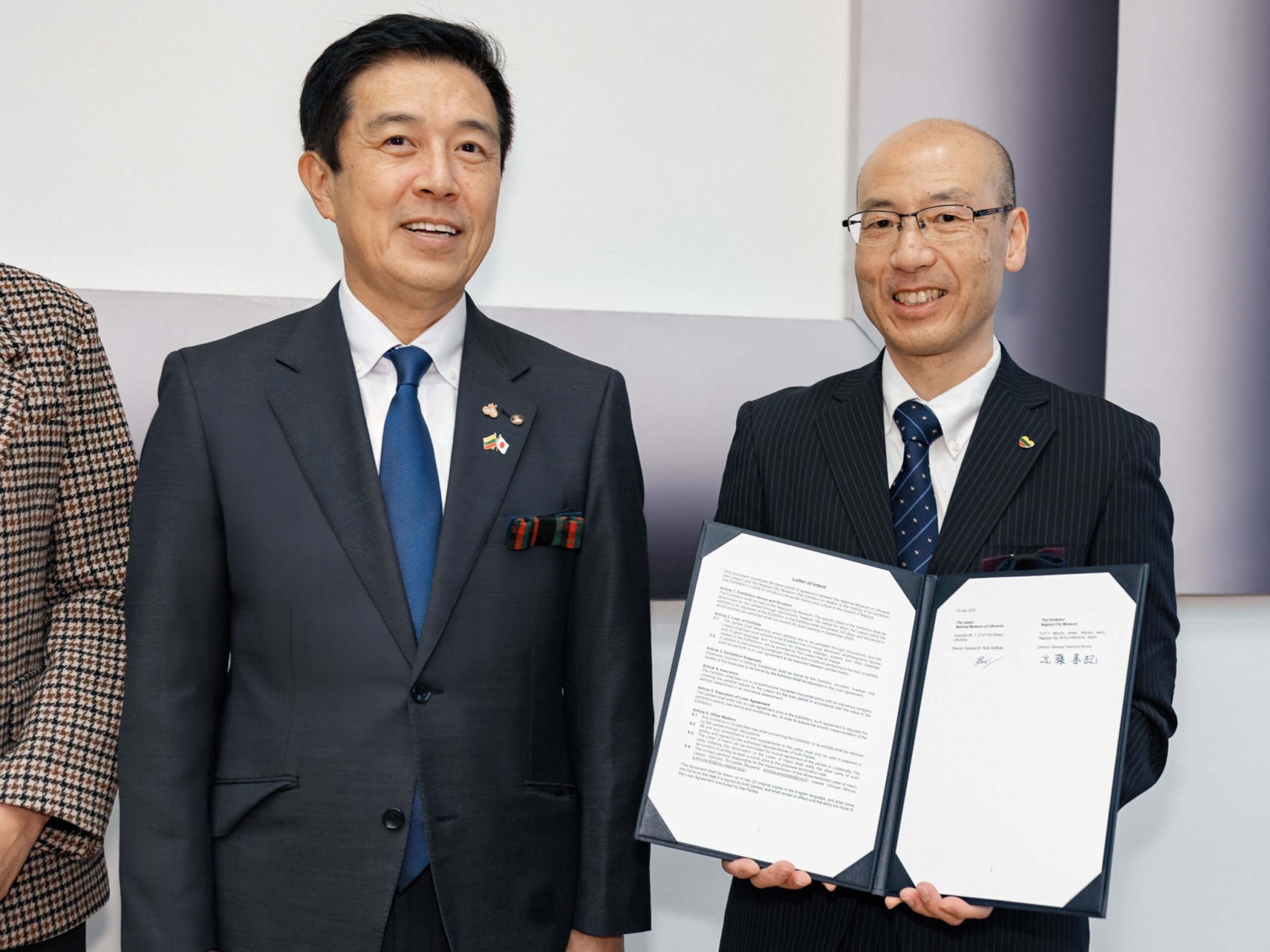
The exhibition will be held in the Special Exhibitions Hall of the Nagoya City Museum from September 5 to November 1, 2026. It will introduce Japanese audiences to Lithuania’s history from the Middle Ages to the present day. At the heart of the exhibition are the images of the forest and song – deeply rooted in Lithuanian culture and transformed into symbols of resistance and freedom, from the armed partisan struggle against Soviet occupation in the forests to the Singing Revolution and the Baltic Way. Visitors will discover the key turning points in Lithuanian history and explore how the bond between nature and people, along with traditions of song and dance, have shaped national identity and the pursuit of independence. This will be the first exhibition of its kind following the Nagoya City Museum’s reconstruction.
“The exhibition will be a journey through Lithuanian history for the residents of Nagoya and its visitors – and a new thread of friendship between our countries. I am delighted that the city of Nagoya, the birthplace of diplomat Chiune Sugihara, is opening its doors to Lithuania’s story,” said Dr. Rūta Kačkutė, Director General of the National Museum of Lithuania.
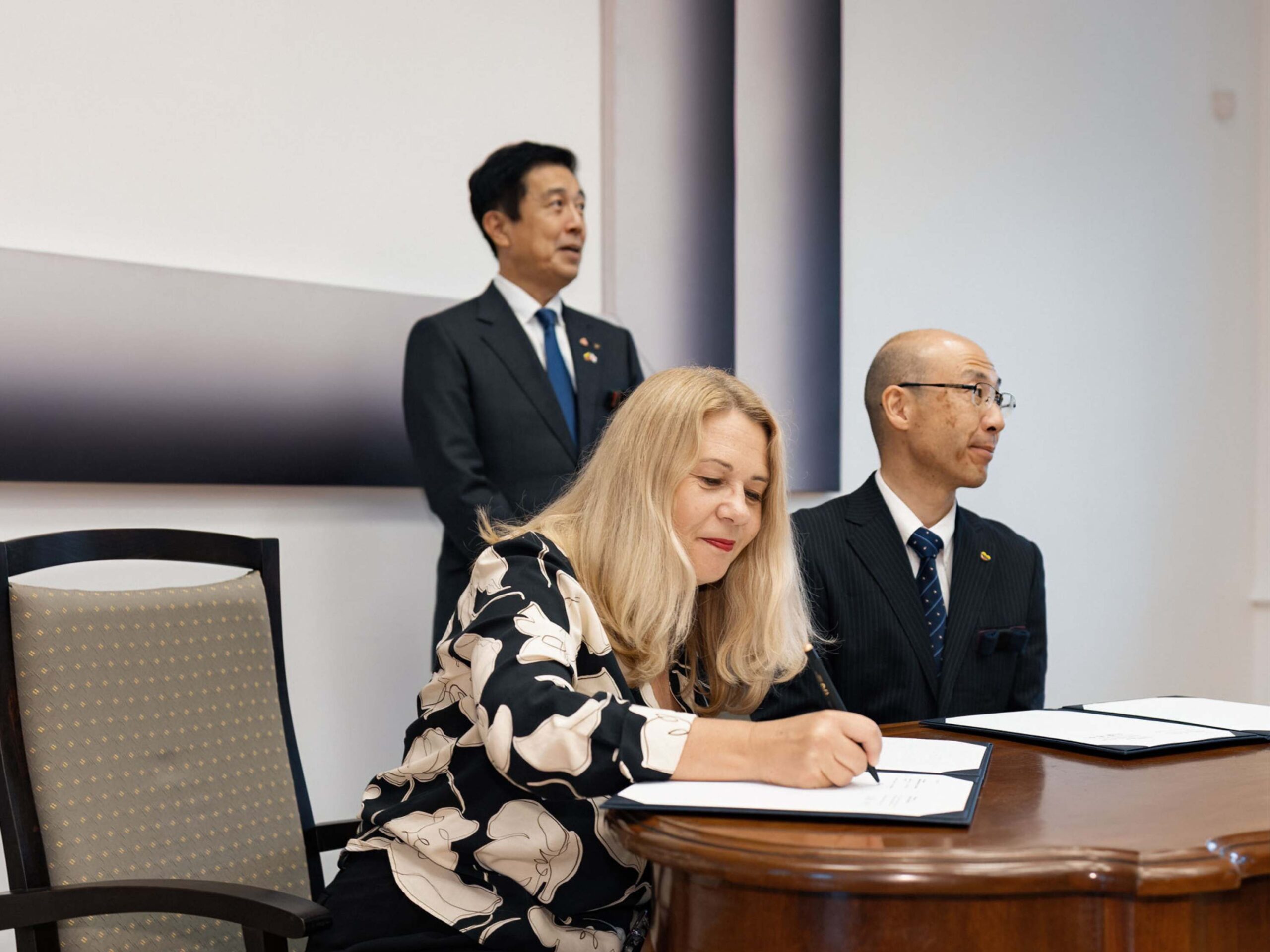
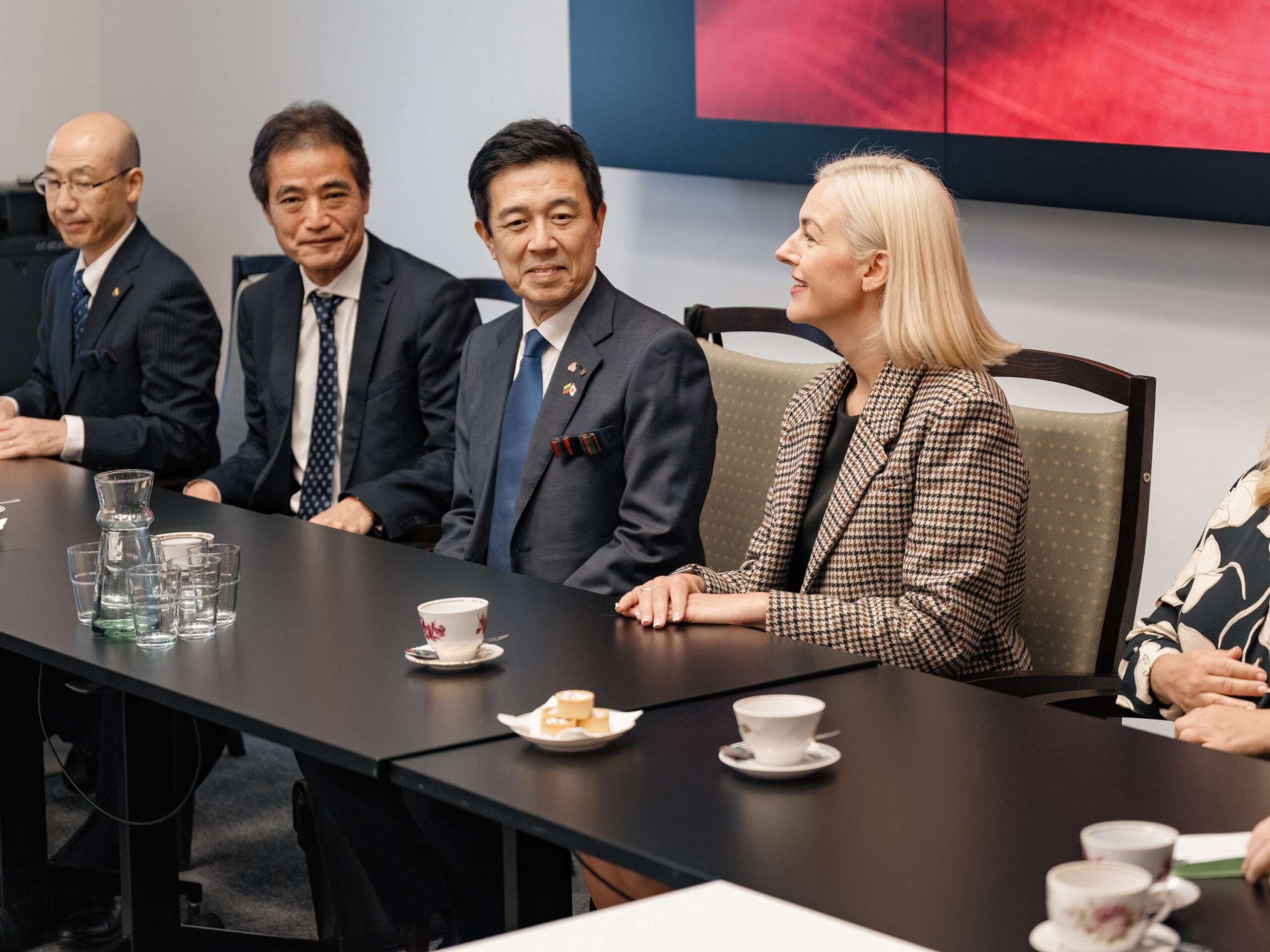
During the meeting, Nagoya Mayor Ichiro Hirosawa emphasized the importance of cultural ties between Lithuania and Japan.
“Lithuania is still relatively unfamiliar to many Japanese people, so we are pleased that this exhibition will provide an opportunity to learn about it. In exploring Lithuania’s history and culture, I realized that we share human similarities – character traits, warmth, and the smiles on our faces. It is true that our countries have had different historical experiences: until the 19th–20th centuries, Japan had no external enemies, whereas Lithuania constantly had to fight for its survival and very existence. I have known about Chiune Sugihara’s story since my youth, as I attended the same school he did,” said Mayor Ichiro Hirosawa.
Singing Forests and the Pursuit of Freedom
The exhibition Lithuania – Songs Echo in the Baltic Forests will invite visitors at the Nagoya City Museum to discover Lithuania as a country where reverence for nature and a rich musical tradition form the foundation of its culture. These two elements – the forest and the song – have both contributed, in different ways, to the nation’s struggle for freedom: from partisan resistance to the Singing Revolution. The exhibition’s core themes will unfold through three narrative layers – daily life, celebration, and resistance.
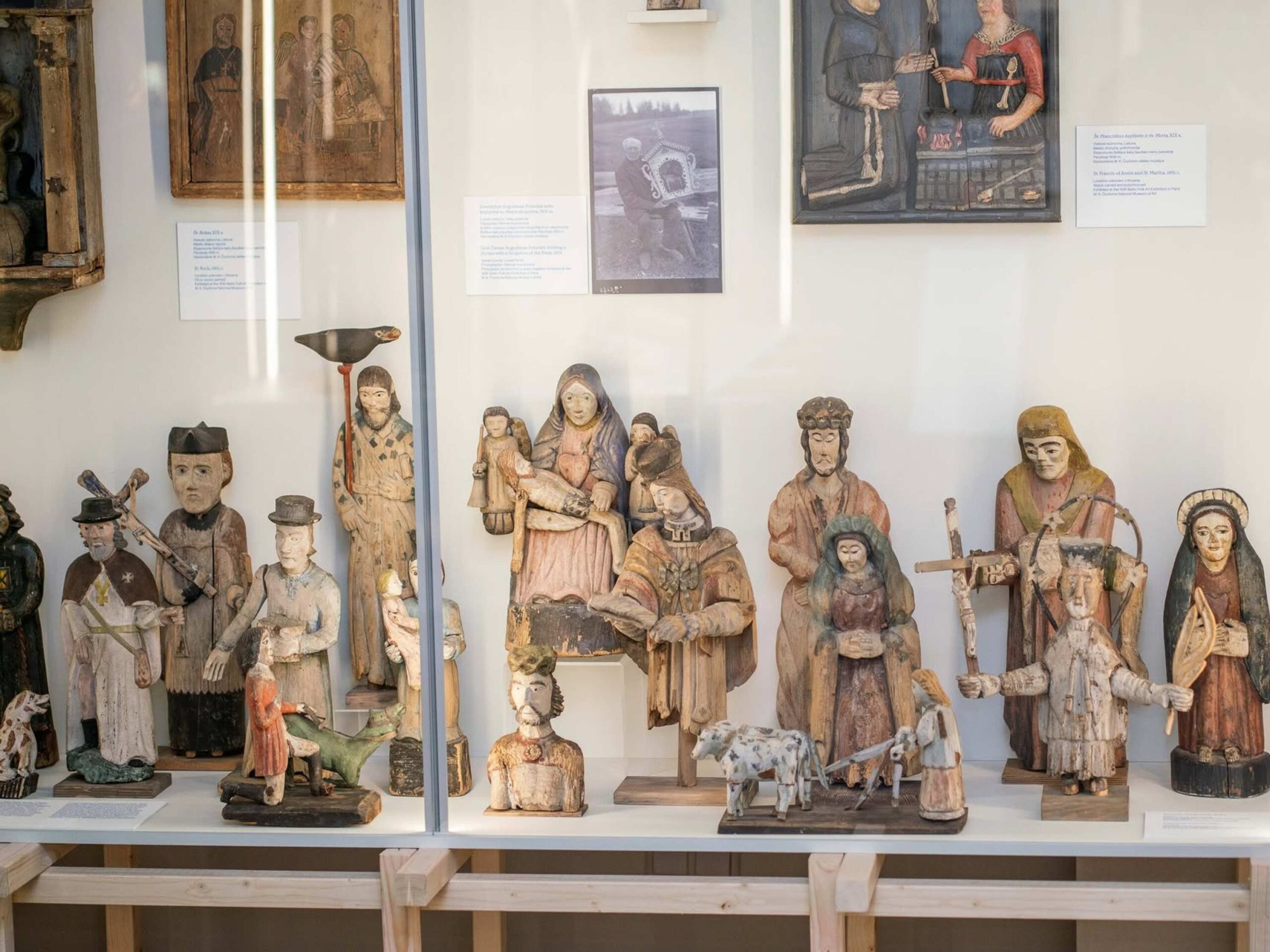
Forests, which cover a significant part of Lithuania, have shaped people’s lifestyles, customs, and artistic expression. The exhibition will feature archaeological finds, wooden household items, and folk art carvings that tell the story of life in close connection with nature.
Another highlight of the exhibition is Lithuania’s vibrant singing culture. Visitors will learn about the Song Festival, a UNESCO-listed element of intangible cultural heritage that played a vital role in the country’s struggle for freedom and continues to bring thousands together today. Colorful national costumes, musical instruments, and archival recordings will illustrate how collective singing fosters community spirit and has historically held special meaning in the pursuit of independence.
The exhibition will also present the major historical milestones in Lithuania’s journey toward freedom – episodes of both armed resistance and diplomacy that reflect the country’s place between the spheres of influence of East and West. A special focus will be given to the work of Chiune Sugihara in Kaunas.
Chiune Sugihara was a Japanese diplomat who served as Vice-Consul in Kaunas from 1939 to 1940. Risking his career and life, he issued transit visas to Jewish people, helping them escape Nazi persecution. Sugihara’s humanitarian mission is a shared chapter in the histories of Lithuania and Japan – a lasting symbol of compassion and courage. His legacy is honored in Lithuania to this day, and the exhibition in Nagoya – his hometown – will serve as a poignant reminder of this extraordinary act of solidarity.
The story will be complemented by insights into contemporary Lithuania: its advances in high technology, renewable energy, achievements in sports, and other areas that reflect the country’s openness to the world and its ability to preserve its unique cultural heritage.
It is hoped that the exhibition will mark a significant step in strengthening cultural cooperation between Lithuania and Japan, deepening international ties, and introducing Japanese audiences to the richness and diversity of Lithuanian culture and history.
Photos by Gediminas Trečiokas, LNM