The First Ladies of Lithuania and Ukraine honored the shared history of freedom struggles at the Castellan’s House
2026 01 28
On Sunday, in commemoration of the January Uprising, Lithuanian First Lady Diana Nausėdienė and Ukrainian First Lady Olena Zelenska visited the Castellan’s House, a branch of the National Museum of Lithuania.
During the visit, the First Ladies of Lithuania and Ukraine took part in a guided tour presenting the most significant stages of the countries’ shared history and cultural heritage. Housed in an authentic 16th-century building, the modern museum serves as a space for reflection on the struggles for freedom, shared European values, and historical memory that unite the peoples of the region.
Diana Nausėdienė emphasized that the shared historical experiences of Lithuania and Ukraine are taking on a new meaning today, as regional solidarity grows and responsibility for preserving historical memory and ensuring the future security of the region deepens.


Particular attention during the tour was devoted to the January Uprising (1863–1864), one of the most significant experiences of the two nations’ shared struggle for freedom. The presentation of original exhibits highlighted the importance of the uprising for both Lithuania and Ukraine, as well as its symbolism and relevance in the context of today’s geopolitical challenges.
The First Ladies also explored exhibits illustrating the development of the Grand Duchy of Lithuania as a multicultural state in which different nations, religions, and traditions coexisted. The tour underscored how historical ties between Vilnius and Kyiv shaped a shared political, cultural, and values-based space whose foundations remain significant to this day.


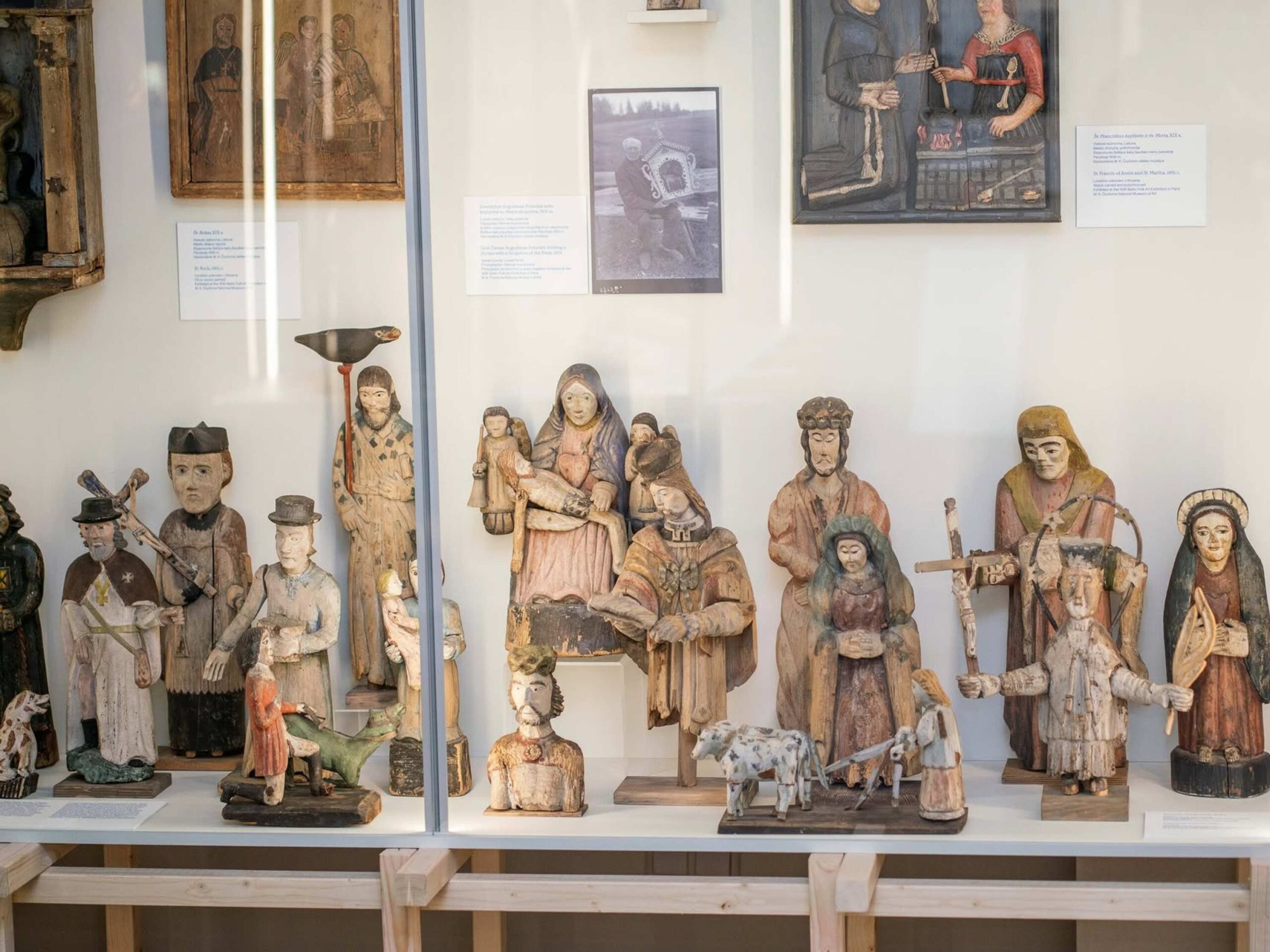
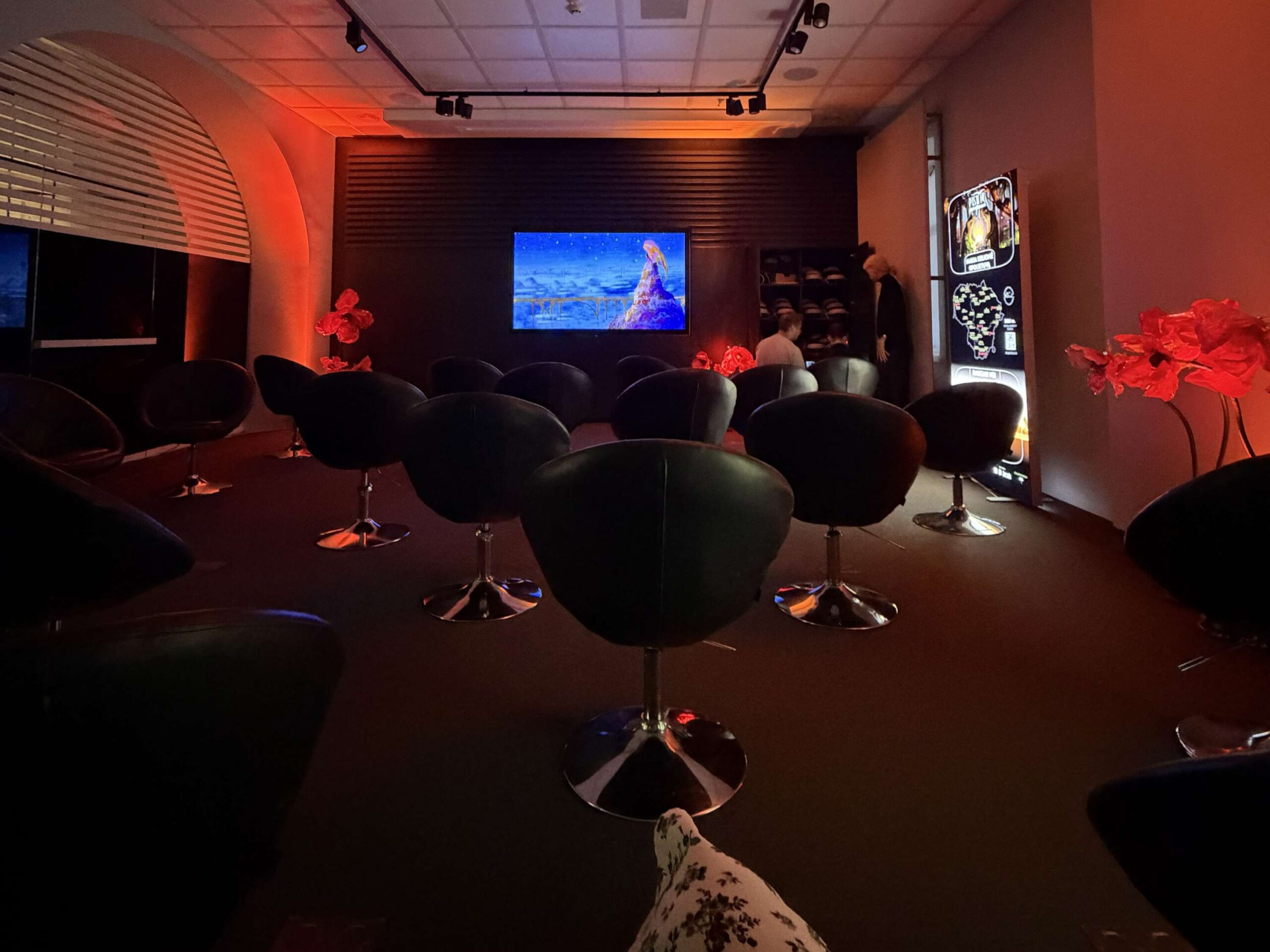
The Castellan’s House is a branch of the National Museum of Lithuania, located in one of the oldest and best-preserved buildings in the Lower Castle area in Vilnius. Opened to visitors in 2024 following reconstruction, the museum invites the public to explore Lithuania’s history through themes of creativity, religion, struggles for freedom, political turning points, global connections, and people, revealing Lithuania’s identity within a broader regional and European context.
Written by the President’s Communications Group

Photos by Eitvydas Kinaitis, Office of the President of the Republic of Lithuania