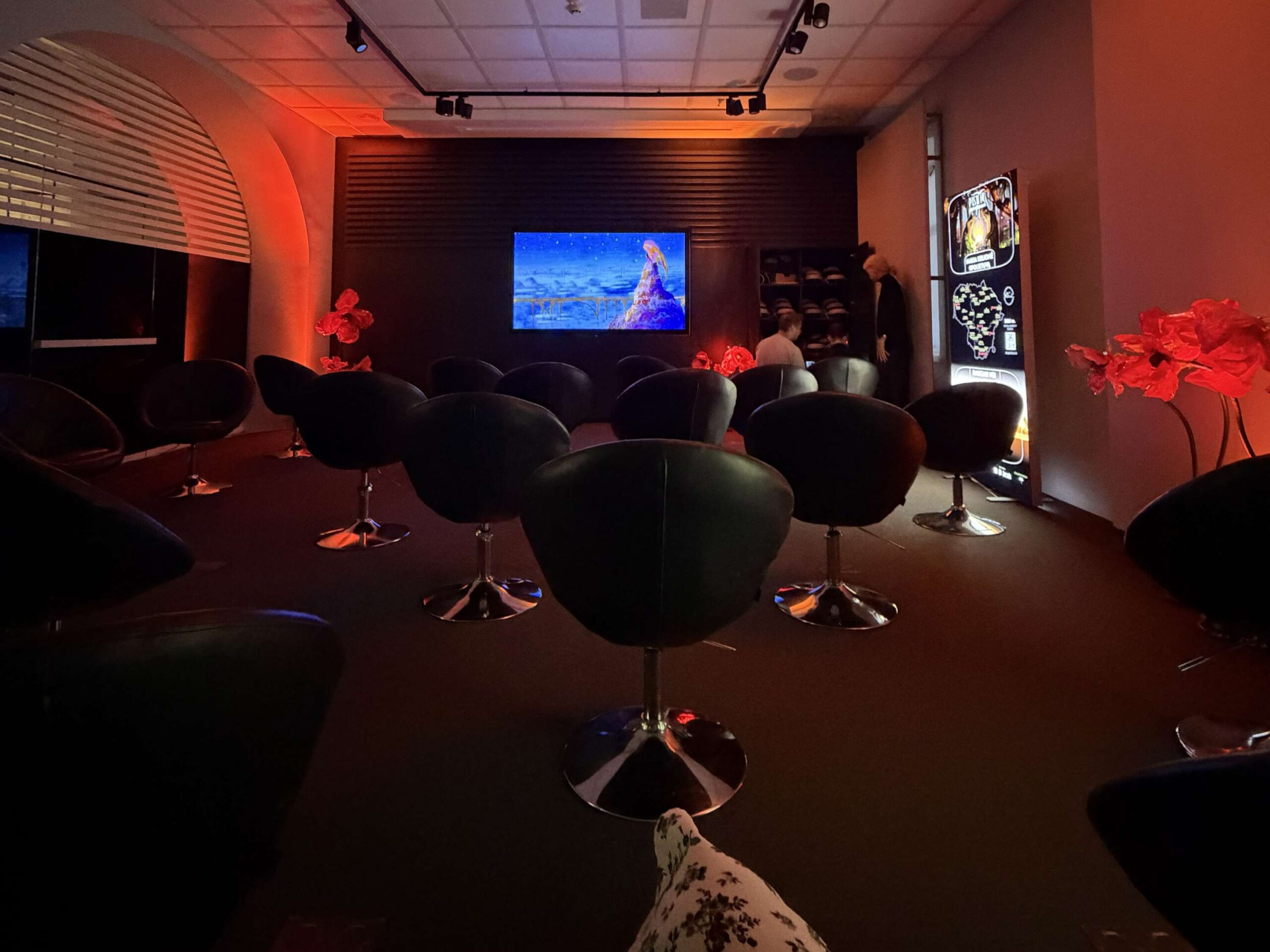
The Castellan’s House Turns One year old: A Year of Discoveries, Stories, and Visitors’ Voices
2025 03 27
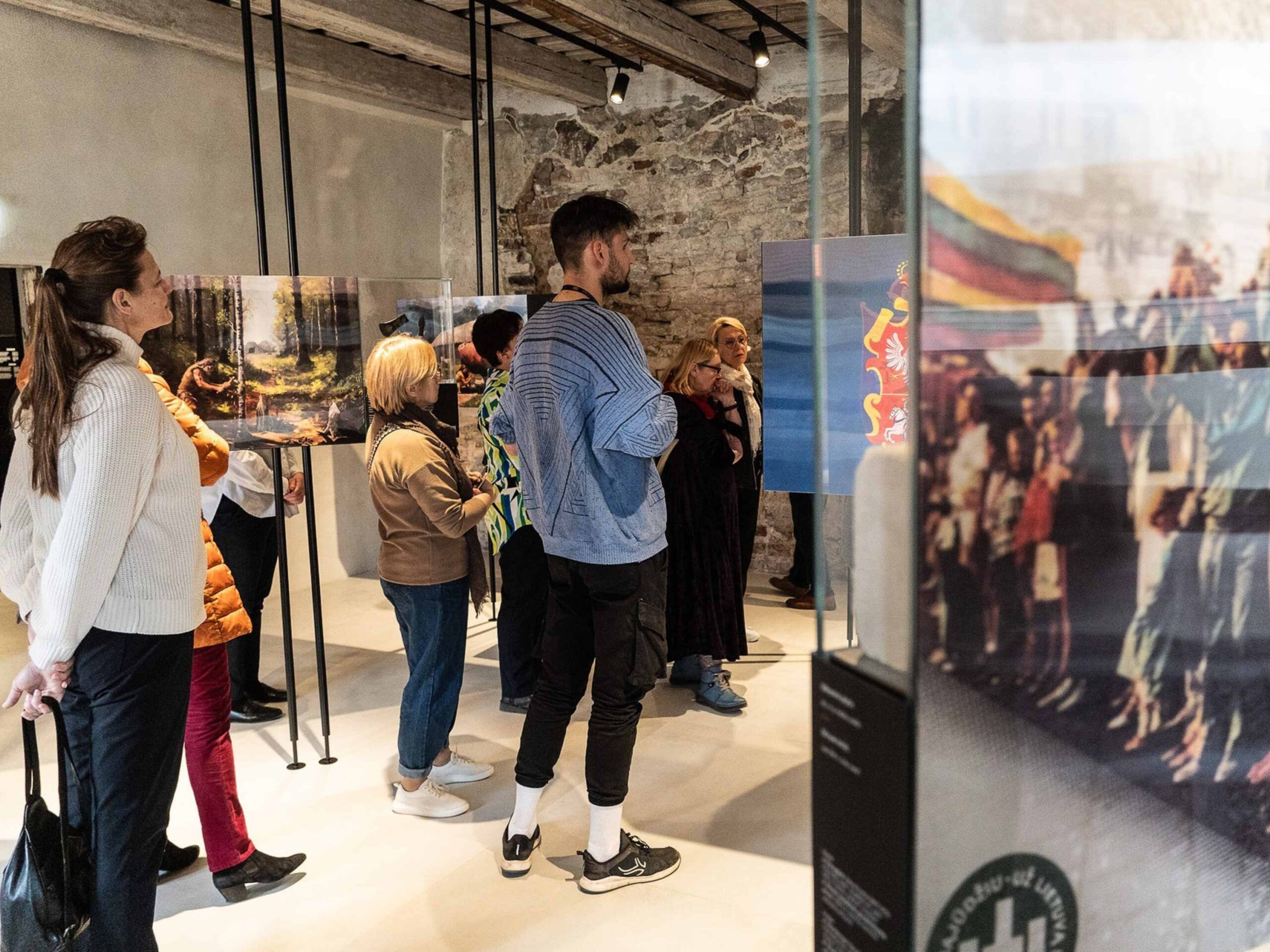
A year ago, in the spring of 2024, after extensive restoration work, the Castellan’s House – a unique historical space in Vilnius – opened its doors as part of the National Museum of Lithuania. Since its opening, it has welcomed 31,000 visitors and hosted numerous tours, educational programs, and events. Reborn at the foot of Gediminas Hill, this historic venue has become a place where past and present meet – but most importantly, where people come together. Behind these numbers lie personal experiences: glimpses into the daily lives of staff and impressions shared by visitors. What do they themselves say about this first year?
“For visitors, each day becomes an opportunity to glimpse into Lithuania’s past, while their insights and experiences help shape the museum and become an integral part of it. This feedback not only helps us better understand our visitors’ needs but also enables us to improve the museum’s activities, fostering a deeper dialogue with society,” says Simona Stalilionytė, Head of the Castellan’s House, on the occasion of its first anniversary.
Stories that Spark Living Dialogue
In its first year of operation, the Castellan’s House team has observed that the museum is not just a place to learn about Lithuania’s history – it is also a space where people from different generations, experiences, and perspectives meet, and history becomes a living conversation.
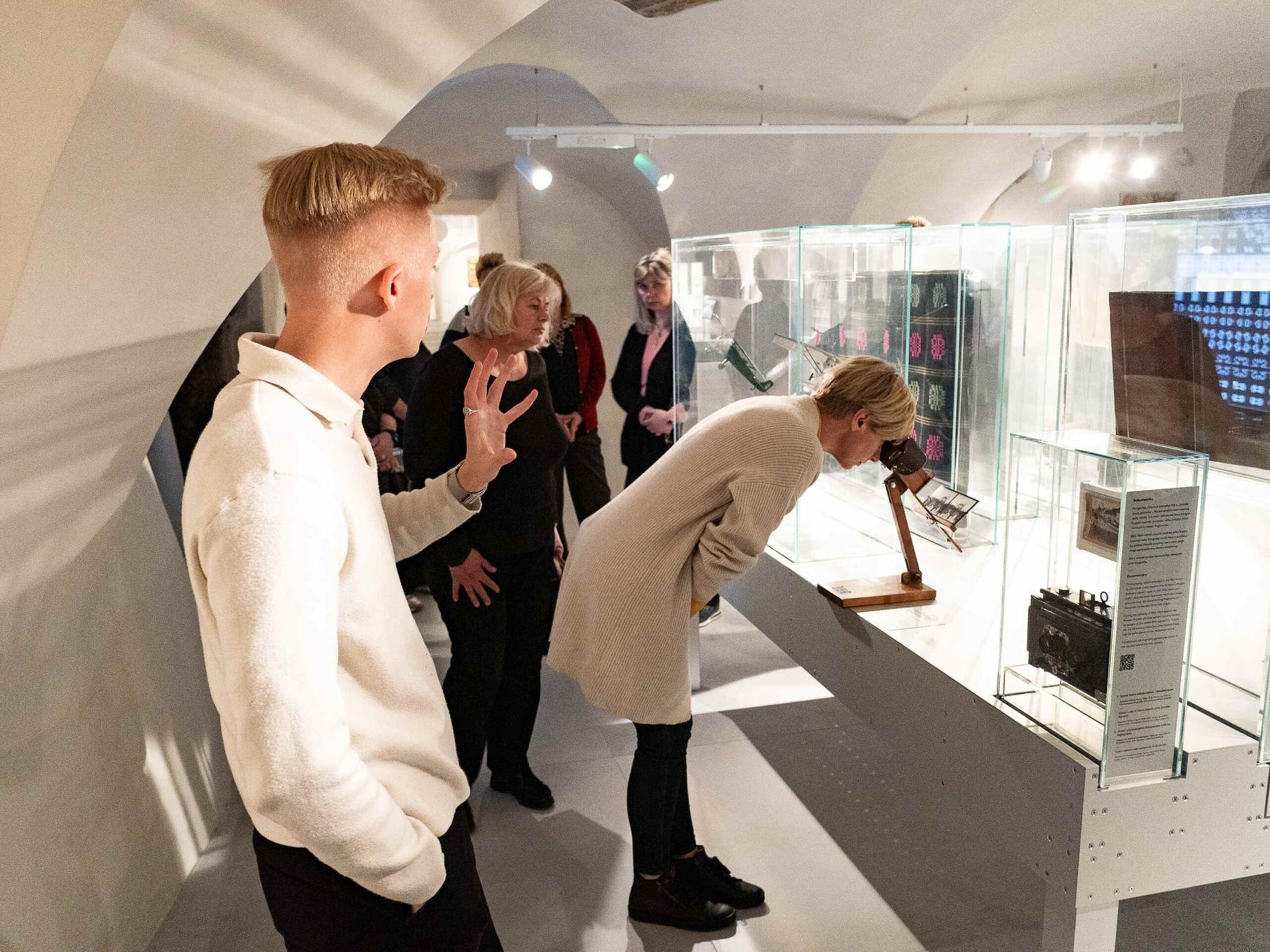
Museum educator Raigardas Budvytis shares that one of the most striking aspects for him is the opportunity to connect different generations: “During educational sessions, showing children a photo from the 1988 rally in Vingis Park surprises the younger generation, while older visitors – students from the University of the Third Age – share their memories, being living witnesses to this history.” He emphasizes that this opportunity to act as intermediaries between the past and present, between learning and witnessing, is what makes the museum truly unique.
Museum staff member Laura Trasauskienė highlights the uniqueness of the thematic storytelling approach: “I’m fascinated by the succinct and intriguing way we tell the story of Lithuania and its people – not along a timeline, but through themes. We explore how our ancestors lived, what the people of Lithuania have strived for, what we’ve experienced, what we were proud of and what we could be prouder of, who we were, who we’ve become, and why. Insights into Lithuania’s history can come through personal exploration of museum exhibits and their connections, or through discussion with friends and colleagues. Sometimes visitors approach museum staff with unexpected questions or observations. Sometimes they share unheard – but eagerly awaited – stories, often personal ones, that broaden perspectives and enrich worldviews.”
When History Becomes Personal
Over the past year, the museum team has come to understand that the Castellan’s House is a place where Lithuania’s history is told through people and their experiences – where each visitor becomes a part of that history. One unexpected moment was the visit of the sister of Antanas Kraujelis, one of the last active Lithuanian partisans.
“During the tour, we paused at the display case with a pistol that had belonged to this partisan. She hadn’t known the item was in the museum. She then shared personal memories about her brother. Considering that only two partisans who fought the Soviet occupation remain alive in Lithuania, these stories from family members not only enrich the visitor experience but offer deeply valuable insights to the guide as well,”says museum educator Laisvūnas Čekavičius.
He adds that foreign tourists are often surprised to learn about the enduring nature of Lithuanian identity and the oppression endured under the Moscow regime. For both international and local visitors, the museum becomes not just a place to learn facts but also to ask questions about contemporary identity.
The Castellan’s House is more than just an exhibition space. It is like a home – a place that encourages free and creative reflection on Lithuanian identity. For museum educator Enrika Trofimovienė, one of the most memorable moments this year was a visit from First Lady Diana Nausėdienė: “We spent the most time by the desk clock that belonged to Felicija Bortkevičienė, reflecting on the significant role played by prominent Lithuanian women in the country’s history – Felicija Bortkevičienė, Gabrielė Petkevičaitė-Bitė, and others. We immersed ourselves in history and enjoyed a heartfelt journey through time.”
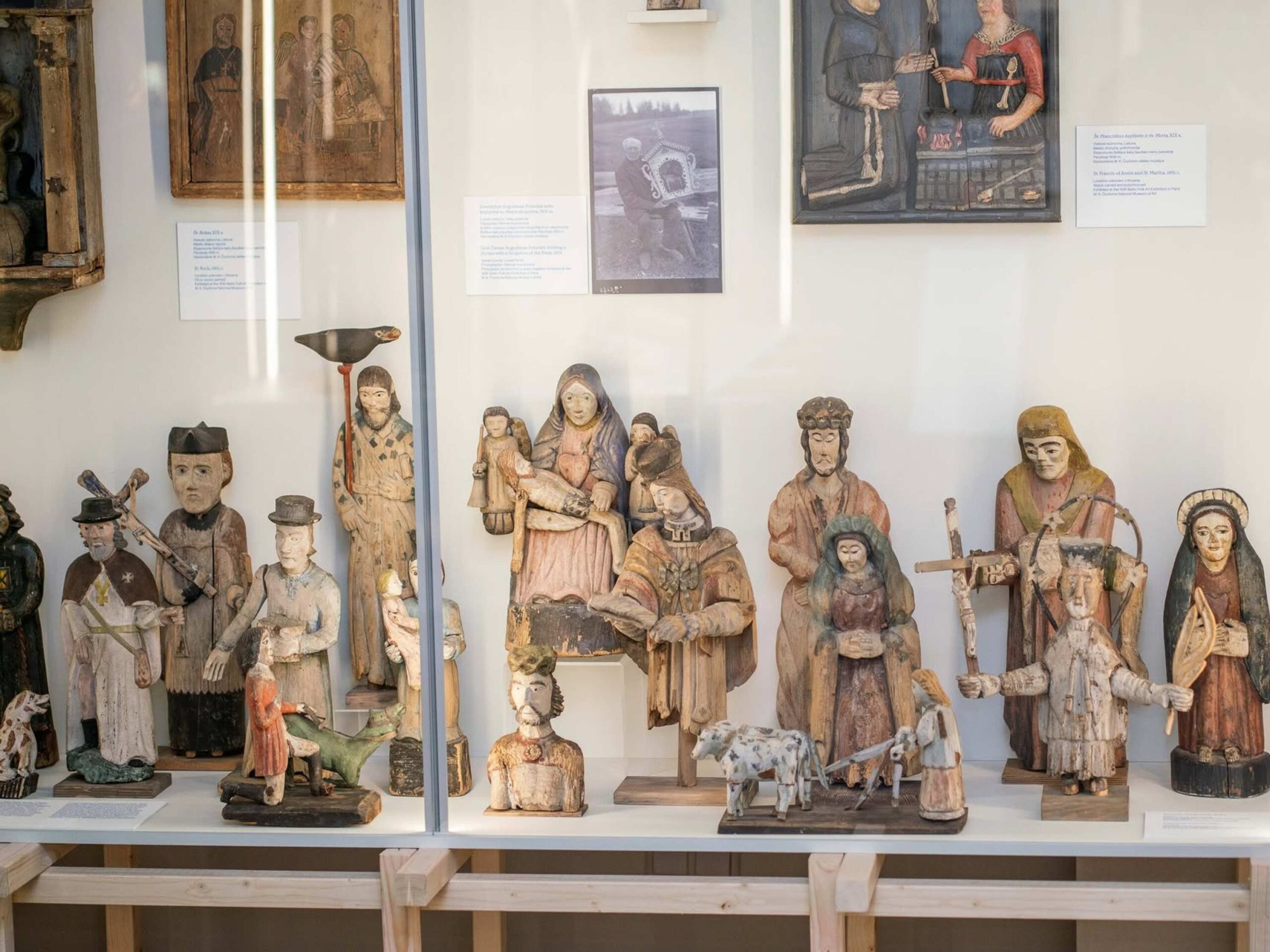
The entire team notes that visitors particularly value the museum’s interactivity – the opportunity to touch exhibits, engage in creative activities. Children are delighted by educational programs and games, while adults appreciate the chance to reflect, ask questions, and engage in discussion. Even critical questions or challenges from visitors are seen as signs that the Castellan’s House is a living museum – one that invites people not just to look, but to think.
Visitors’ Voices
The guestbook at the Castellan’s House captures some of the most heartfelt emotions and unexpected reflections. It brings together people of all ages, from various cities and even different countries – each experiencing Lithuania’s history in their own unique way.
Comments from Lithuanian visitors often resonate with joy and sincerity: “A wonderful exhibition – modern, engaging, and thoroughly informative. And the authentic wall fragments left untouched by ‘Euro-renovations’ are absolutely breathtaking!” writes Daiva from Vilnius. Similar impressions are shared by fellow museum professionals from Biržai and the Museum of Ethnocosmology, who emphasize the surprising curatorial choices and the staff’s genuine, welcoming attitude.
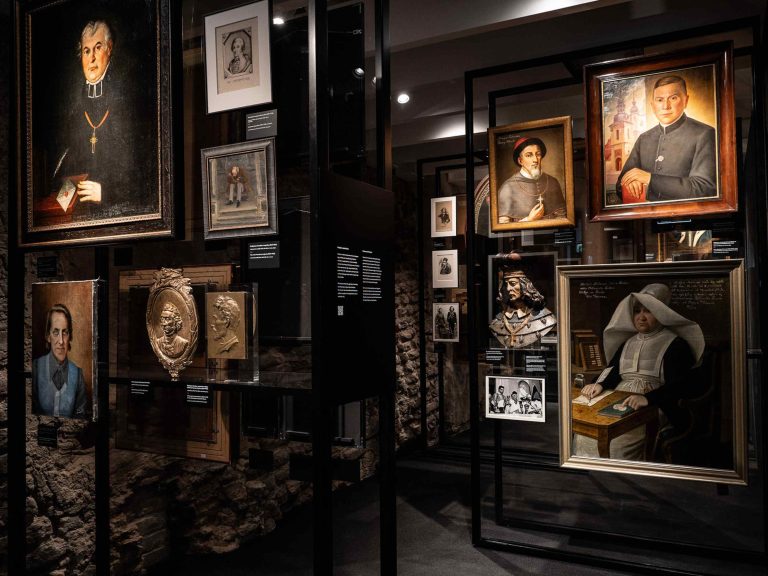
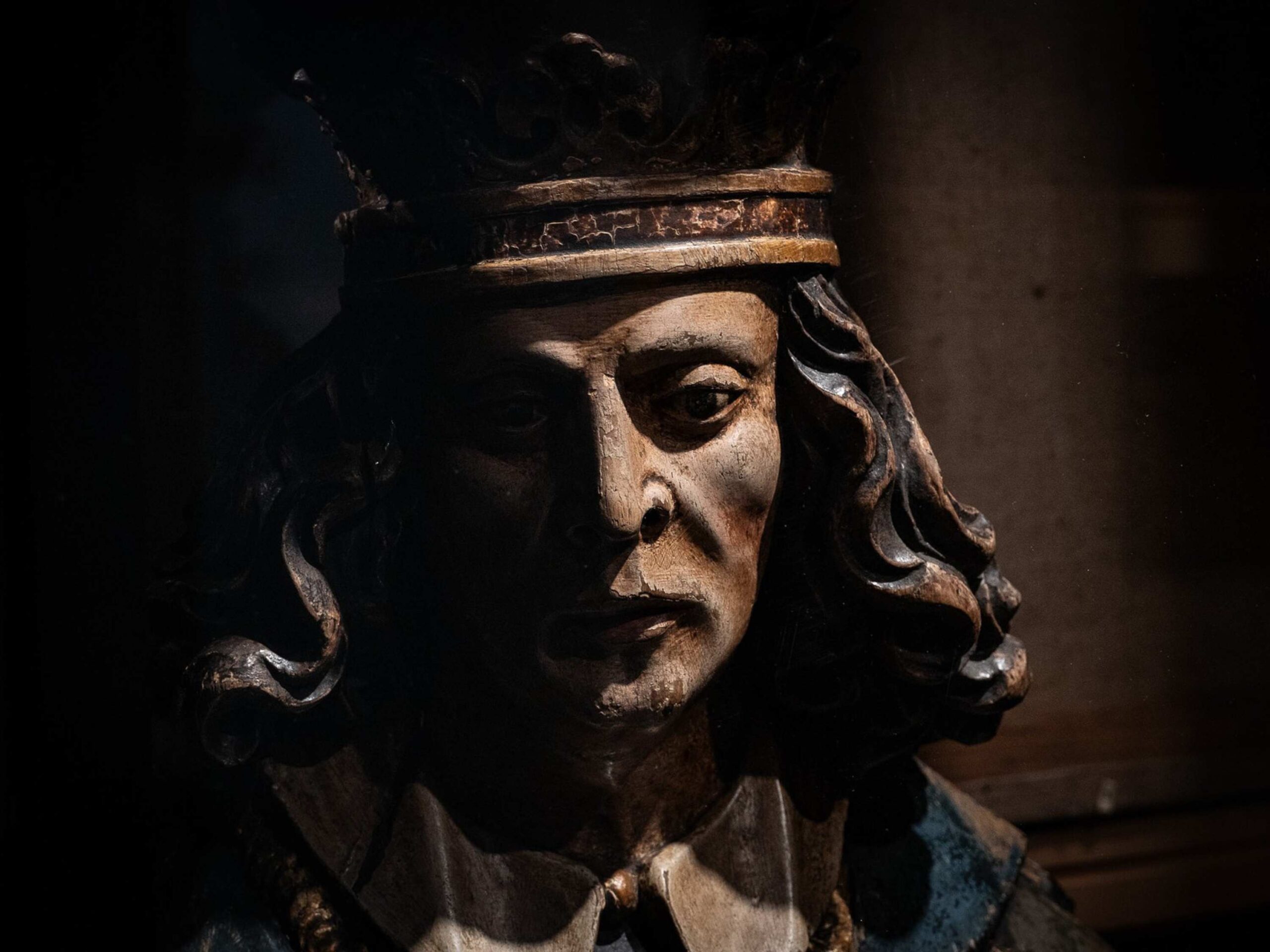
Some visitors are particularly impressed by the exhibition’s interactivity and original elements. One visitor thanked the museum for what they called “the funniest portrait of Vytautas in all of Lithuania,” while young Jurgis and his mother were delighted not only by the engaging exhibits but also by the souvenirs.
It is especially rewarding that the museum appeals to a wide range of audiences. One visitor noted that the exhibition managed to capture the interest of a four-year-old, while another humorously admitted, “It’s very interesting, but I’m far too old to understand everything. Still – it’s great!”
Equally important are the reflections from international tourists, whose comments fill the guestbook. “This was one of my favorite museums I visited in Lithuania. I loved the broad presentation of history and the interactive elements,” write visitors from the United States. Another foreign guest expressed gratitude for the opportunity to “understand Lithuanian culture” and described the Castellan’s House as a special place they would like to return to.
Many of the guestbook entries echo the museum’s mission – to help people understand the past and reflect on the future. One visitor summed it up with a profound thought: “A future without a past is a dark forest.”
The guestbook clearly shows that the museum speaks to all audiences – regardless of age, origin, or background.
One Year – Just the Beginning
In its first year, the Castellan’s House has become more than a museum – it is a space for encounters, discoveries, and meaningful conversations. Here, history is told through people and their experiences, and every visitor becomes part of the ongoing narrative.
“This anniversary is a moment to celebrate our achievements, but it also marks the beginning of new challenges. In the coming year, the Castellan’s House team plans to expand educational programs, strengthen ties with the community, and, of course, continue to surprise visitors with new initiatives. The first year has flown by, and as our connection with visitors continues to grow stronger, we’re even more inspired to move mountains,” says Simona Stalilionytė.
The National Museum of Lithuania invites everyone to discover the Castellan’s House and become part of its story. In its second year, visiting becomes even more accessible: on Thursdays, the museum will remain open until 8 PM, with regular guided tours for individual visitors starting at 6 PM.
Tickets for these tours are available here: click here.
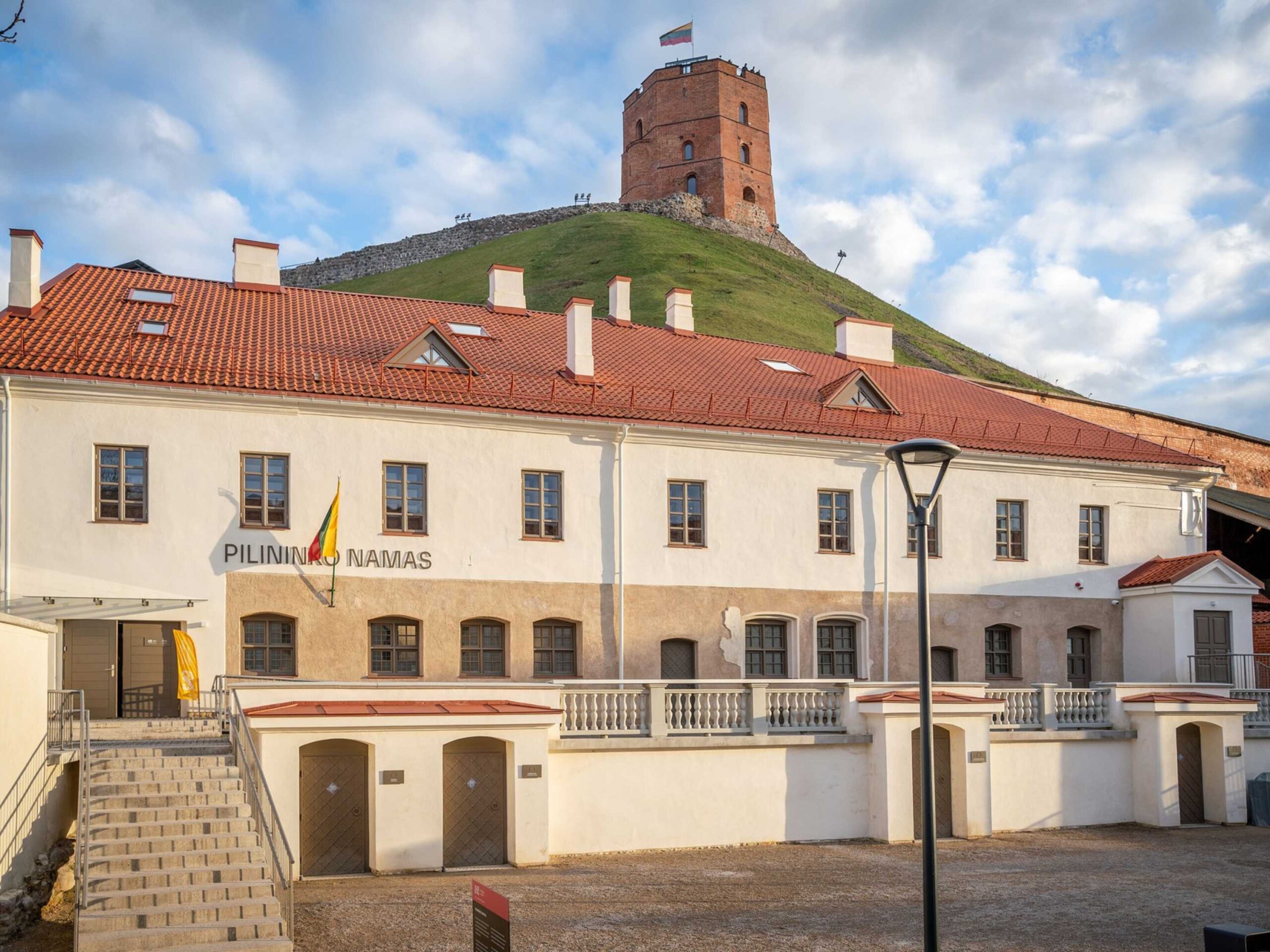
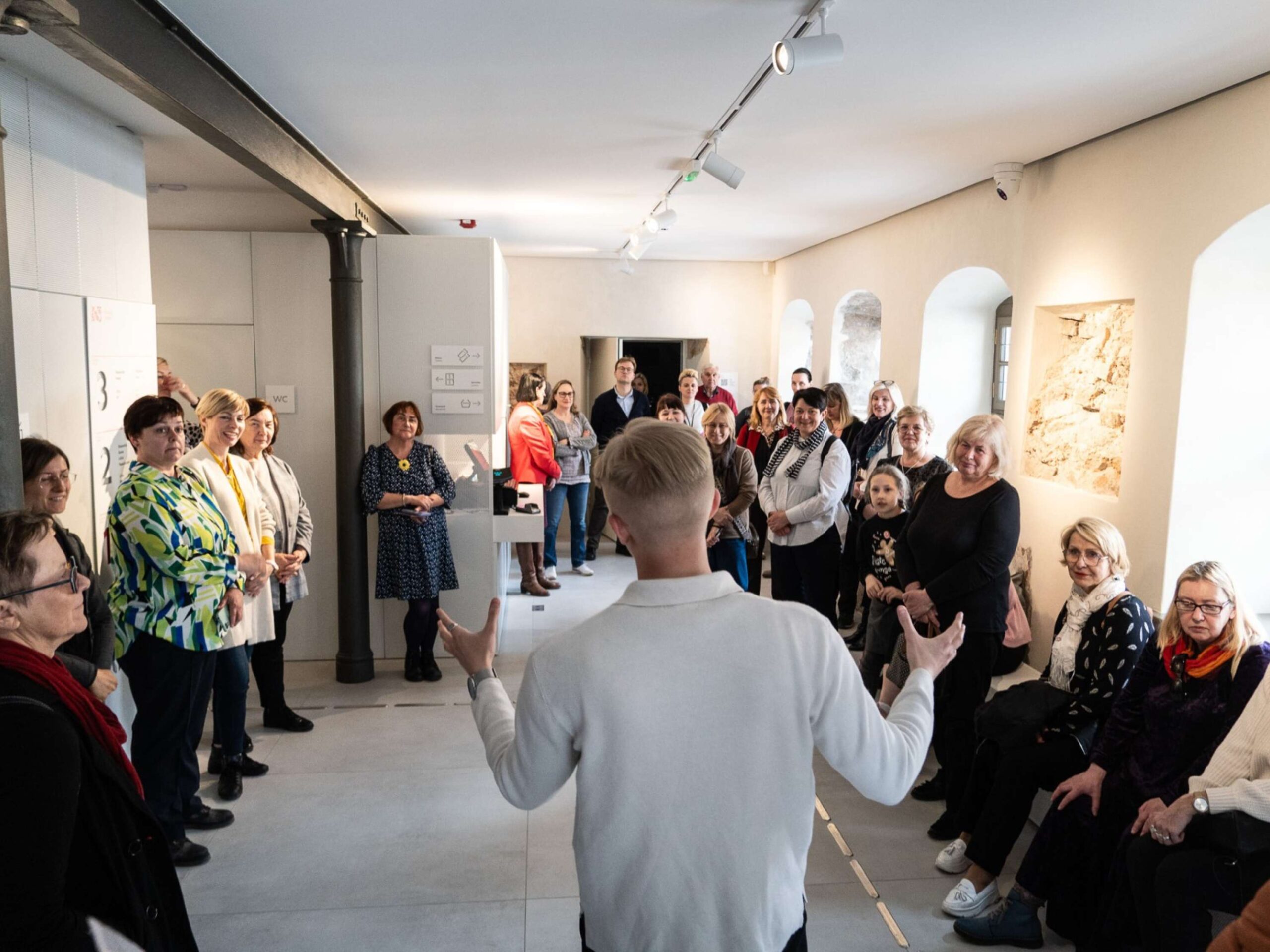
Photo by: S. Samsonas, A. Bėkšta, LNM