“Partisan Songs” – Stories of Women Fighters: From the Lithuania Season in France to a Tour Across Lithuania
2025 05 08
From May 14 to 25, an international trio of women artists will invite audiences in five Lithuanian cities to experience a musical storytelling performance titled “Partisan Songs.” Originally created and premiered for French audiences during the Lithuania Season in France, the performance will now be presented free of charge in Vilnius, Kaunas, Klaipėda, Panevėžys, and Tauragė.
“During the performance, we share stories of women fighters from Lithuania, France, and Ukraine.We sing and tell the stories of women who resisted oppression, occupation, and inhumane conditions. In creating the piece with my colleagues from France and Ukraine, we discovered a surprising number of parallels between our three countries—both in the determination to resist injustice and in how women’s contributions are so often forgotten. From those shared discoveries, a story-walk with the audience emerged, interwoven with musical elements,”
says Milda Varnauskaitė, Lithuania’s pioneer of contemporary storytelling and a professional storyteller.
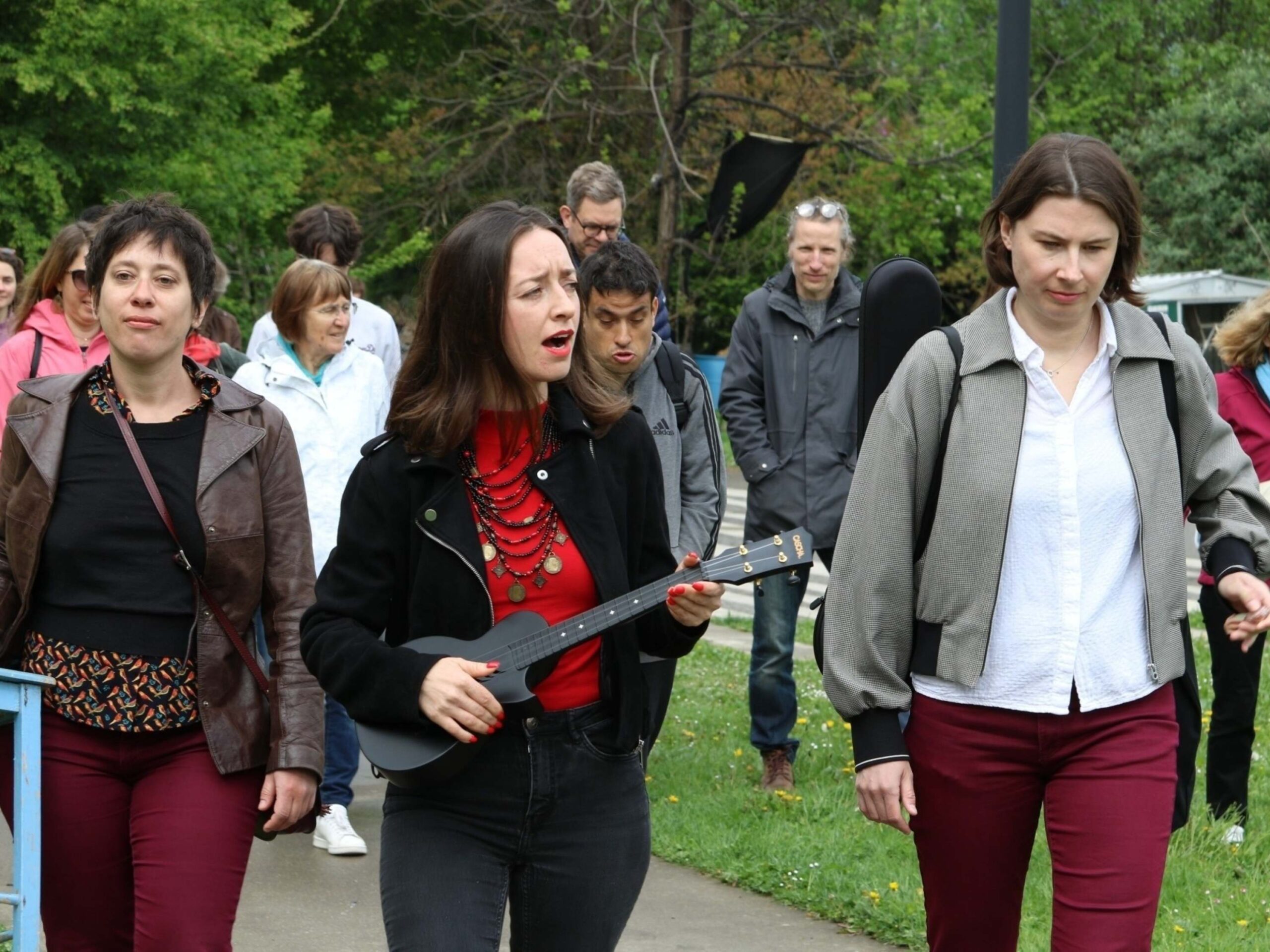
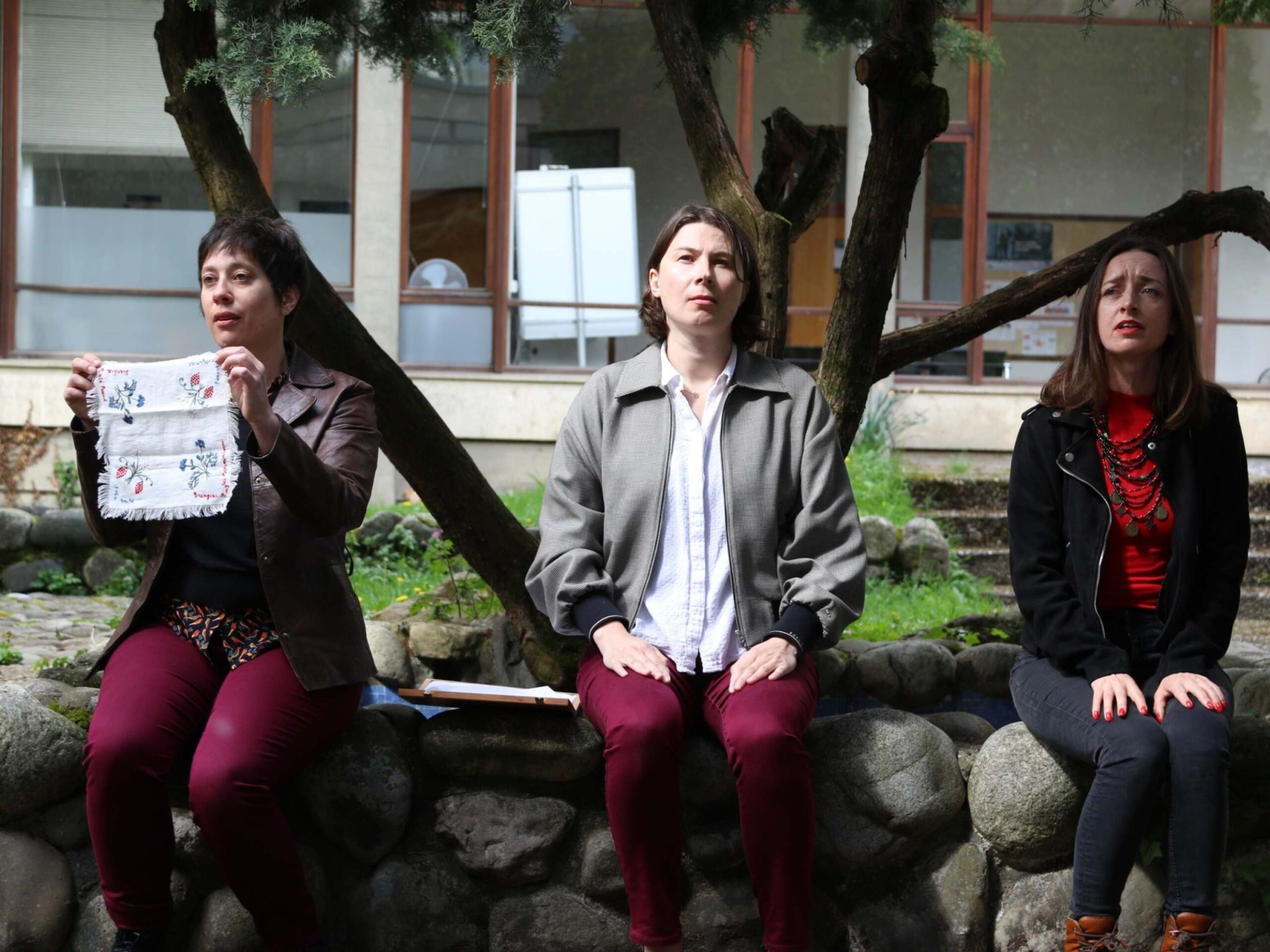
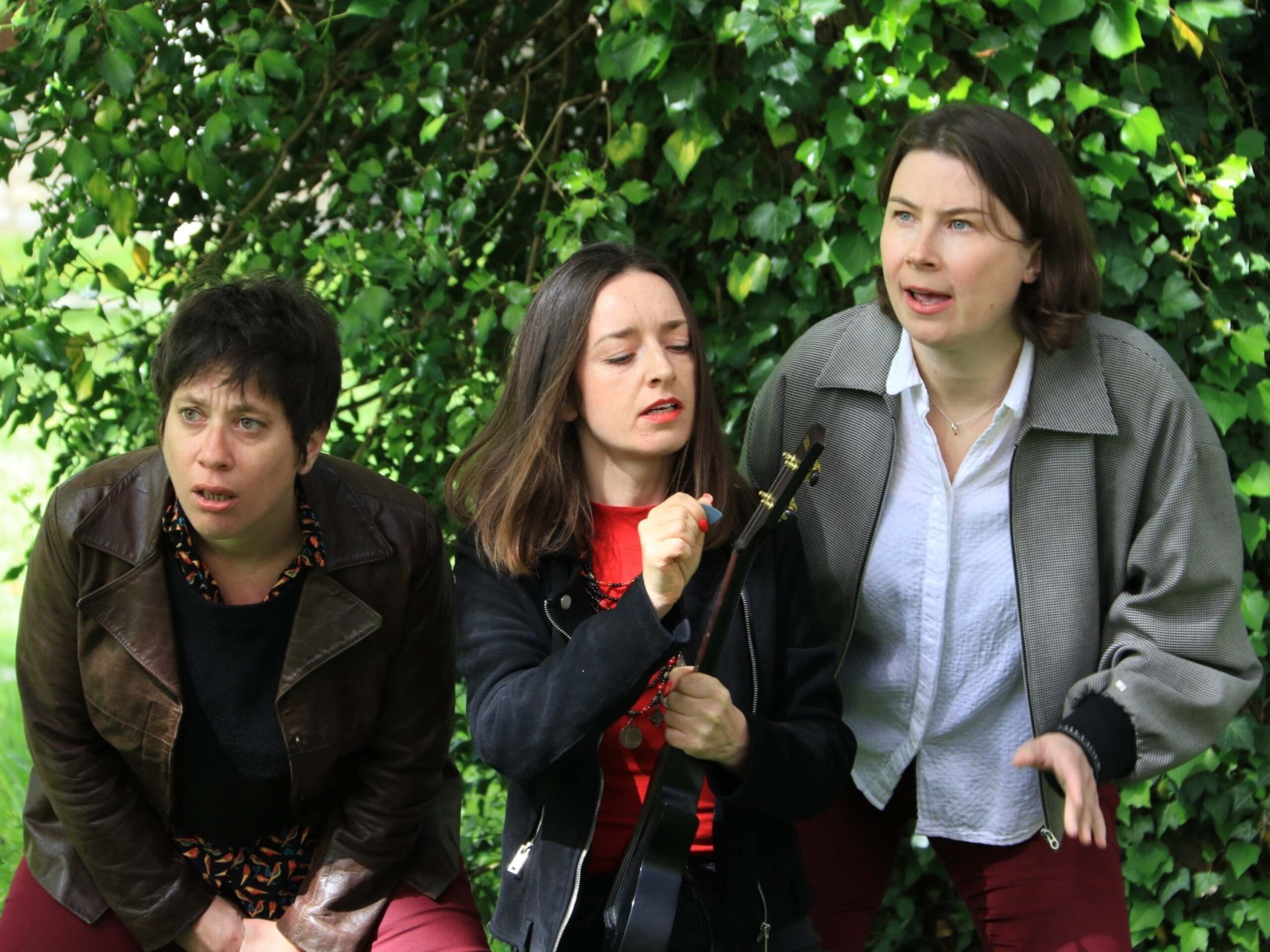
Together with Lithuanian storyteller Milda Varnauskaitė, the musical story-walk was created by Ariane Pawin, a French actress and storyteller, and Oksana Zhuravel-Ohorodnyk, a Ukrainian singer.
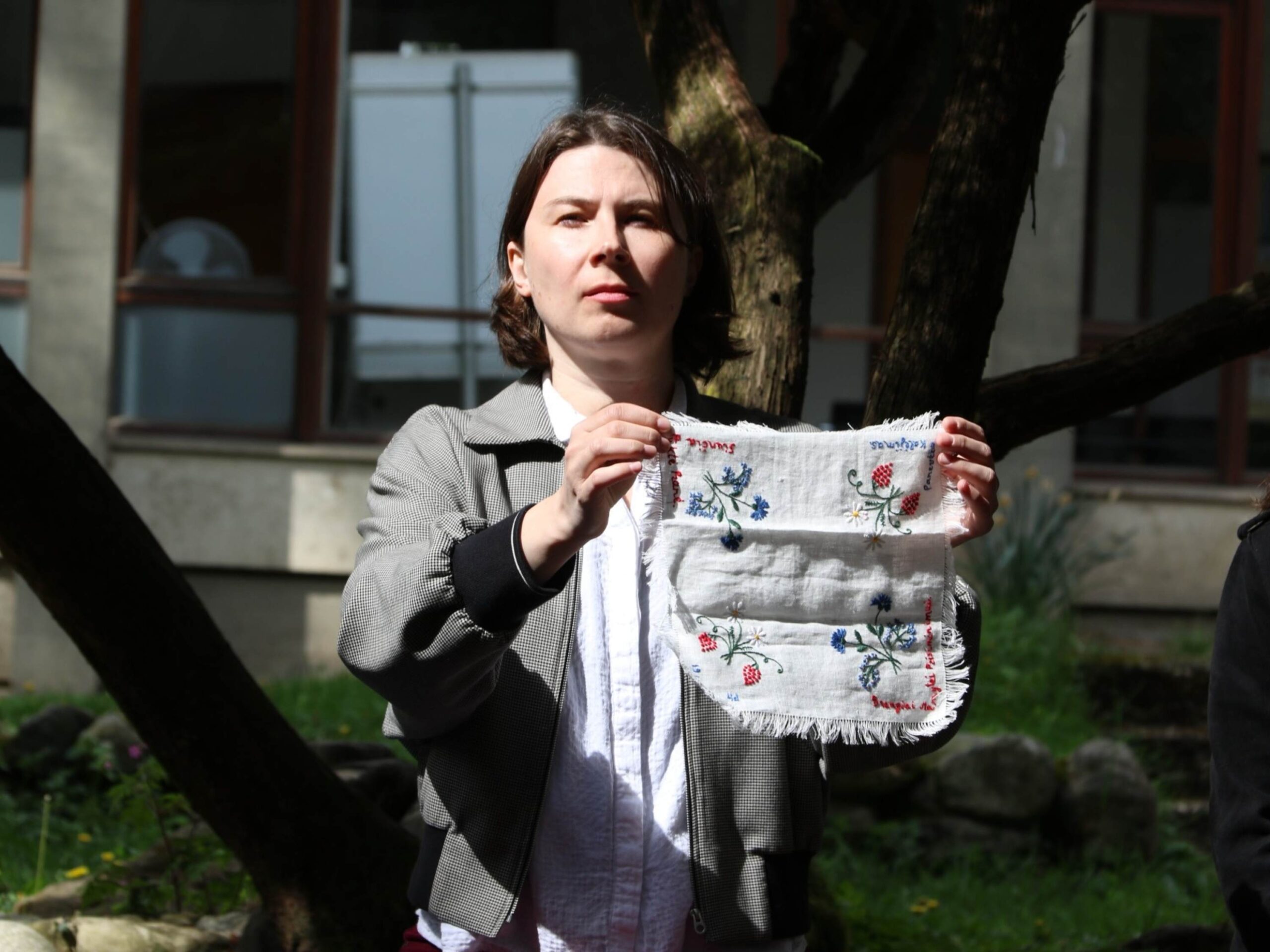
“Story-walk performances are one of the forms of creative work I deliberately choose: they are a way to encourage audiences to view familiar spaces differently—poetically and vividly, to notice details, or even to rediscover a place they thought they knew.
In this way, Partisan Songs is truly what we call site-specific creation: every time we perform it, we create it anew, because each space and the objects in it become the set and part of the story itself.
The real environment creates a layered resonance with the stories we tell and the fates of the women we portray through words and actions,”
says French storyteller Ariane Pawin, speaking about the still somewhat unfamiliar format of story-walk performances in Lithuania.
She adds that in France, during World War II, women held many positions in the resistance against the Nazis—with weapons in hand, typewriters under their arms, carrying suitcases or forging false documents.
In Lithuania, from 1944 onwards, as they resisted Soviet occupation, women—like men—went underground. They joined the men in the forests to fight or became involved in the partisan war: working as couriers, hiding in bunkers, writing poetry.
In Ukraine, today, more than 60,000 women are actively defending their country against Russian aggression. They are doctors, teachers, journalists, politicians, and artists.
“The performance’s music is made up mostly of Ukrainian folk songs—lullabies, laments, and songs of resistance. These melodies came to me intuitively during rehearsals: as I mentally listened to the text, certain tunes would naturally emerge. I recalled specific songs, and they almost mysteriously found their place in the narrative—interweaving with the stories and deepening their meaning,” shared Oksana Zhuravel-Ohorodnyk about the process of selecting music for the performance.
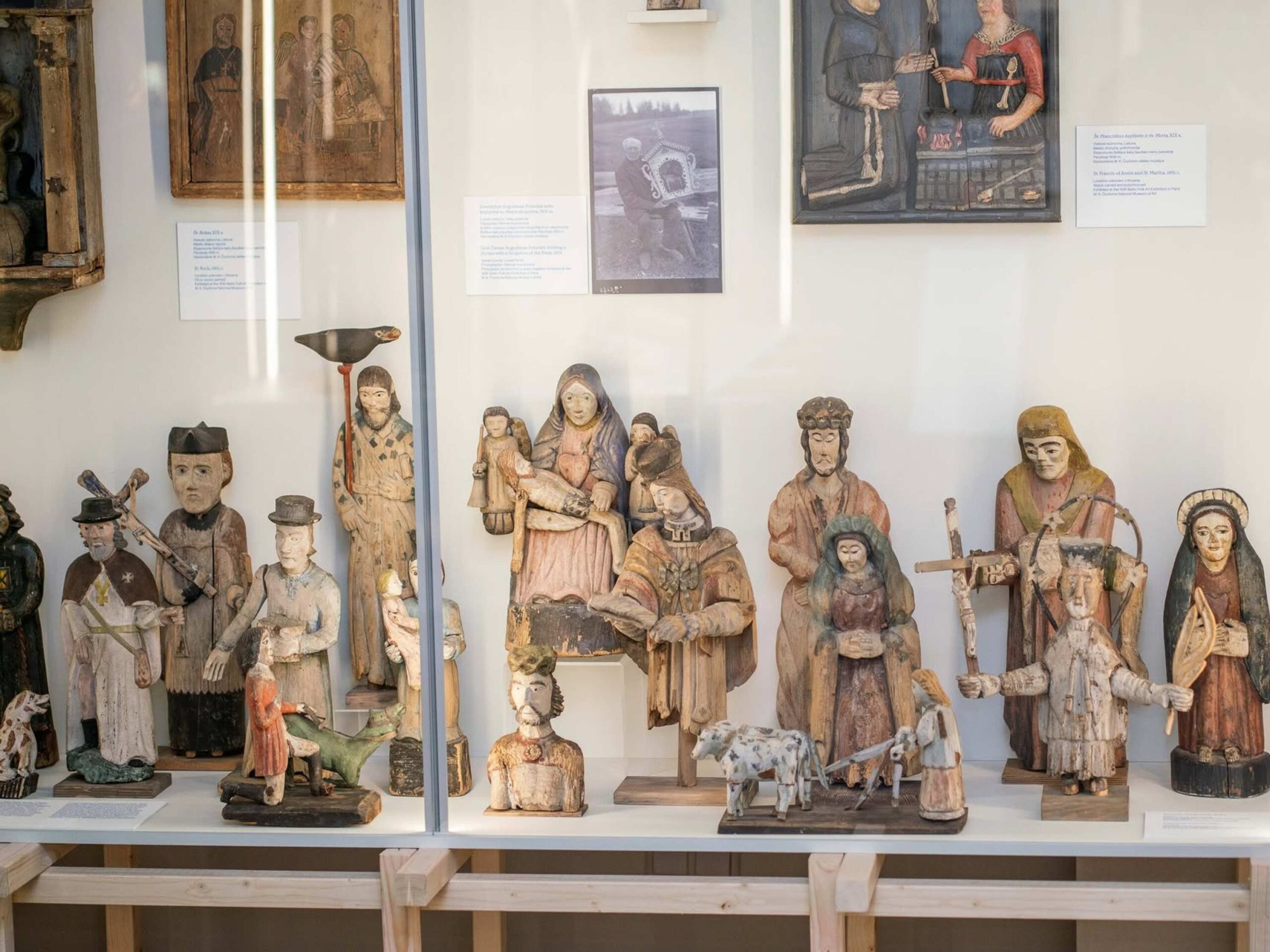
By drawing on the genre of storytelling, music and song, and historical values preserved in museums, and by drawing the audience into the flow of action,the artists subtly reveal dramatic personal experiences and the everyday context that surrounds them. This storytelling performance is a trilingual musical journey—poetic and joyful, deep and powerful, painting vivid portraits of these women of resistance from different corners of Europe. It is a dialogue of their stories.