Not Just Man’s Best Friend: 9 Fascinating Facts About Dogs in Lithuanian History
2025 04 15
The National Museum of Lithuania will soon open its playful yet thoroughly researched exhibition “History Wags Its Tail”, exploring the long and rich history of human and canine companionship in Lithuania – from the Stone Age to the present day. This is the first time Lithuania’s past will be told from the perspective of the dog. Visitors will discover not only what everyday life was like for dogs but also their roles in faith, warfare, and family.
The exhibition opens at the House of Histories on April 30, but before then, curators and museum archaeologists Dr. Povilas Blaževičius and Sigita Mikšaitė invite you to discover nine surprising facts you’ll encounter in the exhibition – some may make you smile, others might move you.
The Dog’s Historic Role in Lithuania
- Baltic tribes buried dogs with humans – as companions in the afterlife.
From the 10th to the 15th century, it was customary among Baltic tribes to bury dogs alongside people, believing they would assist their owners in the afterlife. The first archaeological evidence of this was recorded in 1935 by Vladas Nagevičius at the Kartena burial site, where a dog was found lying on a man’s chest. Dogs were buried with men, women, and even children, showing the deep symbolic value attributed to them.
2. Dogs in Lithuanian royal courts were classified by function, not breed.
In the 14th–15th centuries, documents from Grand Duke Jogaila’s court mention dogs as essential to court life, divided into categories like “trackers,” “barkers,” “beaver dogs,” and “flushers.” Hunting dogs were especially valued – from large Milan-type bear-hunters to fast greyhounds and clever spitz-like trackers. Household dogs guarded property and were typically kept in utility areas. Curiously, while royal dogs had names recorded in court documents, city dogs only appeared anonymously in legal disputes.
3. The Lithuanian Hound is the country’s only national dog breed, with roots in 16th-century law.
The Lithuanian Hound – Lithuania’s sole recognized national breed – has been a part of cultural heritage since the 16th-century Lithuanian Statutes. Though the breed’s exact origins are unclear, archaeological findings from the 14th–15th centuries reveal dogs resembling today’s hounds. Bred for their hunting abilities, not looks, they nearly disappeared until revived in the 1950s by a group of dedicated cynologists. “This is not just a dog – it’s a living witness of Lithuania’s history,” says Blaževičius.
Dogs as Allies in Extreme Conditions
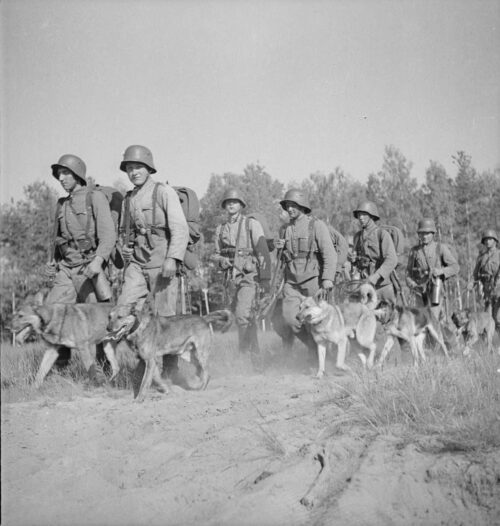
4. During the interwar period, dogs served in the Lithuanian army as messengers and rescuers.
In 1932, the army officially established a dog training service. A school in Kaunas, Panemunė, trained dogs and handlers to lay communication cables, carry messages, and search for the wounded. By 1935, the 8th Infantry Regiment had eight service dogs – “seven experienced and one puppy.”
5. In Siberian exile, dogs became companions, sled-pullers, and child guardians.
During mass deportations between 1940 and 1956, dogs became invaluable allies. Though initially rare due to famine, over time deportees domesticated hardy, friendly Siberian Laikas and their mixes. These dogs helped pull sleds, hunt, and keep children warm by sleeping with them during freezing winters.
6. In the partisan resistance, dogs played a silent yet vital role.
While partisans could not keep dogs in bunkers for fear of detection, dogs on nearby farms acted as living alarm systems. Memoirs describe how dogs barked differently at friends versus foes – warning of danger. Sometimes, overly vocal or aggressive dogs had to be sacrificed for the group’s safety, a tragic necessity of war.
Symbolism and Social Status
7. In the Baroque era, lapdogs served as both status symbols and flea magnets.
From the 16th to 18th centuries, Lithuanian nobles embraced European fashion by keeping lapdogs not only as accessories but as practical tools. Small dogs, held on laps or in arms, drew fleas and parasites away from their human owners due to their higher body temperature. These pets were cherished travel companions and even considered family members – no longer just working animals, but signs of social distinction.
8. In Lithuanian folklore, “four-eyed” dogs could sense death and ward off evil.
Dogs with dark patches above their eyes – known as “four-eyed” – were believed to see into the spirit world and predict death. One story tells of a dog howling without reason, signaling the impending death of a family member. Dogs also had roles in funerary rituals: in Aukštaitija, drums covered in dogskin were played during funerals to frighten away evil spirits.
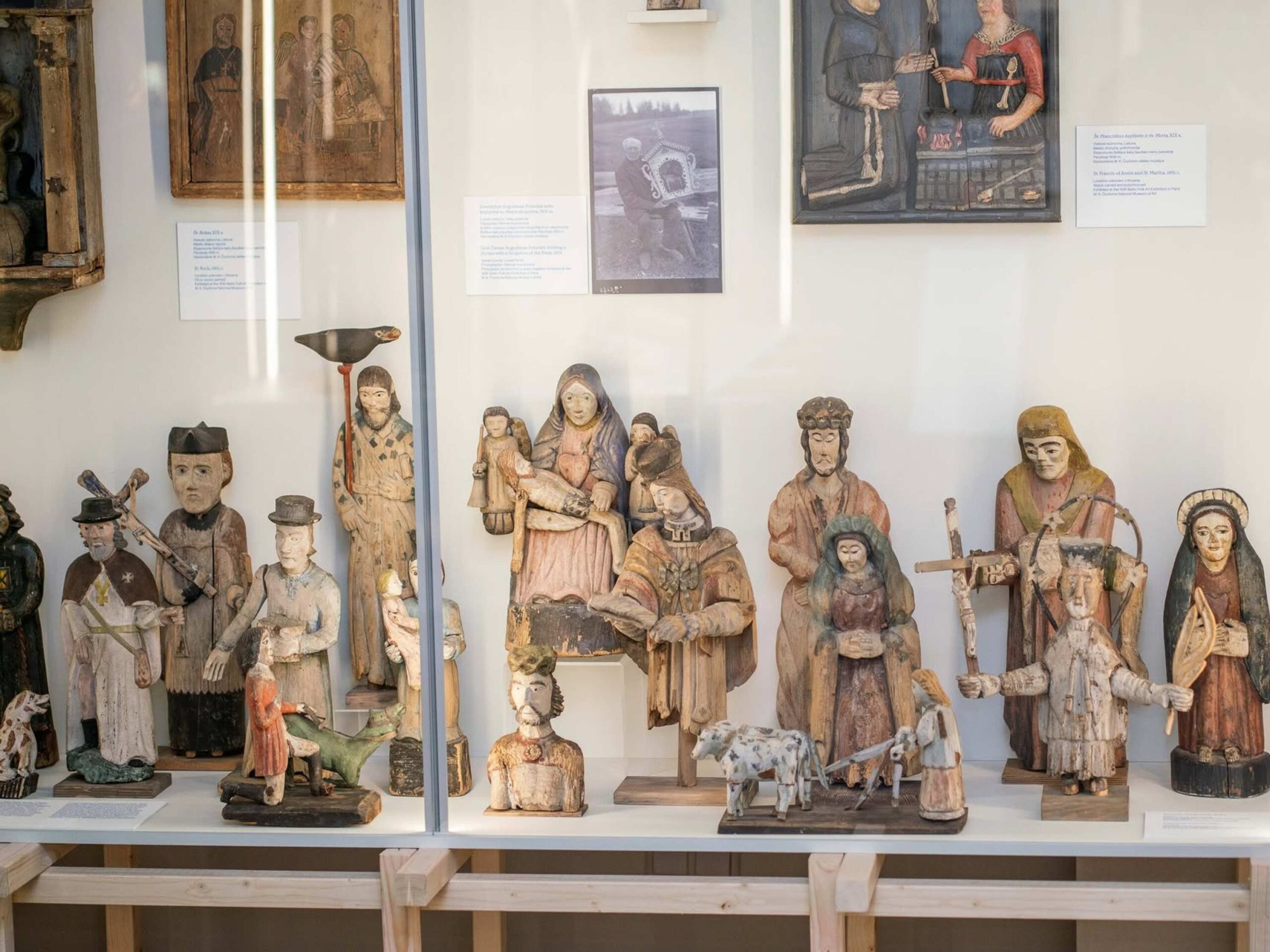
9. Saint Roch is depicted with a dog – a lifesaving companion.
In Christian iconography, Saint Roch – a 14th-century figure who contracted the plague and retreated to the forest to die – was saved by a dog who brought him bread and licked his wounds. This story became a symbol of devotion and salvation, often depicted in religious art.
The exhibition “History Wags Its Tail”, supported by Kika, opens on April 30 at 6 p.m. at the House of Histories, Vilnius.
-
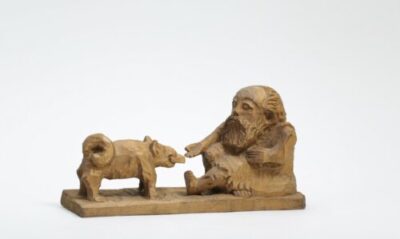
- Statuette of Saint Roch with an injured leg and a dog bringing him bread. Photo by A. Baltėnas.LNM
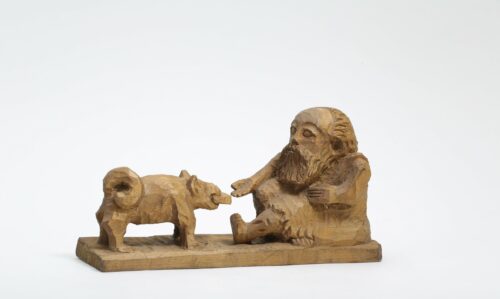
-
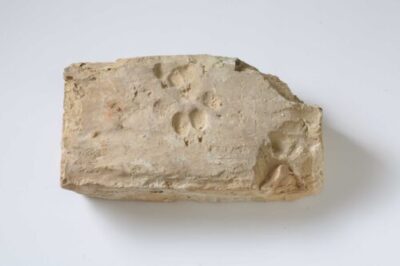
- 16th–17th-century brick with dog paw prints. Photo by A. Baltėnas. LNM
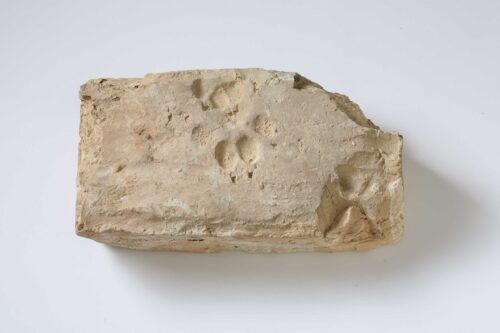
-

- House of Histories, National Museum of Lithuania. Photo by S. Samsonas

-
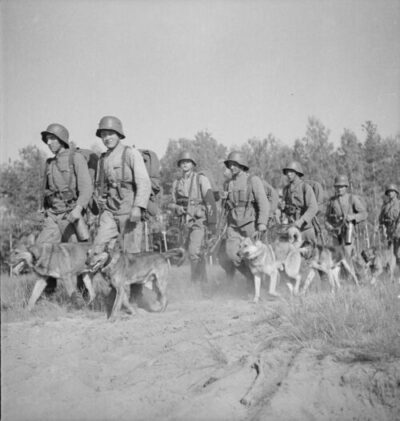
- Dogs in a military training ground. 1930s–1940s. Photo by V. Augustinas. LNM
-

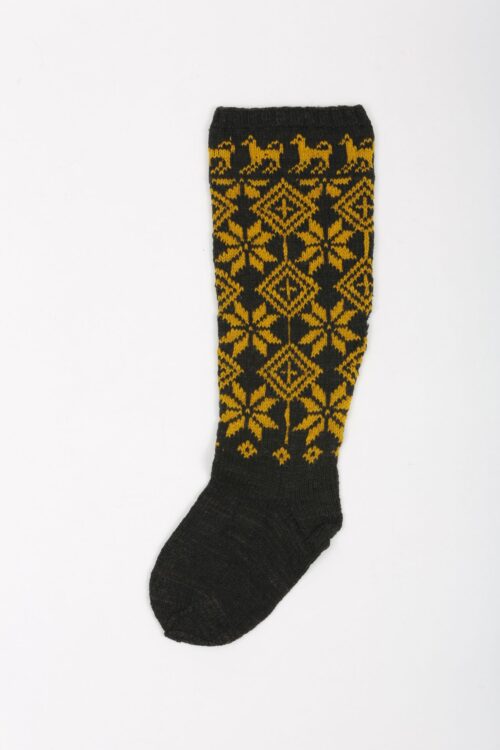
- Sock with knitted dog motifs. 19th century – 1930s. M. K. Čiurlionis National Museum of Art.