New exhibits of the National Museum of Lithuania, acquired in 2025
2025 10 07
After receiving funding from the Ministry of Culture of the Republic of Lithuania, the Lithuanian National Museum in 2025 acquired new exhibits that encompass various periods of the nation’s history and culture – from the numismatics of the Grand Duchy of Lithuania and World War I commemorative documents to unique 20th-century photographic archives and contemporary artworks. These acquisitions not only expand the museum’s collections but also enrich Lithuania’s overall cultural heritage.
World War I
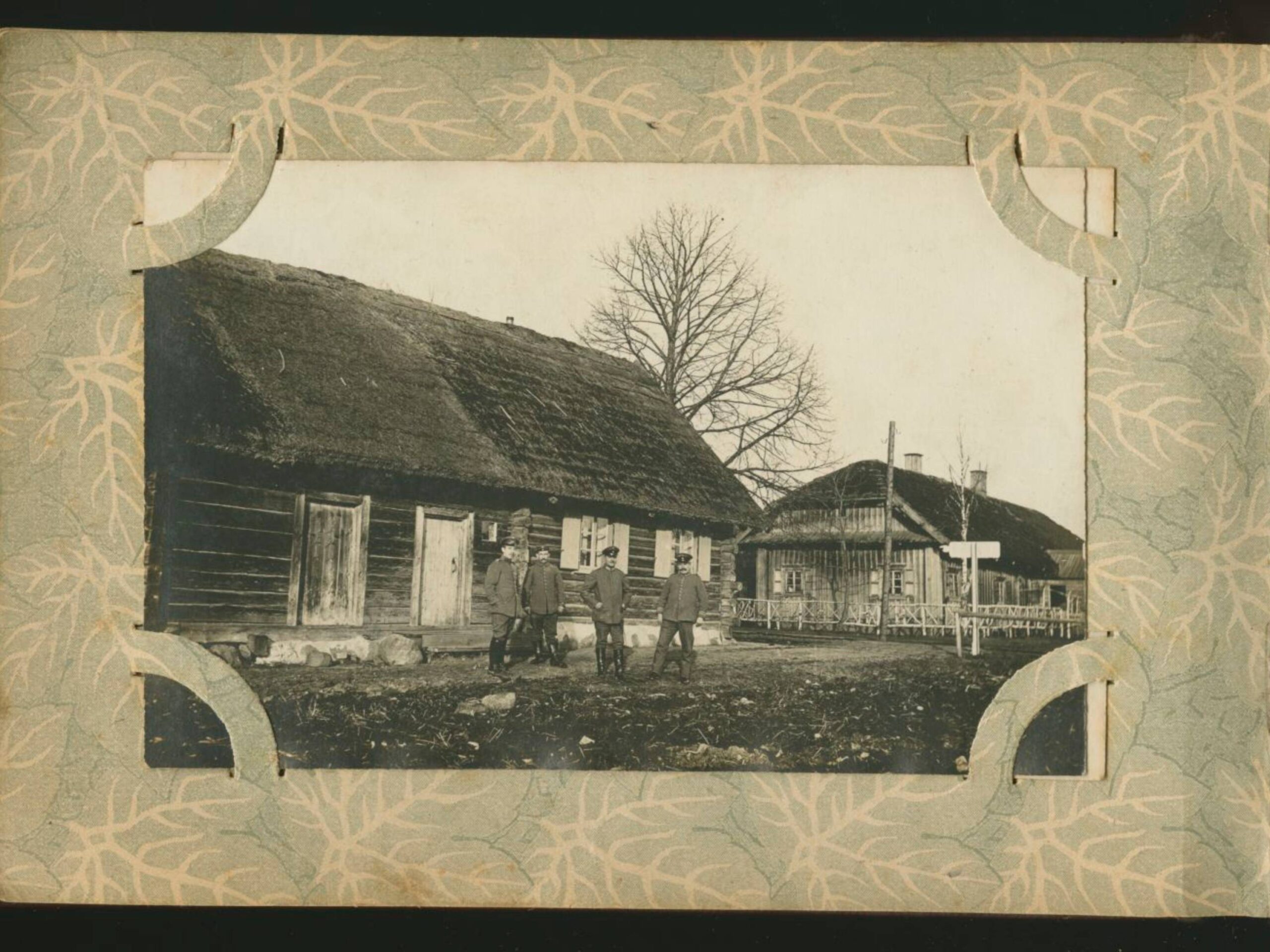
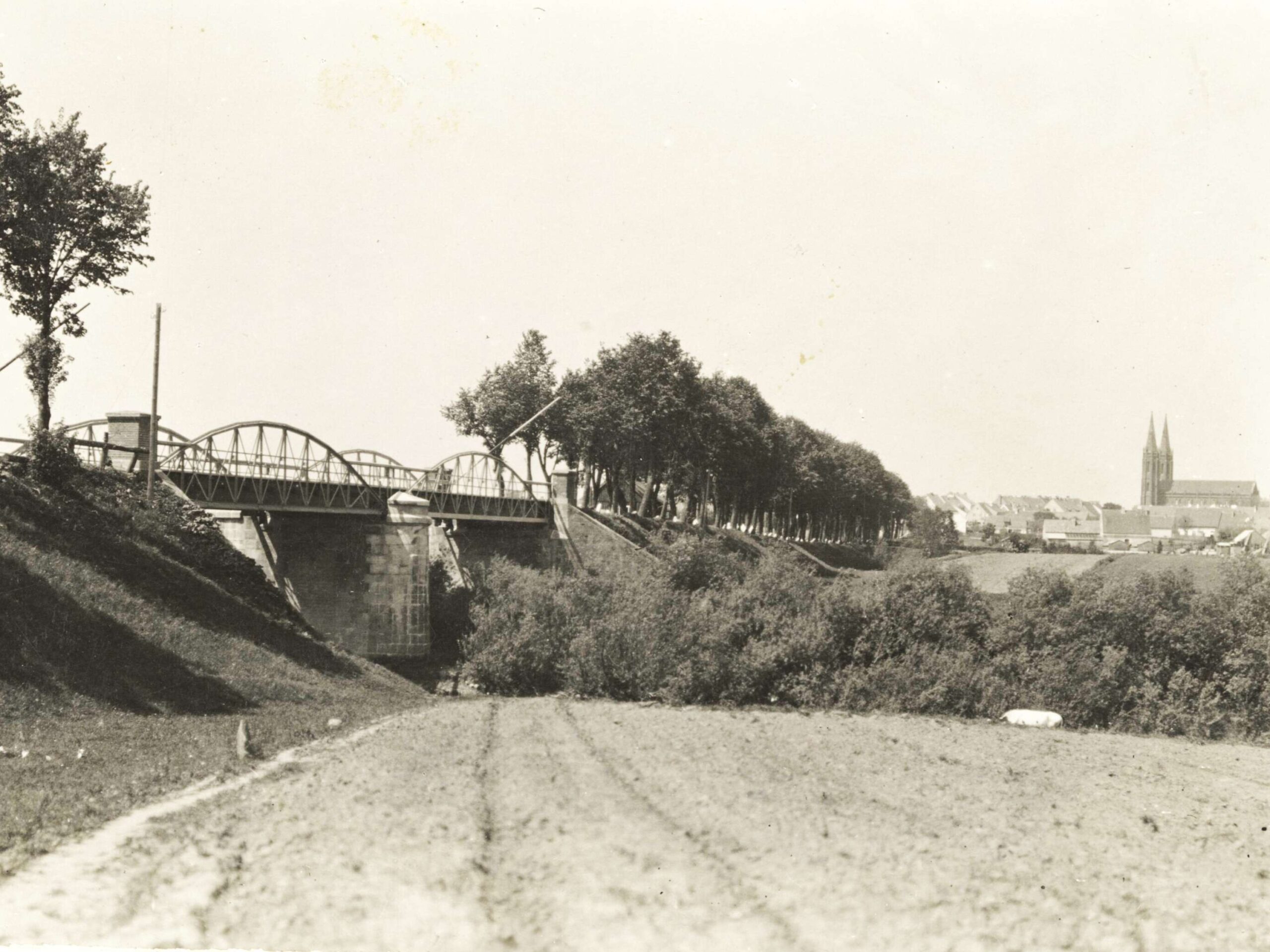
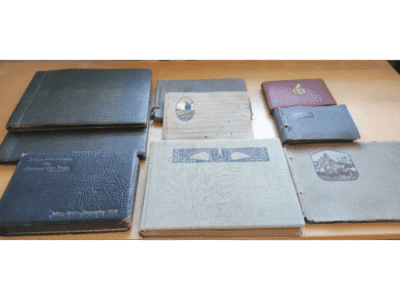
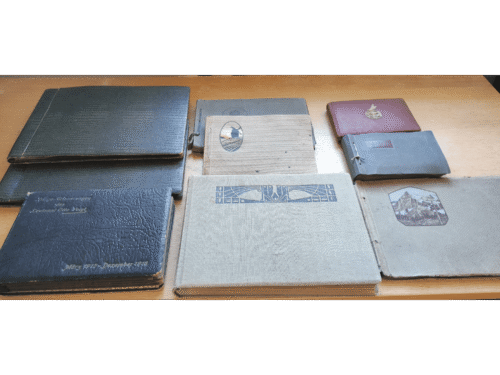
This year, the museum acquired nine photo albums (a total of 1,031 photographs) depicting the German army during World War I in occupied Lithuania. The images capture a wide range of scenes: daily military life, soldiers’ routines, leisure, military equipment, construction of bunkers and other facilities, and temporary military headquarters. An important part of these collections is the documentation of Lithuanian localities that lay along the front line—collapsed bridges, railway stations, architectural monuments, and the devastation of towns and villages. The photographs date from 1915–1918 and were taken by officers of Germany’s 10th Army. To them, Lithuania appeared as an unfamiliar yet exotic land, so they also recorded the everyday lives, dwellings, and fieldwork of local inhabitants—providing many valuable ethnographic views.
-
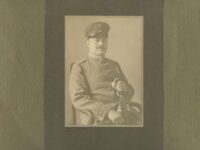
- World War I. LNM
-
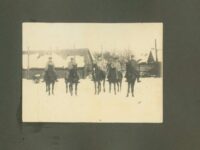
- World War I. LNM
-
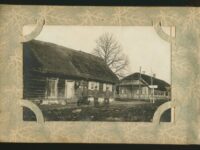
- World War I. LNM
The photographs are characterized by a strong reportage style. Some were published in German newspapers and periodicals issued in occupied Lithuania. The images pasted into albums served not only as visual records of the war but also as a form of correspondence—soldiers would send them home to Germany, and many were used for postcards.
Each album, often compiled by the photographers themselves, is therefore a unique and evocative testimony to World War I in Lithuania. Among the newly acquired collections, one album stands out—Kriegs Erinnerungen (“War Memories”) by Lieutenant Otto Voigt, which includes notable scenes from Alytus and its surroundings, as well as the lives of local residents.
Other albums feature photographs from Adutiškis, Ignalina, Joniškėlis (manor), Kaunas, Rokiškis, Šiauliai, Tauragė, and their surrounding areas; one includes images from Riga and its environs. Some of the architectural monuments captured in these photographs no longer exist, making the albums valuable resources for historical memory and research.
The museum has been collecting World War I photographs since 2000, beginning with the archive of August Heer, photographer to the commander of the German 10th Army’s aviation division. The collection has been expanded several times since. These nine new albums further enrich the Lithuanian iconographic material related to this world-shaping event, which played a decisive role in the Lithuanian nation’s struggle for statehood and independence.
Photographic Heritage
The museum’s photo-documentary department was also supplemented with other significant collections.
The first consists of 130 photographs by Vytautas Stanionis, from the series Žuvinto kolūkyje (In the Žuvintas Collective Farm, 1980–1985), Ligoninė (The Hospital, 1981–1990), Luko vaikystė (Lukas’s Childhood, 2001), and Fotografuota Lietuvoje (Photographed in Lithuania, 2000–2002). These works reflect everyday life in Soviet Lithuania, the transformation of cities and towns, and the realities of people’s lives as they transitioned from occupation to post-Soviet independence. Stanionis’s photographs carry a strong emotional weight—from unembellished depictions of workers’ daily lives to the slow, sometimes painful process of liberation.
The second collection includes 10,000 negatives by Antanas Sutkus from his series Nomenklatūra (The Nomenklatura, 1958–1989). This unique visual material reveals the life of the Lithuanian Communist Party, the daily routines of lower-level officials, and the behind-the-scenes world of the top political elite. Sutkus’s archive enables a broader and more authentic reconstruction of Lithuania’s late 20th-century history.
-
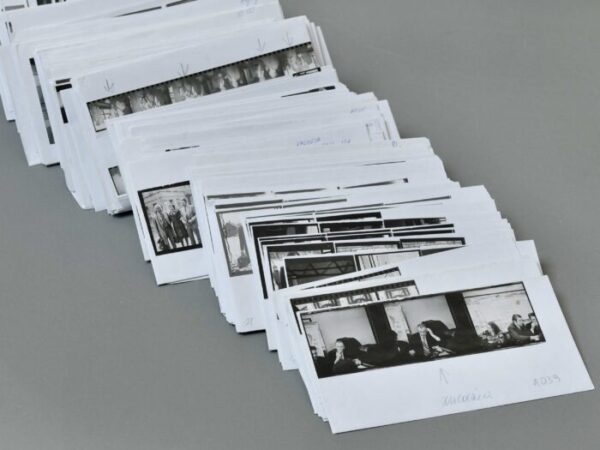
- Antanas Sutkus’ negatives from the cycle “Nomenclature” (1958–1989)
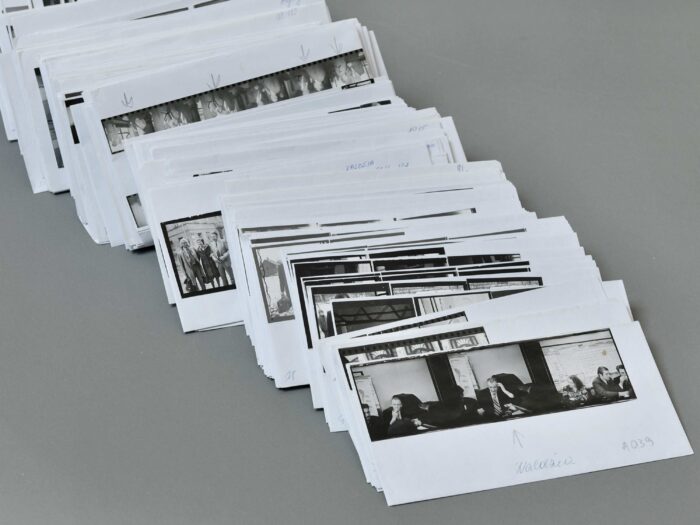
Numismatic Collections
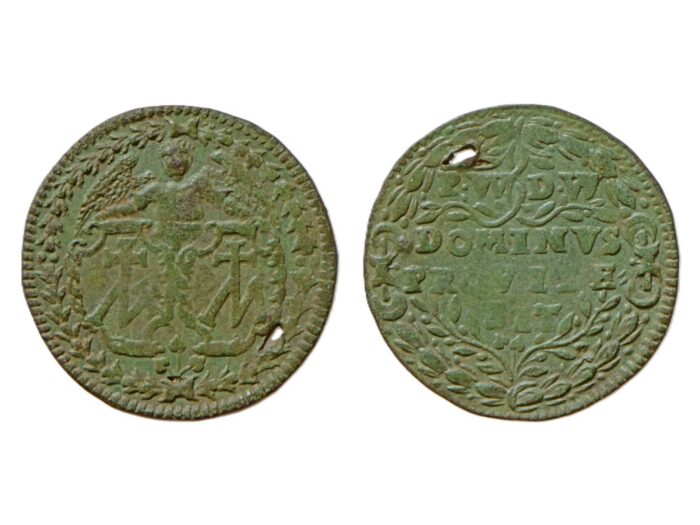
This year, the museum’s numismatic collection was expanded with seven new 16th–early 17th-century counting tokens from the Vilnius Mint. These include:
1559 token of Job Praitfus, Castellan of Vilnius,
1565 token of Stanisław Myszkowski, lessee of the Tykocin Mint,
1581 token of Jonas Glebavičius, Treasurer of the Grand Duchy of Lithuania (GDL),
1584 token of the brothers Vielkovičiai, lessees of the Vilnius Mint,
1586 token of Teodoras Skumin-Tiškevičius, Treasurer of the GDL,
1595 token of Andrius Zaviša, and
1615 token of Jeronimas Valavičius, Treasurer of the GDL.
The museum’s collection now includes 22 tokens minted in Vilnius by eight different individuals. Historical records show that during the 16th–early 17th century, 19 individuals minted tokens there, with 42 known variants by design and date. The newly acquired specimens represent six previously uncollected individuals. Similar tokens exist only in a few Lithuanian museums—Alytus Local History Museum, Vytautas the Great War Museum, the National M. K. Čiurlionis Museum, and the Money Museum of the Bank of Lithuania. None of them possess tokens of Praitfus, Tiškevičius, the Vielkovičiai brothers, or Zaviša. These are extremely rare even in international collections (only 2–10 known examples). Thus, this acquisition significantly enriches not only numismatics but also Lithuania’s broader cultural heritage, as each token tells the story of a historical figure closely linked with the GDL’s treasury, coinage, and administration.
-
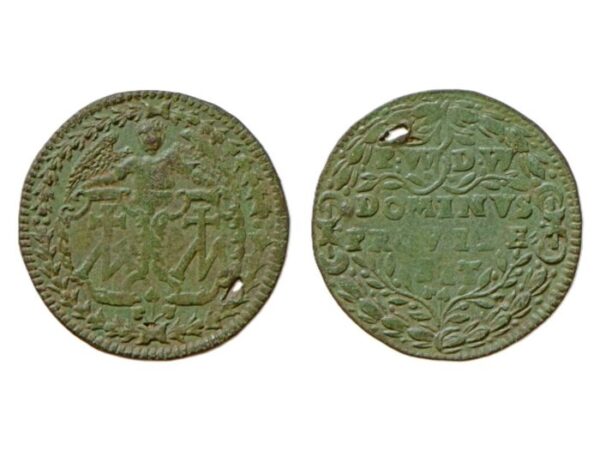
- Counting token. Grand Duchy of Lithuania. Vilnius. The Vielkovič Brothers, landlords of the Vilnius Mint. 1584.
Military History
The museum’s phaleristics (military insignia) collection was enhanced with an exceptional 1910 badge of a cadet from the Vilnius Military School. Made of silver and decorated with enamel, its obverse features a raised silver Vytis (the Lithuanian coat of arms) on a red enamel background; the reverse depicts blue enamel rays, seven stars (the Big Dipper), and the Russian inscription: “To nobility and enlightenment, know the righteous path.”
Operating from 1864 to 1917, the Vilnius Military School was one of the oldest military institutions in the Russian Empire. Over 10,000 officers graduated from it, including future founders of the independent Lithuanian Army—Generals Vincas Grigaliūnas-Glovackis, Kazys Ladiga, Pranas Liatukas, Stasys Nastopka, Pranas Tamašauskas, and Silvestras Žukauskas—as well as Petras Kubiliūnas, Pranas Saladžius, and Konstantinas Žukas. The school also trained prominent Latvian and Estonian officers such as Jānis Balodis, Krišjānis Berķis, and Johan Laidoner. These badges are extremely rare and form an important addition to the museum’s phaleristics collection.
Contemporary Art
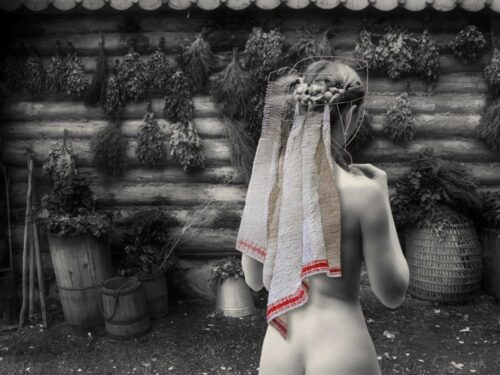
The ethnography and anthropology collections were enriched this year by two works of textile artist Lina Jonikė: Self-Portrait (2016) and Request (2017). These large-format works (125 × 188 cm) combine photography (by Rymantas Penkauskas) with embroidery on transparent plastic. The black-and-white images—showing a woman by an old bathhouse and ritual aprons on crosses in the ethnographic village of Zervynos—evoke the life of the past, while the hand embroidery adds a personal touch to traditional motifs. In these works, the artist explores the relationship between people and their cultural roots, as well as the search for identity in today’s globalized world.
The History of Lithuanian Currency
The museum also acquired Gitana Matonytė (Vaskelienė)’s 1994 diploma project from the Vilnius Academy of Arts—designs for Lithuanian Republic banknotes. The set includes obverse and reverse designs for seven denominations and an explanatory text.
Considering that the litas, reintroduced into circulation on June 25, 1993, was of low artistic and production quality, the author proposed using imagery from archaeological finds—jewelry, stove tiles, coins of Jogaila, Vytautas, Kazimieras, and Sigismund III Vasa—and other historical and literary artifacts. In consultation with specialists from the Bank of Lithuania, she developed aesthetic and functional security features such as registration marks, microtext strips, and guilloche patterns. The projects were created digitally and printed at the Canon Center in Vilnius on special paper; identical copies can no longer be reproduced. In 2022–2023, the banknotes were exhibited in the international exhibition 100 Years: Litas, Lats, Króna in Vilnius, Riga, and
Tallinn.
This work is the only one of its kind in Lithuanian art and monetary history, merging applied art with the movable heritage preserved in museums.
-
- Designs for banknotes of the Republic of Lithuania. 1994. Artist. Gitana Matonytė (Vaskelienė).
-
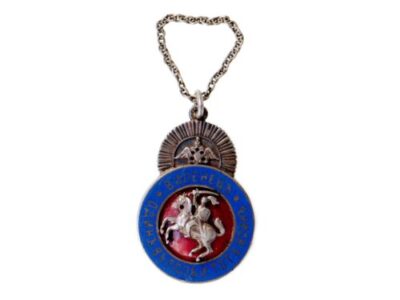
- Vilnius Military School Cadet Badge, established in 1910. Russian Empire. Silver, enamel. Obverse
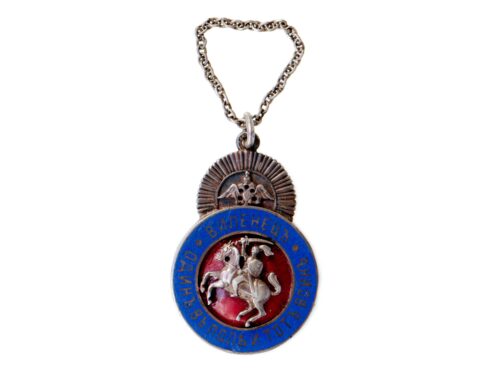
-
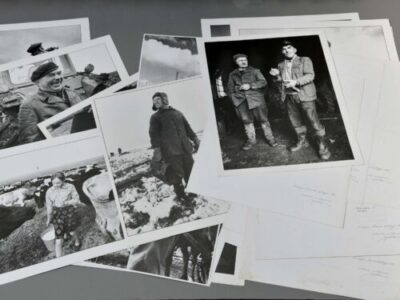
- Vytautas Stanionis’ photographs from the cycles “On the Fish Farm” (1980–1985), “Hospital” (1981–1990), “Luka’s Childhood” (2001), “Photographed in Lithuania” (2000–2002)
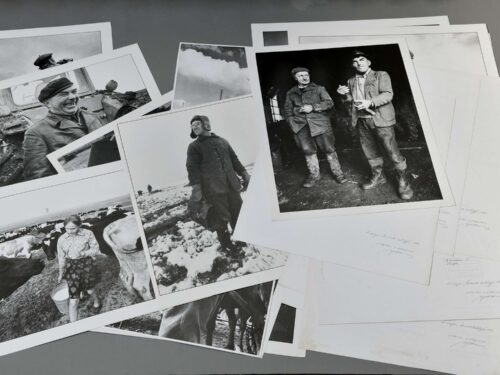
-
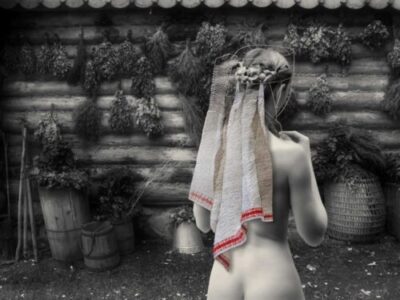
- Lina Jonikė. Self-portrait, 2016. Photo (photo by Rymantas Penkauskas)