New branch of the National Museum of Lithuania, the Castellan’s House, invites you to get to know Lithuania’s identity
2024 03 27
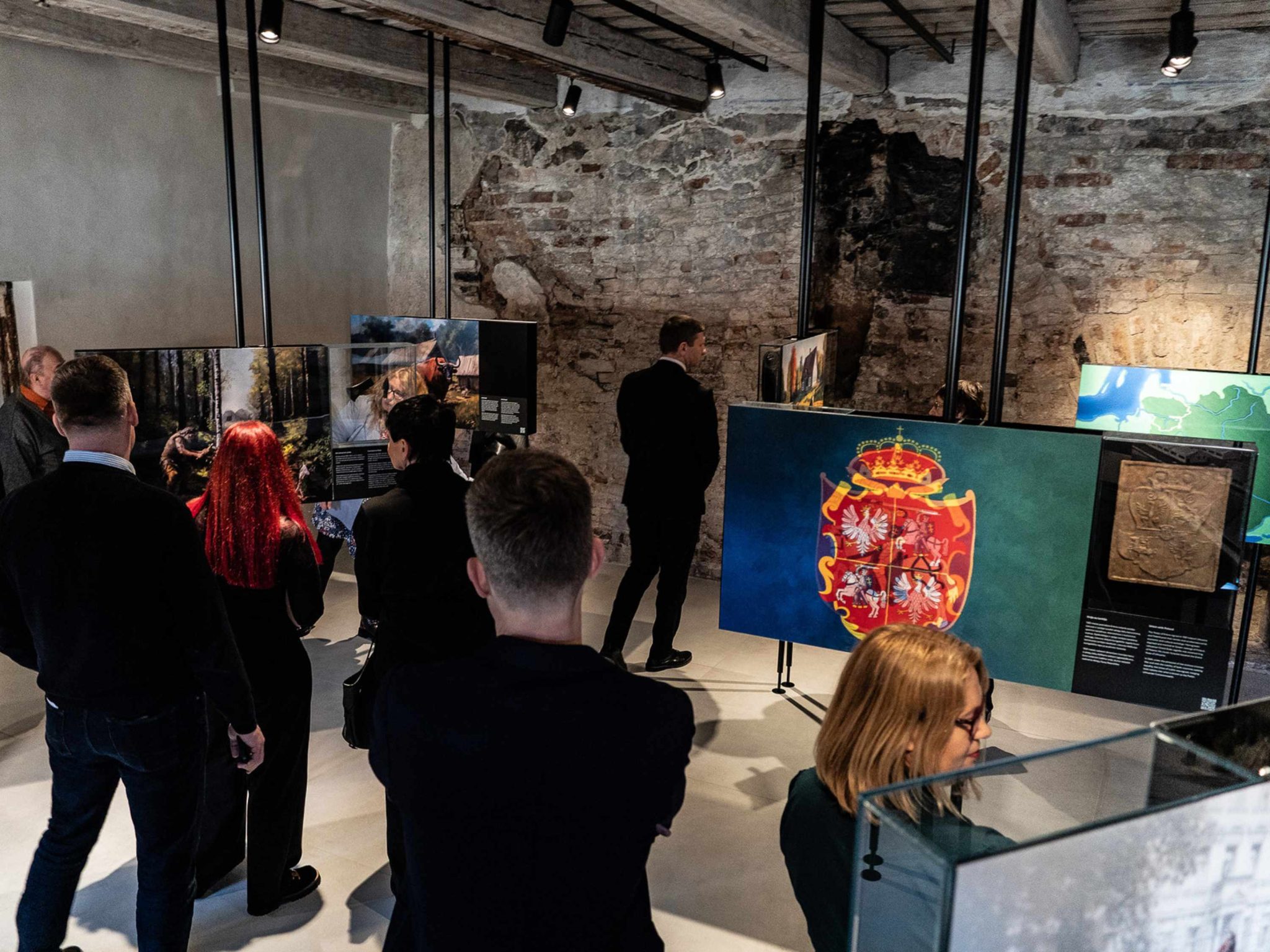
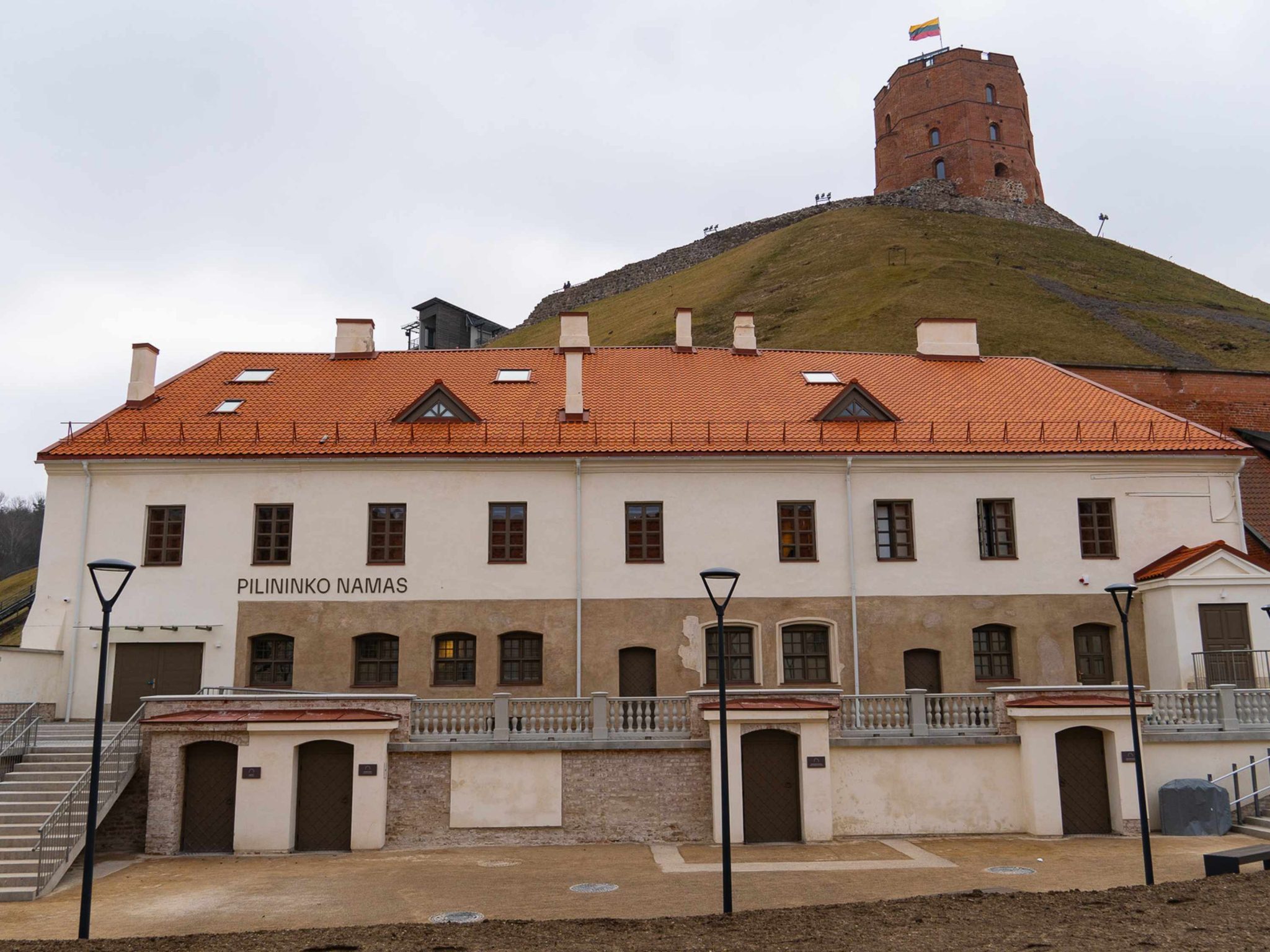
The Castellan’s House opened on the 27th of March, at the foot of Gediminas Hill. It is the newest branch of the National Museum of Lithuania and houses the “Understand Lithuania” exposition which presents Lithuanian history in a modern fashion. There one can get familiar with the essential ideas and figures that shaped the Lithuanian identity and contributed to the development of Lithuania’s statehood, culture and science. The new museum, located at Arsenalo st. 1, Vilnius, invites everyone to visit on its opening week from Wednesday to Saturday, during which admission is free of charge.
A new narrative key – history in a different way
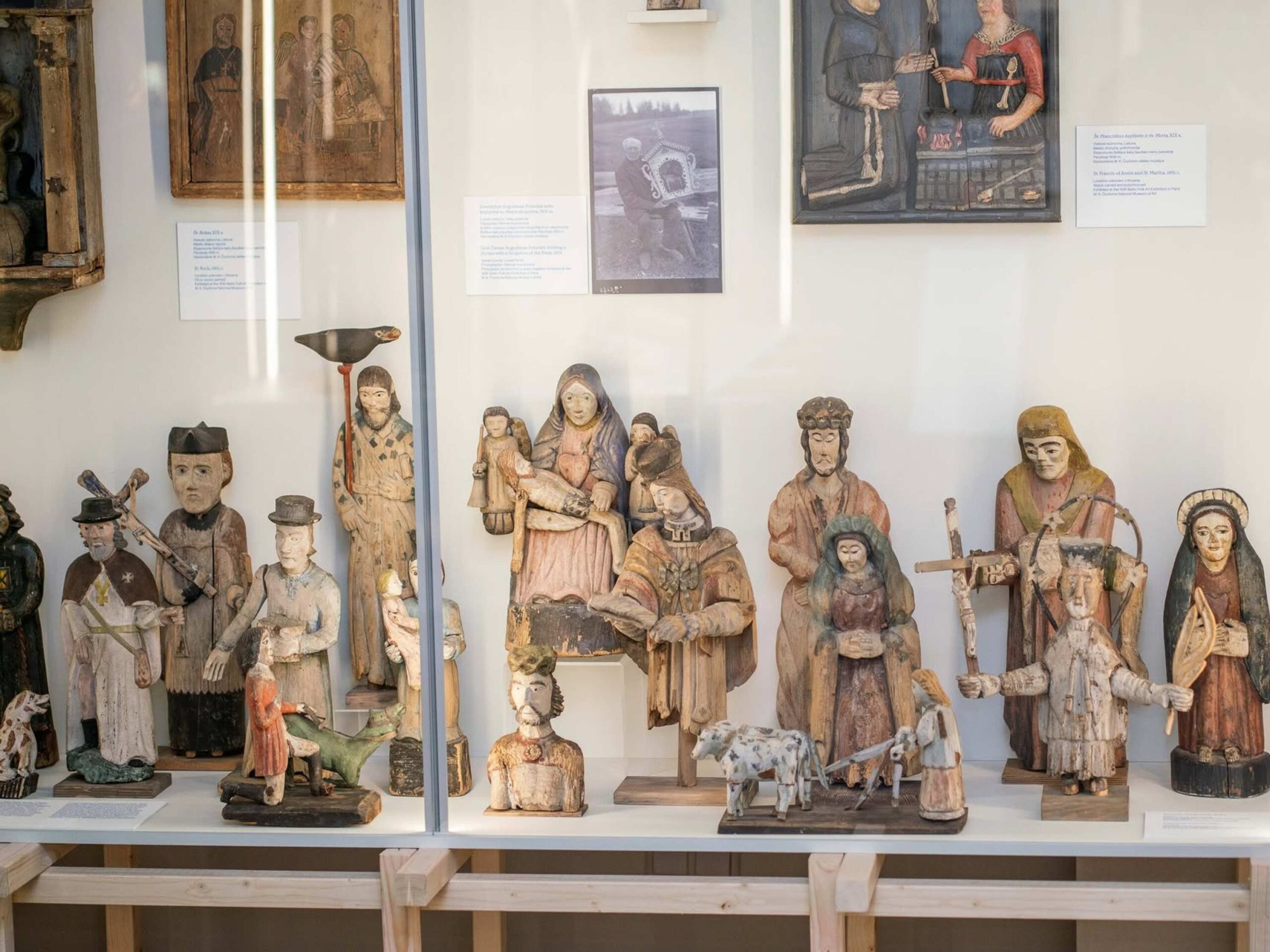
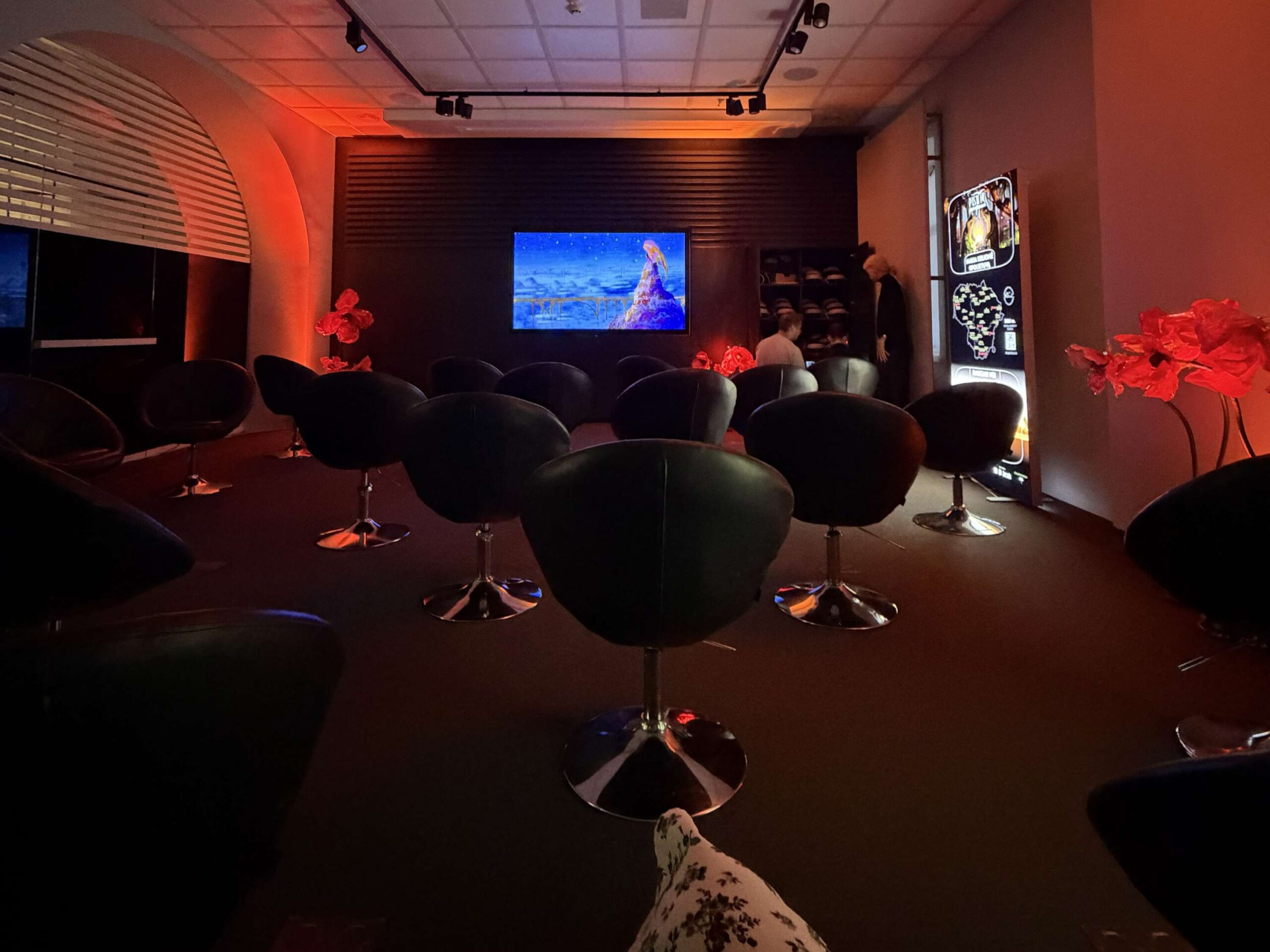
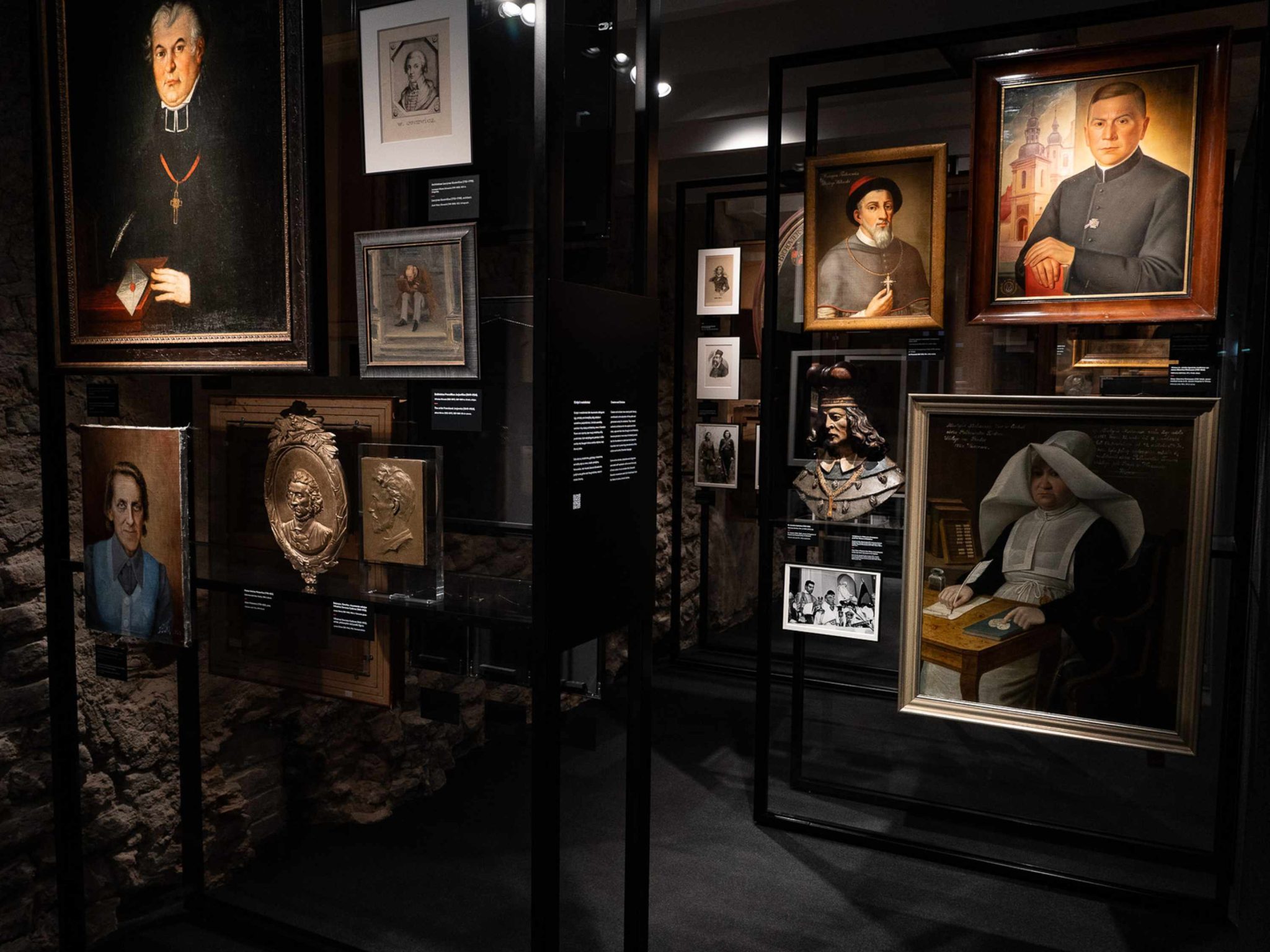
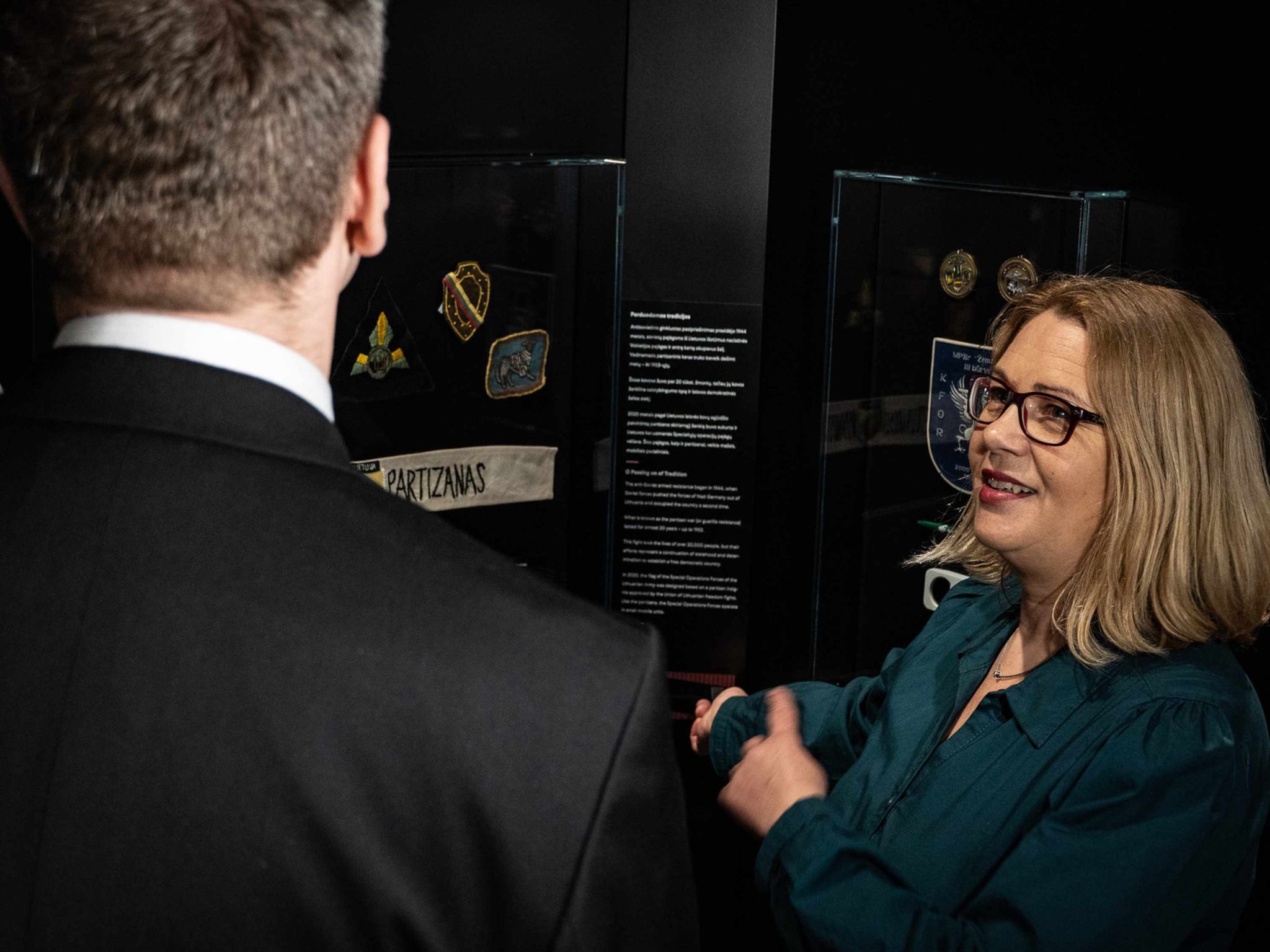
The director general of the National Museum of Lithuania, Rūta Kačkutė, at the opening of the Castellan’s House highlighted the fact that one of their first tasks was to find a new narrative key – the aim was to link the presentation of the country’s identity to an individualised motif of society and human life. Visitors are invited to become acquainted with Lithuanian history through different topics in the new museum – creation, beliefs, battles, turning points, global ties and faces. Each topic has its corresponding exhibition hall where the most important events are covered, from ancient times all the way to the modern day and paying special attention to the parts which helped shape Lithuania’s identity.
Photos by: Augustinas Bėkšta, LNM
“We wanted to create an attractive guide without simplifying the story of Lithuania’s history: something that is recognisable to foreigners, understandable for the youth, all people in Lithuania are welcome here”, commented R. Kačkutė regarding what kinds of visitors the exhibition is for.
The new museum is not only about viewing the exhibition. For those seeking to delve deeper into history, information is conveniently available via smartphone by scanning the QR code next to a topic or exhibit. An audio guide will also enhance visitors’ experience and allow them to get to know the exhibition even better.
Visitors are invited to discover the face of Lithuania
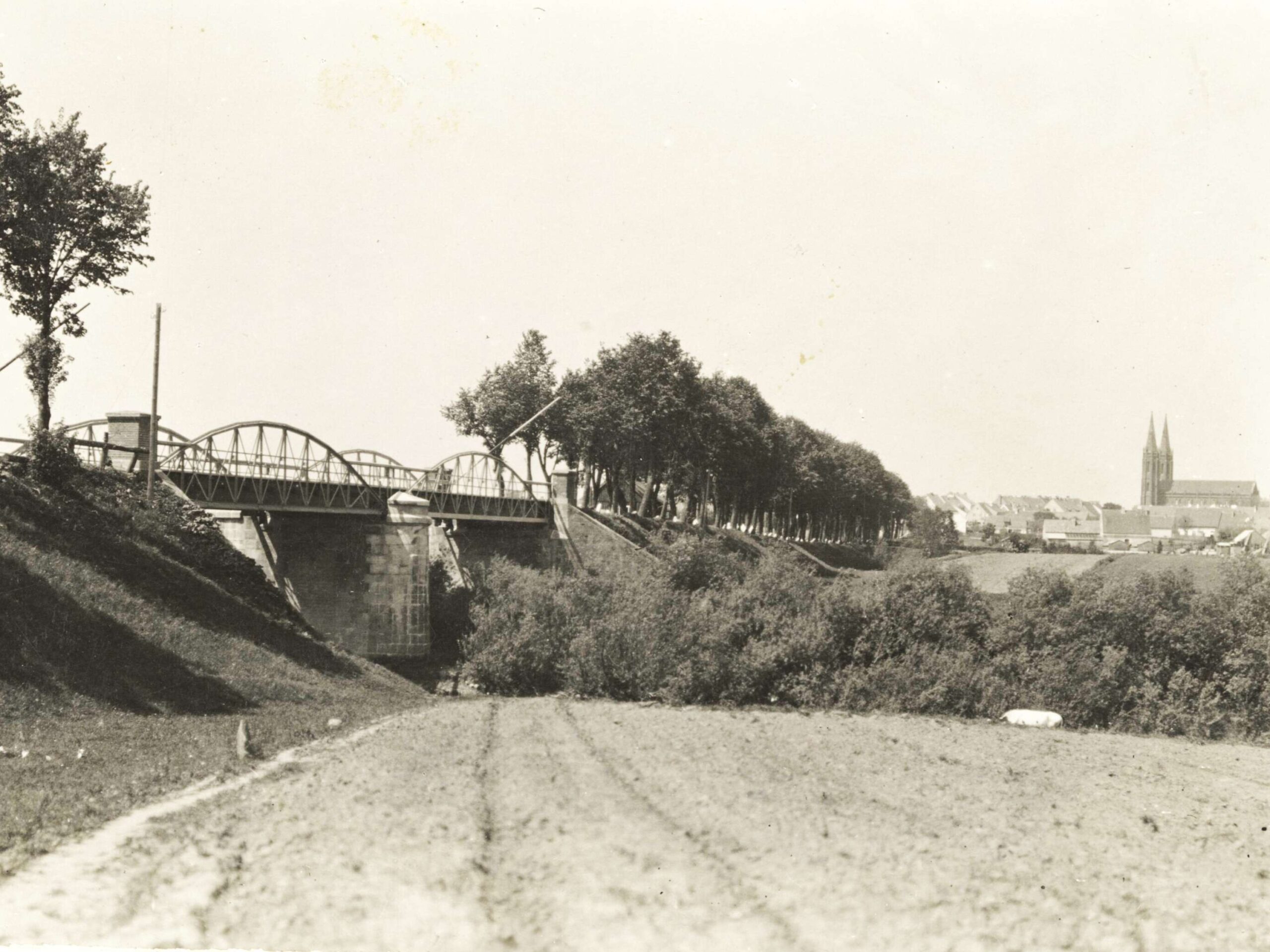
During the presentation, R. Kačkutė, the museum’s director, said that this new exhibition space at the foot of Gediminas Hill is unique in that it highlights Lithuanian identity and helps to understand how Lithuania looks in a global context and how global trends have been applied and adapted here. “Without being very exceptional, we were inventive: Baroque art was stimulated by the aesthetic ambitions of the nobility, Kazimieras Semenavičius’ work described the production of rockets as early as 1650, and the ANBO planes were not inferior to their counterparts of other major countries,” said the Director General of the Museum about the uniqueness of Lithuania and the links to the world that are presented in the exposition.
Museumgoers will be invited to express their opinion on which of the thematic halls best reflects Lithuania’s identity and contribution to the country’s development. “Nation-building is not a one and done or a static process. The new challenges that constantly arise force each of us to ask ourselves: what kind of shared reality do we want to continue to build? We hope that every visitor to this museum will feel like an important creator of Lithuania’s future and will search for his or her own answer as to what the face of Lithuania is,” R. Kačkutė described the topicality of the Castellan’s House exposition.
In the exhibition “Understand Lithuania”, visitors will not only be able to see the exhibits, but also to create them themselves. New technology introduced in the museum will allow everyone to contribute to the creation of Lithuanian fabric patterns or to mark in the world globe the countries where emigrated Lithuanians also contribute to the creation of Lithuanian identity. Visitors will be able to transfer the Lithuanian fabric pattern they have created as a wallpaper to their electronic device and, after receiving instructions by email, embroider it.
New attraction in Vilnius
The creators of the Castellan’s House wanted it to be not only a modern museum worth visiting, but also a new tourist attraction in the heart of the Old Town. The exhibition “Understand Lithuania” was designed to be an attractive space for young visitors and guests of the city as well. It is planned that the Castellan’s House, which will open its doors at the foot of Gediminas Hill, will become a new venue for education, concerts, events and leisure activities.
Simonas Kairys, the Minister of Culture of the Republic of Lithuania, emphasised at the opening of the new branch of the National Museum of Lithuania that the Castellan’s House turns this page of history as a fully formed cultural space. “This valuable historical building has not only been restored, but its concept has been defined, activities have been planned, and an exhibition dedicated to Lithuanian identity has been installed. When creating new cultural spaces, it is always very important to see the final vision, not just the restored walls or the unveiled vaults, but also the narrative that will unfold between those walls. Ideally, form and content should coincide, when the space itself and the narratives it creates are complementary. I have no doubt that we will see such an interchange of form and content here in the Castellan’s House,” said the Minister of Culture.
-
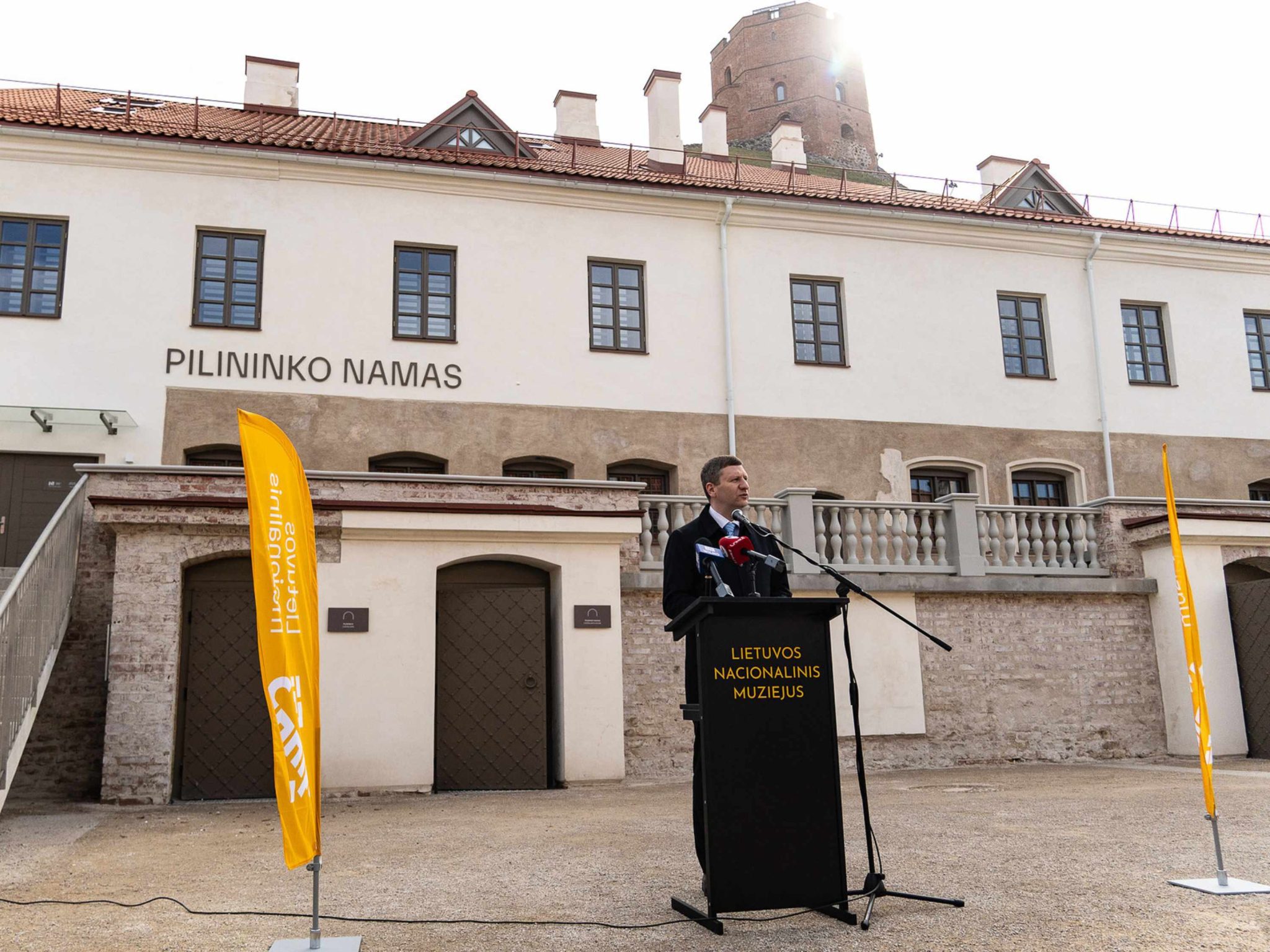
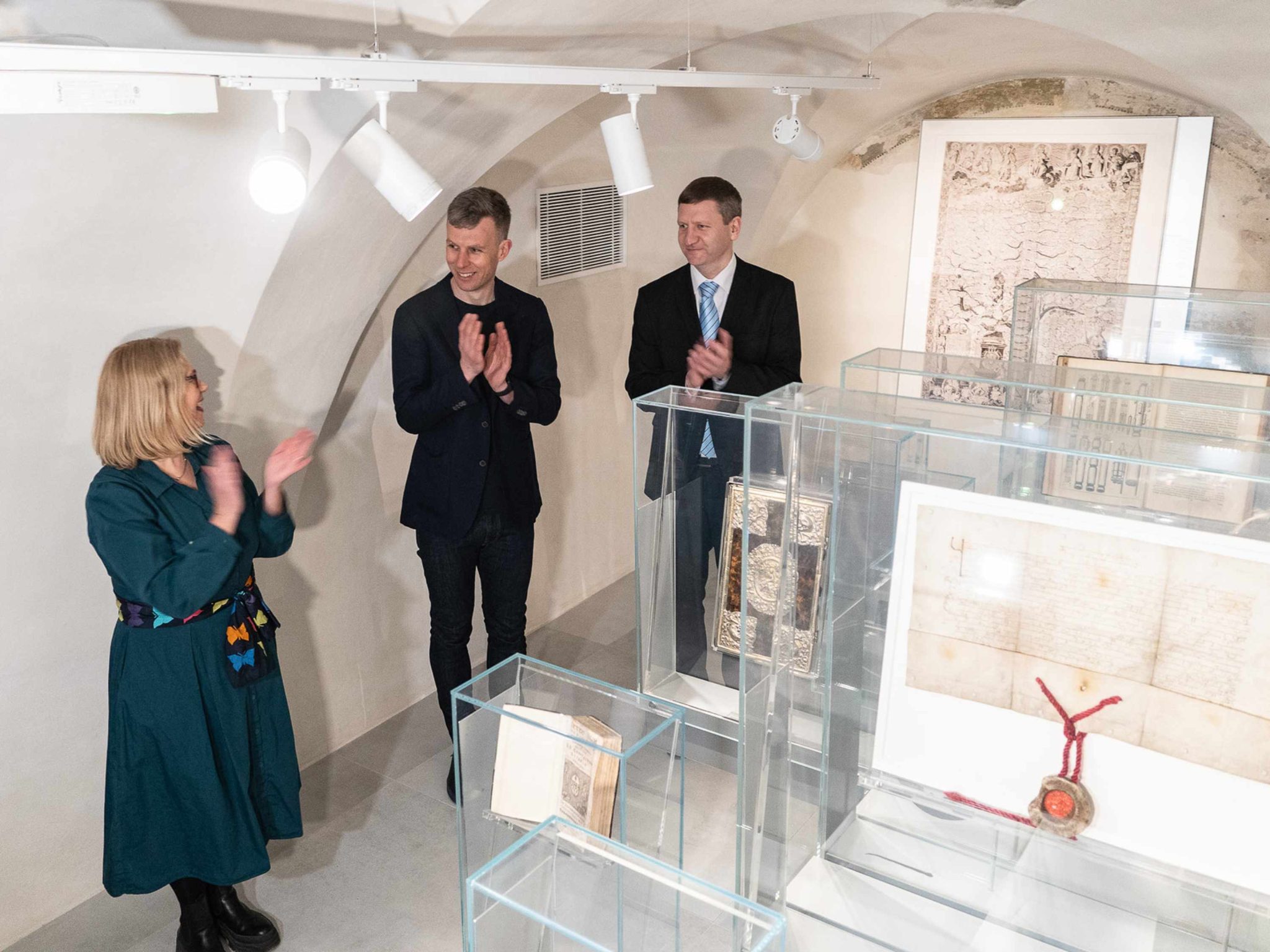
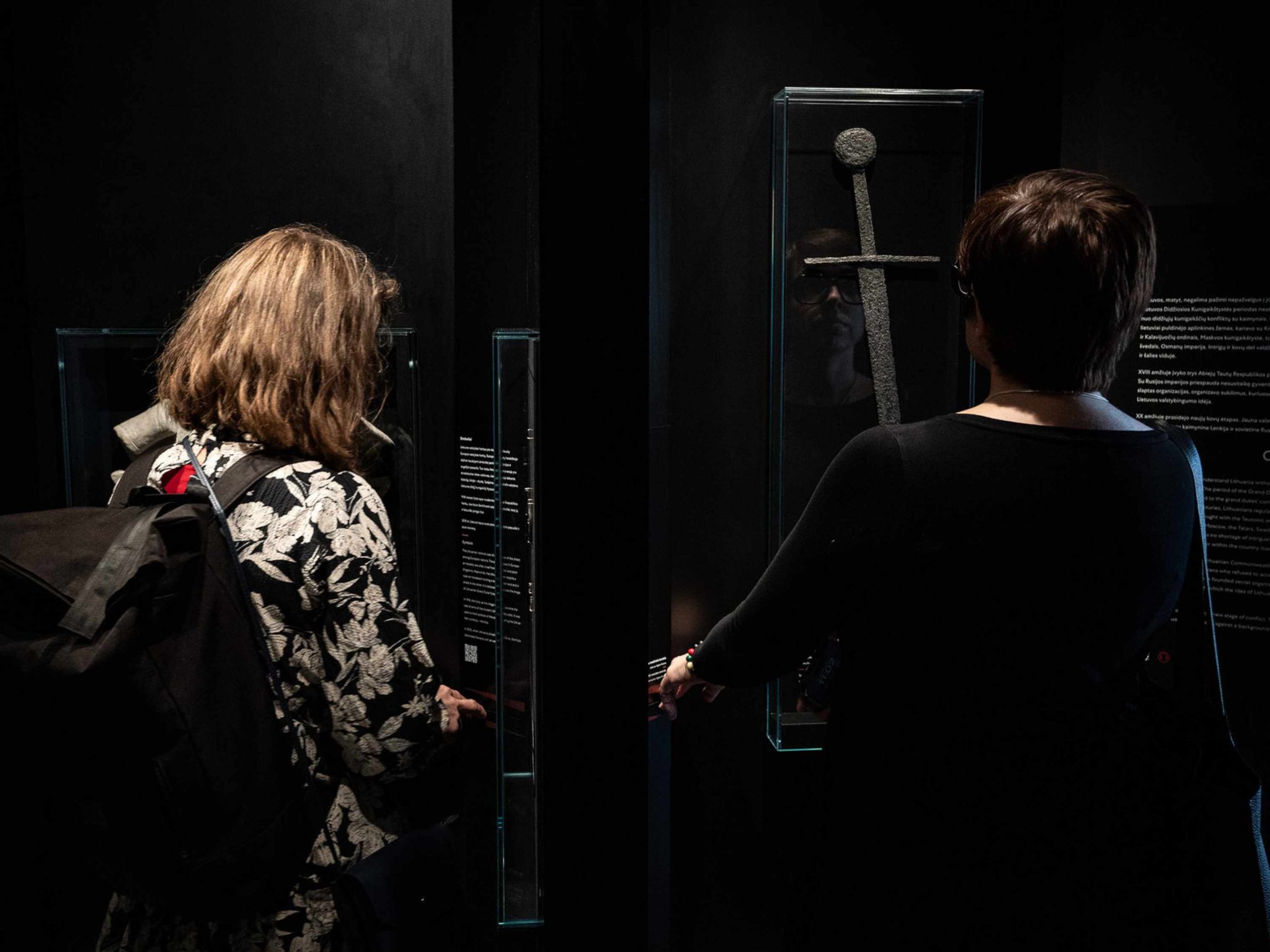
- Opening of the Castellan’s House Photo by: Augustinas Bėkšta, LNM
-
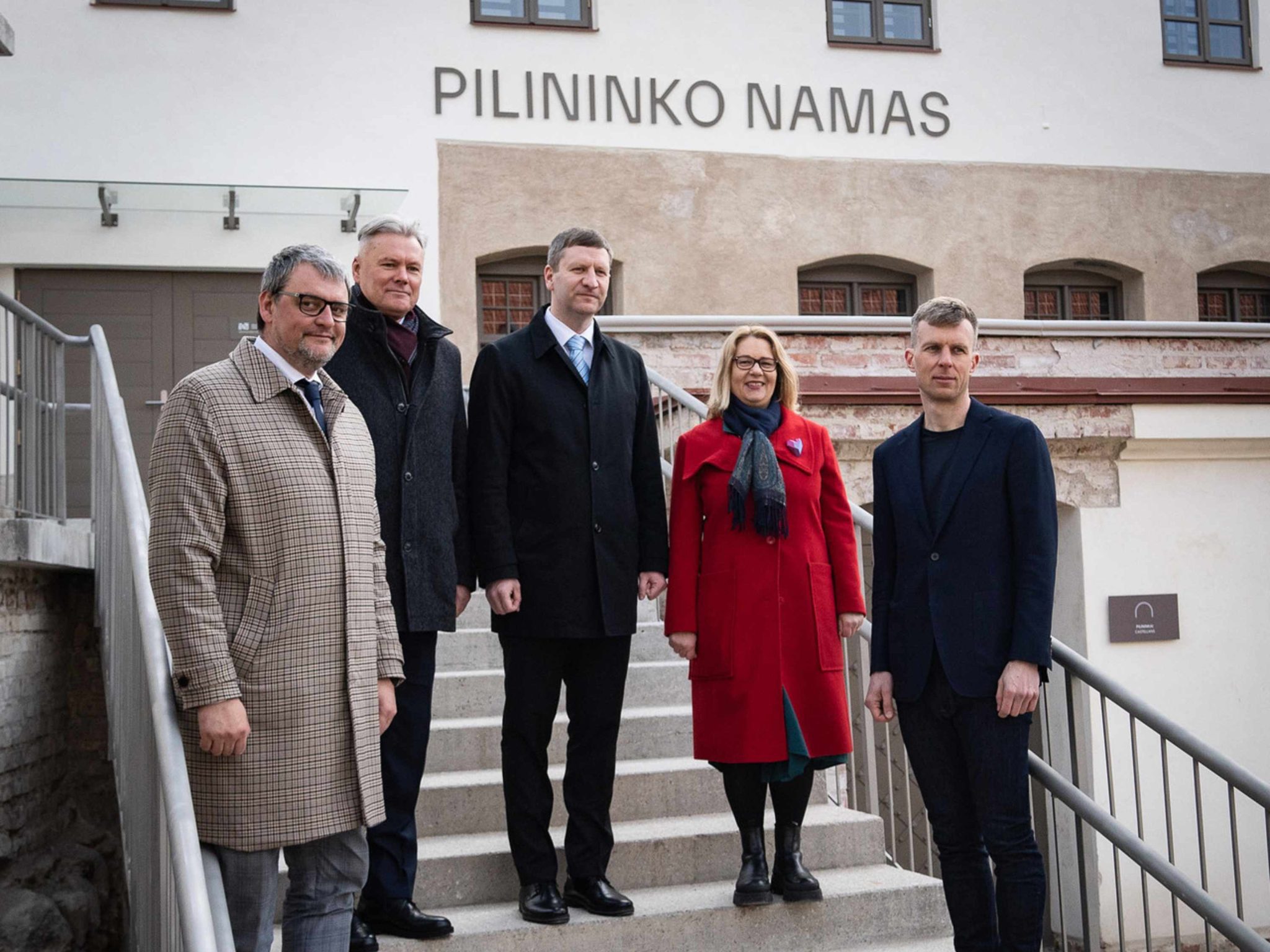
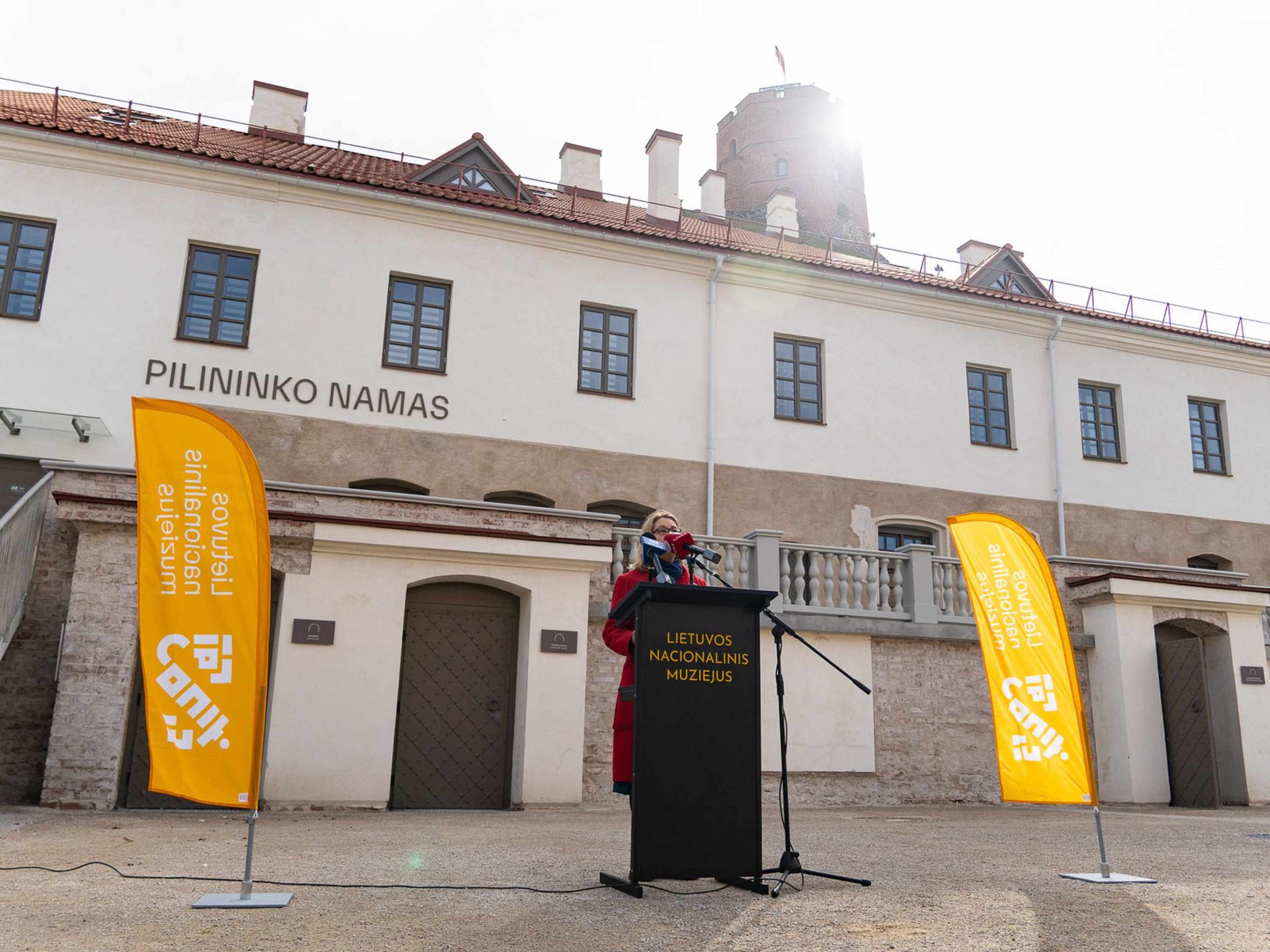
- Opening of the Castellan’s House . Photo by: Augustinas Bėkšta, LNM
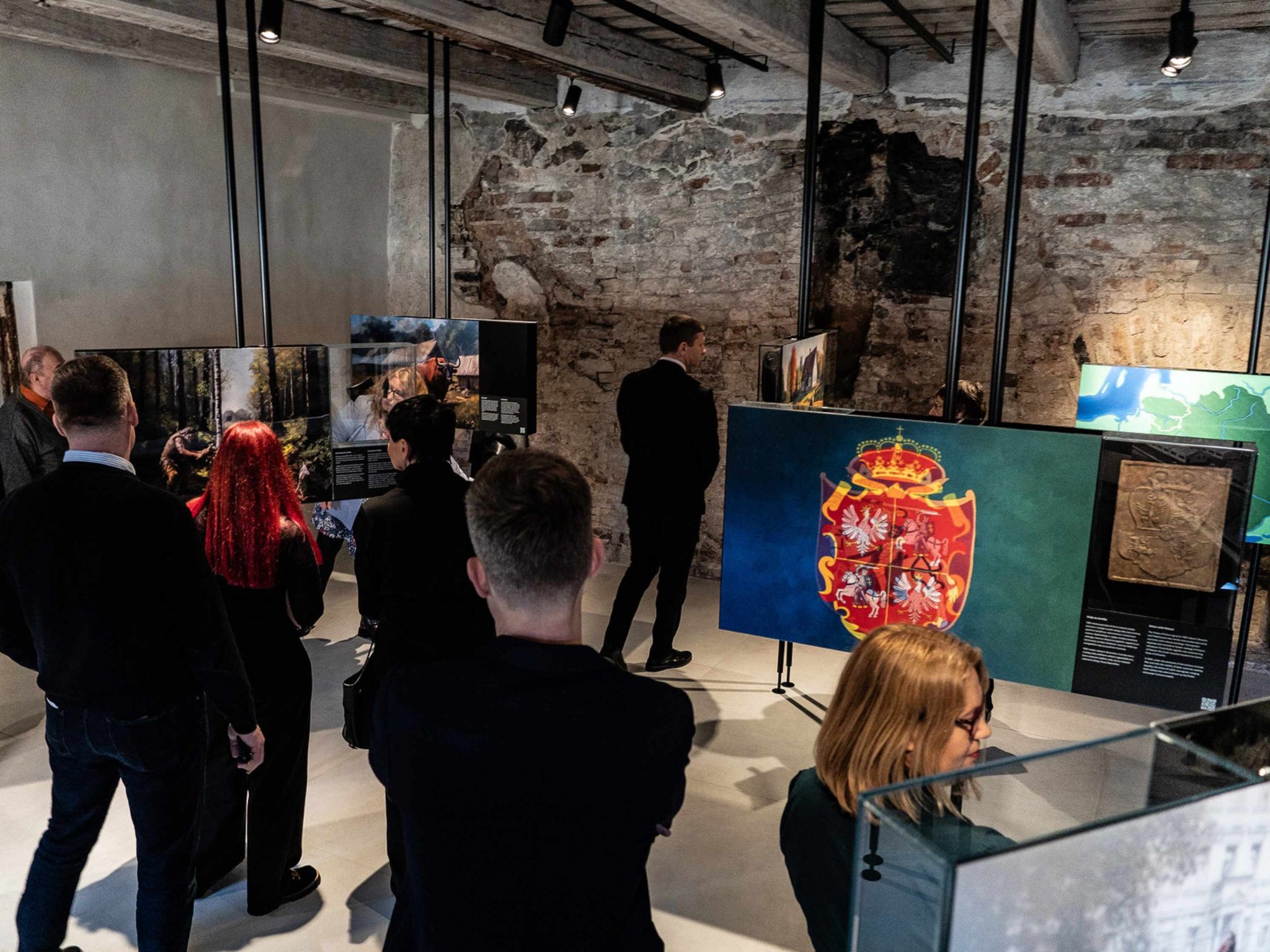
Photos by: Augustinas Bėkšta, LNM
Historical building restored
Prior to the reconstruction, historical, archaeological, architectural and polychrome studies were carried out in the Castle House and its grounds. The cost of the project is more than €4 million, financed by the European Regional Development Fund. The building has been given a new lease of life and has been adapted for modern museum activities.
The house was reconstructed by the construction and restoration company “Virmalda”, and an exhibition dedicated to the history of Lithuania was installed by the architecture bureau “Processoffice”. “It was a great challenge to convey a balanced and understandable idea in a special historical building; the project is certainly interesting. In a relatively small space, we offer visitors functional diversity, this museum will also stand out through its unique solutions,” said Vytautas Biekša, Director of “Processoffice”, during the opening ceremony, about the process of creating the architecture of the Castellan’s House exhibition.
The Castellan’s House with four separate entrances to the cellars is a unique monument of Lithuanian castles of the 15th-16th centuries. During the restoration and conservation works, stonework and decorative elements from the Gothic and Renaissance periods have been uncovered and are now on display; the northern basement has been excavated and underground corridors, vaulted spaces with Renaissance openings, and wooden beamed ceilings have been uncovered.
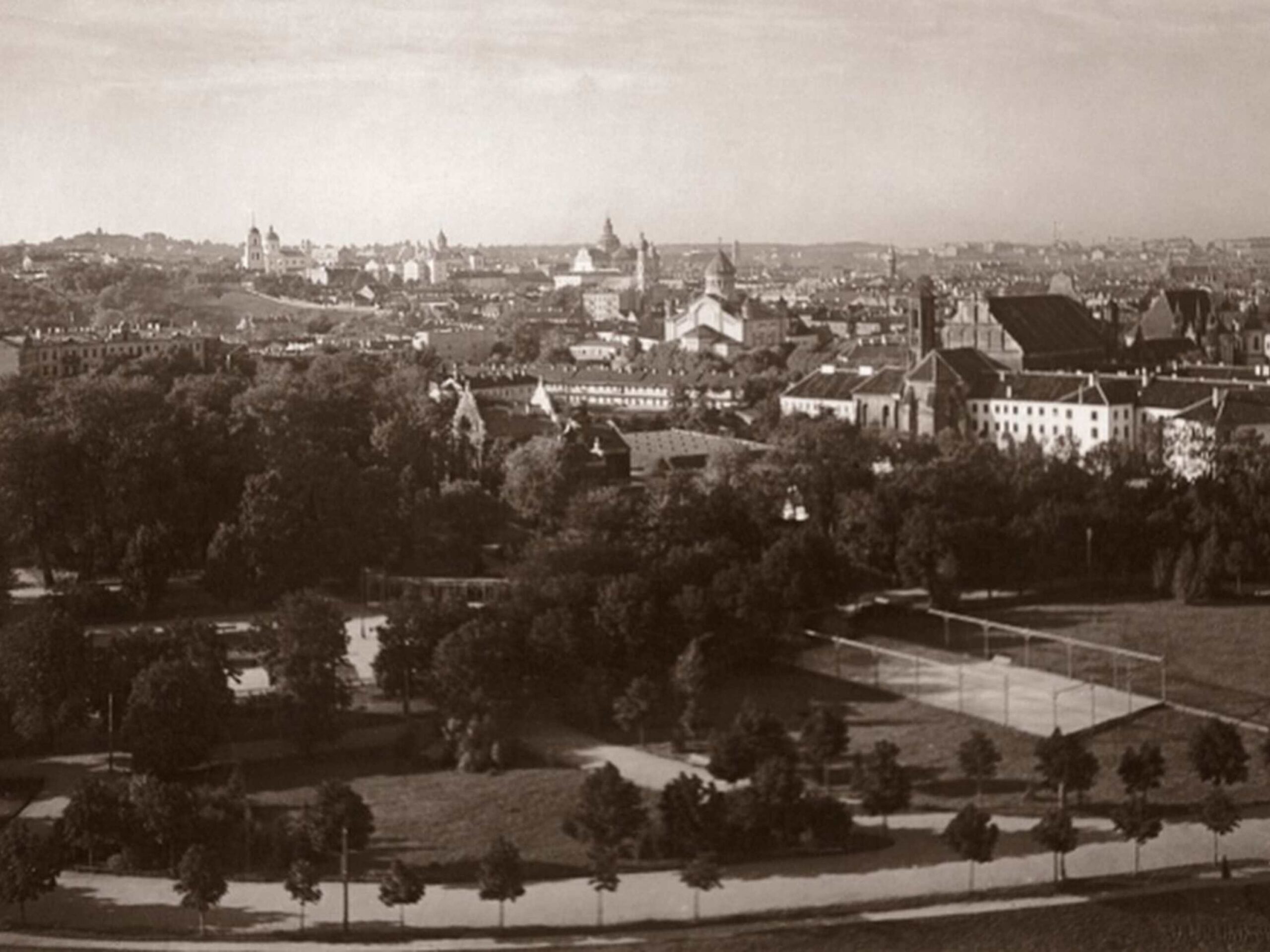
The main exhibition of the Castellan’s House is complemented by a story in the cellars about the craft of the castellan, stonemasonry and the history of the city of Vilnius as it appeared 200 years ago.