Lithuanian Exile Exhibition Opens at a Symbolic Location in Japan
2025 03 21
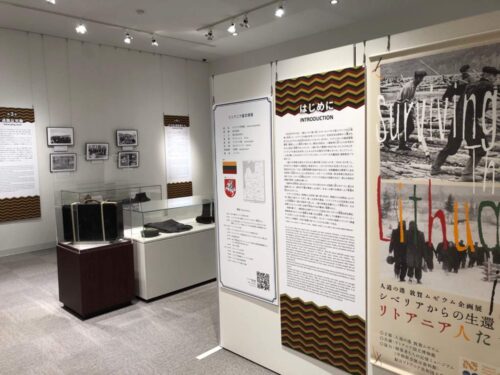
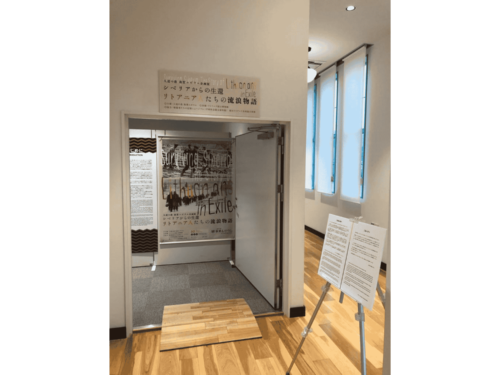
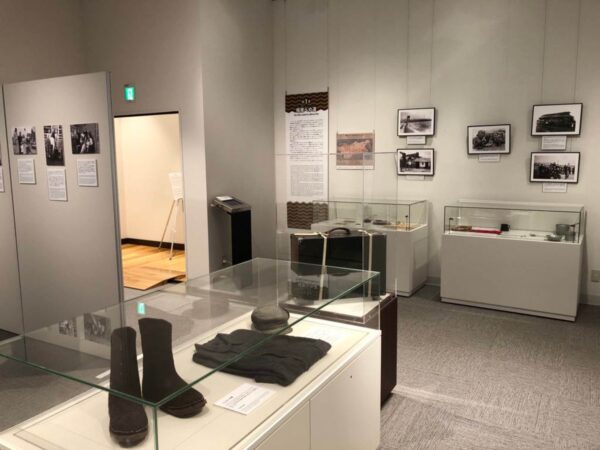
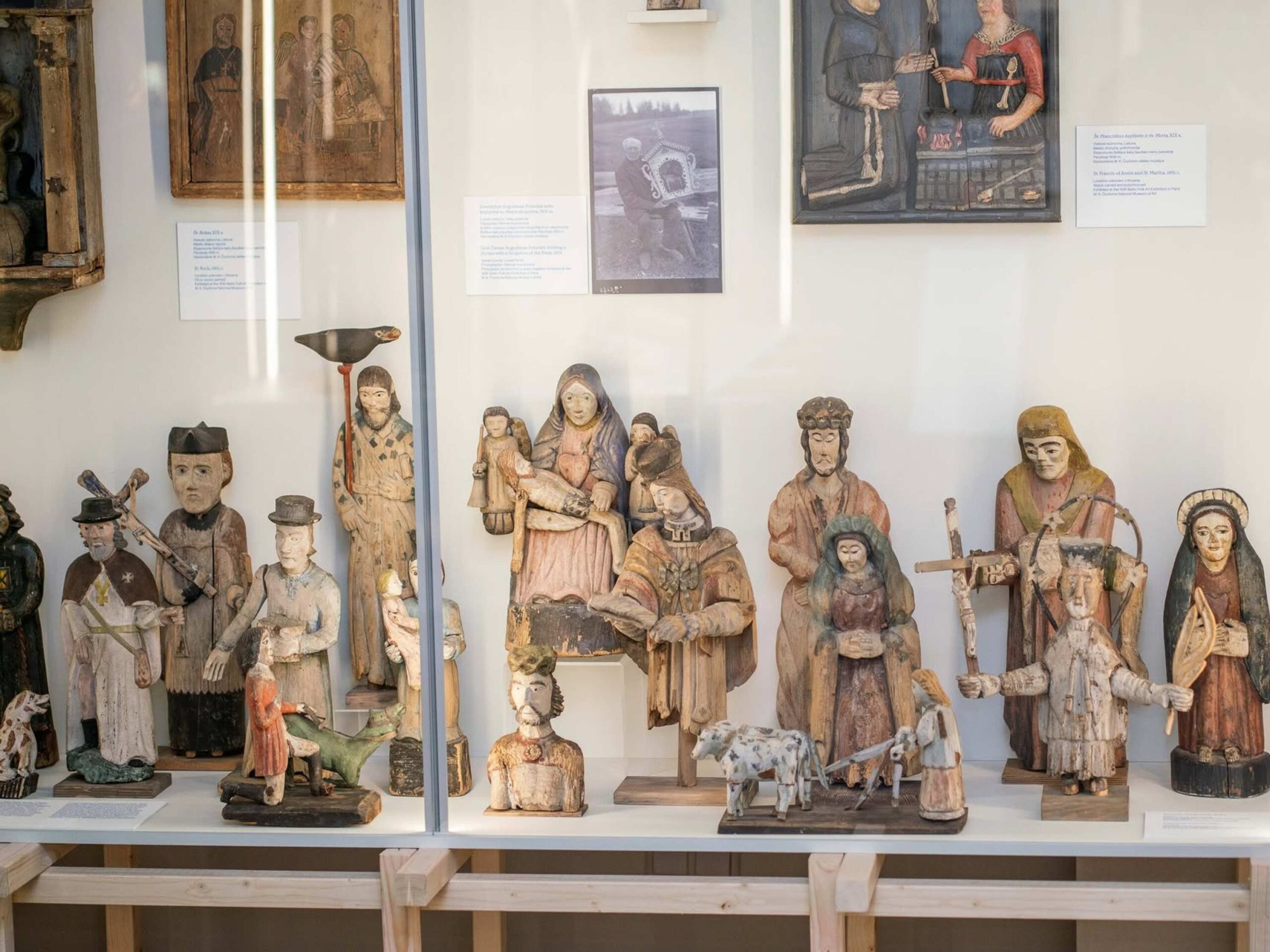
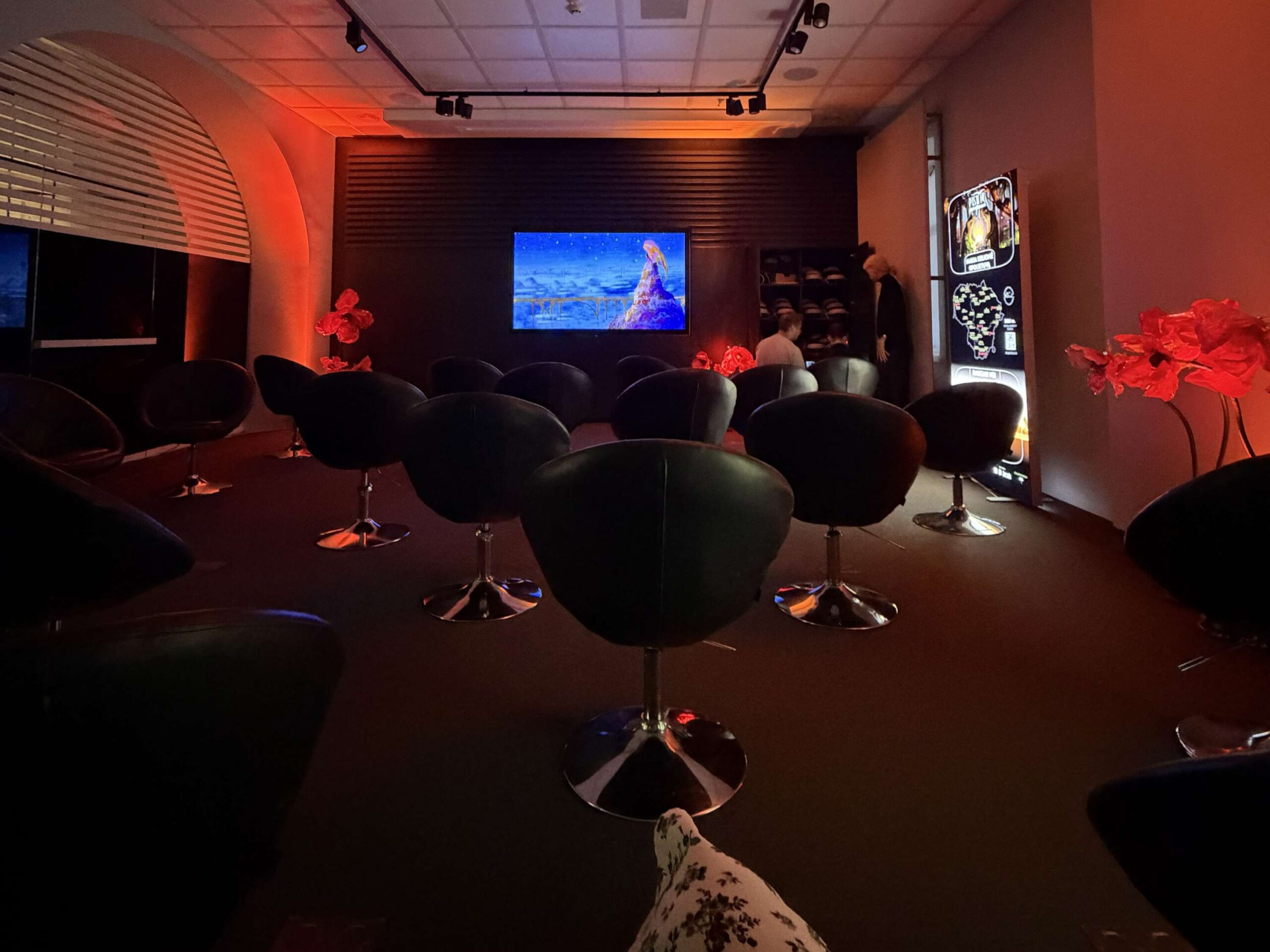
The exhibition Surviving Siberia: The Story of Lithuanians in Exile, organized by the National Museum of Lithuania, has opened at the Port of Humanity Tsuruga Museum in Japan. This museum is located at the port of Tsuruga—a historically significant site where Jewish refugees rescued by Chiune Sugihara disembarked after fleeing Lithuania. The exhibition features photographs and more than 50 artifacts that tell the story of Lithuanian deportations.
This exhibition presents the Soviet repressions against the people of occupied Lithuania, during which thousands—including women and children—were forcibly taken from their homes. Stripped of their freedom, they endured hunger, forced labor, and harsh living conditions. Yet even in exile, they preserved their language, traditions, and the hope of returning home.
Lithuania was not the only nation to suffer under Soviet oppression. After World War II, Japanese prisoners of war, like Lithuanian deportees, were exploited as cheap labor in Soviet work camps—many of them perishing under inhumane conditions. This shared history of persecution makes the exhibition’s presentation in Japan especially symbolic.
Tsuruga holds a special connection to Lithuania. The port once welcomed Jewish refugees saved by Chiune Sugihara, the Japanese diplomat who issued transit visas while stationed in Kaunas. “The exhibition opens in a symbolic location—one that remembers those who were given hope and a second chance at life. At the same time, we honor those whom the Soviet system sought to destroy without mercy. Their voices still speak to us, calling on us to defend justice and human dignity. These stories must be told so that history does not repeat itself,” said Dr. Rūta Kačkutė, Director General of the National Museum of Lithuania.
Lithuanians were imprisoned and deported to many parts of the Soviet Union—from European Russia to the Far East near Khabarovsk, from the Laptev Sea in the north to Tajikistan in the south. During the peak years of repression (1940–1941 and 1944–1953), around 280,000 people were forcibly removed from Lithuania—70% of them women and children. Some were sent to Gulag labor camps, others were resettled in remote settlements under the watch of Soviet security services. Although political liberalization began after Stalin’s death, persecution of dissenters continued until Lithuania regained its independence. About one-third of those deported or sent to Gulag camps never returned—due to death, restrictions, or other barriers.
Curator: Virginija Rudienė
Coordinator: Simona Širvydaitė-Šliupienė
Texts writer: Milda Varnauskaitė
Organizers: National Museum of Lithuania and the Port of Humanity Tsuruga Museum.
Partners: Embassy of the Republic of Lithuania in Japan, Lithuanian Culture Institute.
The exhibition is open at the Port of Humanity Tsuruga Museum until June 15, 2025.