From Vilnius to Uppsala: NML Exhibition About Queens Opens Up a Common European Memory
2026 02 18
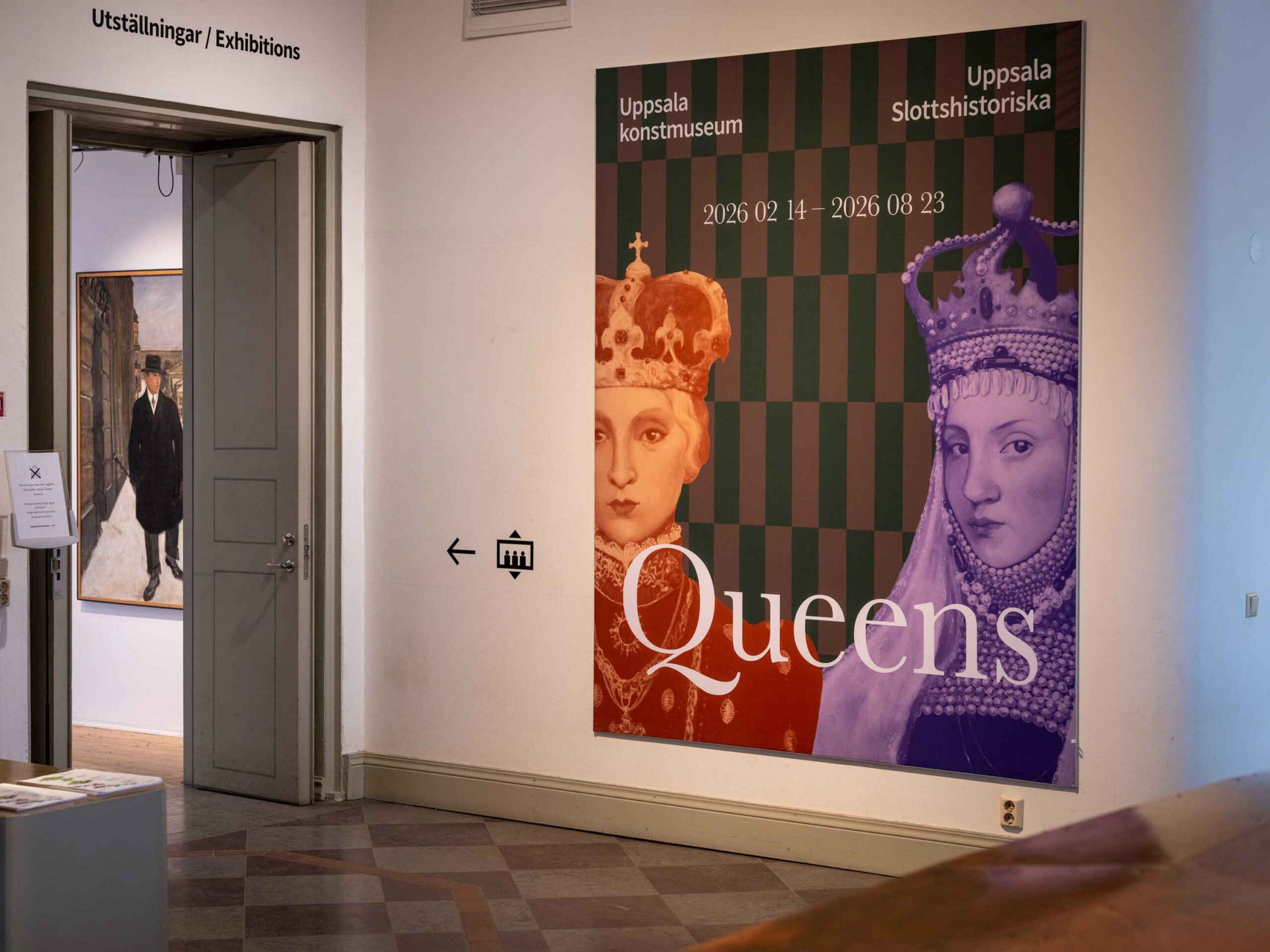
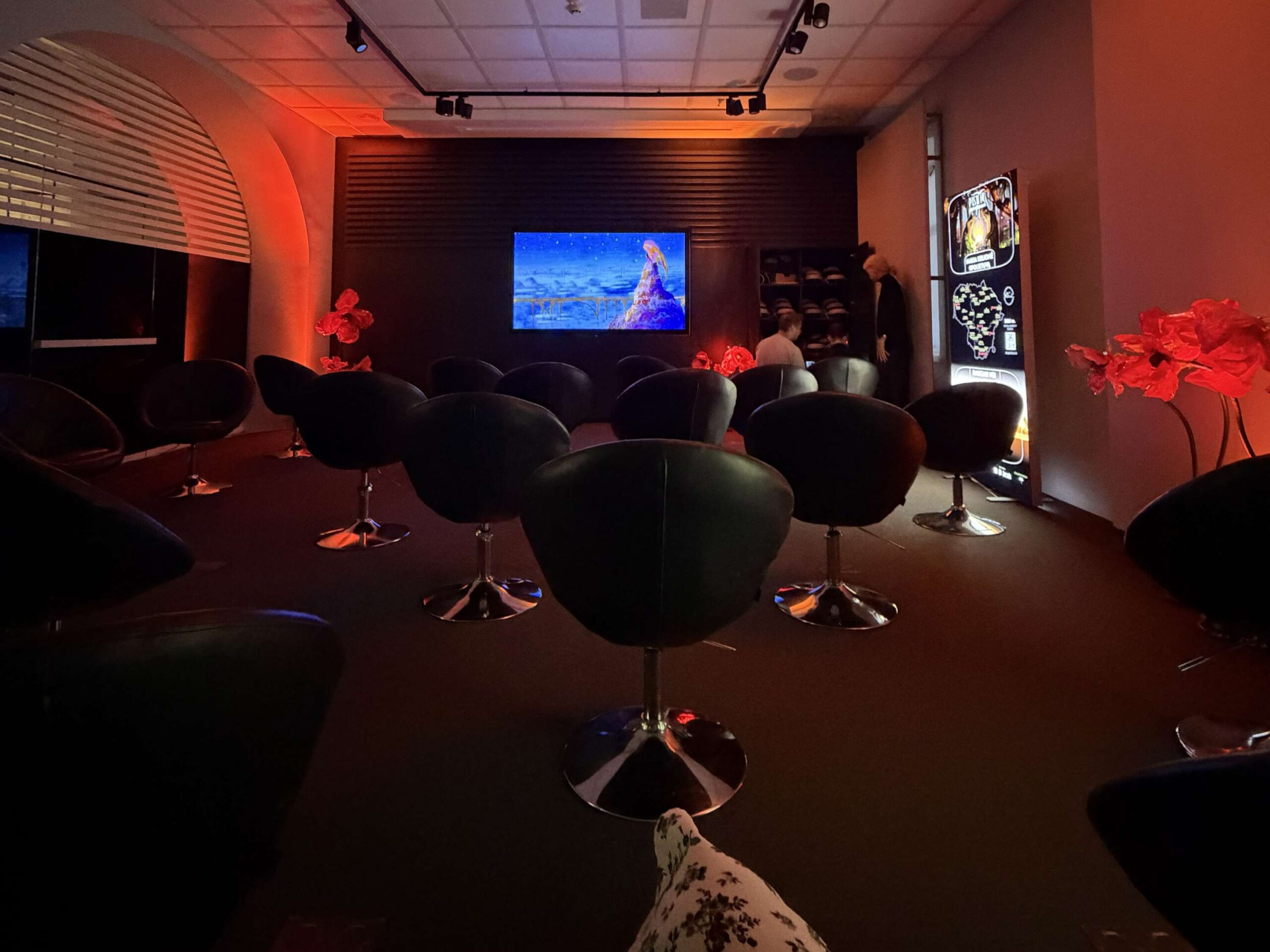
On February 14, the National Museum of Lithuania (NML) opened its international exhibition “Queens” at the Royal Castle of Uppsala in Sweden. After almost five centuries, the Swedish Queen Catherine Jagaila symbolically returned to the spaces where she lived in the 16th century. Meanwhile, Barbora Radziwill is being presented to the Swedish public for the first time in such detail. Two women of Lithuanian origin – queens – meet today in the halls of Uppsala Castle as part of the region’s shared memory.
A Traveling Exhibition Across Europe
The exhibition continues the story “Queens, Realms, and Emotions” about Barbora Radziwill and Catherine Jagiellon, presented in 2025 in Vilnius, at the NML House of Histories. It is symbolic that on Valentine’s Day, Uppsala residents, guests from Lithuania and Poland, and representatives of embassies and cultural institutes from both countries gathered in the castle courtyard from the morning. History was not only exhibited here – it was heard through the sounds of music, told through the lips of characters, and became a living experience for visitors.
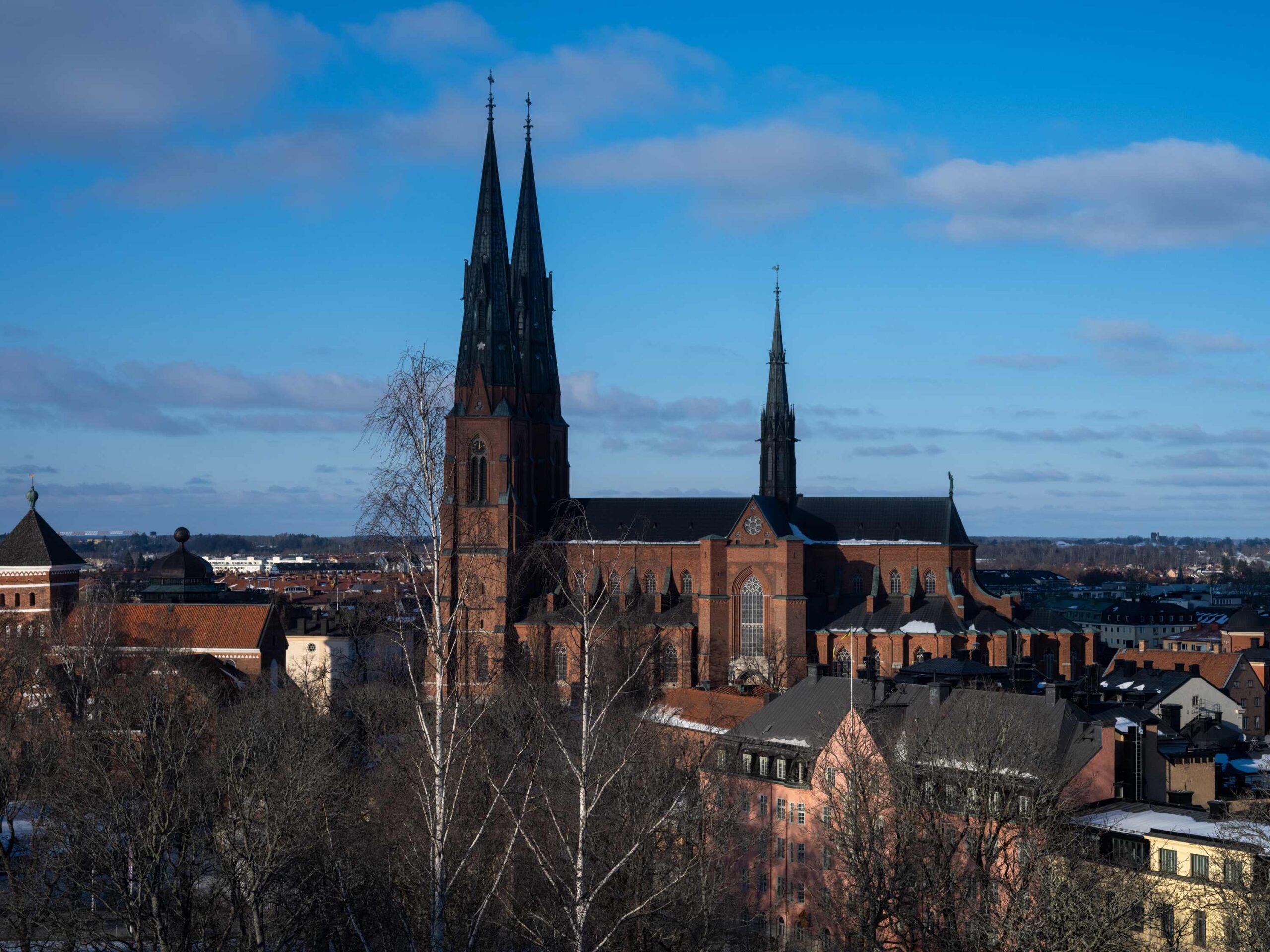
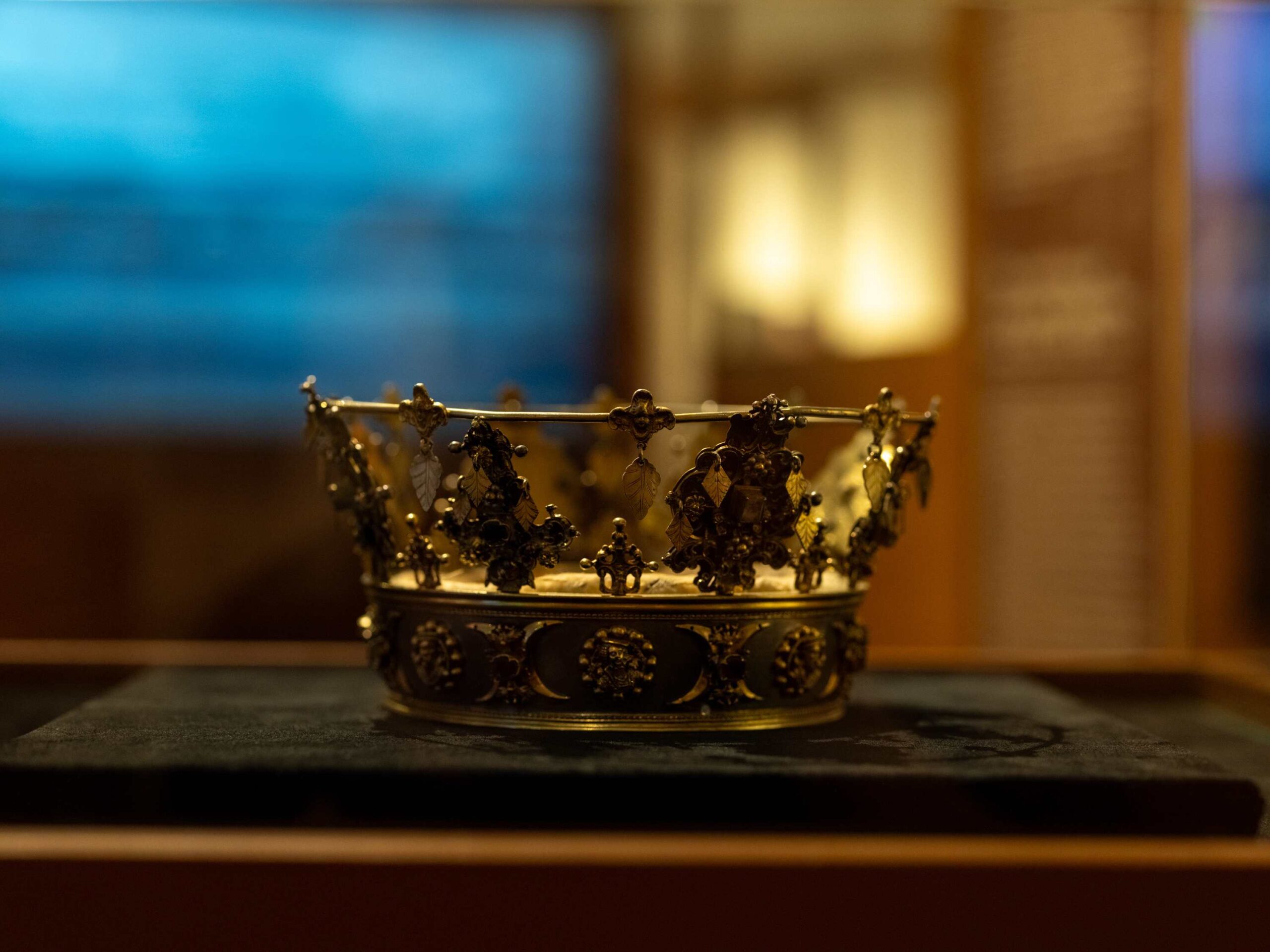
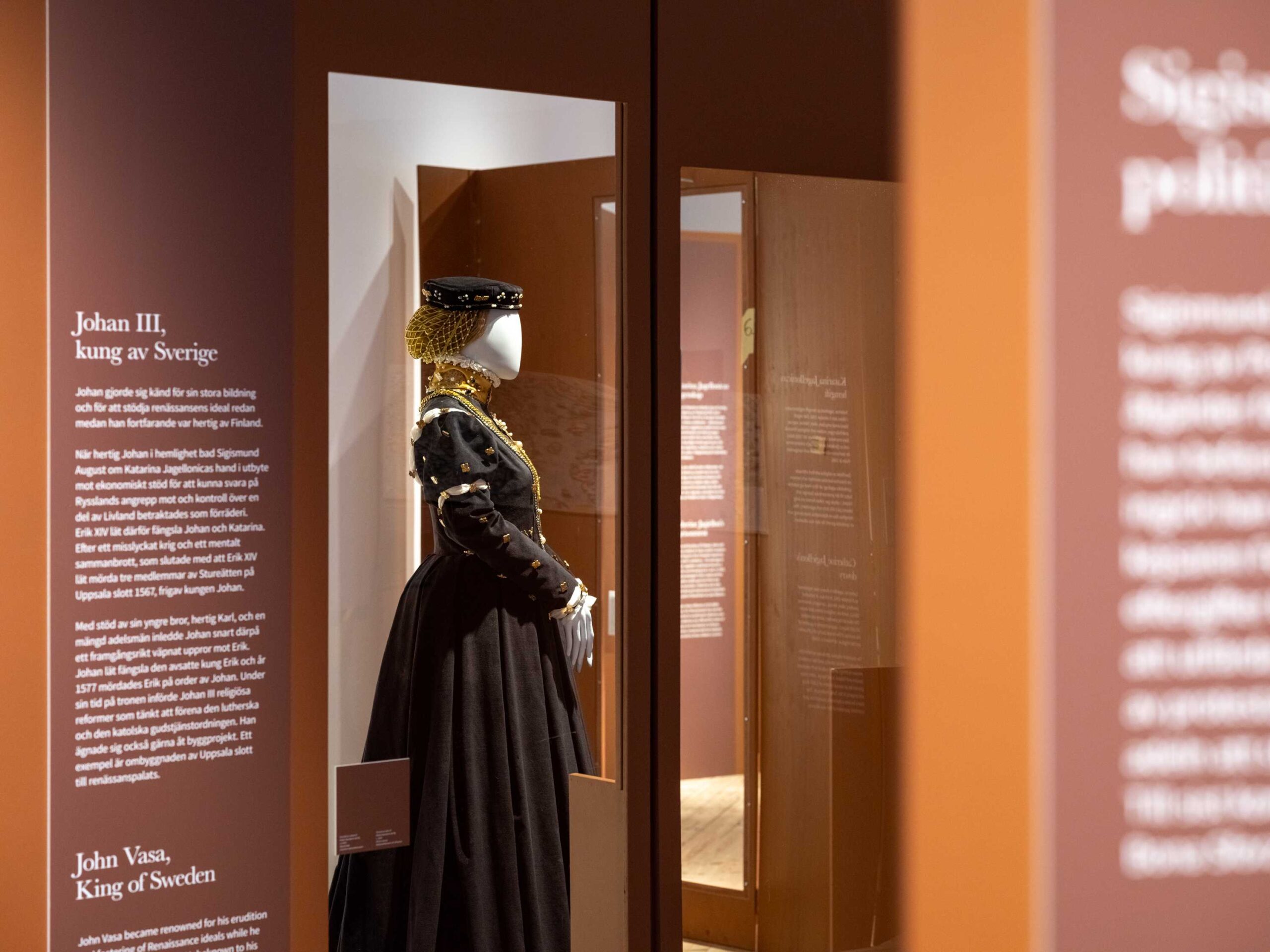
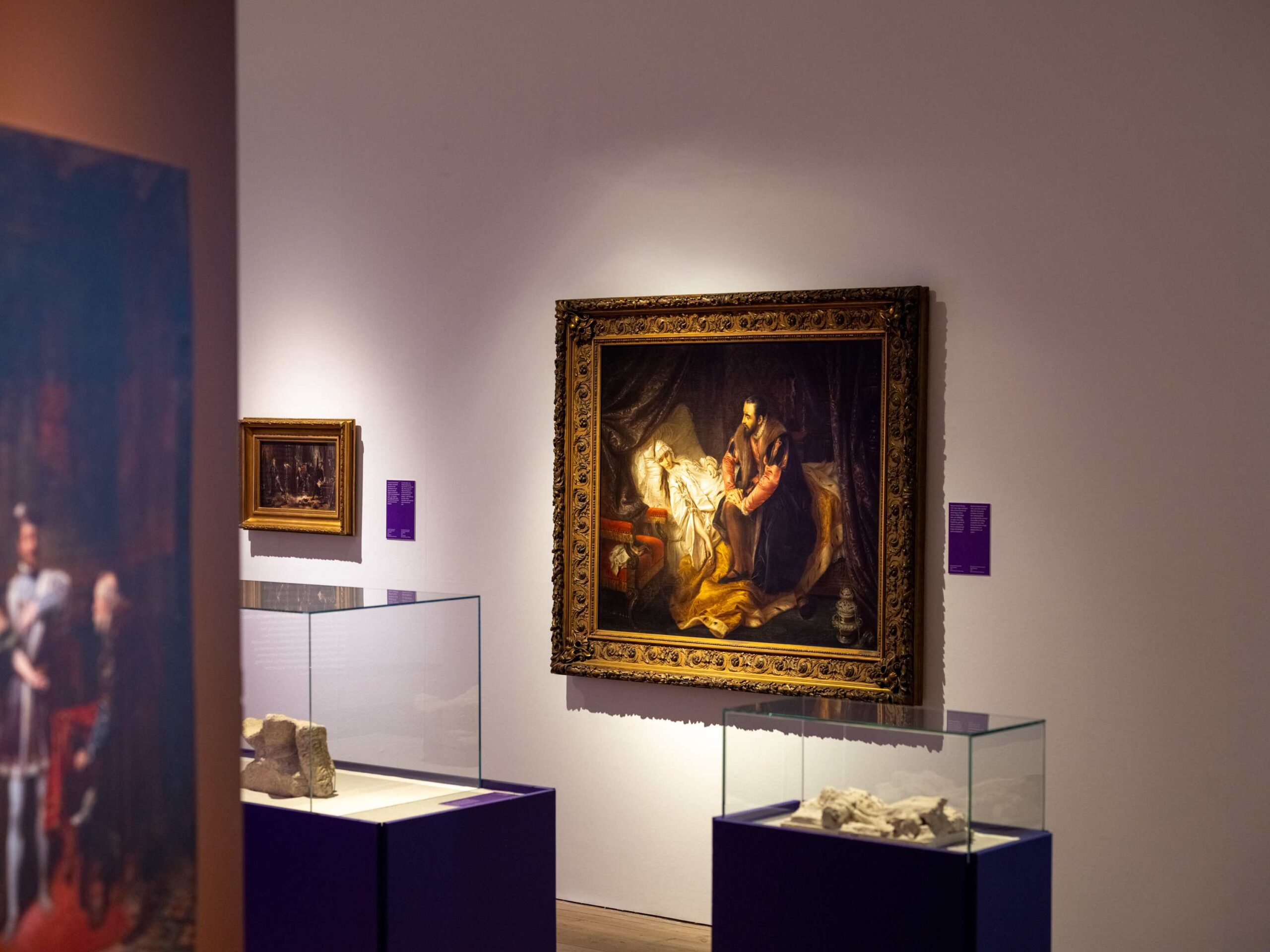
The exhibition, which will be open for six months at the Uppsala Castle History and Art Museums, and combines history, art and design from Lithuania, Poland, Sweden and Finland for the first time in a single exhibition. The story is spread across two museum spaces and reveals the fates of two 16th-century contemporaries – the Lithuanian noblewoman Barbora Radziwill and the Lithuanian and Polish princess, later Queen of Sweden, Catherine Jogaila.
Uppsala Castle provides a special context for this story. It was here that Catherine Jogaila lived – the sister of Sigismund Augustus, who in 1570, when she was already the Queen of Sweden, rebuilt the medieval fortress into a Renaissance residence together with her husband Johan III. After almost five hundred years, her story returns to a place of authentic history.
Exceptional Visitor Interest
On the opening day, more than 2,000 visitors visited the Uppsala Castle History and Art Museums. Welcoming speeches were given by Daniel Werkmaster, Director of the Uppsala Art Museum, Dr. Rūta Kačkutė, Director of the National Museum of Lithuania, Karolina Ostrzyniewska, Ambassador of Poland to Sweden, and Linas Linkevičius, Ambassador of Lithuania to Sweden.
“This exhibition has become a migratory experience of history – through the lives of exceptional women of the 16th century, shared artifacts, art and design, it brings together the memory of our countries. This year is special – Queen Catherine of Sweden, who unites Lithuania and Sweden, was born 500 years ago. Her anniversary encourages us to look back at our common history once again,” said Dr. R. Kačkutė.
“This is a phenomenon that helps us understand the close historical and cultural ties that bind Lithuania, Sweden, Poland and Finland. And what an important role women have played in our common history,” noted Daniel Werkmaster.
The ceremony was accompanied by Renaissance music performed by the Uppsala Mixed Choir, castle guides wore 16th-century costumes, and contemporary interpretations – including a drag queen performance – created an unexpected dialogue between the past and the present. This highlights one of the exhibition’s key ideas: history is not static – it is alive, constantly being rethought and updated.
An idea that became an international reality
The ambitious idea of designer and curator Julija Janus to create an engaging, traveling exhibition became a reality when the National Museum of Lithuania took over its implementation. Julija Janus researches and creates interpretations of the Lithuanian Renaissance, using exhibitions and educational experiences, transforming historical facts into contemporary, high-value experiences.
With the joining of Julija by National Museum of Lithuania historian Dr. Milda Kvizikevičiūtė, art historian Dr. Vaida Ragėnaitė, exhibition coordinator Dominyka Verikaitė, exhibition architect Sigita Simona Paplauskaitė and a large group of specialists, the idea grew into an international-level project.
During the exhibition opening event, Julija Janus thanked the Director General of the National Museum of Lithuania, Dr. Rūta Kačkute, the Director of the Uppsala Art Museum, Daniel Werkmaster, and the former Lithuanian Cultural Attaché in Sweden, Liana Ruokytė.
The 16th Century and Today
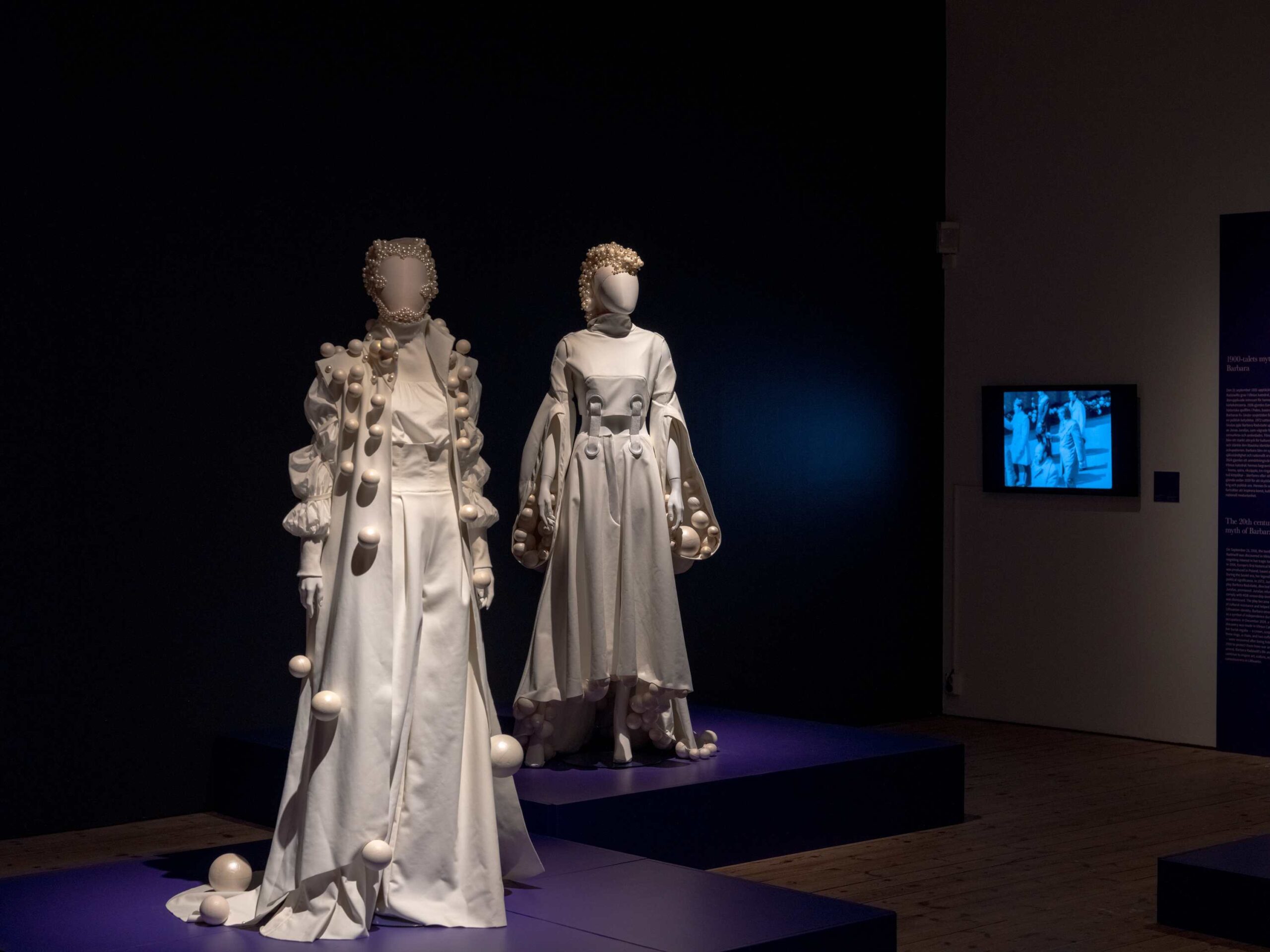
Uppsala Art Museum has acquired and is exhibiting works by contemporary Swedish artists for the first time, especially for this exhibition. They are integrated into the exhibition of the National Museum of Lithuania as accents that strengthen the emotional narrative. Here, the history of the 16th century meets contemporary art and design, continuing the principle of the hybrid exhibition “Queens, Realms, and emotions” presented in Vilnius in 2025 – museum treasures are exhibited alongside contemporary interpretations.
The exhibition “Queens” will be open in Uppsala until mid-August. It can also become part of the itinerary for travelers from Lithuania around Sweden. Here, queens are presented not only as historical figures, but also as symbols of today’s dialogue – reminding us that states are created not only by political decisions, but also by culture, memory and personal stories that connect countries over the centuries.
Photos: Petras Saulėnas