From Exhibition Consultants to Education Participants: The National Museum of Lithuania Invites Students to Explore the History of Technology
2026 06 18
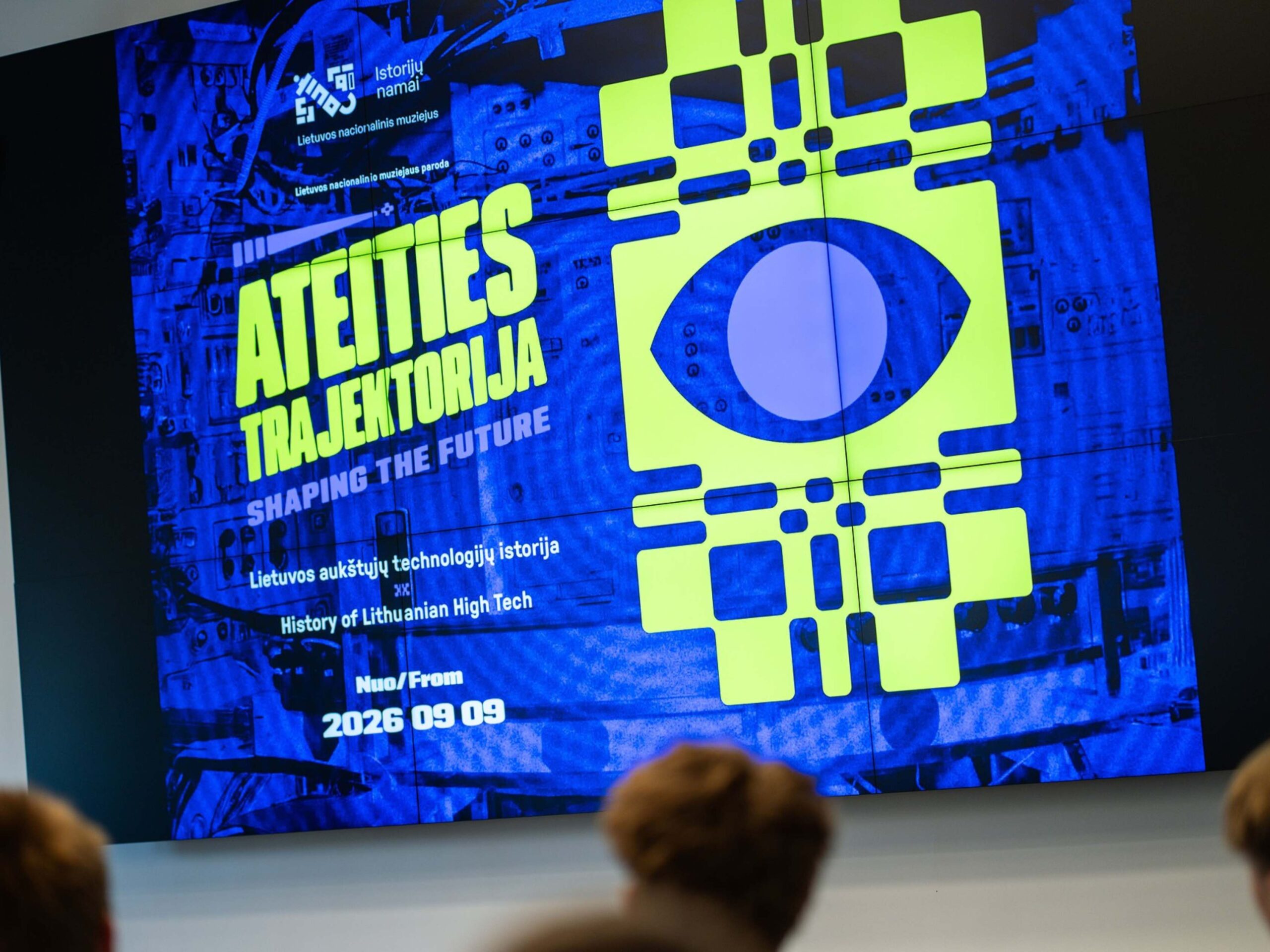
A new exhibition opening at the National Museum of Lithuania’s House of Histories entitled “Shaping the Future” will tell the story of Lithuania’s high-tech sector for the first time. As it prepared the exhibition, the museum decided to bring students into the creative process. Some became exhibition consultants, helping shape the project, while others are already being invited to register for educational programs designed specifically around the upcoming show.
One of the goals of “Shaping the Future: A History of Lithuanian High Tech,” which opens on September 9 at the House of Histories, is to encourage young people to take an interest in science, technology, creativity, and their role in shaping the future.
Bold Visions of the Future
At the heart of the exhibition – nearly three years in the making – are the people behind Lithuania’s technological development: scientists, engineers, programmers, inventors, and patrons whose ideas, discoveries, and decisions helped chart the country’s technological trajectory. But the exhibition will also highlight a less visible side of progress: the years of patient work, mistakes, unexpected turns, and ambitious visions that lie behind every significant breakthrough.
-
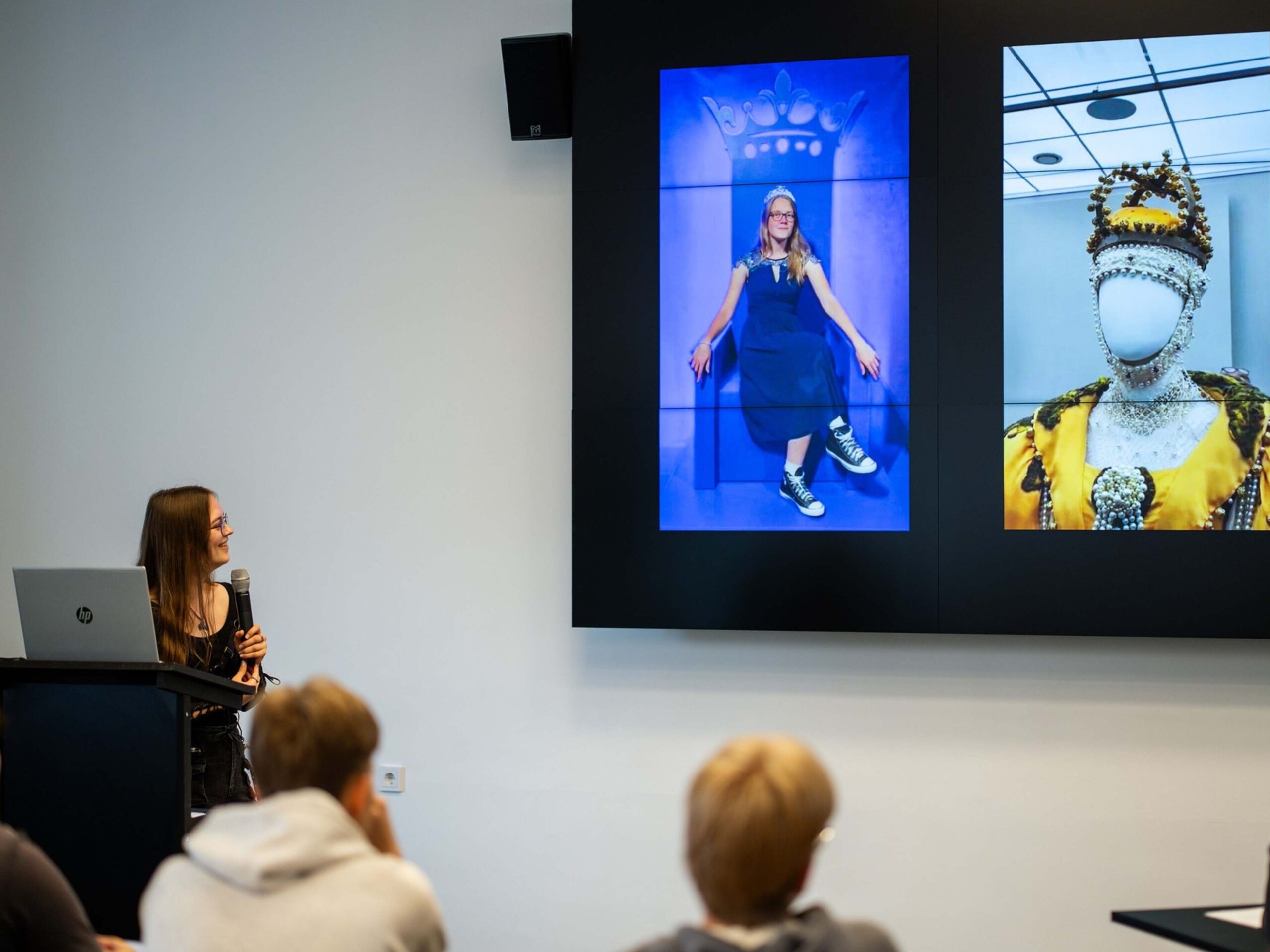
- Meeting with the students. Photo: Silvestras Samsonas, NML
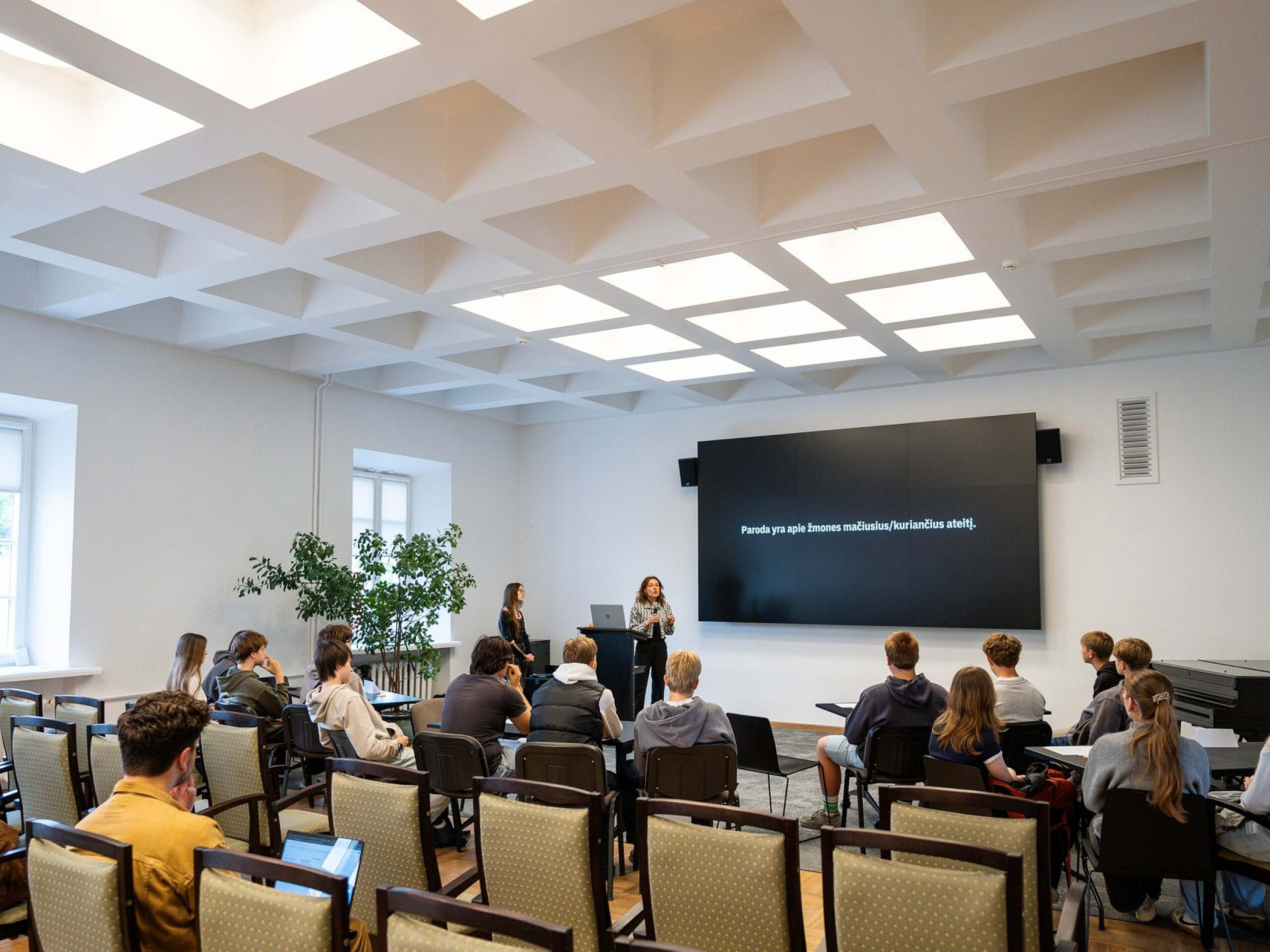
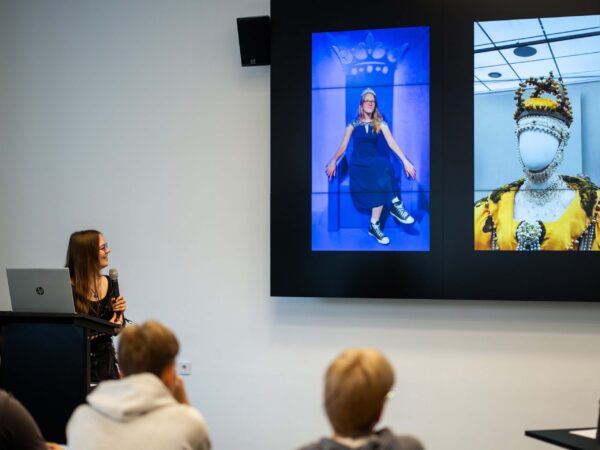
Within the context of “Shaping the Future”, museum staff wanted to hear directly from young people about the exhibition’s concept, visual identity, and the best ways to engage students.
“When talking about the future, we cannot do without the voices of young people – they are the ones who will create it,” says Simona Širvydaitė-Šliupienė, curator and creator of the exhibition and head of the House of Histories. “We wanted to understand what interests them, what questions they ask, and how to talk with them about technology. Students’ insights help us look at the exhibition from a different angle and remind us that every technological advancement begins with curiosity and imagination.”
Becoming Exhibition Consultants for a Few Hours
As preparations continued, the National Museum of Lithuania invited ninth-grade students from the Engineering Lyceum of Vilnius Gediminas Technical University to share their perspectives. Students were introduced to the exhibition’s concept, visual identity, and communication materials before being asked to offer their own feedback and suggestions.
Working in groups, they developed possible social media campaign scenarios, proposed advertising slogans, and discussed what would motivate them to visit such an exhibition themselves. For a few hours, they effectively became exhibition consultants, offering their perspective on how a museum can communicate with younger audiences.
According to the students, interactivity is essential in exhibitions. They also favor less formal approaches to presenting information and materials that are easy to access and understand.
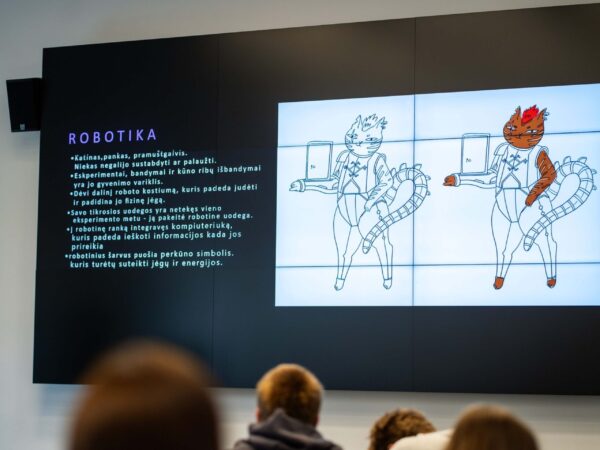
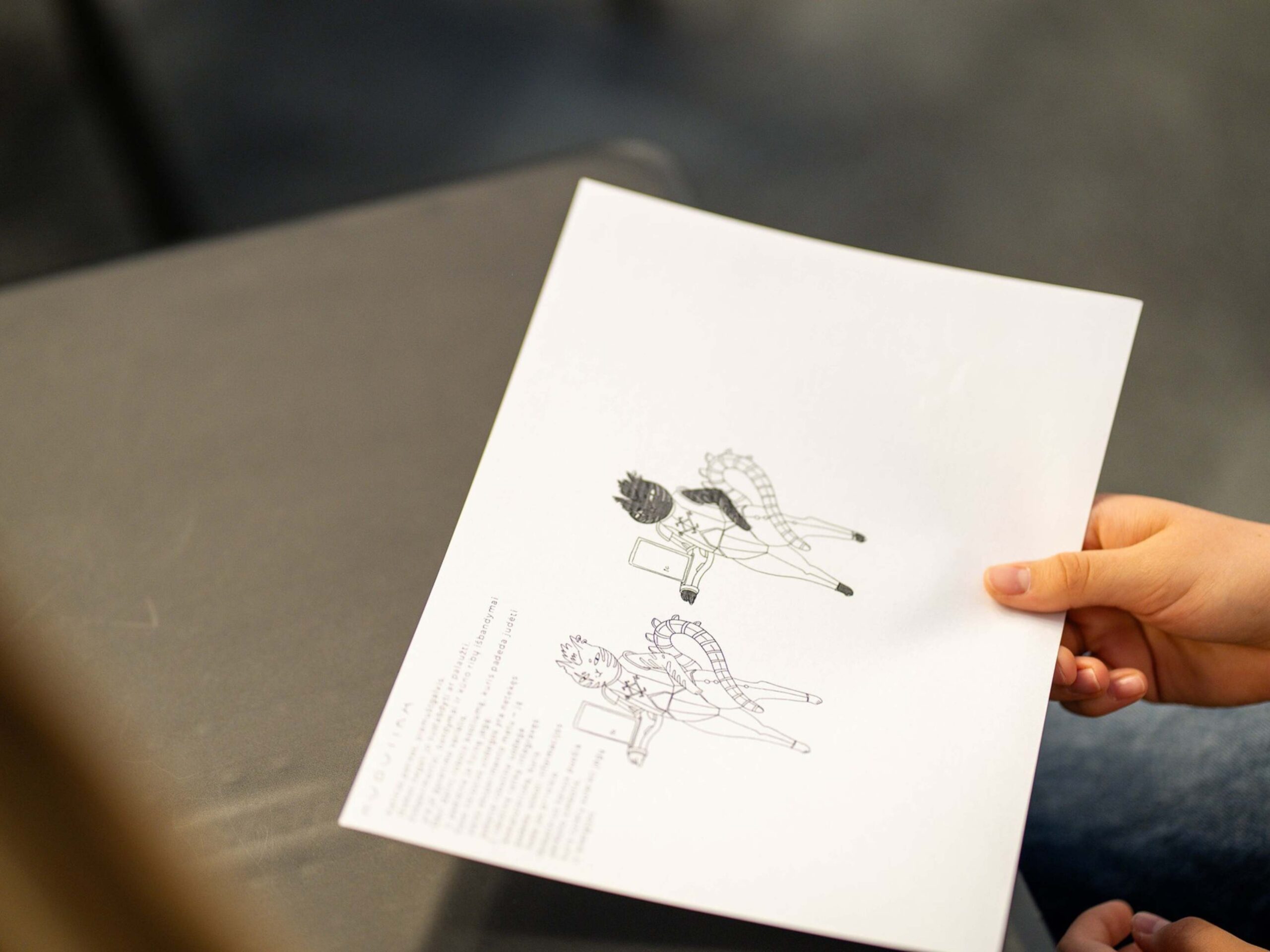
One strategy developed by the exhibition team is a cast of five playful superhero-cat characters representing different fields of technology—from robotics to space exploration. The characters will serve as guides for younger visitors as they navigate the exhibition. The idea resonated with the students. One group even drew inspiration from the feline heroes while creating an advertising slogan.
-
- Meeting with the students. Photo: Silvestras Samsonas, NML
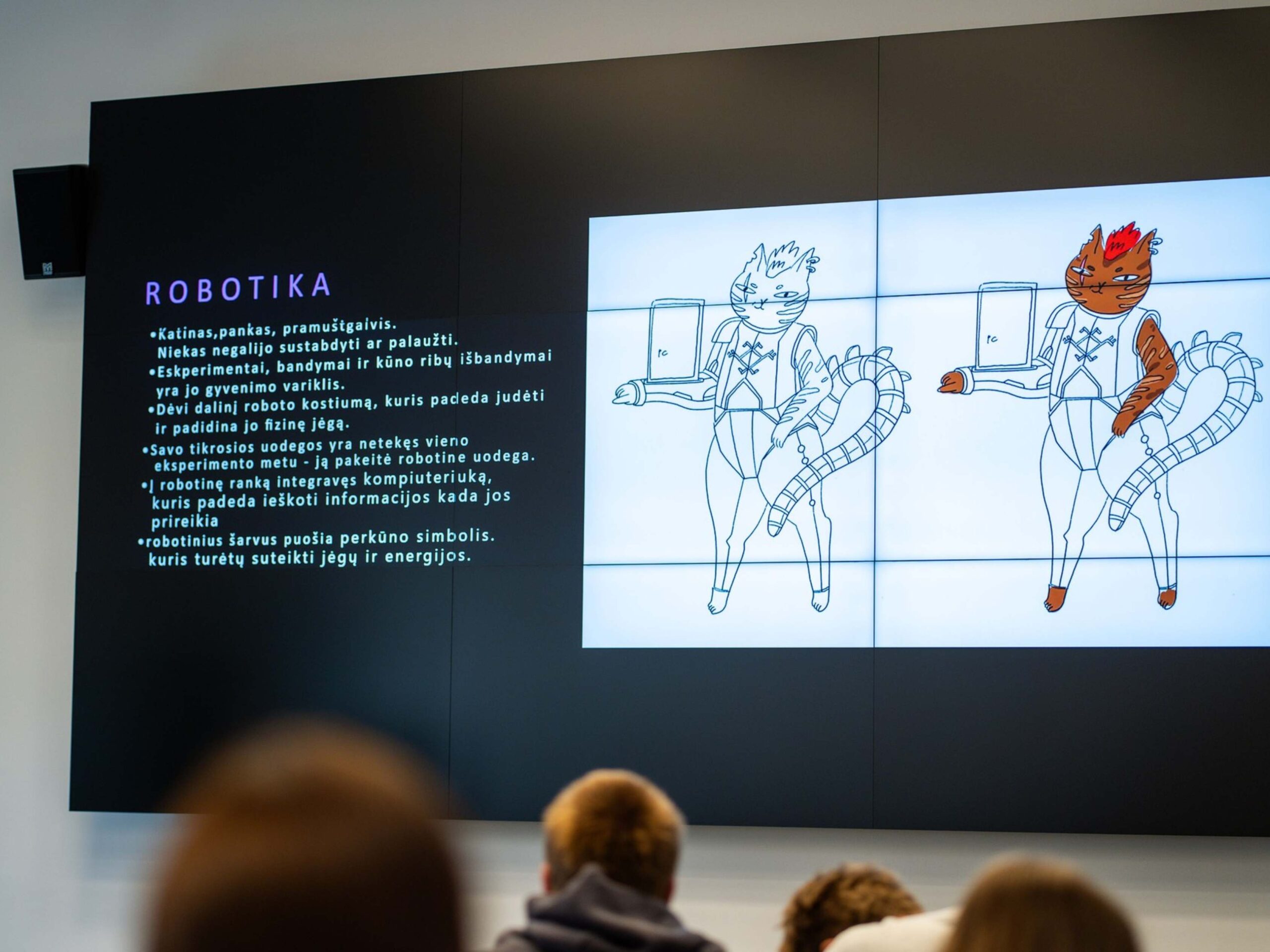
“With four paws towards the future!” the ninth-graders declared during their presentation.
Students said they most often learn about cultural events and museum activities through TikTok, as well as from family members and teachers.
“Advertising videos online need to be short and engaging so people don’t get bored watching them,” the students said.
The sessions are part of the museum’s broader effort to involve young people in cultural creation and gather feedback from one of its most important audiences. Students most often visit museums with their families or as part of school groups, but the museum hopes they can become not only visitors but active participants in shaping cultural content. Such experiences help the museum build stronger connections with younger audiences and encourage students to return – not only for educational programs but also as independent visitors.
Registration for Educational Programs
The House of Histories hopes to engage students not only in the exhibition’s development but also as future visitors. Registration is now open for a series of educational activities developed around “Shaping the Future: A History of Lithuanian High Tech” for school groups.
-
- Meeting with the students. Photo: Silvestras Samsonas, NML
“When designing these educational programs, we wanted high technology to feel accessible rather than distant,” says Aurimas Kanapkis, head of educational projects at the National Museum of Lithuania. “That’s why every session focuses not only on information but also on experience. Children and young people experiment, create, solve challenges, and immerse themselves in the topic themselves. We are opening registration before the exhibition launches because we know teachers plan educational activities in advance, and we want schools to have time to prepare for future visits.”
Elementary school students will be invited to explore space technology through a program titled “What Would You Pack in Your Backpack for a Journey to Space?” and experiment with optics in “Playing With Light and Color”. Along the way, they will learn about inventions developed by Lithuanian scientists, Lithuania’s presence in space, and the world of lasers.
Programs for students in grades five through eight include “DNA” and “The History of Lithuanian High Technologies – A Different Perspective”. Participants will learn about the importance of biotechnology in the modern world, conduct experiments, tackle collaborative challenges, and investigate Lithuania’s scientific and technological history.
Older students can choose from “Labyrinth of Light” and “Launching a Satellite”, educational sessions that explore the development of Lithuania’s high-tech sector, the people who shaped it, and the future of space technologies. Participants will have the opportunity to examine a satellite model up close and design one of their own. Space in the educational programs is limited. Additional information and registration are available here.
-
- Meeting with the students. Photo: Silvestras Samsonas, NML