“Fewer barriers, more readers: the first inclusive publication of Lithuanian museums”
2025 08 20
This summer, the Accessibility Directive came into force in the European Union – a piece of legislation that will require publishers to make digital publications accessible to all readers, including those with visual or reading impairments. This is a significant change not only for the publishing sector, but also for cultural institutions seeking to make their content available to as wide an audience as possible.
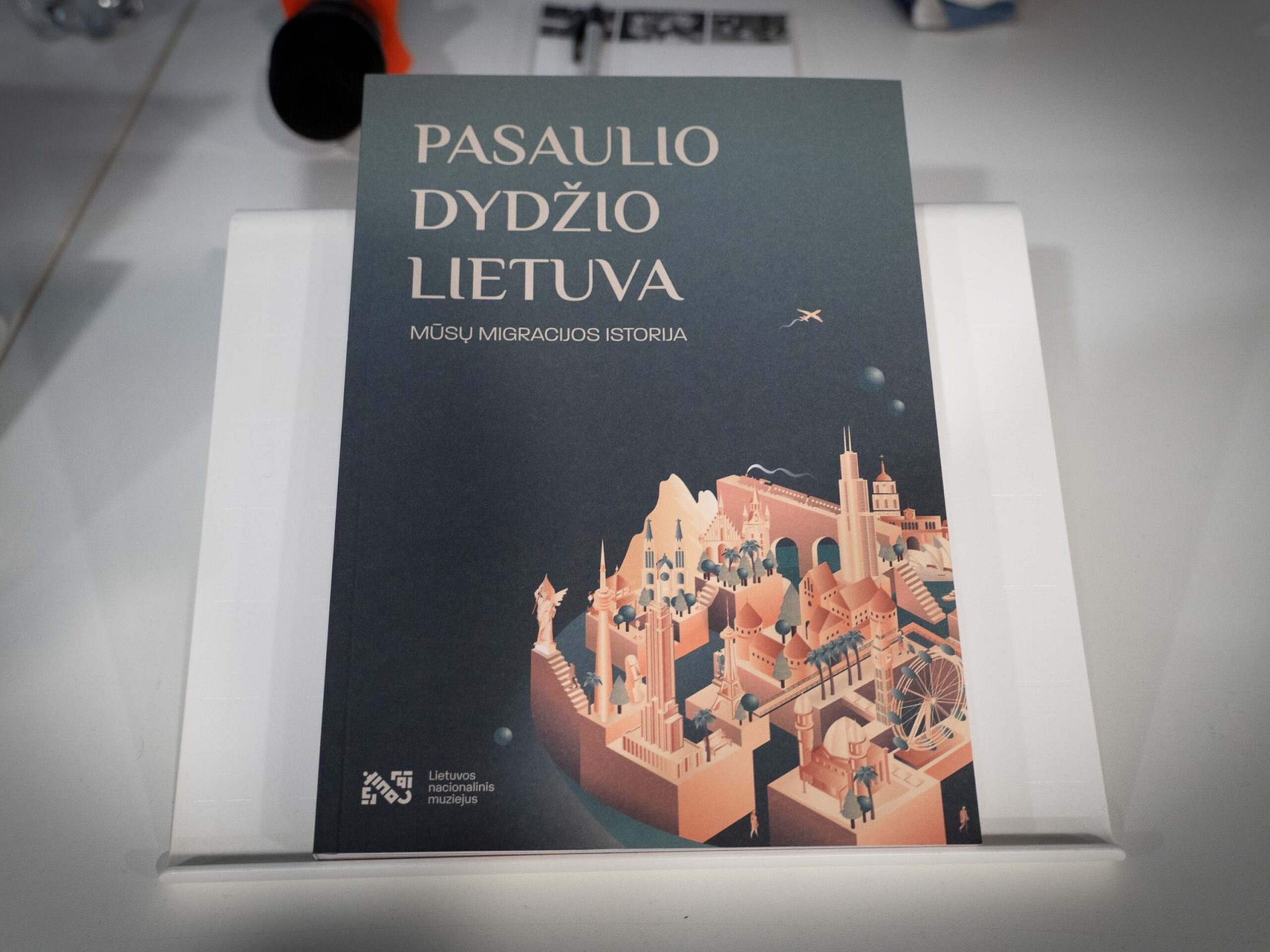
The National Museum of Lithuania (LNM) prepared for this change in advance – together with the Lithuanian Audio-Sensory Library (LAB), it prepared an electronic publication entitled “Lithuania of World Size,” which tells the story of Lithuanian migration and became the first museum publication to fully comply with accessibility requirements.
Transformation of Publishing Practices
Although the Accessibility Directive has been discussed for several years, publications of this type are still a novelty not only for Lithuanian museums but also for the entire cultural sector. Most publications are gradually moving towards accessibility by adapting individual publishing components.
The electronic publication “World-sized Lithuania” is the first certified accessible museum publication in Lithuania. Until now, it has been mainly works of fiction that have been certified. Ensuring their accessibility is easier than that of richly illustrated publications or exhibition catalogs, so this example is very significant not only in terms of content, but also in terms of the sector in which it has been implemented,” says Inesa Rinkevičiūtė, LAB communications coordinator and inclusive publishing specialist.
-
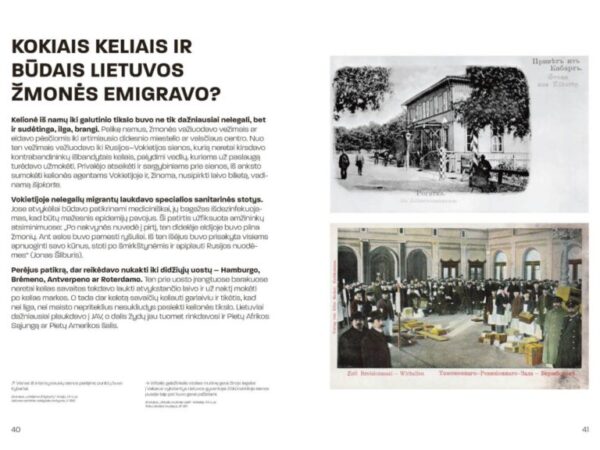
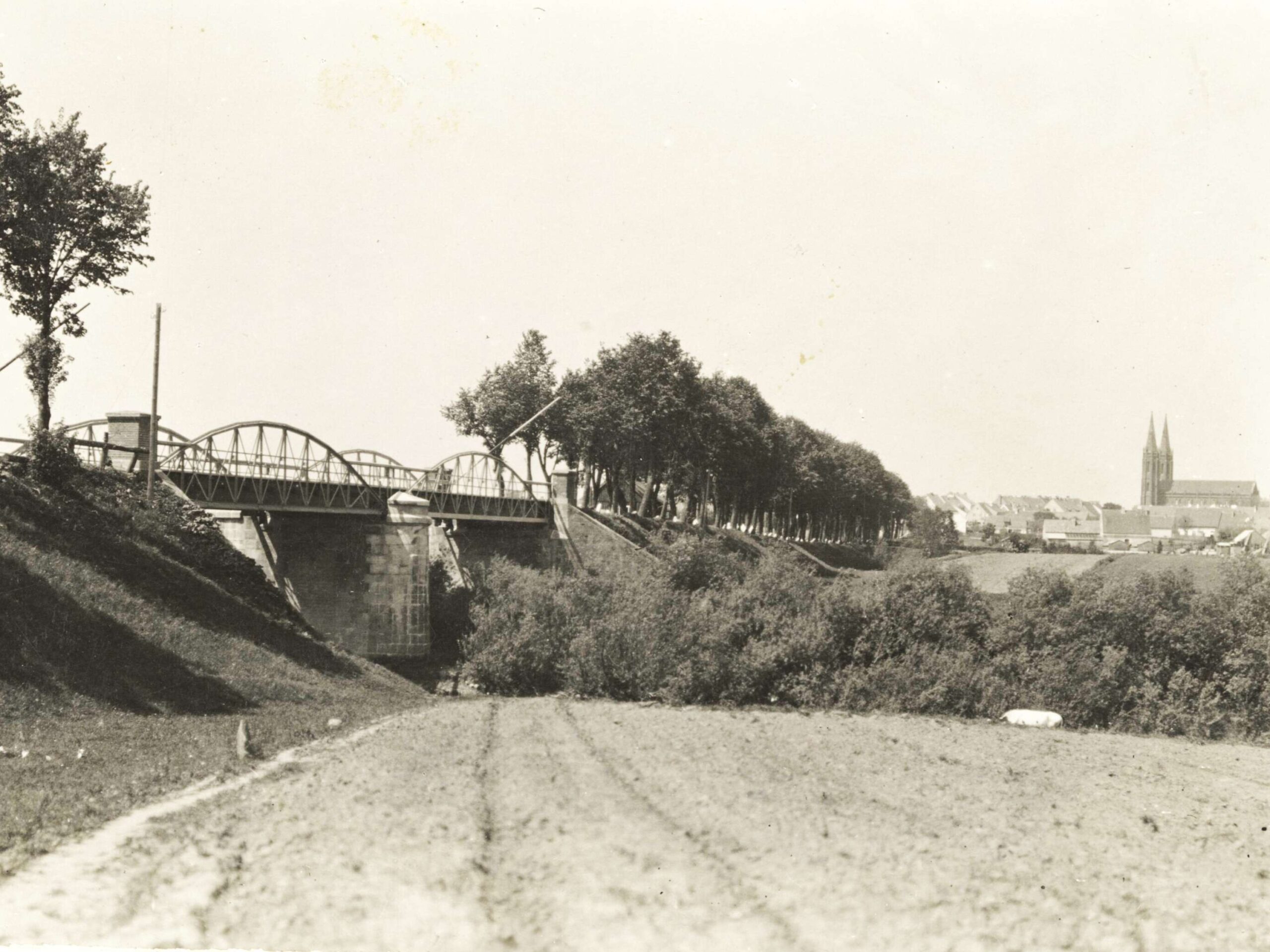
- Excerpt from the publication “Lithuania: A World of Its Own.” LNM
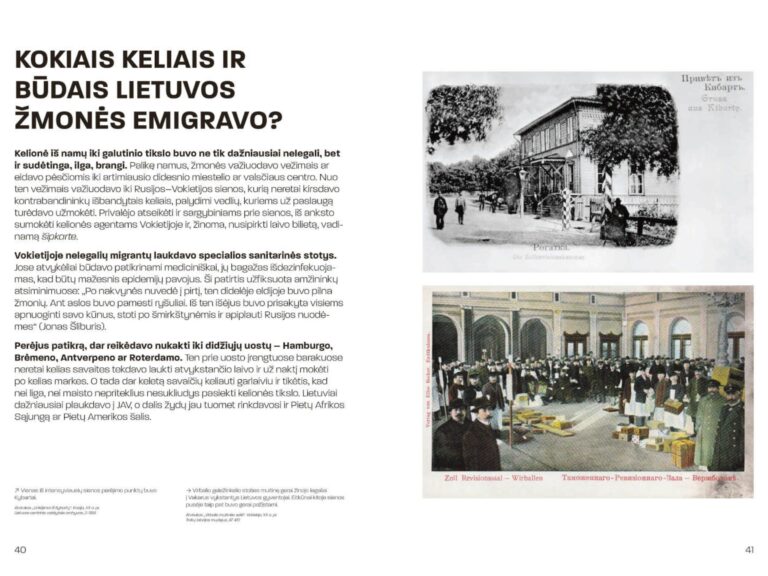
The publication is not just an adapted version of an existing printed book. This is one of the rare cases where accessibility principles were applied from the very beginning of the publication’s creation.
“Inclusion was a fundamental premise in the preparation of this publication, rather than an obligation under the directives. We did not want to simply prepare an electronic version of this book, but to make its narrative about the migration history of us all accessible to everyone. This approach required additional time, consultations, and expertise, and at the same time fundamentally changed our understanding of our work as publishers,” says Justina Brukštutė-Šimkė, head of the LNM Publishing Department.
Illustrations – not just for the eyes
One of the main features of the publication, and at the same time the greatest publishing challenge, was the volume of illustrations and their adaptation for visually impaired readers.
The publication contains more than 250 illustrations, of which about 200 are supplementary in nature, i.e., they provide contextual, narrative, or educational value. All illustrations were described in accordance with accessibility standards, which was not only a technical but also a creative task. It required both historical knowledge and the ability to convey visual objects in text, from postage stamps and maps to medals, suitcases, and photographs.
All illustrations are described in detail so that blind people do not miss out on important information. This is the first such richly illustrated publication in the history of inclusive publishing in Lithuania. The descriptions were written by LNM editors Marytė Slušinskaitė and Nijolė Deveikienė. This was their first experience of this kind, so before starting work they took part in training organized by LAB. The LNM, together with Doc. Dr. Laura Martinkutė, also organized an internal seminar for Lithuanian museum employees on inclusive publishing and illustration description as part of the Marta museum competence development program. . “This not only strengthened their theoretical preparation, but also encouraged them to look at museum publishing practices from a different reader’s perspective,” notes I. Rinkevičiūtė.
The layout of the digital publication required the adaptation of conventional design solutions—some visual choices that were common in printed publications were ineffective or even hindered accessibility. Background colors were abandoned, and the order of illustrations and their titles was rethought to ensure a logical reading sequence.
Dr. Rūta Kačkutė, Director General of the LNM, who actively supported the preparation of this publication, hopes that inclusive publishing will become a qualitative shift not only for the LNM, but also for Lithuanian museum publishing, thus demonstrating a value-based choice: “We want to open up stories to everyone—regardless of how a person reads, sees, or hears. “We want to open up stories to everyone, regardless of how a person reads, sees, or hears. That is why we chose to go down this path, disregarding additional technical steps, because accessibility is not a compromise, but a standard of quality in contemporary culture.”
Why is participatory publishing necessary?
The goal of inclusive publishing is to enable everyone, regardless of their vision, reading ability, or age, to read the same publication.
“This prevents exclusion and allows all readers to access the same information at the same time, without waiting or adaptations, and does not require splitting into ‘special’ and ‘general’ versions. It is designed from the outset to meet the needs of every reader,” says Inga Davidonienė, director of LAB.
-
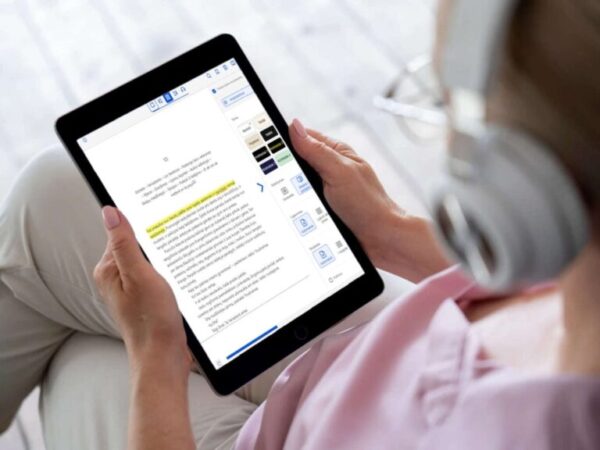
- Inclusive publishing – fewer barriers, more readers. Photo by Viktoras Kalnikas, LAB
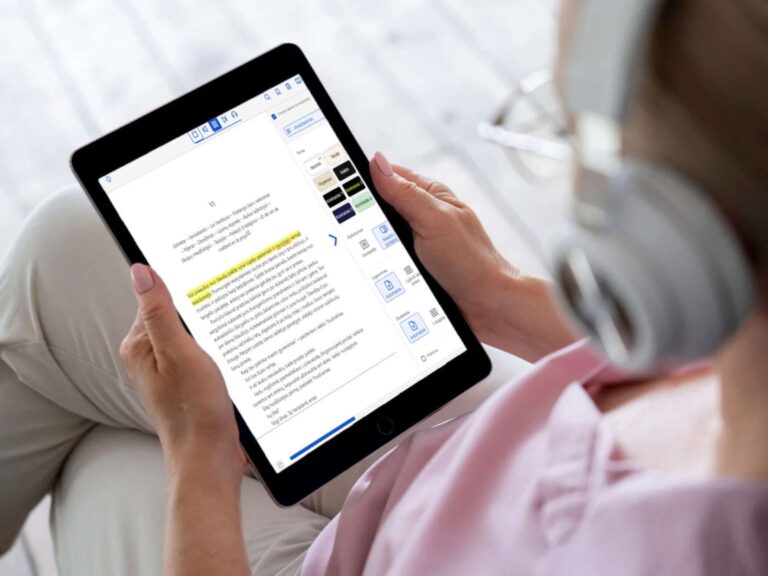
The EPUB format can be read like a regular e-book, but it also allows readers to change the text size, font, spacing between letters and lines, and choose the color contrast that suits them best. This flexibility is important not only for the visually impaired, but also for people with dyslexia, neurological disorders, or seniors who find text physically difficult to read.
“It is often thought that accessibility is only relevant to the blind. However, it actually changes the reading experience for those who simply perceive text differently, making it easier for them to engage by listening or combining different sensory channels,” explains I. Davidonienė.
EPUB publications are compatible with screen reading software that converts text into speech or digital Braille. Properly marked text structure (e.g., marked headings, paragraphs, links) allows the reader to navigate quickly, rather than just reading sequentially from beginning to end.
Another important feature is the ability to listen to the publication using Lithuanian voice synthesis. This reading-listening experience is especially useful for those with reading disabilities or who read while on the move.
“In this case, the sound and text are synchronized, i.e., the place being read is marked in a different color to make it easier to follow the text. In addition, this publication does not forego visual information, as is often the case with audiobooks. The EPUB format allows readers to see, hear, and understand the content of the illustrations through their descriptions. This way, even readers who cannot see the images do not lose any information—their experience becomes equivalent,” explains I. Rinkevičiūtė.
Accessibility – not an exception, but the norm
The LNM’s decision to prepare a publication based on the principles of inclusive publishing was made even before the Accessibility Directive came into force. This demonstrates not just a formal readiness to comply with requirements, but also the maturity of the institutional approach – the understanding that cultural accessibility must be integrated into the very essence of its activities.
“With this publication, we wanted to show that accessibility can be achieved without compromising aesthetics, content, or quality. On the contrary, it broadens our understanding of who we create for and how we create,” says J. Brukštutė-Šimkė.
This example is particularly significant in a sector that has long lagged behind in electronic publishing innovation. Museums often face additional challenges, such as abundant visual material and limited technical resources.
“Accessibility requirements increase the cost of preparing a publication and require additional knowledge that is lacking, which is why we hear that electronic publications are declining. However, the LNM is moving in the opposite direction and investing not only in the product, but also in people, competencies, and systemic solutions,” notes I. Rinkevičiūtė.
“World-sized Lithuania” has become not only the first accessible museum publication in Lithuania, but also an example of how an institutional decision can be a sign of cultural leadership.
“The publication World-Class Lithuania is not a one-off exception – it marks a direction that the LNM is determined to continue, because we see a meaningful social responsibility in it – to speak to everyone, to be seen and heard by a wide audience. Currently, the museum, in collaboration with LAB, is preparing another publication in which the principles of accessibility have been applied from the very beginning of the concept’s development – it is a publication accompanying the exhibition History Wags Its Tail. This will be no small challenge, as this publication for children is richly illustrated. It is worth mentioning that LAB will record the audio version of this publication with its own narrators. The author of the publication is already preparing the descriptions of the illustrations, drawing on the experience of her colleagues from the World-Size Lithuania project,” says R. Kačkutė.
The publication “Lithuania on a Global Scale” is available at the LNM online store.
-
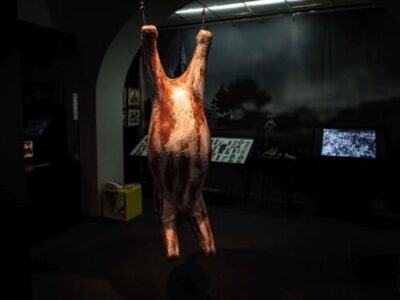
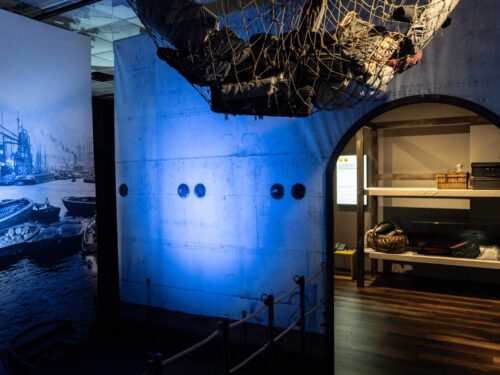
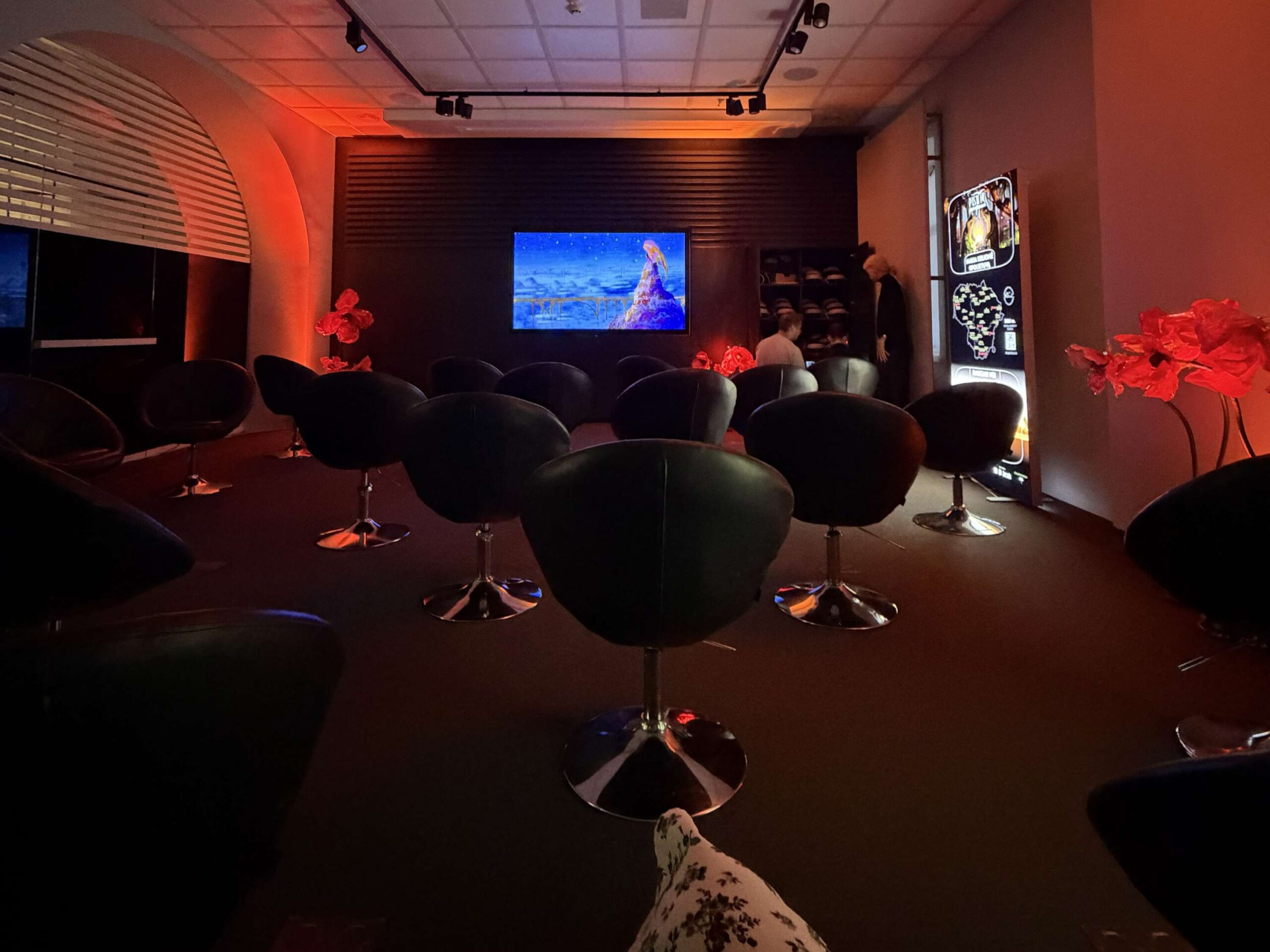
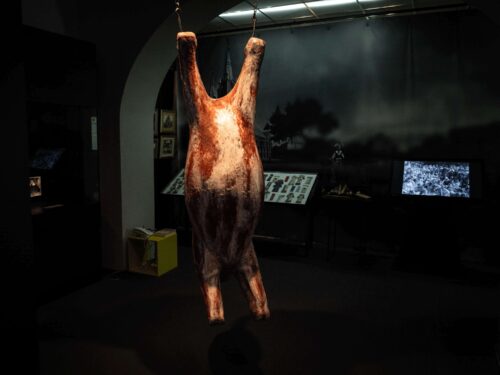
- View from the LNM exhibition “Lithuania: A World of Its Own” at the House of Stories. Photo by Augustinas Bėkšta, LNM
-
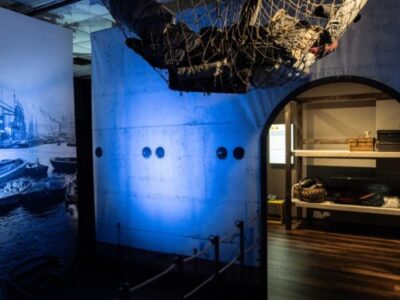
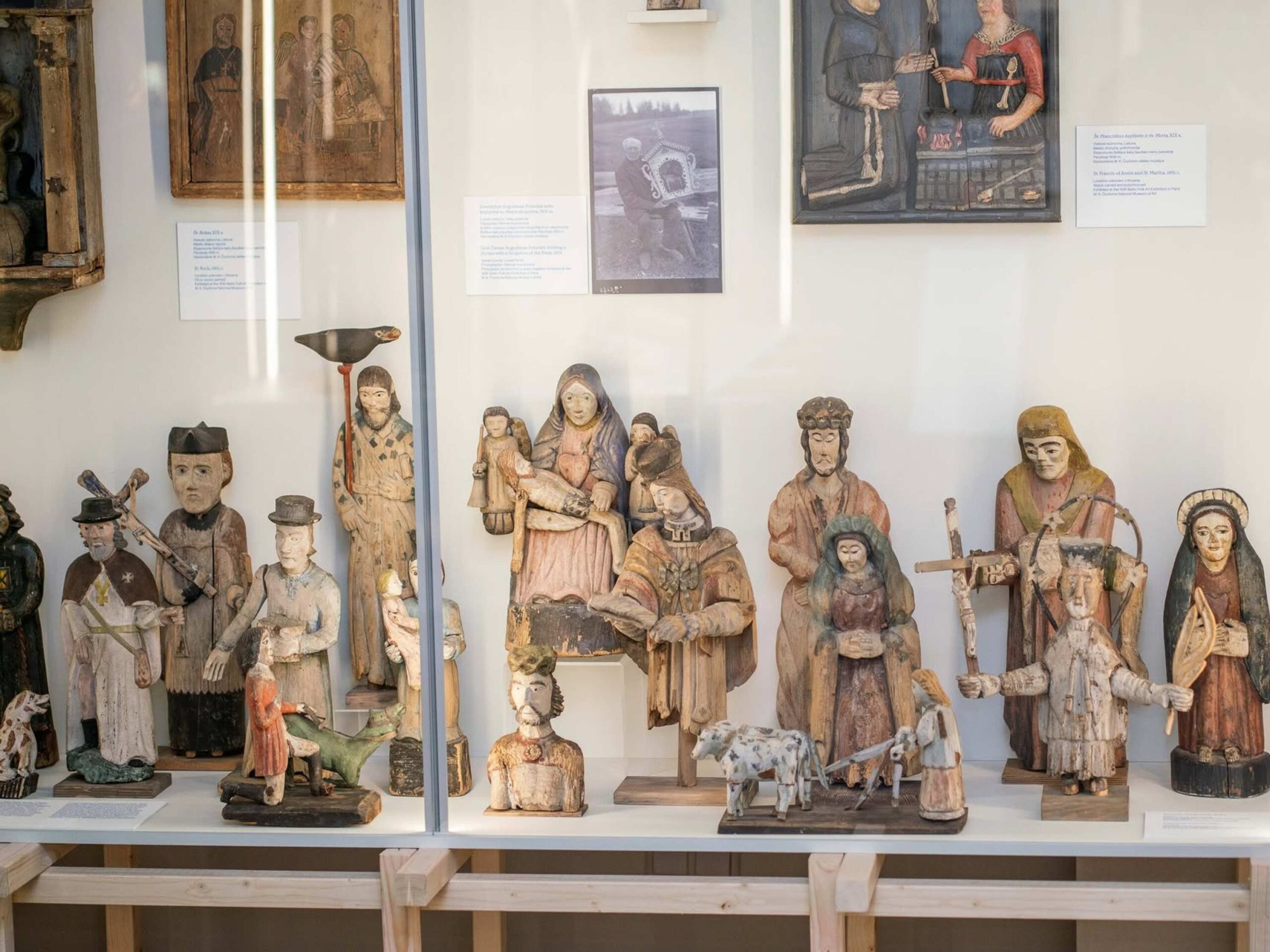
- View from the LNM exhibition “Lithuania: A World of Its Own” at the House of Stories. Photo by Augustinas Bėkšta, LNM