European Archaeology Days Are Coming: From Baltic Tribes to the Secrets Buried Beneath Our Feet
2026 05 27
From June 12 to 14, Lithuania will celebrate the return of European Archaeology Days, an international initiative inviting visitors to experience archaeology not as a static museum display, but as something alive – through conversations, discoveries, hands-on activities and unexpected encounters with the past. Events will take place across nearly the entire country, and many of them will be free to attend.
Unearthing the Past Across Lithuania
First launched in 2010 by France’s National Institute for Preventive Archaeological Research, European Archaeology Days now bring together dozens of countries each year. In Lithuania, the program is coordinated by the National Museum of Lithuania alongside partners including the Klaipėda Institute of Baltic Region History and Archaeology, the Department of Cultural Heritage under the Ministry of Culture, the Lithuanian Archaeological Society and the Faculty of History at Vilnius University.
-
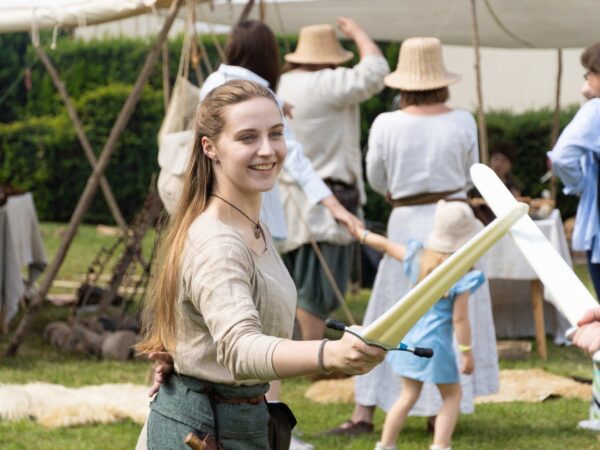
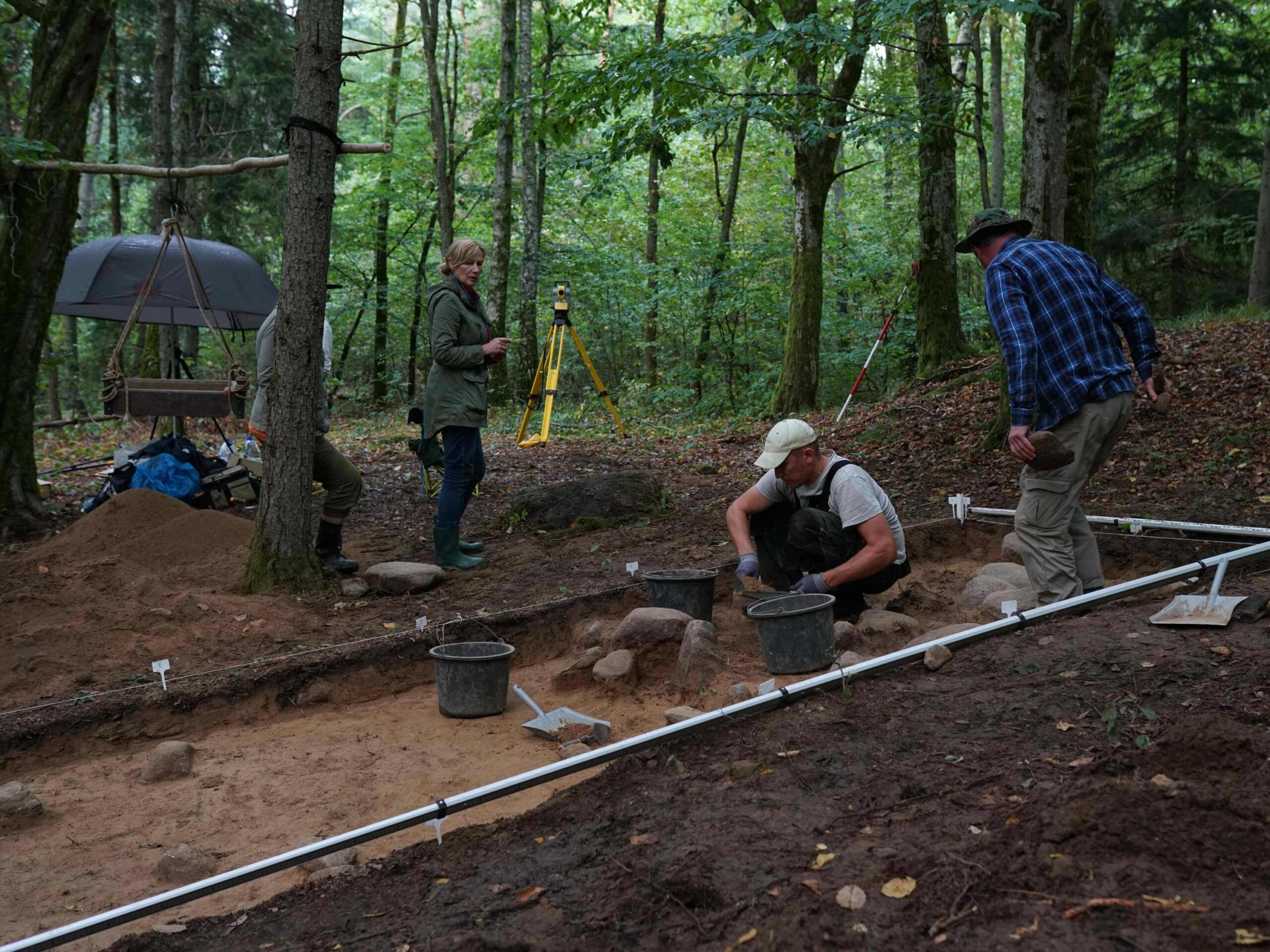
- European Archeology Days. Photo: A. Bėkšta, NML

This year marks the eighth edition of the celebration in Lithuania. Museums, universities, cultural institutions and researchers across the country aim to show that archaeology is about far more than ancient artifacts: It is a way of reconstructing everyday lives, beliefs, customs and forgotten worlds whose traces still lie beneath modern streets and fields. Some events will unfold in museum galleries, while others spill outdoors into castles, courtyards, beaches and open-air sites. Visitors can choose from a wide-ranging program designed for everyone from families with aspiring young explorers to couples searching for an unconventional date idea.
“Most of the events are intended for people who are not archaeologists or anthropologists, but who are curious and eager to discover something new,” says Dr. Rūta Kačkutė, director general of the National Museum of Lithuania and the initiator of European Archaeology Days in Lithuania. “European Archaeology Days allow everyone to find a personal connection with the past and to see that archaeology is a living, constantly evolving science. For archaeologists, it is an opportunity to invite visitors into their world, share their discoveries and show how our stories about the past are created.”
-
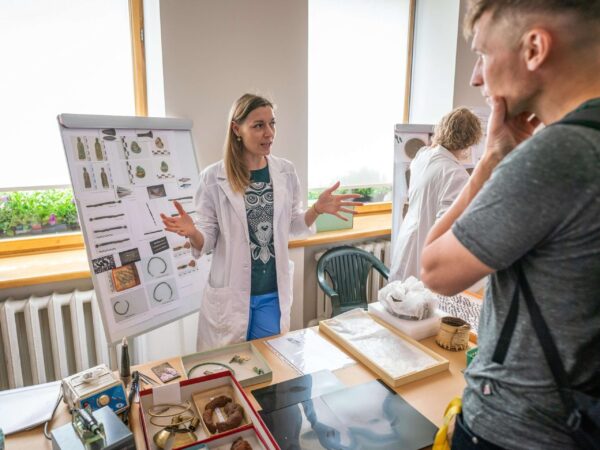
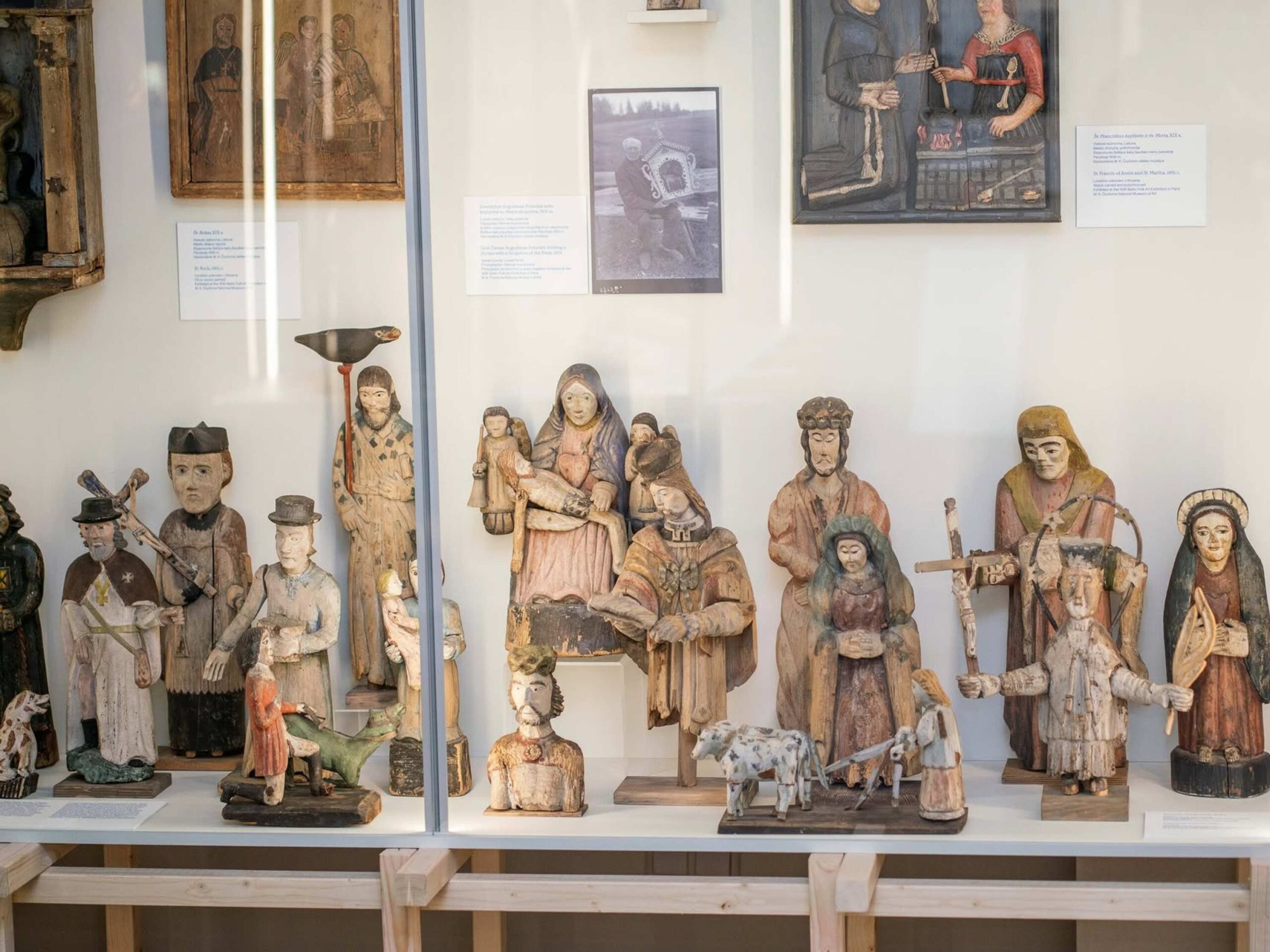
- European Archeology Days. Photo: Silvestras Samsonas

Archaeology You Can Touch
This year’s program places a special emphasis on interactive experiences. In Vilnius, the National Museum of Lithuania’s Old Arsenal will transform for one day into a living Baltic tribal encampment, complete with settlements representing the Yotvingians, Curonians and Semigallians. Visitors will be able to try traditional crafts, practice archery, observe the restoration of archaeological finds and sample ritual Baltic beverages, all accompanied by live-history performances, music and family-friendly workshops.
In Palanga, children and adults alike will be invited to participate in a genuine archaeological “excavation” on the beach, armed with trowels, brushes and hidden artifacts waiting beneath the sand. Meanwhile, in Klaipėda, archaeologists will host team-based challenges demonstrating how discoveries are identified and how fragments of evidence are transformed into stories about the past.
Visitors to Telšiai and Lithuania’s Šilalė District will even have the chance to join real archaeological investigations, experimenting with metal detectors and learning how newly uncovered finds are documented in the field.
-
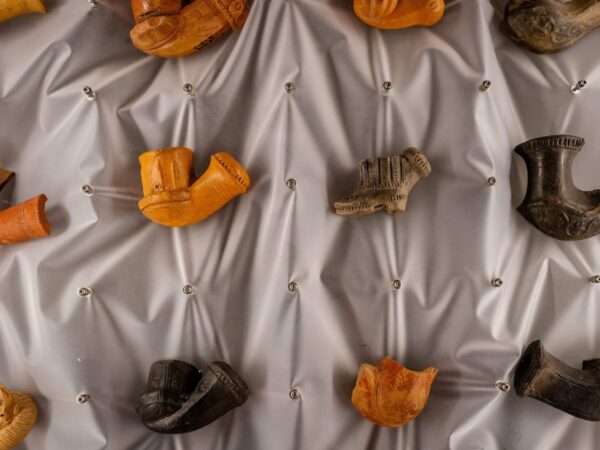
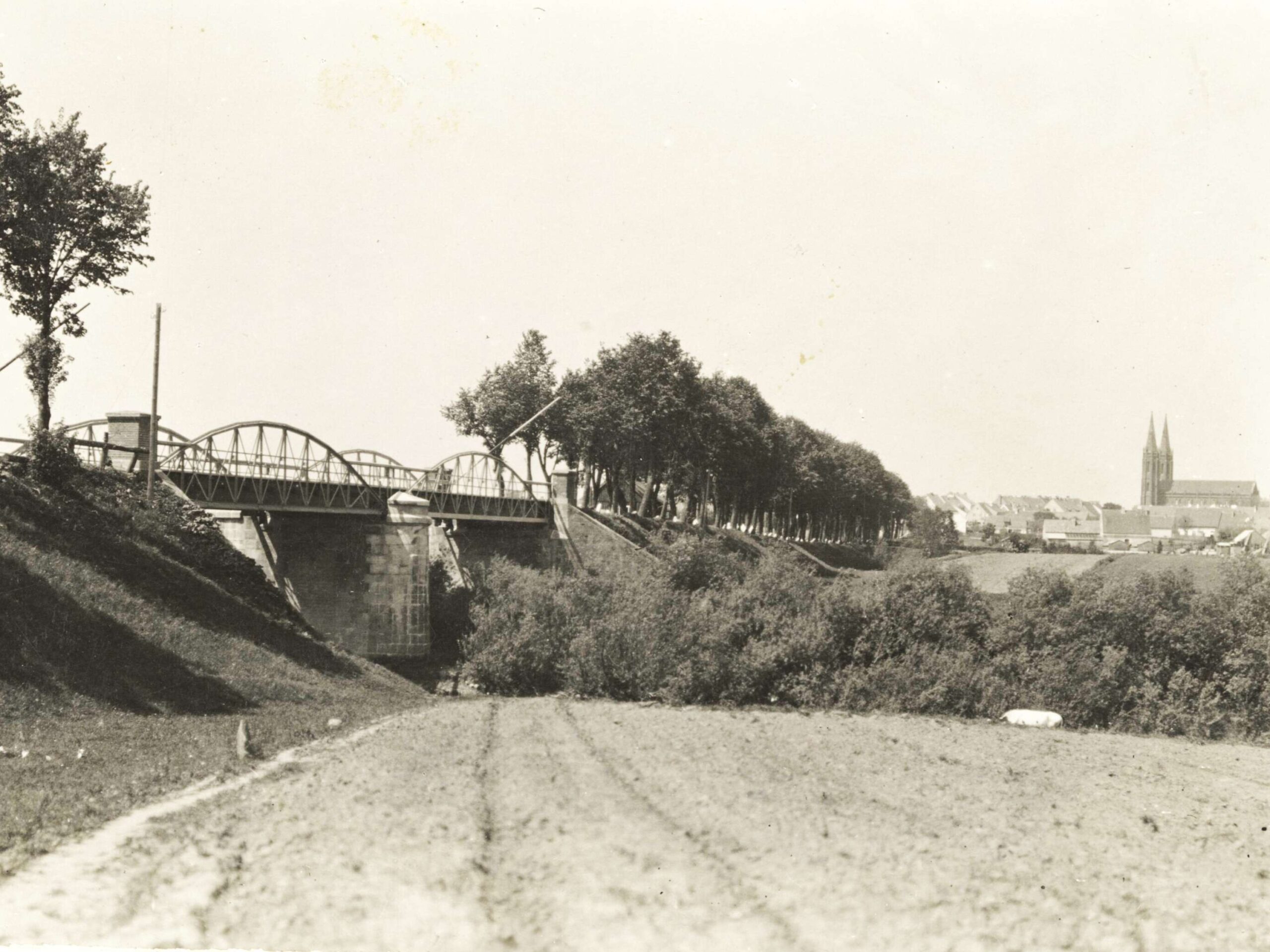
- European Archeology Days. Photo: Silvestras Samsonas, NML.

From Egyptian Mummies to the Mysteries of Gediminas Hill
The program also promises its share of dramatic historical stories. At the Gediminas Castle Tower, visitors will hear about one of Lithuania’s most startling archaeological discoveries in recent memory: the remains of participants in the 1863–1864 uprising, uncovered on Gediminas Hill in 2017, a find that captivated the entire nation.
In Kaunas, meanwhile, archaeology enthusiasts will be transported far beyond the Baltics—to ancient Egypt. A lecture exploring the mummy of a singer of Amun and Lithuania’s interwar fascination with Egyptomania will trace how pharaonic culture reached Lithuania and why ancient Egypt became such a cultural sensation between the world wars.
-
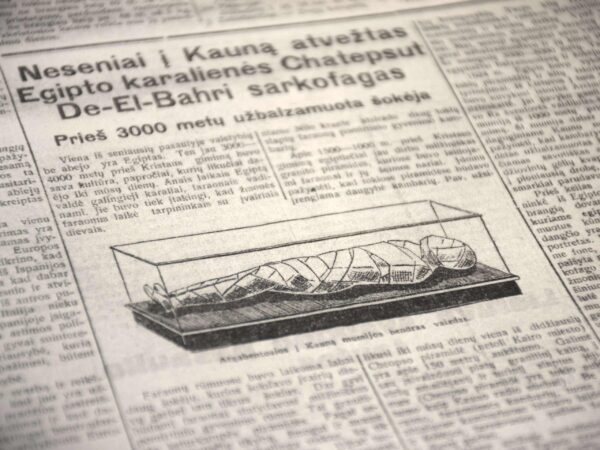
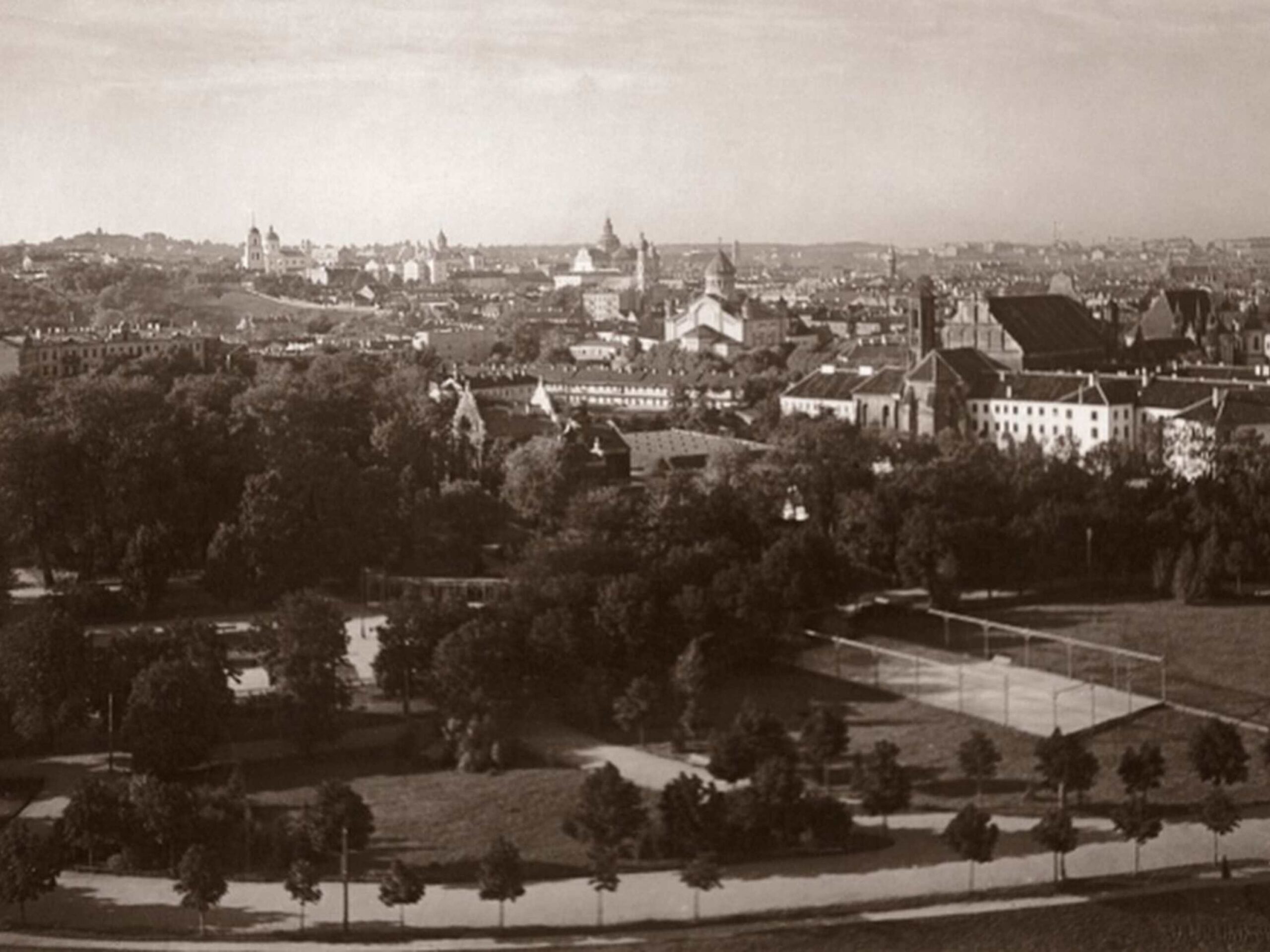
- European Archeology Days. Photo: Kaunas Ažuolynas Library.

Elsewhere, in Lithuania’s Ukmergė District, visitors can investigate the story of Vepriai Castle, from foundations identified through ground-penetrating radar to reconstructions of aristocratic life within the former residence. There, archaeology merges with landscape, folklore and modern technology.
Other events will delve into subjects ranging from ancient dogs and Baltic combs to glass bead production, prehistoric sustainability practices, historical games and even the fashion for smoking pipes in 17th- through 19th-century Vilnius. In other words, nearly everyone is likely to find an unexpected doorway into the archaeological past.
Organizers are encouraging visitors to explore events taking place in their own regions. The full Lithuanian program is available on the National Museum of Lithuania’s website lnm.lt, while the Europe-wide schedule can be found on the European Archaeology Days website journeesarcheologie.culture.gouv.fr.
-
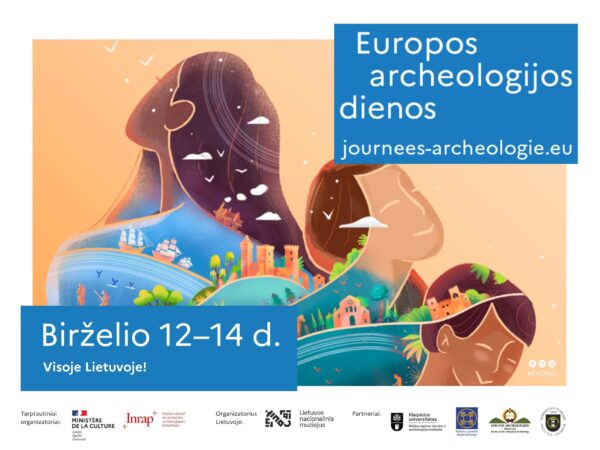
- European Archeology Days. Visual © Opixido