Baltic Tribes Gather in Vilnius: European Archaeology Days at the National Museum of Lithuania
2026 06 17
From June 12 to 14, the National Museum of Lithuania will invite visitors to a series of events marking the European Archaeology Days. The centerpiece of the program is the free living-history festival “Baltic Tribes Meet in Vilnius,” taking place on June 13 at the museum’s Old Arsenal (Arsenalo St. 3, Vilnius). For a single day, at the foot of Gediminas Hill, the worlds of the Yotvingians, Semigallians, and Curonians will spring back to life. Visitors can expect living-history presentations, a musical educational performance by Saulius Petreikis, introductions to Baltic ritual beverages, traditional crafts, games, guided tours, and opportunities to meet archaeologists. Additional activities will be held across other branches of the National Museum of Lithuania, while European Archaeology Days events unfold simultaneously throughout Lithuania and in dozens of countries across Europe.
A Living Archaeology Festival at the Old Arsenal
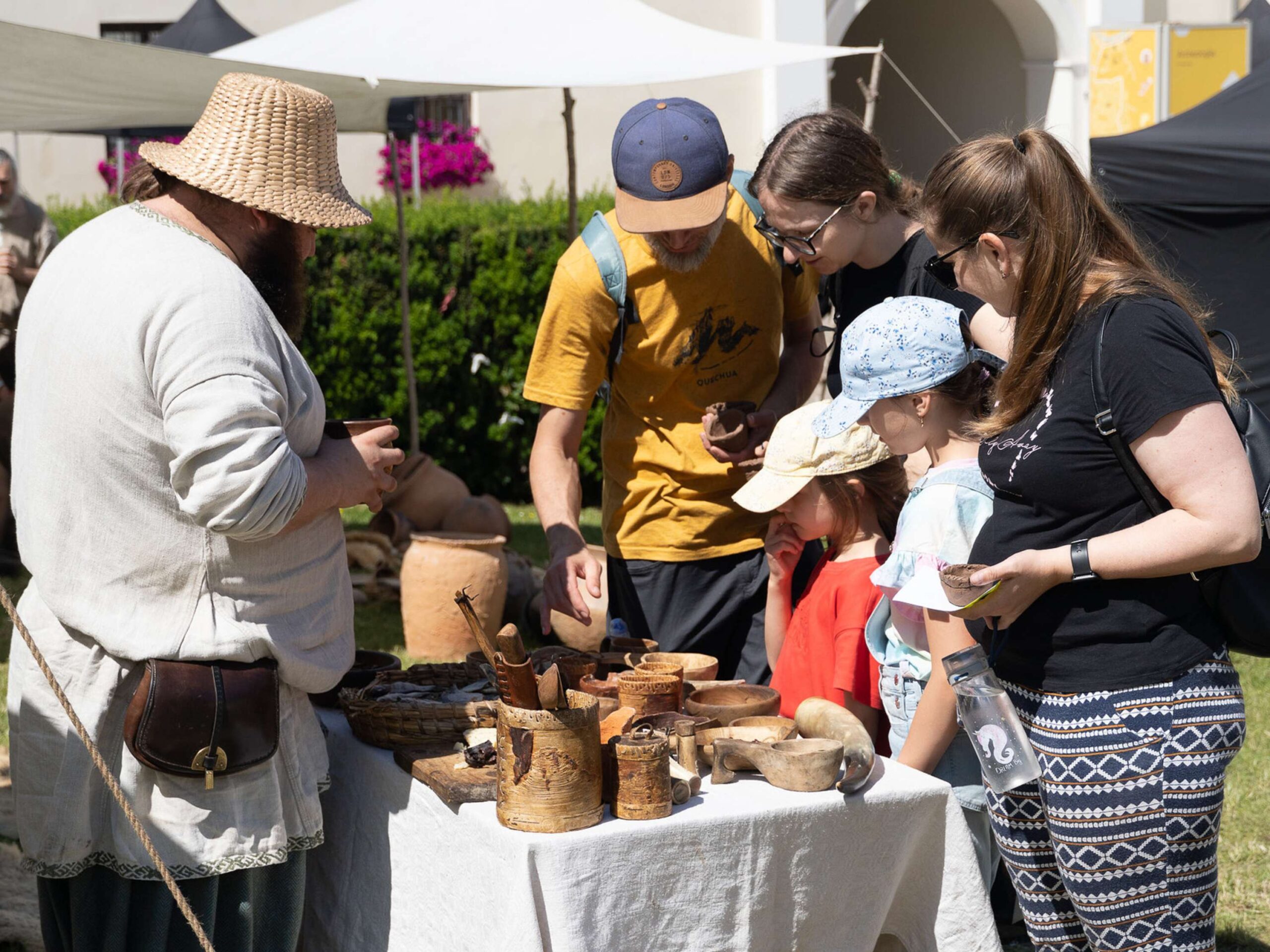
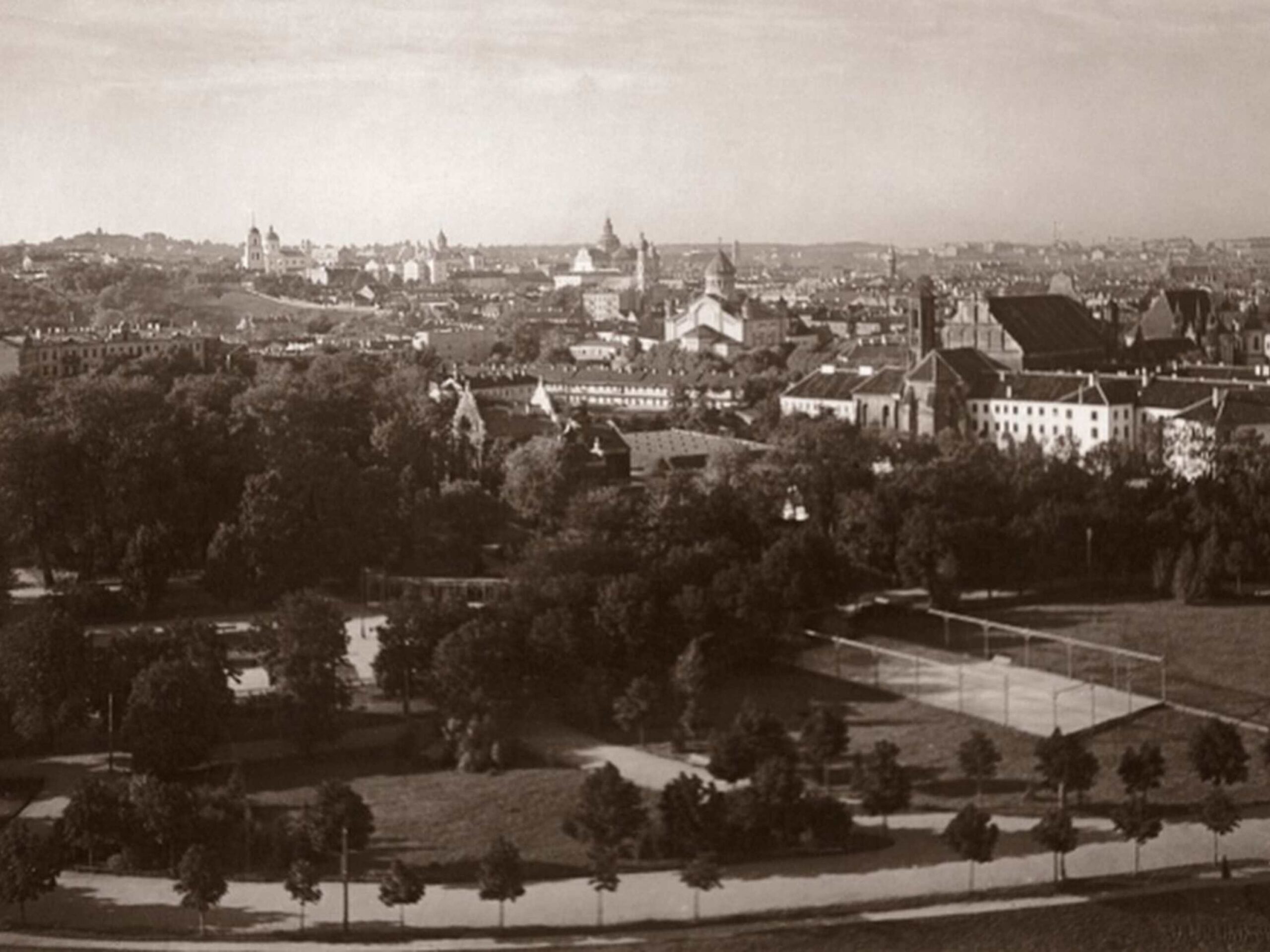
On June 13, from noon until 18:00, the National Museum of Lithuania’s Old Arsenal will be transformed into a bustling settlement of ancient Baltic tribes. Throughout the day, visitors will be able to explore themed activity areas, encounter traditional crafts, examine archaeological finds, and learn about the everyday lives of the Baltic peoples. Outdoor encampments representing the Yotvingians, Semigallians, and Curonians will fill the grounds, accompanied by demonstrations of archaeological reconstructions, presentations of Baltic crafts, and family-oriented educational activities. The result promises to be a vivid journey into the Baltic past.
-
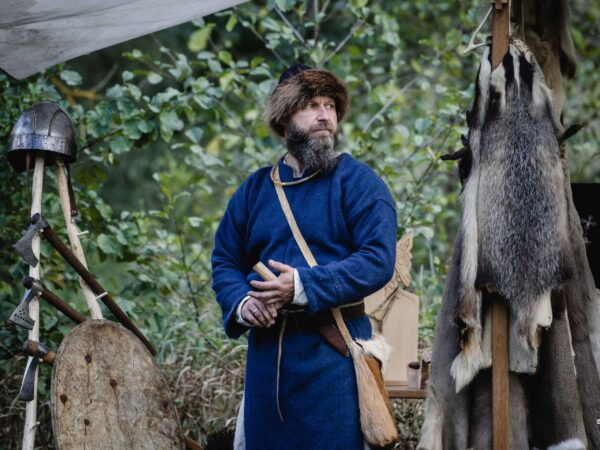
- The Semigallian history and culture preservation association Simkala. Photo: Personal archive
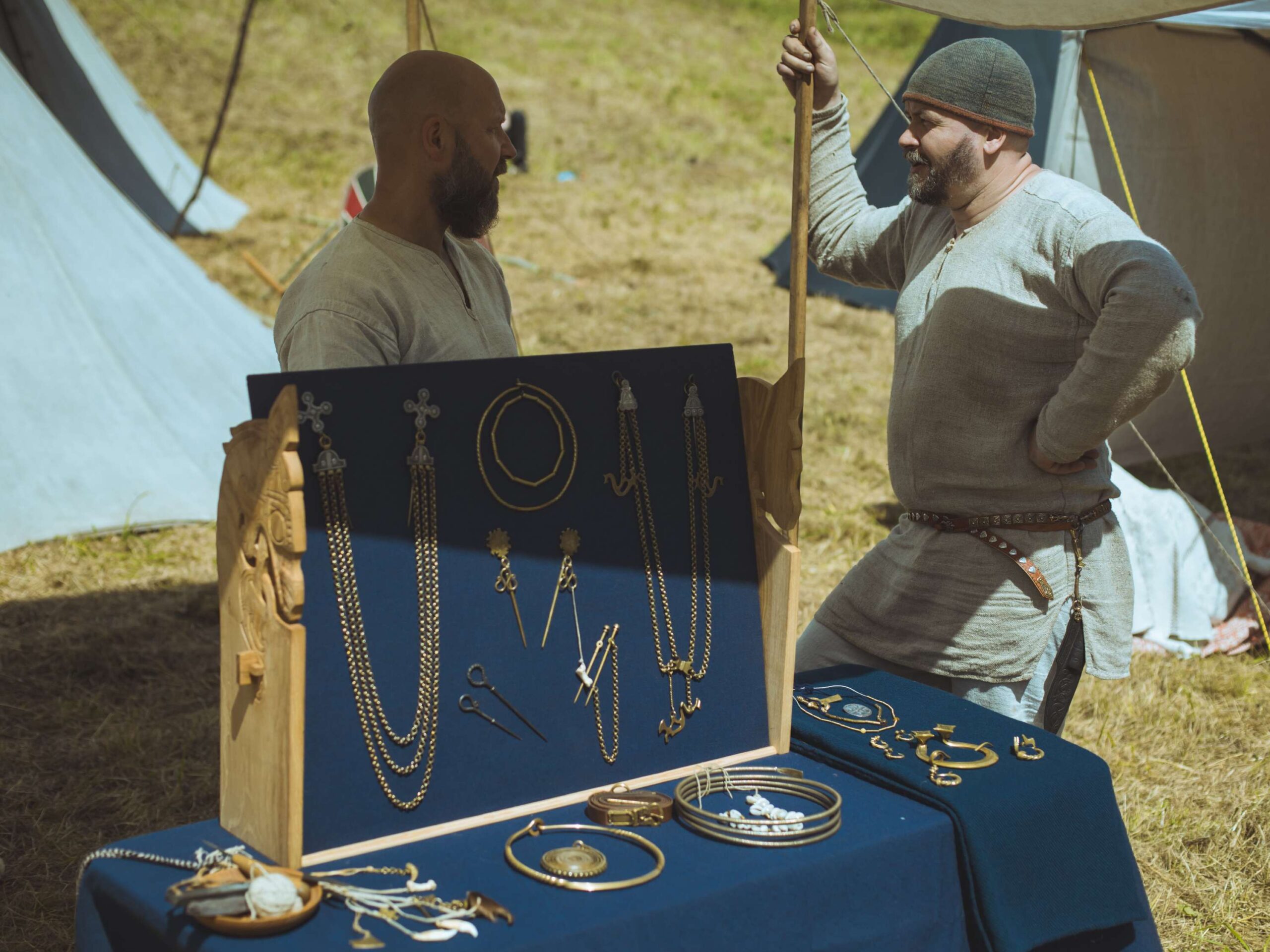
Around thirty historical reenactors will participate in the festival, recreating the lives, crafts, warfare, and traditions of the ancient Baltic tribes. Event coordinator Virginija Rimkutė explains: “I am especially delighted that visitors will have the opportunity to get acquainted up close with some of the most enigmatic Baltic tribes – the Yotvingians and the Semigallians. This is the first time that reenactors representing these tribes have come to Vilnius in such numbers, making it a rare chance to experience their reconstructed world firsthand. We joke that, together with the Curonian representatives, they are preparing to take over the capital.”
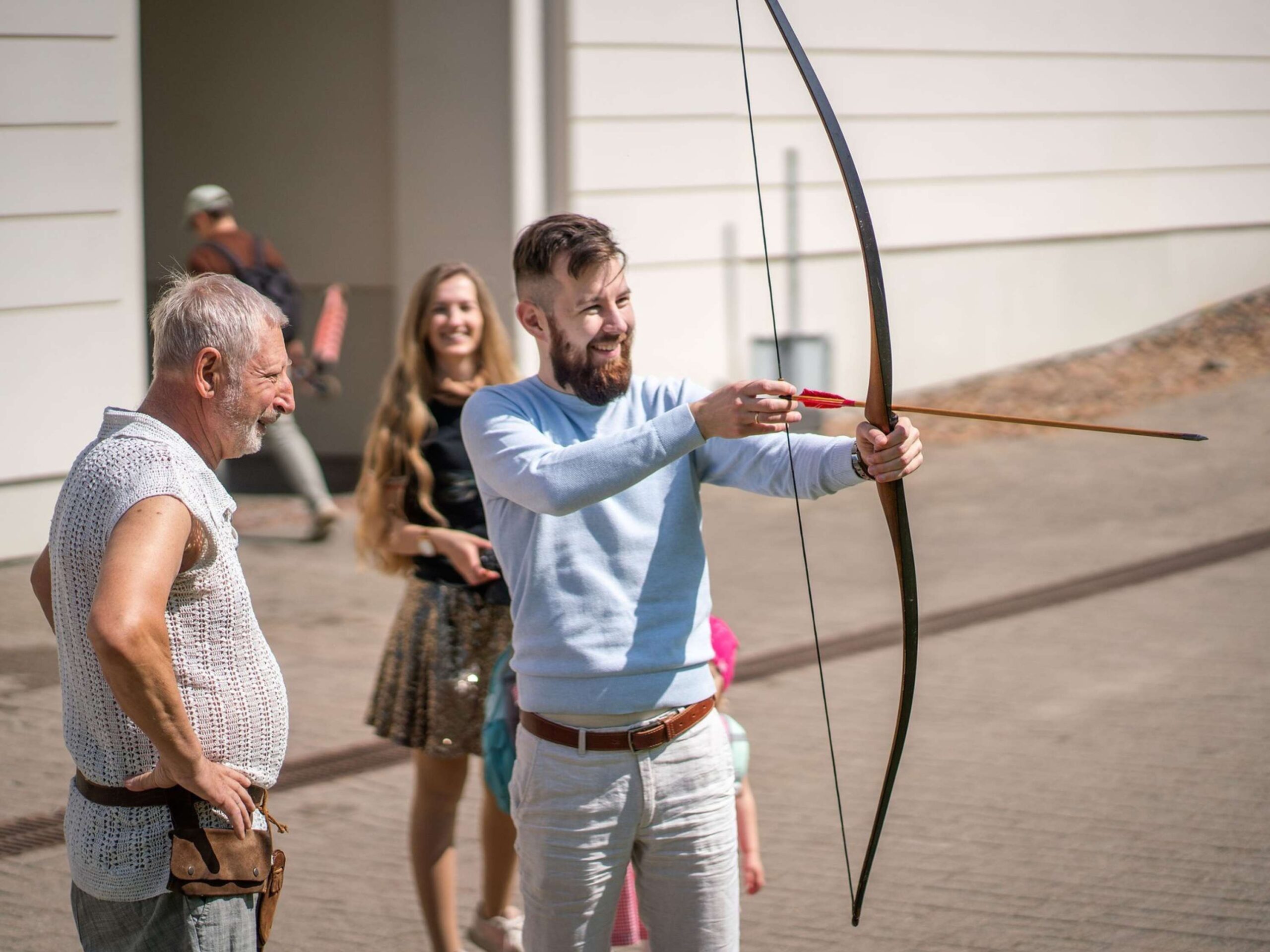
Festival activities will take place in the intimate courtyard of the Old Arsenal beneath Gediminas Hill and within the museum’s archaeology exhibition. Visitors will be invited to immerse themselves in tribal life: trying on reconstructions of ancient Baltic clothing, testing traditional crafts and games, practicing archery, and learning more about Baltic beliefs and daily life.
The festival will open with the educational concert “How Did the Balts Sound?” by composer and multi-instrumentalist Saulius Petreikis. Afterwards, reenactors will present the distinctive lifestyles and martial traditions of the Yotvingians, Semigallians, and Curonians, along with demonstrations of blacksmithing, jewelry-making, and textile crafts. Visitors will also have the opportunity to discover the traditions, rituals, and flavors associated with Baltic ceremonial beverages.
-

- Saulius Petreikis. Photo: Rytis Šeškaitis

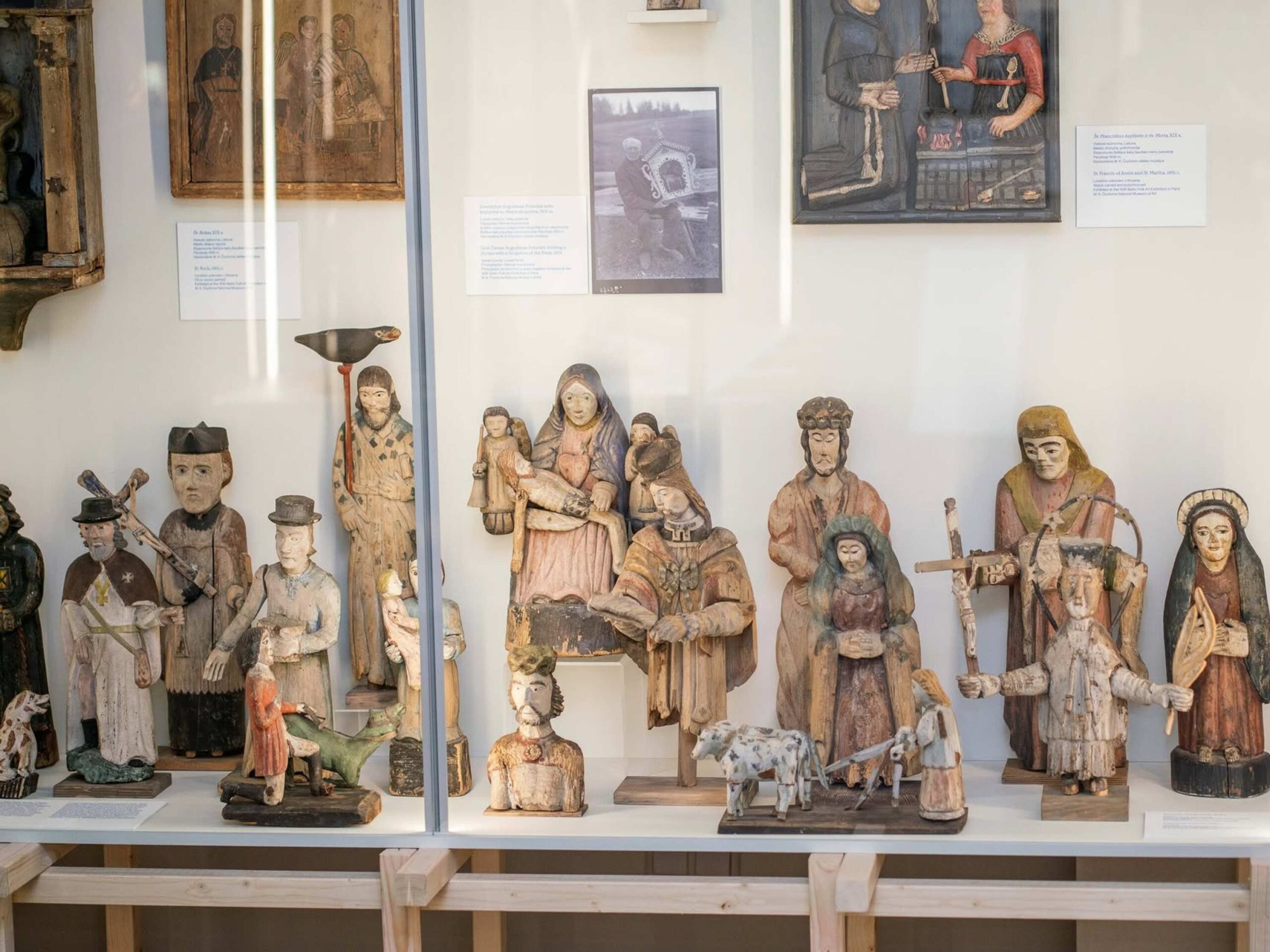
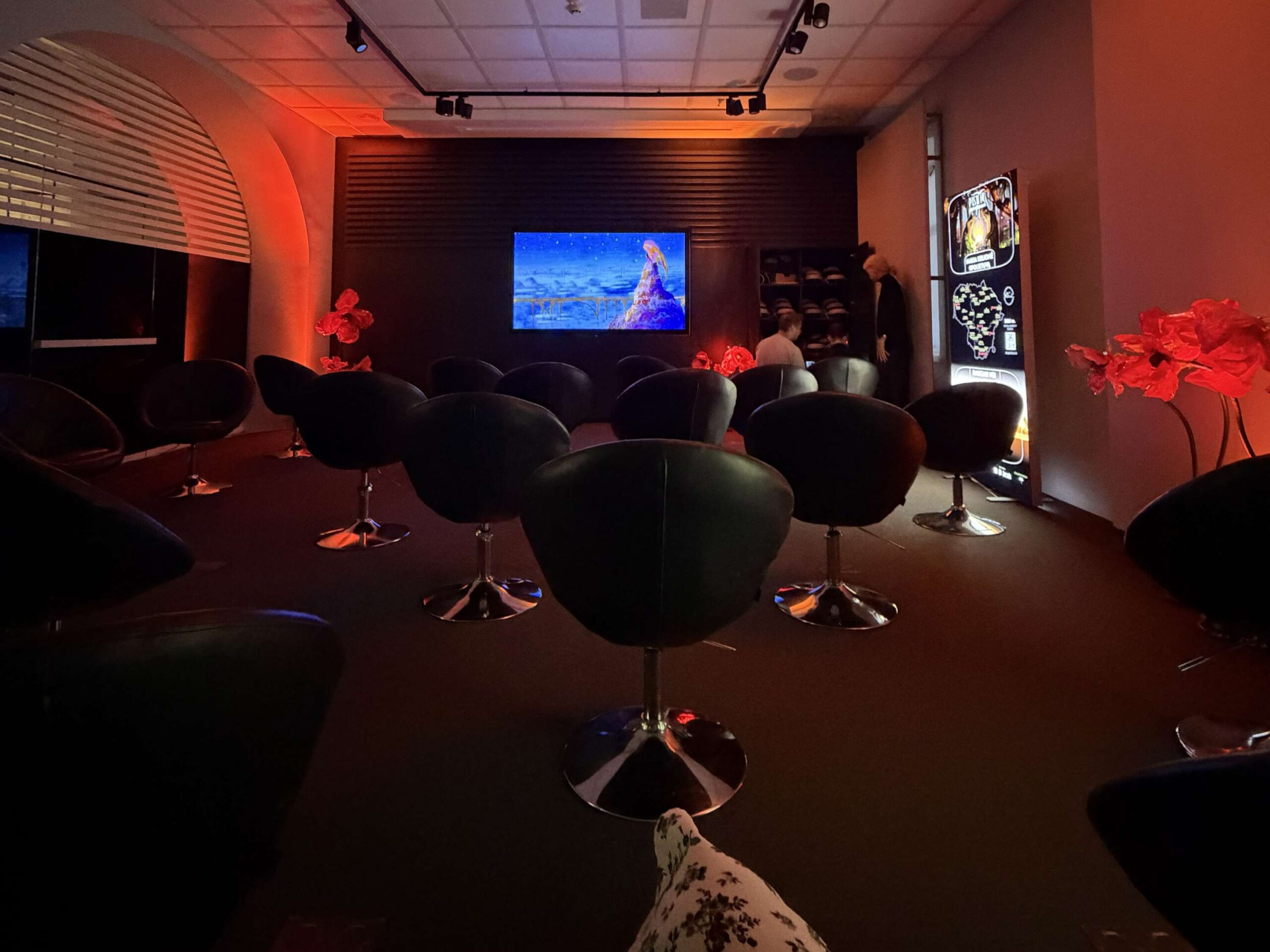
Inside the museum’s archaeology exhibition, a guided tour titled “The Most Fascinating Baltic Finds” will introduce visitors to remarkable artifacts from the region’s past. Another special tour, led by curator Dr. Šarūnė Valotkienė, will take place in the exhibition “Reusable: Sustainable Living in Prehistory.” Experts will also present the publication “Curonians: The Culture of a Tribe – Reflections of Lifestyle, Warfare, Beliefs, and Intertribal Connections” and discuss the combs once used by Baltic peoples.
Participants in the festival include the living history club Leitgiris, the ancient Baltic warfare society Jotvos Sūnūs (“Sons of Jotva”), the Semigallian history and culture preservation association Simkala, Saulius Petreikis, historical artisan-reenactors, archaeologists from the National Museum of Lithuania, museum educators, and conservators. A detailed program is available on the National Museum of Lithuania’s website.
-
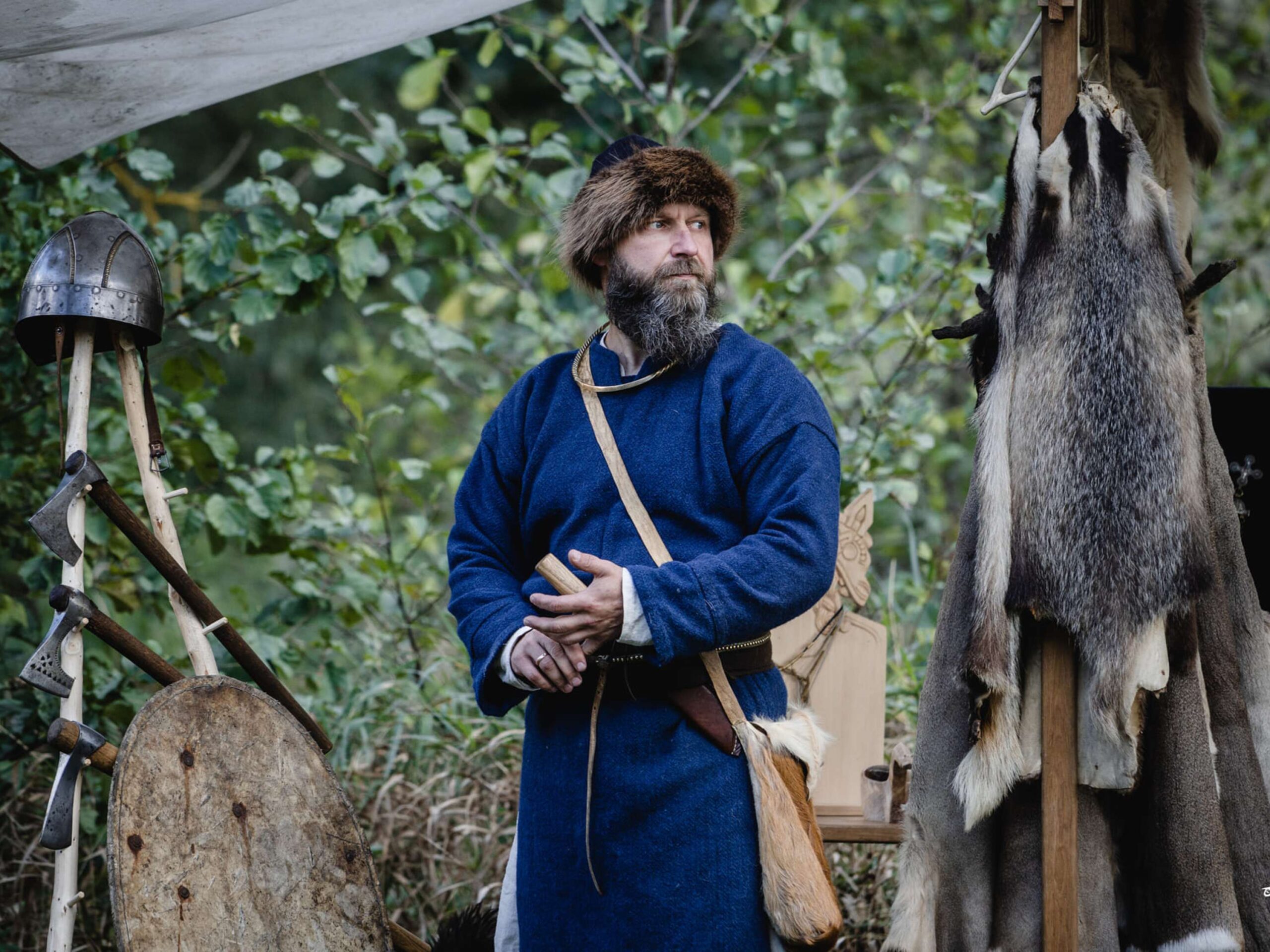
- The Semigallian history and culture preservation association Simkala. Photo: Linas Damukaitis
Archaeological Mysteries: From Gediminas Hill to the Baltic Coast at Palanga
During European Archaeology Days, visitors will also be able to attend special events at other branches of the National Museum of Lithuania in both Vilnius and Palanga.
On June 13, at 13:00 and again at 15:00, the museum’s House of Histories (T. Kosciuškos St. 3, Vilnius) will host interactive tours of its ethnographic collections storage facility under the title “Technologies Used for Millennia.” These tours will offer a closer look at traditional crafts, technologies, and materials whose origins stretch deep into antiquity. That same day at 15:00, the Bastion of the Vilnius Defence Wall (Bokšto St. 20, Vilnius) will host the guided experience “Along the Paths of Our Ancestors.” Participants will learn about the earliest Baltic weapons, handle replicas themselves, and try their hand at archery.
-
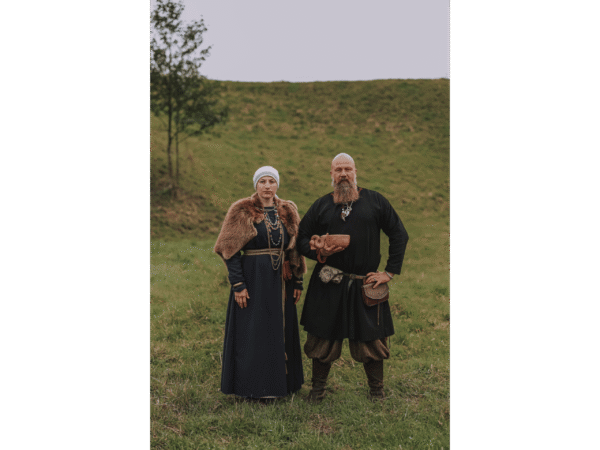
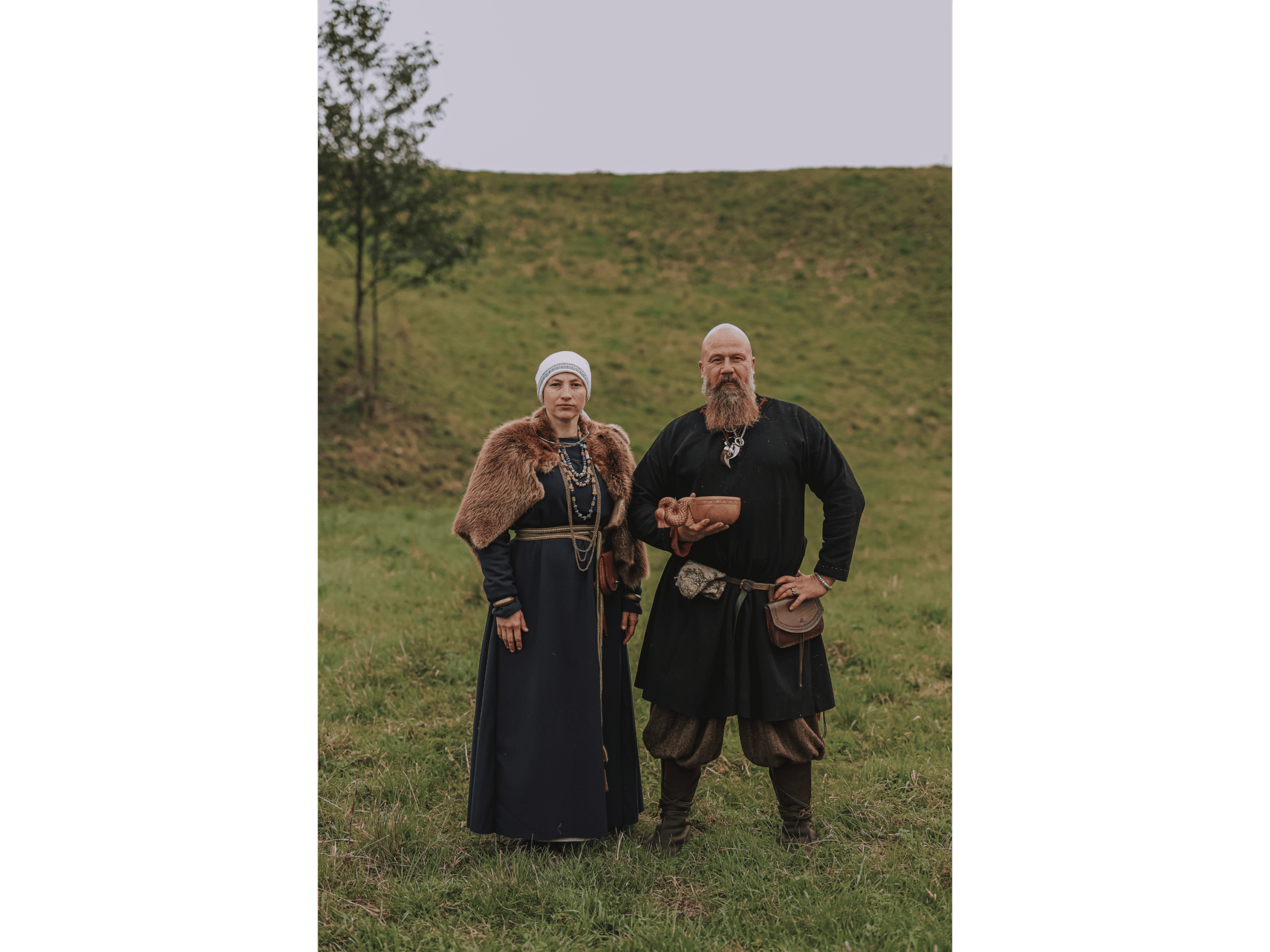
- The ancient baltic warfare society Jotvos Sūnūs. Photo: Personal archive
On June 13, from 15:00 to 18:00, the House of Signatories (Pilies St. 26, Vilnius) will present the exhibition “The Unknown Jonas Basanavičius: The Lithuanian Indiana Jones,” created by graduate students from the Department of Archaeology at Vilnius University’s Faculty of History. The exhibition explores the lesser-known archaeological and anthropological pursuits of the revered patriarch of the Lithuanian national revival.
On June 14 at 12:00, Gediminas Castle Tower (Arsenalo St. 5, Vilnius) will host the guided tour “Unforgotten Insurgents.” The tour focuses on the remains of participants in the 1863–1864 Uprising, discovered on Gediminas Hill in 2017, and on the archaeological investigations connected with that extraordinary find. Visitors will hear the story of one of Lithuania’s most significant archaeological discoveries of recent years and its impact on historical memory.
-
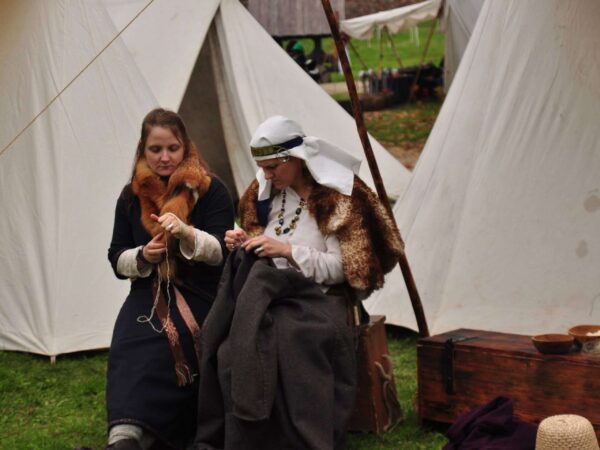
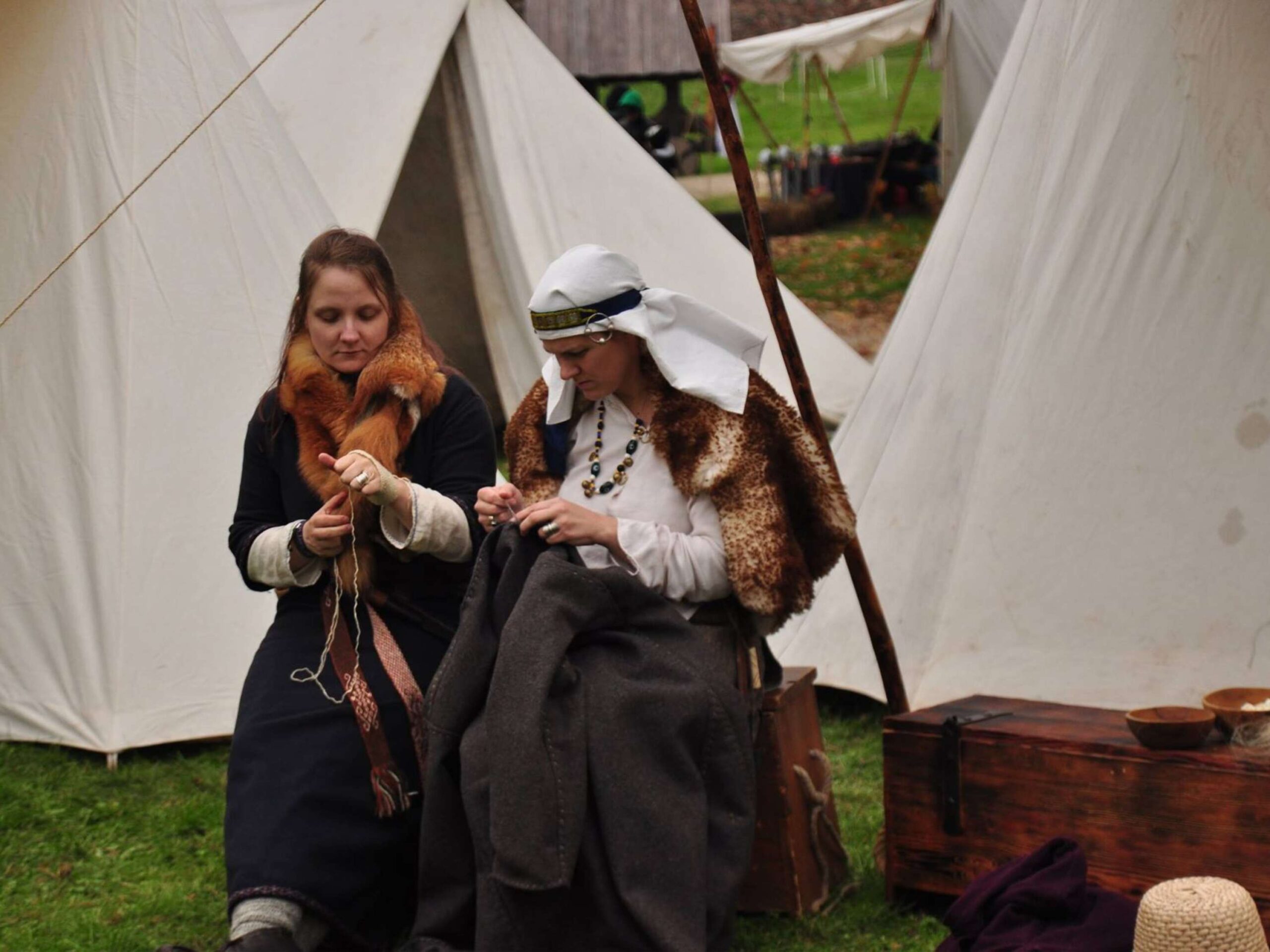
- the living history club Leitgiris. Photo: Personal archive
Joining the European Archaeology Days program from Lithuania’s Baltic coast is the Jonas Šliūpas Museum (Vytauto St. 23A, Palanga). On June 13 at 12:00, young explorers are invited to participate in the educational activity “Archaeological Trench,” where they can experience the work of archaeologists firsthand by searching for finds and learning the principles of archaeological investigation.
Later that day, at 15:00, archaeologist Dr. Lijana Muradian will deliver a lecture on Bronze Age burial mounds in western Lithuania and the latest research conducted at the Mišeikiai burial mound complex.
A Europe-Wide Celebration of Archaeology
The European Archaeology Days (EAD) are an international initiative organized by France’s National Institute for Preventive Archaeological Research and the French Ministry of Culture. In Lithuania, the program is coordinated by the National Museum of Lithuania in partnership with the Institute of Baltic Region History and Archaeology at Klaipėda University, the Department of Cultural Heritage under the Ministry of Culture, the Lithuanian Archaeological Society, and the Faculty of History at Vilnius University.
More information about the Lithuanian program can be found on the National Museum of Lithuania’s website, while the complete schedule of European Archaeology Days events is available through the initiative’s official website.
-
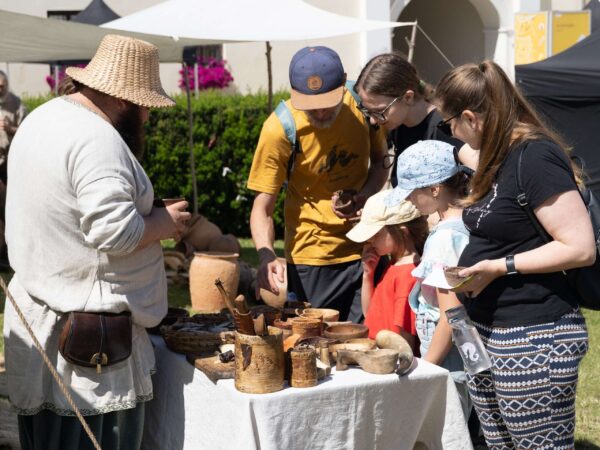
- European Archeology Days at the Old Arsenal. Photo: Augustinas Bėkšta, NML