A National Museum of Lithuania Project Invites Mothers and Children to Strengthen Their Bond Through Creativity
2026 04 30
As Mother’s Day approaches, conversations increasingly turn to the importance of emotional connection. Yet for families raising children on the autism spectrum, opportunities to spend meaningful time together remain limited. A project by the National Museum of Lithuania (NML), titled “All According to Plan,” suggests that accessible cultural activities can become not only a tool for children’s development, but also a space for strengthening the entire family.
Connection Is Born in a Safe and Understanding Environment
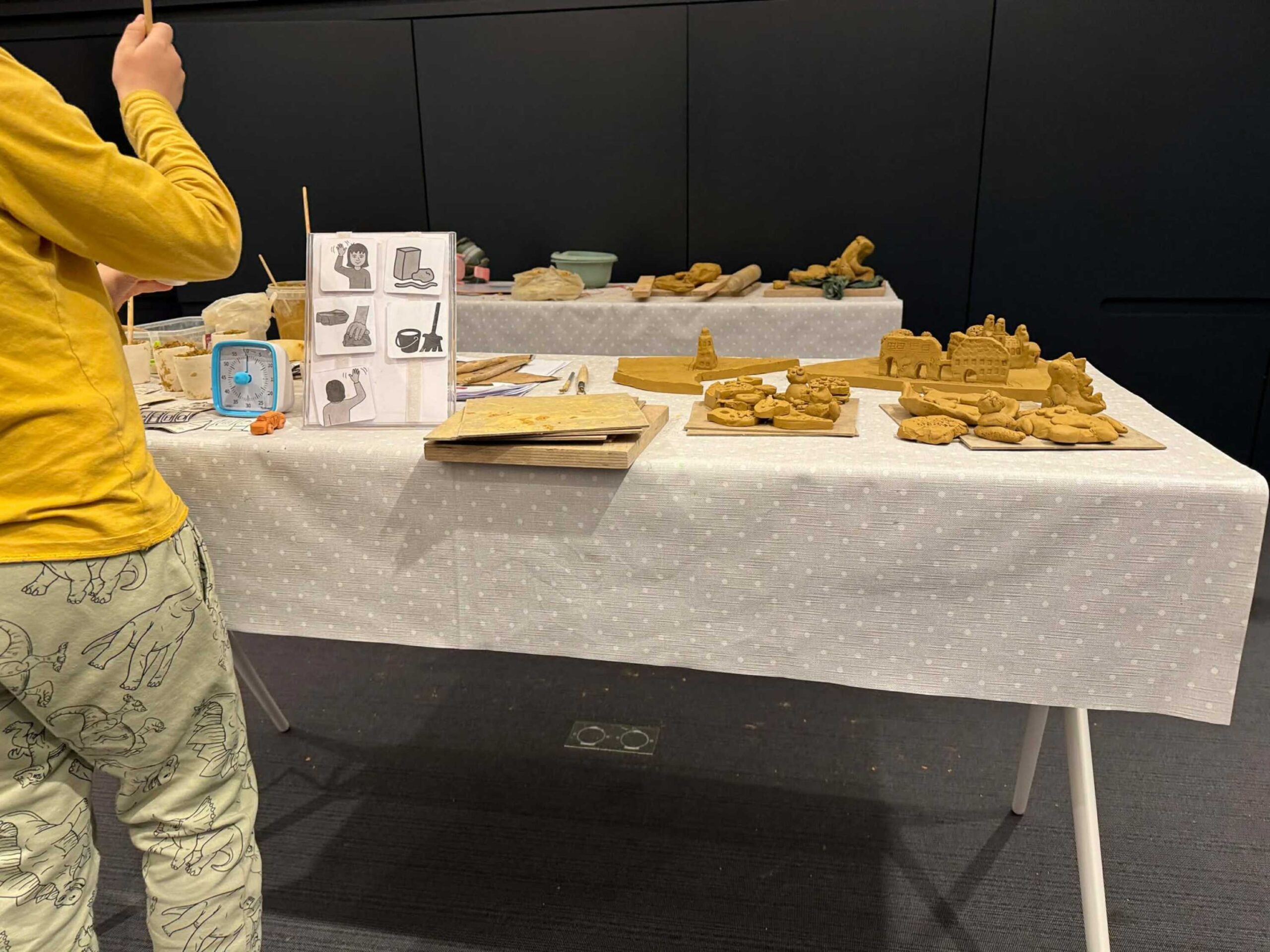
The ceramics workshop series “All According to Plan,” implemented by the NML in partnership with the Vilnius Potters’ Guild, is designed for children with autism spectrum disorder and their families. The sessions take place in a sensory-friendly, clearly structured environment where children can engage in creative work at their own pace.
According to Agnė Putelytė, coordinator of community projects at the NML, such activities reshape the very nature of family time.
“These sessions are important not only for the children, but also for their parents. For mothers, it often becomes an opportunity to spend time with their child in a different context—without the usual daily routines and worries. The creative process allows them to build a connection through shared activity. It strengthens mutual trust and closeness,” she notes.
Lina Vaičiūnė, who is raising a son on the autism spectrum, says that initiatives like this are deeply meaningful—not only because they engage children, but because they foster a sense of acceptance. In her view, society still lacks understanding of children with special needs, making safe and supportive environments all the more essential.
-
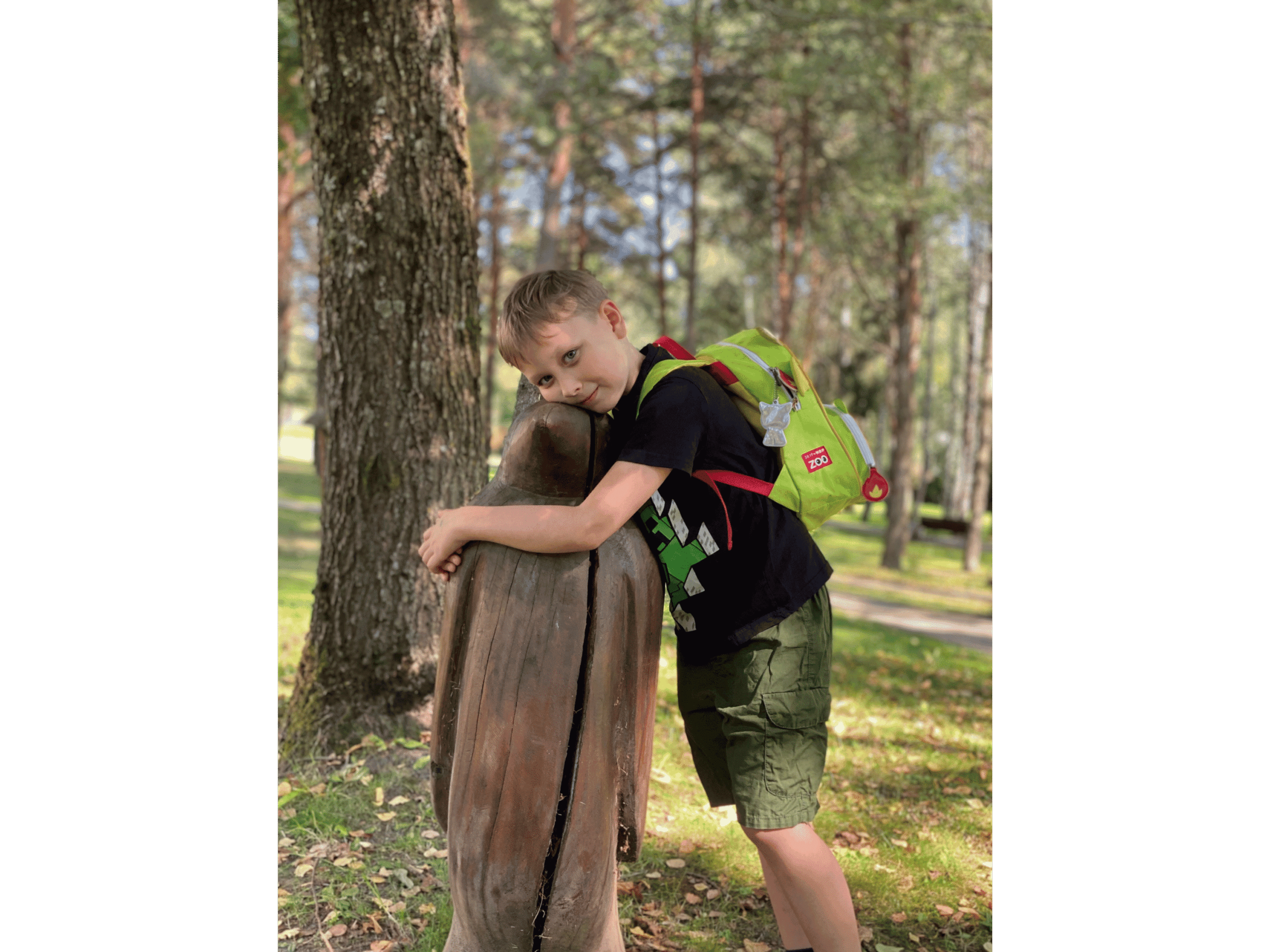
- Lina Vaičiūnė’s son. Photo: personal archive
“I’m glad that initiatives like this exist. I was very surprised at how calmly and kindly the educators and the ceramic artist respond to the children. It’s no secret that sharing a space with children who have special needs can sometimes require more understanding and patience. This kind of attitude is still very much lacking in society. When we come to the sessions, there’s a warm feeling that we are welcome, accepted, and enough. You can see how much effort has gone into making the environment safe and suitable,” she says.
For Vaičiūnė, these shared activities have helped deepen her bond with her son and create meaningful new experiences.
“Simas is a very affectionate boy, and the time we spend just the two of us has strengthened our connection even more. It’s wonderful that we have the chance to change our environment. We’ve even created our own little travel routine—we drive, park the car, and walk along the river toward the House of Histories. And one of the biggest achievements is that Simas learned to say the word ‘river.’ For most people that might not seem like much, but for us, it’s a huge milestone,” she shares.
She also emphasizes that the project supports not only children, but parents as well—who often lack adequate support. A separate session was even organized specifically for them.
“The session for parents was that rare time you can dedicate just to yourself. When raising a child with individual needs, you often forget about yourself. Over time, it becomes clear that parents in this situation are often left alone—there’s a lack of consistent support and a clear plan for how to move forward. You have only as much as you manage to fight for yourself.
I remember when the doctor gave us the diagnosis, I asked, ‘What are we supposed to do next?’ The answer shocked me more than the diagnosis itself: ‘You now have to learn to live with it.’ The office door closed, the diagnosis appeared in the e-health system, and that was it—as if everything ended there. A mother is left alone with countless thoughts and responsibilities,” she says candidly.
Creativity Encourages Expression and Builds Confidence
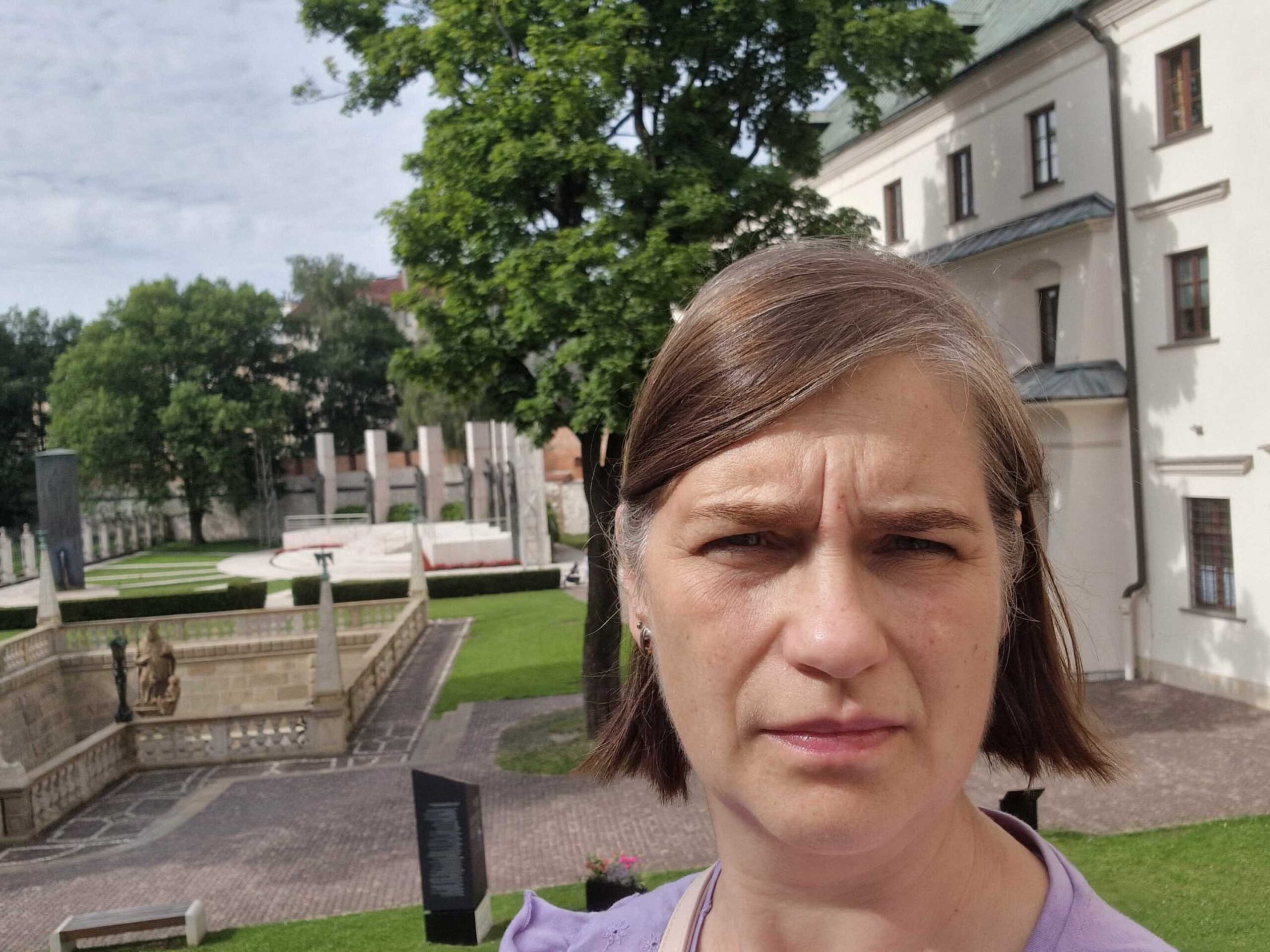
Laura Mickutė, whose son has been attending the workshops for several years, says that creative activities have become not only a form of self-expression for him, but also a source of emotional well-being.
“My son liked the ceramics sessions from the very first time. He got involved very easily and looks forward to each class. He enjoys the process of sculpting—touching the clay, shaping it, experimenting. It’s an activity that allows him to calm down and express himself without words. At home, his works are visible—some are framed, others decorate the refrigerator as magnets. It not only brightens our home, but also has a big impact on how he feels—he sees that his creativity is valued and important,” she says.
-
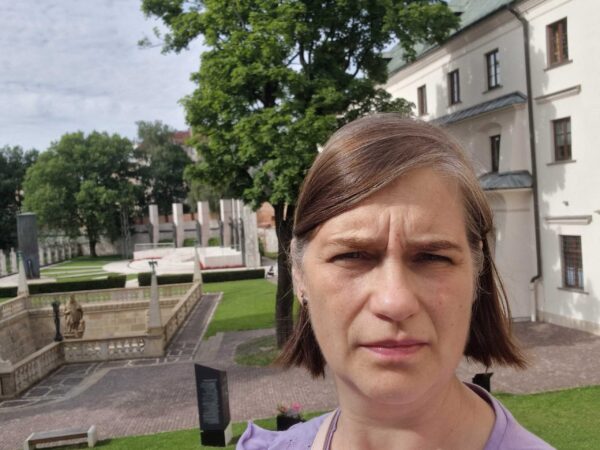
- Laura Mickutė. Photo: personal archive
For Mickutė, the museum setting provides a reassuring sense of safety—there’s no need to worry about whether her child will behave “appropriately” or be understood.
“As a mother, the opportunity to participate in a safe and adapted creative activity together with my child is very important. It’s a space where both of us can be ourselves. It’s also incredibly valuable time together—not rushed, but spent creating, experiencing, and enjoying small things,” she explains.
She adds that the benefits extend into everyday life: after the sessions, her son is calmer, more relaxed, and sometimes even communicates more easily.
“Our connection grows through shared experience—when we create something together, there’s more closeness and trust. I really wish these sessions could continue longer, because their benefit for children is truly felt,” she says.
For several years now, the Lithuanian National Museum has been steadily expanding inclusive initiatives aimed at communities with diverse needs, helping to reduce social exclusion. The project “All According to Plan” is one such example, inviting families to participate in cultural activities together and strengthen their bonds.
The ceramics sessions are held in small groups of up to eight children and are organized on a project basis. While the current cycle is nearing its end, there is still an opportunity to join one of the groups. Visitors are also invited to view the works created by children and parents in museum spaces—near the Gediminas Castle Tower funicular and by the Castellan’s House.
More information: click here.
-
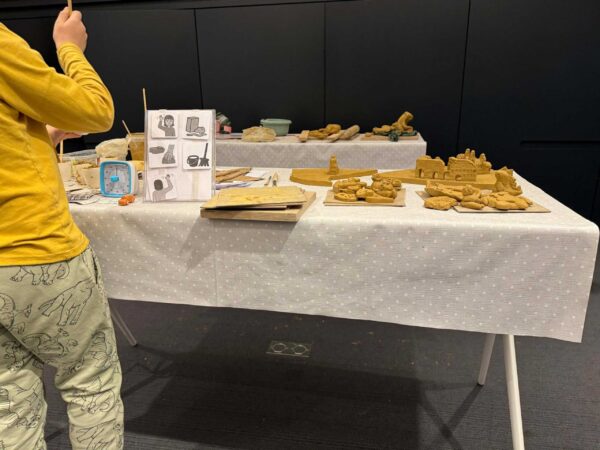
- Ceramics activities. Photo: NML