The National Museum of Lithuania Celebrates its 170th Anniversary and Invites You on a Grand Birthday Adventure
2025 03 04
In 2025, the National Museum of Lithuania celebrates its 170th anniversary. To mark this special occasion, starting on March 4, the museum invites everyone to take part in an interactive adventure game that spans all twelve of its branches. This engaging challenge is not only fun, but also a great opportunity to explore Lithuanian history up close through the museum’s treasures located across the country.
Visitors are encouraged to immerse themselves in the history and culture of Lithuania by discovering unique exhibits in the museum’s branches located not only in Vilnius, but also in places like Palanga, Kudirkos Naumiestis, and the village of Ožkabaliai in the Vilkaviškis district. At each branch, after viewing the permanent exhibitions or temporary thematic displays, visitors will find a special exhibit dedicated to the museum’s 170th anniversary and will receive a commemorative stamp at the ticket desk. Those who visit all twelve branches will have the chance to win valuable prizes. The game will run until December 3, 2025. This is a wonderful opportunity to become part of the celebration and join an intriguing educational journey.
“Our birthday game invites everyone to discover each branch of the National Museum of Lithuania and to engage with cultural and historical artifacts that tell fascinating stories—artifacts housed within the largest museum collection in the country. We invite visitors to take on this challenge, which will not only deepen their knowledge but also offer new experiences. In the end, their perseverance and curiosity will be rewarded. We hope this game becomes a memorable adventure for everyone who takes part,” said Rūta Kačkutė, Director General of the National Museum of Lithuania.
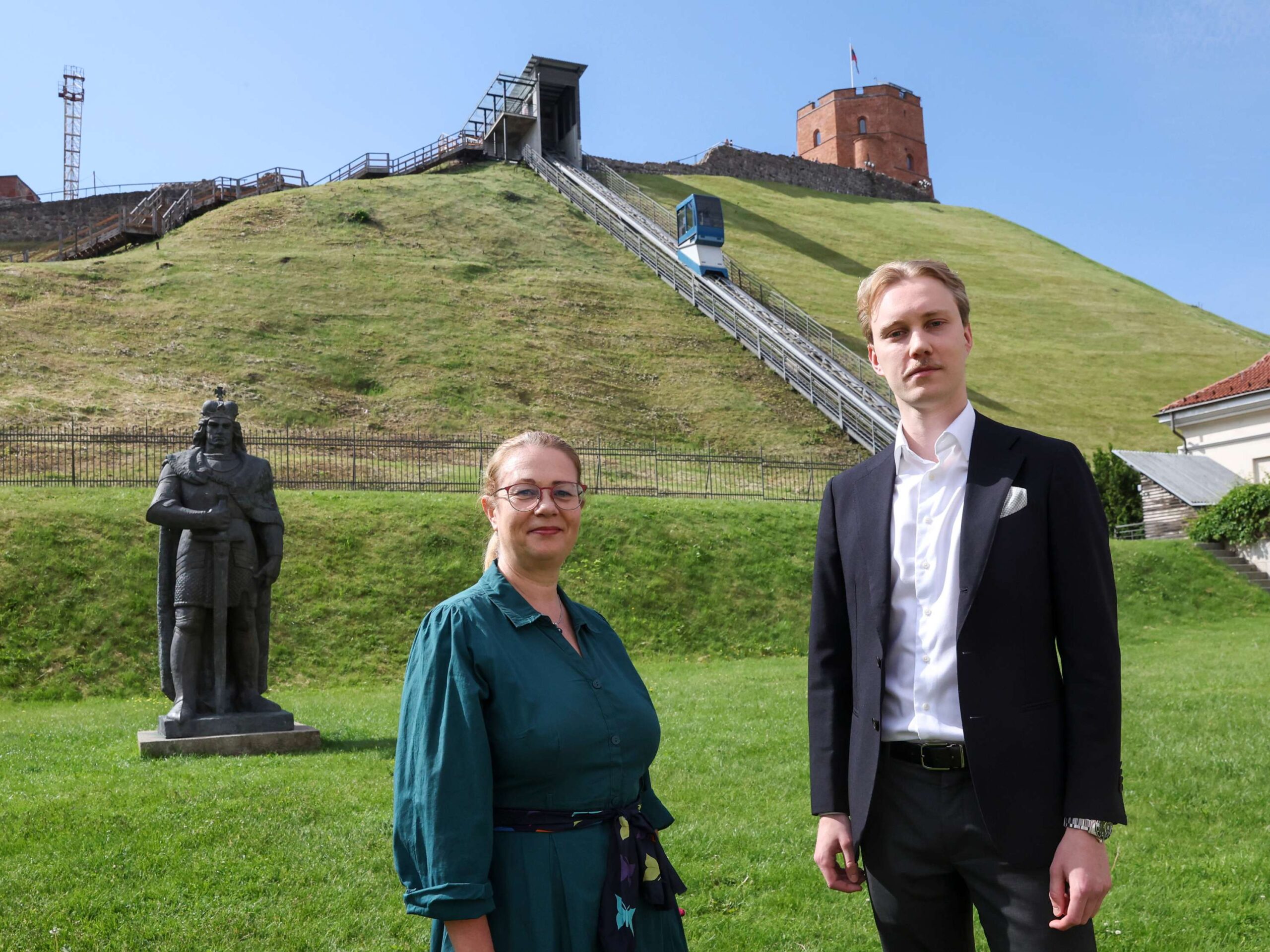
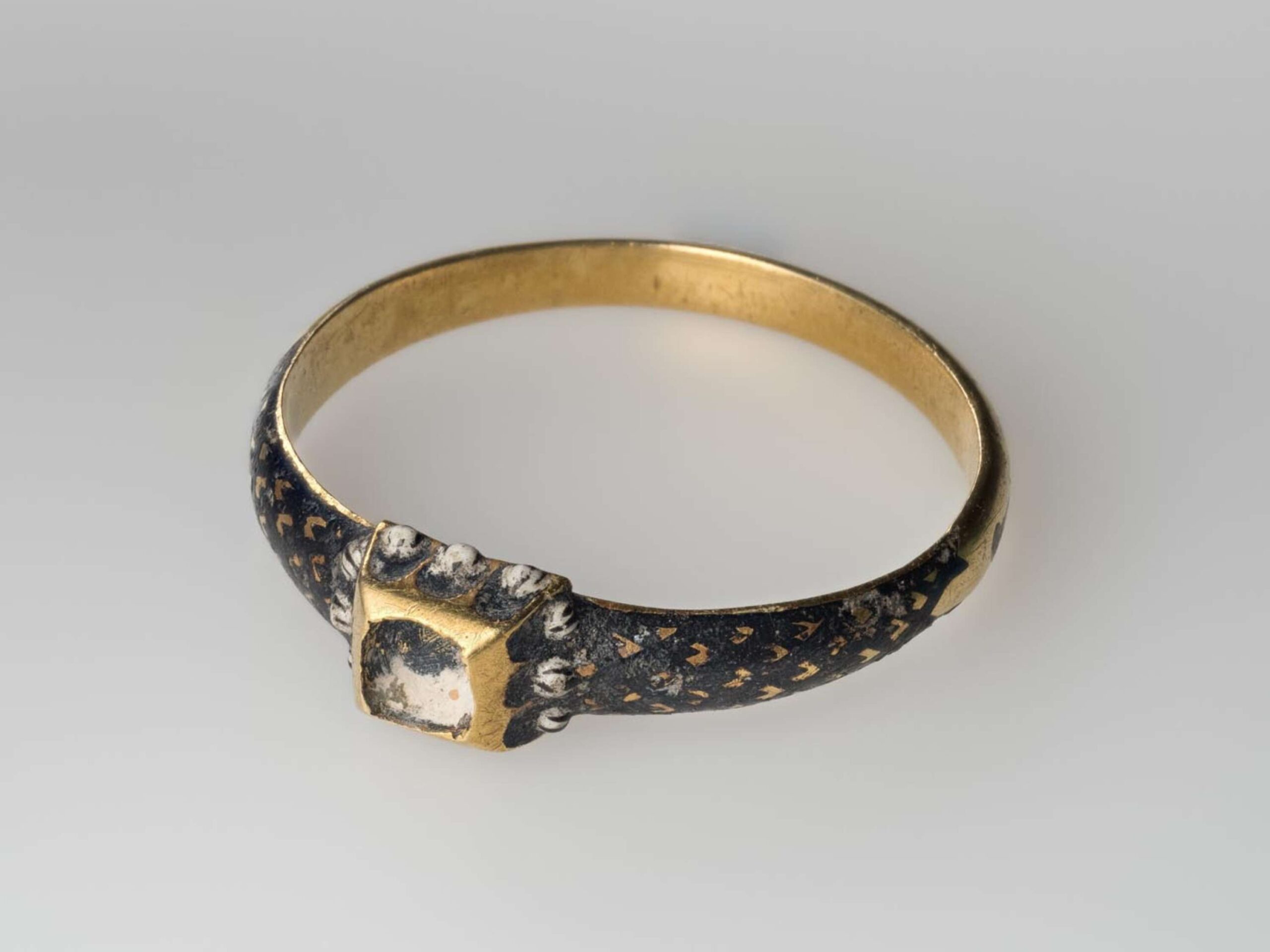
At the museum’s newest branch, the Castellan’s House at the foot of Gediminas Hill, visitors will find a special anniversary exhibit—a ring discovered in 2021 while excavating the building’s first basement, which had been buried in the 18th century during a fire. Built in the 16th century, the Pilininkas’ House served multiple purposes: it was the residence of the castle warden (pilininkas), and also housed a court, chancellery, and archive. When court cases were in session, luxurious clothing and valuable items—either found, confiscated, or stolen—were brought to the house. Some stories revolved around precious rings, such as in 1687, when the son of nobleman Jurgis Vladislovas Uhlikas, named Dominykas, filed a complaint over a missing gold ring with a diamond valued at 100 ducats.
-
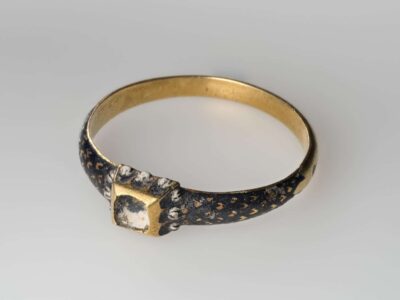
- The Ring on Display at the Castellan’s House
-
- The Statue of Perkūnas on Display at the Old Arsenal
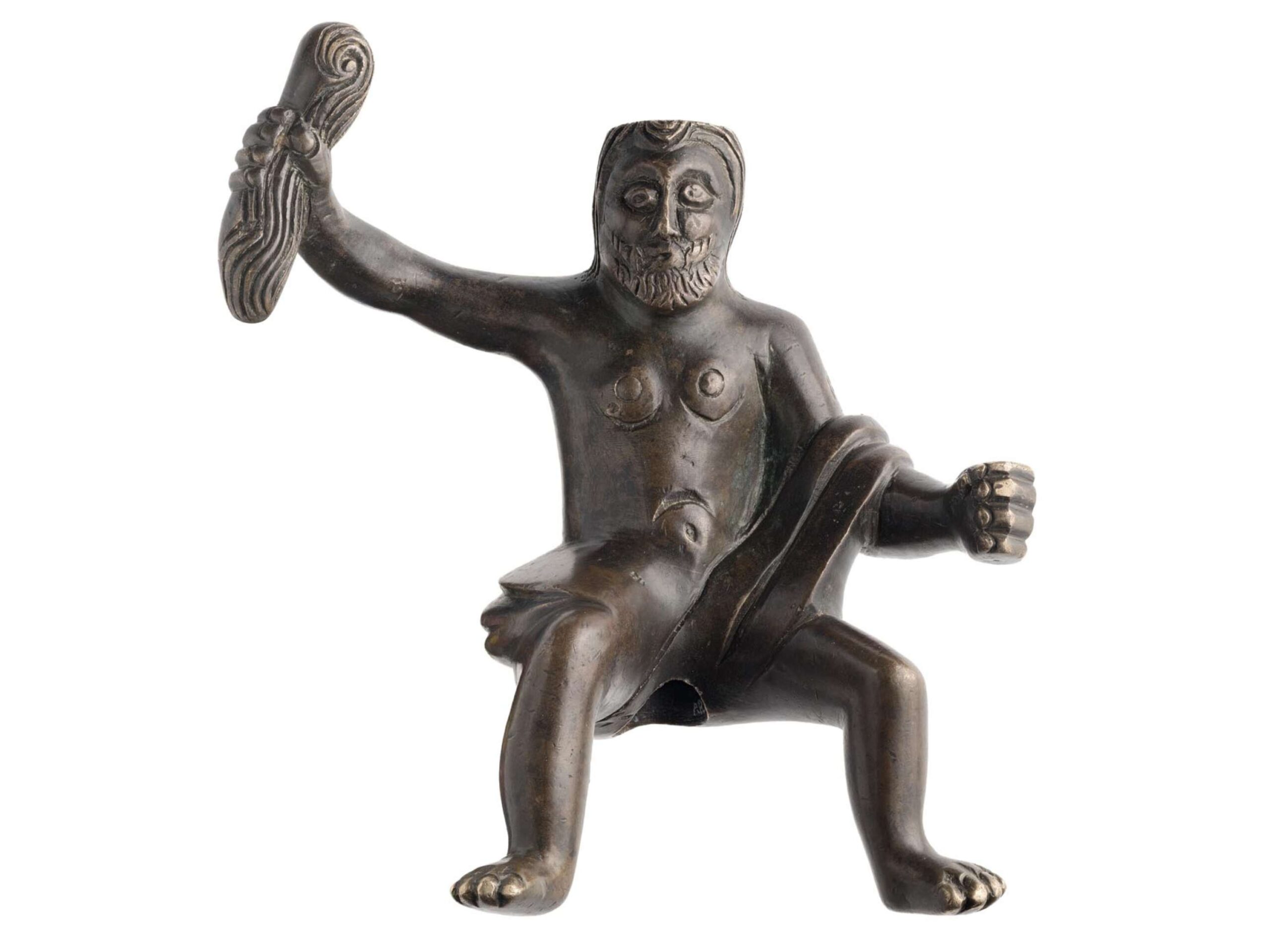
Perkūnas Statue on Display at the Old Arsenal
At the Old Arsenal, visitors will have the opportunity to see the statue of Perkūnas, showcased to mark the National Museum of Lithuania’s anniversary. This exhibit recalls the museum’s origins, dating back to the founding of the Museum of Antiquities in Vilnius in 1855—the first public museum in Lithuania, established from the private collection of Count Eustachy Tyszkiewicz. In the 1858 catalog of the Museum of Antiquities compiled by Adomas Honory Kirkor, this artifact was listed as the very first exhibit and identified as the “Statue of Perkūnas from Kernavė.”
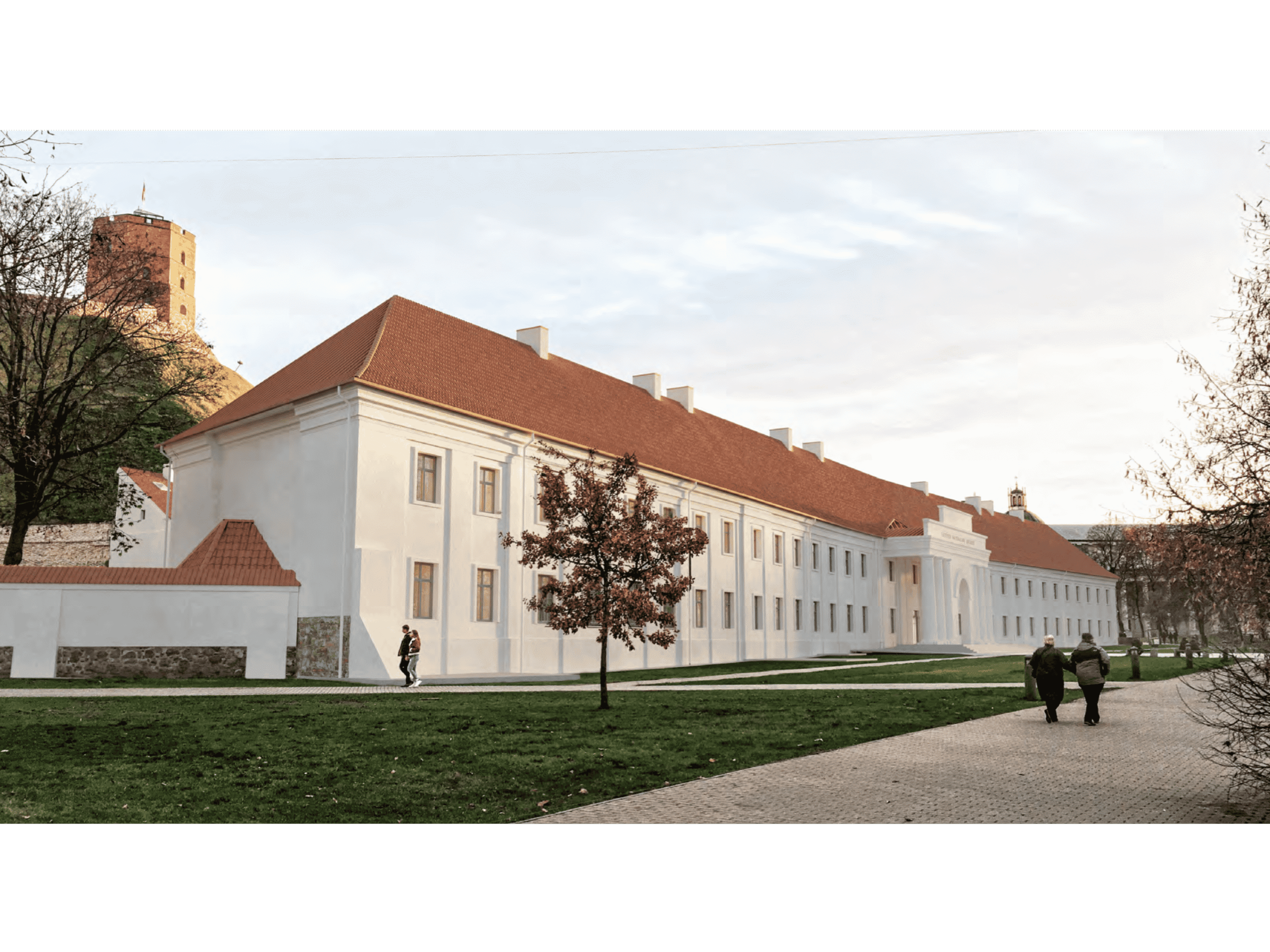
The New Arsenal branch of the National Museum of Lithuania is currently under renovation. However, visitors are invited to learn about the building’s rich history through an outdoor information display. In the 16th century, this building served as a private residence of the Grand Duke of Lithuania and King of Poland, Sigismund Augustus. Referred to as the “New Halls by the River,” the palace stood beside a then-active branch of the Vilnia River. The royal residence was designed by architect Benedykt of Sandomierz, who arrived from Kraków, and its interior was crafted by specially commissioned artisans. According to legend, the lavish palace was built by the ruler as a gesture to win the heart of his beloved, future wife Barbara Radziwiłł.
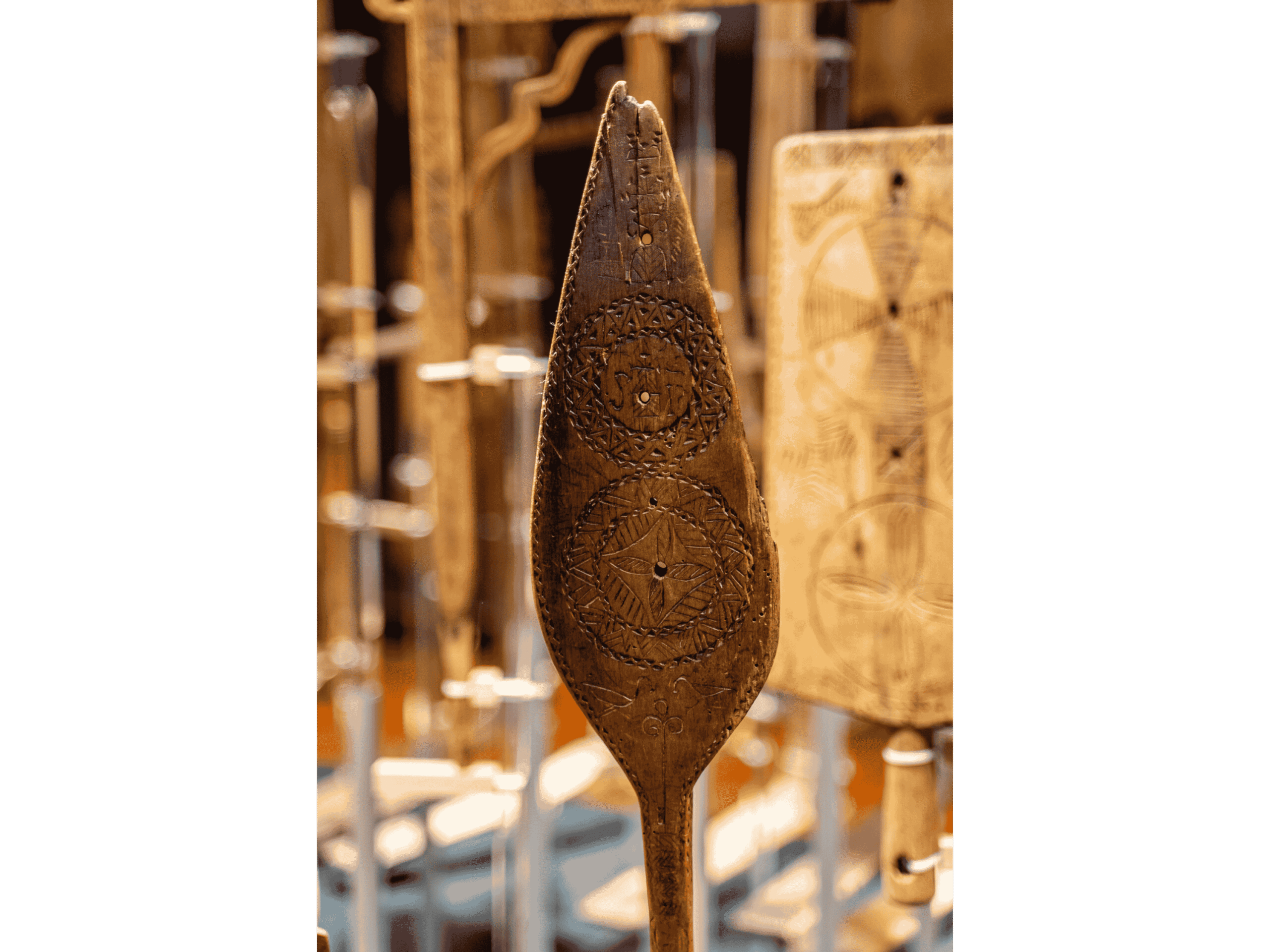
Another anniversary exhibit can be seen at the House of Histories: a distaff (spindle board) once purchased in the town of Taujėnai (Ukmergė County) by Jonas Basanavičius himself, with the aim of preserving it for future generations. This spindle board is now in its third century, believed to have been crafted in the mid-18th century—making it even older than the National Museum of Lithuania, which celebrates its 170th birthday this year.
-
- Future Plans for the New Arsenal
-
- Featured Exhibit: Distaff at the House of Histories
Commemorative Exhibits Across Museum Branches
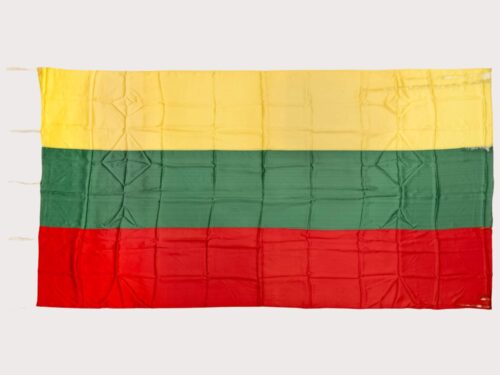
To mark the prestigious anniversary of the museum’s founding, Gediminas Tower is exhibiting the tricolour flag that flew atop the tower in 1989. Every year on January 1st—Lithuanian Flag Day—a ceremonial flag replacement is held at the tower. Since 2005, retired flags have been gifted to schools selected through a public competition.
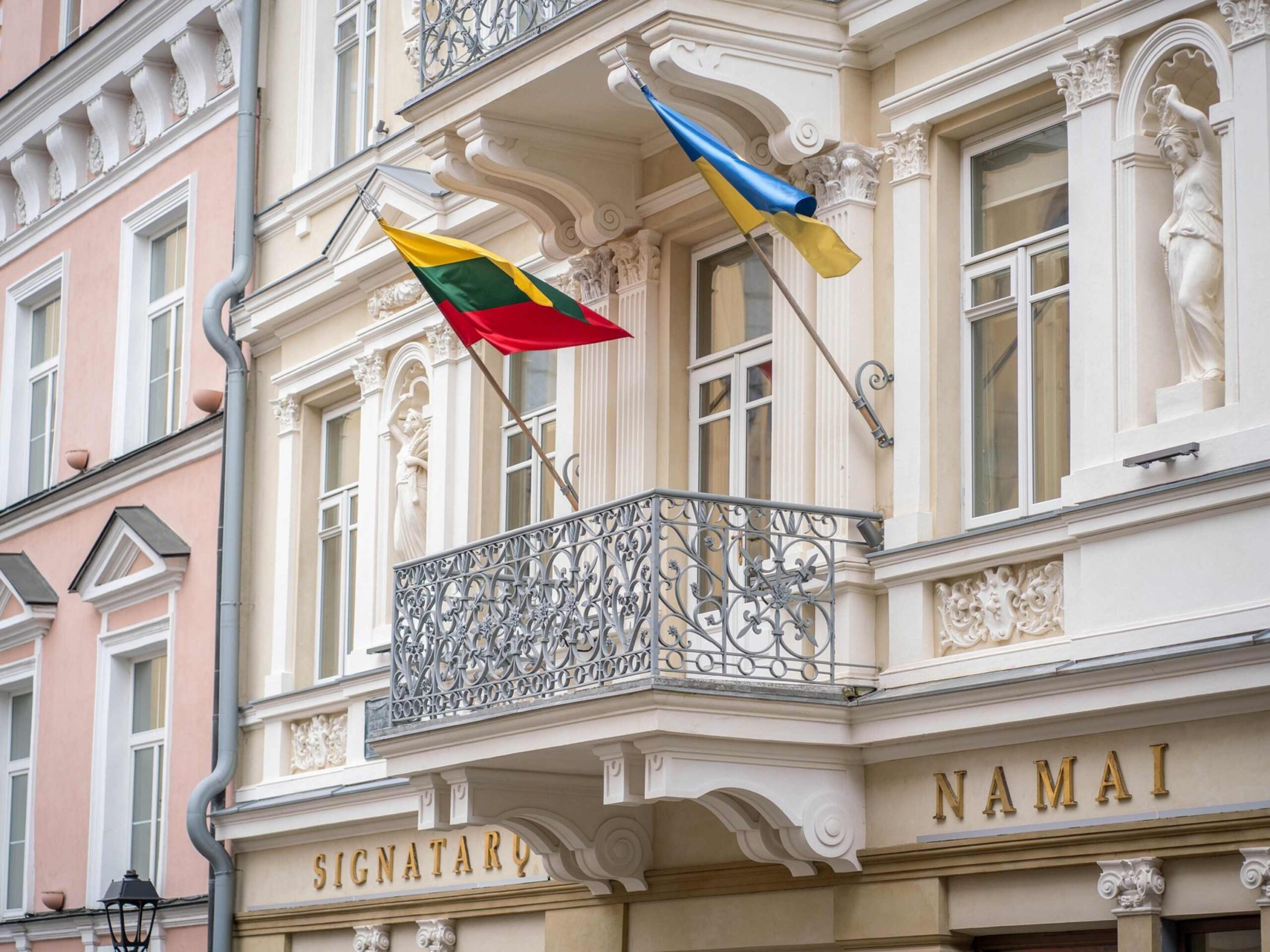
At the House of Signatories, visitors are invited to explore the historic balcony. Balconies were added to the building only in the late 19th century, after it was purchased by the Štral family, who carried out renovations based on designs by then–Vilnius Governorate architect Aleksey Polozov. On February 16, 1918, the Council of Lithuania gathered in this building and signed the Act of Independence of Lithuania. The tradition of delivering speeches from the balcony on February 16 began in 1998, during the 80th anniversary of the declaration of independence. Since 2022, speeches have also been held on February 17, Lithuania’s National Emancipation Day.
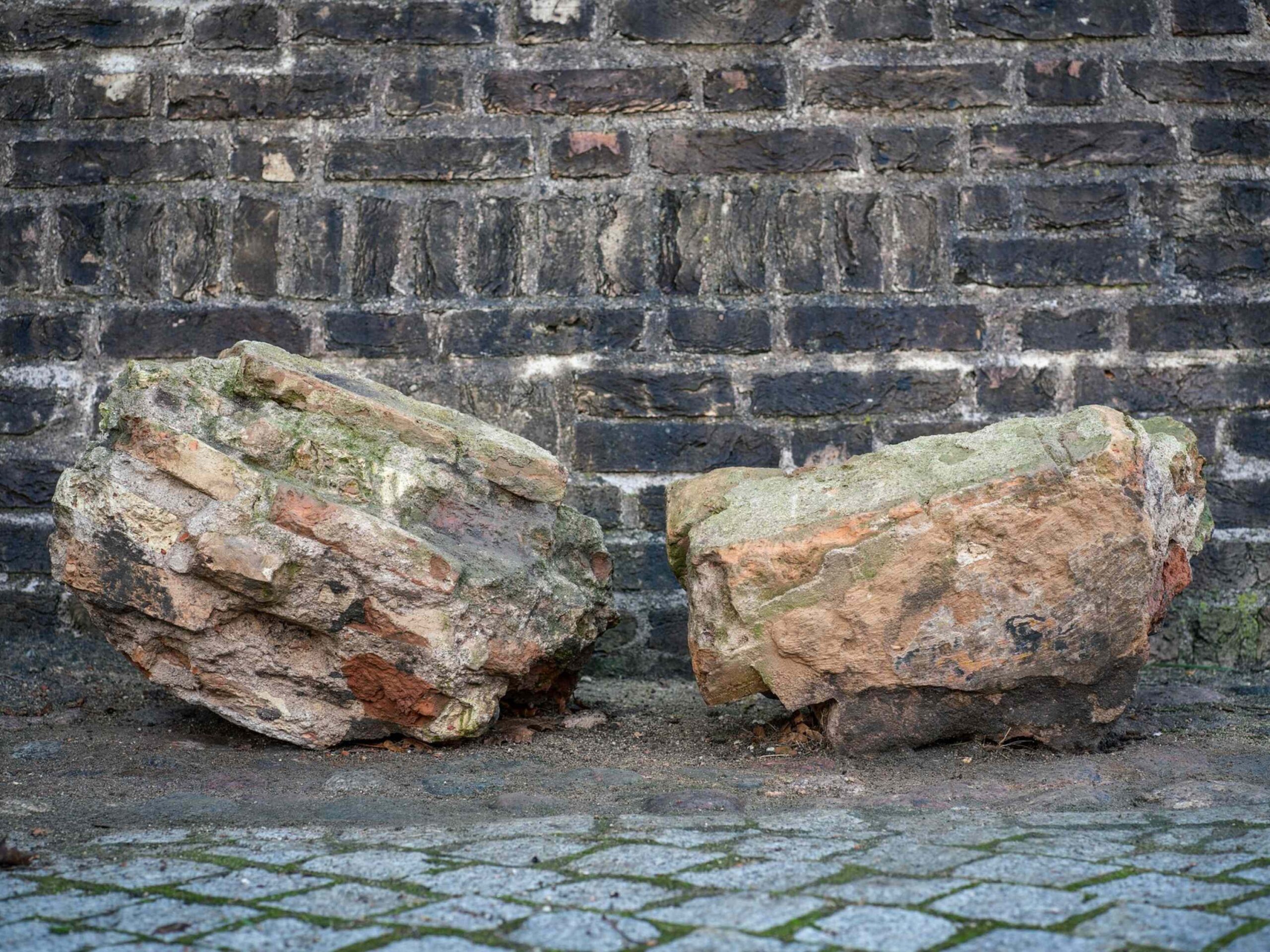
The Bastion of the Vilnius Defensive Wall presents another special anniversary exhibit: an authentic brick from the city’s defensive wall. Though it may seem like an everyday object, this brick tells a powerful story. In 1503, Grand Duke of Lithuania Alexander Jagiellon granted a privilege in Grodno that launched the construction of Vilnius’s defensive wall. The city was fully enclosed by 1522. The wall stretched about 2.5 km in length, stood an average of 6.5 meters tall, and was just over a meter thick at its base. Over time, the fortifications included ten gates, several towers, and a bastioned fortification—the bastion—for artillery defense. On September 10, 1799, the Russian Emperor ordered the wall’s demolition. Today, only two elements of Vilnius’s once-mighty defensive system survive: the Gate of Dawn and the Bastion.
-
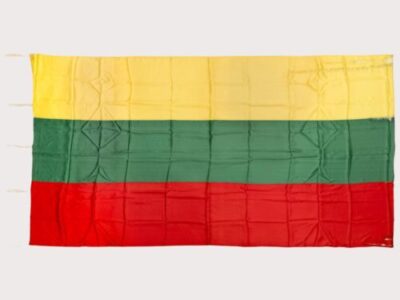
- Gediminas Tower Flag
-
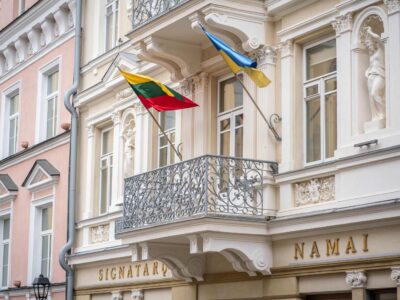
- The House of Signatories Balcony
-
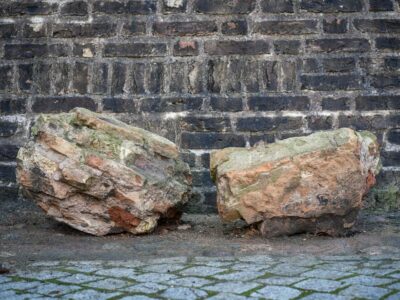
- Wall Fragments Exhibited at the Vilnius Defensive Wall Bastion
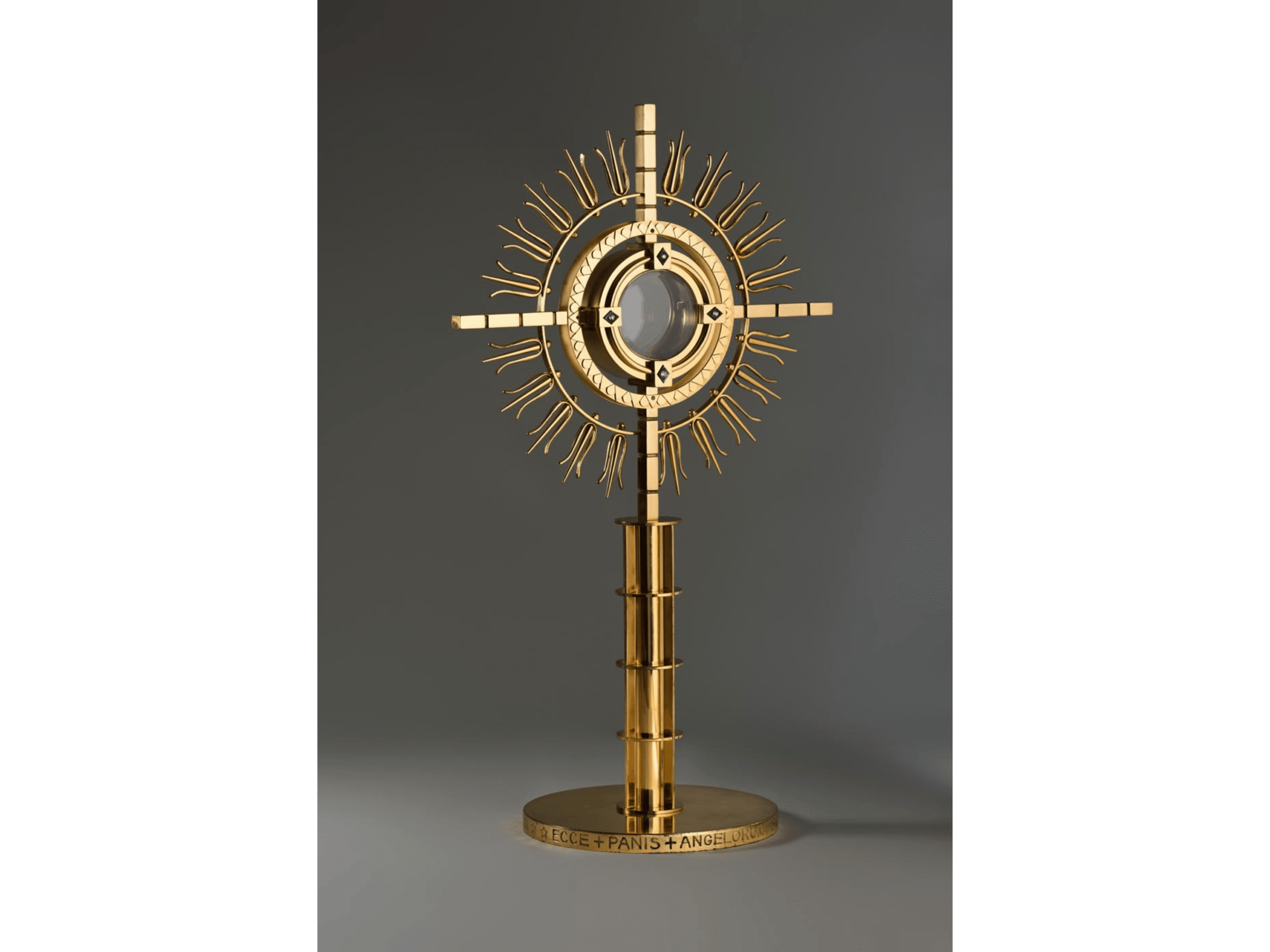
To mark the museum’s anniversary, the Kazys Varnelis House–Museum is presenting its latest acquisition: a remarkable liturgical artwork designed by Kazys Varnelis—a nearly 70 cm tall monstrance, brought from the United States in 2024. While Varnelis is best known as a master of Op Art, he is less recognized for his work in religious art. This monstrance is likely the only piece of its kind in Lithuania from Varnelis’s ecclesiastical art studio. By returning the monstrance to Lithuania, the National Museum of Lithuania continues its important mission: to ensure that the names and works of Lithuanian émigrés are not forgotten, but become a visible and integral part of global Lithuanian culture.
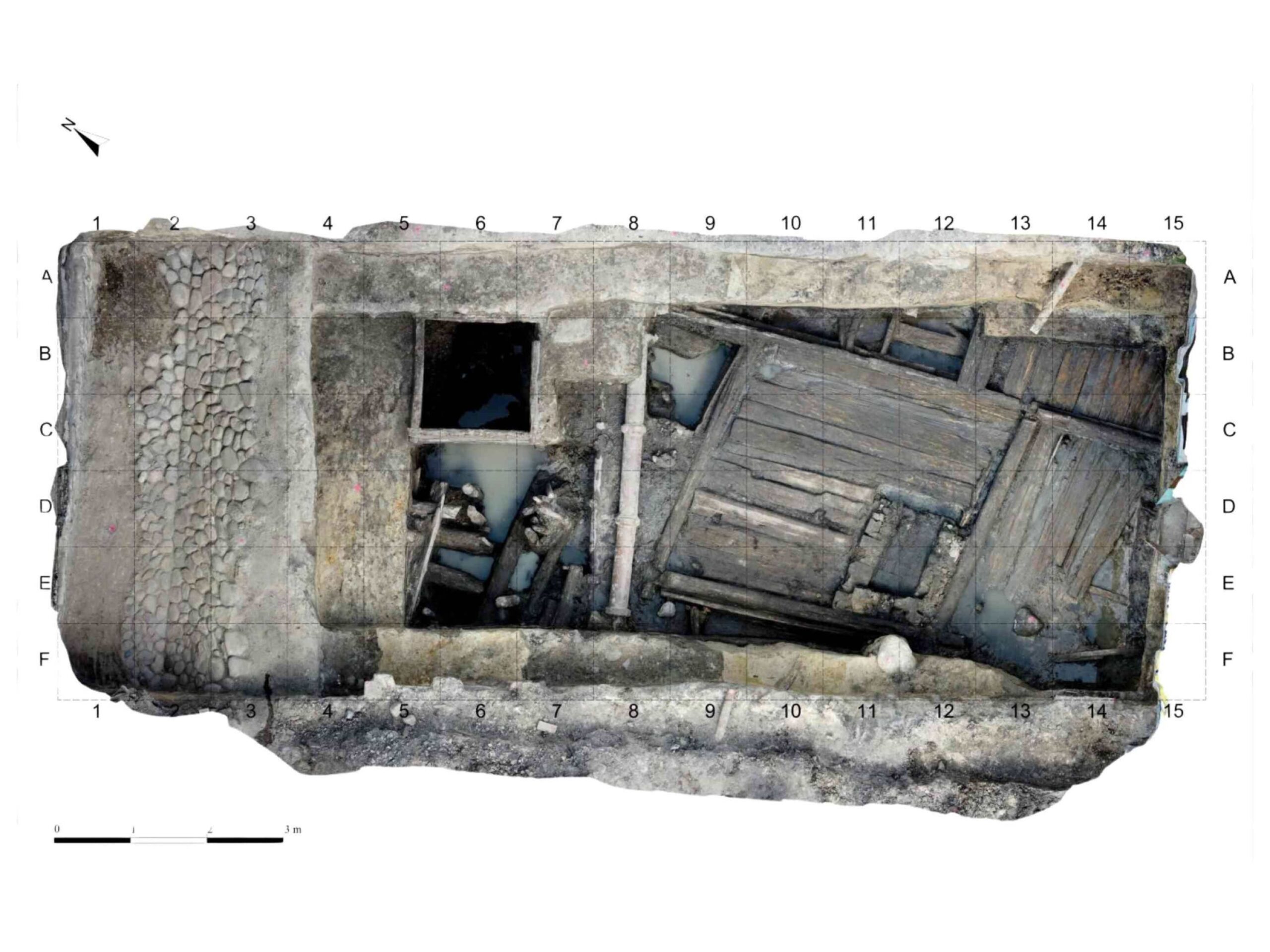
The National Museum of Lithuania holds over 1.5 million artifacts, with its collections continually growing. Some new additions have come from recent archaeological excavations carried out in 2024 at the museum’s Former Detention Facility site in Vilnius. An outdoor display there introduces visitors to wooden artifacts uncovered in the suburb of Kreivė Castle. Celebrating its 170th anniversary, the National Museum remains committed to uncovering new historical findings and presenting them through timely, meaningful interpretations.
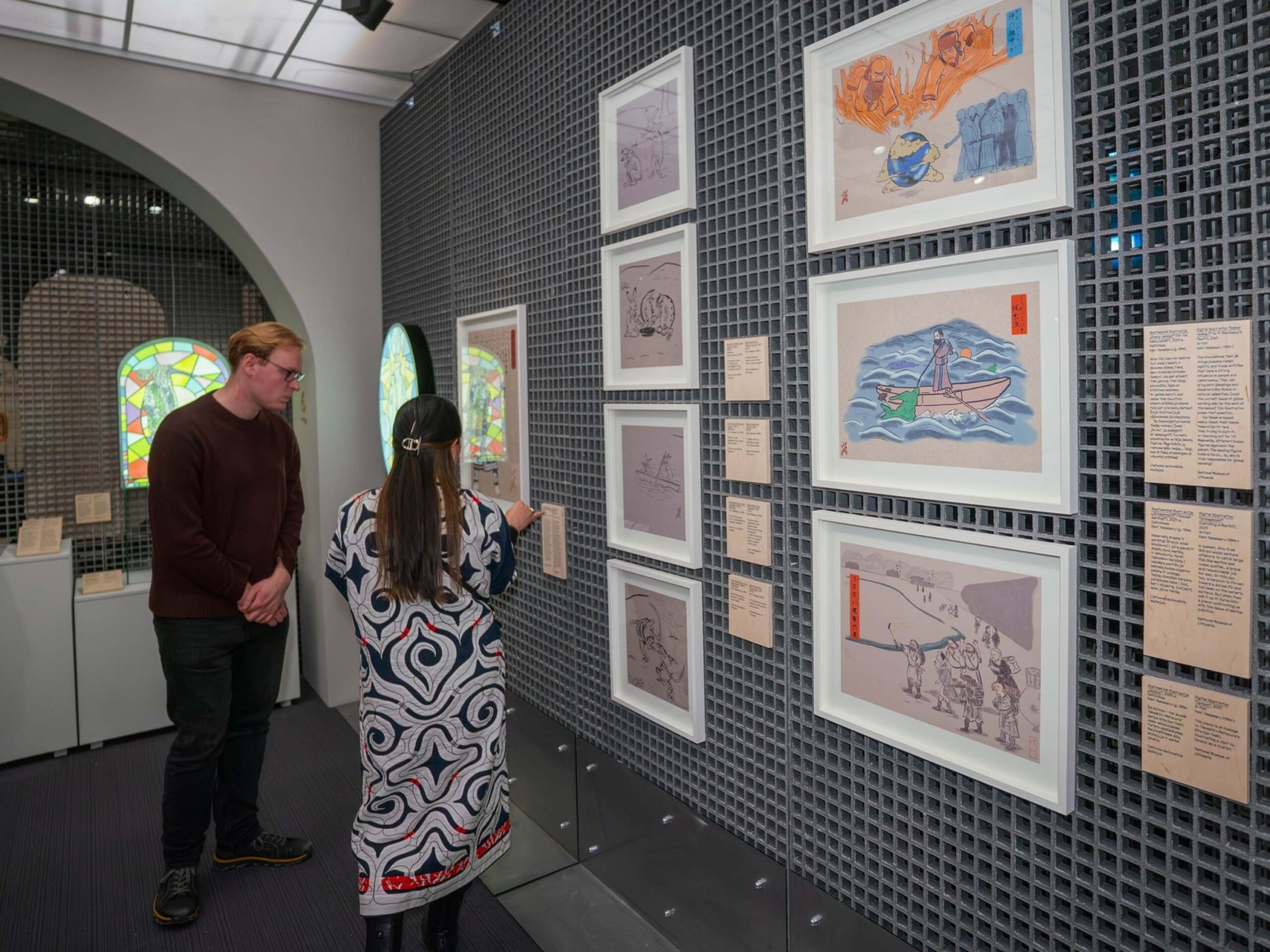
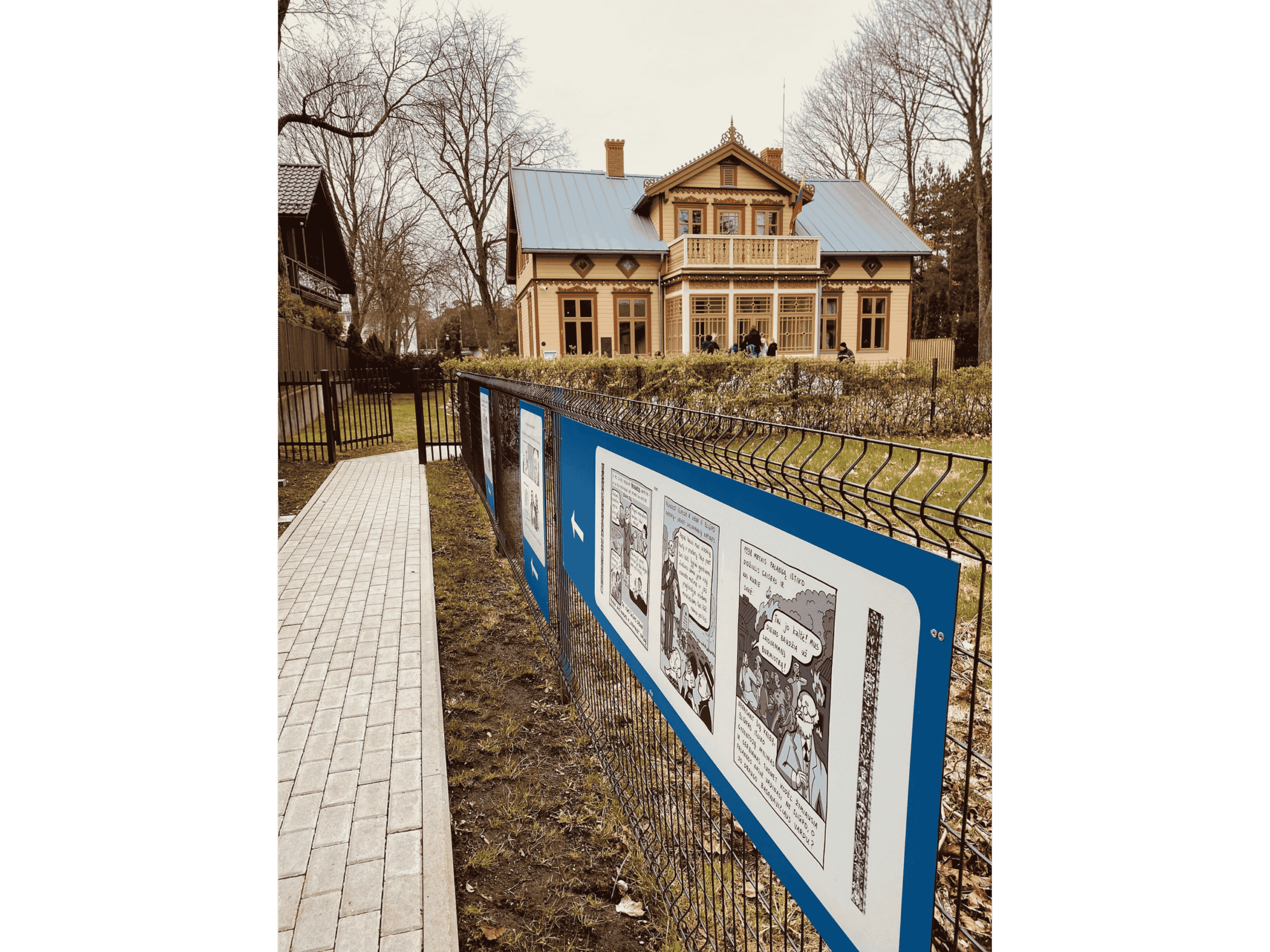
Meanwhile, in Palanga, the Jonas Šliūpas Museum, a branch of the National Museum of Lithuania, invites visitors to explore a modern exhibit: a comic about Jonas Šliūpas created by artist Miglė Anušauskaitė. This exhibit perfectly captures the spirit of the Šliūpas residence, which—both during his tenure as mayor and now as a museum—has been a space that values original ideas, creativity, and authenticity.
-
- Exhibited Monstrance at the Kazys Varnelis House–Museum
-
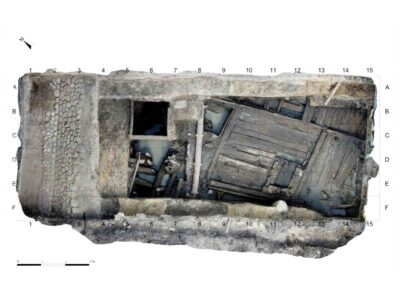
- The Former Detention Center and 14th-Century Wooden Vilnius
-
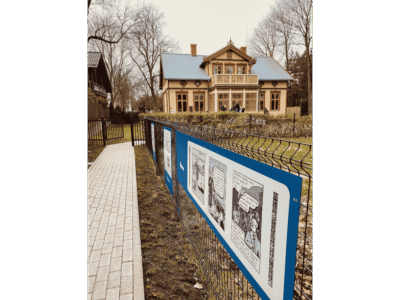
- Jonas Šliūpas Museum Featuring a Comic by M. Anušauskaitė
At the Birthplace of Jonas Basanavičius, a unique exhibit is on display: a phonograph, the first device invented to record and reproduce sound. Invented by Thomas Edison in the 19th century, the phonograph was considered miraculous at the time. Ethnographer and archaeologist Eduardas Volteris, during his summer expeditions across Lithuania, used such a device in 1908 to make the first recordings of Lithuanian folk songs. Inspired by this example, Jonas Basanavičius later acquired a phonograph—an expensive item at the time—and began recording songs himself. Today, the Institute of Lithuanian Literature and Folklore preserves 22 wax cylinders recorded by Basanavičius between 1909 and 1912, capturing 40 Lithuanian folk songs. These recordings are now publicly accessible for anyone wishing to engage with the country’s rich singing tradition.
The Vincas Kudirka Museum, located in Kudirkos Naumiestis, is showcasing a historically significant exhibit: the sixth issue of the newspaper Varpas from 1898, in which Vincas Kudirka’s poem “Tautiška giesmė” was first published. This poem would later become the national anthem of Lithuania. Kudirka wrote the poem while living in Kudirkos Naumiestis. Varpas was published during the press ban era, when Lithuania was under the rule of the Russian Empire. This monthly newspaper covering literature, politics, and science was printed in Tilsit and smuggled into Lithuania. The issue was printed at Otto von Mauderode’s press, and it is believed that the manuscript of “Tautiška giesmė” was secretly carried across the border by Kudirka’s friend Valerija Kraševska or her daughter Marija. As noblewomen, they were less likely to be rigorously searched by customs officials. Passed from hand to hand and house to house, the anthem became a text that awakened national consciousness, and this particular issue of Varpas has become a historic artifact.
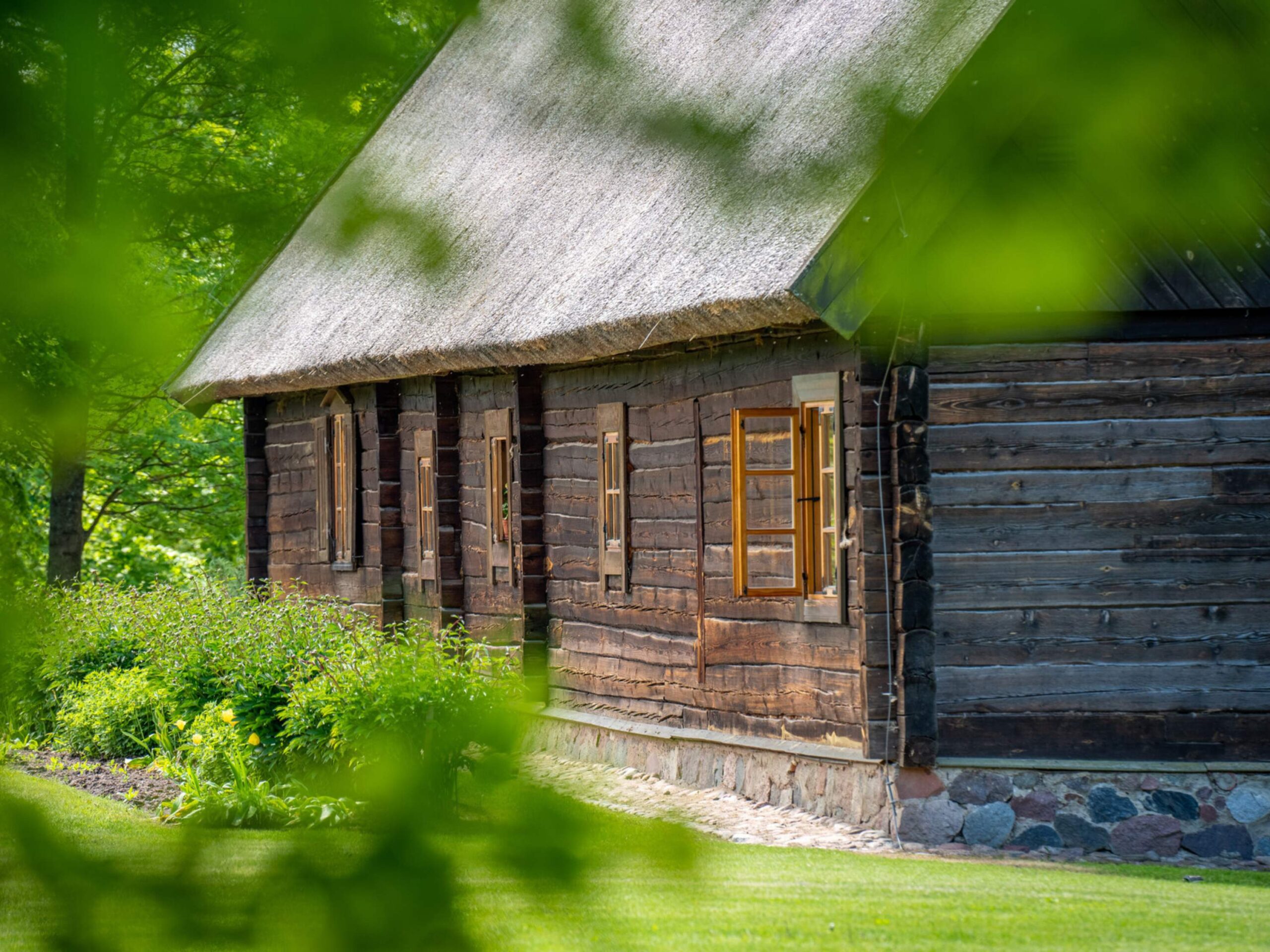
The anniversary game-journey features twelve branches of the National Museum of Lithuania: Castellan’s House (Arsenalo g. 1, Vilnius), Old Arsenal (Arsenalo g. 3, Vilnius), New Arsenal (Arsenalo g. 1, Vilnius), House of Histories (T. Kosciuškos g. 3, Vilnius), Gediminas Tower (Arsenalo g. 5, Vilnius), House of Signatories (Pilies g. 26, Vilnius), Bastion of the Vilnius Defensive Wall (Bokšto g. 20, Vilnius), Kazys Varnelis House–Museum (Didžioji g. 26, Vilnius), Former Detention Facility (T. Kosciuškos g. 1, Vilnius), Jonas Šliūpas Museum (Vytauto g. 23A, Palanga), Birthplace of Jonas Basanavičius (Gimtinės g. 17, Ožkabaliai I, Vilkaviškis district), Vincas Kudirka Museum (V. Kudirkos g. 29, Kudirkos Naumiestis, Šakiai district)
More information about the game-journey and special anniversary exhibits can be found here: [link]
The National Museum of Lithuania is the first public museum in Lithuania. Its history is deeply intertwined with the evolution of museology in the country. The museum’s origins date back to 1855, when Count Eustachy Tyszkiewicz, using his own private collection, founded the Museum of Antiquities in Vilnius—the first public museum in Lithuania. Today, the National Museum of Lithuania holds the largest museum collection in the country, with over 1.5 million artifacts of cultural and historical significance, and unites twelve branches throughout Lithuania.