Gediminas’ Tower: How Well Do You Know the History of This National Symbol?
2025 01 29
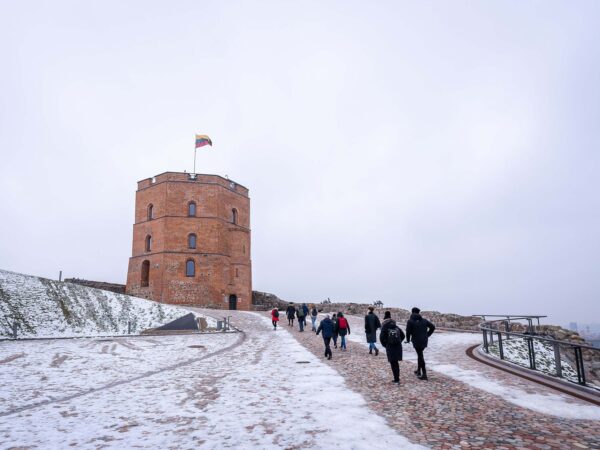
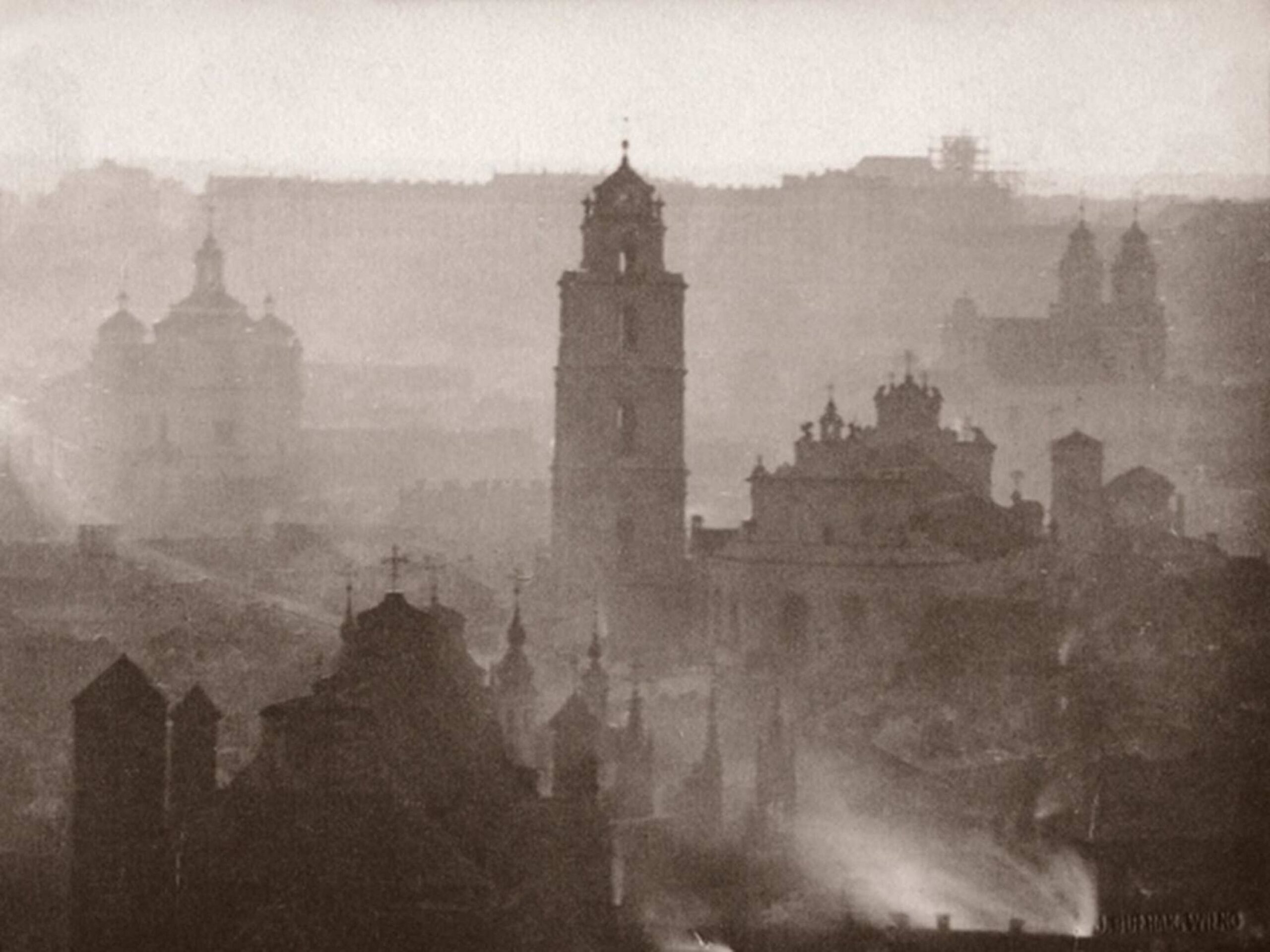
Gediminas’ Tower, part of the National Museum of Lithuania (LNM), is one of the country’s most iconic symbols and a key heritage site. This year, as the LNM celebrates its 170th anniversary, the museum invites you to revisit the remarkable story of this historic monument.
A Legendary Dream Turns Wood into Stone
Many are familiar with the legend that Grand Duke Gediminas decided to build a castle after dreaming of an iron wolf howling atop a high hill with the voices of a hundred wolves. The pagan priest Lizdeika interpreted the dream as a prophetic sign that a city built on that site would become renowned and powerful.
Archaeological evidence shows that people lived at the confluence of the Neris and Vilnia rivers since prehistoric times. Neolithic settlements and later hillforts and artifacts attest to the area’s long-standing habitation, long before Gediminas’ rule.
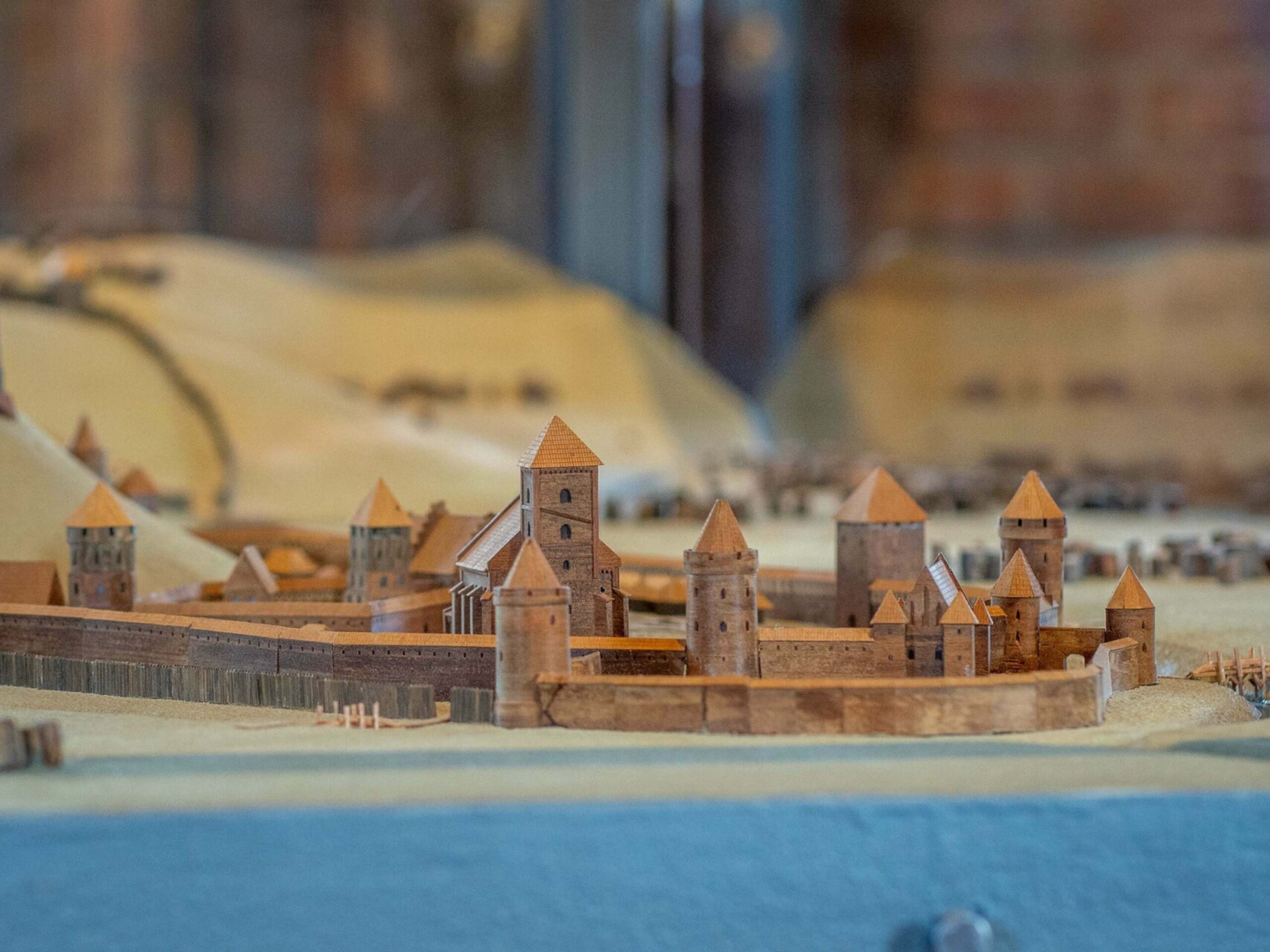
Historians believe that even before Gediminas, a wooden fortress stood on the hill. While little precise information about it remains, archaeological findings suggest it functioned as a key defensive site as early as the 10th or 11th century. When Gediminas chose this location for his main residence, construction began to reinforce the fortifications with masonry. The southwestern tower on the hilltop—now known as Gediminas’ Tower—was originally four stories high and adapted for defense against firearms. The castle became a vital political and military center, protecting the city from Teutonic incursions and symbolizing Lithuania’s strength. The transformation into a fully brick-built castle occurred later, during the reign of Vytautas the Great in the 14th–15th centuries.
A Prison and Centuries of Secrets
By the 17th century, the tower’s defensive function waned and it was repurposed as a prison for nobles of the Grand Duchy of Lithuania (GDL). Owing to their privileged status, nobles could not be incarcerated in standard jails. Those imprisoned in Gediminas’ Tower enjoyed better conditions and were usually accused of political intrigues, rebellion, or disloyalty to the ruler. The tower, as a political hub, was ideal for holding influential individuals seen as threats to the state’s stability.
The castle suffered significant damage during the mid-17th century wars with Moscow. The towers and walls fell into ruin, and the main tower, left abandoned, gradually crumbled. By the early 19th century, the fourth floor had collapsed completely.
In 1831, by order of the Tsar, Gediminas Hill was converted into a military fortress of the Russian Empire. Between 1832 and 1834, the tower’s top two floors were dismantled, and a wooden hexagonal structure for an optical telegraph was built atop the remaining two octagonal tiers. This addition made it the tallest building in Vilnius. The Russian flag flew above the telegraph, and daily cannon salutes echoed from the hill. Over the years, the tower underwent several repairs, including reinforcement of its foundations. In 1895, it became a post for the city’s fire-watch service.
In 2017, a century-and-a-half-old secret hidden within Gediminas Hill was finally revealed. During restoration work, LNM archaeologists discovered the remains of 20 men buried on the summit. Research confirmed they were leaders and participants of the 1863–1864 uprising—executed by Russian authorities in Vilnius’s Lukiškės Square. The rebels had been buried without dignity, coffins, or ceremony—many face-down, hands bound, and sprinkled with lime. After investigations concluded, the remains were ceremonially reburied in 2019 at the Rasos Cemetery chapel in Vilnius. Their story is now told in the tower’s exhibition “Unforgotten Rebels.”
Reborn as a Symbol of Freedom
In the 20th century, Gediminas’ Tower became a symbol of Lithuania’s struggle for independence. On January 1, 1919, Lithuanian volunteers led by officer Kazys Škirpa raised the tricolor flag atop the tower for the first time. Flying the national flag in such a symbolic and elevated place in the heart of Vilnius was a powerful statement of independence. Unfortunately, the flag was quickly removed—on January 6, Bolshevik forces seized Vilnius and tore off the yellow and green stripes.
From 1920, research and preservation efforts began, and there were plans to establish a museum in the tower. However, these were interrupted by World War II and bombing in Vilnius. After the war, the idea was revived, and in 1960, a museum and viewing platform opened to visitors. Since then, the tower has remained one of Lithuania’s most visited heritage sites.
On October 7, 1988, the Lithuanian Reform Movement Sąjūdis raised the tricolor atop the tower once again. The flag, flying openly over occupied Lithuania’s capital, signaled the enduring resistance and desire for independence. Crowds gathered at the tower and its base, waving flags and chanting “Lietuva!” while singing the national anthem. This time, the flag was not removed—it flew proudly as Lithuania advanced toward independence. Exactly one year later, on October 7, 1989, the same flag was hoisted again. Today, it can be seen up close at the tower’s special one-item exhibition “Lifted to the Winds of Freedom.”
On August 23, 1989—marking the 50th anniversary of the Molotov–Ribbentrop Pact—the historic Baltic Way began at Gediminas’ Tower. Nearly two million people from Lithuania, Latvia, and Estonia joined hands, forming a 600-kilometer human chain from Vilnius to Tallinn’s Hermann Tower. This peaceful protest showed the world the unity of the Baltic nations and their firm will to reclaim independence from the Soviet Union, underscoring the pact’s illegitimacy.
An Inspiration to This Day
Gediminas’ Tower, standing at the southwestern edge of Gediminas Hill, is the only surviving structure from the three original towers of Vilnius’ Upper Castle. It is also the best-preserved example of Gothic defensive architecture in Lithuania.
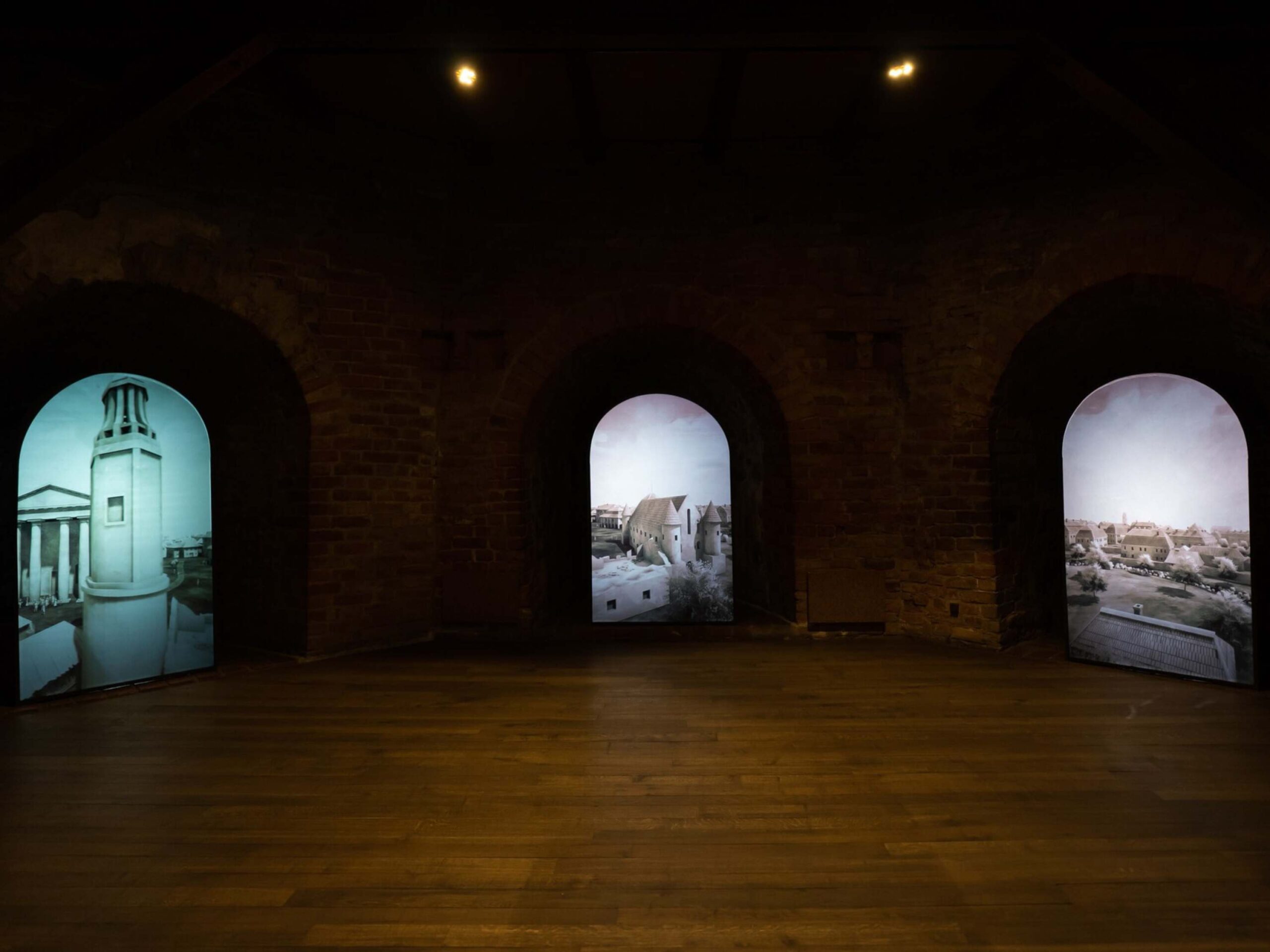
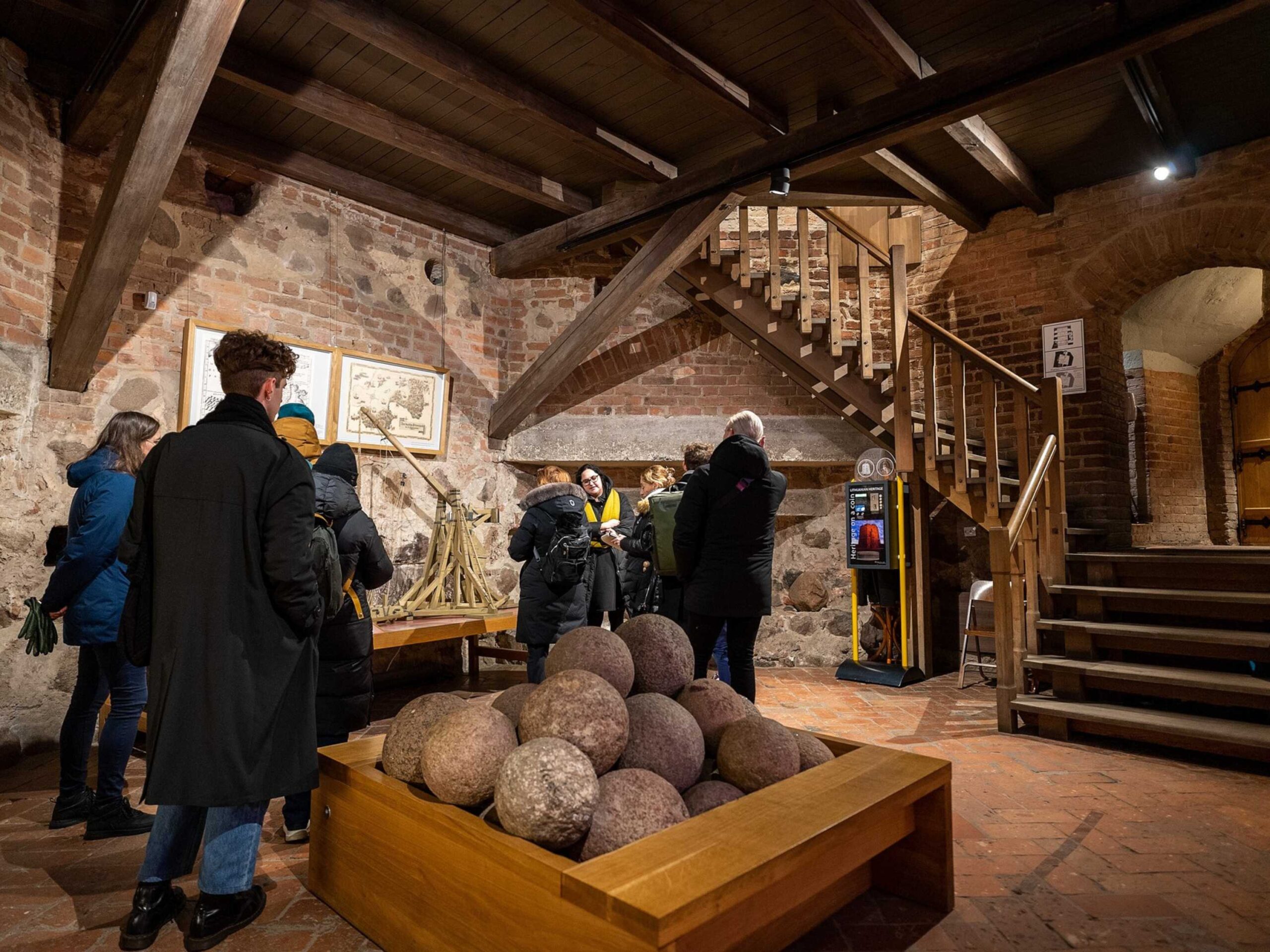
Today, the tower is both a historical monument and a popular tourist destination offering insights into the nation’s history. The museum inside presents key periods of the Upper Castle’s history, displays medieval archaeological finds, and features exhibitions on the city’s founding, Gediminas’ letters, the 1863–1864 uprising, and the Baltic Way. Educational programs and guided tours are regularly held. From the tower’s viewing platform, visitors can enjoy what is arguably the most beautiful panoramic view of Vilnius Old Town. The national flag flying above the tower continues to inspire the Lithuanian people, and every January 1, on Flag Day, it is ceremoniously replaced. The tower stands as a place where history and the present converge—reminding us of Lithuania’s struggle for freedom and cultural identity.
To learn more about the rich history of the tower, Vilnius, and the nation’s fight for independence, visit the Gediminas’ Tower branch of the National Museum of Lithuania. Visitor information is available at lnm.lt.
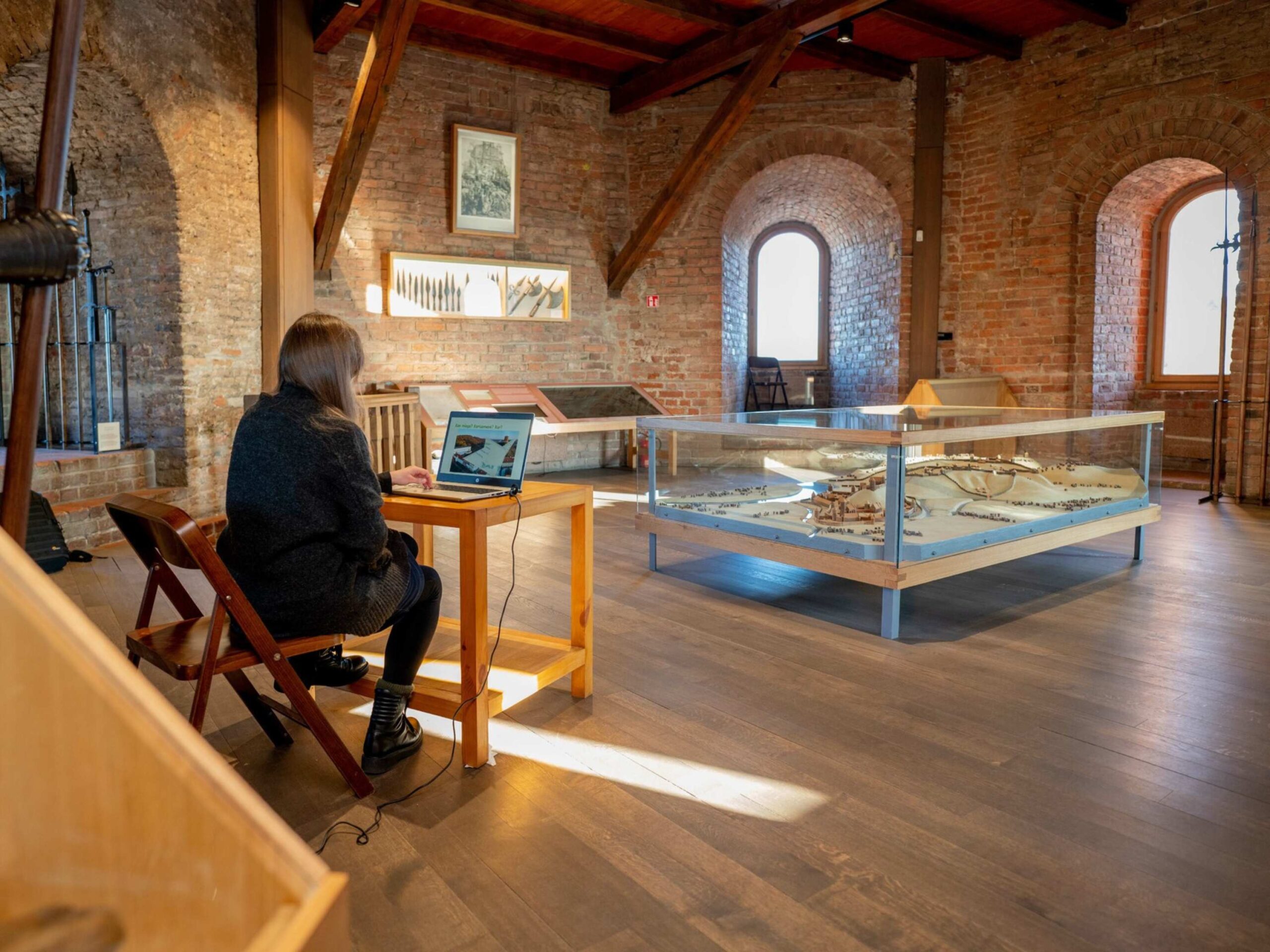
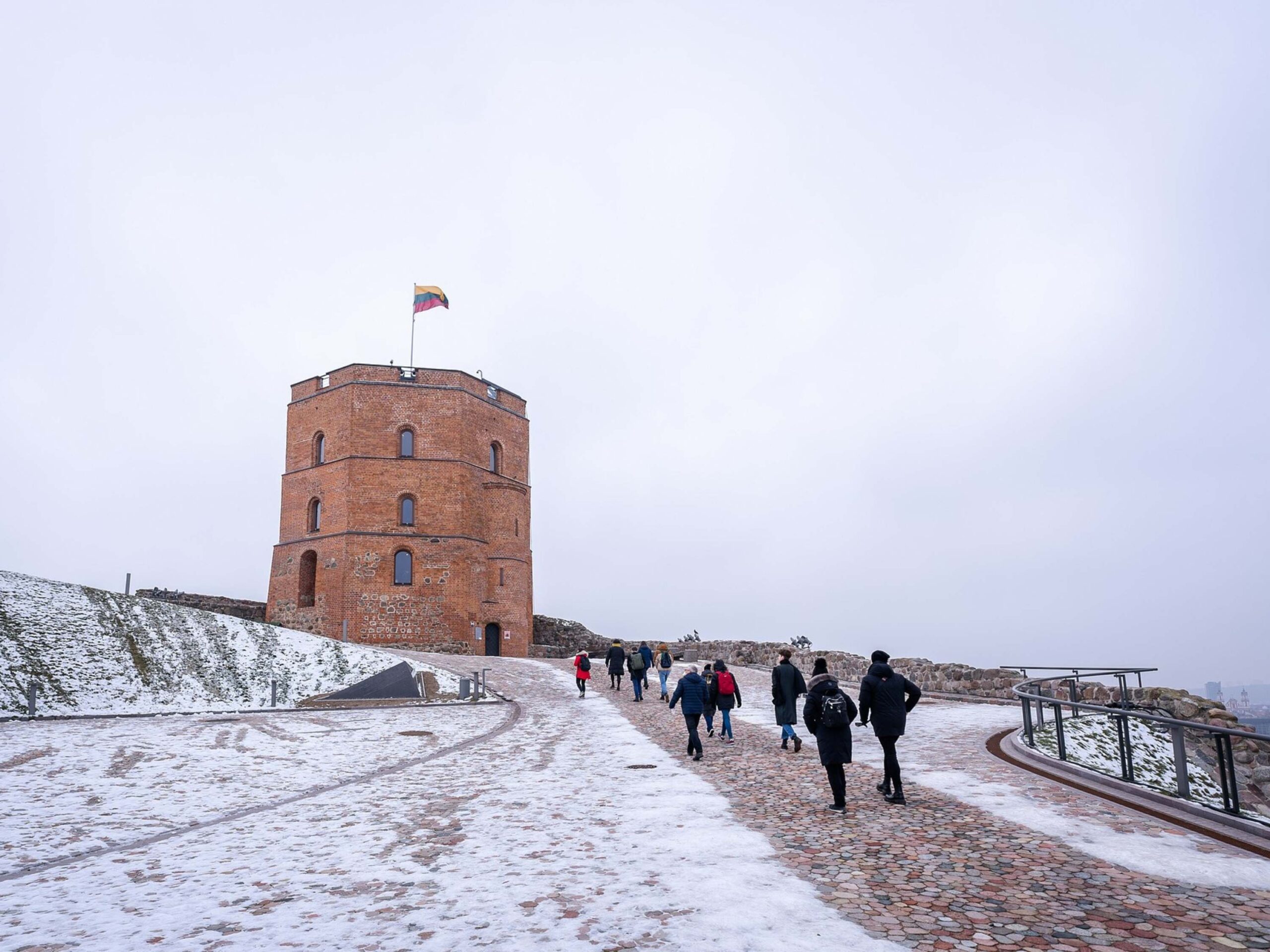
Photo by: Silvestras Samsonas, LNM