Knowledge Transfer as the Foundation of Sustainability: Lithuanian Museums’ Experience at an International Conference
2025 02 19
The international museum community will soon come together for one of the most significant sector events—the Green Summit, organized by MuseumNext and dedicated to sustainability topics. Among the conference participants will be Asta Ivanauskienė, Deputy Director General of the National Museum of Lithuania, who will present the Lithuanian museum competency development program Marta. Over its two years of operation, this initiative has not only enhanced the professional capabilities of museum specialists across Lithuania but has also created a sustainable model for knowledge transfer. Ivanauskienė will share this model with museum leaders from around the world.
The participation of Lithuanian museum professionals in such a high-profile event highlights the international recognition of the country’s museum sector and its active engagement in global conversations.
How to Preserve Decades of Accumulated Knowledge?
The need for a consistent museum competency development program became apparent as early as 2017, when a study commissioned by the Ministry of Culture revealed an alarming trend: only 10% of Lithuanian museum professionals felt adequately prepared for their roles. At the same time, Lithuanian universities had stopped offering specialized study programs for future memory institution professionals—those working in museums, libraries, and archives. This came at a critical moment, as a generation of experienced specialists began to retire.
According to Asta Ivanauskienė, failing to address these issues would disrupt the museum ecosystem and hinder the sustainable transmission of knowledge. When conceptualizing the program, it became clear that the goal was not just to enhance professional skills but also to foster networking and collaboration across institutions. This approach would help establish a sustainable system for sharing and passing on knowledge and experience. “Lithuanian museums are more than just workplaces—they are lifelong commitments. Many museum professionals begin and end their careers at the same institution. For instance, more than 50 of my colleagues at the National Museum of Lithuania have worked here for over 20 years. Just imagine the wealth of knowledge they’ve acquired over that time—through practice, achievements, failures, and experimentation. But if this accumulated knowledge isn’t shared in a structured and intentional way, we risk not only losing professional competencies but also compromising the continuity of cultural heritage preservation.”
When the Ministry of Culture entrusted the National Museum of Lithuania with the administration of the competency development program, the focus shifted toward designing a system that would be more than a series of training sessions. The aim was to foster genuine sector-wide transformation.
-
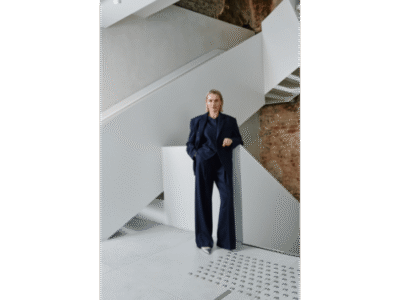
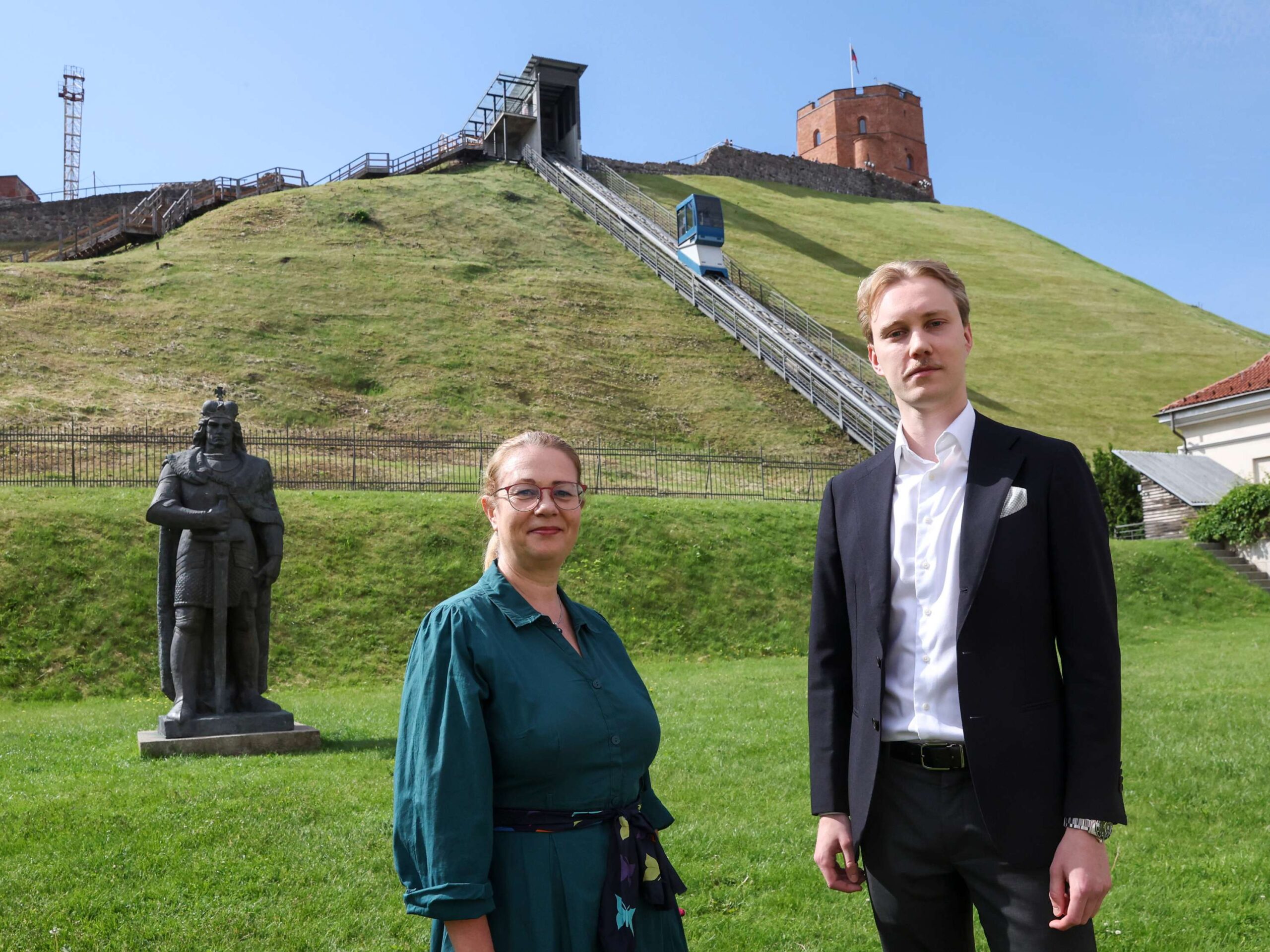
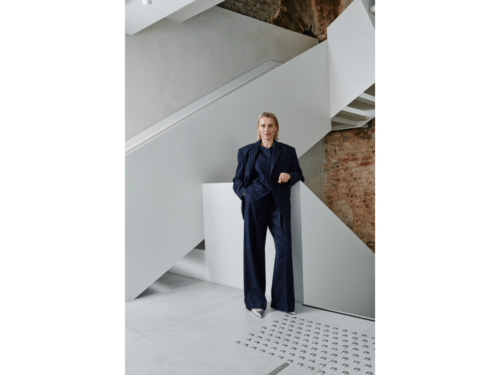
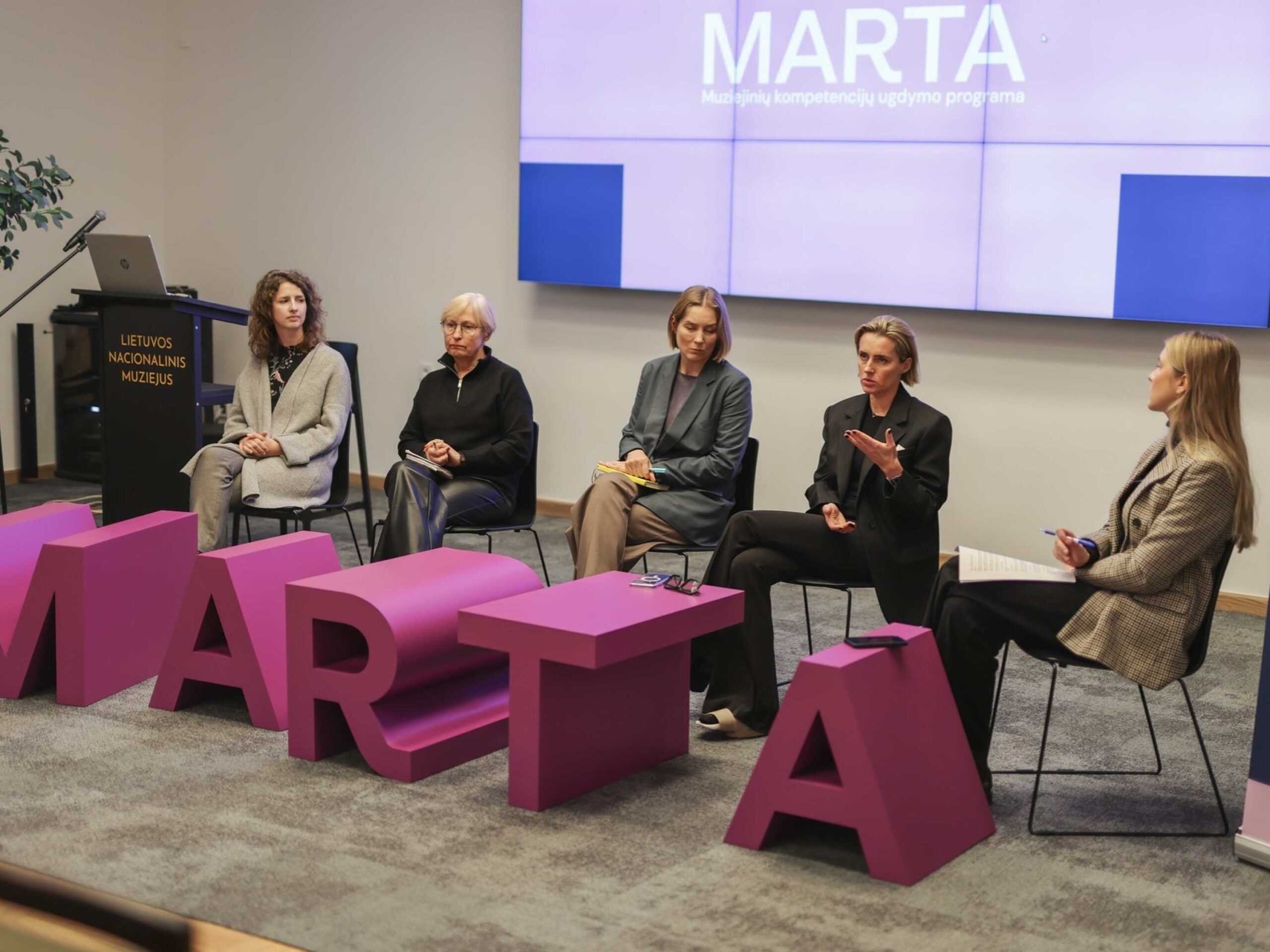
- Asta Ivanauskienė, Deputy Director General of the National Museum of Lithuania. Photo by Rokas Darulis
-
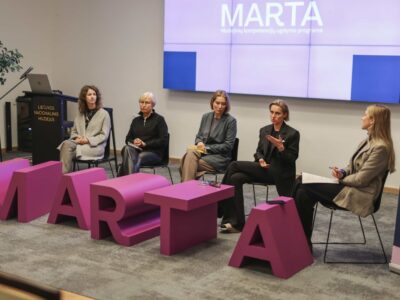
- Asta Ivanauskienė (second from the right), Head of the MARTA Program. Photo by Dainius Sebeckis
Sustainability Is More Than Just Ecological Solutions
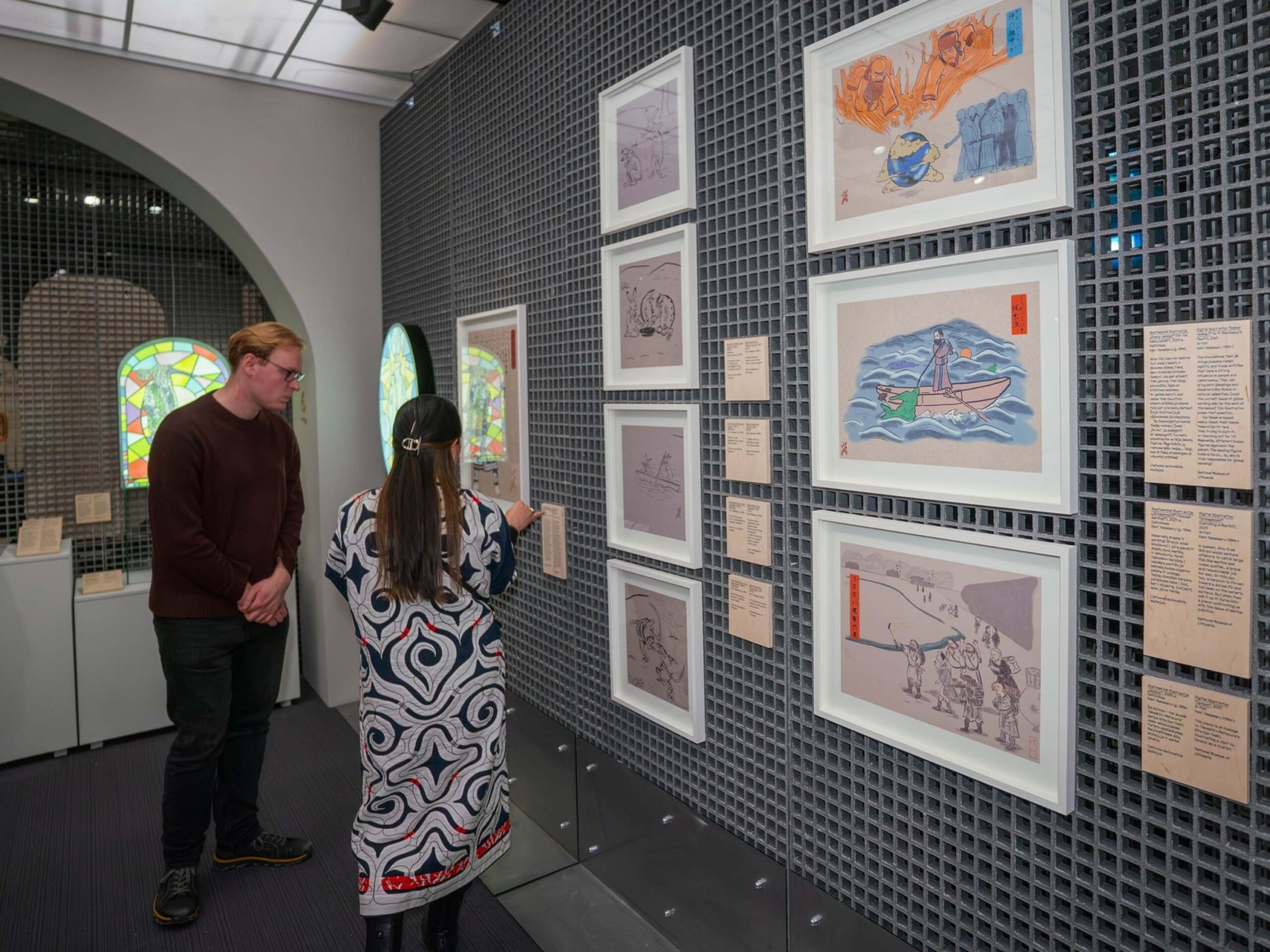
The learning and teaching model developed specifically for the Marta program allows selected participants to gain experience at world-renowned museums and, upon returning to Lithuania, to share this knowledge with colleagues in other institutions—encouraging collective efforts toward qualitative transformation in the Lithuanian museum sector.
“Sustainability in museums is not only about ecological solutions—it is also about knowledge transfer and a professional community devoted to its work. The future of museums depends on our ability to learn and share,” says Asta Ivanauskienė.
The Marta model is built around six key stages: preparation, exploration, knowledge structuring, storytelling, peer learning, and reflection.
“Participants don’t just observe best practices—they analyze why they work, and what methods and principles contribute to their success. But the most exciting part begins when they return to Lithuania. They come back not only with new ideas, but with a readiness to share them—fostering collaboration and innovation within their institutions,” Ivanauskienė explains, outlining the methodology of peer-based learning.
This method ensures that high-level international museum practices reach far more professionals than could be sent abroad for in-person training. At the same time, the model supports environmental sustainability by reducing the need for international travel, energy consumption, and carbon emissions.
“Even those who cannot travel gain access to global expertise through our train-the-trainer system. This cyclical model not only spreads knowledge—it creates a ripple effect across the Lithuanian museum landscape and begins to function as a self-sustaining ecosystem. It ensures not only the improvement of professional skills but also the vital circulation of knowledge within the museum community,” says Ivanauskienė.
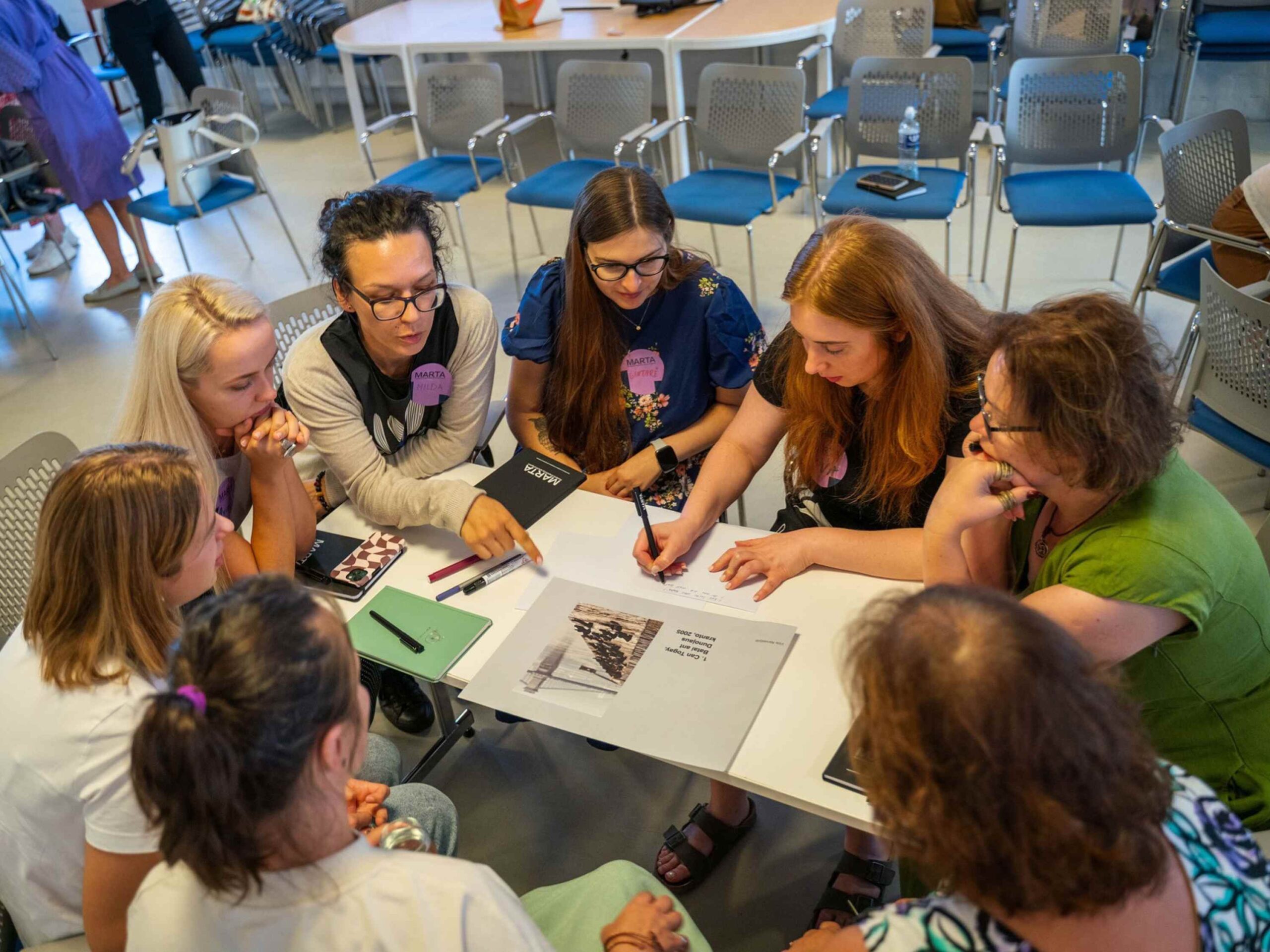
In just two years, Marta has already made a significant impact—an active network of over 100 lecturers and experts from various museums has emerged. These professionals lead training sessions, mentor colleagues, share best practices, and build a strong foundation for continued development. More than a thousand people have already participated in the program’s training activities. These initiatives have sparked sector-wide conversations about shared challenges, broadened perspectives, and encouraged resource sharing.
“These seemingly small but meaningful changes are already reflected in museum activities, exhibitions, and interactions with visitors—ultimately enriching the entire museum experience,” says Ivanauskienė.
Launched in 2023, Marta is a centralized competency development program for staff of national and state museums in Lithuania. It is administered by the National Museum of Lithuania.
About the Green Summit Conference
The Green Summit, organized by MuseumNext, is a key international event bringing together innovators from the museum sector to discuss sustainability. The participation of the National Museum of Lithuania reflects the country’s recognition on the global stage and its commitment to shaping a more sustainable cultural future. The conference offers a platform not only to present Lithuania’s initiatives but also to gain valuable insights and inspiration from international peers.
As Deputy Director General for Museum Affairs at the National Museum of Lithuania and Head of the Marta Program, Asta Ivanauskienė has successfully led numerous projects focused on strengthening museum professionals’ competencies and integrating sustainability principles into museum practice.
Her areas of expertise include collection management, exhibition development, education, publishing, peer learning, and sustainability. Through collaboration with leading museums and institutions in Europe, the U.S., and Japan, Asta has gained valuable international experience and deep insight into global cultural and sustainability trends.
Her presentation on the Marta Program will highlight the Lithuanian museum sector’s drive for continuous improvement, innovation, and contribution to a more sustainable future. This not only enhances cooperation with international partners but also helps shape a positive image of Lithuania within the global museum community.
The MuseumNext Green Summit will take place virtually on February 26–27, bringing together professionals to discuss museums’ roles in addressing the climate crisis, engaging communities, and fostering long-term change.[Click here to join the conference]
-
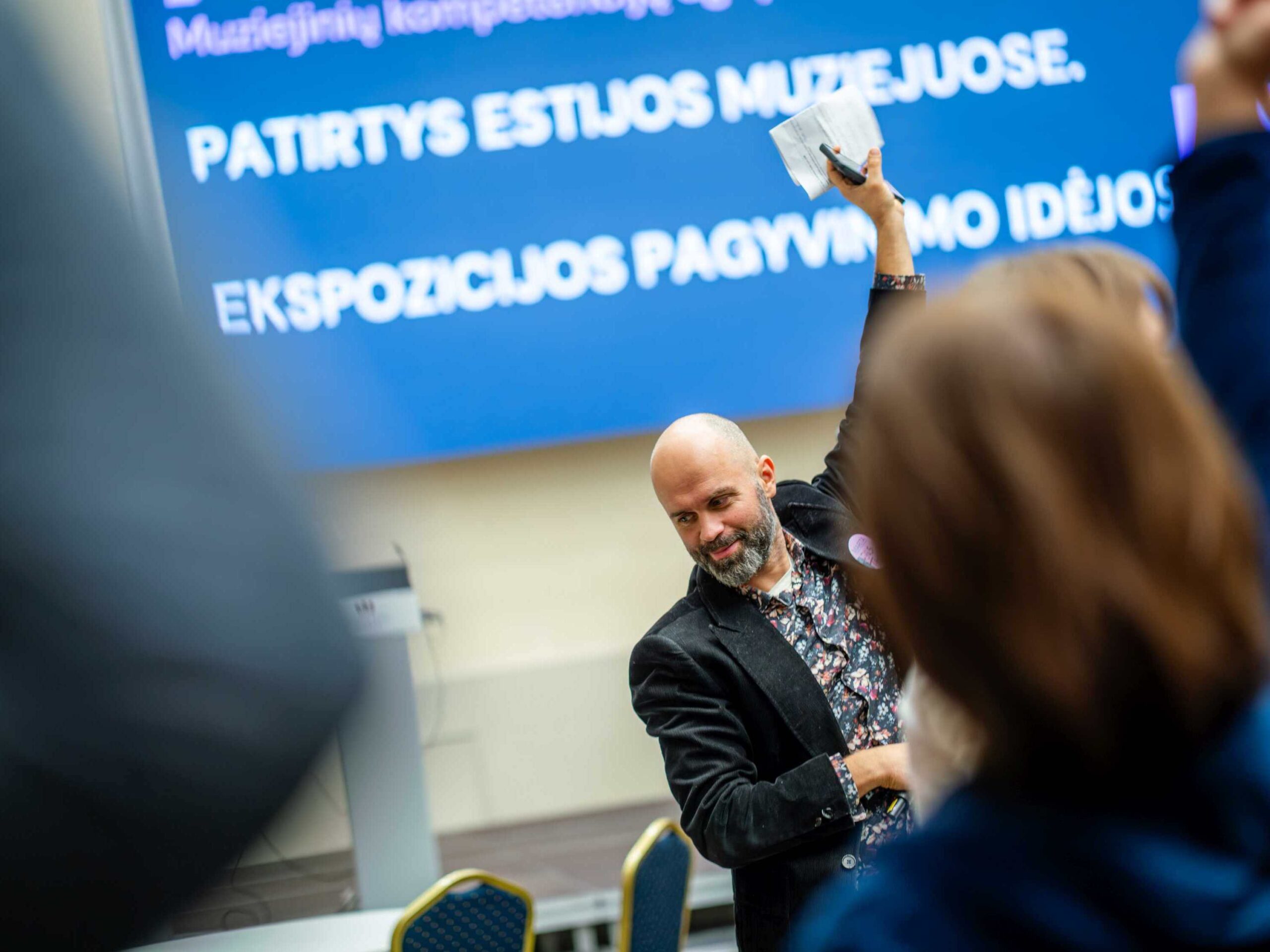
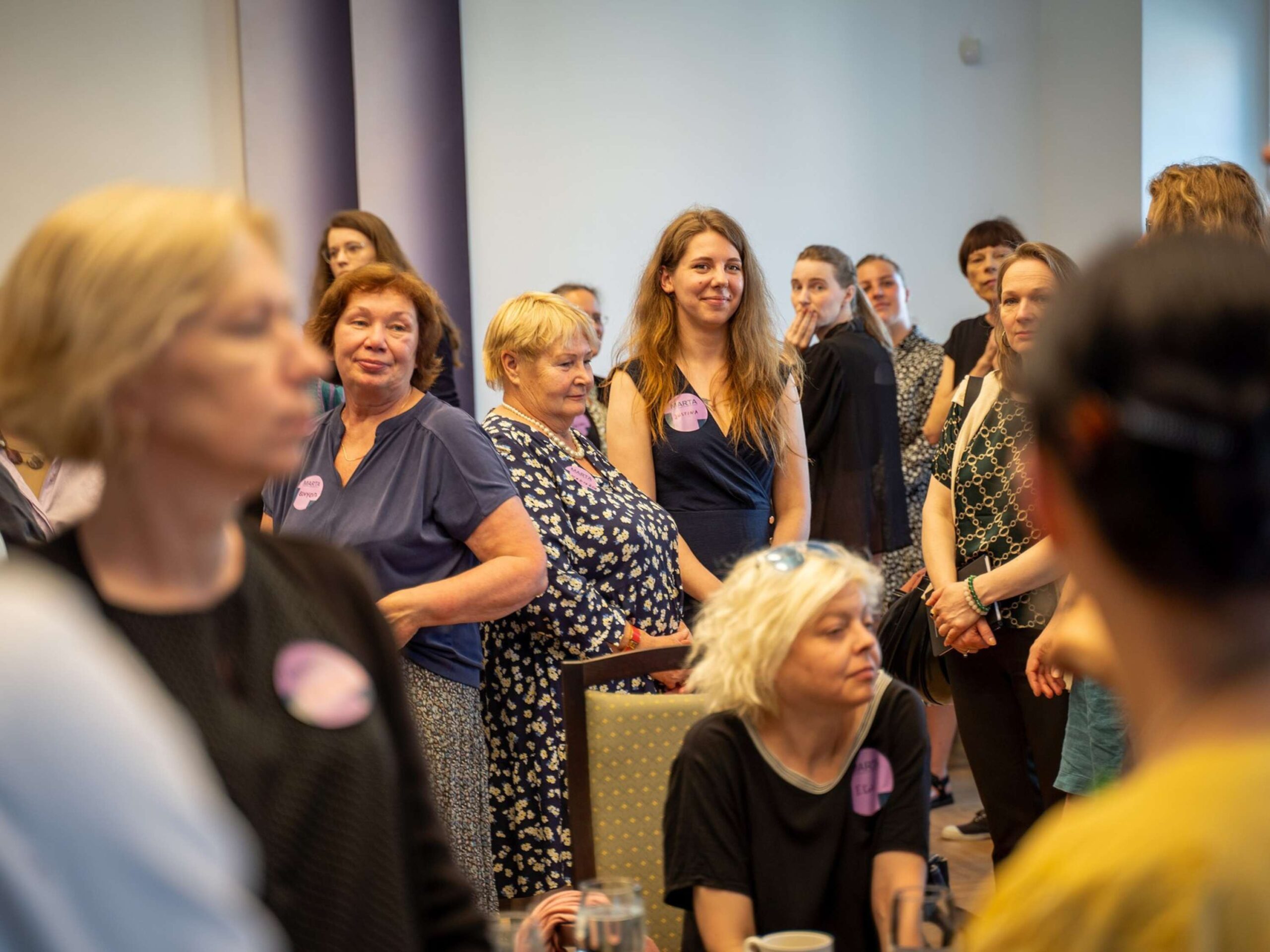
- Training sessions led by museum professionals returning from international residencies, sharing their experience with others. Photo by Silvestras Samsonas, LNM
-
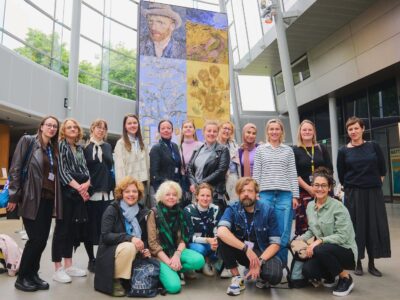
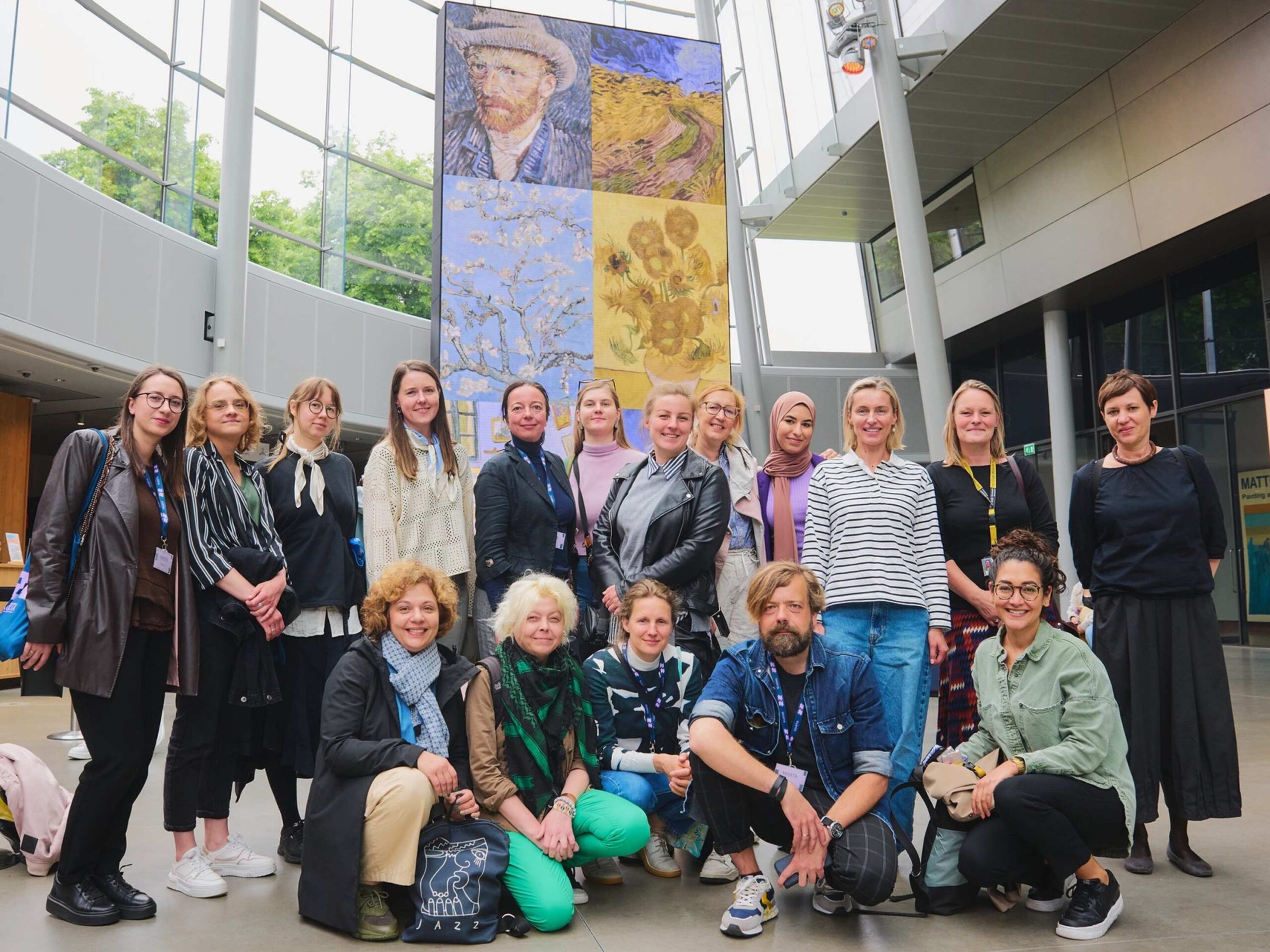
- Moments from the visit to the Netherlands. Photo by David Stegenga