Freedom Month at the House of Signatories: The Story of the Legendary Balcony and Special Encounters
2025 02 06
In 2025, the National Museum of Lithuania celebrates its 170th anniversary. To mark this important occasion, special events will take place across all twelve of the museum’s branches, including a series of one-object exhibitions. At the House of Signatories, this milestone is highlighted by the presentation of the legendary Freedom Balcony and the third annual Freedom Month, a symbolic celebration uniting two significant dates in the history of modern Lithuania—16 February and 11 March—inviting everyone to celebrate and share the idea of Freedom.
Throughout February and March, the House of Signatories will become a center for storytelling, offering visitors a deeper understanding of the origins of Lithuania’s modern independence, the ideas and movements that grew from it, and the connections between past and present. A special highlight of this year’s programme will be the events marking National Emancipation Day on 17 February.
A Unique Exhibit – The Freedom Balcony of the House of Signatories
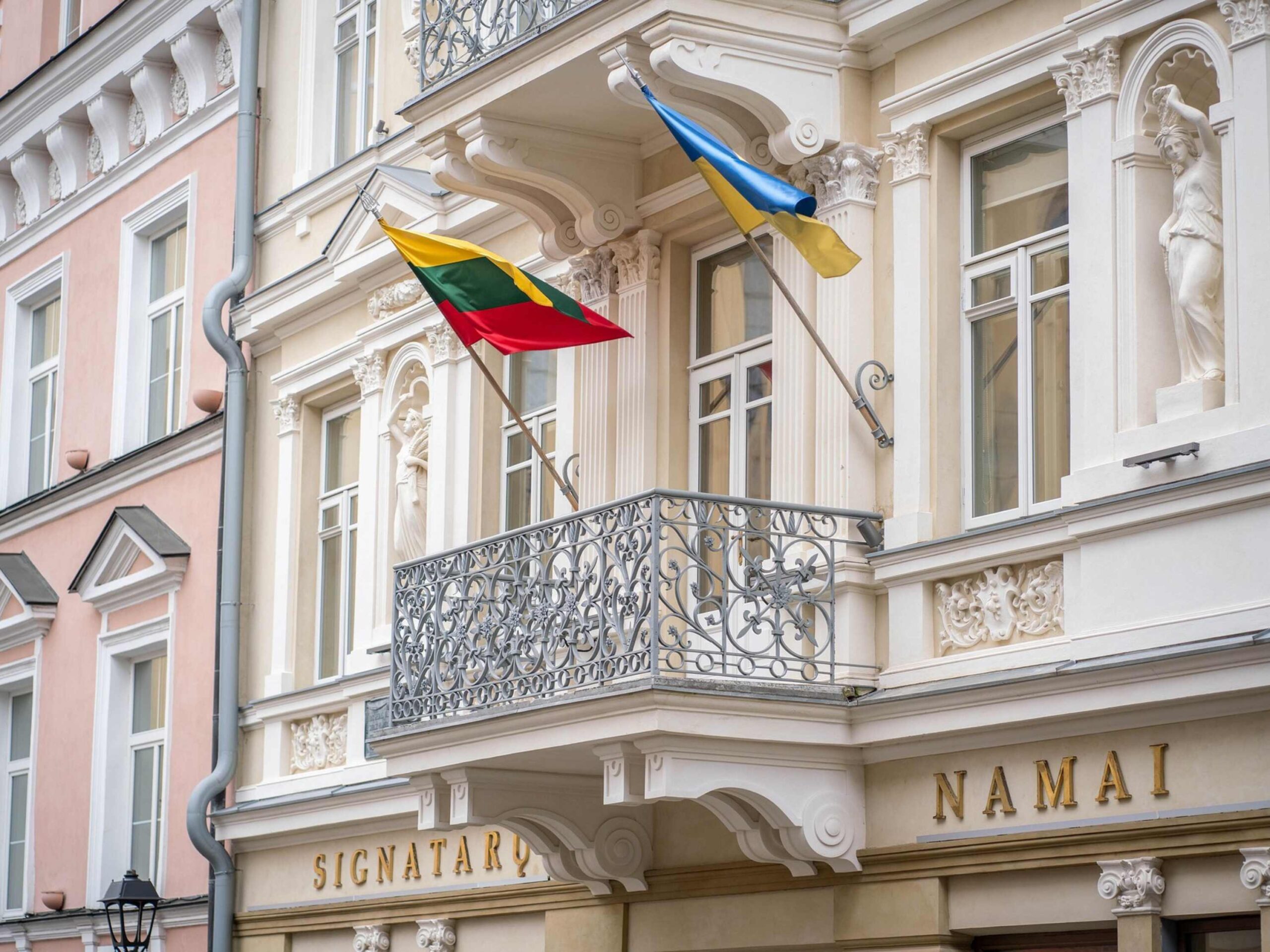
There are two world-famous balconies: the Balcony of Love in Verona, and the Balcony of Freedom in Vilnius. Both traditions are inspired by the legacy of playwright William Shakespeare.
In Shakespeare’s time, there were no balconies on the current House of Signatories. They appeared only at the end of the 19th century, after the Štral family purchased the building and began renovations based on the designs of then Vilnius Governorate architect Aleksei Polozov. The building housed ten apartments, and one of them—on the third floor with a balcony—was rented by the Lithuanian Relief Committee for the War-Stricken. It was here that the Council of Lithuania gathered on 16 February 1918 to sign the Act of Independence. But was it proclaimed from the balcony? Certainly not. Under strict German military occupation, spreading the message of freedom publicly was not allowed.
The tradition of delivering speeches from the balcony of the House of Signatories on 16 February began in 1998, on the 80th anniversary of the Act of Independence. The idea came from then-Minister of Culture and writer Saulius Šaltenis, with the staging directed by renowned theatre artist Eimuntas Nekrošius. Today, the balcony has become a national symbol of independence, drawing hundreds of people each year who gather to once again experience the spirit and emotion of true freedom.
As the National Museum of Lithuania marks its 170th anniversary, the balcony is being presented as a unique exhibit, with its story open for everyone to explore.
-
- Freedom Balcony at the House of Signatories. Photo by Silvestras Samsonas, LNM
-
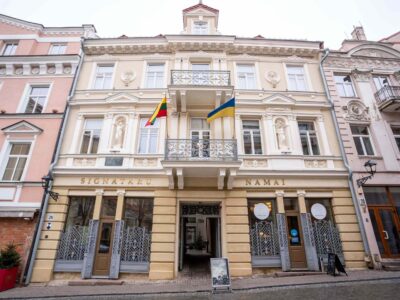
- Freedom Balcony at the House of Signatories. Photo by Silvestras Samsonas, LNM

17 February – National Emancipation Day
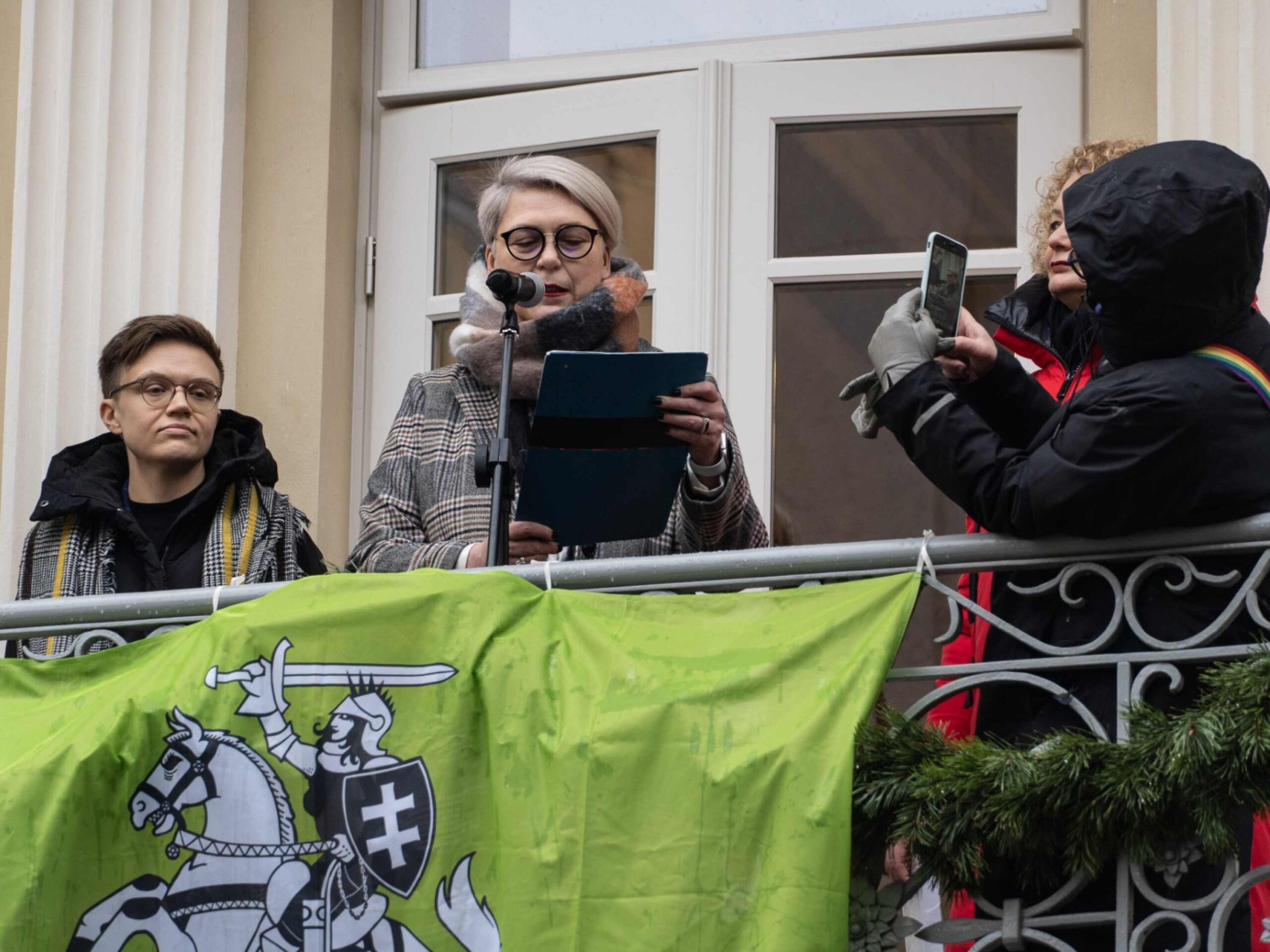
In 2018, during the centenary of the restoration of the State of Lithuania, participants in the National Emancipation Day movement read out the names of one hundred women from the balcony of the neighbouring Narutis Hotel and proclaimed the 17 February Declaration of the National Emancipation Movement. Since 2022, speeches have also been given from the Freedom Balcony of the House of Signatories on 17 February—National Emancipation Day—which has been included in the list of nationally significant commemorative days since 2023. Its origins date back to 1918.
At the beginning of the 20th century, women were actively involved in political life. However, not a single woman was included in the Council of Lithuania, which signed the Act of Independence on 16 February 1918. The following day, on 17 February, a protest rally was held in Kaunas, where women demanded that the promises made to them be honoured and that they be included in the activities of the Council of Lithuania. Today, 17 February is observed not only as an act of solidarity with those women, but also as a day that connects the 20th and 21st centuries—inviting reflection on the current state of Lithuania and its society.
This year, the House of Signatories is presenting a rich programme for National Emancipation Day. At 12:00 on 17 February, representatives of the National Emancipation Day community will deliver speeches from the Freedom Balcony. At 14:00, the “HerStory of History” conference will take place in the Štral Hall, followed by a poetry reading titled “Under the Balcony” and an event called “Musical Spirals”—an evening of conversation and dance.
-
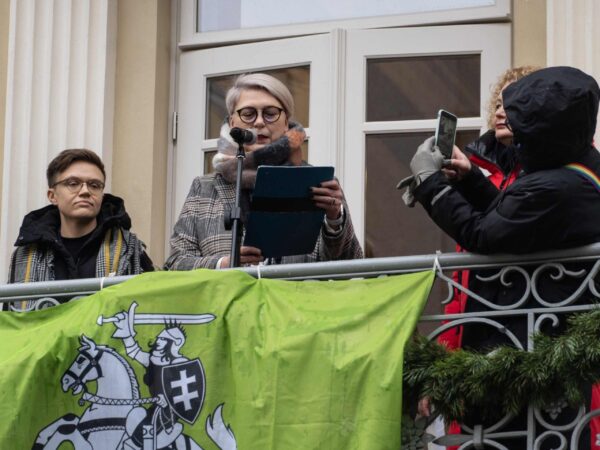
- House of Signatories during National Emancipation Day. Photo by Augustinas Bėkšta, LNM
Continuing the Theme of Balconies
As part of its Freedom Month programme, the House of Signatories—highlighting the Freedom Balcony as a symbol representing the museum—invites visitors to the discussion space “The Balcony Phenomenon: Between History and Everyday Life”, held in the Štral Hall throughout February and March. This space is dedicated to engaging in dialogue with living history and reflecting on contemporary issues through the lens of both historical context and daily life. The discussions will be moderated by National Culture and Art Prize laureate, art critic and artist Laima Kreivytė.
25 February at 6:00 PM – Laima Kreivytė will speak with architectural historian Prof. Marija Drėmaitė on the topic “The Balcony as an Architectural and Political Phenomenon”.
4 March at 6:00 PM – A conversation with artists Eglė Ridikaitė and Eglė Karpavičiūtė will explore balconies in their creative work.
18 March at 6:00 PM – The final talk will feature designer Sandra Straukaitė, who grew up in the neighbourhood of the House of Signatories. She will share personal stories about living on Pilies Street and reflect on living history through the lens of her creative process.
Guided Tours at the House of Signatories – Bridging the 20th and 21st Centuries
“We see the Freedom Balcony and the Freedom Month programme as a living dialogue between the past and the present. It’s an opportunity to fully grasp the idea of freedom in Lithuania and to feel how every step, every voice contributes to building and sustaining the state and strengthening society,” — Dr. Dalia Strimaitytė, Head of the House of Signatories
The House of Signatories invites visitors to join guided walking tours through Vilnius Old Town and discover the city as it was in 1918. Stories of life in Vilnius during that time will be told from the perspectives of historical figures such as Petras Klimas, Jurgis Šaulys, Jonas Basanavičius, Bronislava Biržiškienė, and Antanas Smetona. Each of these individuals offers a unique lens through which to view the city. Tours begin and end in the courtyard of the House of Signatories, last approximately 1.5 hours, and cover about 4 km.
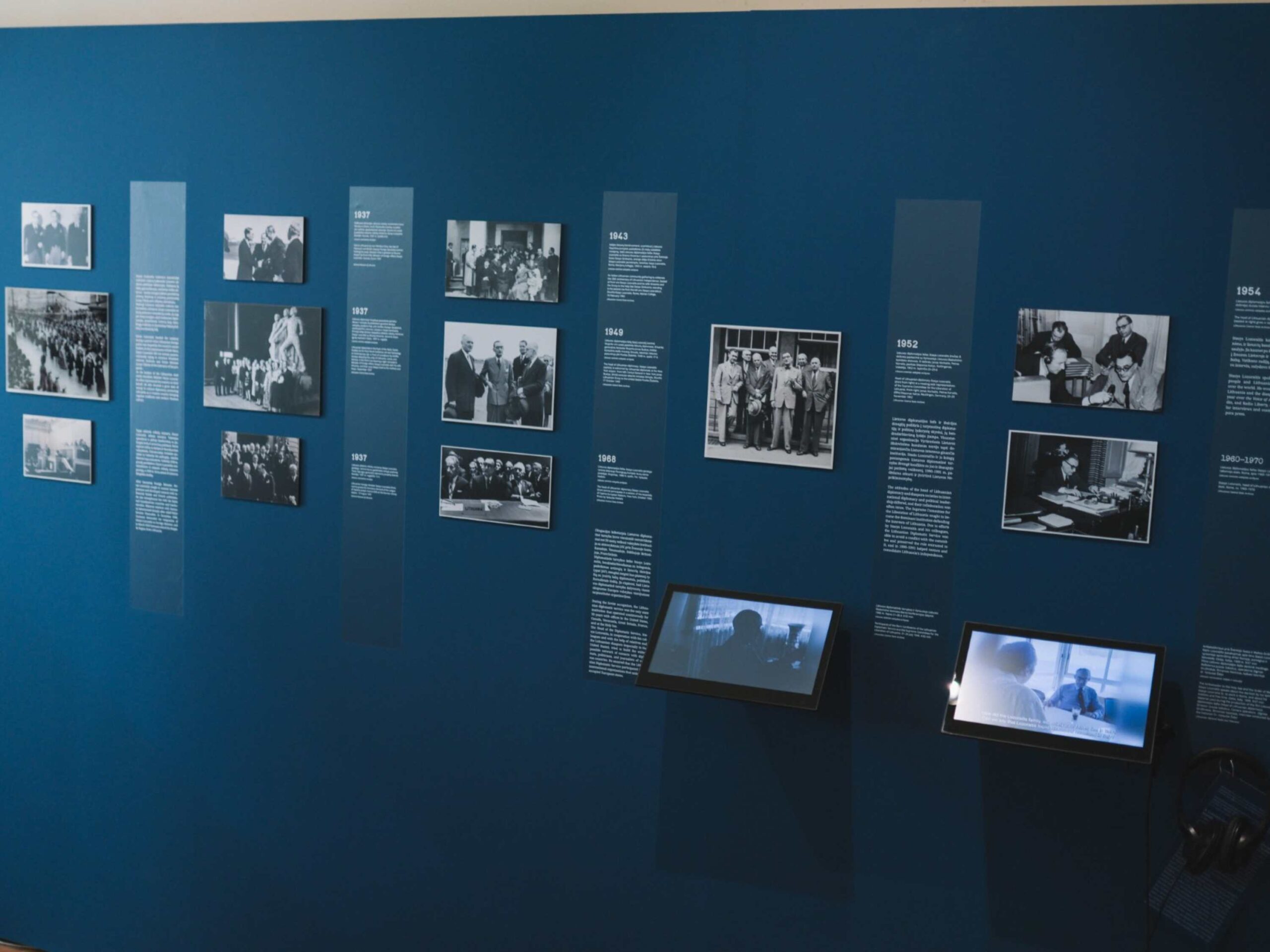
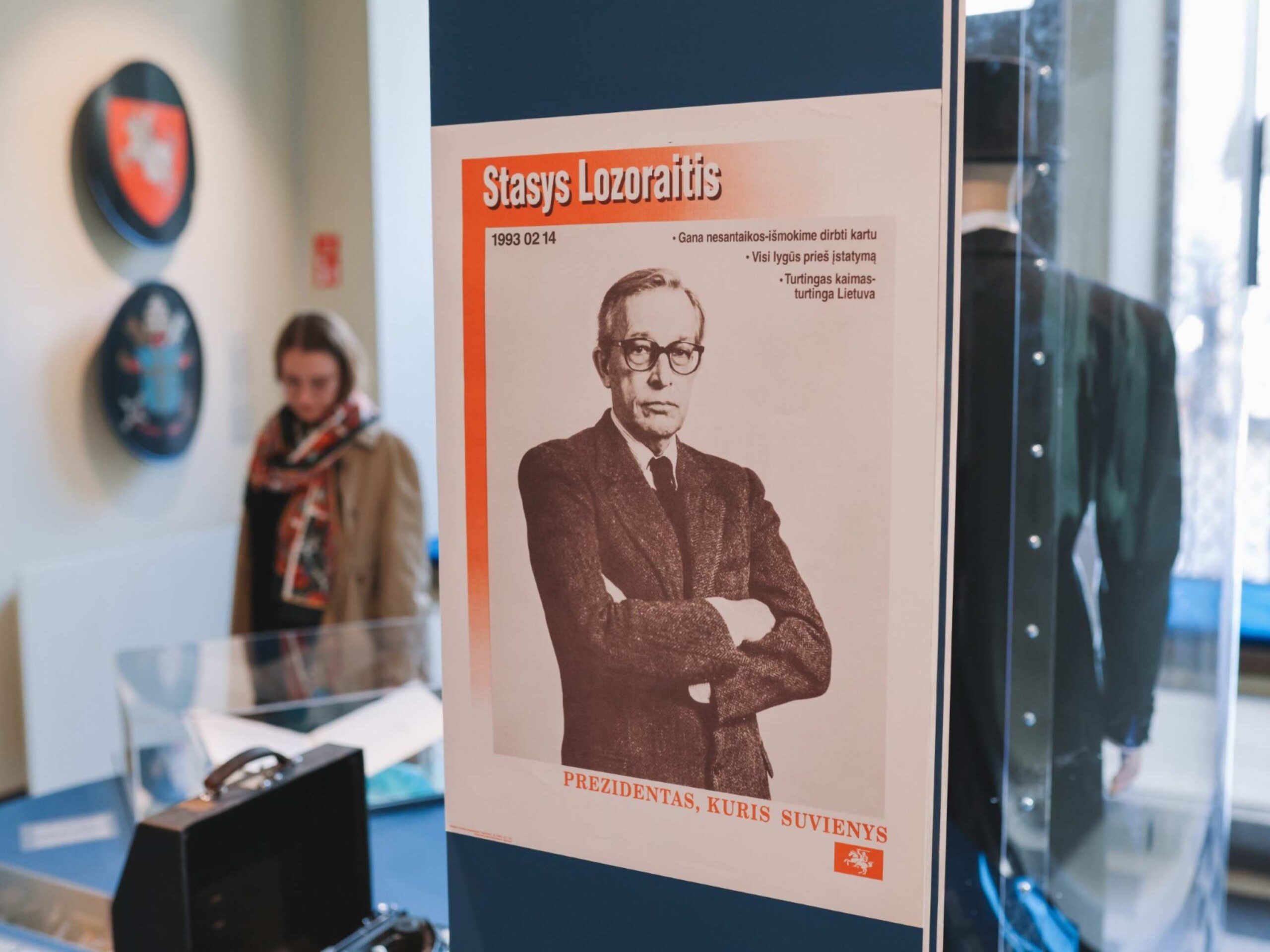
In addition to thematic tours through the permanent exhibition and the temporary exhibition “Lozoraitis’ Lithuania: When the Personal Becomes Political”, the House of Signatories offers two new exclusive tours for Freedom Month: On 7 and 8 March, visitors can join the tour “Between Lithuania and Rome: Vincenta, Daniela, and Giovanna”, focusing on three emancipated women from the Lozoraitis family—Vincenta Lozoraitienė and her daughters-in-law Daniela and Giovanna—who played key roles in Lithuania’s struggle for freedom. The tour explores their public and private lives, their professions, and their contributions to the independence movement.
On 11 March, a tour will focus on Stasys Lozoraitis Jr., the “President of Hope,” a prominent figure in Lithuania’s modern independence history. His values and vision remain relevant today in conversations about global Lithuania.
Most Freedom Month events at the House of Signatories are free of charge, including free museum admission on 16 and 17 February.
You can view the full programme [HERE].
-
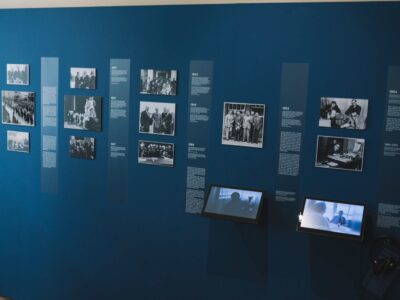
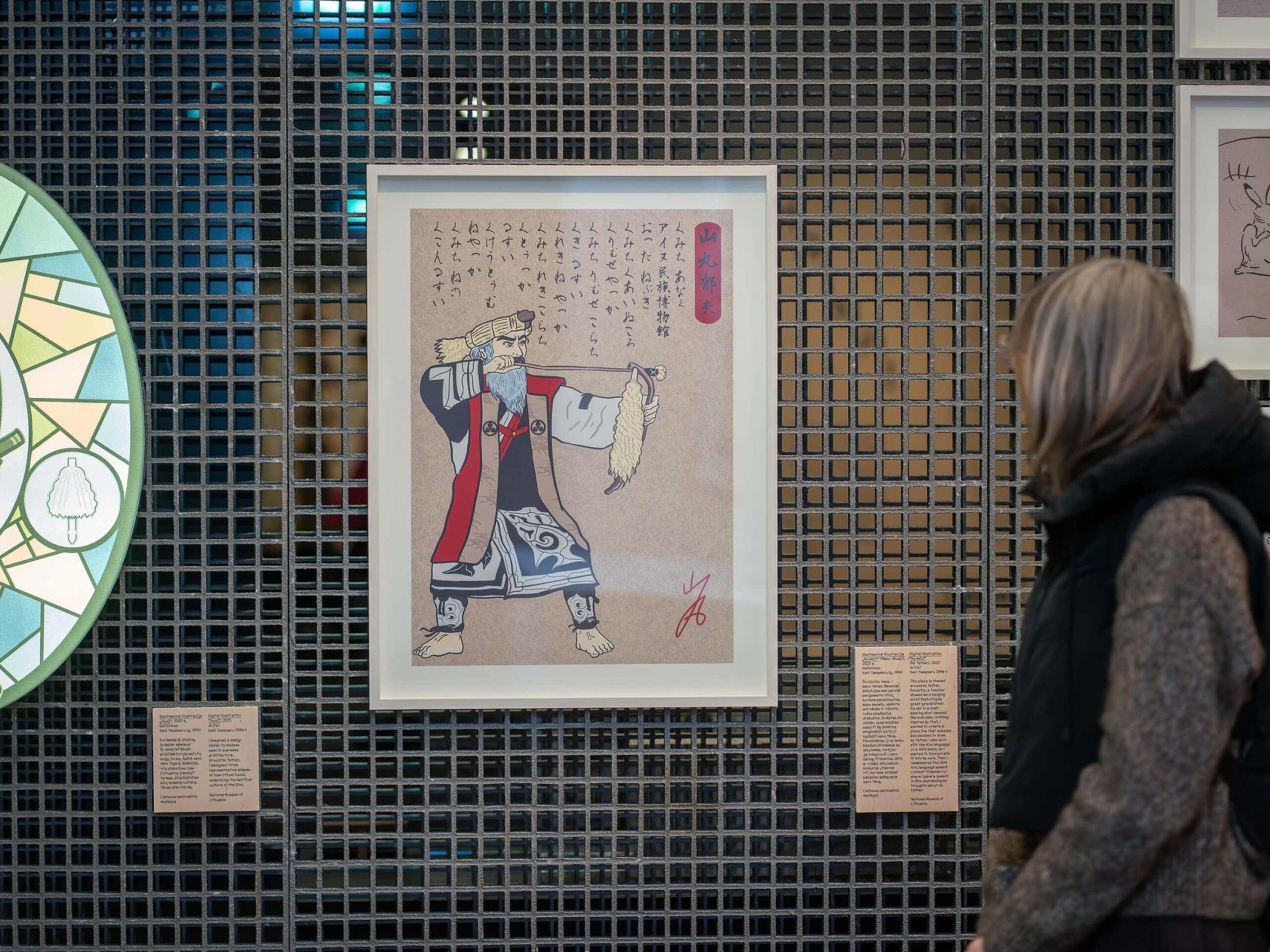
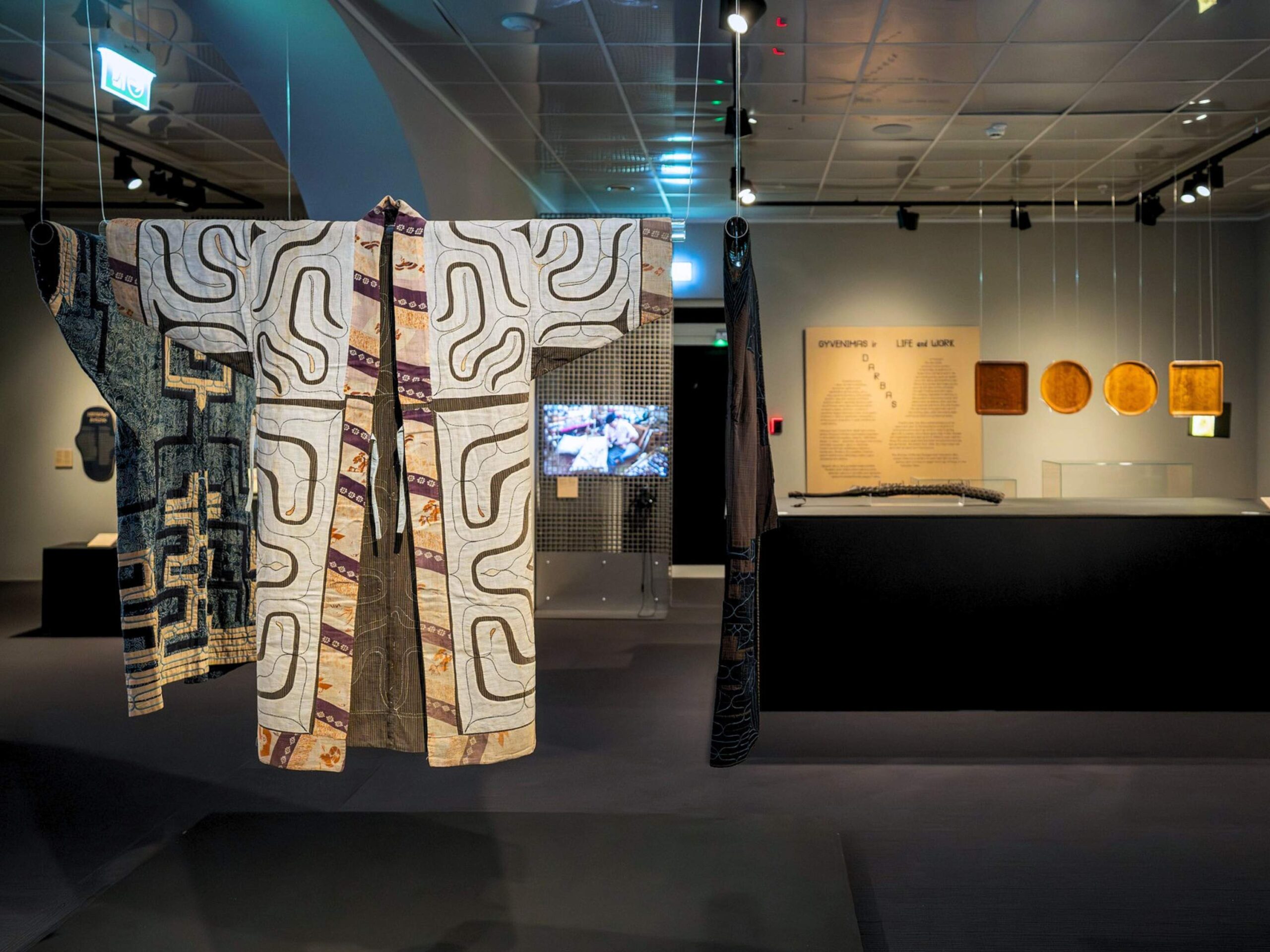
- Exhibition “Lozoraitis’ Lithuania: When the Personal Becomes Political” at the House of Signatories. Photo by Dainius Sebeckis, LNM
-
- Exhibition “Lozoraitis’ Lithuania: When the Personal Becomes Political” at the House of Signatories. Photo by Dainius Sebeckis, LNM
-
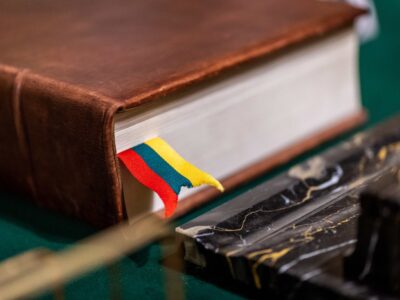
- Exhibition at the House of Signatories. Photo by Silvestras Samsonas, LNM