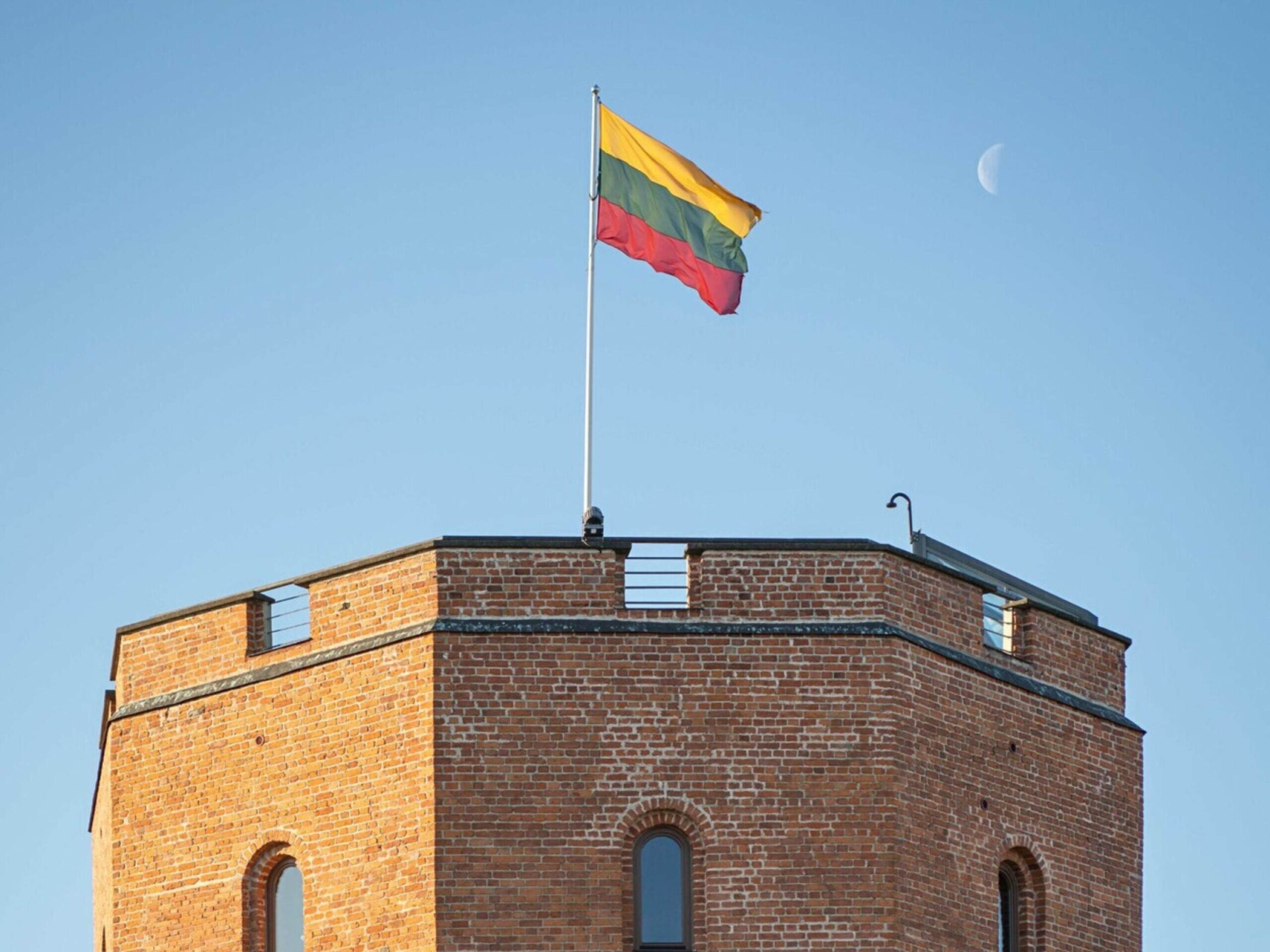
Tomorrow, a New Sculpture by Mykolas Sauka Will Be Unveiled at the Jonas Basanavičius Birthplace
2026 06 23
On June 24, a new sculpture by Lithuanian artist Mykolas Sauka, titled “Koplytstulpis” (“Shrine Pole”), will be unveiled at the Jonas Basanavičius Birthplace, a branch of the National Museum of Lithuania. Rising more than three meters tall, the work is crowned by a wooden figure of a child. Created to mark the 175th anniversary of Basanavičius’ birth, the sculpture brings together Lithuania’s traditional folk craftsmanship and a contemporary artistic sensibility, exploring how voices from the past continue to resonate in the present.
Small Homeland, Great Figures
Jonas Basanavičius was a multifaceted intellectual and one of the central figures in the formation of the modern Lithuanian nation, helping lead the country toward independent statehood. The beginning of the Patriarch of the Nation’s life was dramatic: Born in the small village of Ožkabaliai, he had to fight for his survival from his very first days.
That early victory would be followed by many others – not only for Lithuania but also for other parts of Europe. In Bulgaria, Basanavičius worked as a physician and hospital director, promoted public health initiatives, contributed to the founding of the Varna resort, and helped transform the city into a major center for health and wellness. Alongside his medical work, he researched the history, archaeology and folklore of the Balkans, fostering greater understanding among European cultures and earning respect far beyond Lithuania’s borders.
-
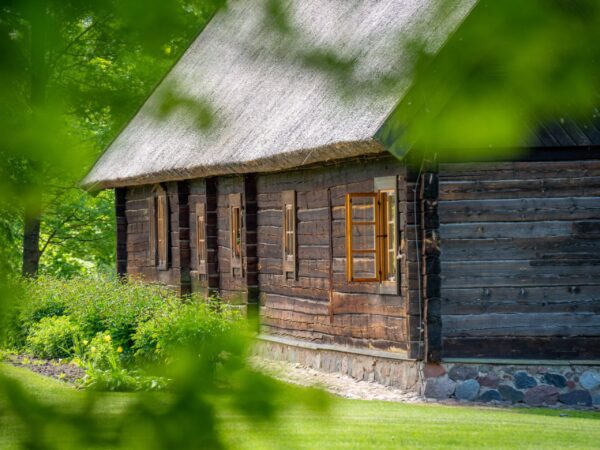
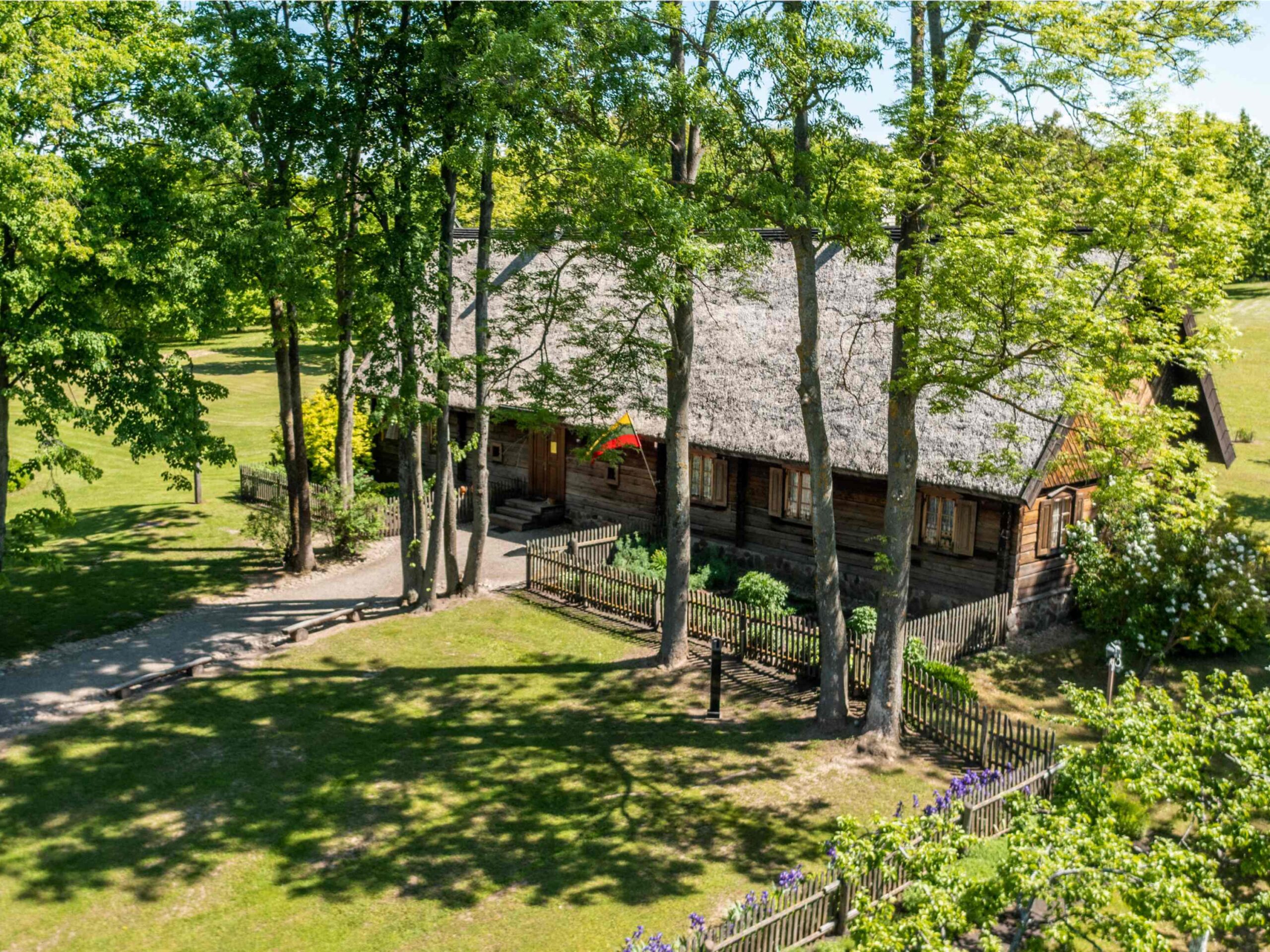
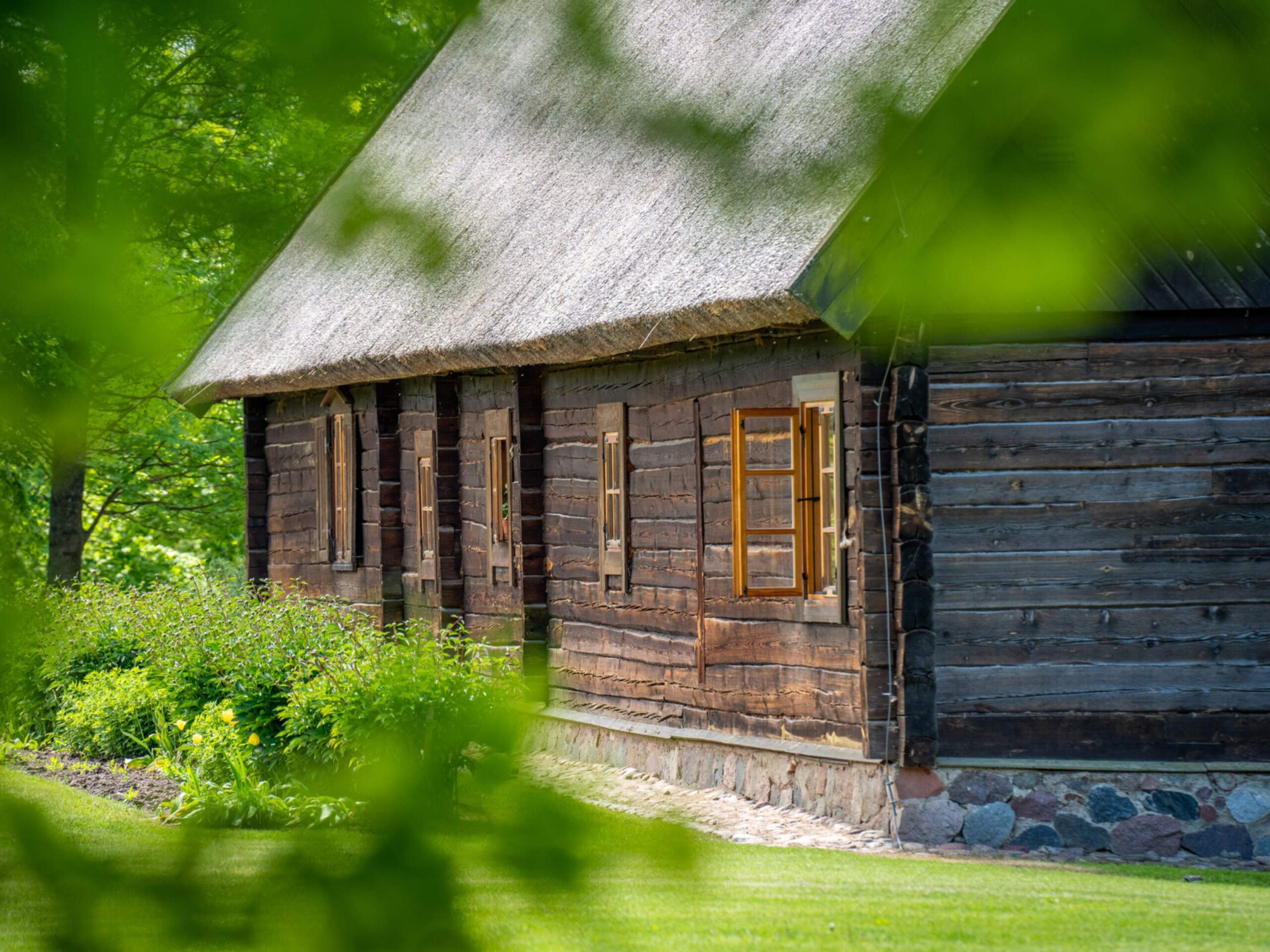
- The Jonas Basanavičius Birthplace. Photo: S. Samsonas, NML
Tomorrow, at the birthplace of the national patriarch, visitors will encounter “Koplytstulpis”, topped by a child holding a mask in their hands. The figure invites viewers to lift their gaze and reflect more deeply on themselves and others. The unveiling will take place on Joninės, Lithuania’s midsummer festival and the feast day associated with the name Jonas. The celebration still preserves elements of ancient culture and emphasizes connections to nature, light and community – values that were close to Basanavičius himself.
“J. Basanavičius was a multifaceted personality. His outward ‘mask’ might be shaped from ‘restraint’ and ‘introversion,’” says Rūta Vasiliauskienė, director of the Jonas Basanavičius Birthplace. “Yet both his personal writings and his work reveal a sensitive, curious person who wanted to help others. These are qualities usually associated with children and often lost in the adult world. The child figure in the sculpture invites us to remember and preserve the perspective and inner light we possessed in childhood.”
A Plump Baroque Child Leaves the Nursery
With “Koplytstulpis”, Sauka continues a child motif that has appeared throughout his recent work. First developed in his 2022 installation Children’s Room, the baroque-inspired child now stands independently at the summit of a sculptural structure.
-
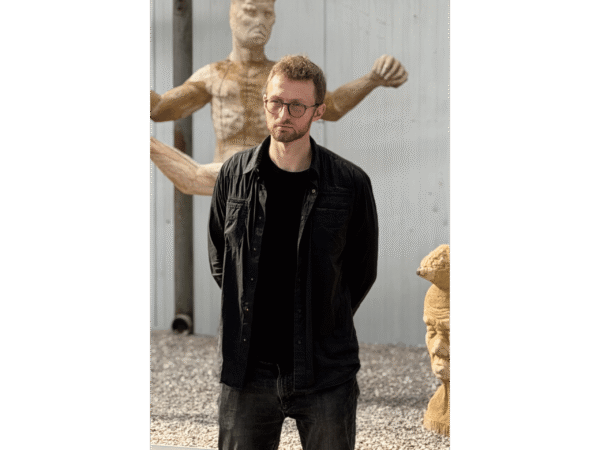
- Mykolas Sauka. Photo: I. Gudelaitytė
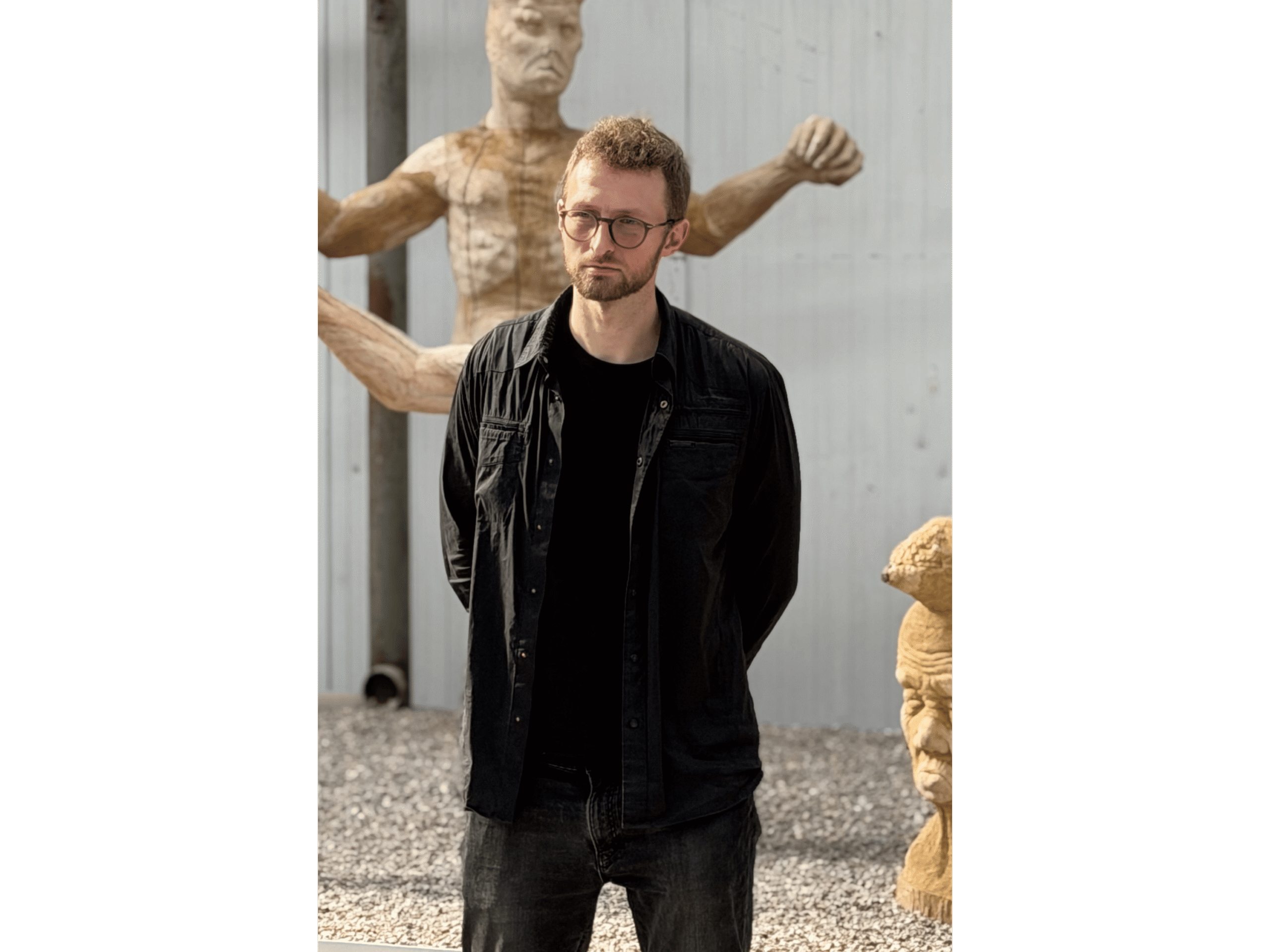
“That child comes from the same family of plump baroque children I’ve been carving in recent years,” says the sculptor. “Only now it has grown older, left the children’s room and been placed alone in its own little house. There have been other examples as well. I installed another character from this family of wooden carvings in Šilavotas, and a wooden Insect Hotel stands in a wellness park in Skuodas. These are sculptures that have outgrown exhibition spaces, but they all belong to the same ‘body of work’ or ‘organism of works.’”
Sauka also encourages visitors to imagine a story for the sculpture’s protagonist. “Wooden sculptures sometimes depict characters from folklore, but we don’t know exactly which ones, so we add our own interpretations,” he says. “That’s how a kind of folklore comes into being. At the same time, it creates a connection to the birthplace of a renowned collector of folklore.”
The unveiling ceremony will feature the literary and musical program “Aušros pašauktasis” (“Called by the Dawn”), performed by actor Andrius Bialobžeskis and composer Jurgis Juozapaitis. The program draws on Basanavičius’ memoir The Chronicle of My Life and the History of My Nervous Illness and historian Eligijus Raila’s book The Moses of Lithuanian Identity: The Life and Illness of Jonas Basanavičius.
-
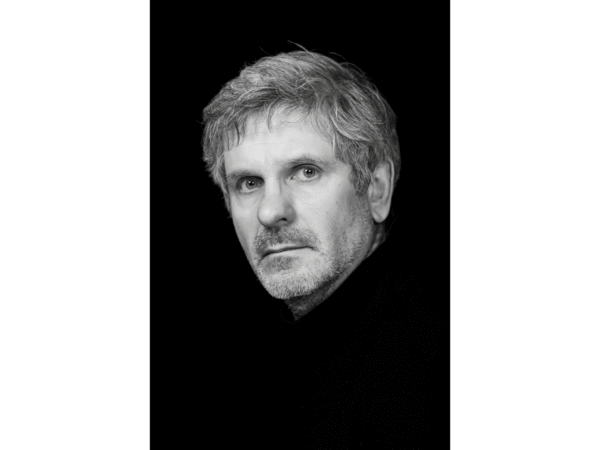
- A. Bialobžeskis. Photo: D. Matvejev
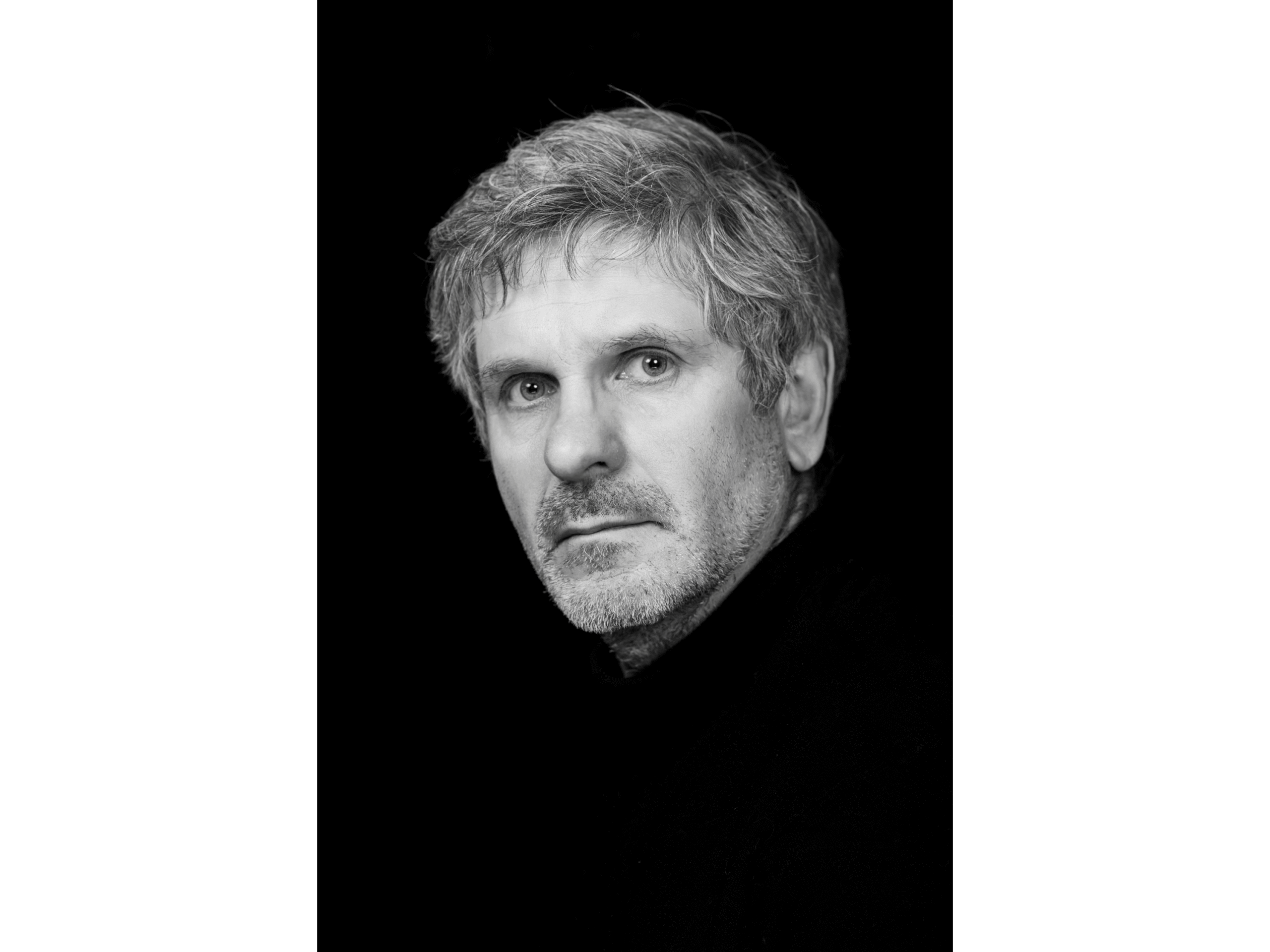
According to Bialobžeskis, the material offered fresh insights into a historical figure who might otherwise seem familiar.
“It felt as though unseen, unexpected horizons had opened up around a person we think we know so well,” the actor says. “It was like discovering entirely new spaces. Myth prevents us from knowing a living human being – his longing, grief, love and will to live. For me, this is only the beginning of a long-awaited journey into the depths of the patriarch’s personality. Jurgis is also a wonderful viola virtuoso. He selected the musical program himself and is an artist with an exceptional sensitivity to context.”
The event will conclude with a conversation moderated by journalist Rytis Zemkauskas, featuring the participating artists.