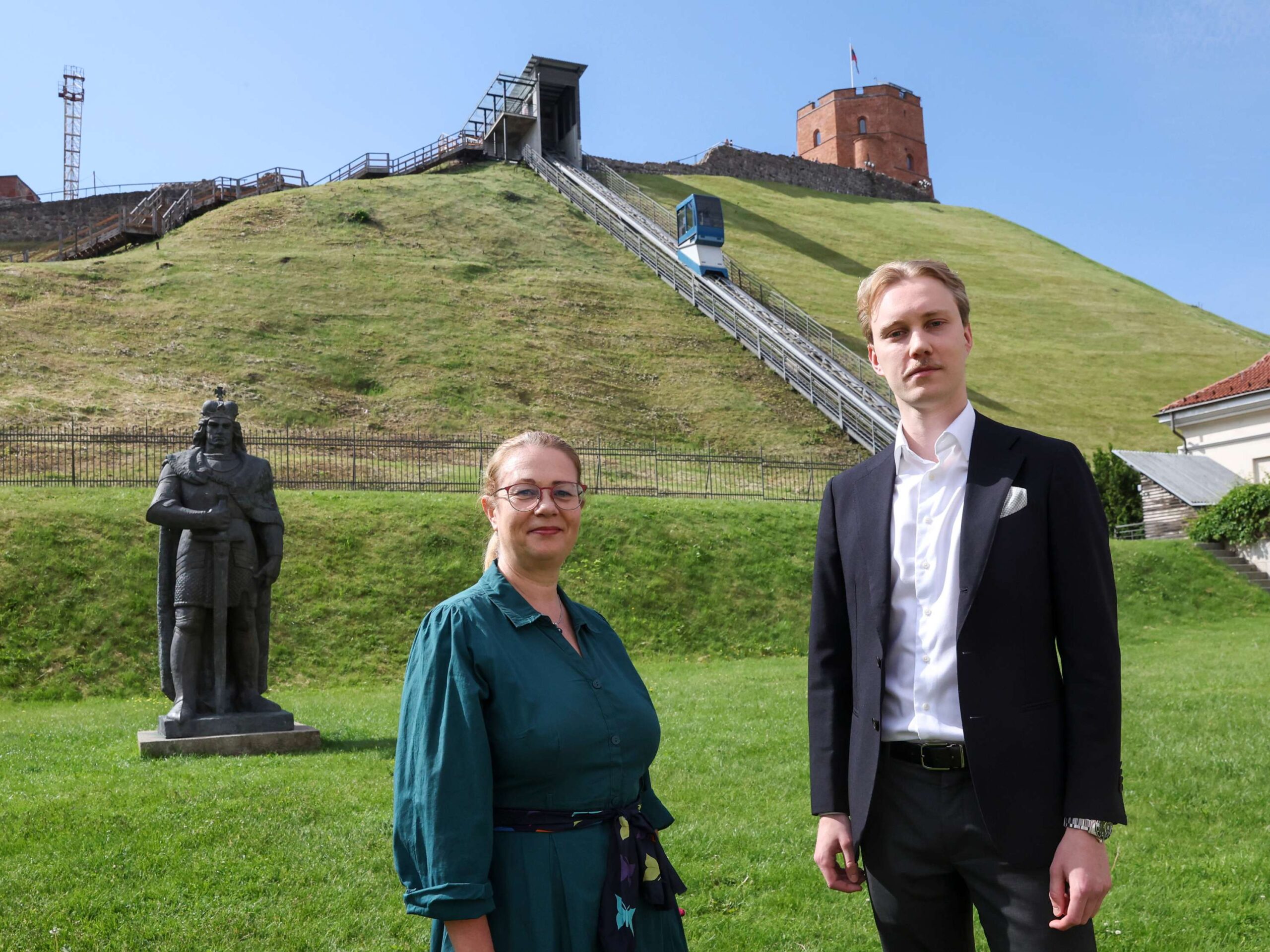
The Legends of Vilnius and Rome Meet on Gediminas Hill: The “Wolf” Sculpture Unveiled
2026 06 17
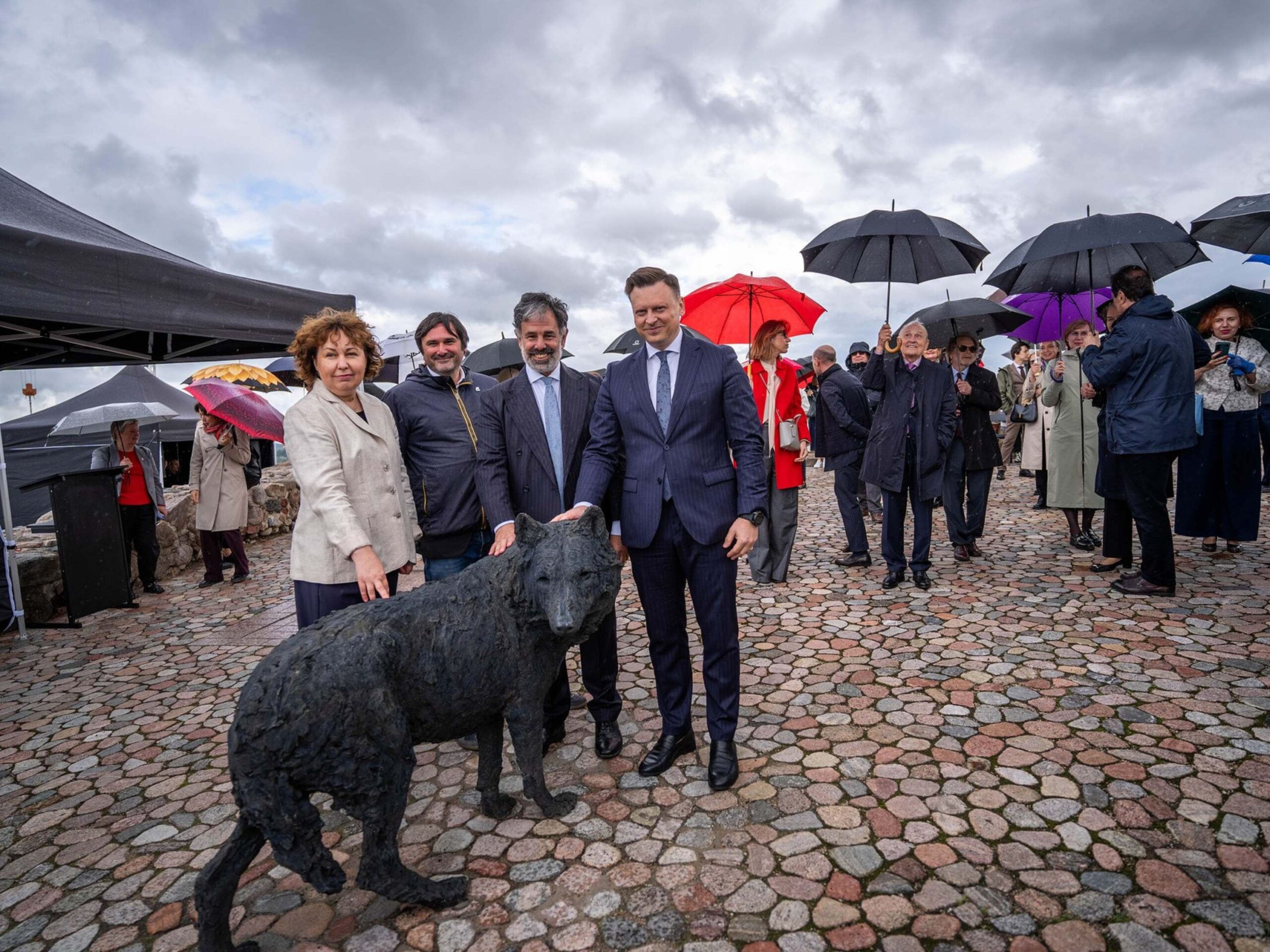
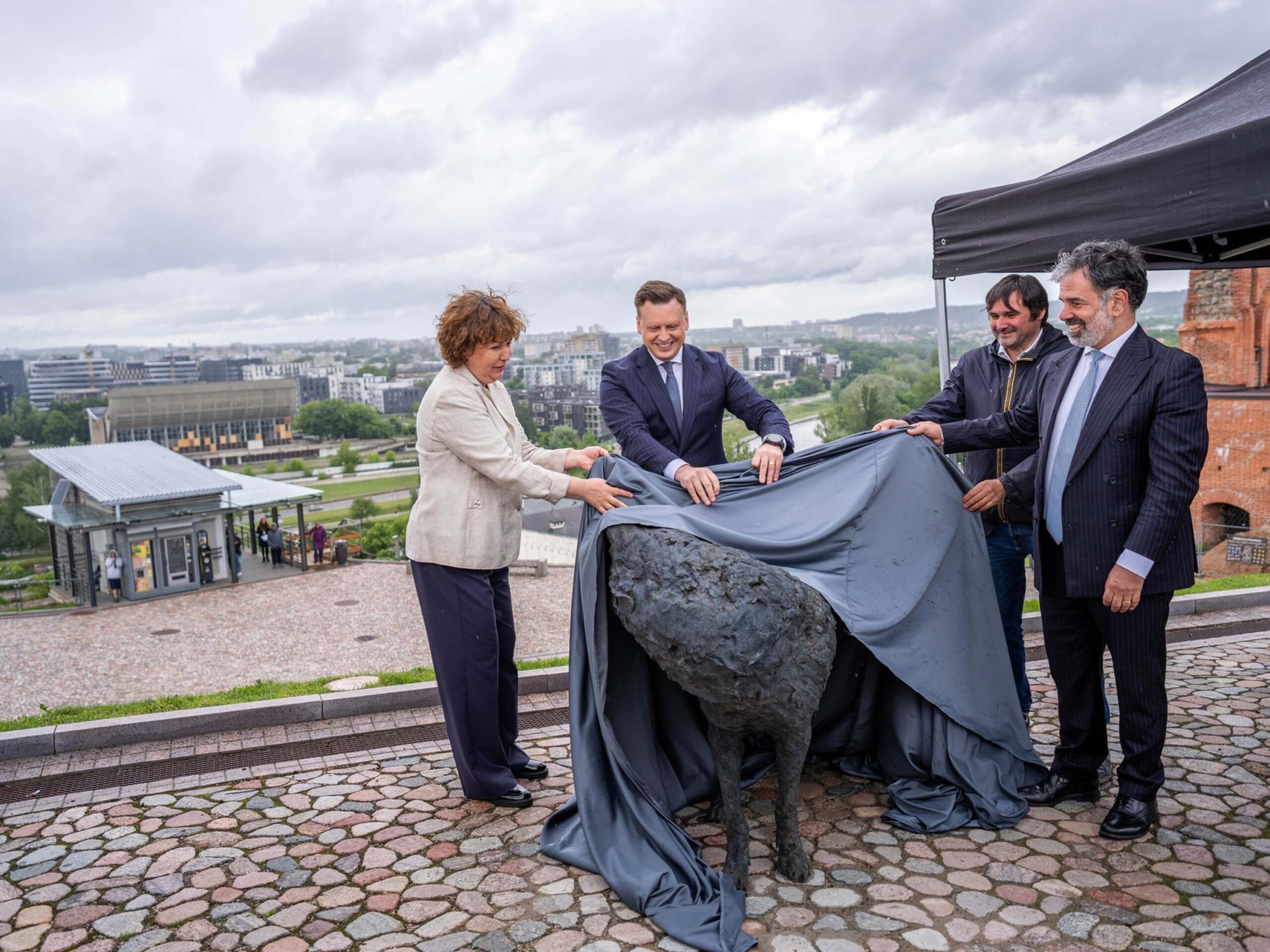
Davide Rivalta’s sculpture “Wolf”, installed on the observation terrace of Gediminas Castle Hill, symbolically connects Vilnius and Rome. The wolf occupies a special place in the founding legends of both cities: Rome’s history is inseparable from the Capitoline Wolf that nursed Romulus and Remus, while Vilnius traces its origins to Grand Duke Gediminas’ dream of an iron wolf, which inspired the ruler to establish a city whose fame would spread throughout the world.
The work of the contemporary Italian artist – a life-size bronze sculpture of a wolf rendered in a realistic style – not only enriches the historic landscape but also reminds us that the identity of cities is shaped not only by architecture or defensive walls, but also by stories, symbols, and collective memory.
Rivalta’s “Wolf” has been added to the collection of the National Museum of Lithuania and to the story told on Gediminas Hill about the cultural ties linking Vilnius, Lithuania, and Europe – from historical legends to contemporary forms of artistic expression.
A Cultural Dialogue Between Italy and Lithuania
The project was initiated by the Embassy of Italy in Vilnius and the National Museum of Lithuania, with support from the Directorate-General for Contemporary Creativity of the Italian Ministry of Culture. The project’s partners are the Vilnius City Municipality, the Italian Ministry of Foreign Affairs and International Cooperation, and the Italian Cultural Institute in Vilnius. The patron of the project is the Vilnius Club.
Speaking at the unveiling ceremony, Italy’s Ambassador to Lithuania, Emanuele de Maigret, emphasized the long-standing cultural ties between the two countries: “The idea of placing Wolf, a sculpture by Davide Rivalta – one of Italy’s most prominent contemporary artists – on the hill named after Grand Duke Gediminas of Lithuania, offering a new interpretation of the founding legends of Vilnius and Rome, is a significant sign of the continuity of Italy’s artistic and cultural heritage in Lithuania.
“The origins of this heritage reach back to Roman times and the trade connections established through the Amber Road. Over the centuries, these ties grew stronger and developed in many forms – from the Renaissance period, marked by such distinguished figures as Bona Sforza d’Aragona, to the Italian masters of the Baroque, who left a lasting mark on Lithuanian cities, particularly in the Old Town of Vilnius, which is included on UNESCO’s World Heritage List.
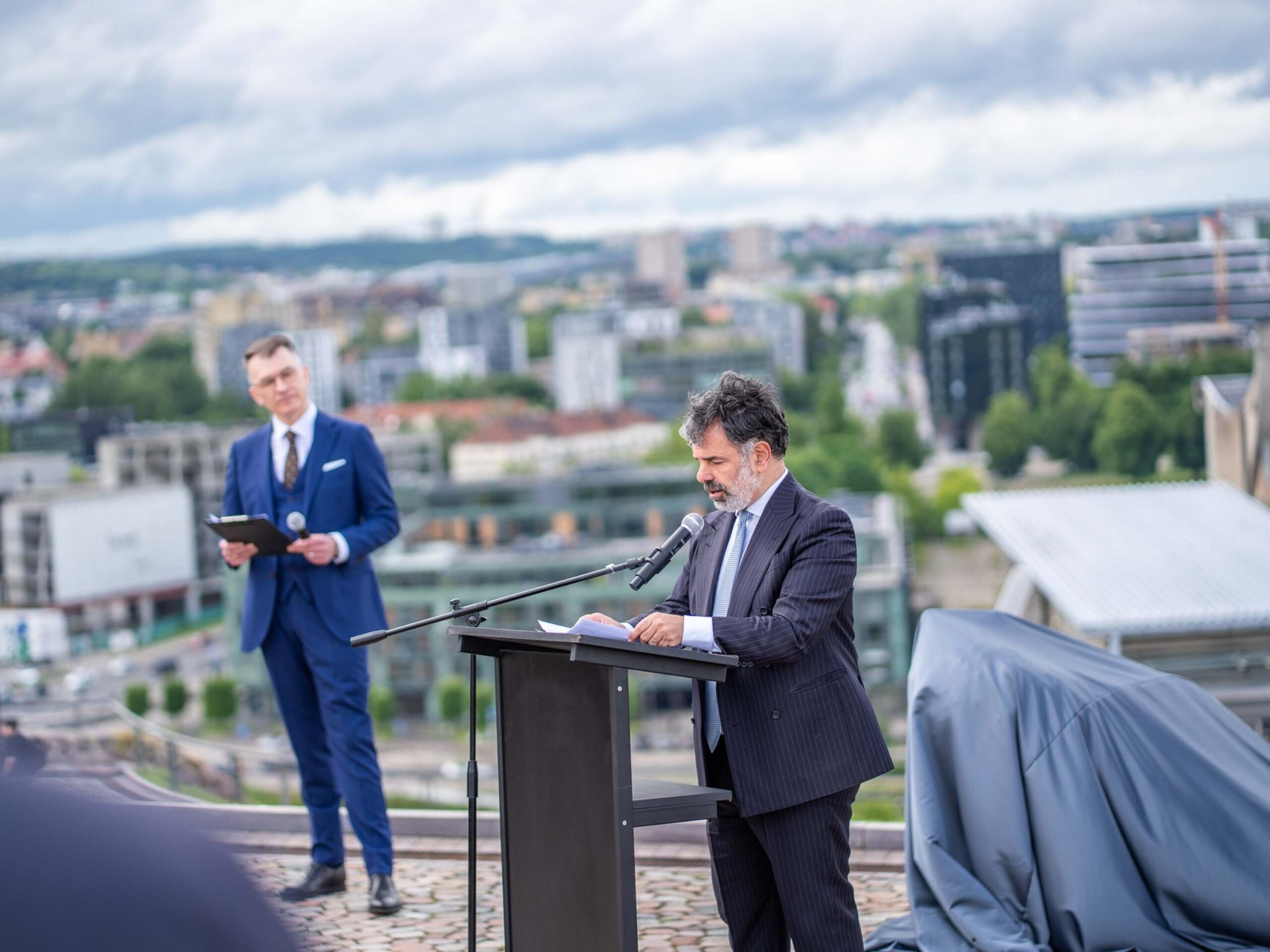
“We sincerely thank the Lithuanian institutions that granted Italy the honor of placing our artist’s work in such a symbolic site of Lithuanian statehood and culture. This project is an important event marking both the 35th anniversary of the restoration of diplomatic relations between Lithuania and Italy and the Year of Italian and Lithuanian Culture, during which numerous cultural events have been held in both countries, further strengthening the ties between our peoples.”
The ambassador also expressed his gratitude to the project’s patron: “I am sincerely grateful to the Vilnius Club for its patronage and support of this project. The Vilnius Club community places special importance on, and consistently contributes to, initiatives that nurture Vilnius’ historical and cultural heritage, strengthen international cultural ties, and promote the name of Lithuania’s capital. It is precisely for this reason that the implementation of this project has become a particularly meaningful example of our cooperation.”
A Symbol in the Vilnius Skyline
Gediminas Hill is one of the most recognizable places in Vilnius and Lithuania, where the history of the state, the legend of the city, and contemporary cultural life intersect. In this unique setting, “Wolf” connects contemporary art with the historic landscape and invites visitors to view the stories of the city and their links to European cultural traditions from a new perspective.
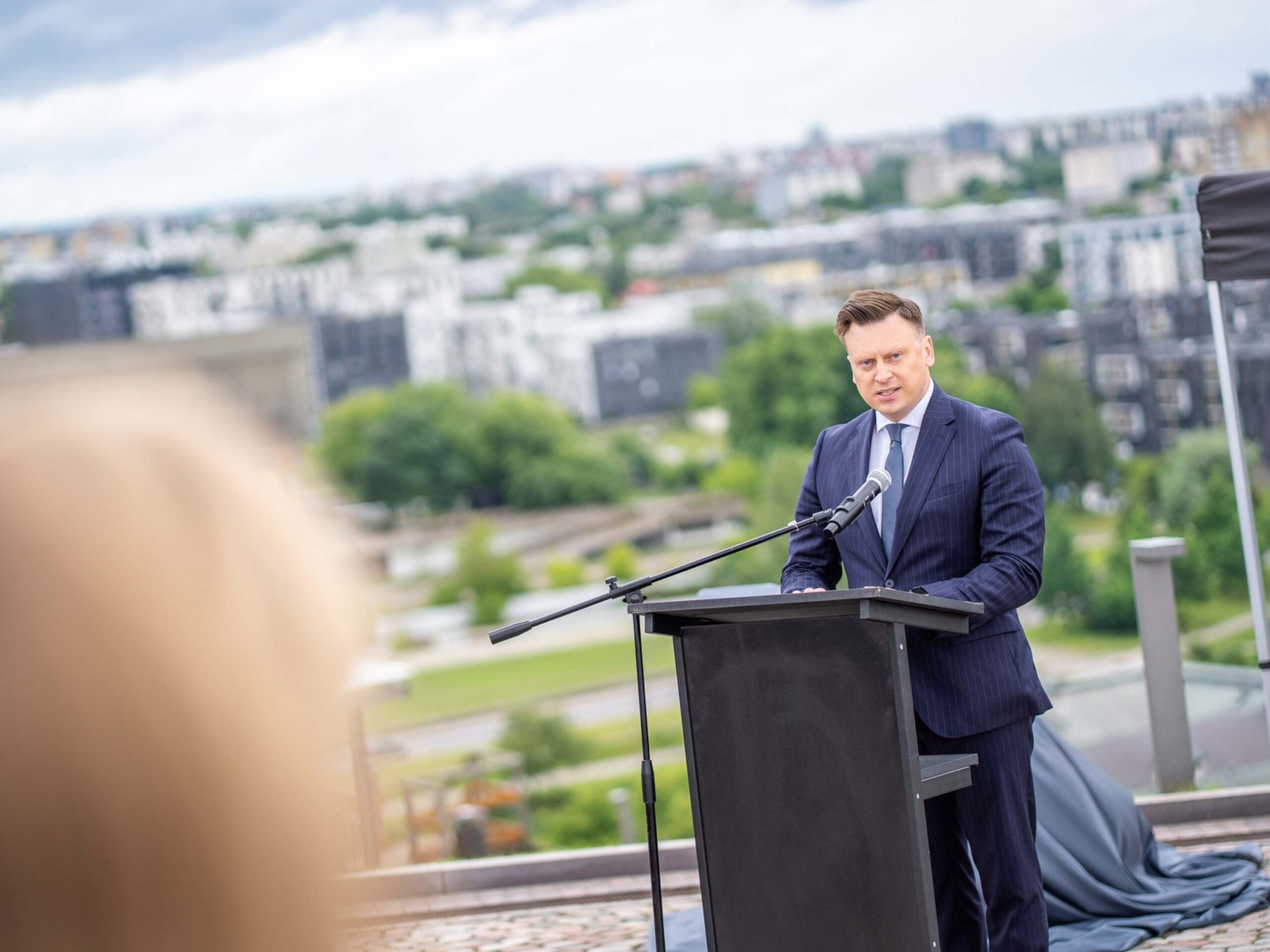
Vilnius Mayor Valdas Benkunskas, who attended the unveiling ceremony, said: “This is where the story of Vilnius begins; this is where our city’s legend remains alive. It is symbolic that this very place will welcome residents and visitors alike with a work that connects two European capitals – Vilnius and Rome. Davide Rivalta’s “Wolf” enriches Vilnius’ cultural landscape and confirms that the identity of cities is shaped by history and by living symbols that speak to contemporary people. I am pleased that Vilnius continues to remain open to international cultural projects that strengthen our ties with Europe and invite people to discover the city in new ways.”
Milda Gembickienė, Deputy Director General for Museum Activities at the National Museum of Lithuania, said during the presentation ceremony: “Our museum preserves not only objects or historical spaces – we also preserve the stories that shape our identity. The legend of the wolf is an inseparable part of the history of Vilnius and Lithuania, and we are delighted that today it takes on a contemporary artistic form in one of the country’s most important locations. Davide Rivalta’s work has enriched the museum’s collection and added a new dimension to the story told by Gediminas Hill. This joint project reminds us that cultural heritage is not frozen in the past – it is in constant dialogue with the present and the future.”
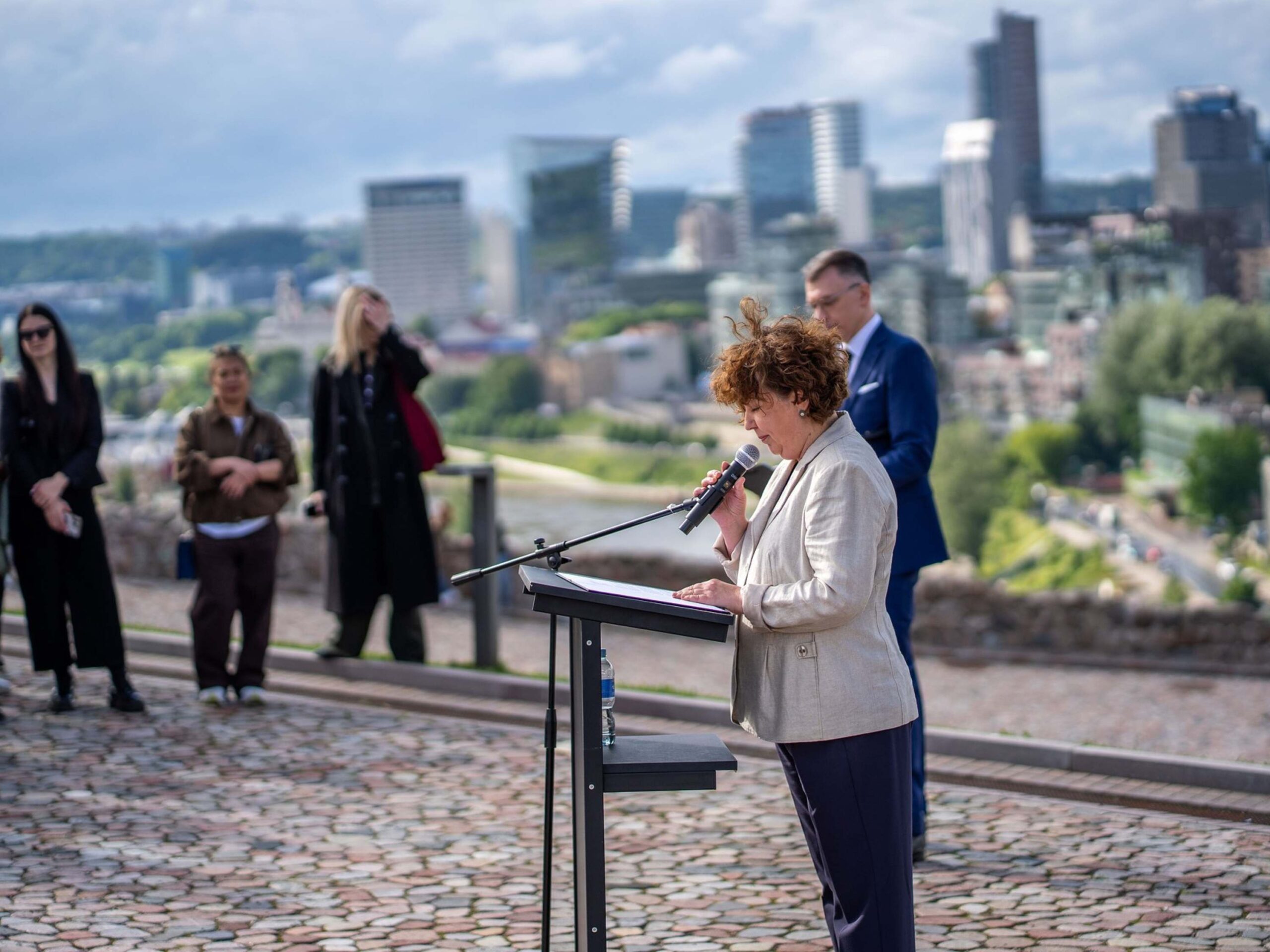
The Creator of the Sculpture
Davide Rivalta was born in Bologna in 1974, where he continues to live and work today. His artistic career began to gain recognition in 1998 when he won a competition to create a permanent artistic installation for the courtyard of the Ravenna courthouse. Sculpture, drawing, and painting are the principal forms of expression in his work.
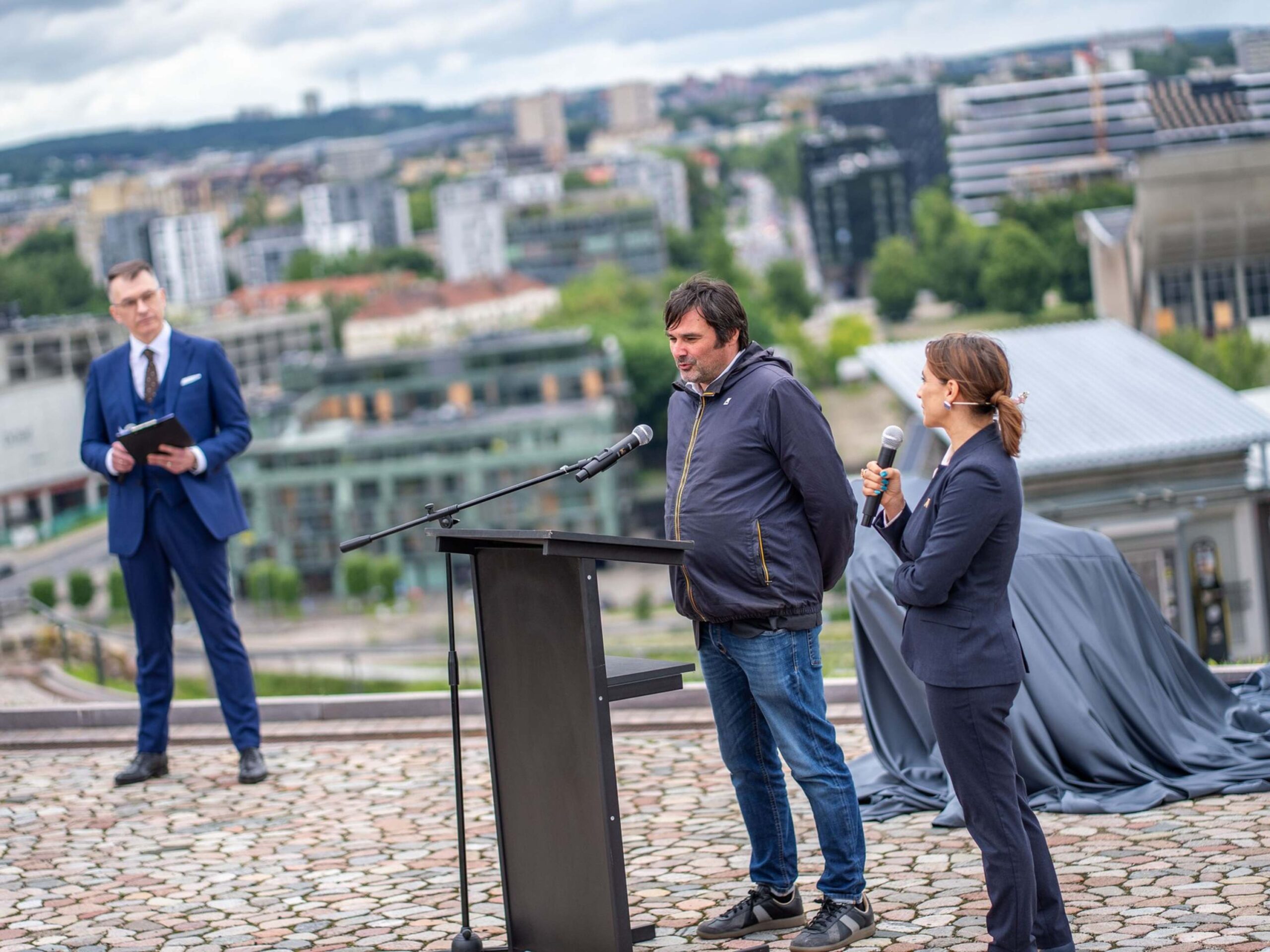
Rivalta’s works are permanently displayed in Ravenna, Rimini, Trieste, Florence, Rome, Dublin, and other European cities. His work has been presented in museums and institutions in Italy and abroad, including the Gallery of Modern Art (GAM) and the Museum of Modern Art of Bologna (MAMbo), the National Gallery of Modern and Contemporary Art in Rome, Palazzo Te in Mantua, Forte di Belvedere in Florence, the Querini Stampalia Foundation in Venice, Dublin Castle, and Oscarshall Summer Palace in Oslo.
Since 2017, the artist has been actively creating and exhibiting works in public spaces. His animal sculptures – lions, orangutans, wolves, and other animals – often appear in historic or ceremonial settings, where they become not only artistic works but also symbols of cultural memory and of the relationship between nature and humanity.
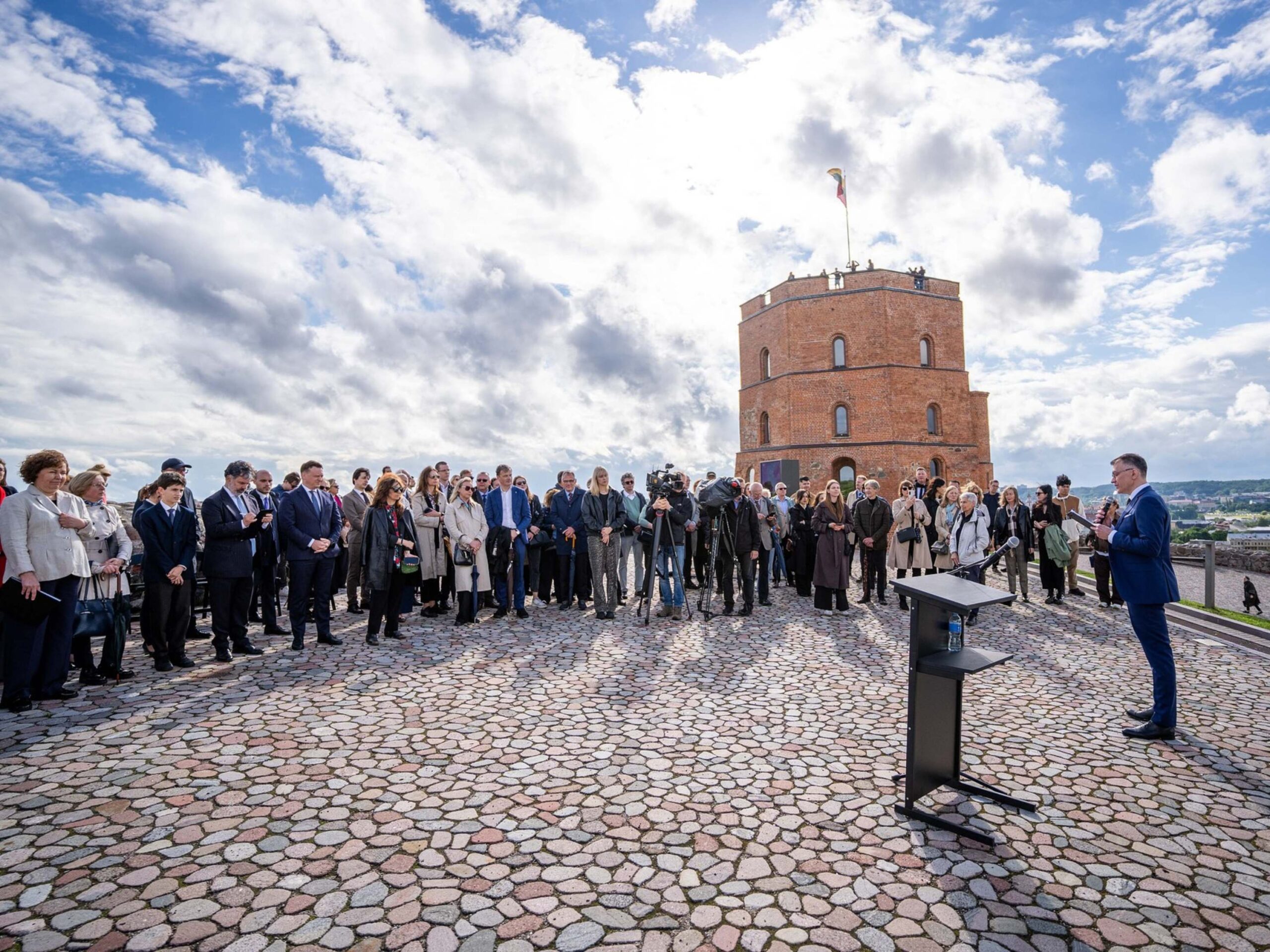
Since 2019, two of Rivalta’s sculptures, “Lions”, have been permanently displayed at the Quirinal Palace in Rome. His works have subsequently been exhibited at Italian embassies and residences in Washington, Paris, Dublin, Oslo, and other important cultural and diplomatic venues. In 2025, the artist held his first solo exhibition in Saudi Arabia, Merging Landscapes, and in 2026 presented the large-scale exhibition Blowing Figures into Space in public spaces throughout Stockholm.
About the National Museum of Lithuania
The National Museum of Lithuania is Lithuania’s first public museum. It preserves a collection of more than 1.5 million museum objects and comprises 12 branches. The museum researches, preserves, and presents Lithuania’s history, culture, and identity while seeking contemporary ways to engage today’s society with the past. The Gediminas Castle Tower is the most visited branch of the National Museum of Lithuania.
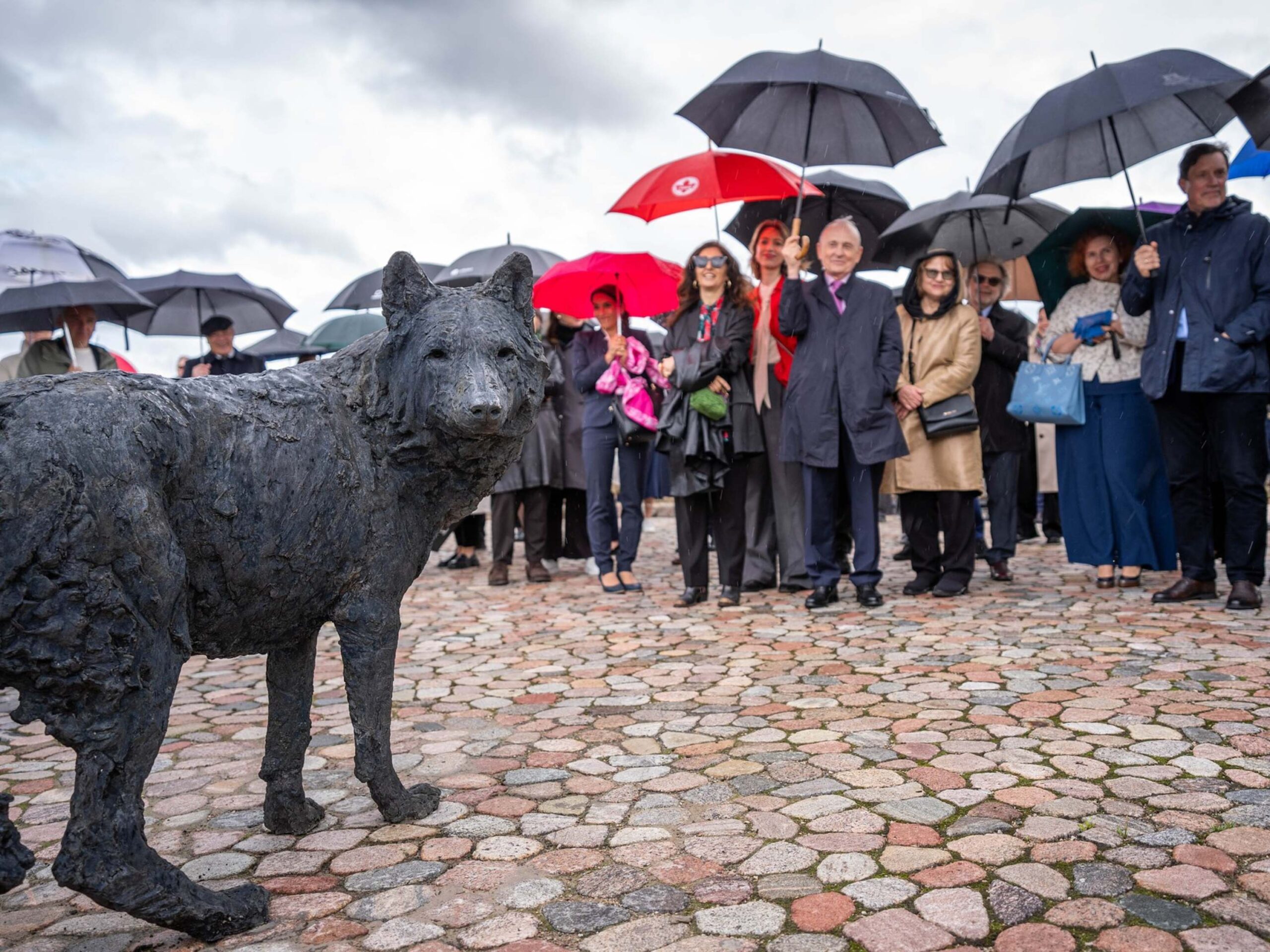
Photos: Silvestras Samsonas, NML