Sweet Roots and Fruits of Learning: Lithuanian Museum Professionals Have Never Had Such Opportunities to Improve
2026 02 17
Recall the teacher whose lessons you most enjoyed at school, or the tour guide whose vivid storytelling transported you into the past. These examples clearly show how much a knowledgeable professional can offer—someone capable not only of inspiring, but of sparking curiosity. For some time now, Lithuanian museum professionals have also been drawing inspiration from leading museums and experts around the world, seeking to learn about the latest trends and surprise today’s museum visitors. Helping make this possible is the national museum competency development program MARTA.
Funded by the Lithuanian Ministry of Culture, the MARTA program launched in 2023 and has continued to grow steadily. From the very beginning, the Lithuanian National Museum (NML) took the initiative to become a competence center for national and state museums and, together with the organization “Kūrybinės jungtys” (“Creative Connections”), developed a methodology based on peer learning. NML Director General Rūta Kačkutė recalls the origins of the program, noting that MARTA was born from observing the everyday realities of museums.
“It was clear that the sector lacked a systematic, long-term model for developing professional competencies. Lithuania no longer trains museum specialists, and the generation of experienced employees is gradually stepping back. When launching MARTA, we sought not quick results but a solid foundation—to create a program that would be alive, growing and meaningful for the museum community itself,” says Kačkutė.
-
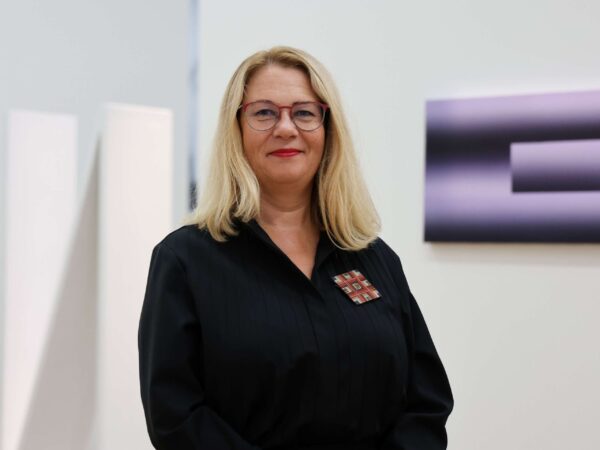
- NML general director Rūta Kačkutė. Photo: Eglė Marija Želvytė
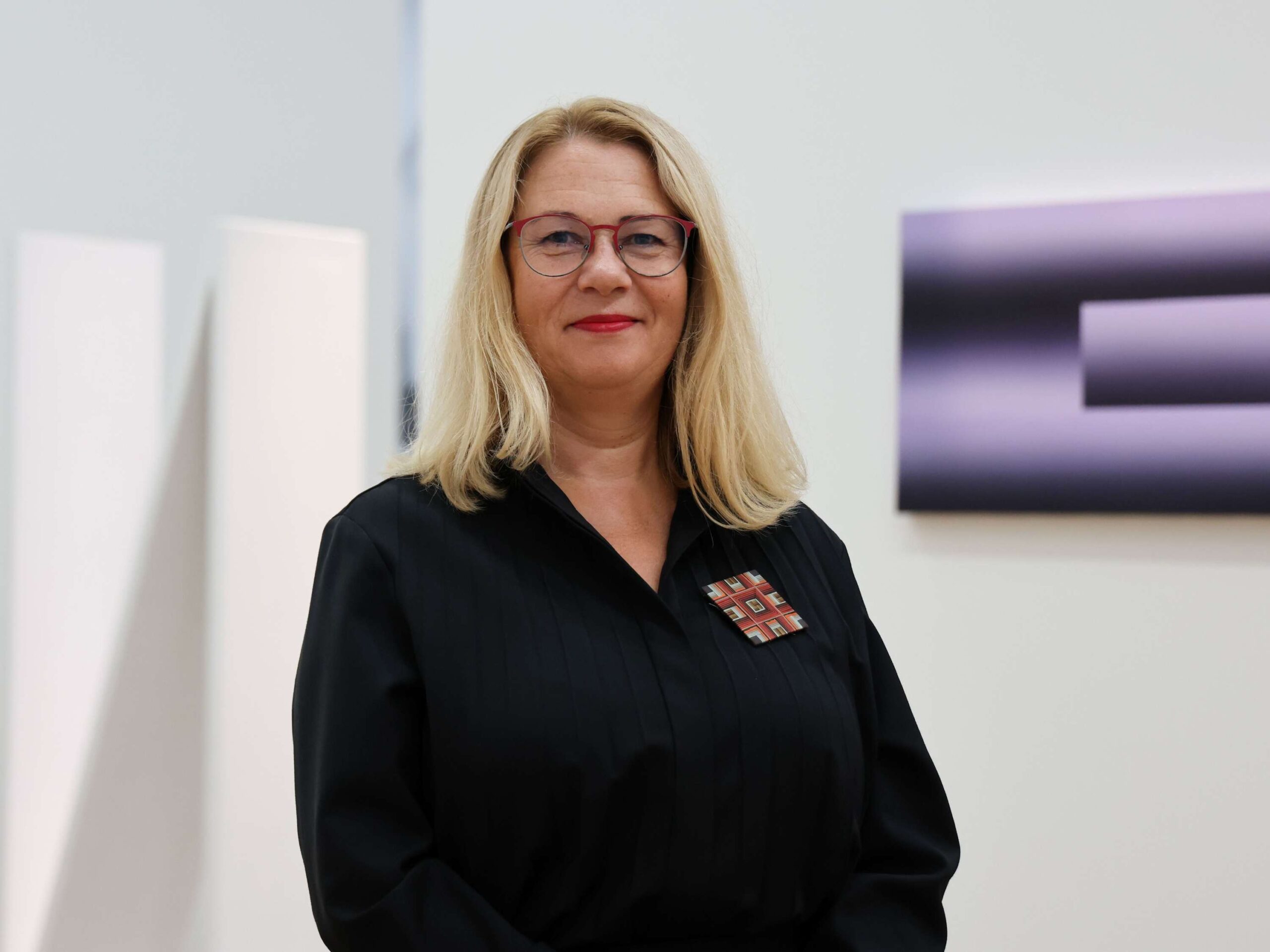
The program’s ambitions were high: to open the doors of world-class museum practice to Lithuanian professionals and ensure that this knowledge would return to the sector through sharing, peer learning and networking.
“We aimed to create not just another cycle of training, but long-term change—a community that learns, reflects and cultivates its own future. Now, looking at the full three-year cycle, I see that expectations have not only been met but in some cases exceeded. A vibrant, independent and highly active museum community has formed, one that generates ideas, shares experience and initiates joint projects,” Kačkutė observes.
MARTA’s Results, International Recognition, and Participant Experiences
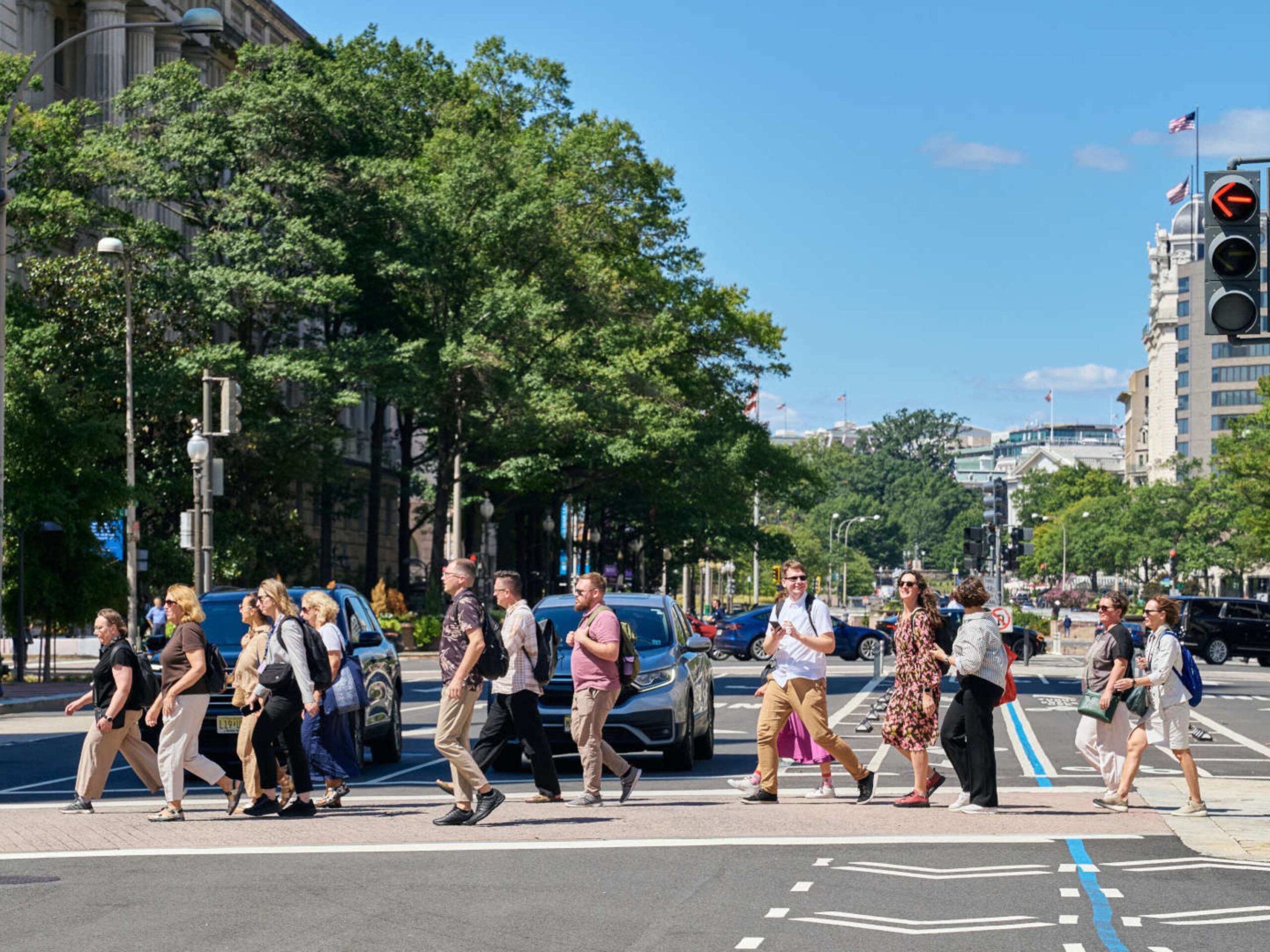
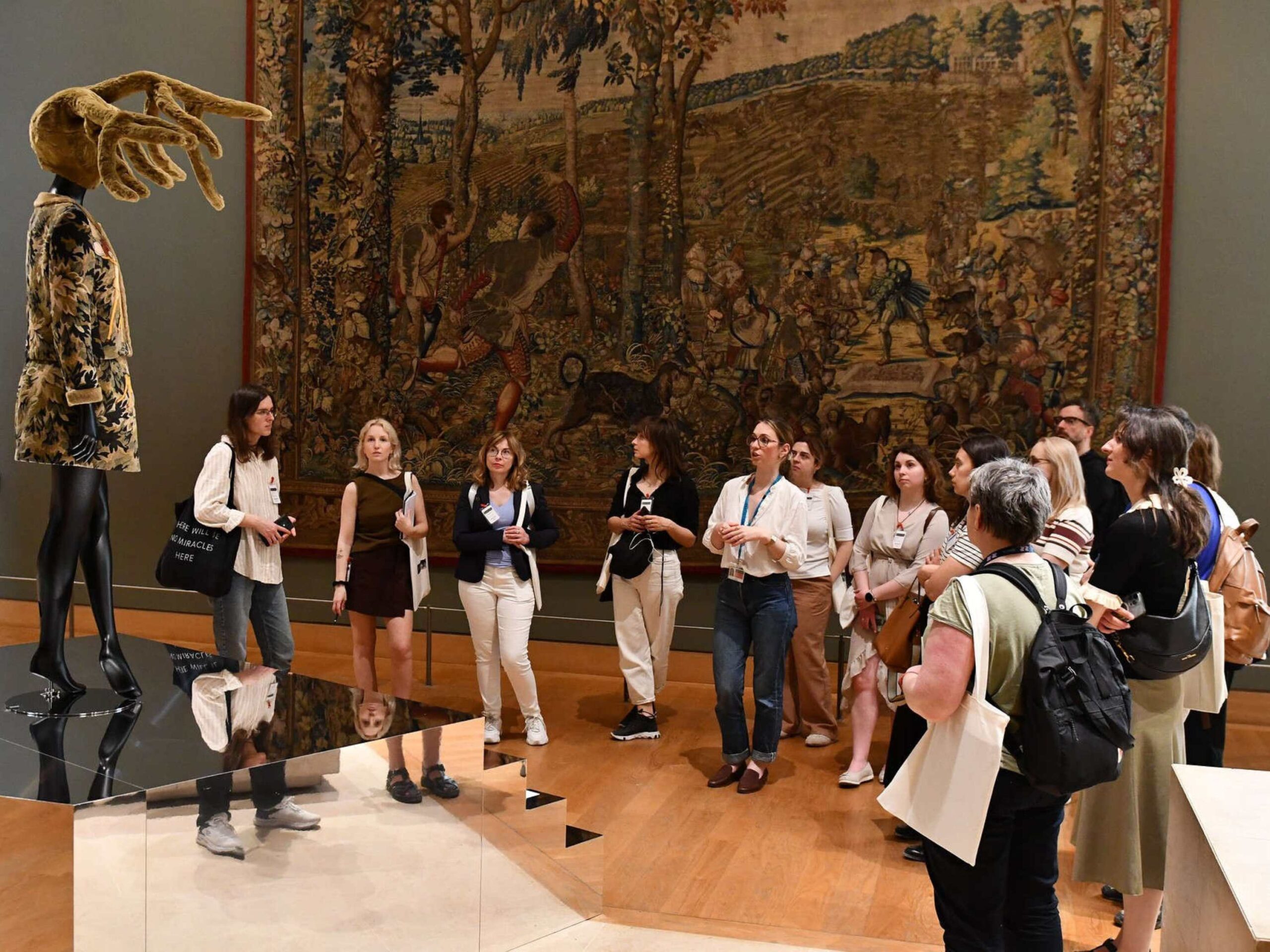
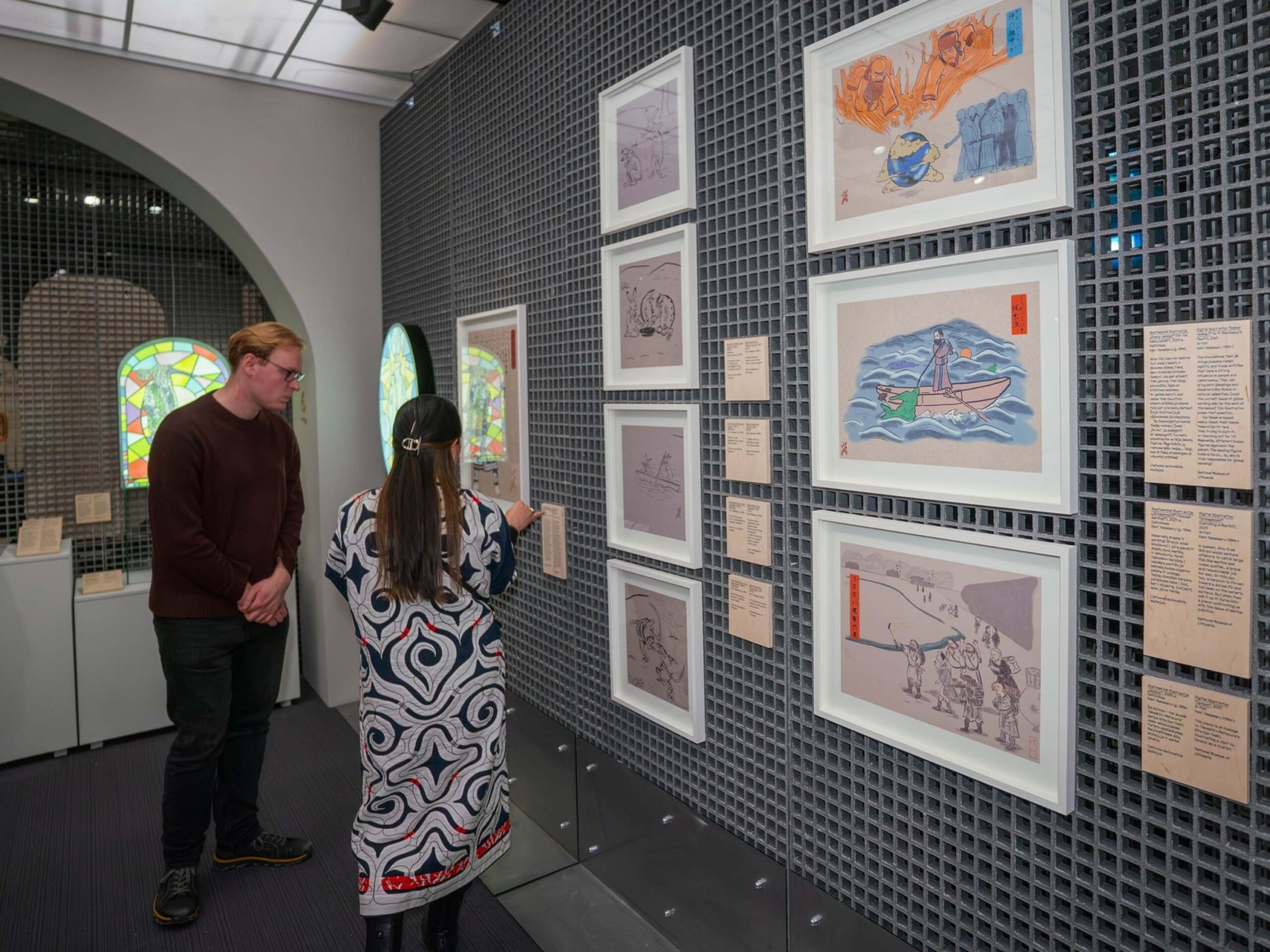
Over three years, the MARTA program has enabled Lithuanian museum professionals to visit 63 different cultural institutions across Europe and the United States, where they met with museum teams and became familiar with their working methods. More than 3,000 participants have taken part in internships, seminars, networking events and residencies organized by the program, engaging with expert lecturers from around the world. The initiative has also received international recognition: it was longlisted for the International Council of Museums’ “ICOM Award for Sustainable Development Practice in Museums.”
Staff from one of Lithuania’s most visited institutions, the Lithuanian Sea Museum (LJM), also participated in MARTA training. Their teams traveled to museums in the United States, the Netherlands, Sweden, the Czech Republic, Poland and the United Kingdom, where they explored best practices in education, sustainability, exhibition design, collections care and accessibility.
-
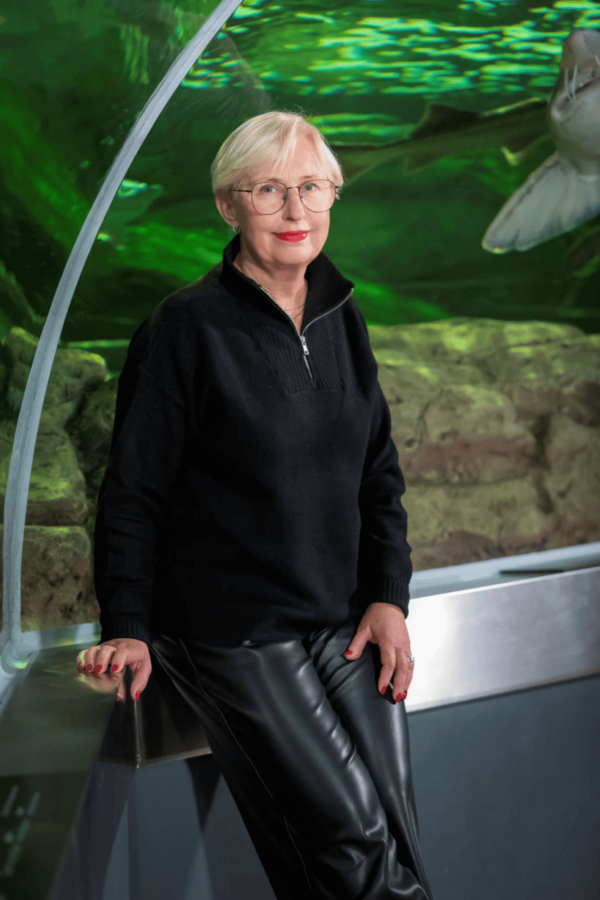
- LJM director Olga Žalienė. Photo: personal archive
“Thanks to the program, we can better understand our audiences and build more meaningful, open relationships with society. At the same time, MARTA creates space for dialogue between different museums and offers opportunities to form long-term professional connections. Separate, closed ‘bubbles’ between museums are shrinking, and a more open culture of communication is expanding,” says Olga Žalienė, director of the LJM.
MARTA Helps Museums Function as a Community
Marius Pečiulis, chairman of the Lithuanian Museums Association and director of the Kaunas Ninth Fort Museum, says the MARTA program is one of the most significant recent impulses for professional growth in Lithuania’s museum sector.
“It provides what museology has been lacking—a systematic, targeted and future-oriented development of competencies. Most importantly, MARTA helps museums transition from a traditional institutional model to a modern, visitor-engaging, data- and innovation-driven approach. This means better communication, stronger educational content, more sustainable management and greater visibility of museums in society,” he says.
According to Pečiulis, collaboration is a cornerstone of the MARTA program. Lithuanian museums vary greatly in size, resources and experience, making interinstitutional knowledge exchange essential for overall sector progress.
-
- Head of the Lithuanian Museums Association, Marius Pečiulis. Photo: Karolina Vilkelienė
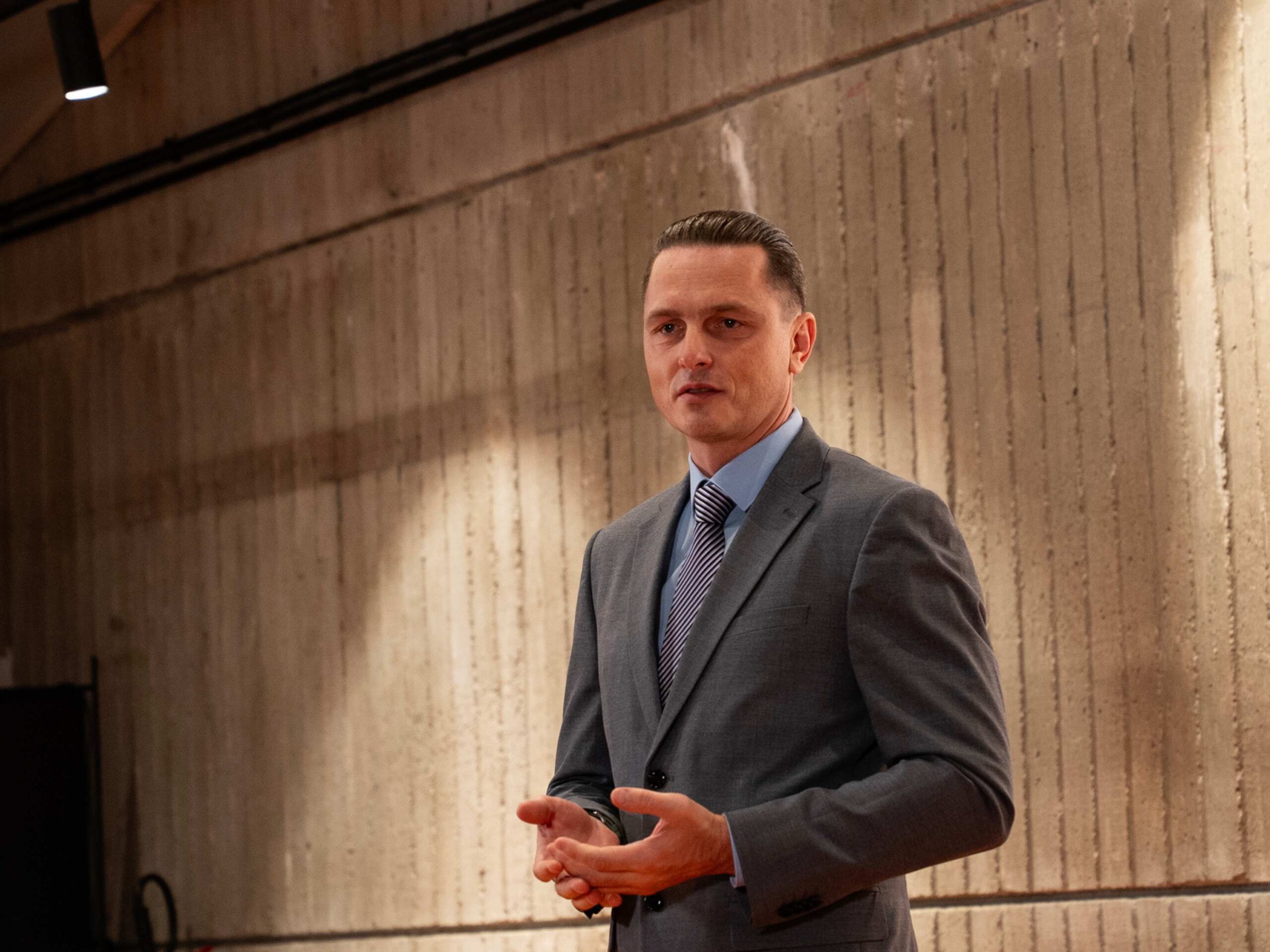
“Museums often work not together but in parallel, which leads to lost opportunities for synergy. MARTA is changing this situation and helps museums operate as a community rather than as an archipelago of separate islands. This strengthens the entire sector, not just individual institutions,” he adds.
The growing museum community fostered by MARTA has also inspired new initiatives. In 2025, “Mažoji MARTA” (“Little MARTA”) was launched to encourage peer-to-peer knowledge sharing and the exchange of international experience. A residency program called “Kūrybatorija” was introduced, and an “Educators’ Camp” has been held in Klaipėda for two consecutive years. A series of seminars on topics relevant to the museum sector has also been developed and made accessible through the “Kompetencijų biblioteka” (“Competency Library”) online learning platform.
Long-Term Changes for the Strength of Lithuania’s Museum Sector
Perhaps the most active participation in the program has come from the Lithuanian National Museum of Art (LNDM). Its deputy director, Jolanta Marcišauskytė-Jurašienė, says the strong interest is easy to explain: colleagues see the program not as formal training, but as a refreshing break from routine—an opportunity to return with both knowledge and genuine inspiration.
“MARTA acts like an injection of adrenaline into the muscles of Lithuania’s museum sector. Although changes in the sector never happen quickly and depend on many factors, this impulse encourages us to look at our work differently, reduces inertia, plants the seeds of new ideas and helps us discover one another,” she says.
-
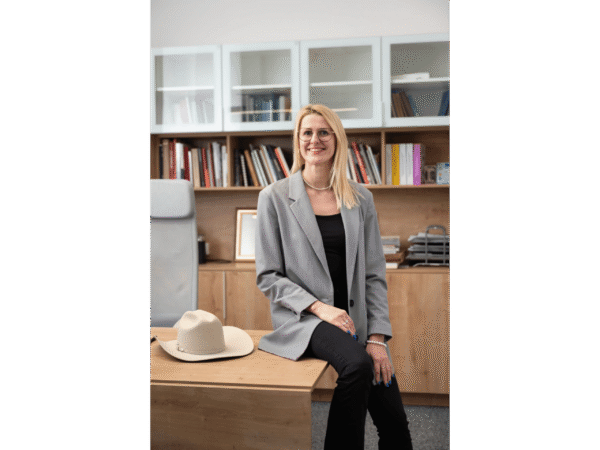
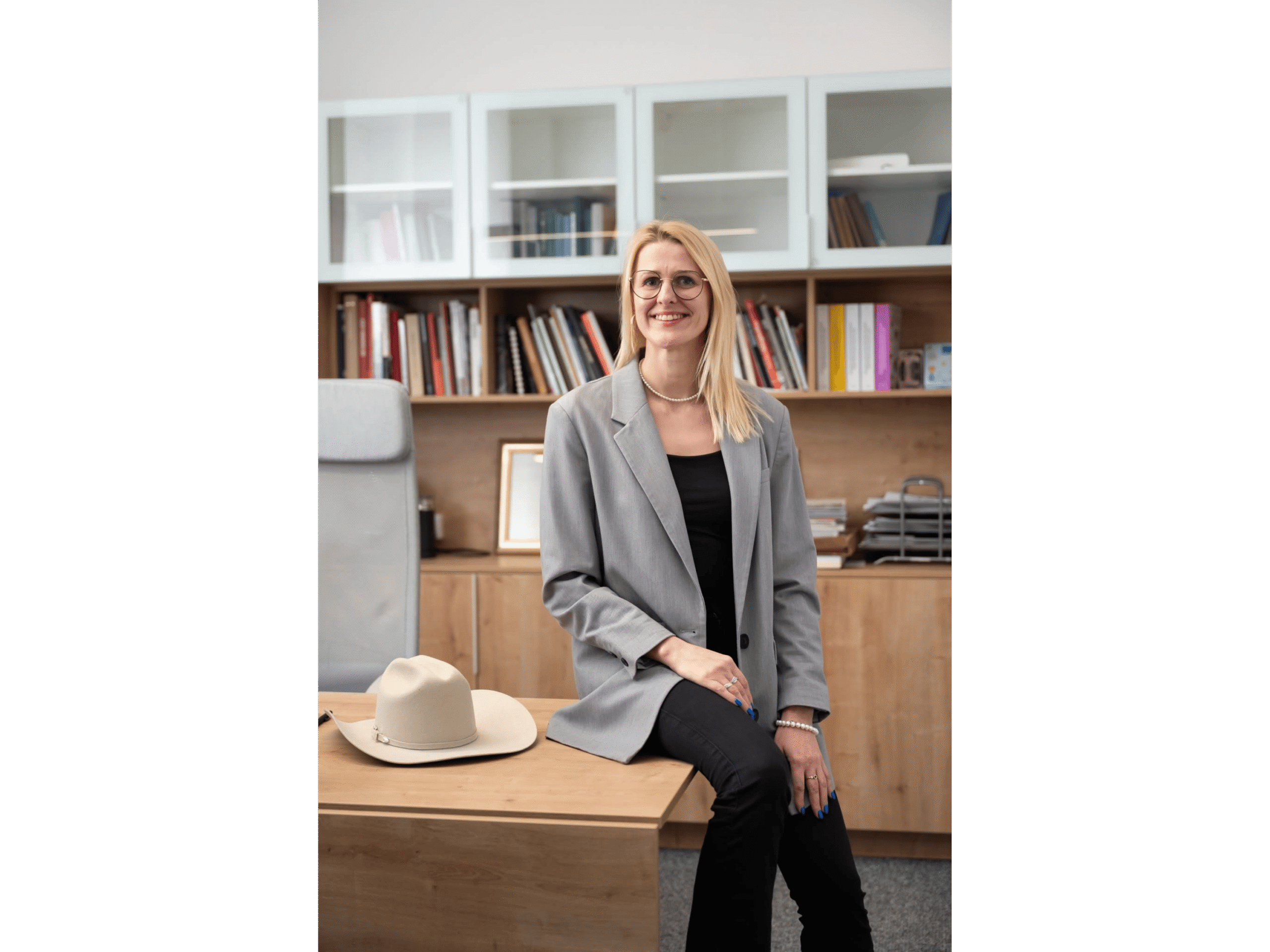
- LNDM deputy director Jolanta Marcišauskytė-Jurašienė. Photo: Gintarė Grigėnaitė
She adds that MARTA helps reduce isolation by fostering both professional development and a sense of community.
“Those who return share their experiences in internal meetings, spreading these ideas within their own and other institutions’ teams. Visitors may not feel the impact immediately—change takes time and the right conditions. Perhaps in five to ten years, when those seeds have grown and people wonder where it all came from, it will be meaningful to remember how the ground was prepared and the seeds were planted,” she reflects.
Meanwhile, Pečiulis believes visitors may notice changes sooner, emphasizing that MARTA is not only internal professional training but also an investment in the visitor experience.
“Growth in competencies is directly reflected in the everyday life of museums: exhibitions become clearer and more engaging, while education, communication and visitor services improve,” he says.
Looking Ahead: The MARTA+ Lecturer Network
Kačkutė notes that MARTA has filled a gap by creating a space where professional development is driven not by obligation, but by motivation, growth and a sense of community.
“Museum professionals were looking for opportunities not only to improve their qualifications, but also to learn from one another, test ideas and discuss challenges in a safe environment. The high number of applicants for internships, active participation in training and the emergence of a self-forming alumni community show that the program has met a very precise need. Museum professionals are now asking bolder questions, taking a broader view of their role, seeking solutions, adapting international practices to the Lithuanian context and consciously systematizing and sharing knowledge with colleagues,” she says.
-
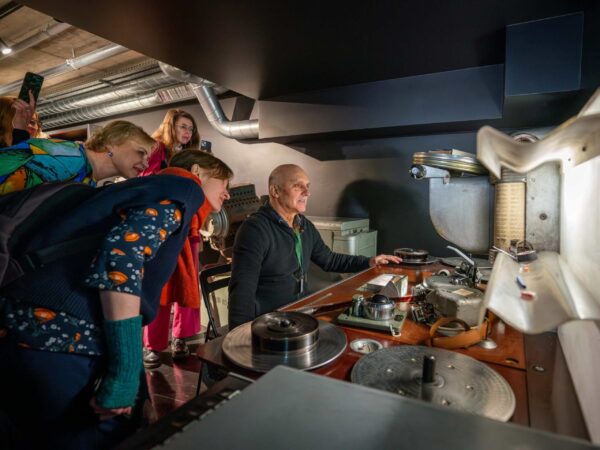
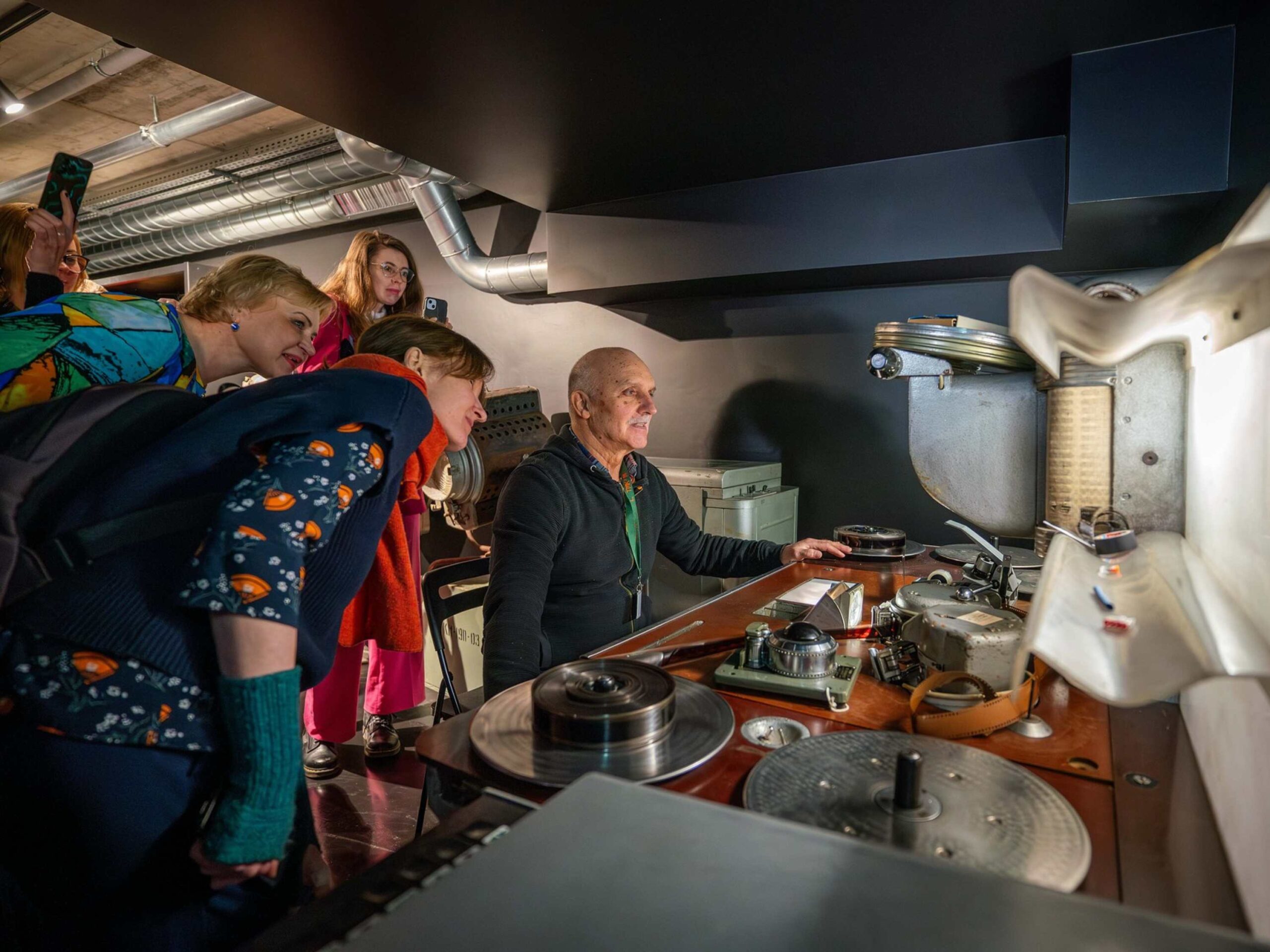
- Moments from the „Little MARTA“ initiative. Photo: Silvestras Samsonas
In 2026, the MARTA program enters a new phase, introducing the MARTA+ lecturer network. According to Kačkutė, this is a natural continuation of the initiative.
“This evolution of the program will further strengthen the sustainability and dissemination of knowledge in Lithuania’s museum sector. The MARTA+ network will give museum professionals who have already gained international experience the opportunity to become lecturers and independently share their knowledge with colleagues across the country,” she says.
MARTA Program 2025 Activity Report.
More about the MARTA program: click here.
From 2023 to 2025, the National Museum of Lithuania implemented the centralized MARTA program for professionals working in national and state museums, with funding from the Ministry of Culture of the Republic of Lithuania.
-
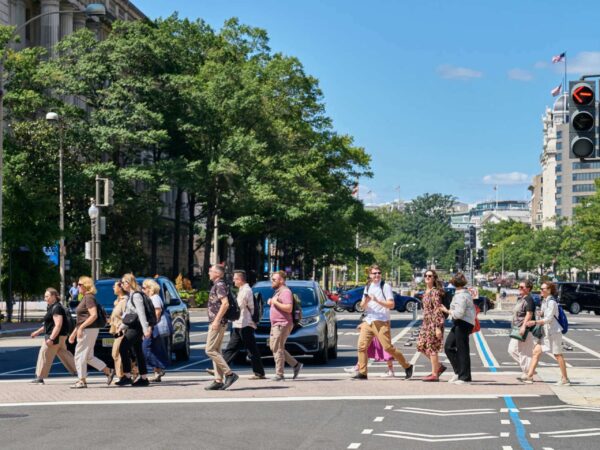
- MARTA program internship 2025 in Washington, USA. Photo: Darius Kuzmickas