Celebrating World Autism Awareness Day – the Lithuanian National Museum Shows an Example of How to Create an Inclusive Environment for All
2026 04 02
World Autism Awareness Day, celebrated on April 2, reminds us of the still urgent need to create a more open and accessible society. The role of cultural institutions is becoming increasingly important here – they can help reduce exclusion and create safe and inclusive spaces. This year, the National Museum of Lithuania (NML) continues its “All According to Plan” ceramics education, aimed at children with autism spectrum disorder and their families.
Inclusion Starts With a Safe Environment
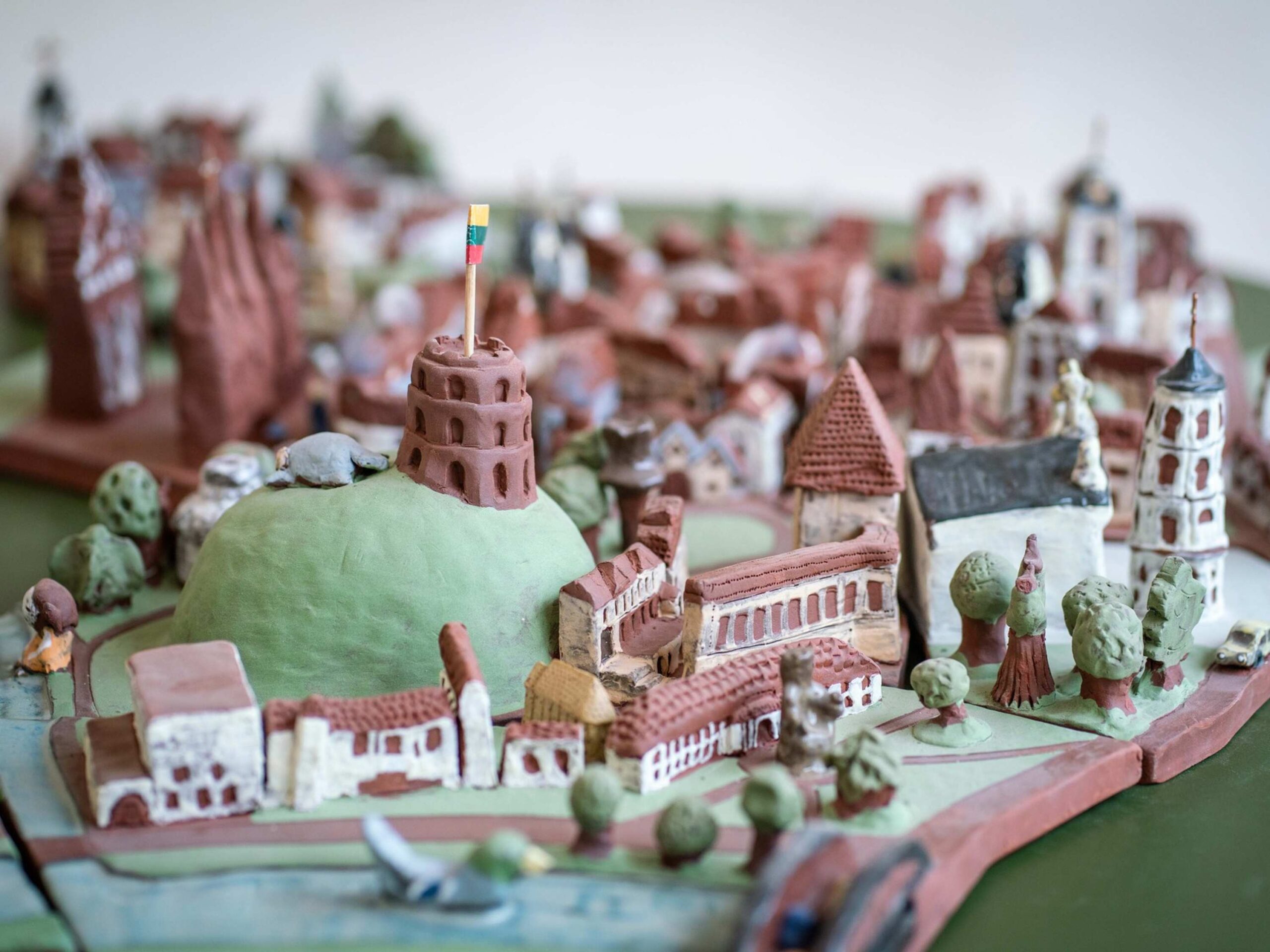
LNM has been purposefully creating inclusive activities for different communities for several years, and the “All According to Plan” educational ceramics classes are one of the long-term initiatives aimed at children with autism spectrum disorders and their families. The project was born in cooperation with the Vilnius Pottery Workshop out of the need to create a safe and sensory-friendly environment where children could spend time while developing their creativity.
According to Lina Sasnauskienė, head of the autism association “Lietaus vaikai” (“Children of the Rain”), the environment of activities should be sensorially friendly and predictable: it is important that all people who meet visitors are prepared and the content is accessible in different ways – not only by listening, but also by seeing, touching, moving.
“In inclusive activities, it is important to regulate light and sound according to existing needs, have spaces for calming down, provide the opportunity to move or use sensory tools. Clarity and predictability are also important: visual schedules, as well as social stories, help children feel safer,” says L. Sasnauskienė.
Agnė Putelytė, coordinator of community projects at the NML, says that these principles are consistently applied in practice at the museum, creating an environment that is understandable, safe and adapted to the needs of children.
-
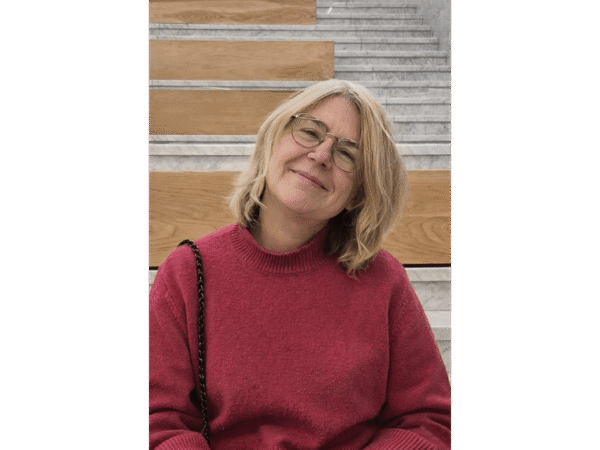
- Agnė Putelytė. Photo: personal archive
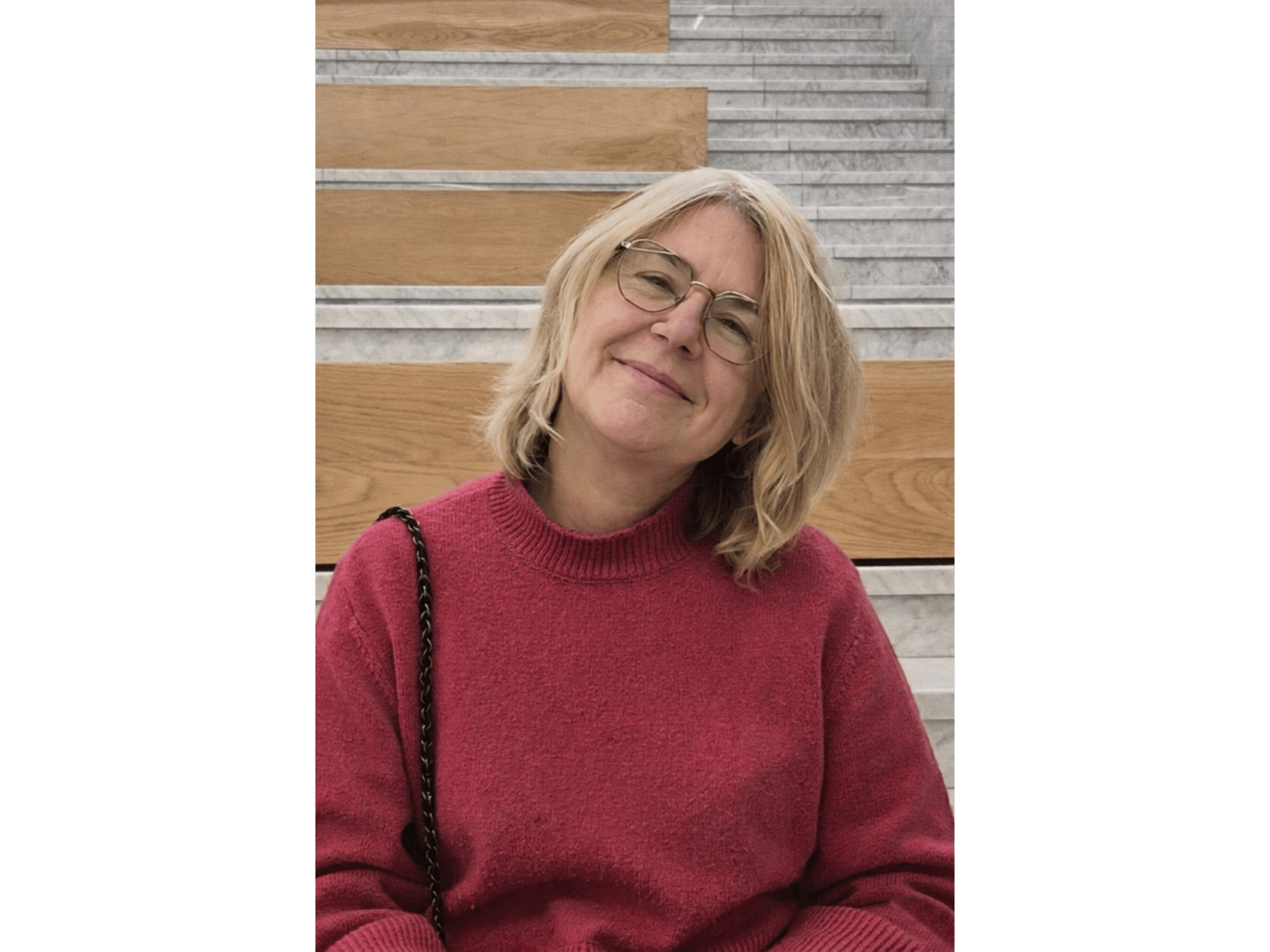
“We always try to ensure that the pottery classes are clearly structured and predictable – participants are introduced to the course of the activity in advance, we use visual explanations, and the space is adapted so that there are as few sensory stimuli as possible. We also have quieter areas where children can step back from the activities and calm down. Such an environment helps them feel safer and more courageous to engage in the creative process,” says A. Putelytė.
How to Create a Friendly Environment for Autistic Children?
According to L. Sasnauskienė, inclusion primarily means the opportunity for a child and his family to participate in social life without fear of rejection. When cultural or educational activities are adapted to the different needs of autistic children, the family can feel safe and courageous to get involved, and the child can feel accepted and welcome.
“Inclusion also means flexibility – the ability to choose how to participate and different ways to get involved. Such an environment not only helps children with autism spectrum disorder, but also creates a more open, understanding experience for all visitors,” says L. Sasnauskienė.
-
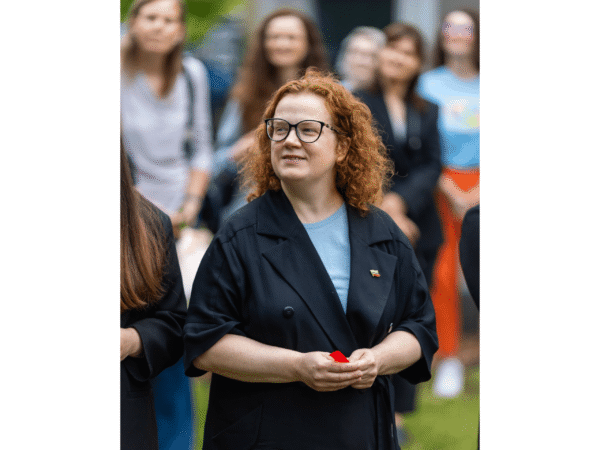
- Lina Sasnauskienė. Photo: Giedrius Matulaitis
According to her, the most important thing to understand is that neurodiversity is not “bad behavior” or “bad parenting.” A child’s reactions are often a signal of the stress they are experiencing – noise, crowds, unclear rules, sudden changes, or sensory discomfort.
“When the environment becomes friendlier – with clear instructions, less chaos and the opportunity to take breaks – it is easier for a child to learn, communicate and be themselves. It is also important to abandon the approach that one solution fits all: children’s needs differ, therefore inclusion is most effective when different options are created, rather than offering one “correct” way of participation,” says L. Sasnauskienė.
According to Elena Aleksejeva, a ceramist at the Vilnius Pottery Workshop, in practice this usually means not a uniform activity model for everyone, but the ability to adapt to each child’s pace, sensitivity and individual wishes and choices.
“Each child comes to the classes with different needs, therefore flexibility is very important – if they do not want to touch clay, we offer other activities or simply being there. We see that in a safe environment trust and a desire to get involved gradually emerge. On this path, it is important that cultural institutions join forces and at the same time increase accessibility – both sides learn. Even everyday details show this: colleagues, having seen directional arrows put out on the floor, already know that we will have children with autism spectrum disorder. This helps the whole team prepare in advance and respond to the children’s needs,” notes E. Aleksejeva.
-
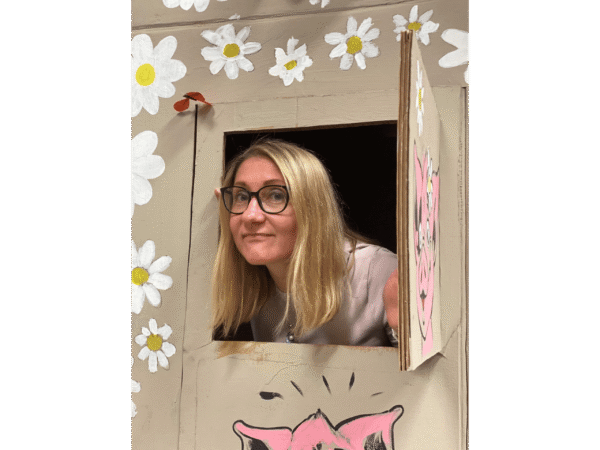
- Elena Alekseeva. Photo: personal archive
Inclusive Community – the Path to Less Social Isolation
L. Sasnauskienė notes that it is community activities that create a sense of belonging – for a child, this means that he or she can be among people without experiencing shame or constant behavior correction.
“For families, this means less isolation: there are opportunities to meet, share experiences, feel support and be bolder in public spaces. Our association arose from the need for families to act together and strive for change – so that families raising autistic children have more opportunities to live a full, inclusive life,” says L. Sasnauskienė.
The head of the association adds that the involvement of cultural institutions is extremely significant here: by opening its doors and adapting creative activities, the NML sends a clear message – everyone can participate in cultural activities and is welcome.
“This is what true inclusion is – when everyone is provided with the opportunity to participate in cultural and social life. International Autism Awareness Day reminds us that we are all part of society. For parents – you are not alone, your child’s needs are important. For educators and cultural institutions – inclusion starts with the essentials: a predictable structure, clear rules, a sensory-friendly environment, prepared staff and respectful communication,” says L. Sasnauskienė.
More information about educational ceramics classes for children with autism spectrum disorder “All According to Plan” can be found here.