Lithuanian museum workers’ internship in Northern Italy – intensive days dedicated to collection management
2025 11 28
On 10–14 November, the MARTA competency development programme for professionals of Lithuanian national and state museums opened up an opportunity for museum workers from Lithuania to take part in an internship in Northern Italy. The theme of the internship was collection management, and the extensive programme included visits to seven museums in Turin and Rivoli.
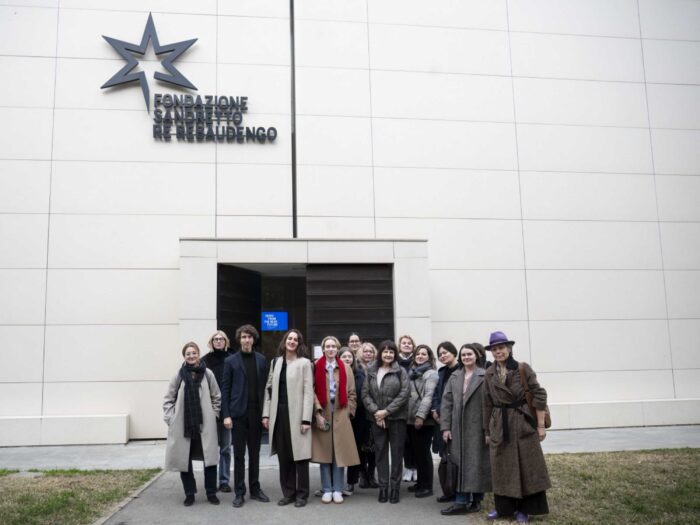
The participants visited storage facilities, exhibitions, held discussions with curators, conservators, and collection specialists, and also took part in group reflection sessions. The team of museum professionals from Lithuania visited MAO – Museo d’Arte Orientale, Fondazione Sandretto Re Rebaudengo, Castello di Rivoli, The Cerruti Collection, Museo Nazionale del Cinema, Fondazione Merz, and GAM – Galleria Civica d’Arte Moderna e Contemporanea.
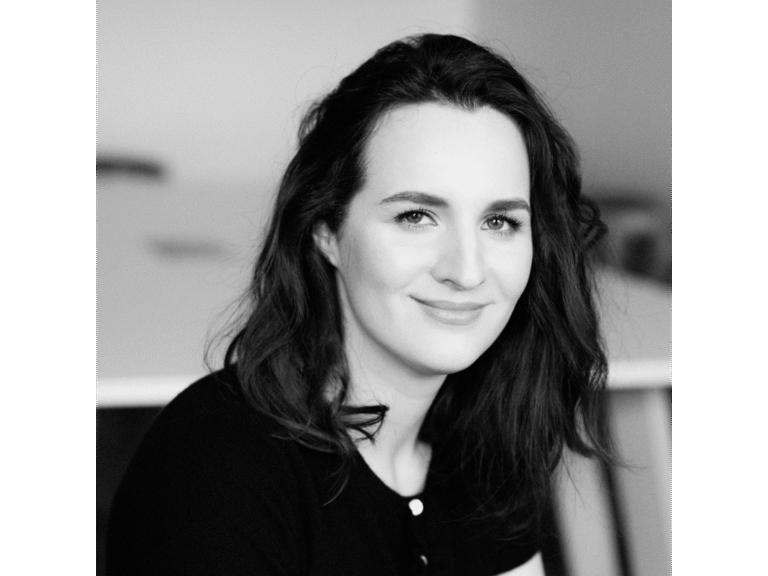
“Turin is truly an exceptional city in the field of museums and culture. Here, rich history, artistic heritage, and modern museum solutions come together. In Turin, one can see how heritage aligns with innovative visitor engagement methods. I believe museum professionals can learn a great deal by observing good practices in Turin and applying them in their own work,” says Brigita Sinickienė, head of the MARTA programme.
-
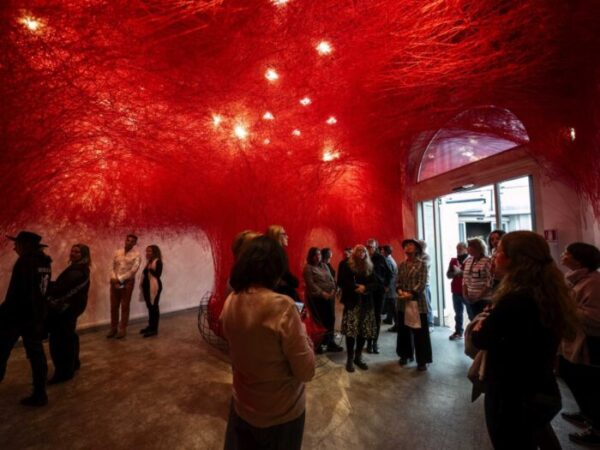
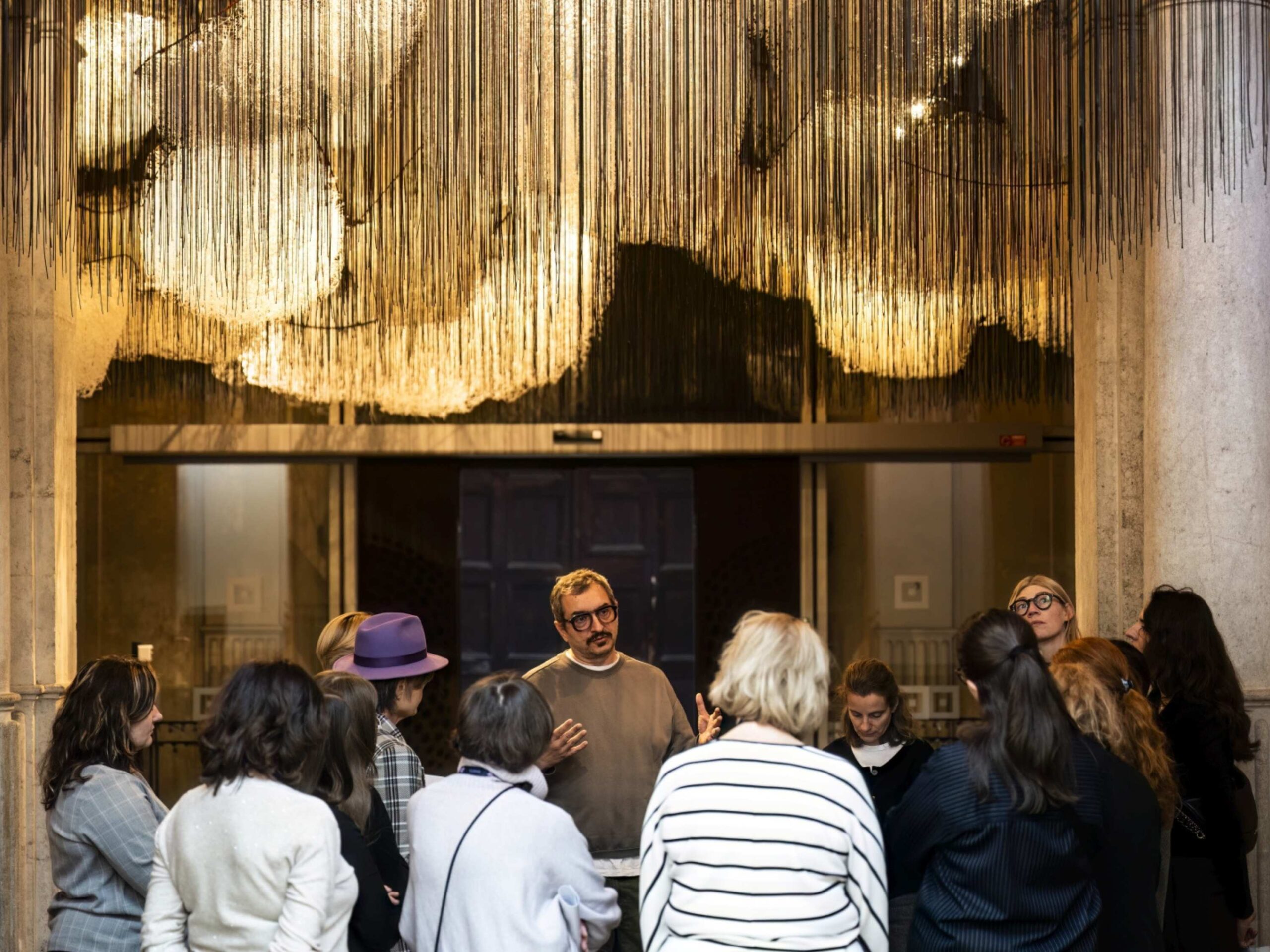
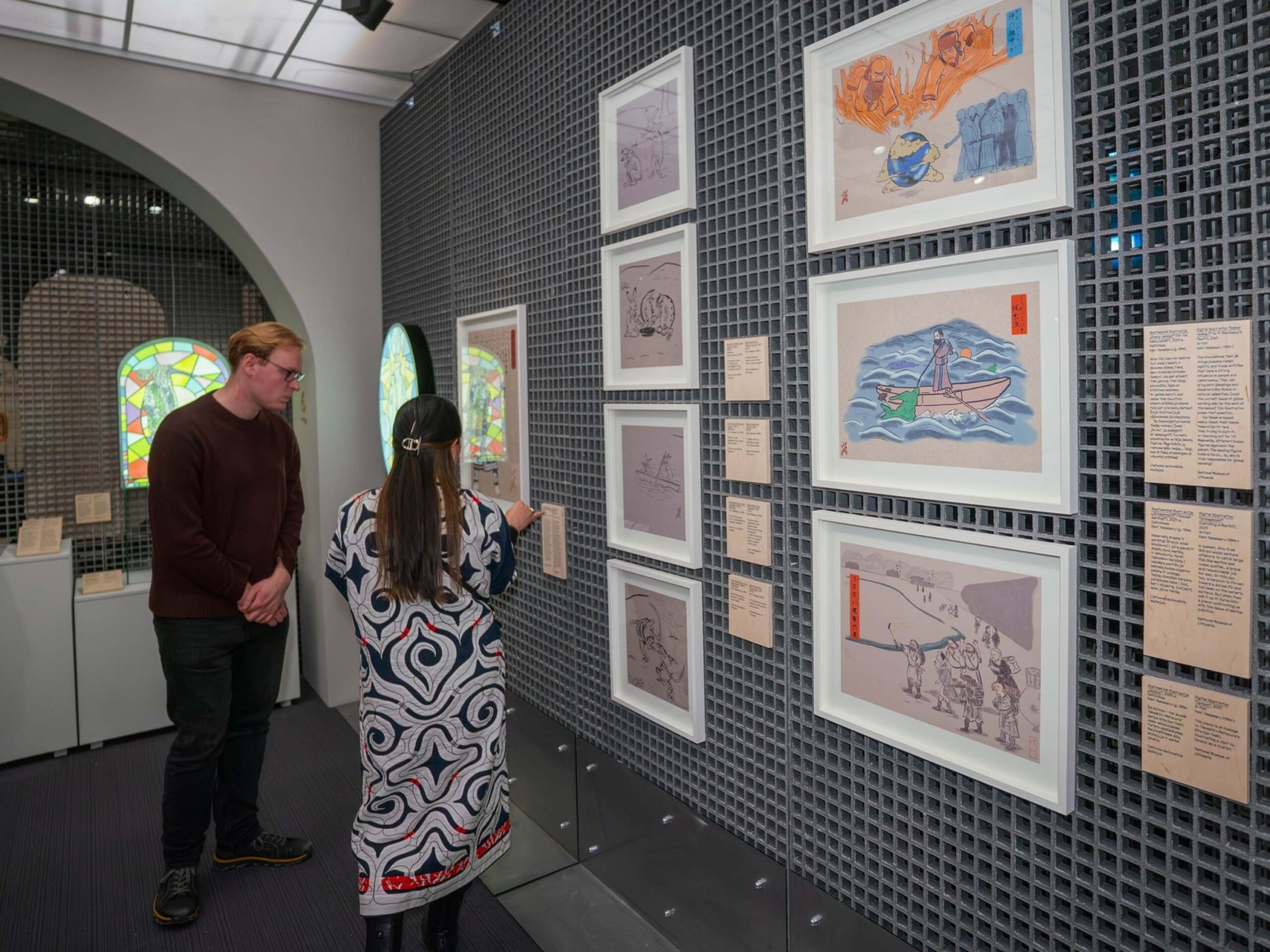
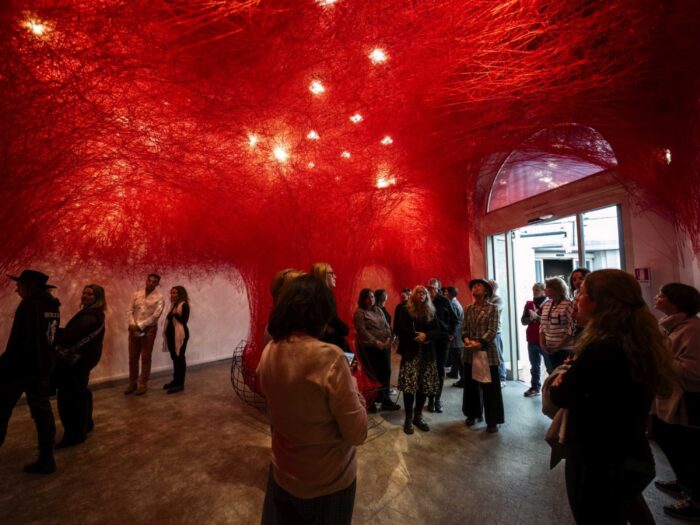
- Moments from the internship of Lithuanian museum professionals in Northern Italy. Photo: Alessio Bergadano
According to her, MARTA is more than ordinary training for museum professionals – the programme enables them to learn from leading international practices, update their knowledge, build relationships with colleagues abroad, and more confidently initiate changes in their own museums.
“MARTA grows people who grow museums. This is evident in the improving quality of services offered by Lithuanian museums. Specialists who have broadened their knowledge create engaging exhibitions, professional educational activities, and ensure a high-quality visitor experience. In this way, the programme brings real benefits not only to museum employees but also to society as a whole,” says B. Sinickienė.
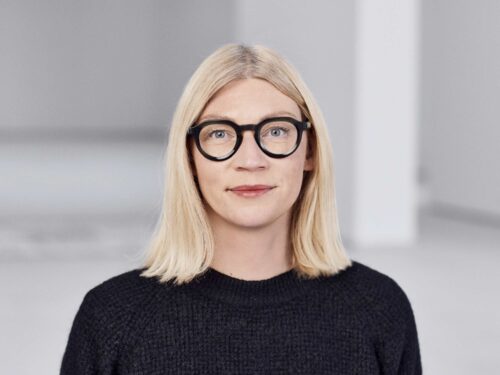
Aušra Trakšelytė, project curator at the Lithuanian National Museum of Art, says she chose the internship in Turin because she is interested in collection formation, care, and different management strategies.
“We visited exhibitions at museums and private contemporary art foundations, met their directors, curators, educators, and collection keepers. A particularly interesting part of the internship was the visits to storage facilities (the Museum of Oriental Art in Turin (MAO), Castello di Rivoli Museum, and the National Museum of Cinema), where we spoke with collection curators and restorers. This helped us better understand how object care processes are organised,” says A. Trakšelytė.
-
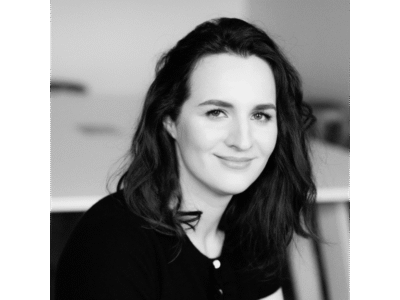
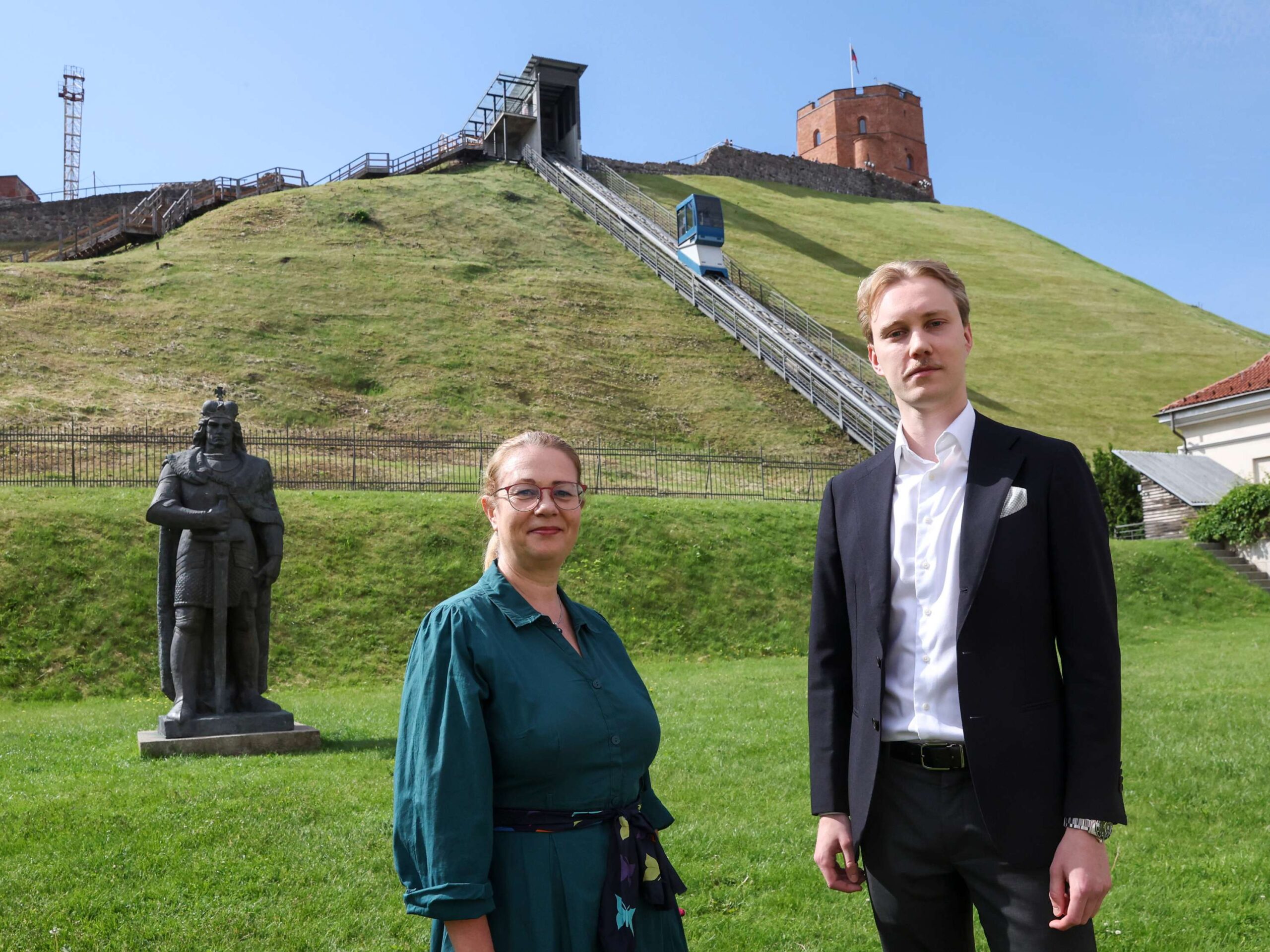
- Head of the MARTA programme Brigita Sinickienė. Photo: Monika Požerskytė
-
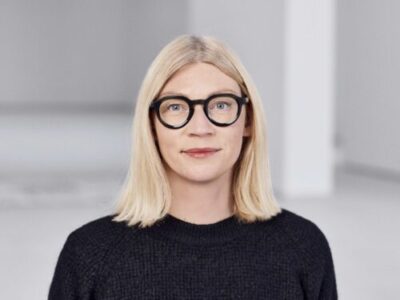
- Project curator at the Lithuanian National Museum of Art Aušra Trakšelytė. Photo: Audrius Solominas
During the internship, A. Trakšelytė had the opportunity to assess how collection-management decisions are reflected in exhibition curation, communication, and institutional identities. According to her, many of the exhibitions visited in Turin were based on collections, offering a good opportunity to evaluate their composition, care, storage, curation, research, and representation.
“It was interesting to learn more about the strategies of different institutions and the financial possibilities of private foundations, which influence the formation of collections and the production of contemporary art. The internship met my expectations and expanded my knowledge,” the curator shared.
Genovaitė Vertelkaitė-Bartulienė, head of the Visual Arts Department at the National M. K. Čiurlionis Museum of Art, says that the internship in Turin was an intensive and idea-rich professional experience that provided a close look at the operating models of different types of memory institutions.
“One of the most valuable experiences during the visit was analysing exhibitions together with their curators. This offered the chance not only to hear the reasoning behind interpretive decisions but also to understand the logic of exhibition concepts,” says G. Vertelkaitė-Bartulienė.
According to the specialist, collection management is a complex, constantly evolving practice requiring interdisciplinary thinking, international cooperation, and creative institutional dialogue. She was particularly impressed by the capabilities of Castello di Rivoli Museum of Contemporary Art to purposefully form and preserve contemporary art collections.
“Contemporary works there are exhibited in historical 18th-century interiors, creating a dialogue between different eras and allowing visitors to reinterpret the meanings of both the exhibits and the building. A common tendency in the exhibitions visited was combining elements of the old and the contemporary,” notes the head of the Visual Arts Department.
The Lithuanian National Museum is implementing the centralised museum competency development programme “Marta” for national and state museum professionals from 2023 to 2025, funded by the Ministry of Culture of the Republic of Lithuania. In implementing the programme, the Lithuanian National Museum, together with its partner “Creative Connections”, has created a training system based on a collegial learning methodology, encouraging museum workers to share experience among themselves. After returning from their internships, participants continue the training in Lithuania by reflecting on the knowledge gained and conducting practical sessions for colleagues, thus strengthening networking across the country’s museum sector.
Thanks to the MARTA programme, Lithuanian museum professionals in 2025 had the opportunity to visit leading museums in France (Paris), the Czech Republic (Prague), and the United States (Washington). The internship in Northern Italy is part of the programme “Cultura Lituana in Italia 2025–2026”.
For more information: click here.
-
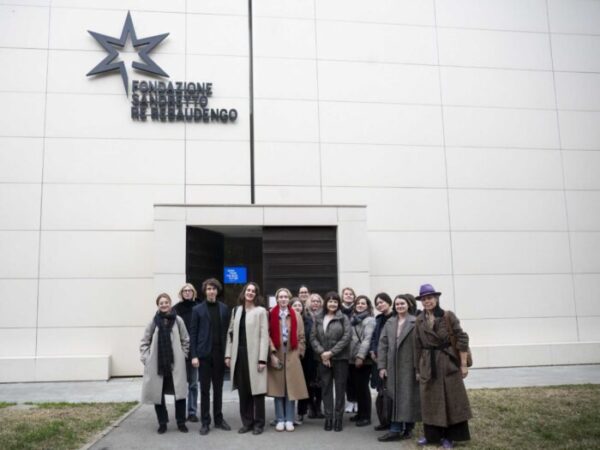
- Moments from the Lithuanian museum workers’ internship in Northern Italy. Photo: Alessio Bergadano