Eva Mattsson on the Roles of Queens and the Mysterious Crown of Catherine Jagiellon
2025 07 02
Why did some 16th-century queens hold real power while others had no access to it? Did coronation always equate to authority? In her lecture The Queen’s Influence, held at the House of Histories of the National Museum of Lithuania (LNM), art historian and writer Eva Mattsson invited the audience to explore the multifaceted roles of women in European monarchies during the 16th century.
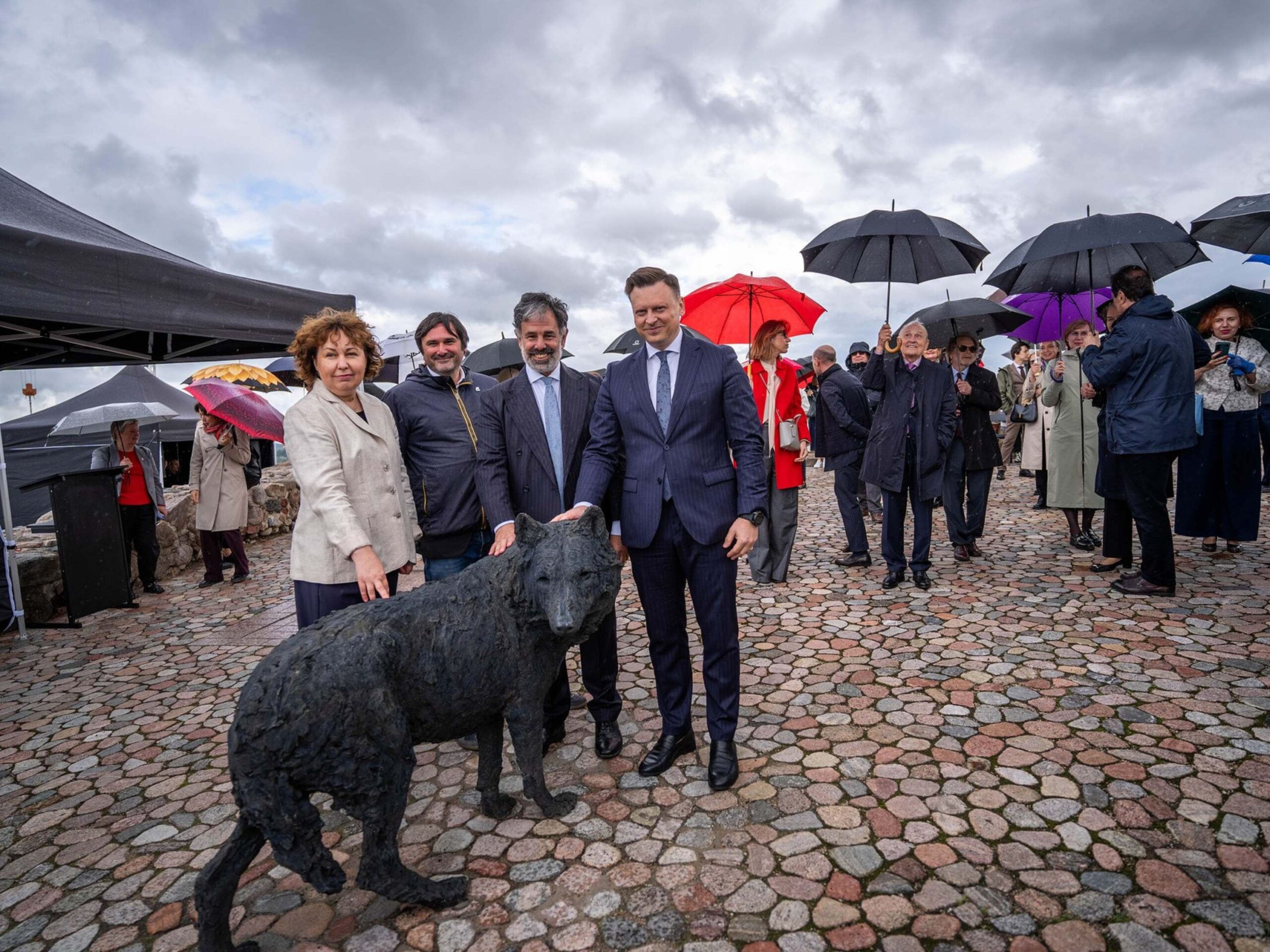
Eva Mattsson, known to Lithuanian readers as the author of “Catherine Jogailaitė, Queen of Sweden”, visited Vilnius in early June for the opening of the international exhibition “Queens, Realms, and Emotions”, dedicated to Barbara Radziwiłł and Catherine Jagiellon. Mattsson was one of the exhibition’s consultants.
Being a Queen
Catherine Jagiellon, Elizabeth I, Anna Jagiellon, Catherine de’ Medici, Bona Sforza—all of them were queens, yet their power, status, and influence varied widely.
“The word queen holds many meanings. A woman may be called queen by virtue of marrying a king, but we also use the same word for a woman who rules in her own right. These are vastly different concepts,” said Eva Mattsson.

A queen regnant or regent was a woman who had inherited the crown and wielded real political power—such figures were rare in the 16th century. One notable example is Queen Elizabeth I of England.
In contrast, a queen consort, even if crowned, was often dependent on her husband’s will. Her status was protected and constrained, and her influence was shaped by the king’s decisions.
There was also the title of queen dowager, who often became guardian and advisor to a prince and could play a significant dynastic role.
Women and Dynastic Ambitions
According to Mattsson, queens were frequently pawns in diplomatic strategy—marriages between major European dynasties served as political, financial, and territorial alliances. “Many princesses married kings and princes from other countries. They left their homelands with an entourage and lived in foreign courts for the rest of their lives—not out of love, but because a relative forged an alliance,” the historian explained.
Catherine Jagiellon, daughter of Sigismund the Old, King of Poland and Grand Duke of Lithuania, was one such figure. Her marriage to John III Vasa, Prince of Finland, became not only a dynastic union but also a subtle peace alliance against Russia and part of John’s struggle with his brother Eric XIV.
Mattsson connects Eric’s downfall to his marriage with a commoner, Karin Månsdotter, which provoked the ire of the Swedish nobility. Karin, the daughter of a soldier, was loved by the king, given an education, and even crowned, to the great displeasure of Sweden’s elite.
“So Karin, too, is an example of a queen—an unusual one for the 16th century, but rather beloved in Sweden. After all, many dream of becoming queen,” Mattsson said with a smile.
Formal and Informal Power
Even when lacking official political authority, queens often held informal power at court, shaping its life, art, fashion, interior design, and even culinary trends.
“Bona Sforza brought Italian culture to Lithuania, but she also contributed substantial funds to the treasury of the Polish Kingdom and the Grand Duchy of Lithuania, helping Sigismund the Old usher in a golden age. Her daughter Catherine introduced root vegetables, culinary aesthetics, and architecture to the Swedish court and society, promoting Catholic culture in a Protestant country: she built churches and invited Italian architects to work in Sweden,” said Mattsson.
These women shaped tastes and traditions, leaving a legacy still visible in both Sweden and Lithuania.

-

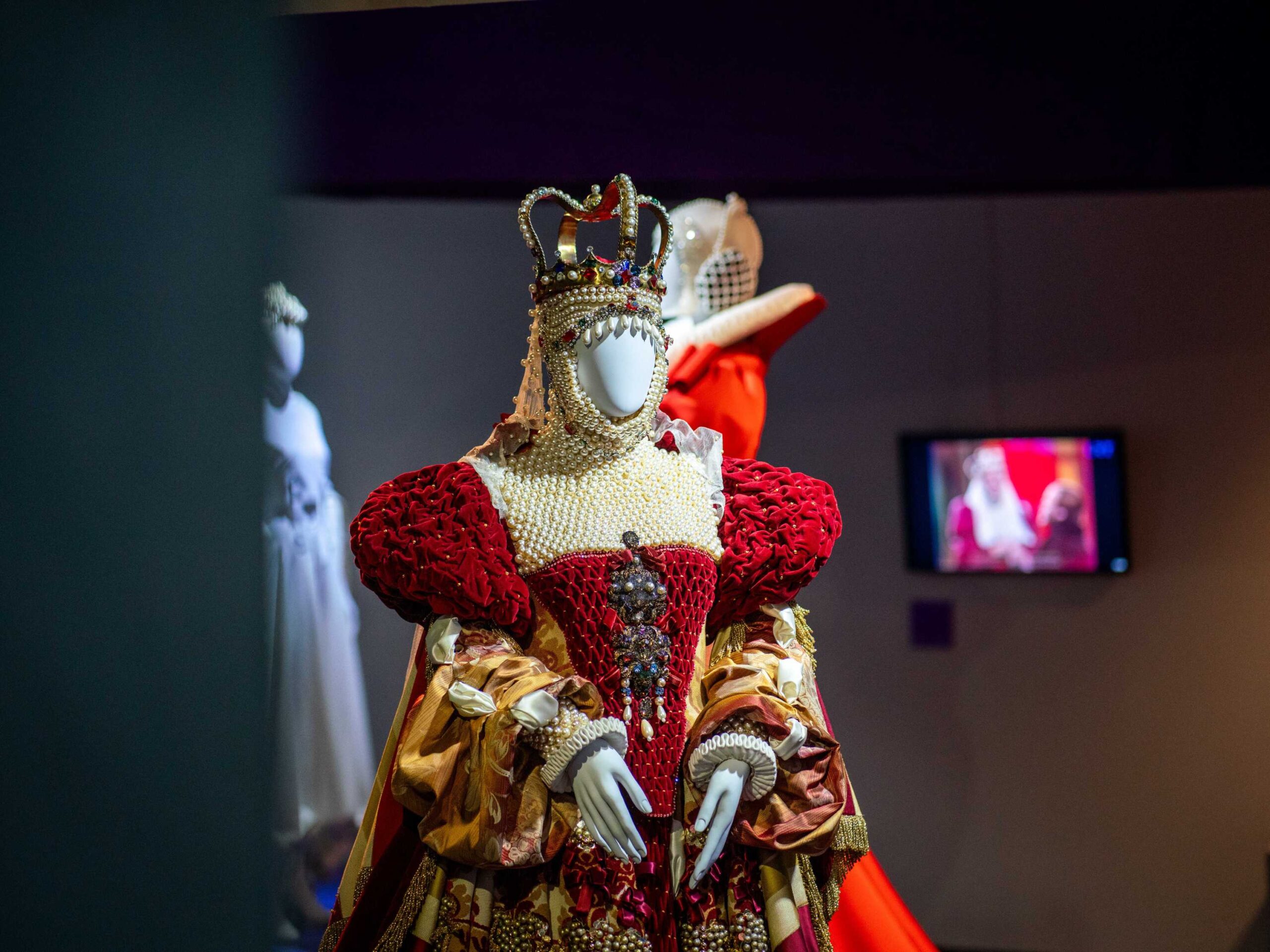
- Tarptautinė paroda „Karalienė, karalystė ir jausmai“ Lietuvos nacionalinio muziejaus Istorijų namuose. Fot. Silvestras Samsonas, LNM

Between Duty and Personal Life
Despite the crowns and royal splendor, queens lived under constant pressure. “A queen’s primary duty was to bear heirs—especially sons. This expectation caused anxiety and weakened their health. They constantly had to navigate between public and private life, their personal desires, and the demands of statehood,” Mattsson noted.
Childbirth was often dangerous. As the historian recalled, Gustav Vasa, King of Sweden, married three times. His second wife, Margaret Leijonhufvud, bore ten children and died at just 35. Such stories illustrate the high price of royal privilege.
Moreover, queens were constantly observed—their attire, behavior, even eating habits influenced courtly fashion and culture, but also made them vulnerable.
Queens lived in a world where their personal emotions—love, sorrow, anger, dissatisfaction, maternal anxiety—were tightly interwoven with political intrigue, dynastic pressures, and an unrelenting expectation to present perfection in public. It is precisely this tension between private and public life that brings humanity to their stories, allowing us to see them not just as regal portraits on canvas, but as women who lived with dreams, fears, and loss.
The Mystery of Catherine’s Crown
Catherine Jagiellon’s story also contains elements of mystery. Mattsson shared a surprising detail from her research in Sweden: “I first heard about Catherine’s crown in 2015. After a lecture, a woman approached me and said: ‘Did you know our church has Catherine’s crown?’ Later, I contacted the church and examined the crown. It was left to the church in 1595—it’s often said the crown was ‘given,’ but more likely, it was hidden.”
Mattsson believes the medallions on the crown, depicting a man and a woman, likely represent King John III and Catherine. Their daughter, Anna Vasa, may have hidden the crown during Sweden’s civil conflict between Catholics and Protestants. “We even have a letter from Anna to her brother, Sigismund Vasa, in which she mentions two of her mother’s crowns and expresses a wish to replace one—so we know Anna had the crown. She lived just three kilometers from the church in question,” the historian noted.
This crown, unexpectedly discovered by Mattsson, is now on display at the “Queens, Realms, and Emotions” exhibition at the House of Histories.
“Queens, Realms, and Emotions” opened on June 4 at the House of Histories and will run until January 4, 2026. The exhibition is curated by artist and place-making specialist Julija Janus, historian Dr. Milda Kvizikevičiūtė from the National Museum of Lithuania, and art historian Dr. Vaida Ragėnaitė. The soundscape was composed by Matas Samulionis. Exhibition architecture was designed by Sigita Simona Paplauskaitė, with visual identity by Rokas Sutkaitis. Souvenir design was created by the cultural startup Slapta meilė (“Secret Love”).

-

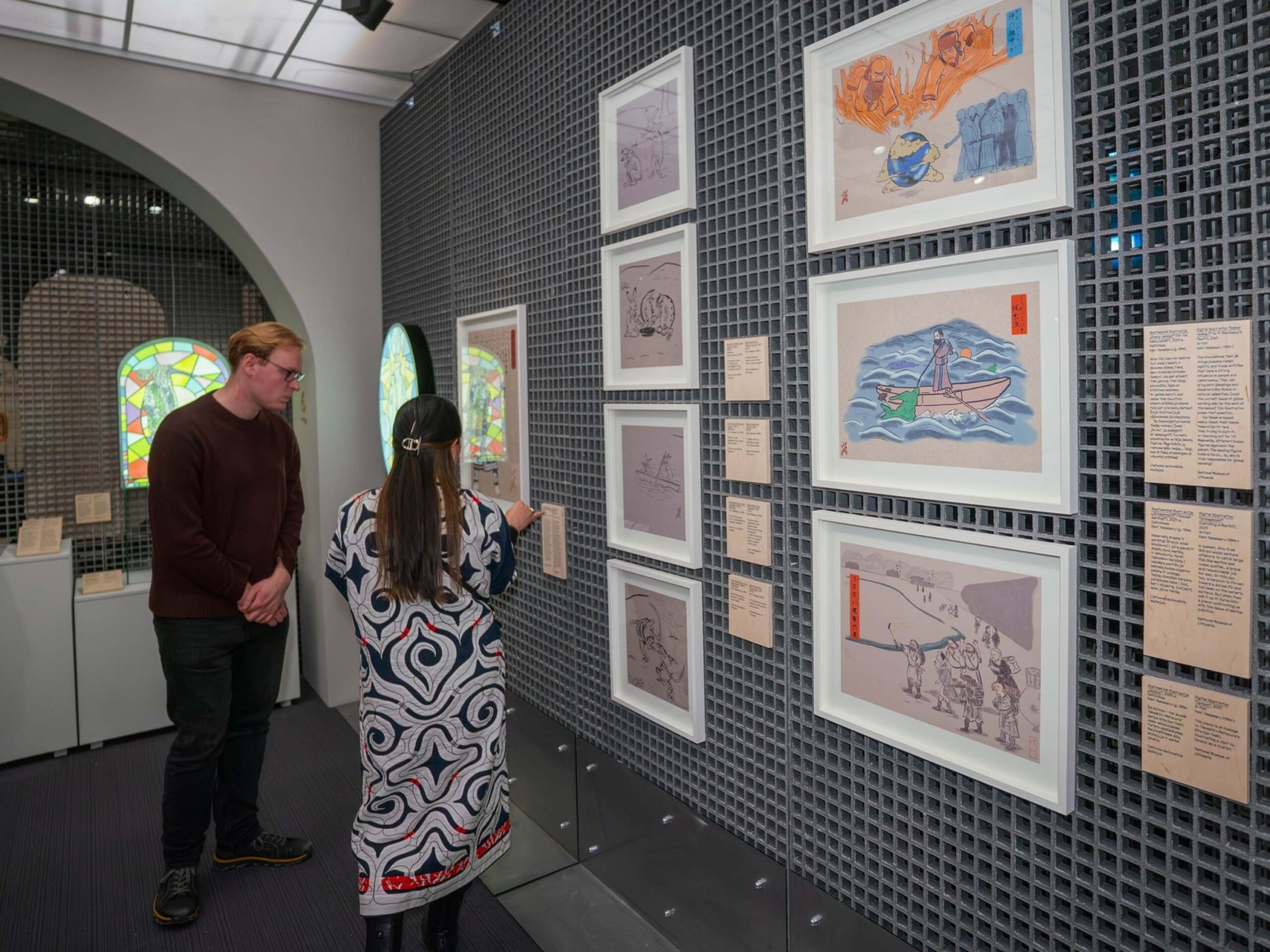
- Tarptautinė paroda „Karalienė, karalystė ir jausmai“ Lietuvos nacionalinio muziejaus Istorijų namuose. Fot. Silvestras Samsonas, LNM

Photos by Silvestras Samsonas, National Museum of Lithuania