House of Histories Invites You to Let Go of Objects Reminiscent of Soviet Occupation
2025 02 11
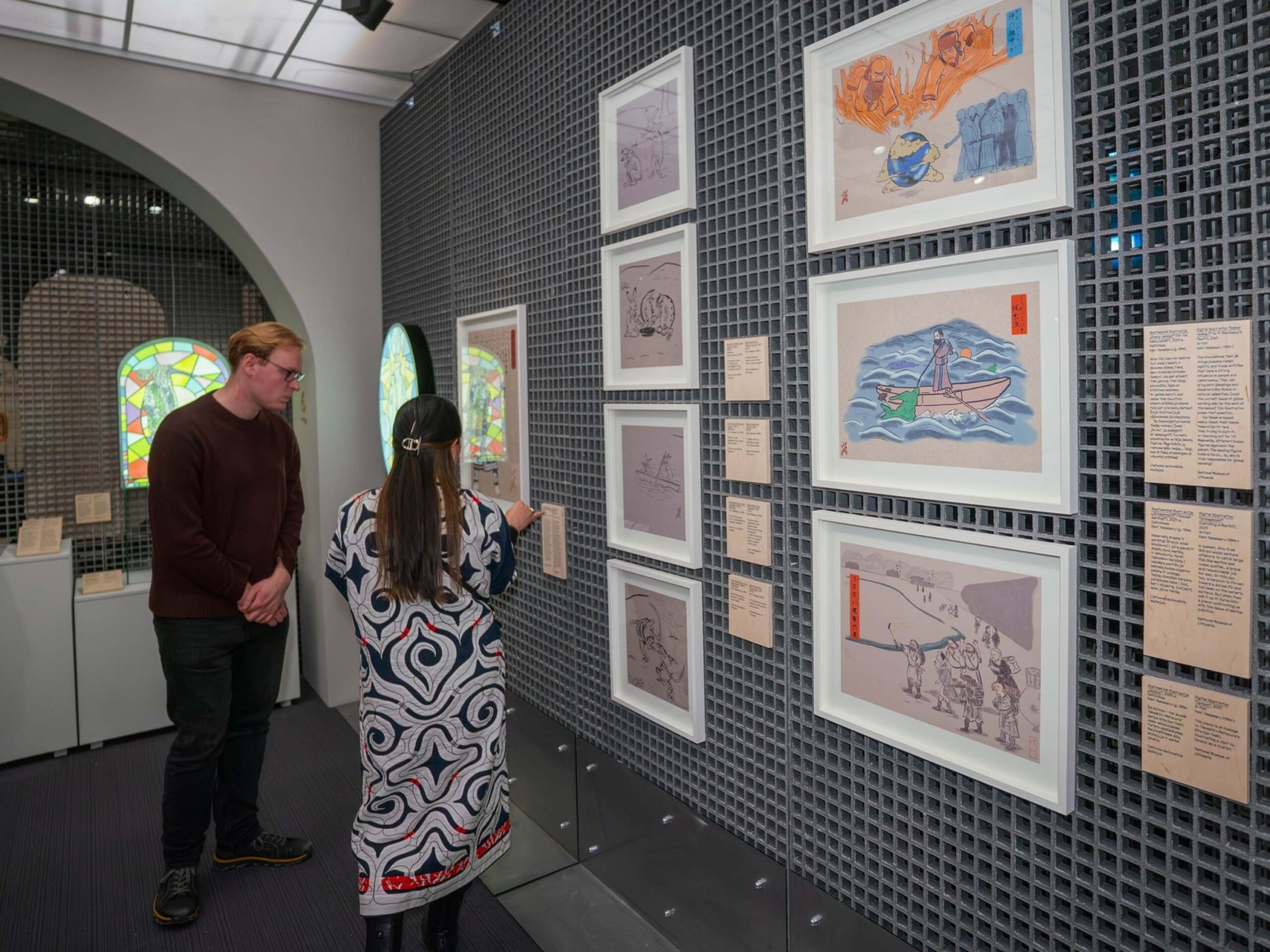
The exhibition “The Sweet (Nomenklatura) Life” featuring the photography of Antanas Sutkus, currently on view at the House of Histories, a division of the National Museum of Lithuania (LNM), has already prompted many to reflect on the complex and often contradictory past of Soviet occupation. Through Sutkus’ lens, the exhibition reveals the stark contrast between two coexisting worlds of that era – that of ordinary people and the privileged nomenklatura. The museum invites visitors not only to engage with this narrative but also to part ways with personal objects that evoke memories of life under Soviet rule.
Memory Lingers in the Closet
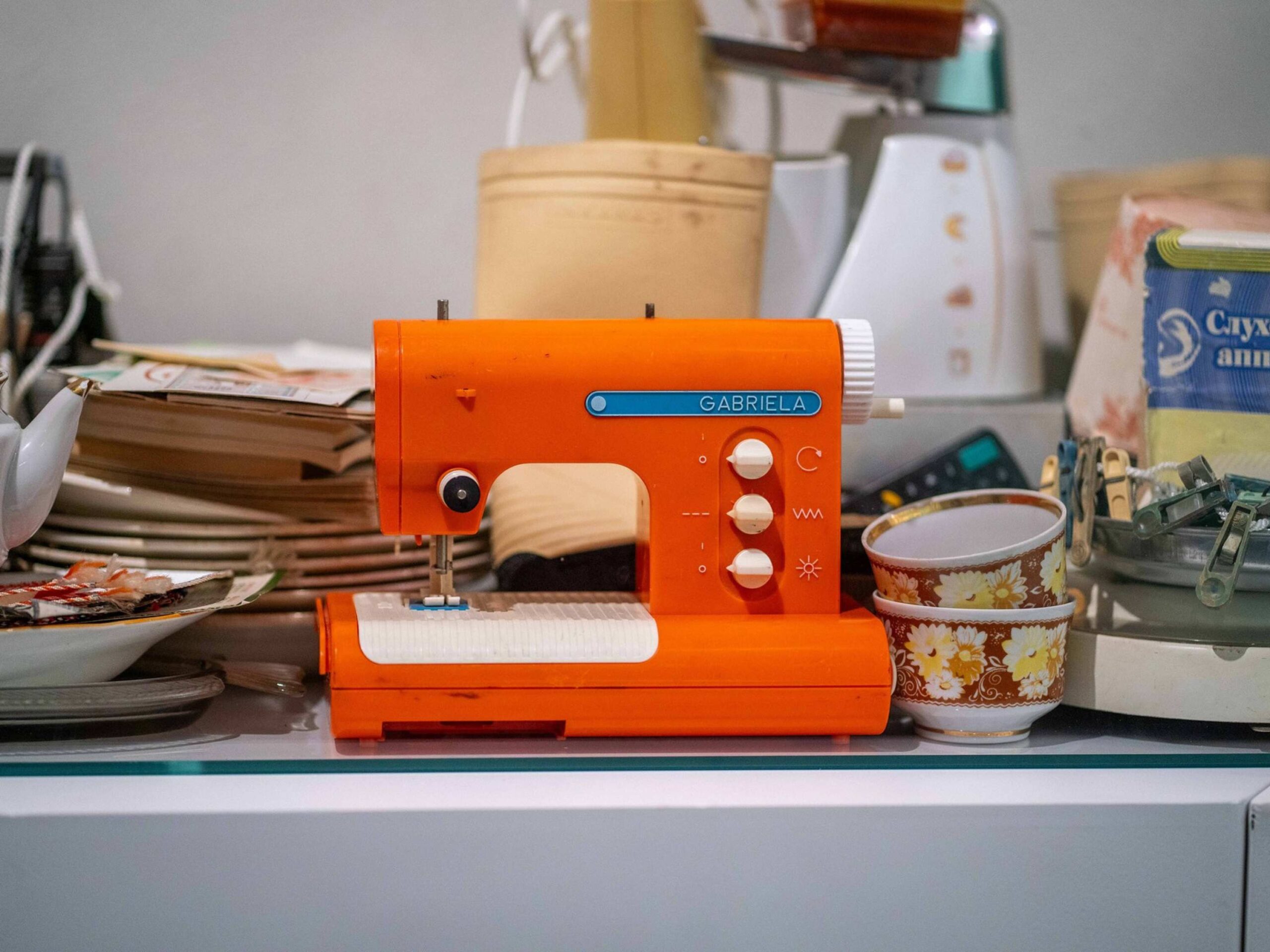
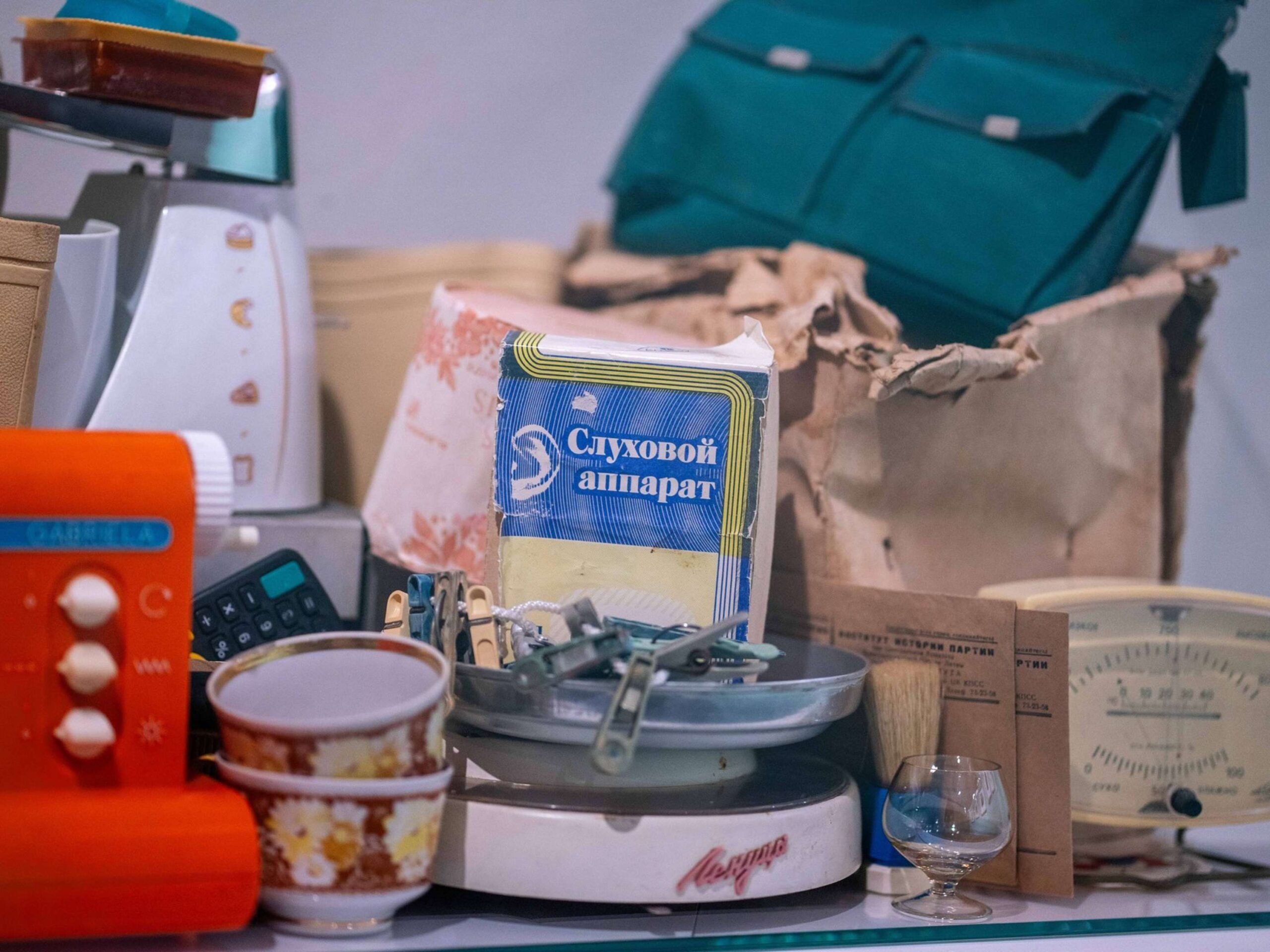
Objects left behind from the Soviet occupation carry multiple emotional layers, just like the lives of people shaped by that era. For some, toys manufactured in the USSR may evoke painful memories of scarcity, while for others, they might bring back warm recollections of time spent with family. A bootleg Beatles record might one day recall strict censorship, and the next – a date with a youthful love. Items reminiscent of Soviet times are often emotionally ambivalent, especially for those who spent a significant portion of their lives within that system. These possessions can affect us even when we are not consciously aware of their influence.
Keeping objects at home that remind us of a painful chapter in our nation’s history means living under the shadow of the past on a daily basis. Even when they stand quietly on a shelf, such objects can stir uneasy emotions and prevent us from feeling at peace in our own surroundings. Consciously letting go of these remnants of Soviet occupation can be a meaningful step toward inner peace and a deeper sense of independence—not just national, but personal as well.
Even Those Born in Free Lithuania Are Affected
While we might first think of those who lived through the Soviet occupation, it is equally important for younger generations—those born in an independent Lithuania—to reflect on their relationship with this period and the objects that evoke it.
Younger Lithuanians also experience the legacy of the occupation through stories, images, behavioral patterns, and cultural artifacts that shape their upbringing. Columbia University Professor Emerita Dr. Marianne Hirsch uses the concept of postmemory to describe this kind of experience. Postmemory refers to a deep connection between younger generations and the experiences of their ancestors—where cultural trauma is felt even without direct personal experience.
Through the lens of postmemory, objects reminiscent of Soviet occupation can also affect those born in free Lithuania. Although this younger generation did not live through the Soviet regime, they may still experience similar feelings of fear, mistrust in institutions, or even an internalized sense of guilt over historical injustices.
A Physical and Emotional Act of Cleansing
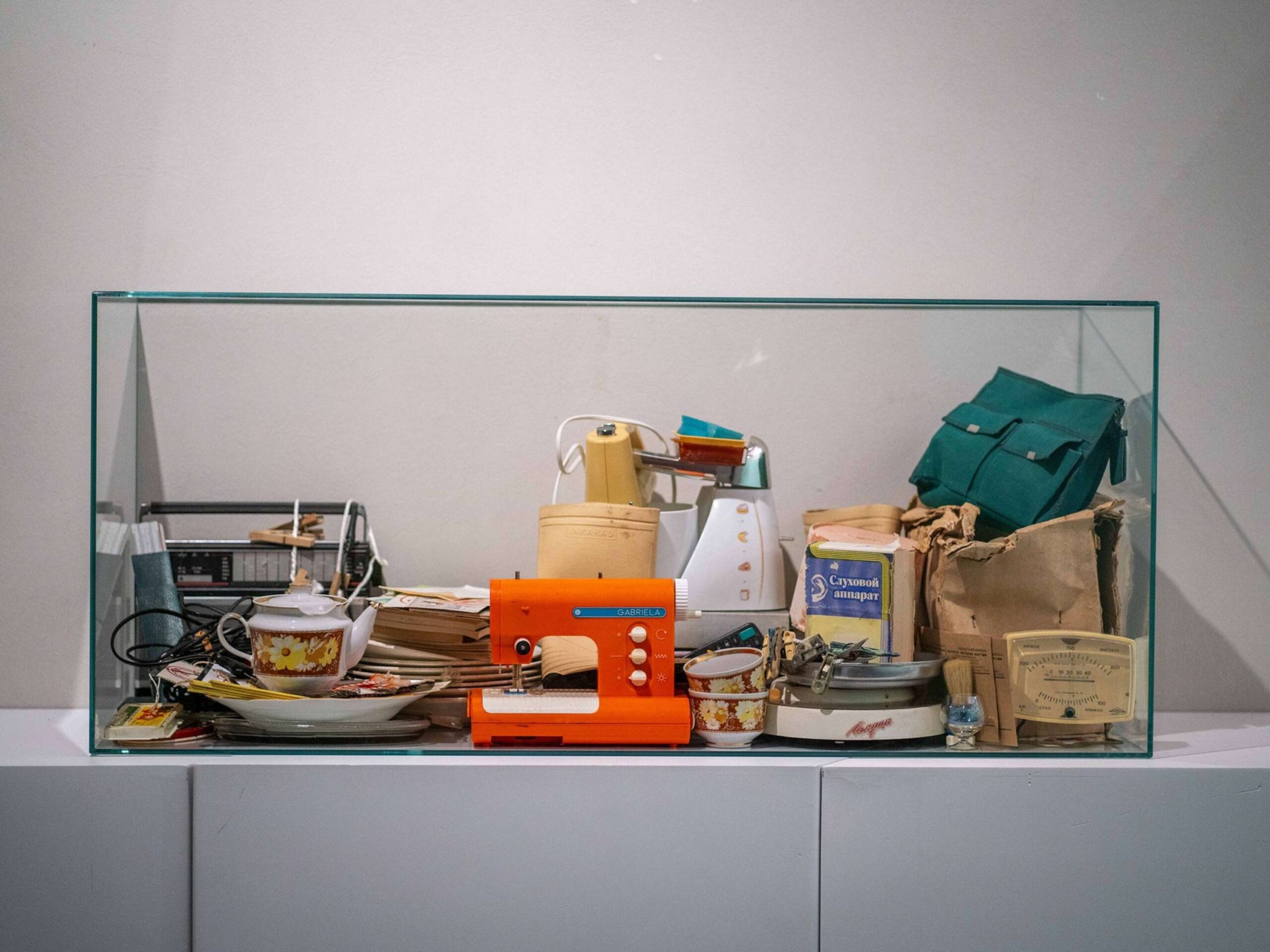
The House of Histories, part of the National Museum of Lithuania, invites visitors to cleanse themselves of objects that evoke memories of the Soviet occupation. Visitors are encouraged to bring these items to the House of Histories ticket counter, where they can hand them over to museum staff and bid them a final farewell. As exhibition curator Thomas Schirmböck explains: “This irreversible, conscious parting with objects reminiscent of the occupation should serve both as a physical and emotional act of cleansing.”
The donated objects (no larger than 30×30×30 cm) will become part of a special memorabilia display within the exhibition, contributing to the narrative and encouraging public discourse about the Soviet past. As exhibition consultant Professor Dr. Gintautas Mažeikis of Vytautas Magnus University explains: “Old objects are both a lifeline and an anchor of our memory. Soviet-era items also function ideologically, recalling a significant period while simultaneously poisoning the environment with distorted phantoms. Bold and open dialogue, discussion, public engagement, and scholarly research help dispel emotional and cognitive dissonance—not to erase memory, but to revive it through collective action. Each of us can take part in building an objective and critical view of everyday life under Soviet rule. It starts by transferring certain items and memories from private homes and households into a shared and meaningful public space. A critical and cultivated public memory is our defense against manipulation, nostalgia, misrepresentation, or denial, and helps us view the past without exaggerated illusions.”
The exhibition “The Sweet (Nomenklatura) Life” runs at the House of Histories (T. Kosciuškos St. 3, Vilnius) until May 11. Don’t miss the chance to see this unique collection of Antanas Sutkus’ photographs. More information available at lnm.lt.
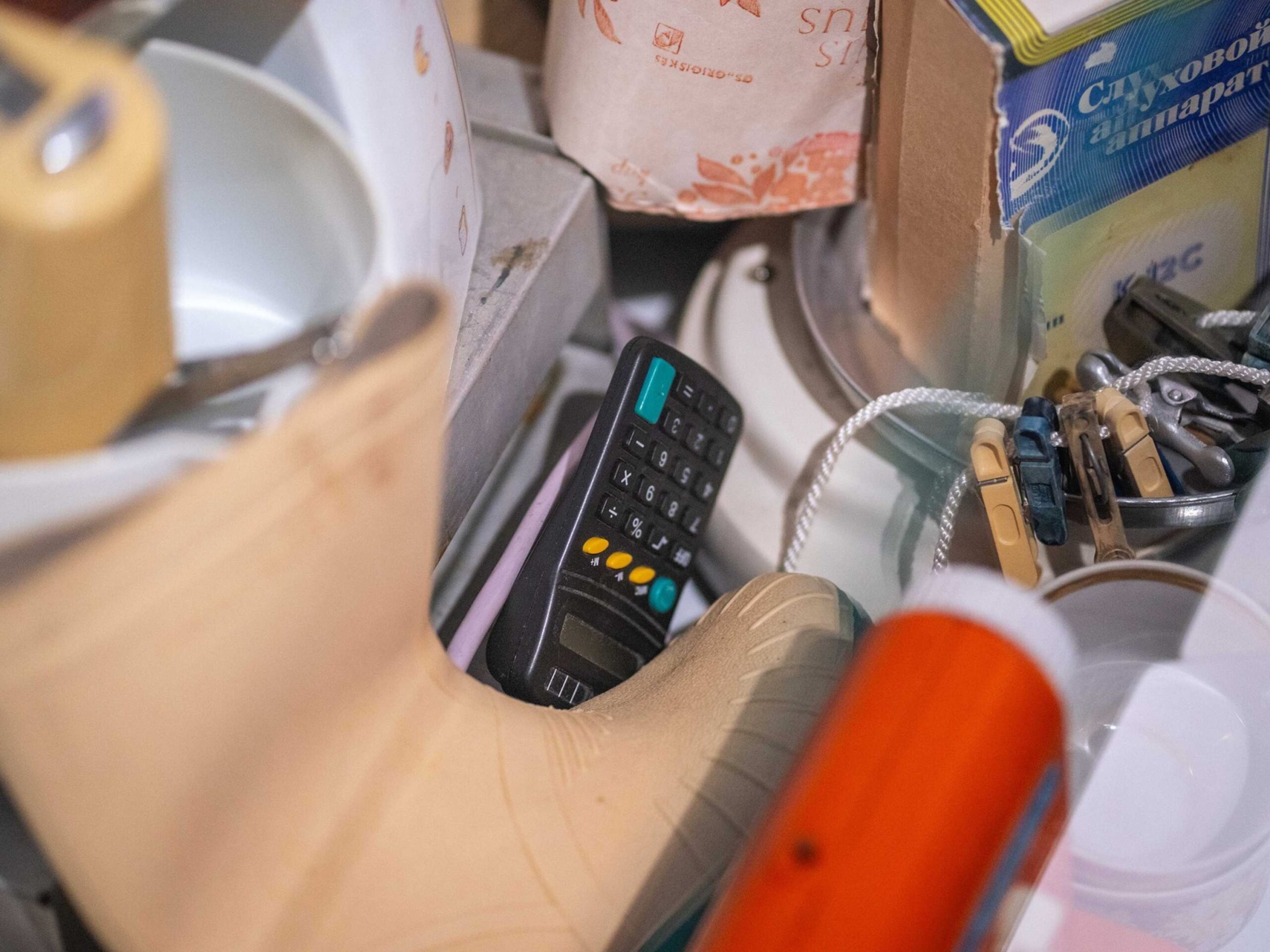
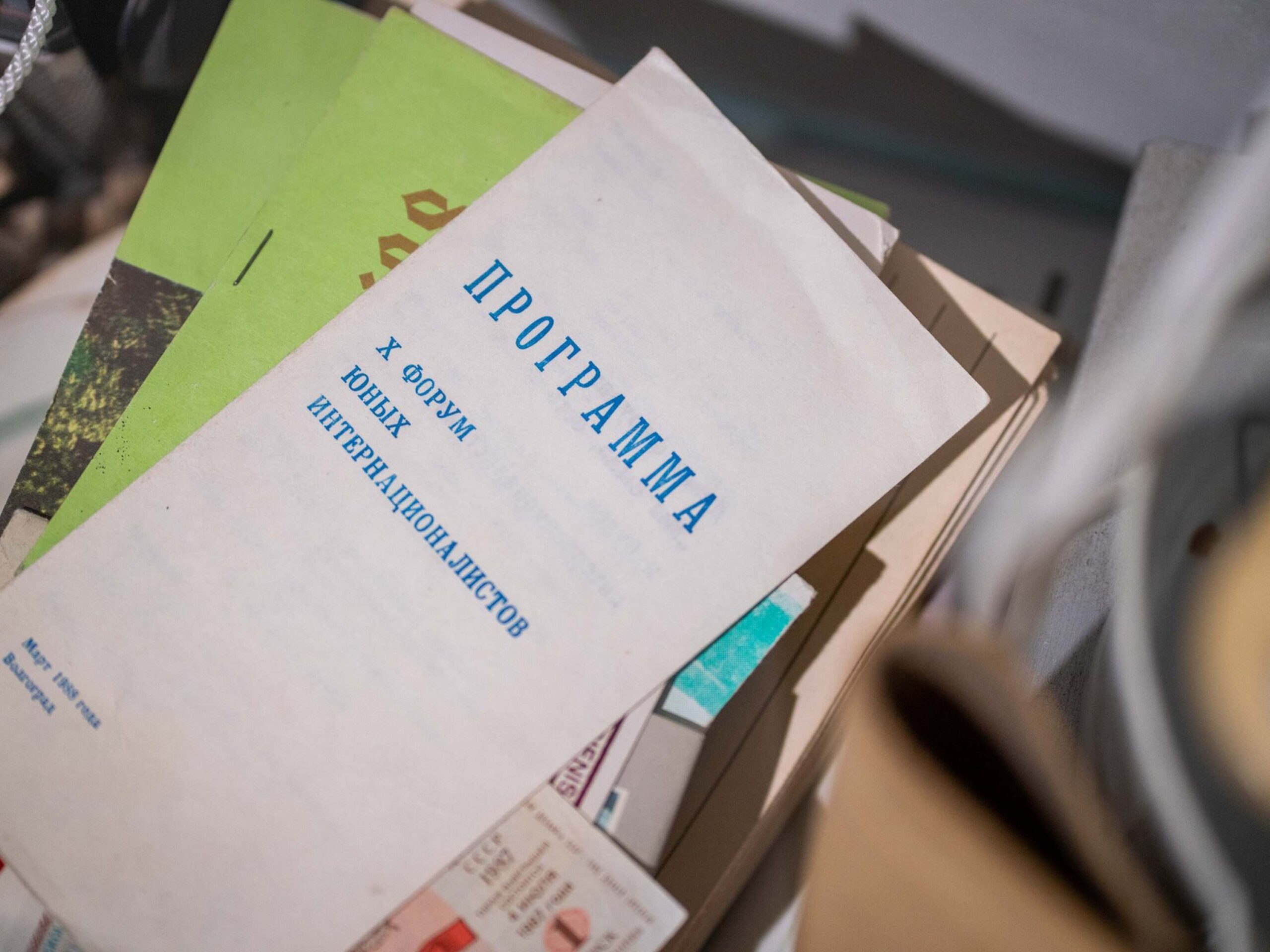
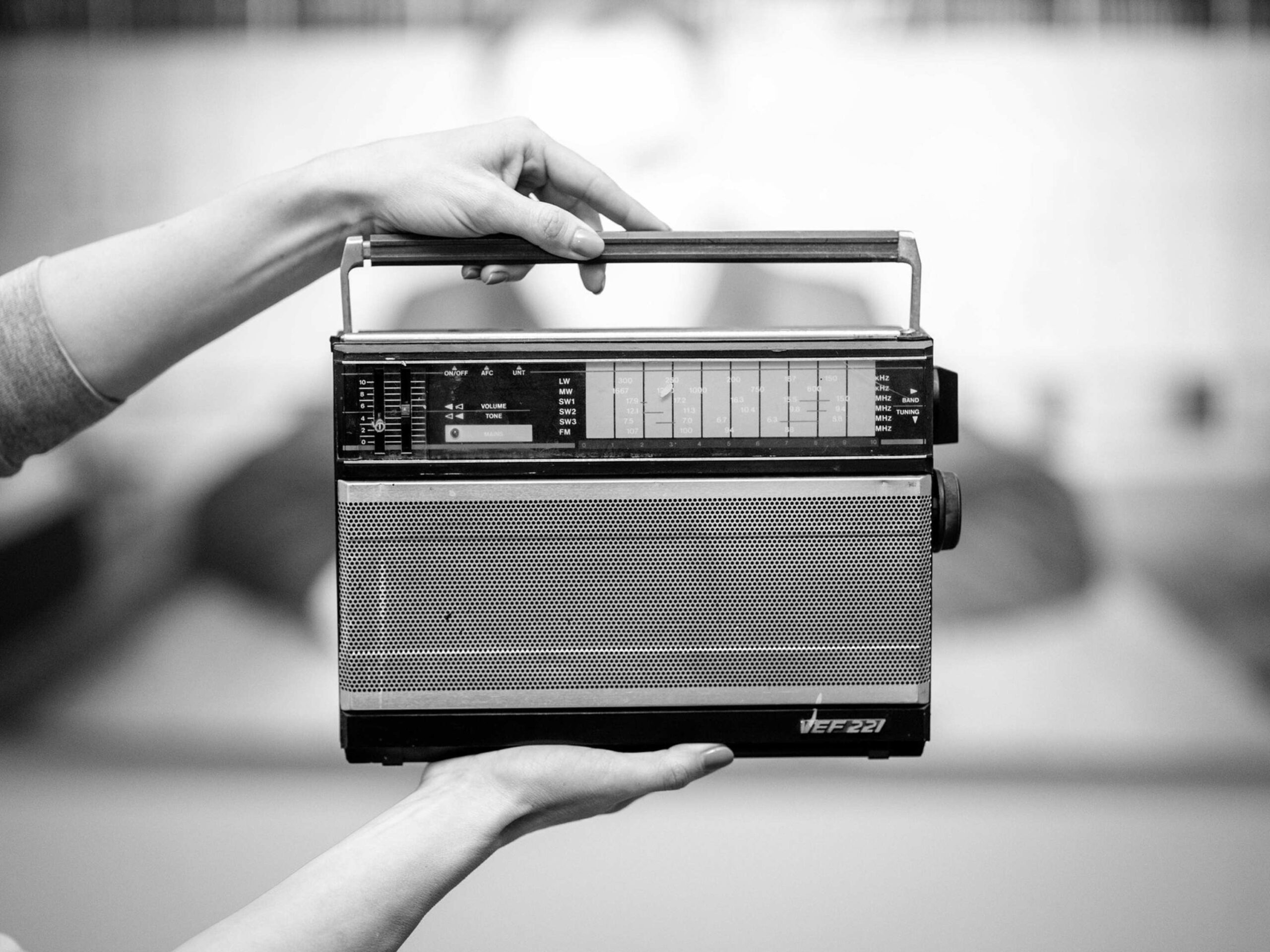
Photo by: Silvestras Samsonas, LNM