In the Footsteps of Sigismund Augustus and Barbara Radziwiłł: Legend, Heritage, and Modern Inspiration
2025 04 10
Love stories often turn into legends, but few carry the same historical and cultural weight as the one between Sigismund Augustus and Barbara Radziwiłł. Their romance transcended political intrigues, stirred the royal court, and continues to fascinate history enthusiasts to this day. The story becomes even more captivating when visiting the places tied to their love. Within the grounds of the Castellan’s House and the New Arsenal, one can still see the remnants of a secret passage once used for clandestine meetings and the foundations of Barbara’s church – the intended site of her reburial.
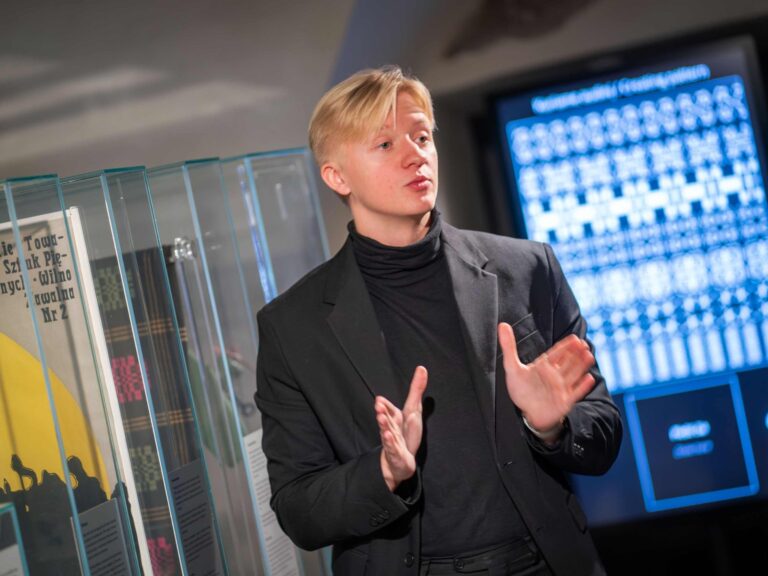
This extraordinary story and the new thematic tour “In the Footsteps of Sigismund Augustus and Barbara Radziwiłł” are introduced by Laisvūnas Čekavičius, educator at the National Museum of Lithuania’s newest branch – the Castellan’s House.
A Spark of Love and an Unexpected Marriage
The love between Sigismund Augustus and Barbara Radziwiłł was not only a deeply personal affair but also a drama that changed the course of the state’s destiny.
Their paths may have first crossed as early as 1528–1529 or 1533–1536, when the young prince visited Vilnius with his parents. However, according to sources, their first intentional meeting occurred in 1543, when Sigismund Augustus traveled to meet Barbara at the Goštautas family residence in Geranainys. Barbara’s husband, Voivode Stanislovas Goštautas, had died in December 1542, leaving her a substantial inheritance. The young prince was drawn to meet her not only by a desire to access a portion of this wealth, but also by passion – he had heard tales of her beauty and intellect.
Although the details of that first meeting remain unknown, historians believe that their romance began at that time. After several weeks at Geranainys, Sigismund Augustus left with some of the late voivode’s riches. According to Čekavičius, the relationship between Sigismund and Barbara, though rooted in the courtly culture of the time, “soon evolved into an intensely personal and uncontrollably passionate affair.”
From then on, Sigismund Augustus frequently visited Barbara. It is important to note that Mikołaj the Red and Mikołaj the Black Radziwiłł, aiming to increase their family’s political influence, cleverly encouraged the prince’s interest in Barbara.
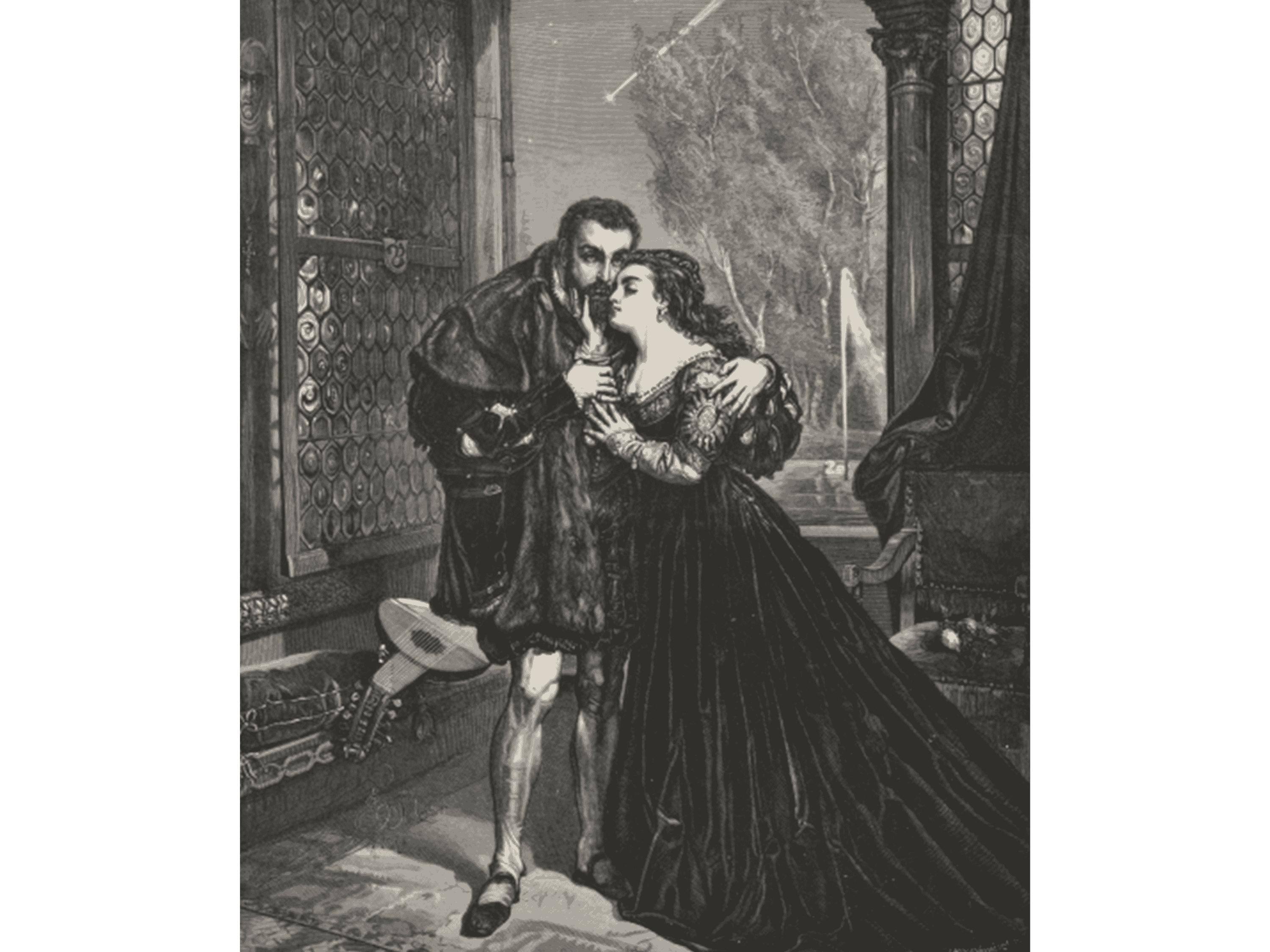
Nineteenth-century historians portrayed Žigimantas Augustus’s visits to Barbara as idyllic and romantic. It was said that the young prince visited her in a flower-filled garden, whispering words of love and gently nurturing an innocent friendship. According to Laisvūnas Čekavičius, however, this is a rather romanticized version: “The prince, being a highly educated man with southern blood—his mother was the Italian Bona Sforza—was known for his intense passion. So I must admit I’m going to slightly dismantle the romantic myth of Sigismund Augustus and Barbara’s love. The reality was somewhat different and spicier. It was not a tale of ascetic love—they were bound by passion.”
This couple’s carefree life was somewhat overshadowed by the reminder to the prince that he was already married and obliged to bring his wife, Elizabeth of Habsburg, to Vilnius—which he eventually did. Their relationship remained superficial, and in 1545, Elizabeth died from an epileptic seizure.
Although Žigimantas Augustus dressed in mourning attire, he showed little sign of grief. Elizabeth’s death allowed Barbara to pursue her relationship with the prince openly.
Interestingly, this romance proved profitable for the Radziwiłłs. In 1544, the prince financed the construction of her brother Mikołaj the Red’s palace in Vilnius. In 1545, he gifted 200 gold coins to her cousin Jonas and 400 to Mikołaj the Black.
“As you can imagine, this kind of lifestyle and Sigismund Augustus’s increasing inclination toward the Radziwiłłs’ sphere of influence greatly angered his parents,” Čekavičius explains.
Their secret marriage took place around the summer of 1547. It was a bold move, as Barbara—though from the powerful Radziwiłł family—was not a foreign princess of royal blood.
“Žigimantas Augustus did something no one expected—without consulting the nobles, he made an individual decision to marry the woman he loved,” Čekavičius notes.
Opposition from the Queen Mother and the Nobility
This decision sparked a political scandal that echoed throughout Poland. The marriage clashed with the interests of the most powerful political forces in 16th-century Lithuania and Poland, igniting fierce opposition. As Laisvūnas Čekavičius points out: “This was an extraordinary case in which the king’s personal choice was met with such strong resistance—love became a battlefield between the will of the monarch and the ambitions of the nobility.”
-
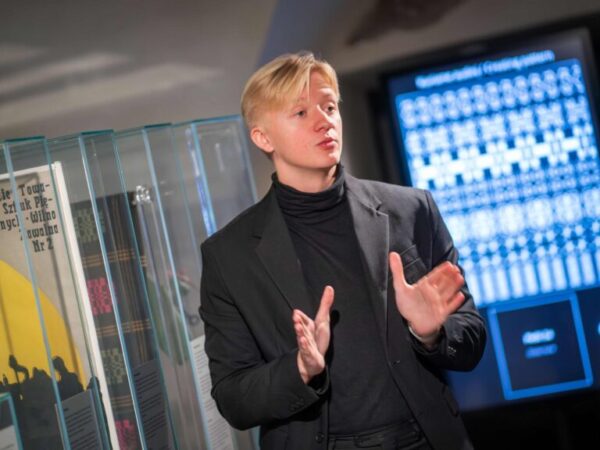
- Laisvūnas Čekavičius, educator at the Castellan’s House. Photo by Silvestras Samsonas, LNM
The fiercest opponent of the marriage was Sigismund Augustus’s mother, Queen Bona Sforza. She hoped her son would marry a foreign princess to strengthen international alliances. “Bona could not believe that her son lived like a libertine, disregarding dynastic rules, and chose a woman he genuinely loved,” Čekavičius explains. She took decisive action—pressuring the court, spreading rumors about Barbara, and even trying to persuade the Polish nobles not to approve her as queen. It is worth noting, however, that Bona ultimately recognized her daughter-in-law shortly before Barbara’s death.
Polish nobles were no less skeptical. Many of them wanted Sigismund Augustus, who became king in 1548, to abandon Barbara Radziwiłł. They feared that any heirs from this union might inherit the Lithuanian throne through the Jagiellonian line, potentially jeopardizing the union between Lithuania and Poland. A foreign-born queen would have been more politically advantageous for the Polish elite. Lithuanian nobles, in contrast, remained neutral and largely accepted the king’s decision. Despite all opposition, Sigismund Augustus stood firm. After prolonged negotiations and persuasion, Barbara was crowned Queen of Poland in 1550. “This was an unprecedented event—she became not only Sigismund Augustus’s wife but also a symbol of the nation, despite all the intrigue and resistance,” Čekavičius notes.
Traces of Love Around the Castellan’s House
Many intriguing details are revealed during the special guided tours at the Castellan’s House. What makes these tours unique is that they take place exactly where the story once unfolded—within the territory of Vilnius Lower Castle, the New and Old Arsenals, and the Castellan’s House itself.
“Their love burned in Vilnius. The branches of the National Museum of Lithuania are located on the very grounds where Sigismund Augustus and Barbara spent much of their time—where episodes of their secret romance took place. During the tour, we quite literally walk in the footsteps of Sigismund Augustus and Barbara Radziwiłł, while the surrounding walls speak of their love, political battles, and the inevitable drama of fate,” says Čekavičius.
The Castellan’s House was built during Sigismund Augustus’s reign, and the area in front—now the site of the New Arsenal—was once home to his palace. There, the king hosted lavish banquets, masquerades, and tournaments. Exotic Hungarian wines, overseas spices, French fabrics, and Venetian mirrors filled the palace.
“Augustus spared neither gold nor time. Festivals, feasts, and hunts served merely as the backdrop to his romance with Barbara. Interestingly, the Castellan’s House was once connected to Sigismund Augustus’s palace by two enclosed passageways. One corridor, right next to the Castellan’s House, led the king toward the Radziwiłł residence—where he would meet Barbara in secret,” Čekavičius reveals.
Although many structures have not survived, archaeological findings and written sources allow us to reconstruct the Vilnius of their time. During the tour, visitors can even see fragments of the legendary secret tunnel—the corridor that once connected the lovers.
A Tragic Ending and Everlasting Memory
Barbara Radziwiłł’s time as queen was short-lived—just months after her coronation, she fell ill and died in 1551. Her death dealt a devastating blow to Sigismund Augustus, who, according to Čekavičius, it“was left heartbroken, and his authority never again matched its former strength.”
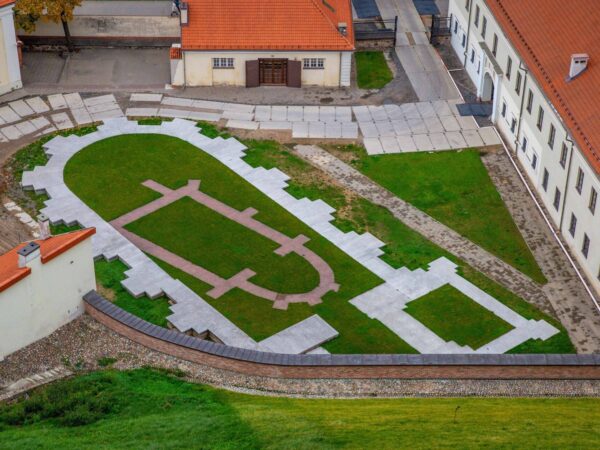
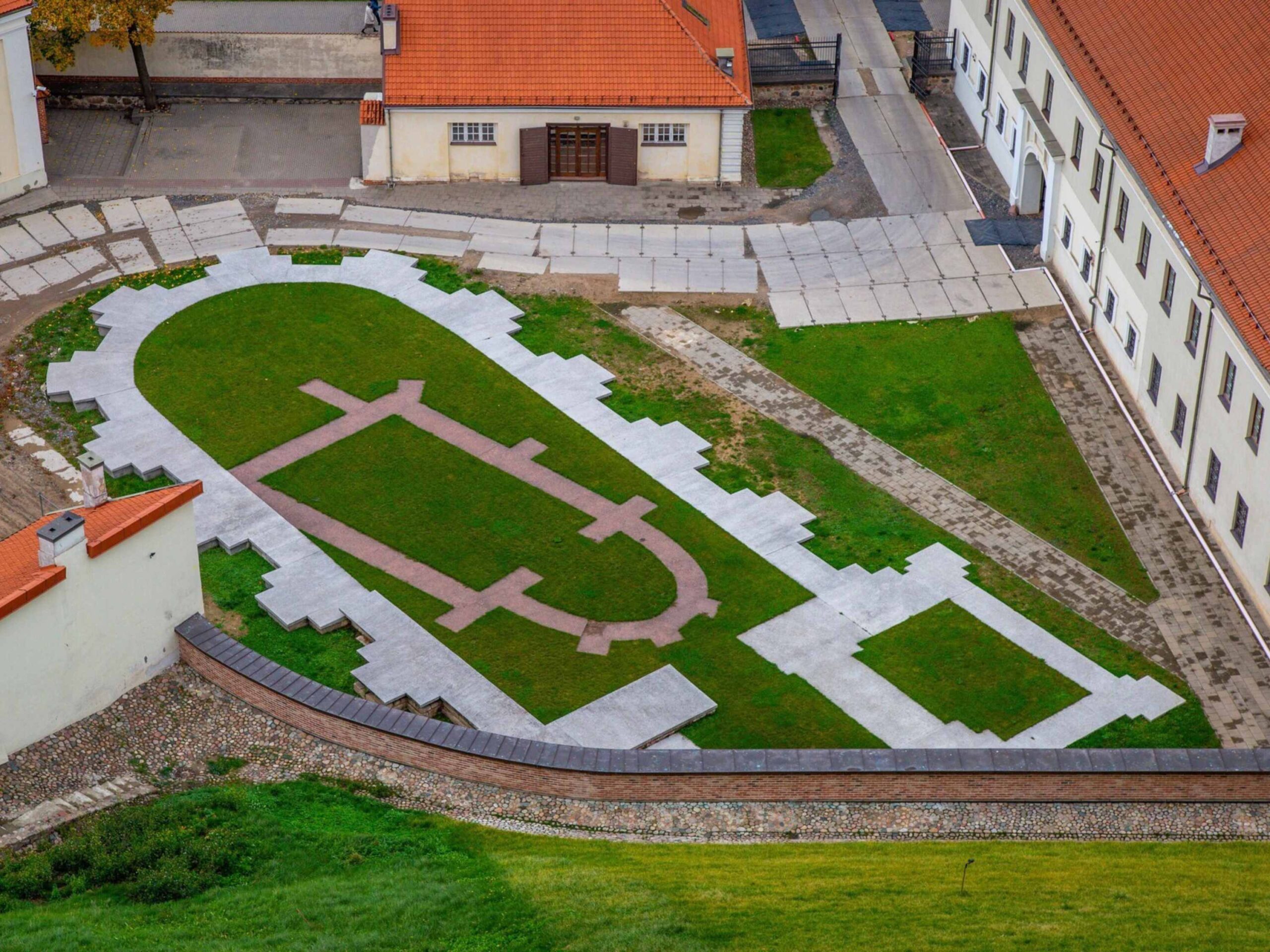
A love that once shook the political world ended as a deeply personal tragedy. Near the Castellan’s House, visitors can find the foundations of Barbara’s Church. Sigismund Augustus commissioned its construction after Barbara’s funeral. The materials used were of the highest quality—sandstone brought from Gotland, and marble imported from Belgium.
Žigimantas Augustus had planned for both himself and Barbara to be buried there. However, this wish was never fulfilled, and Barbara remains entombed in the chapel of Vilnius Cathedral.
The story of Žigimantas Augustus and Barbara Radziwiłł is one of the most famous legends in Lithuania’s past—a reminder that even rulers’ hearts defy political design. Their love lives on through historical narratives, art, and guided tours that invite us to experience the spirit of this remarkable tale.
As museum educator Laisvūnas Čekavičius emphasizes, Barbara Radziwiłł’s legend is not merely a story from the past—it lives through various cultural initiatives, including educational activities at the Castellan’s House: “Barbara’s memory has transcended time and become a vital part of our cultural identity—from literature and theatre to museum tours. Today, her story is not only told in books, but also brought to life through our educational programs. The tour we’ve created offers an immersive experience, revealing the world of the 16th century and the drama of this royal romance.”
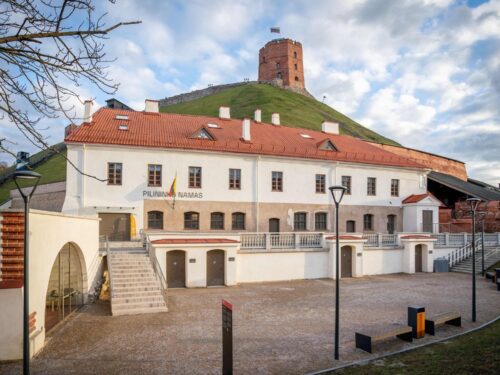
The thematic tour “In the Footsteps of Sigismund Augustus and Barbara Radziwiłł” is organized by the Castellan’s House. Tickets are available [here]. The Castellan’s House is the newest branch of the National Museum of Lithuania, located at the foot of Gediminas Hill. Its exhibitions explore the core ideas that have shaped Lithuanian identity.
-
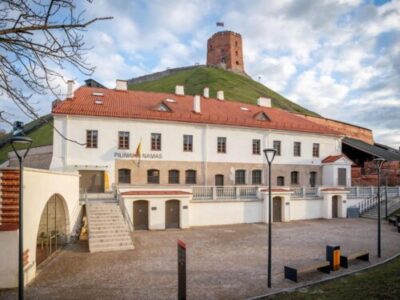
- The Castellan’s House of the National Museum of Lithuania. Photo by Silvestras Samsonas, LNM
-
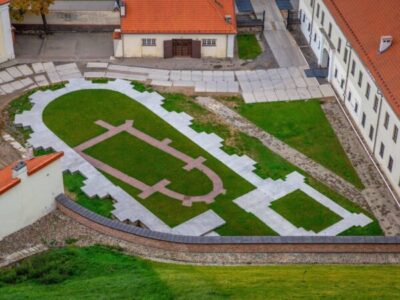
- Foundations of St. Anne’s and St. Barbara’s Churches. Photo by Laima Penek, LNM