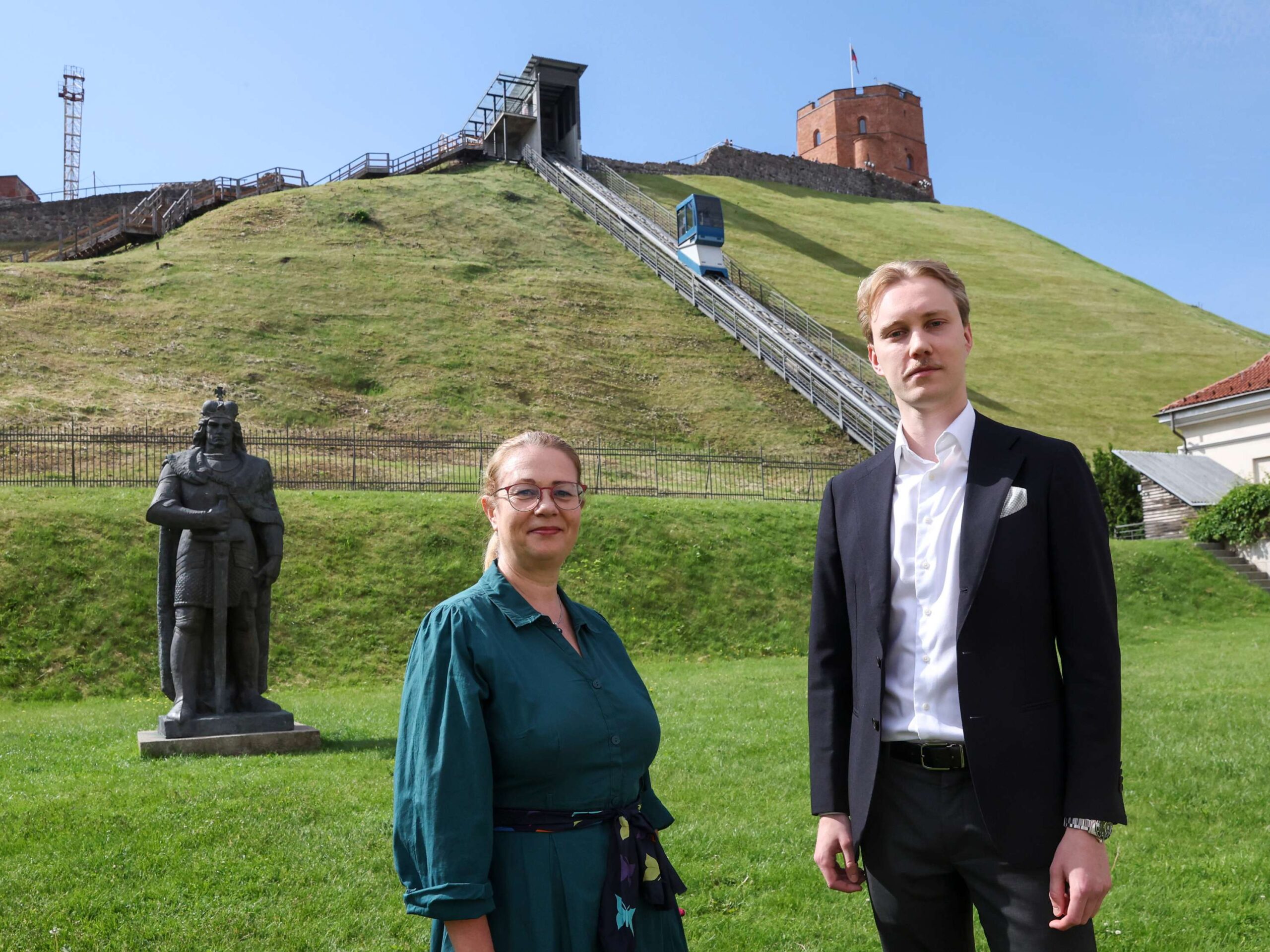
Vilnius’ favourite alternative culture space in the Former Detention House returns
2024 04 23
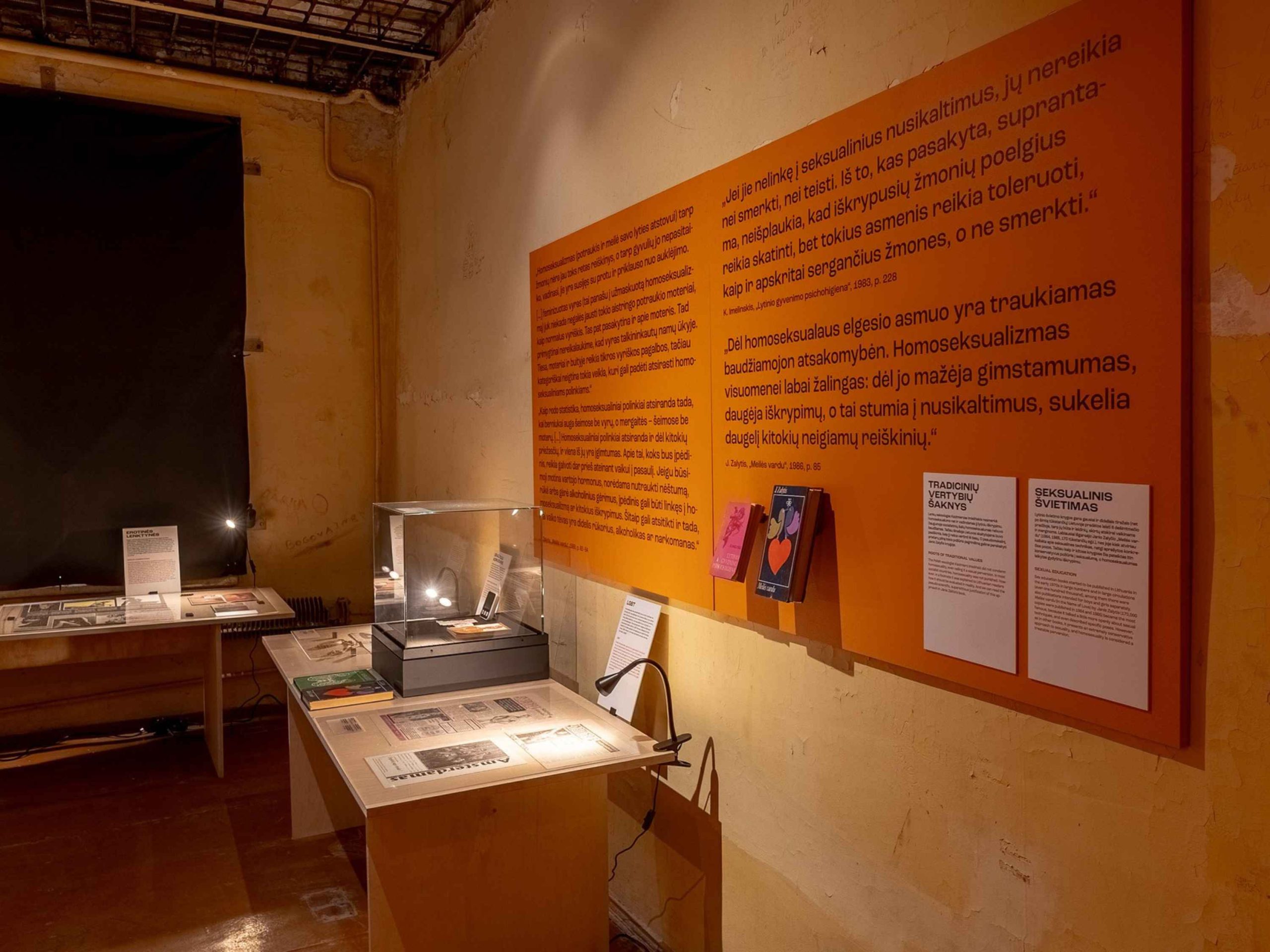
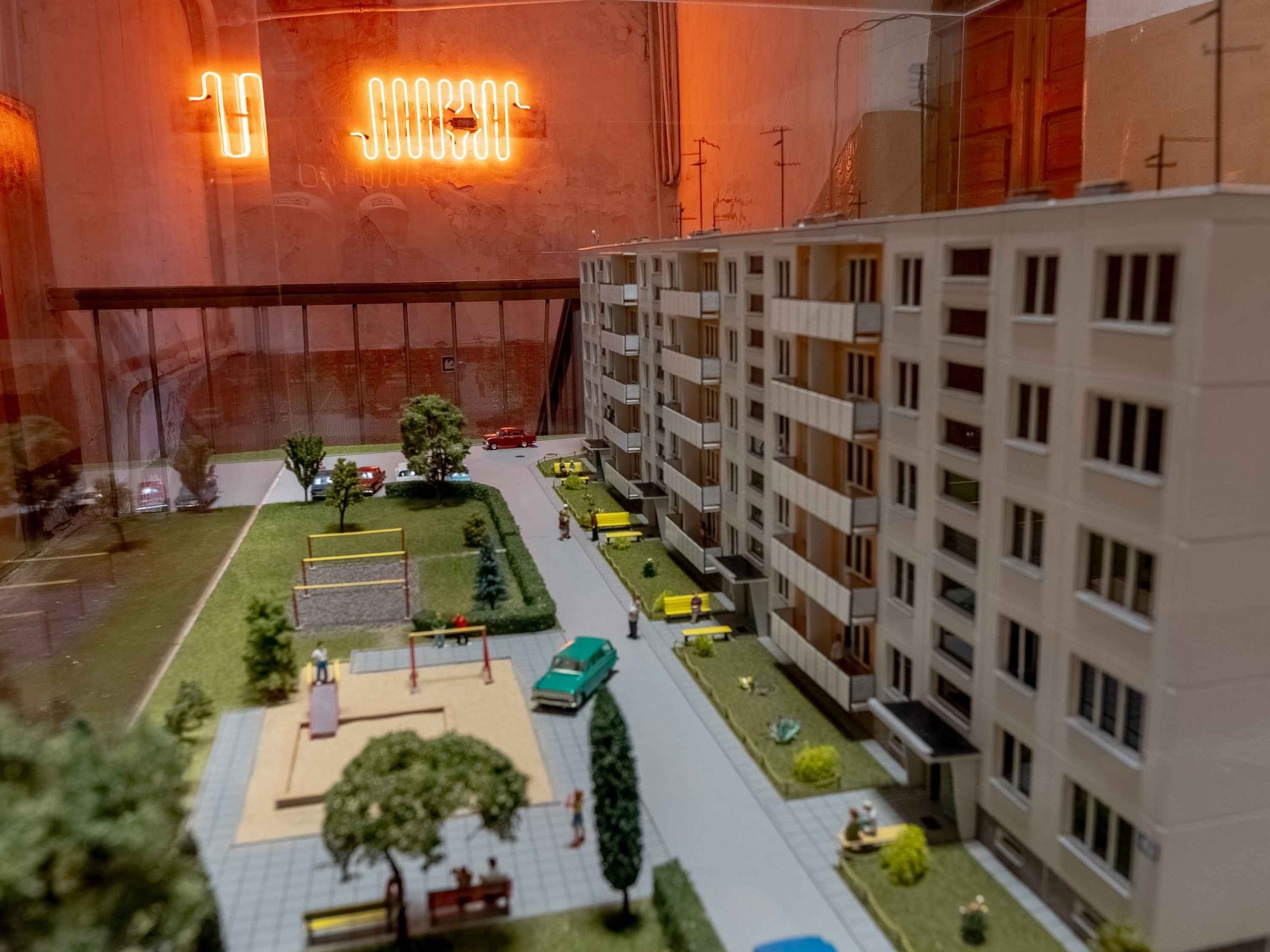
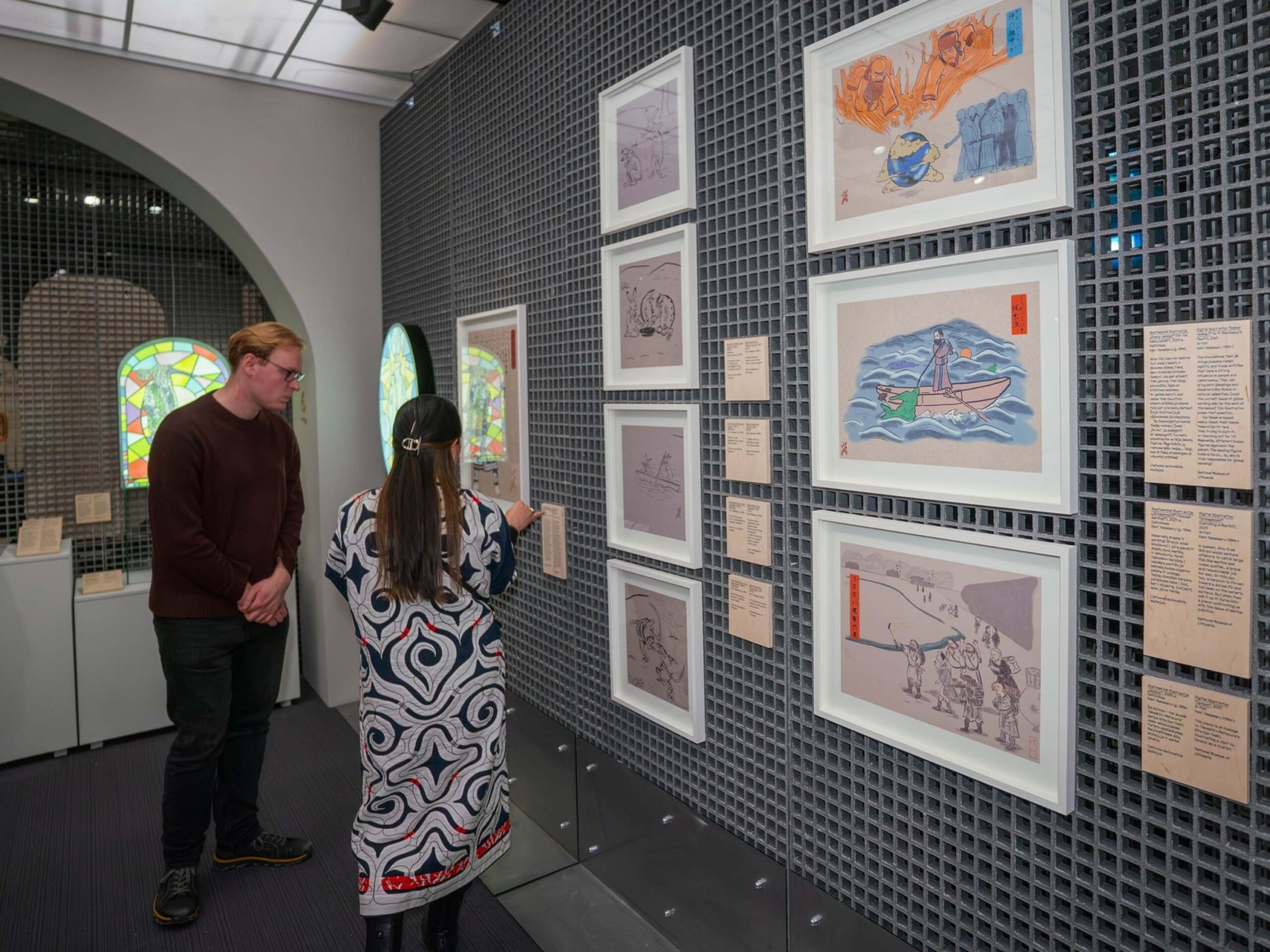
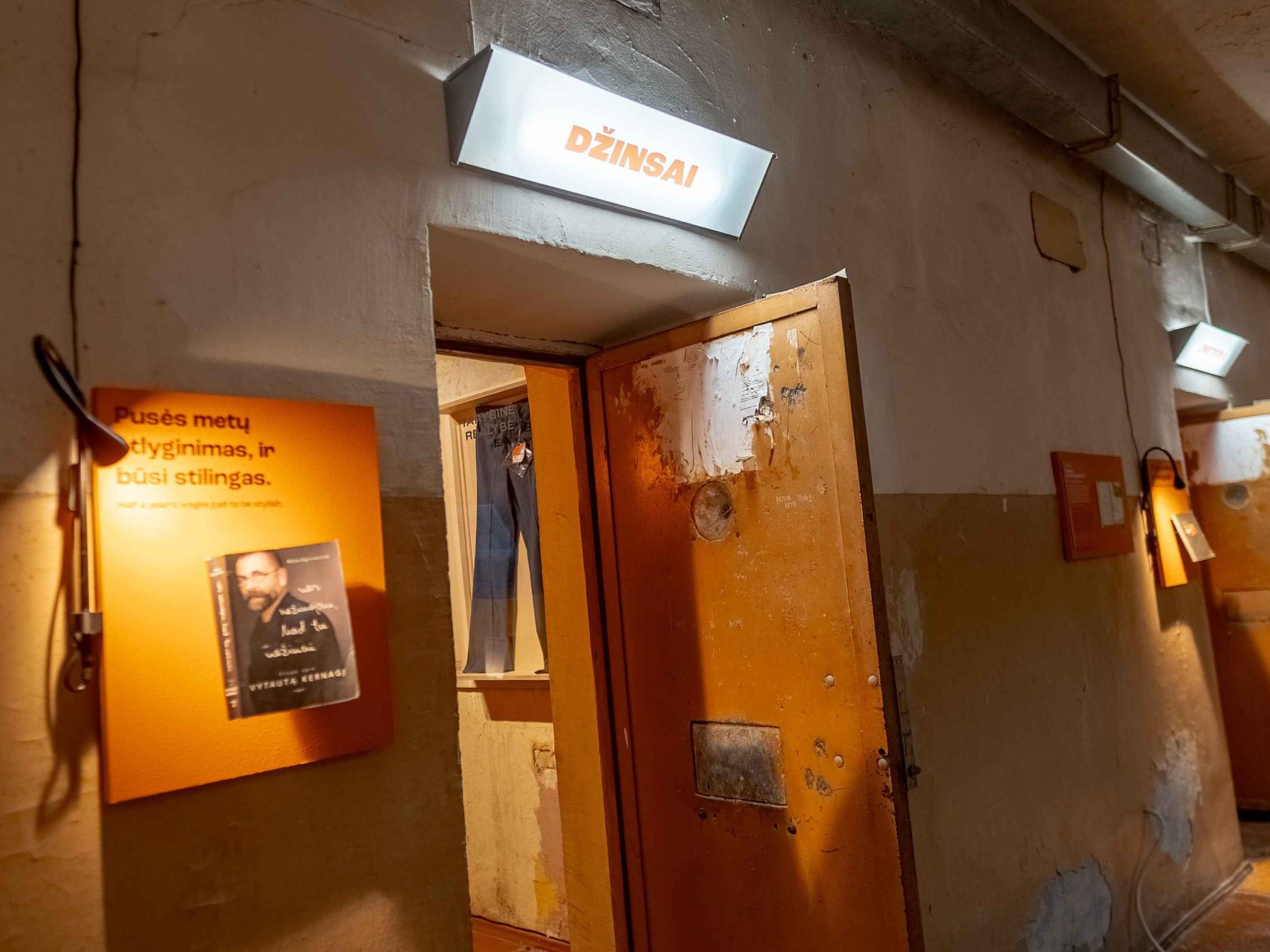
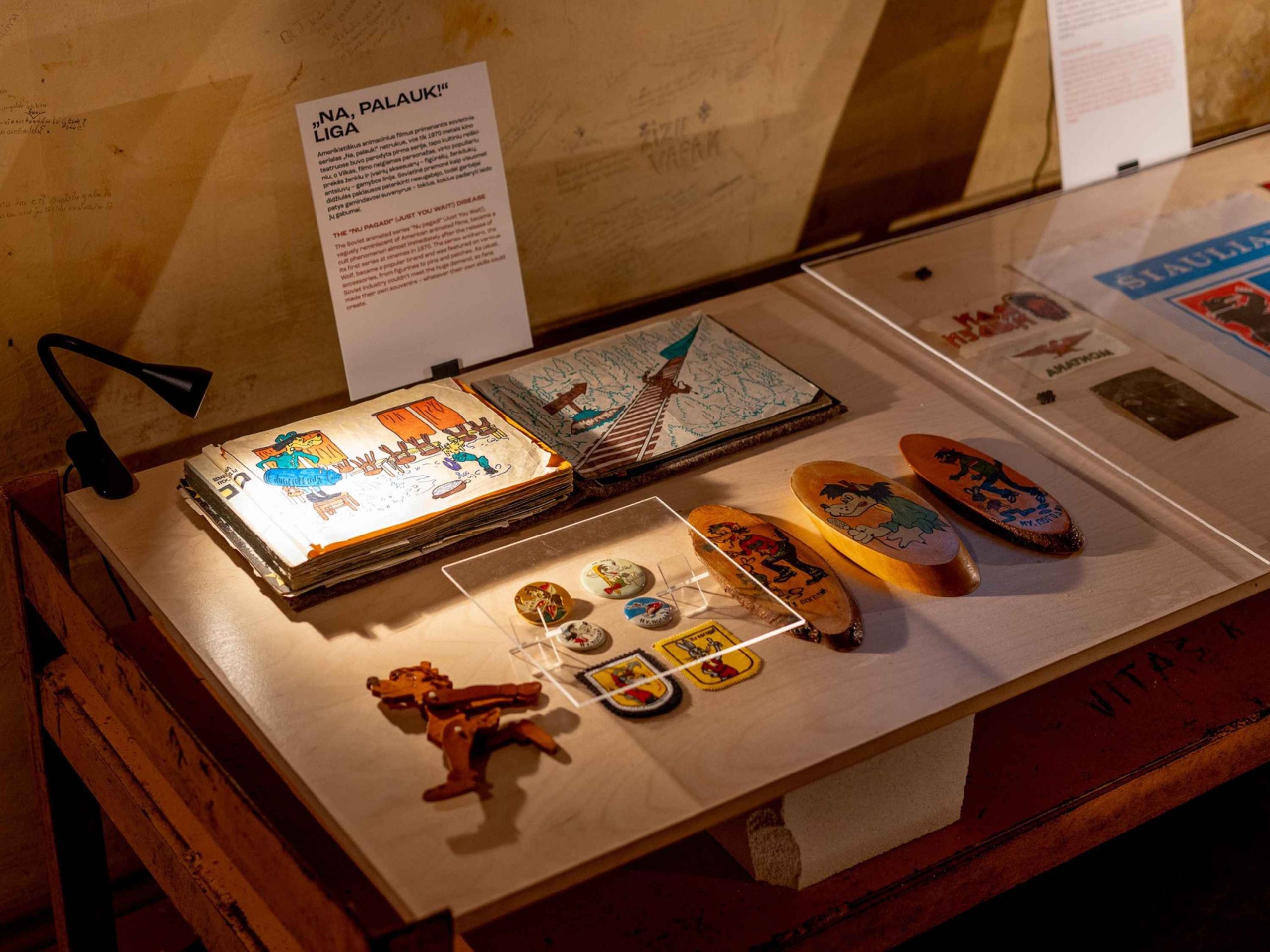
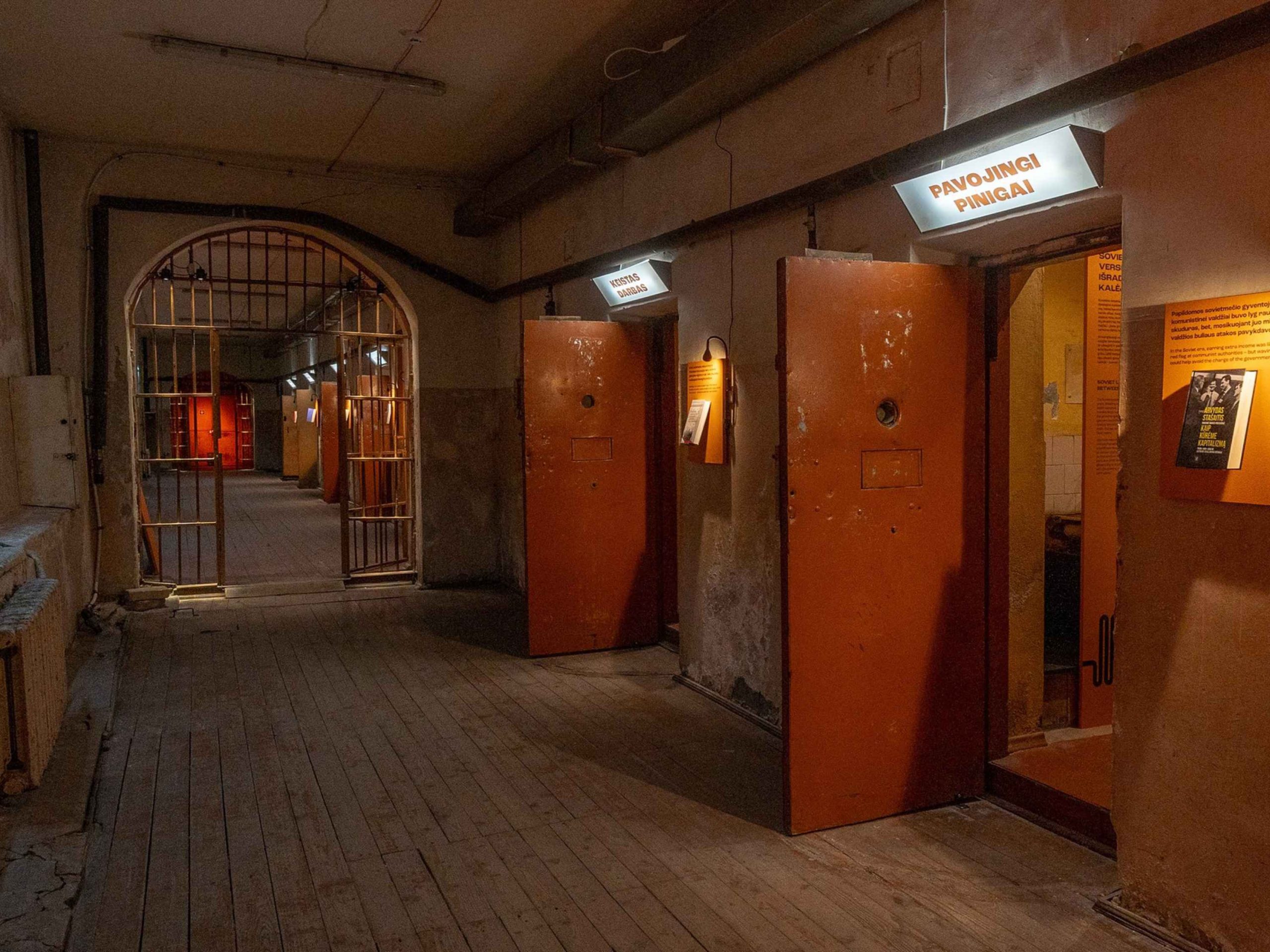
This week, the National Museum of Lithuania’s much-anticipated exhibition “Traps with central heating” returns for its second season. The updated and expanded exhibition, which was visited by almost 10,000 visitors last year in the Former Detention House, tells the story of life in Lithuania between the years 1965 and 1993: the everyday attempts of ordinary people to survive, to think, to communicate, to engage in various forms of creative life, despite the stagnation that plagued their households and their very existence. As spring gets underway, visitors will also be able to enjoy the inner courtyard, where “Utopia”, representing informal culture, will return.
The curatorial team of the exhibition – art historian Ernestas Parulskis, historians Dr. Aurimas Švedas, Dr. Valdemaras Klumbys, and literary scholar professor Dr. Dalia Satkauskytė – has chosen to reveal the history of Lithuania’s Soviet era through the prism of everyday life. Visitors walking through the cells of the Former Detention House will be greeted by different thematic narratives about the mechanisms that created Soviet reality, ideology and rituals, economy and work, earnings and deprivation, scarcity and fashion, the transformation of history into propaganda, lies and willful oblivion.
Visitors who visited the exhibition last year will this year discover a new thematic narrative “Gastronomas” with an immersive experiential counter installation and a story about coffee in the Soviet era. The exhibition will be complemented by a comic strip created by Miglė Anušauskaitė about shopping in a Soviet gastronome.
“Gastronomists had many functions in the Soviet era, but the most obvious one, selling food, was not the most important. The first place in the ranking of the functions of the gastronome would be the customer’s hope of discovering some food that is less frequently seen in the shop. And it was a hope based on logic, because gastronomists, especially the biggest ones, were more generously supplied by centralised supply than the regular shops,” says Parulskis. He adds that, once the expectations of the arrival had been fulfilled, other functions of the gastronome had to be exercised, such as learning social skills, planning the logistics of queues, and patience: “According to statistics, an ordinary person spent a quarter of his or her leisure time in the Soviet queues.”
Visitors will also be invited to the accompanying events until autumn: A screening of Aistė Stonytė’s documentary “Mammoth Hunt”, a discussion by artists Eglė Grėbliauskaitė and Agnė Gintalaitė on why society avoids multifaceted information and seeks to create binary oppositions, such as “good” and “bad”, a lecture by Vilnius University PhD student Ignė Rasickaitė on psychology in the Soviet era, and guided tours of the exhibition with the exhibition’s curator, Ernests Parulskis.
Once the warm season begins, the well-liked “Utopija” will also return to the Former Detention House. For the second season, the authentic and distinctive courtyards of the Former Detention House will be home to “Utopija”, an alternative art and music centre that will fill the city’s cultural life with unconventional concerts, fashion markets and artists’ gatherings.
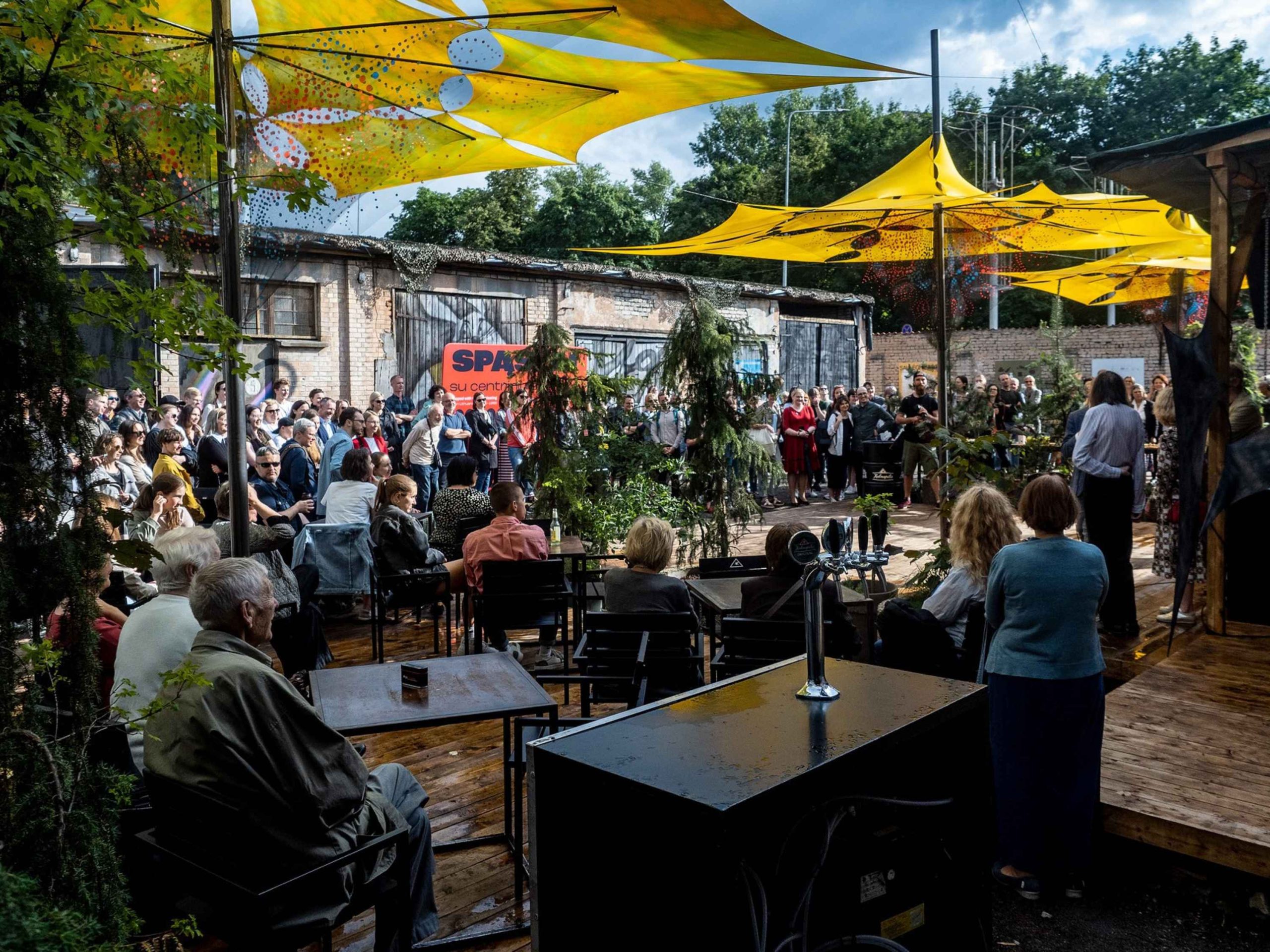
The exhibition “Traps with central heating” opens on the 24th of April at 6PM. The exhibition will be open until the end of October. On the opening day, from 6PM onwards, everyone will be invited to spend time listening to DJ Mario Moretti’s performance and to visit the exhibition for free while enjoying a nice cup of kompot.