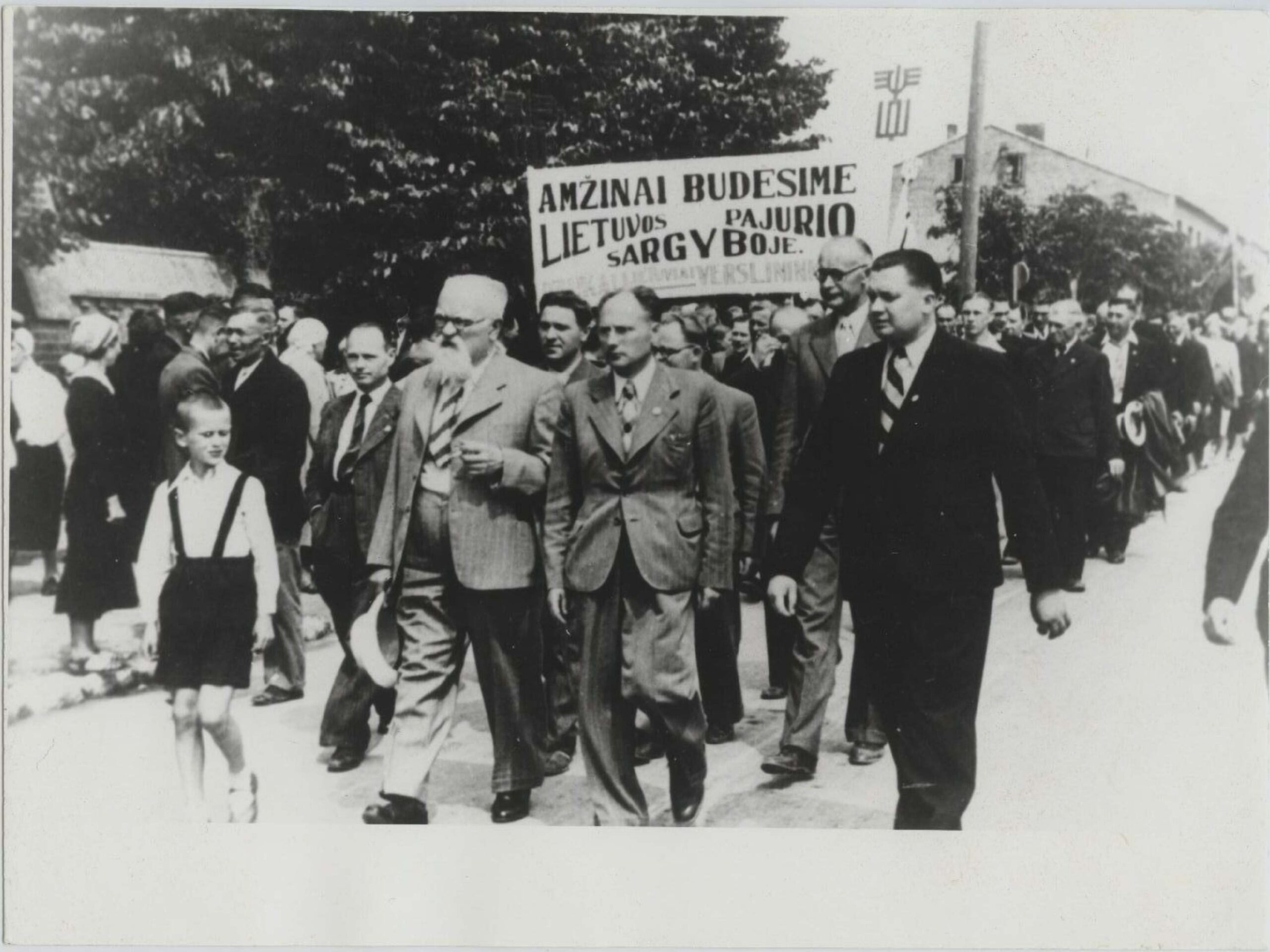
Six Facts about Jonas Šliūpas – the Eccentric First Burgomaster of Palanga
2025 08 11
The biography of Dr Jonas Šliūpas (1861–1944), the first burgomaster of Palanga, abounds with bold actions, comic incidents, conflicts, and dramas in his personal life. Marking its 170th anniversary, the National Museum of Lithuania invites you to visit the Jonas Šliūpas Museum (23A Vytauto Street, Palanga) and discover more about this remarkable figure in Lithuanian history — a man who left no one indifferent.
1. The “Godless Burgomaster”
Some residents of Palanga called Šliūpas the “godless burgomaster” because he was an active member of the freethought movement. He openly criticised the Church as an institution and the clergy as a class, and advocated for the introduction of civil registration and secular cemeteries. A staunch promoter of Lithuanian national identity, Šliūpas believed the Lithuanian nation should be strengthened through scientific rather than religious education. Guided by this vision, he fought for universal access to education, regardless of gender or social standing.
2. Married a Woman 32 Years Younger — and Lightning Struck the Church
After more than three decades in America, Šliūpas returned to independent Lithuania with his wife, Liudvika Malinauskaitė-Šliūpienė. However, shortly after their return in 1928, Liudvika fell gravely ill and died.
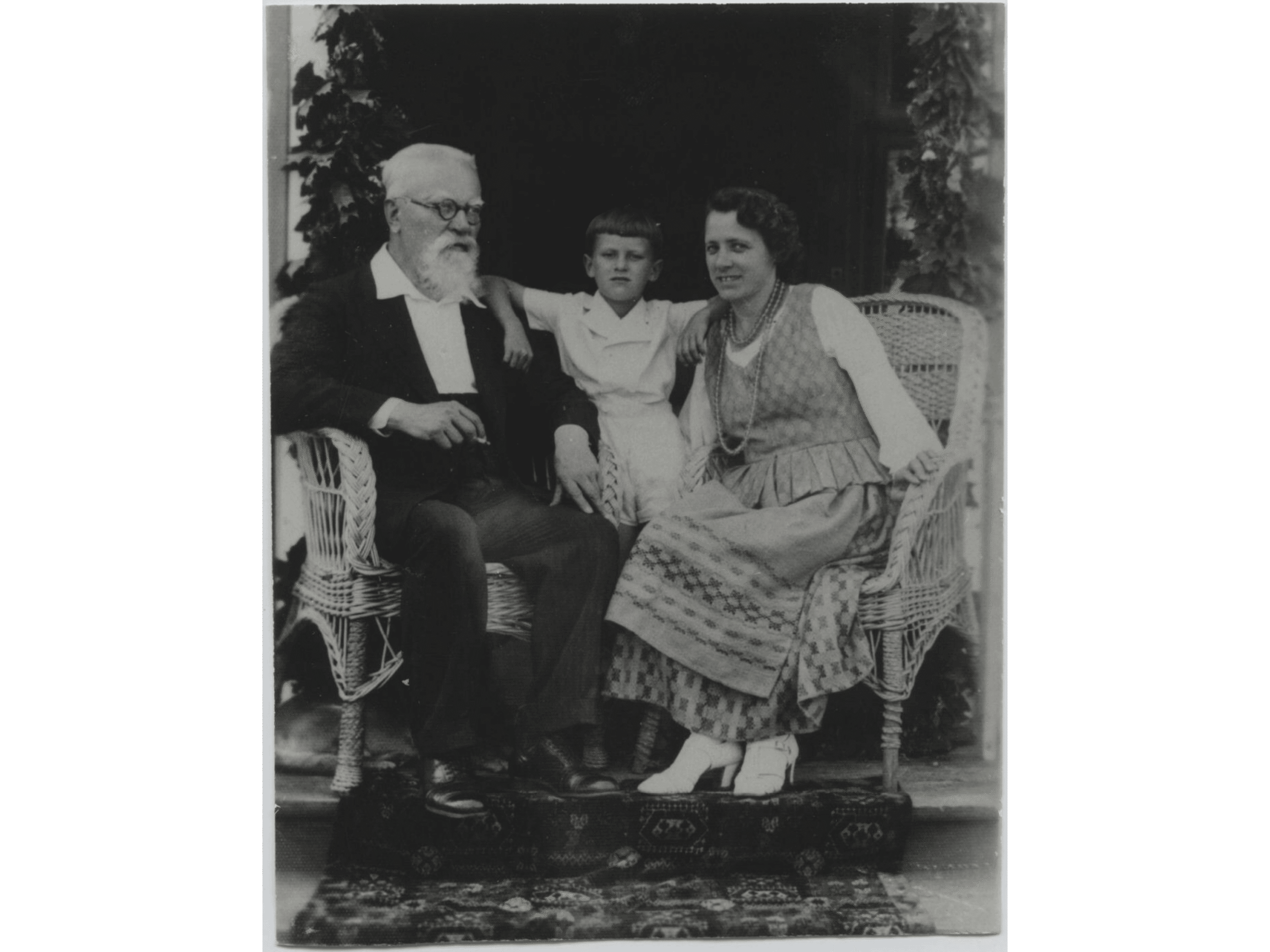
A year later, Šliūpas married a woman from Palanga, Grasilda Grauslytė — his late wife’s former maid, who had nursed him until her death and was 32 years younger than him. The marriage provoked outrage within his family and extended kin, especially because Grasilda was the same age as Šliūpas’ youngest daughter, Hypatija Šliūpaitė-Yčienė-Žiūrienė — both born in 1893. The scandal may have spread beyond the family: during the wedding ceremony, lightning struck the church in which they were being married.
-
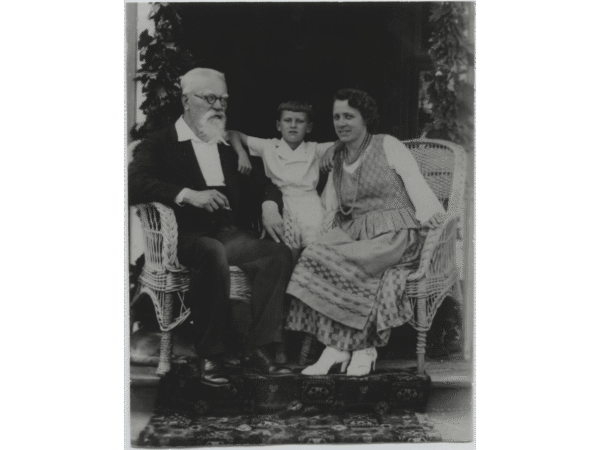
- Jonas Šliūpas with his wife Grasilda and son Vytautas during the Feast of the Assumption in Palanga, 1936. LNM
3. Turned Palanga into a Resort
Šliūpas took a strategic approach to developing Palanga as a resort town. He worked to strengthen the city’s administrative autonomy, promoted the establishment of health and wellness institutions, improved local infrastructure, and contributed to the creation of spa facilities. Alongside developing the infrastructure necessary for public health initiatives, Šliūpas also fostered the cultural and intellectual life of Palanga. Thanks to his efforts, the city gained schools and a library; he himself gave public lectures, encouraged education, and championed the preservation of historical heritage — including the Palanga Kurhauz.
4. A Pioneer of Telemedicine
While living in America, Šliūpas offered medical consultations remotely: people would write letters describing their health problems, enclose a dollar in the envelope, and receive a written diagnosis and advice in return.
5. A Visionary of Northern Alliances
Šliūpas saw Lithuania’s future in the North. He actively promoted cooperation with the countries of Northern Europe and encouraged the creation of a Union of Northern Nations. His ambitious vision also included joining forces with neighbouring Latvia to form a Lithuanian–Latvian Republic. He believed that unity with a fellow Baltic nation and the Northern states would help Lithuania grow stronger and resist Russian influence.
-
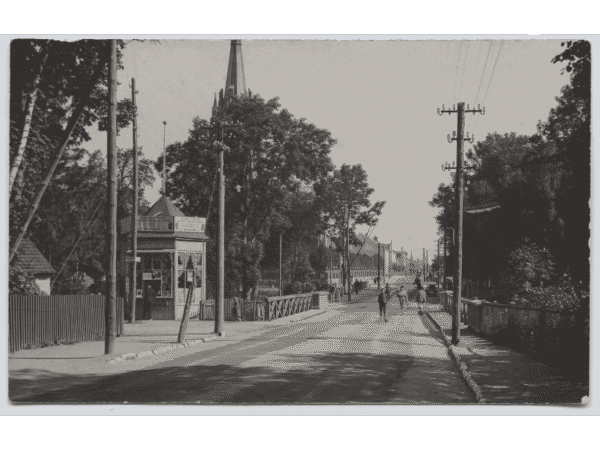
- Vytauto Street in Palanga, 1930s–1940s. LNM

6. Four Autobiographies
Šliūpas had a wide range of intellectual passions. He was an Aušra movement activist, doctor, diplomat, editor, entrepreneur, and an advocate for safe and fairly paid work. He also actively educated the public on natural sciences and many other topics. Over the course of his varied career, Šliūpas wrote and published more than 70 works — books, articles, and other writings on diverse subjects. He often signed his works under different pen names, such as “Aržuolaitis,” “Baisusis Barzdočius” (“The Terrible Bearded One”), “Kuokštis,” “Lietuvos Mylėtojas” (“Lover of Lithuania”), and “Šlp.” Among these writings were no fewer than four autobiographies — apparently, it took a lot of pages to cover all his activities and adventures.
And that’s not all! You can learn more about the adventurous life and eccentric personality of Jonas Šliūpas at the National Museum of Lithuania’s Jonas Šliūpas Museum (23A Vytauto Street, Palanga). Book an educational visit by email at [email protected] or by phone at +370 612 86114. More information at lnm.lt.
-
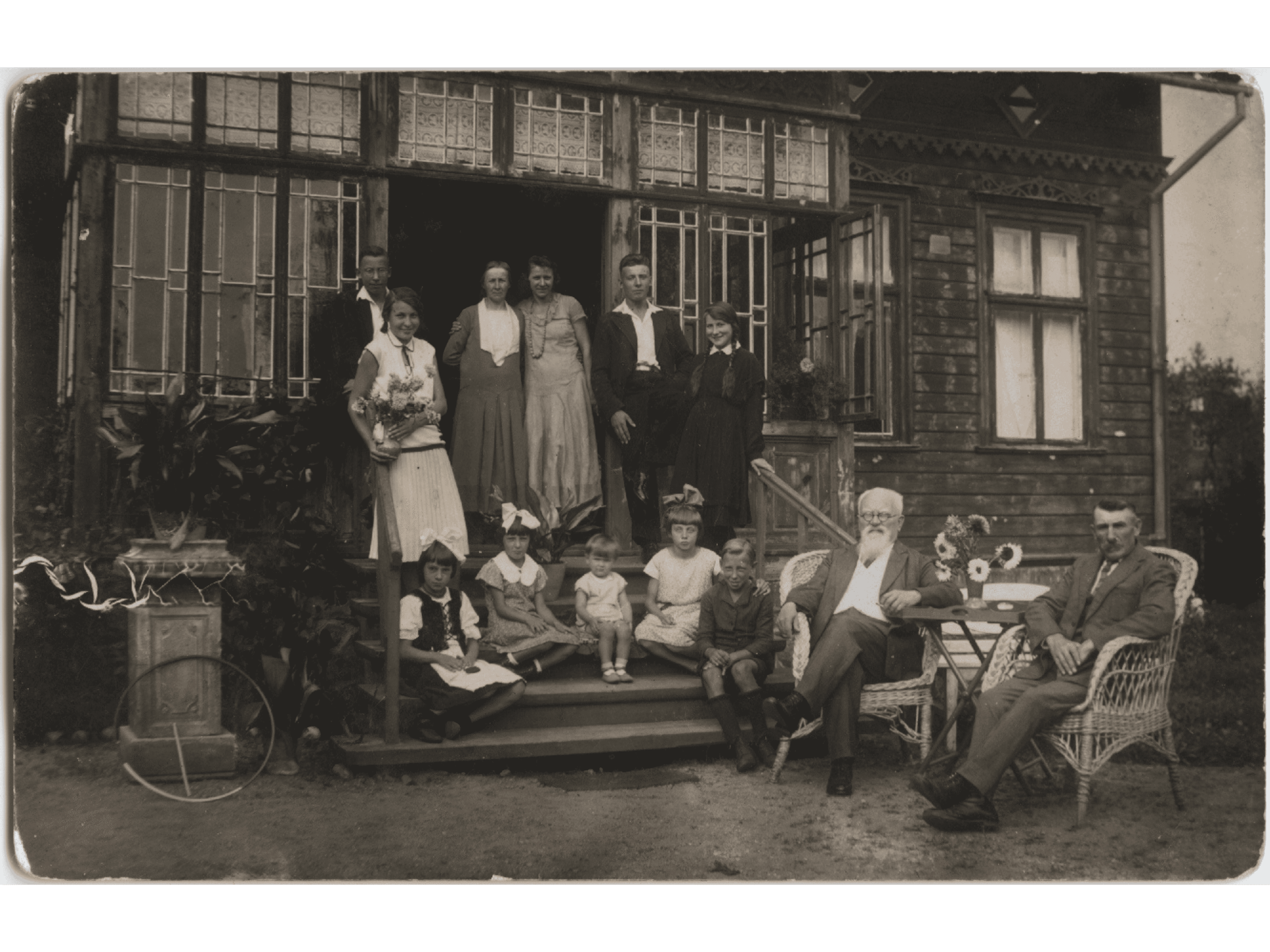
- Šliūpas and Ragauskas families in Palanga, 1932. LNM
-
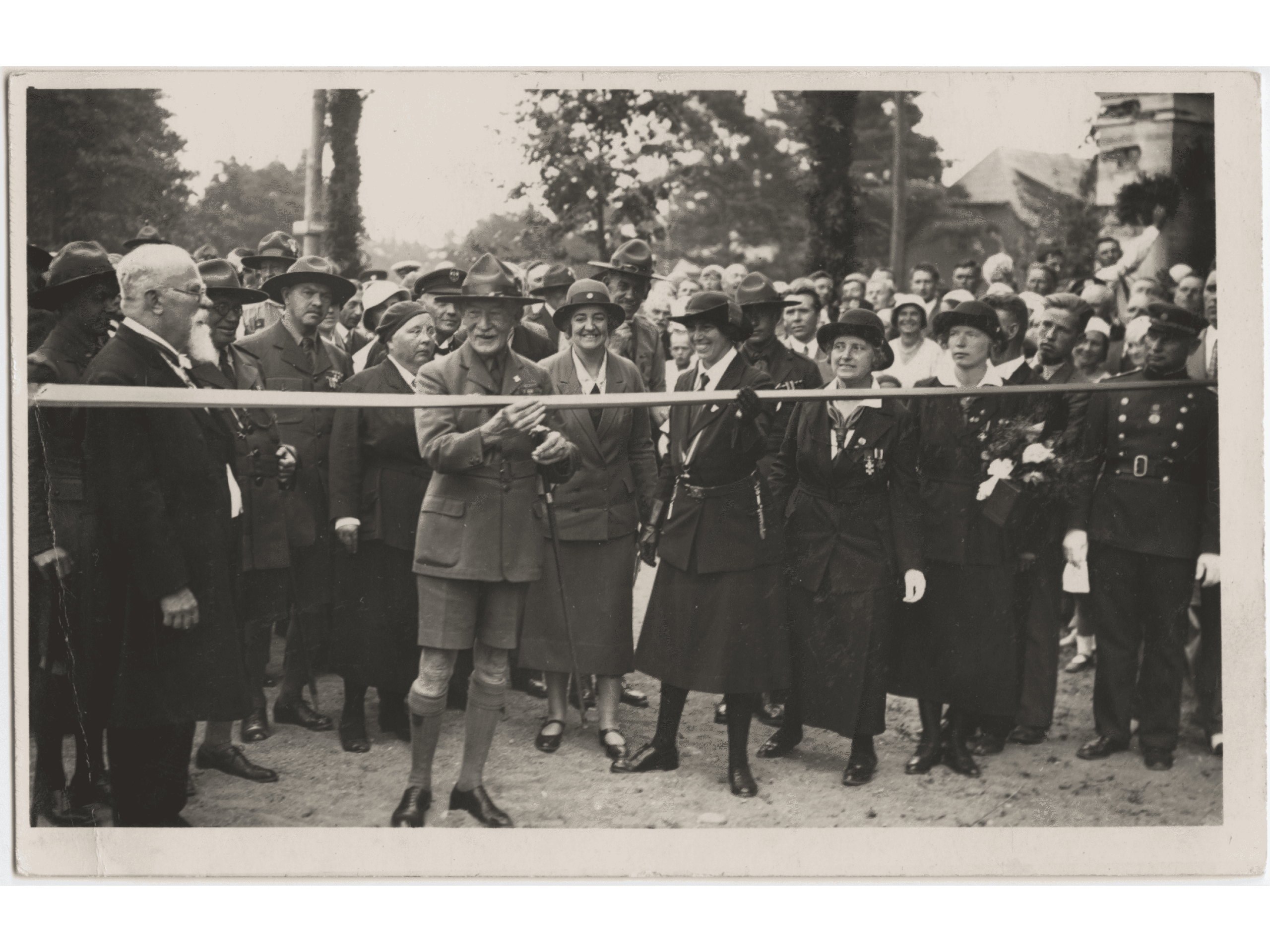
- Opening of Robert Baden-Powell Street in Palanga. On the left, Jonas Šliūpas. 1933. LNM
-
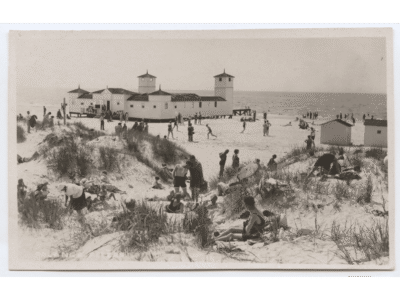
- Palanga beach, first half of the 20th century. LNM