Last Chance to See the Exhibition of Legendary Stained-Glass Artist Albinas Elskus at the LNM Kazys Varnelis House-Museum
2025 08 11
Until 31 August, the Kazys Varnelis House-Museum, a branch of the National Museum of Lithuania (LNM), is hosting the exhibition “Albinas Elskus. Heavenly Light”. This is an excellent opportunity to learn more about Albinas Elskus (1926–2007) – the Lithuanian-born émigré artist, teacher, and painter who became a legend of American stained glass.
According to the exhibition’s curator, stained-glass artist Assoc. Prof. Žydrūnas Mirinavičius, Elskus was a truly exceptional figure: “Albinas Elskus was a virtuoso of light direction, with a profound understanding of how coloured stained-glass light can transform an interior and influence a person. He was not only bold in composition, but also deeply attuned to what a space needed. In some places, he would use light hues, in others darker ones, and sometimes he would paint almost imperceptible pigments onto clear glass.”
A legendary teacher
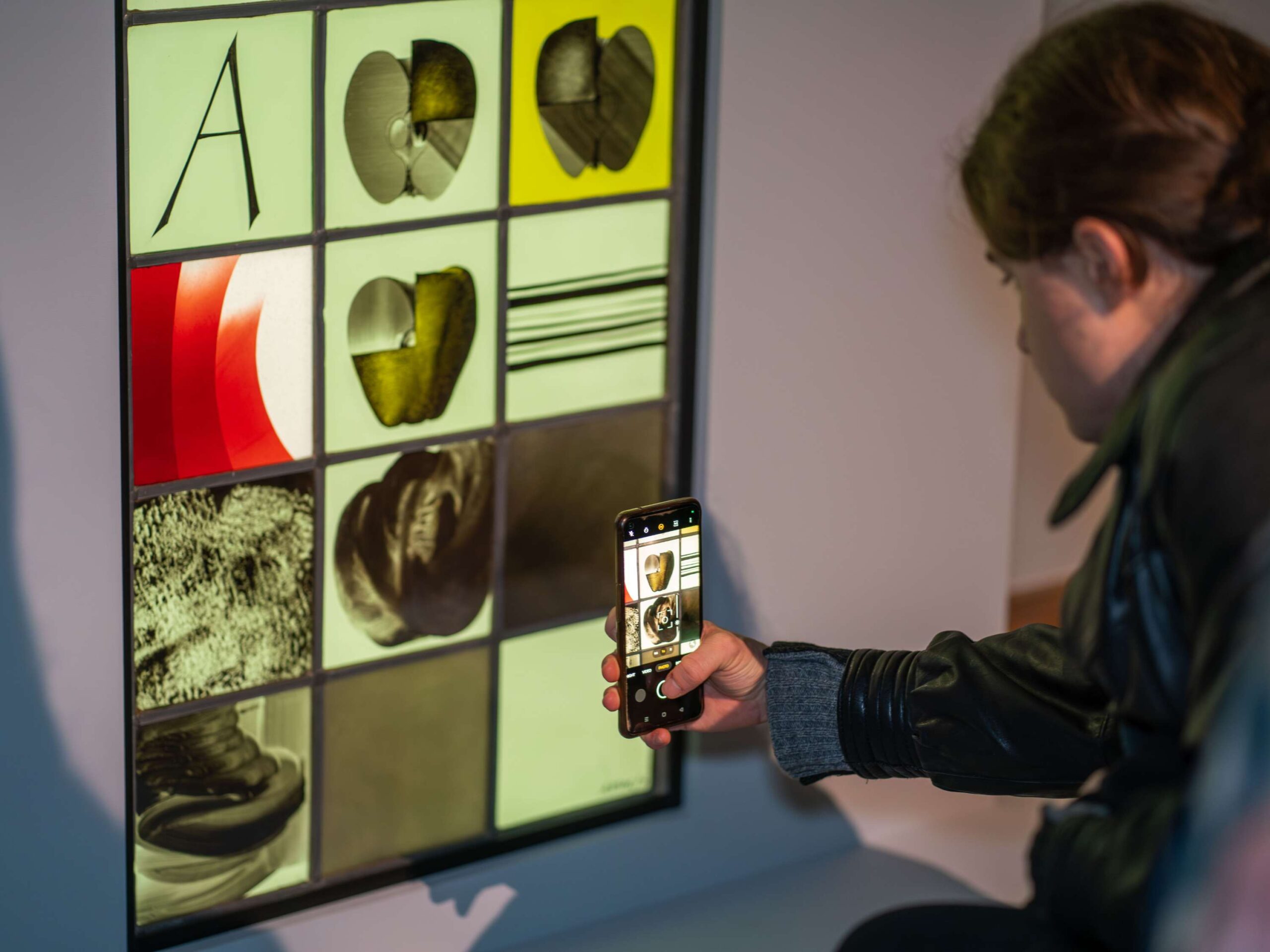
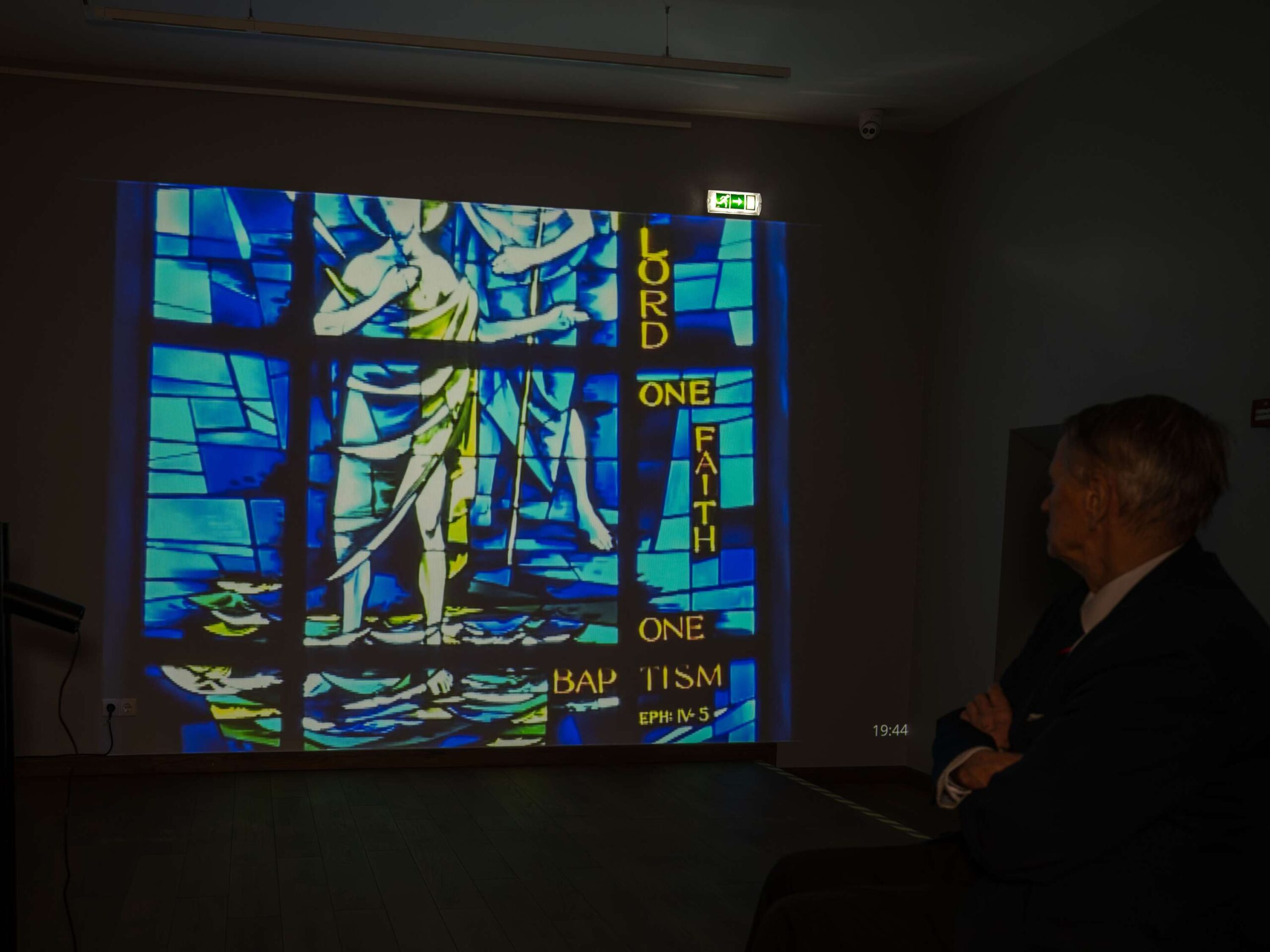
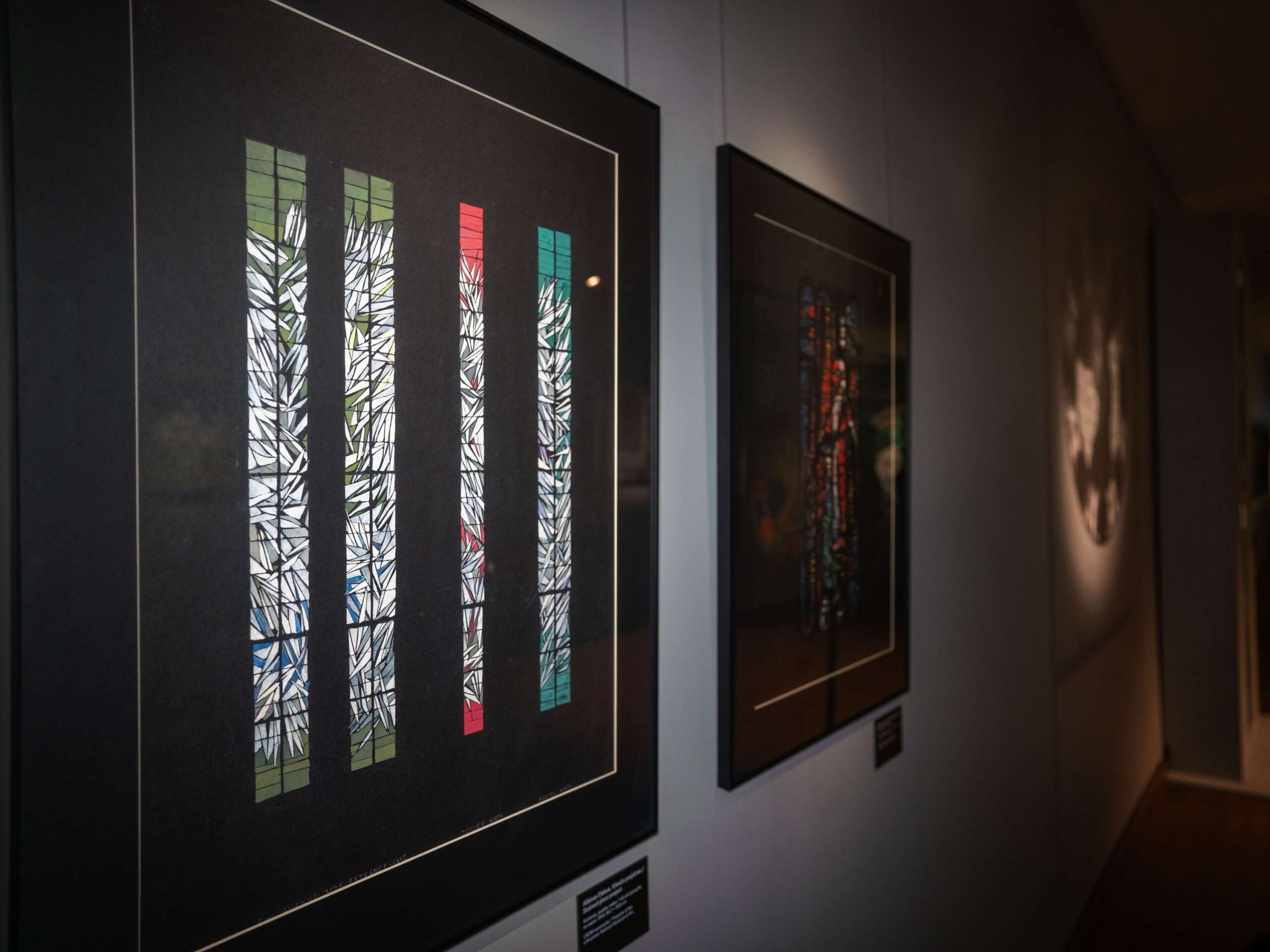
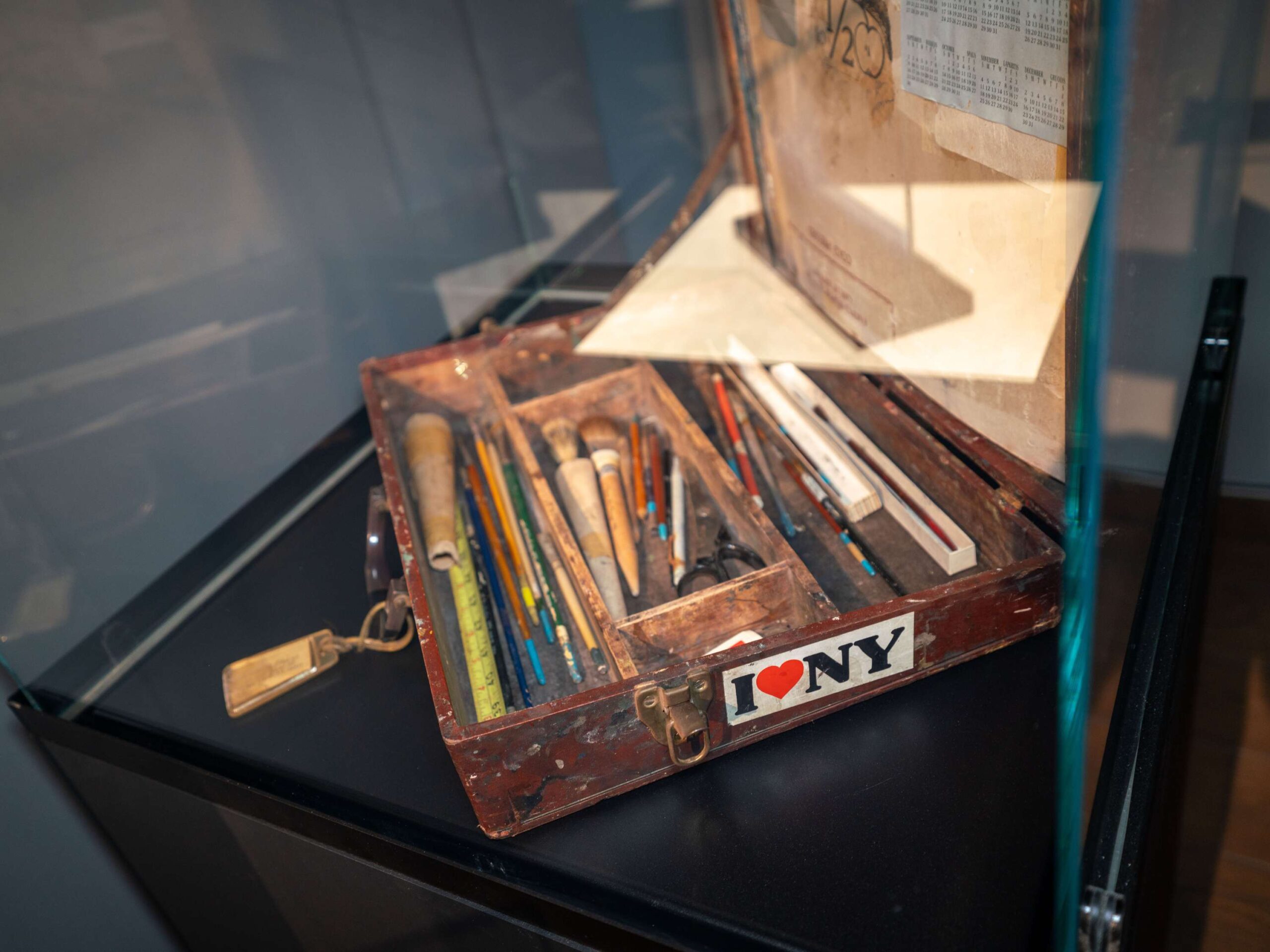
The exhibition presents Elskus’s small-scale stained-glass works, drawings, and watercolours, as well as a reconstructed worktable – offering a rare chance to glimpse his creative process up close. A documentary film, “Divine Light” (dir. Gytis Lukšas, 2006), also on view, invites visitors to discover his monumental works that adorn more than a hundred churches in the United States and Canada.
In the American stained-glass community, Elskus’s name is synonymous with the highest craftsmanship. He was not only an artist but also a shaper of the stained-glass tradition.
“Many contemporary stained-glass artists regard Elskus as their teacher. He authored a still-unsurpassed textbook on glass painting and taught courses in the United States, Canada, and Japan. Yet in Lithuania we know very little about him,” says Ž. Mirinavičius.
A supportive father
At the exhibition’s opening last November, Elskus’s children – Albinas, Arilda, and Adria – visited Lithuania. They donated to the National Museum of Lithuania not only several of their father’s works (including a small-scale stained-glass panel, several designs, and a portfolio of drawings), but also personal items and documents that significantly enrich the museum’s collection and broaden the historical narrative about the Lithuanian diaspora.
At the age of nineteen, Elskus left Lithuania to escape the approaching Soviet army, cycling to Germany, living in displaced persons’ camps, and later building his career in Chicago, Paris, and New York. “He worked a lot, but when we were together, it was always joyful and meaningful. He knew how to connect, listen, and share what he felt,” recalls his son Albinas.
“Dad had a vivid imagination and boundless energy. He was never bored – he would look at an artwork, a bird, or a bee with the same sense of wonder,” adds his daughter Adria.
Elskus not only created but encouraged others to create – children, students, and colleagues alike. “Just before I left for university, he told me: live your life and do what brings you joy. He knew I hadn’t yet decided what I wanted to do, but he trusted that I would find my way. Those are exactly the kind of words you hope to hear from a parent,” says his son Albinas.
It is no coincidence that the exhibition is being held at the Kazys Varnelis House-Museum. Both artists – Albinas Elskus and Kazys Varnelis – studied under Stasys Ušinskas, both fled to the West during the Second World War, and both lived for many years in the United States. “Kazys Varnelis was generally reserved in his opinions about other artists, but he would often say that Albinas Elskus was the best stained-glass artist in the US. That means a great deal,” notes curator Mirinavičius.
The exhibition “Albinas Elskus. Heavenly Light” will run at the Kazys Varnelis House-Museum, branch of the National Museum of Lithuania, until 31 August 2025. Albinas Elskus (1926–2007) was a stained-glass artist, painter, essayist, and passionate sailor. Having spent most of his life in the United States, he became a legendary figure and one of the leading authorities in the stained-glass world. In 2000, he received a Lifetime Achievement Award from the American Stained Glass Association, and his book “The Art of Painting on Glass” (Vilnius, 2009) has been reprinted several times and is still regarded as the leading work in its field.

Photos by Silvestras Samsonas, LNM