Museum for All: Educators explored ways to make museum activities more accessible to people with disabilities
2025 08 05
Museum Skills Development programme “Marta”, coordinated by the National Museum of Lithuania (LNM), together with the LNM’s residency space “Kūrybatorija”, brought together museum educators from across the country. Hosted at the “Kūrybatorija” in the Jonas Šliūpas Museum in Palanga, the workshop “Accessibility in Museums for People with Special Needs” was dedicated to inclusive practices.
Lithuanian Museum Professionals Advancing Their Skills
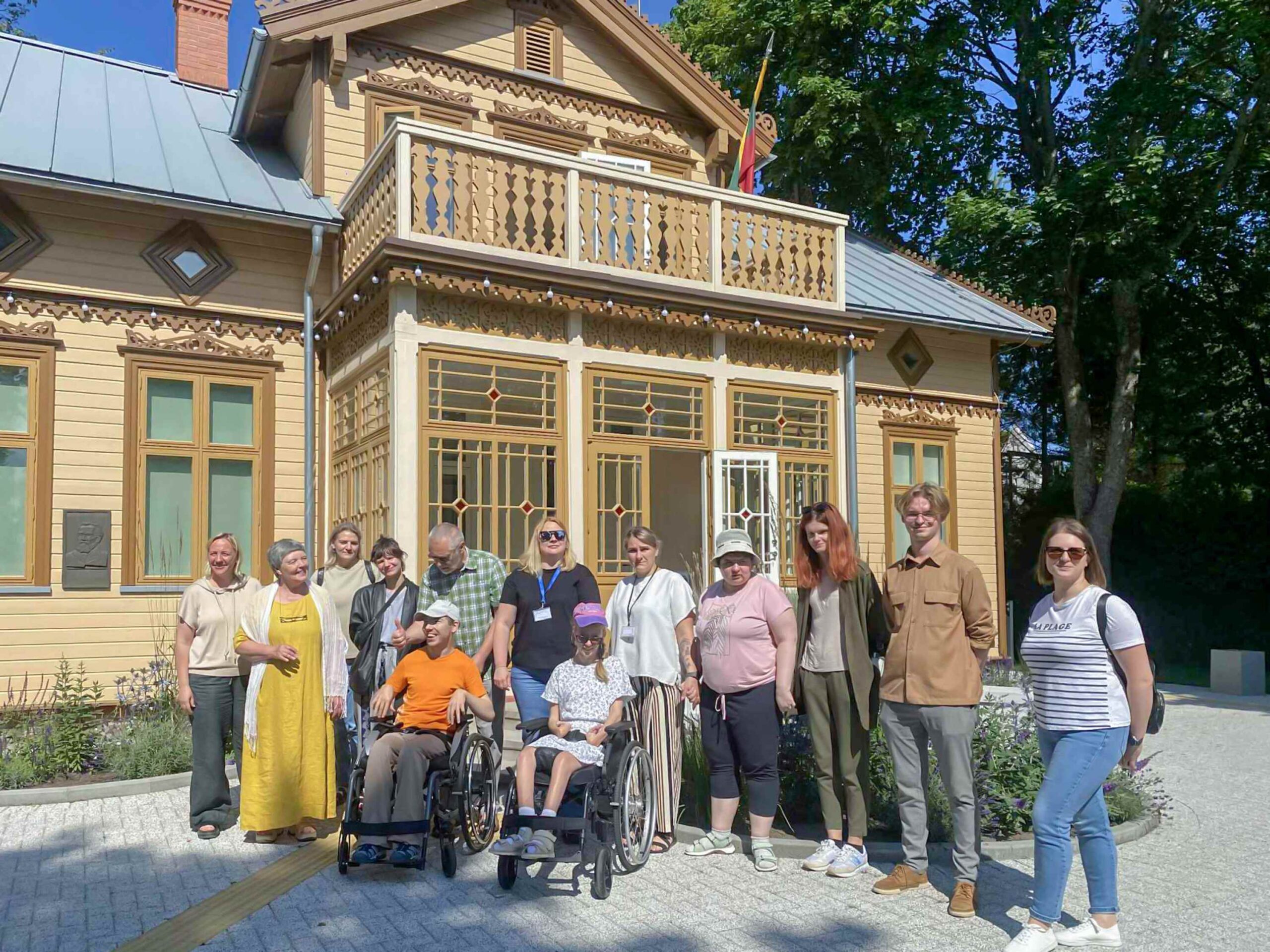
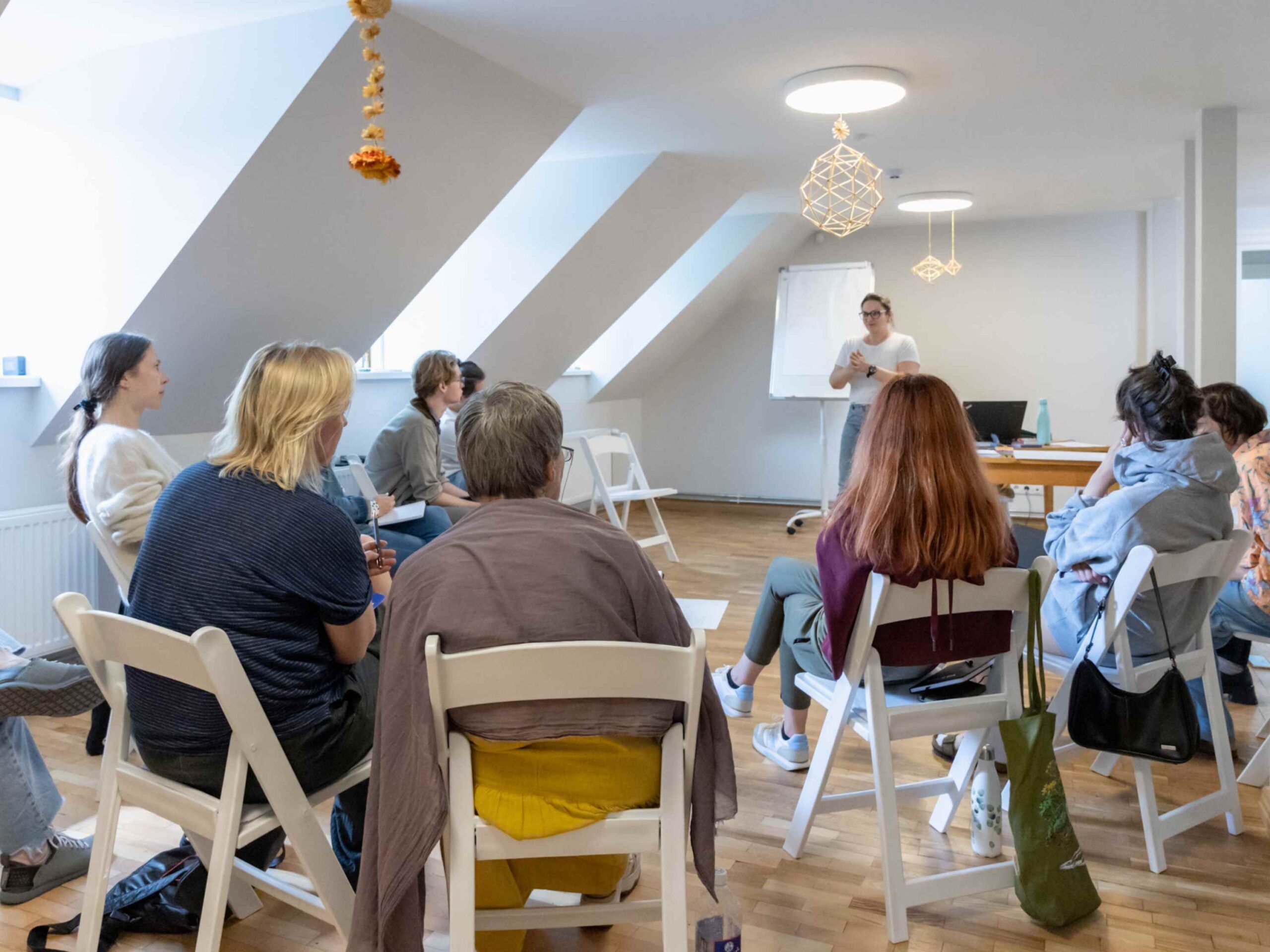
From July 22 to 25, the “Kūrybatorija” residency space of the National Museum of Lithuania (LNM), located at the Jonas Šliūpas Museum in Palanga, hosted a four-day creative residency for educators titled “Accessibility in Museums for People with Special Needs”, part of the ongoing “Marta” project.
The residency aimed to strengthen educators’ competencies in designing meaningful experiences for people with special needs and improving museum accessibility. The intensive creative workshops brought together educators from the Contemporary Art Centre, the M. K. Čiurlionis National Museum of Art, the Šiauliai “Aušra” Museum, the Lithuanian Theatre, Music and Cinema Museum, the Vilnius Museum, the Vilnius University Museum, the Kernavė Archaeological Site Museum, and the Jonas Šliūpas Museum. Participants attended training sessions, developed new educational activities, and tested them with a target audience.
Expertise from Abroad and at Home
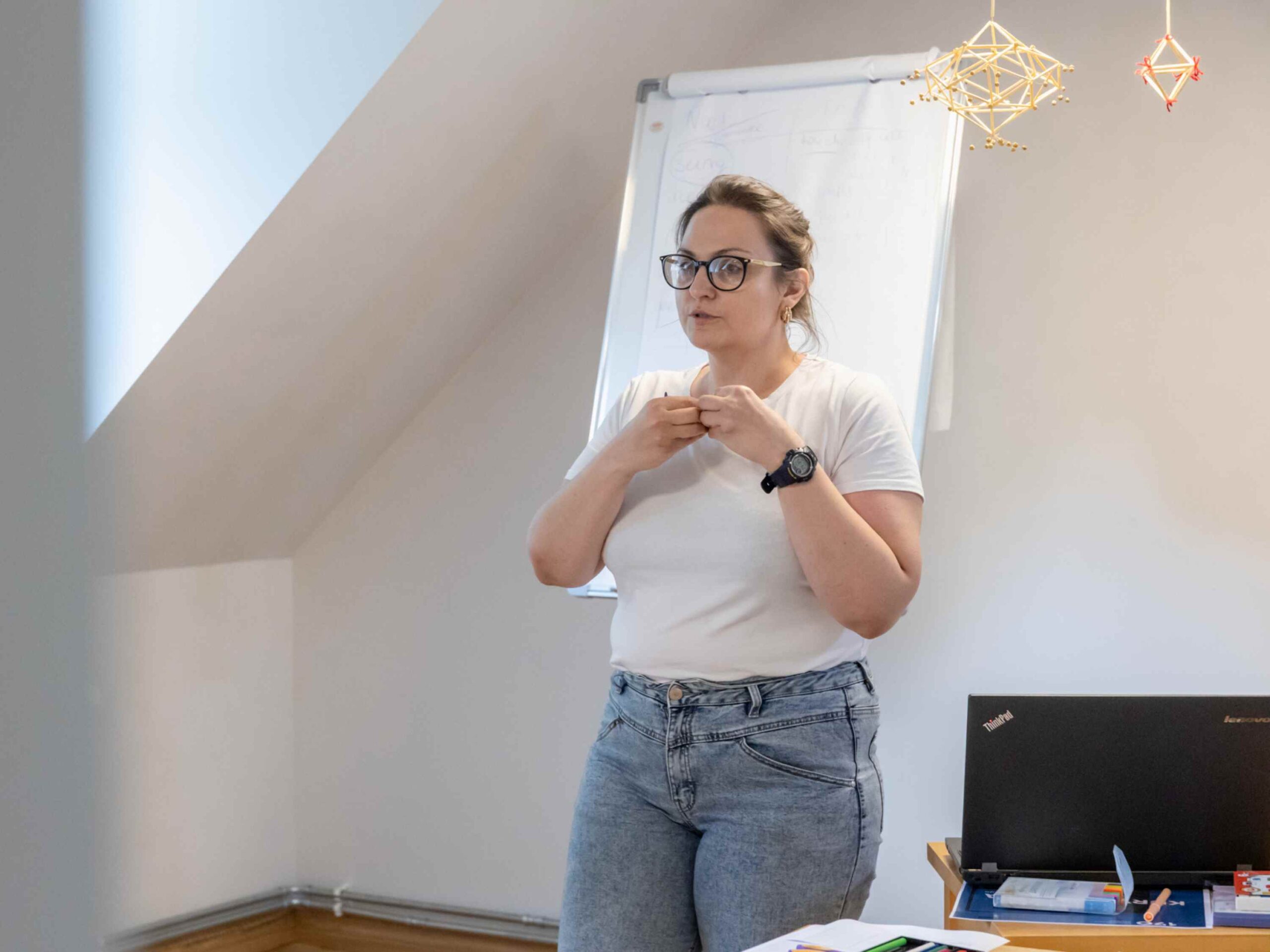
Workshops and training were led by accessibility expert Anna Dąbrowa (Silesian Museum, Poland). Participants gained insights into the social and medical models of disability and museum accessibility. The sessions focused on how to overcome preconceptions and attitudinal barriers to accessibility. A. Dąbrowa helped educators discover practical and easily applicable tools for improving the inclusiveness of museum activities.
The programme also involved a social partner – the Palanga City Social Services Centre. Social work practitioner Gražina Deimintienė and emotional wellbeing consultant Eglė Reinikytė introduced educators to the nuances of communication with people with disabilities. Together with the educators, they analysed real-life situations, offered guidance, and shared advice on meeting the needs of people with disabilities and understanding their emotional experiences in the museum context.
Direct Engagement with the Target Audience
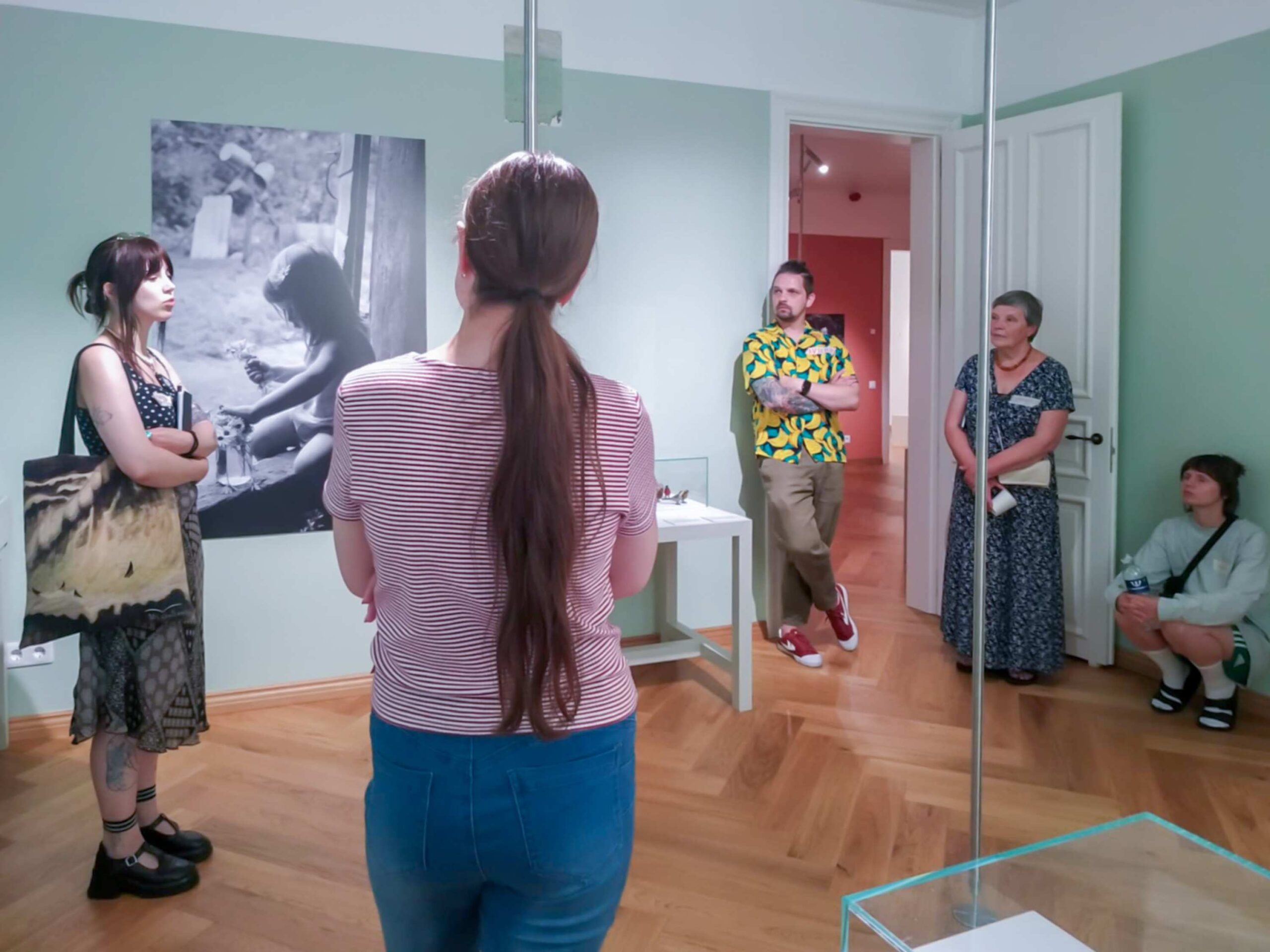
The educational activities developed during the residency were designed for people with disabilities and centred on the exhibition “The Joy of Being a Child” by photographer Rimaldas Vikšraitis. These sessions built a personal connection with visitors through storytelling and creative tasks. The activities were tested with clients of the Palanga City Social Services Centre – people with physical and intellectual disabilities.
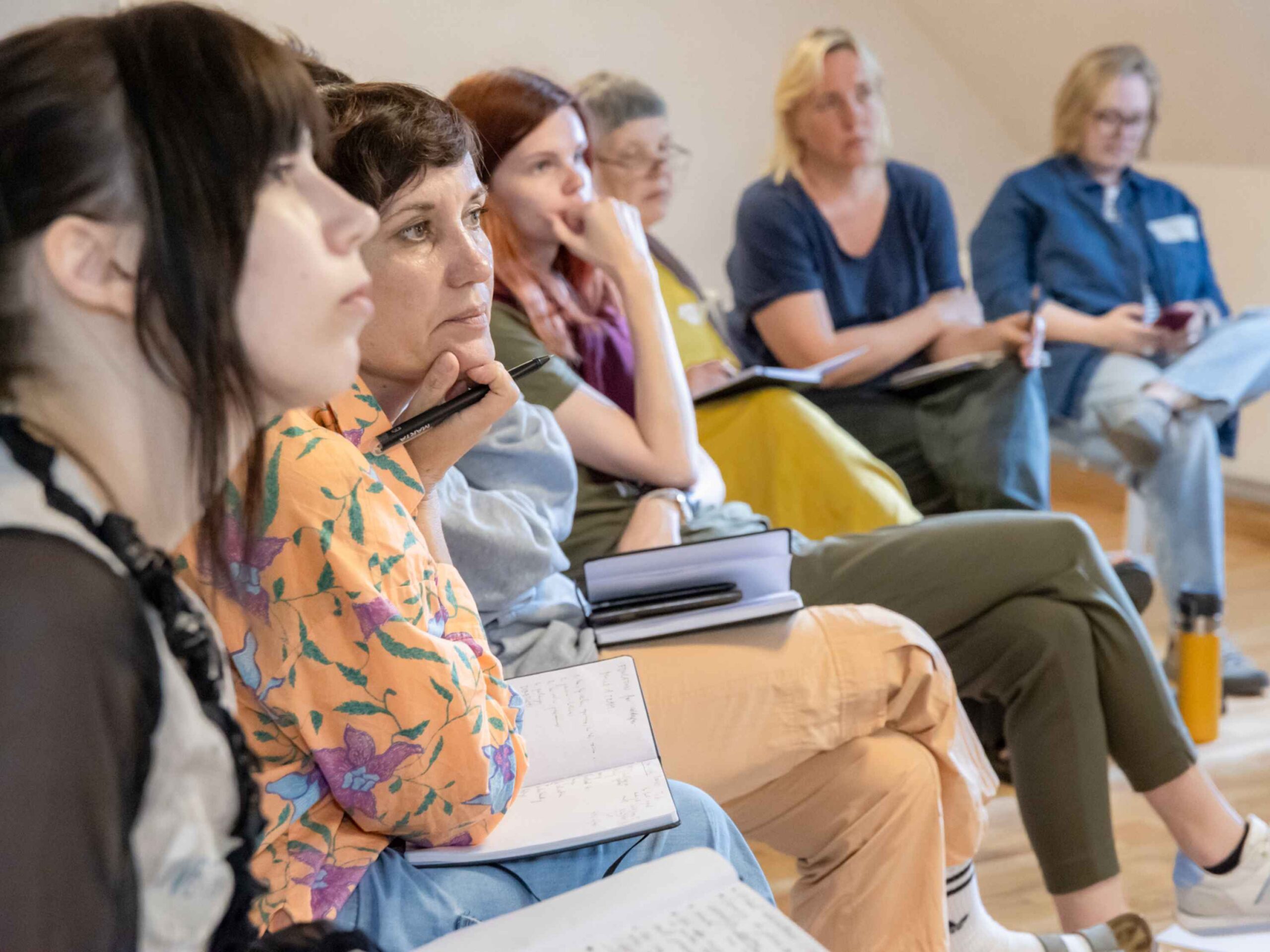
During reflections, participants emphasized that the greatest value of the creative residency was the opportunity to learn and work in teams, to co-create educational content, and to engage directly with the target audience through shared experiences.
Mentor Vida Narveišytė, reflecting on what set this residency apart, noted: “This year, I was especially heartened by the presence of experienced educators – participants whose insights, dedication, and love for their work reminded us once again of how important the role of the educator is in a museum. It’s encouraging to see museum professionals consciously recognising the significance of their work and willingly sharing their knowledge and experience with one another. Although the role of the educator has long been established in the museum field, the question of whether it is adequately valued remains relevant. I clearly felt how eager the “Kūrybatorija” participants were to absorb knowledge from the lecturers. It is evident that they will apply what they’ve learned in their museums and share it with their communities.”
Open and Inclusive Museums
The educator residencies organised by “Kūrybatorija” and Marta not only benefit the participants themselves but also enhance the experiences of museum visitors and improve access to cultural life. By strengthening educators’ understanding of how people with disabilities experience museums, a more welcoming and responsive environment is created for diverse visitor needs. The opportunity to test educational activities with the target audience and receive their feedback is an invaluable tool for creating high-quality, inclusive programmes.
The growing collaboration and knowledge-sharing among educators from different museums contributes to the overall advancement of the museum sector. Visitors in Lithuania can increasingly expect museum experiences that are inclusive, empathetic, and professionally designed. For visitors with disabilities, this opens up new possibilities to engage more actively in cultural life and to experience museum content in accessible and meaningful ways.
Between 2023 and 2025, the National Museum of Lithuania is implementing “Marta”, a nationwide museum competencies development programme for professionals working in national and state museums. The project is funded by the Ministry of Culture of the Republic of Lithuania.
Photos by Loreta Lingytė