National Museum of Lithuania Receives 2025 European Heritage / Europa Nostra Award for Its Cultural Heritage Donation Campaign for Ukraine
2025 06 12
Today, the European Commission and Europa Nostra have announced the 2025 winners of the European Heritage Awards / Europa Nostra Awards, which are co-funded by the Creative Europe Programme of the European Union. This year, Europe’s most prestigious awards for heritage go to 30 outstanding winners from 24 countries across the continent.
Among this year’s winners is the National Museum of Lithuania, in the Category Citizens’ Engagement & Awareness-raising. “The Culture of Ukraine has no Means of Defence” donation campaign offered citizens of Lithuania a direct and meaningful way to contribute to the safeguarding of cultural heritage in Ukraine. This initiative, led by the National Museum of History of Lithuania, served as a replicable model of solidarity and rapid response to save heritage objects.
Heritage supporters and enthusiasts are now encouraged to discover the winners and vote online to decide who will win the Public Choice Award 2025, which is entitled to receive a monetary award of €10,000. Votes can be cast until 12 September.
The winners were selected by the Awards’ Jury, composed of 11 heritage experts from across Europe, upon evaluation of the applications by the Selection Committees. A total of 251 eligible applications to this year’s Awards were submitted by organisations and individuals from 41 European countries.
Glenn Micallef, European Commissioner for Intergenerational Fairness, Youth, Culture and Sport, said: “The European Heritage Awards / Europa Nostra Awards give us the opportunity to appreciate how cultural heritage is deeply valued in Europe. This year’s winners showcase the ongoing efforts to safeguard and promote our rich cultural heritage for generations to come. Congratulations to the winners for their outstanding achievements and for their valuable contribution.”
Cecilia Bartoli, the world-renowned mezzo-soprano and President of Europa Nostra, stated: “I warmly congratulate this year’s winners of the European Heritage Awards / Europa Nostra Awards on their well-deserved recognition. These inspiring initiatives demonstrate how cultural heritage can be a powerful force for positive change in Europe – strengthening communities, supporting well-being, fuelling creativity, and contributing to economic resilience. Cultural heritage connects people across generations and borders. It brings Europe’s citizens closer together, united in our rich diversity. It brings beauty and meaning to our daily lives, and shows how it can help shape a more sustainable and inclusive future.”
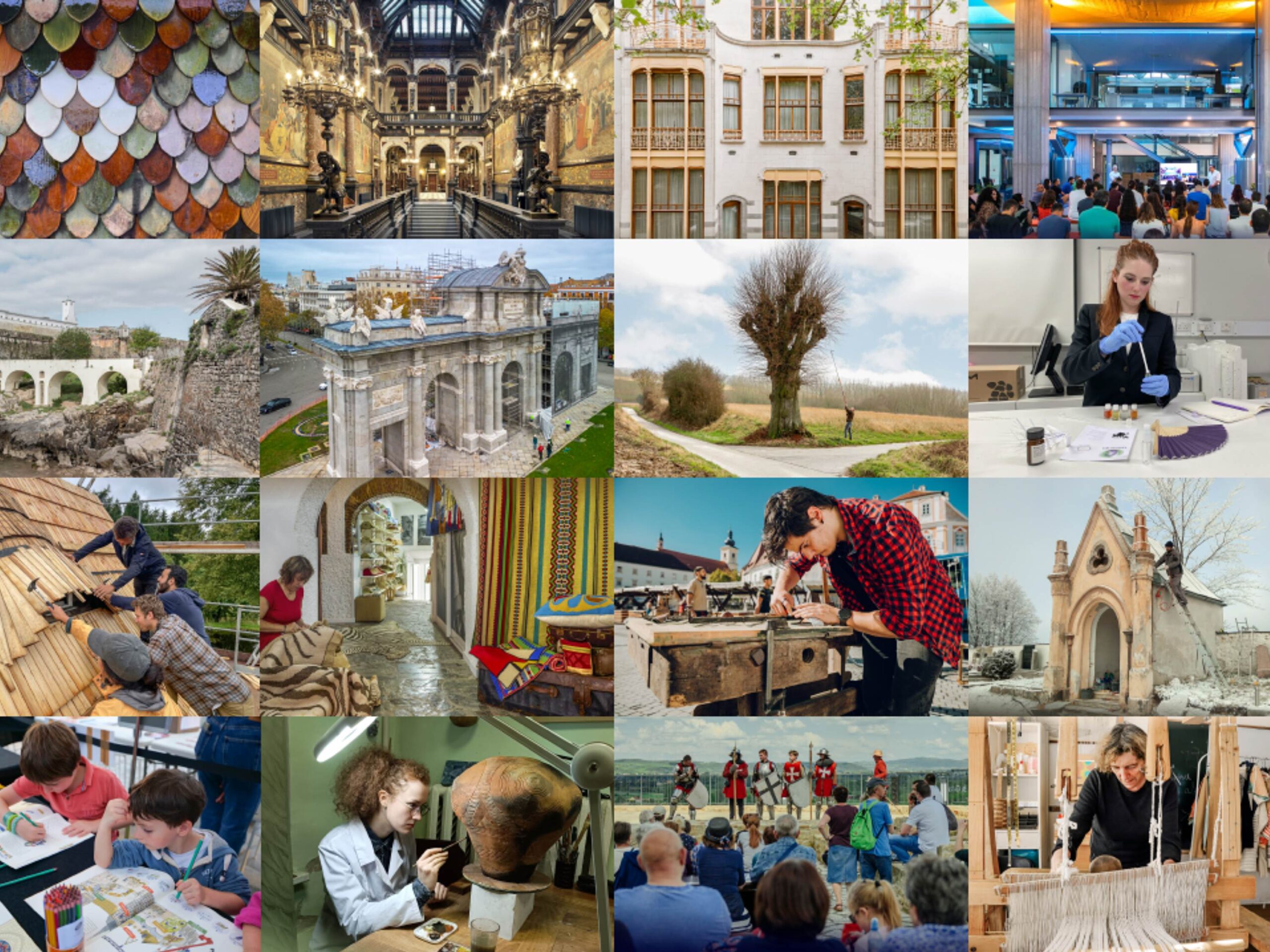
The winners will be celebrated atthe European Heritage Awards Ceremony 2025 on 13 October at Flagey, an iconic Art Deco building, in Brussels, Belgium. This high-profile event will feature the participation of European Commissioner Glenn Micallef and Europa Nostra’s Executive President Hermann Parzinger. During the ceremony, the Grand Prix laureates and the Public Choice Award winner will be announced, chosen from among this year’s winners of the European Heritage Awards / Europa Nostra Awards and entitled to receive €10,000 each. The ceremony will be a highlight of the European Cultural Heritage Summit 2025, which will take place from 12 to 14 October in Brussels. In a complex geopolitical context, the Summit will also provide a timely opportunity to give visibility and resonance to the upcoming Cultural Compass of the European Union, and to advocate for the political, societal, environmental and economic value of cultural heritage for the future of Europe. The Summit is organised by Europa Nostra and co-funded by the European Union.
Donation Campaign “The Culture of Ukraine has no Means of Defence”, LITHUANIA / UKRAINE
The donation campaign “The culture of Ukraine has no means of defence” was organised between November 2023 and February 2024 by the National Museum of Lithuania in collaboration with the Lithuanian Radio and Television, and the civic movement “Strong Together”. The initiative was strongly supported by the Lithuanian Museum Association, uniting 100 museums, and the Lithuanian National UNESCO Commission. The project’s Ukrainian partner, the National Museum of the History of Ukraine, identified and prioritised the urgent needs for restoration materials and equipment to protect and restore Ukraine’s heritage threatened by the war.

Since 24 February 2022, the war in Ukraine has placed enormous pressure on the country’s cultural heritage sector. Many institutions have faced urgent threats, with collections at risk of damage, deterioration or loss. UNESCO has verified damage to 485 heritage sites since the offset of the war. Iconic sites have sustained significant destruction. The situation has underscored the urgent need for protective measures, restoration materials, and international solidarity.
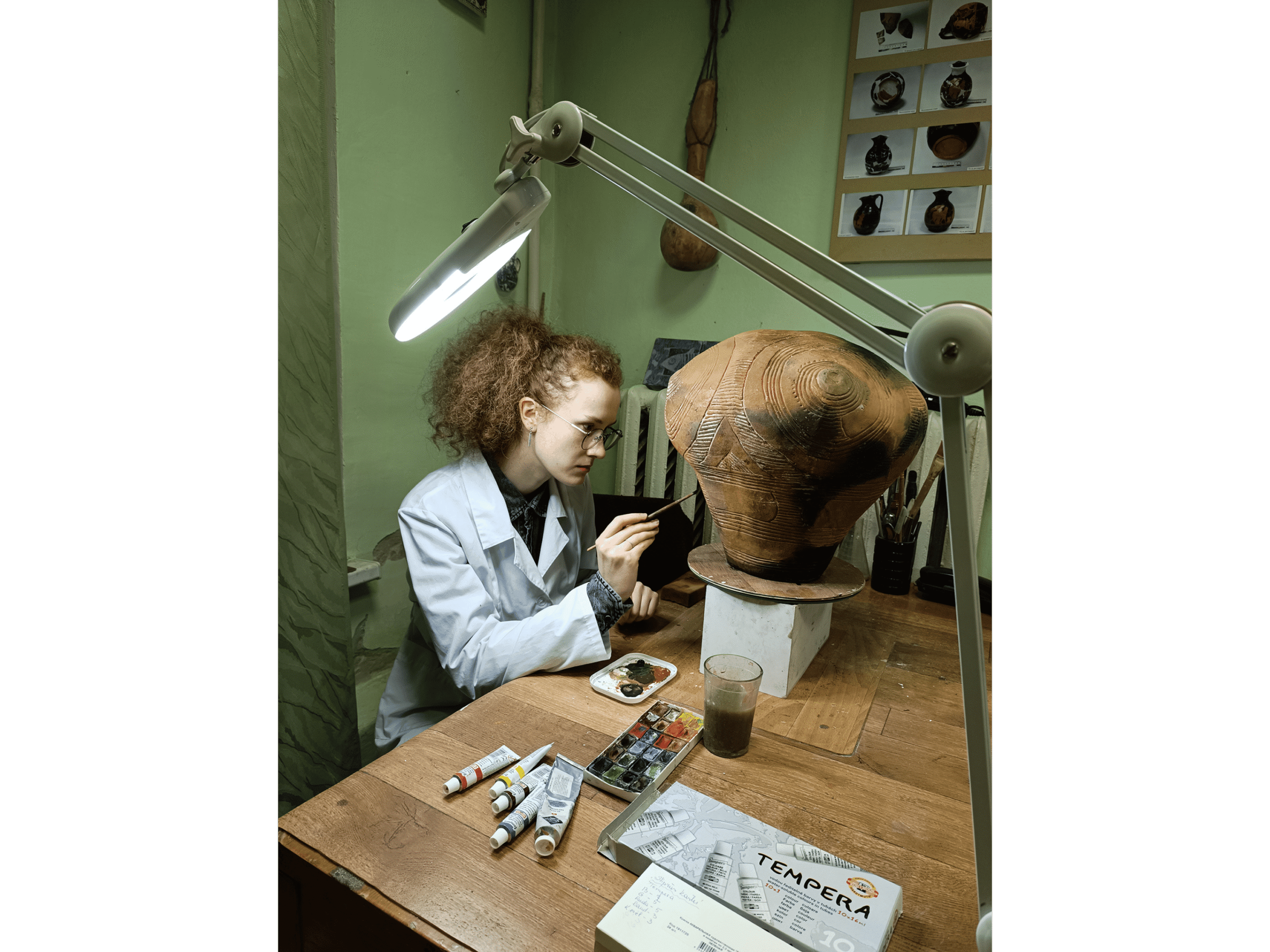
Responding to this crisis, the Lithuanian public was encouraged to donate via a dedicated campaign. These public contributions funded nearly 200 units of essential materials and equipment, such as specialised chemicals, adhesives, microscopes, and ultrasonic cleaners, carefully selected in consultation with Ukrainian restoration specialists.
In February 2024, the purchased materials were successfully delivered to the National Museum of the History of Ukraine, from where they were distributed across the country to museums and institutions in need. Since then, Ukrainian restorers have been actively working on stabilising and restoring hundreds of museum items. Among the conserved objects are archaeological finds, including weapons, household items, textiles, and manuscripts spanning from ancient to recent history.
A key innovation of this campaign was its emphasis on broad public engagement and solidarity. The initiative reached a multi-million audience through extensive coverage by outdoor campaign, Lithuania’s national television, radio, and social media channels. Museums across Lithuania actively participated in promoting the campaign, greatly amplifying its visibility and impact.
Beyond immediate restoration, the initiative provided a significant opportunity for cultural exchange and professional dialogue between Lithuanian and Ukrainian heritage specialists. It fostered ongoing collaboration, strengthening professional networks and facilitating the transfer of knowledge and restoration methodologies.
The project underscored the importance of cultural heritage as a cornerstone of collective identity, particularly in times of conflict. It demonstrated how cultural institutions and civil society can come together effectively to respond to crises, setting a practical model of international cooperation and solidarity within Europe.
“This donation campaign offered citizens of Lithuania a direct and meaningful way to contribute to the safeguarding of cultural heritage in Ukraine. This initiative, led by the National Museum of History of Lithuania, serves as a replicable model of solidarity and rapid response to save heritage objects,” the Awards’ Jury stated.