The National Museum of Lithuania to Open an Exhibition on Rave Culture in the Former Lukiškės Prison
2025 05 30
Starting June 19, the National Museum of Lithuania and Lukiškės Prison 2.0 will invite visitors to explore the new exhibition RAVE NATION. To Freedom by Night’s Rhythm. 1992–2004. The exhibition presents the history of rave culture in Lithuania, artworks by renowned local and international artists, and authentic artifacts. It will take place in previously unseen spaces of Lukiškės Prison 2.0—raw, real, and evocative of an underground rave (Lukiškių skg. 6, Vilnius). Tickets are available at Bilietai.lt.
The Pulse of Fresh Freedom
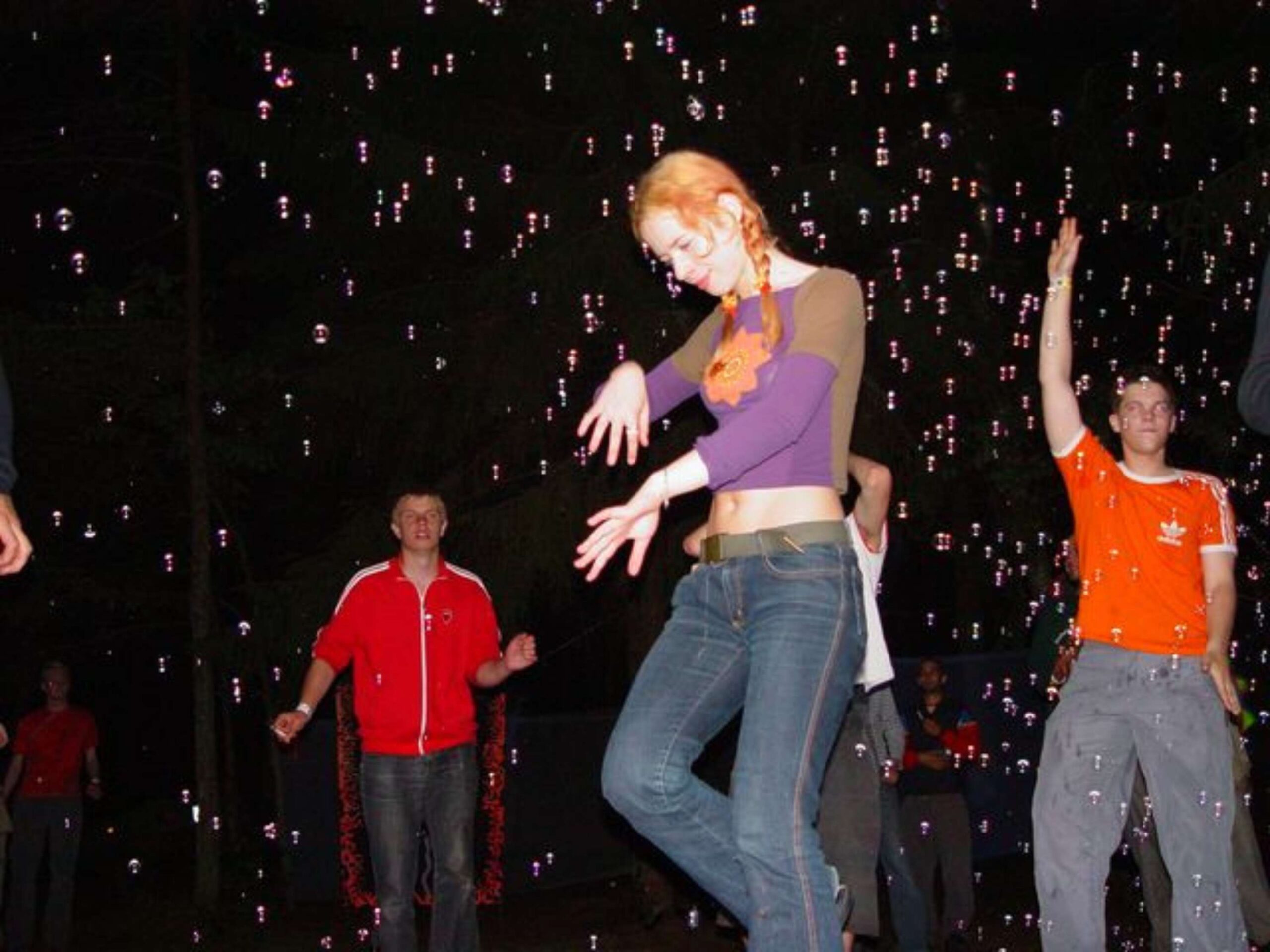
As Lithuania’s adults were adjusting to capitalism in the wake of the Soviet Union’s collapse, Western notions of freedom swept over the youth via the dancefloor. The rave scene, which arrived from the Netherlands, brought with it electronic music parties unlike anything seen before—dancing solo rather than in pairs, uninhibited movement, exploration, and the relentless, synthetic beat of dance music that transported listeners to another dimension.
-
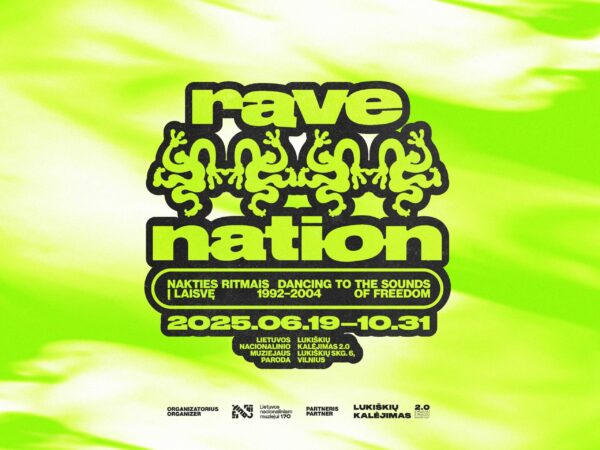
- RAVE NATION. To Freedom by Night’s Rhythm, 1992–2004
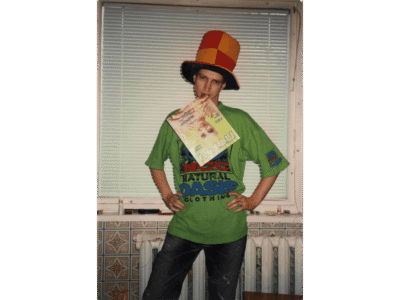
The newly emerging generation of youth in independent Lithuania didn’t yet call themselves a rave community, but creative minds were hungry—for artistic freedom, new sensations, and human connection. Risking misunderstanding or even physical assault, they created their own spaces for freedom and this newly discovered music, organizing often illegal or semi-legal parties where nothing held them back.
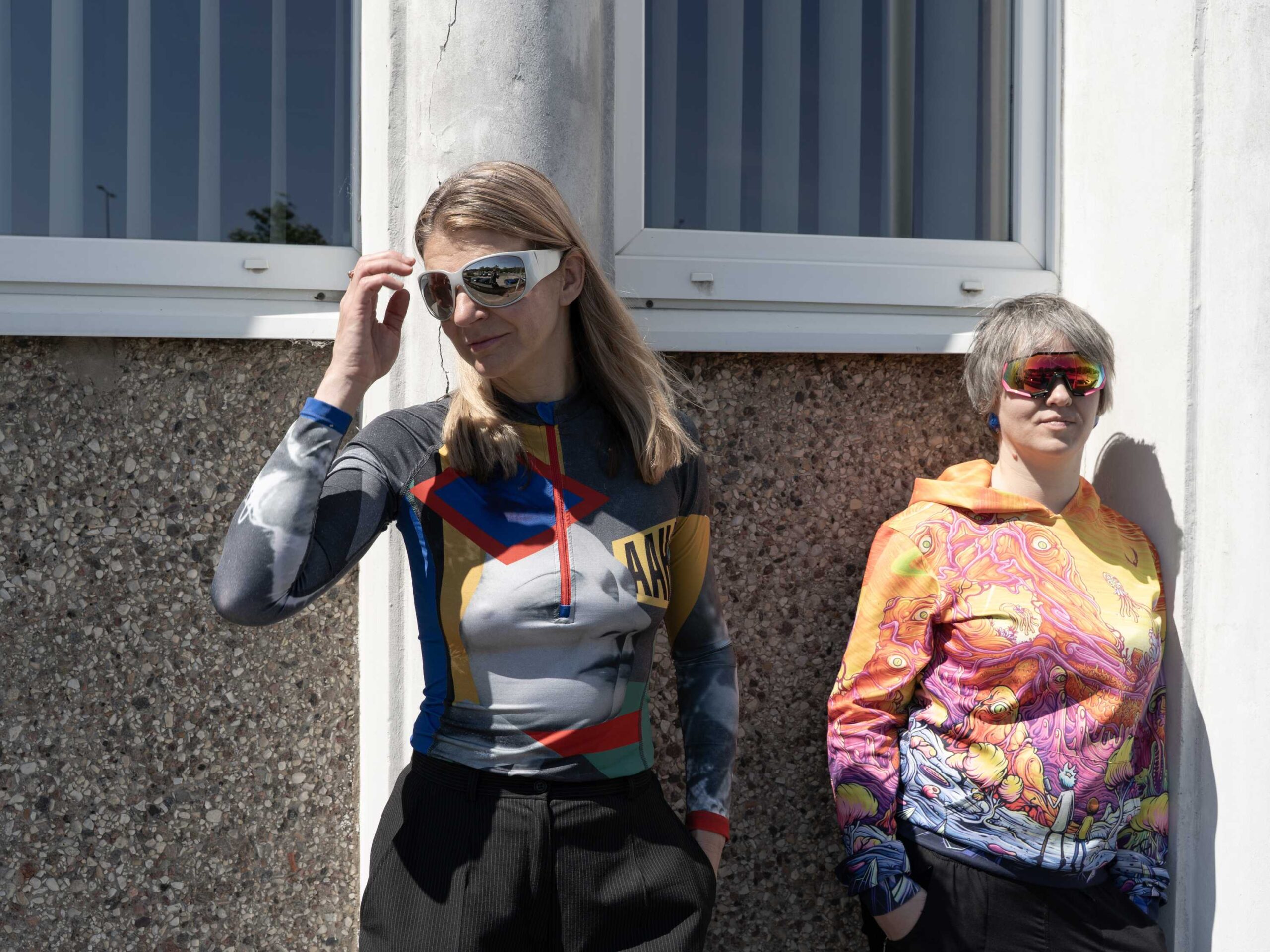
Rave became not only a form of partying but a vehicle for social transformation. The community fostered a strong culture of respect and acceptance, encouraging openness to new ideas and experiences. “This is a story about bodies moving against the system to the rhythm of electronic music,” says Justė Kostikovaitė (Roots to Routes), one of the exhibition’s curators.
“From 1992 to 2004, rave culture was not just about immersing yourself fully in sound, here and now—it was also a way of striving toward the future. Being a DJ, a designer, or a journalist seemed like the most fashionable, most forward-looking professions. Now, living in that imagined future, we can see it all from a new perspective,” adds co-curator Egla Mikalajūnė.
An Exhibition Created by the Community
What makes this exhibition unique is its organic nature. Visitors will see artifacts contributed to the National Museum of Lithuania by the rave community itself—flyers, posters, recordings, clothing, installations, photographs, and personal memories. Among the items on display are loans from legendary figures of the Lithuanian rave scene, including DJ Saga, Matas Petrikas (EXEM), and many others. This is a living cultural archive—an invitation to delve deeper into the themes raised by the exhibition and to spark curiosity for further exploration.
“Now is the best time for us to preserve our rave culture. Sadly, some of our heroes are no longer with us—both Jonas, the founder of the legendary record store Zarraza, and DJ Andy from Vilnius’ techno club Extra, have passed away. But many ravers are still here, among us. They remember those times, still keep objects and memorabilia in their homes and studios, and most importantly—they carry the memories and stories of how it really was,” notes Justė Kostikovaitė.
-
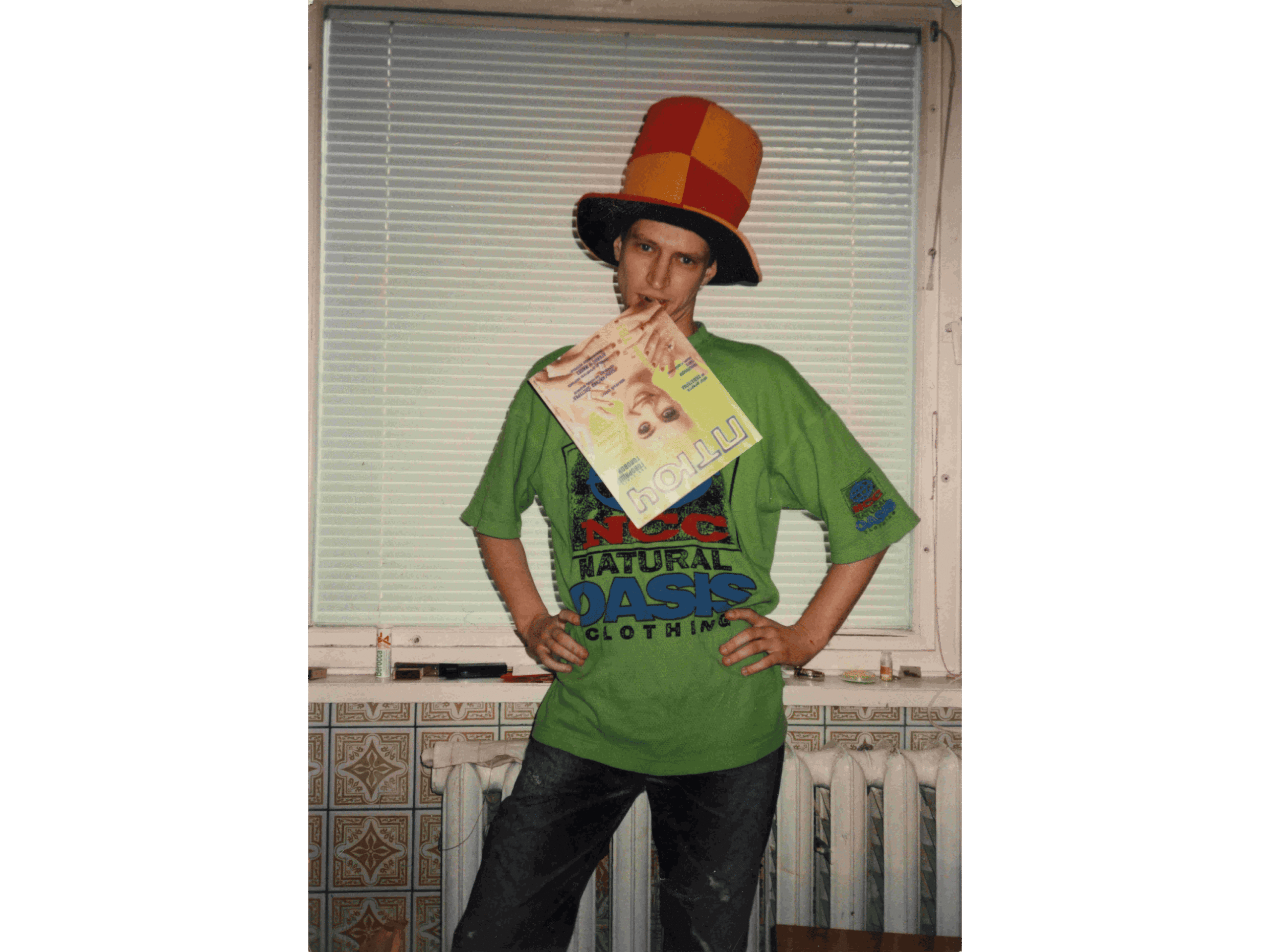
- DJ Saga. Photo from personal archive.
-
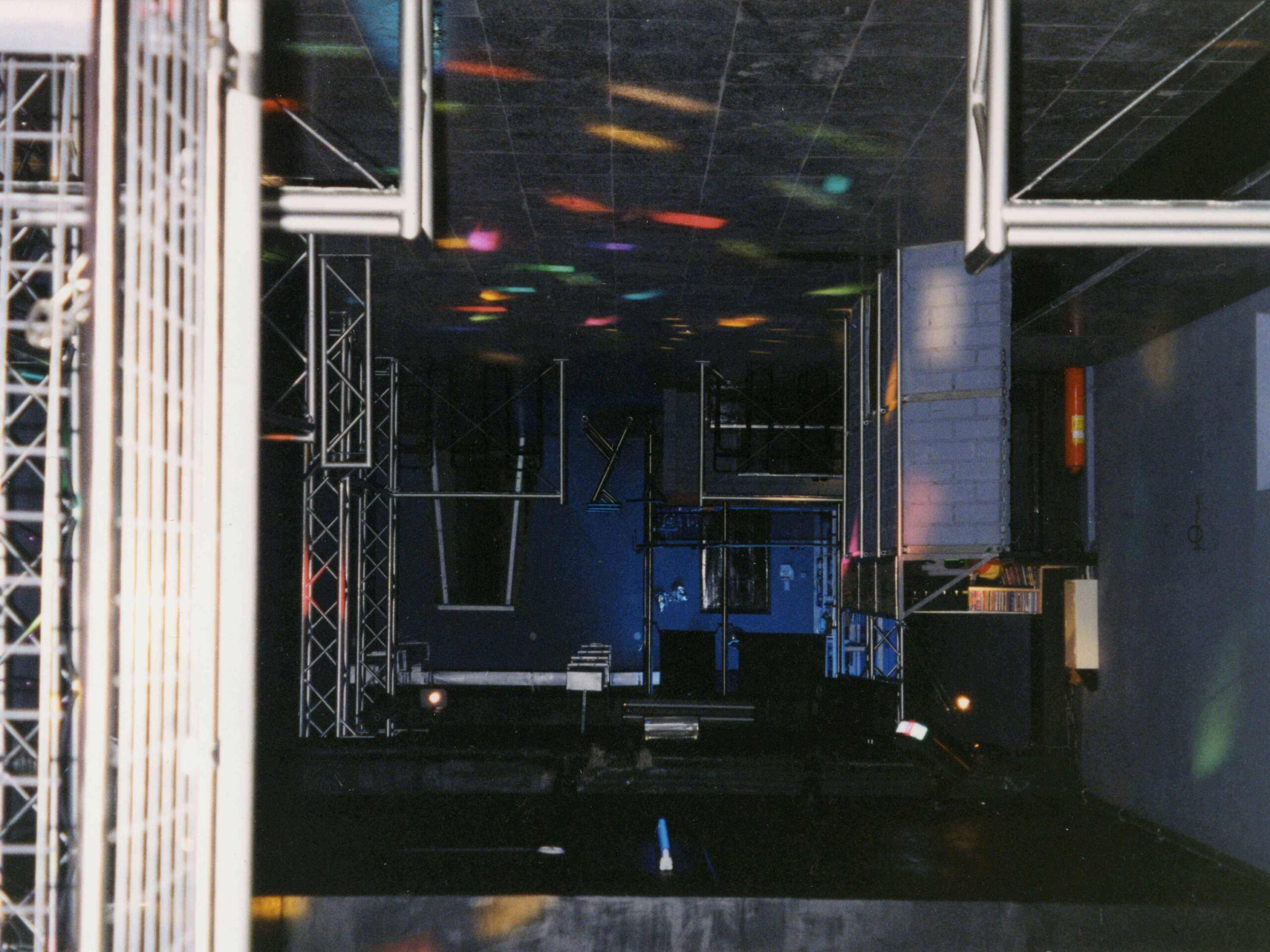
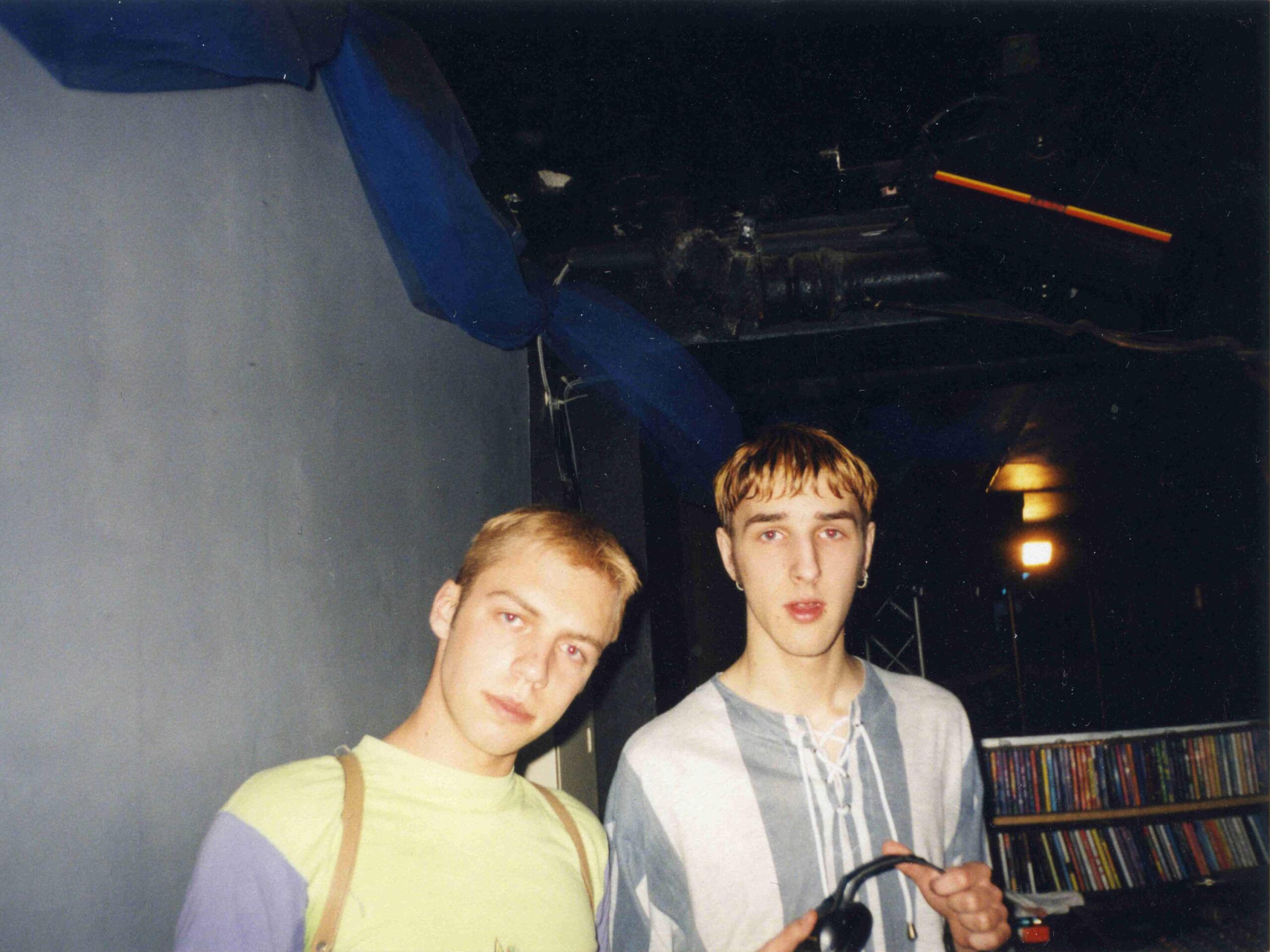
- Club EXTRA. Photo from the archive of Raimonda Klimašauskaitė
Alongside authentic artifacts, visitors will also encounter works by acclaimed artists reflecting on the rave experience. Participating artists include Deividas Vytautas Aukščiūnas, Aleks Bunis-Ziog, Tony Cokes, Ringailė Demšytė, Rineke Dijkstra, Bogomir Doringer, Ervinas Faktūra, Miķelis Fišers, Liudmila (Milda Januševičiūtė and Miša Skalskis), Elena Krukonytė, Mark Leckey, Tania Mouraud, Robertas Narkus, Aistė Radzevičiūtė, Vegas Šimbelis, and Mirjam Wirz.
Get Your Tickets Now
Tickets to the exhibition RAVE NATION. To Freedom by Night’s Rhythm. 1992–2004 are available now at www.bilietai.lt or at Bilietai.lt ticket offices. You can also purchase tickets at the information center located in the Lukiškės Prison complex.
Don’t miss the party—follow updates about the exhibition and its accompanying events on the National Museum of Lithuania’s website at lnm.lt and on the social media accounts of the National Museum of Lithuania and Lukiškės Prison 2.0.
The exhibition is funded by the Ministry of Culture of the Republic of Lithuania.
-
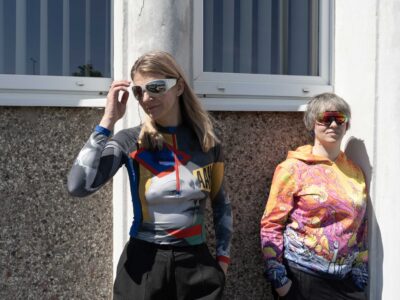
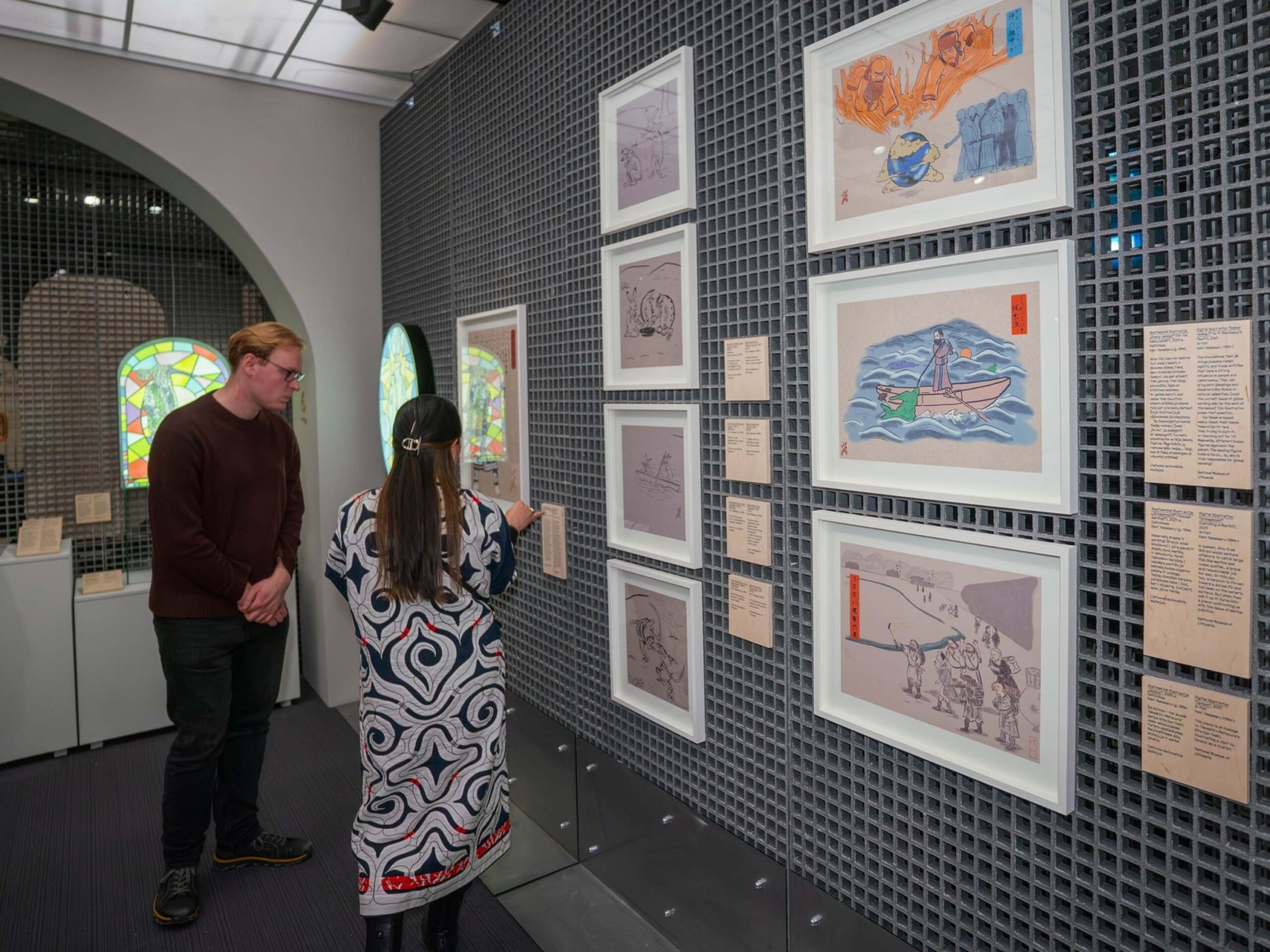
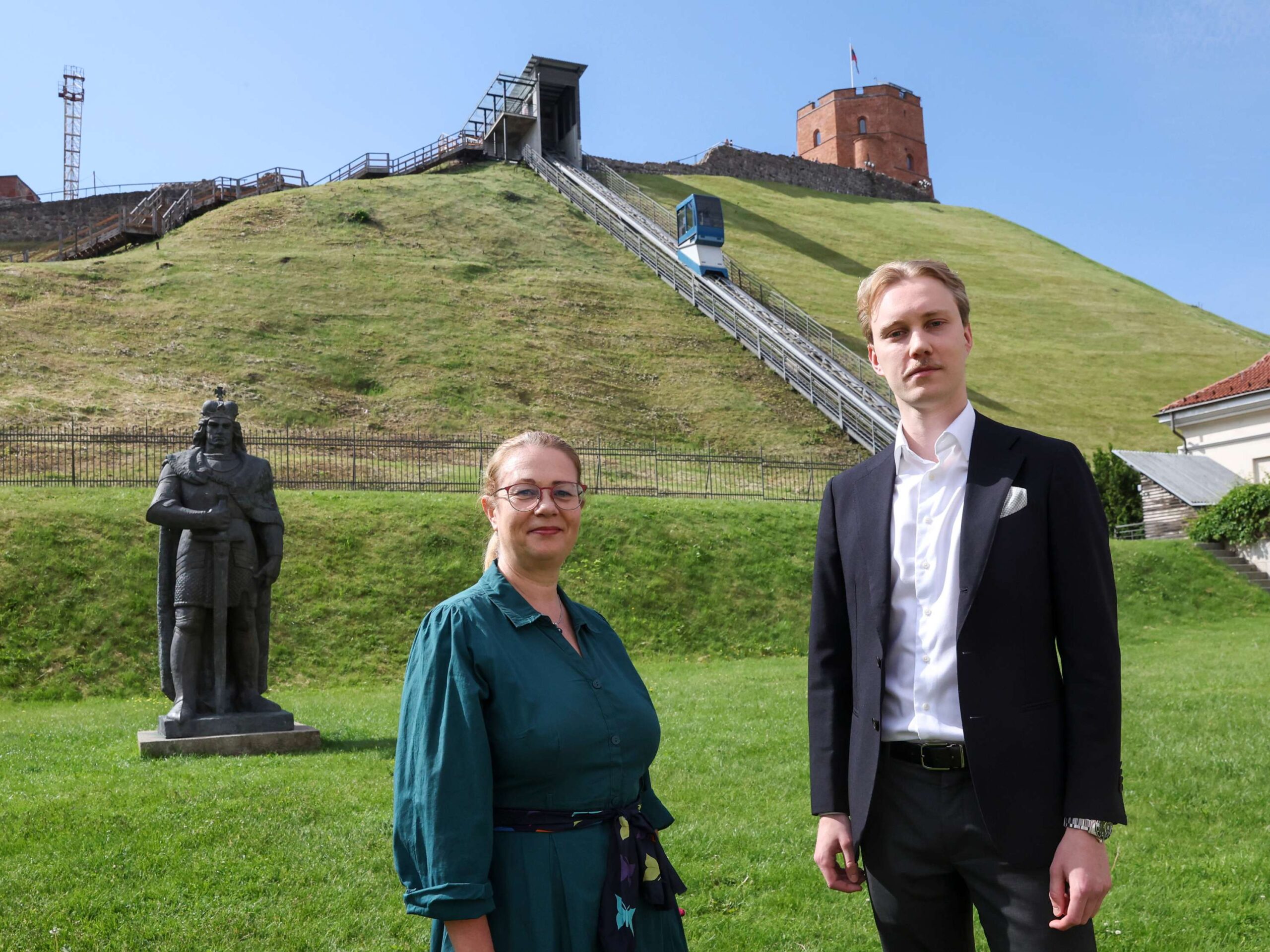
- Curators J. Kostikovaitė and E. Mikalajūnė. Photo by Jurga Sako
-
- Club EXTRA. Archive of Raimonda Klimašauskaitė
-
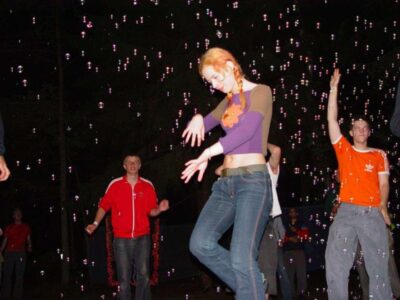
- Photo from the first “Tundra” festival, 2004